

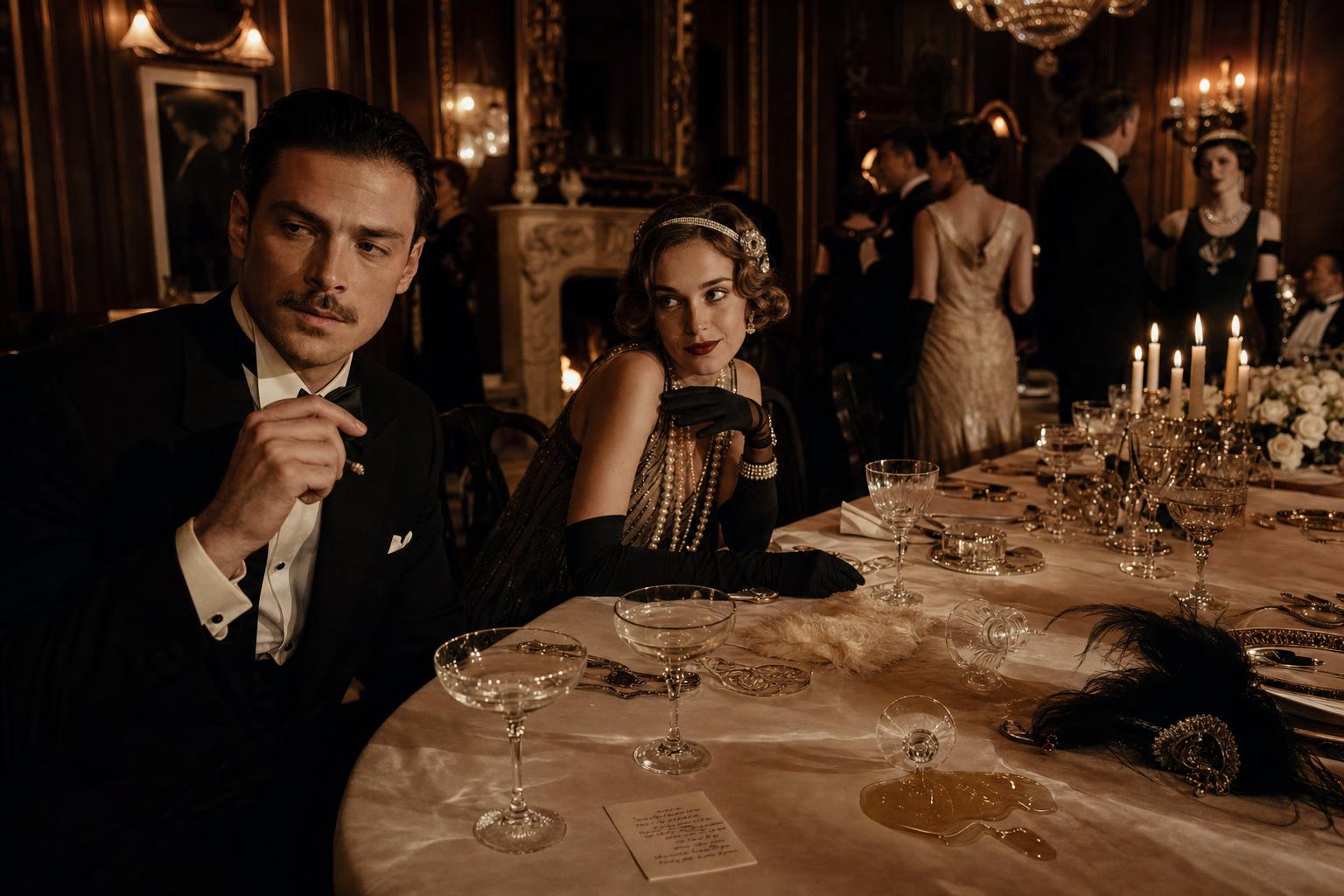
Introduction to a 1920s Murder Mystery Dinner
A 1920s murder mystery dinner blends theatrical storytelling, immersive dining, and vintage glamour into one unforgettable event. Inspired by the Jazz Age, this type of gathering invites guests to step into a world of speakeasies, flapper fashion, bootleg liquor, and whispered scandals, where every toast may hide a motive and every guest may be keeping a secret. Set against the backdrop of one of the most visually distinctive decades in modern history, the experience offers far more than a themed meal. It becomes a living narrative in which attendees actively shape the evening.
Why the 1920s Makes the Perfect Mystery Setting
The 1920s remains one of the most popular eras for themed events because it naturally combines luxury and lawlessness. In the United States, Prohibition lasted from 1920 to 1933, creating a culture where illegal bars, organized crime, and underground entertainment flourished. That tension between elegance and danger makes the decade especially effective for a murder mystery. Guests can imagine themselves as socialites, jazz singers, detectives, or gangsters, all moving through a setting where deception feels entirely believable.
The era also carries strong visual cues that instantly establish atmosphere. Art Deco design, beaded dresses, feathered headbands, pinstripe suits, and swing music help create a scene that feels cinematic without requiring elaborate explanation. Because the decade is so recognizable, even small details can quickly transport guests into character.
What Happens at a Murder Mystery Dinner
At its core, a murder mystery dinner is an interactive social game built around a fictional crime. Guests typically receive character roles, background information, and objectives before or during the event. As the meal progresses, new clues emerge, alliances shift, and suspicions deepen. Someone at the table is usually hiding the truth, while others work to uncover the killer through conversation, observation, and deduction.
A Blend of Performance and Participation
Unlike a traditional dinner party, this format encourages everyone to engage. Some guests may fully embrace dramatic accents and improvised dialogue, while others prefer to solve the puzzle more quietly. Both approaches work well, which is one reason these events appeal to a wide range of personalities. A successful evening balances structure with spontaneity, giving participants enough guidance to stay involved while leaving room for surprise.
The Appeal for Modern Hosts and Guests
A 1920s murder mystery dinner stands out because it offers built-in entertainment and a strong social focus. Instead of relying on passive activities, it gives guests a reason to interact from the moment they arrive. This can be especially valuable for birthdays, corporate parties, fundraisers, or holiday gatherings where hosts want conversation to flow naturally.
More Than a Costume Party
While the fashion is part of the fun, the real draw is the shared experience. Guests are not just dressing for the theme; they are entering a story filled with intrigue, humor, and suspense. That combination of roleplay, dining, and mystery creates an event that feels memorable long after the final accusation is made.
Why the Roaring Twenties Makes the Perfect Theme
A Decade Built for Drama
The Roaring Twenties is one of the most visually striking and culturally rich eras to recreate, which is exactly why it works so well for a murder mystery dinner. Set against a backdrop of jazz, champagne, prohibition, and social rebellion, the decade offers instant atmosphere. Guests do not need a long explanation to understand the mood. They already associate the 1920s with flapper dresses, sharp tuxedos, smoky speakeasies, and dangerous secrets, making it easy to immerse everyone in the story from the moment they arrive.
A themed event succeeds when it gives people a clear world to step into, and the 1920s delivers that effortlessly. The era was defined by contrast: dazzling wealth existed alongside organized crime, social freedom collided with old-fashioned expectations, and glamorous parties often hid scandal beneath the surface. Those tensions create the perfect setting for intrigue, suspicion, and theatrical reveals.
Glamour and Mystery in Equal Measure
A murder mystery dinner needs more than costumes. It needs a setting where deception feels believable and exciting. The 1920s provides exactly that balance. This was the age of hidden bars, coded invitations, and whispered deals made behind closed doors. During Prohibition, which lasted in the United States from 1920 to 1933, illegal alcohol sales helped fuel the rise of gangsters such as Al Capone, whose criminal empire reportedly earned millions of dollars annually at its peak. That historical reality gives your fictional plot a strong foundation.
Characters Practically Write Themselves
One reason this theme is so effective is the variety of characters it naturally supports. A guest list can include a nightclub singer, bootlegger, socialite, detective, corrupt politician, or ambitious journalist without feeling forced. Each role comes with built-in motives, secrets, and rivalries. That makes it easier to assign parts and helps guests quickly understand how they fit into the evening’s drama.
Because the decade is so iconic, even simple details can communicate a lot. A feathered headband suggests bold confidence. A pinstripe suit hints at power or criminal ambition. A string of pearls can signal old money, while a hidden flask suggests trouble.
A Sensory Theme That Elevates the Experience
The 1920s also shines because it engages all the senses. Jazz music immediately sets the tone, whether you choose Louis Armstrong-inspired brass or smooth piano lounge tracks. Art Deco décor, with its geometric lines and metallic accents, creates a polished visual identity. Food and drink can reinforce the setting too, from classic cocktails to elegant canapés and decadent desserts.
Easy to Personalize for Any Crowd
Another advantage is flexibility. You can make the evening feel lavish and upscale, or lean into the darker underworld of gangsters and speakeasies. For a playful group, the tone can be witty and dramatic. For serious mystery fans, it can become tense and suspenseful. The theme adapts well to both intimate dinners and larger parties.
That versatility matters because the best themed events feel cohesive without becoming restrictive. The Roaring Twenties gives hosts a strong framework while leaving plenty of room for creativity, character twists, and shocking accusations as the mystery unfolds before dessert is served and alibis begin to crumble fast.
Building the Story: Glamour, Gangsters and Secrets
A memorable 1920s murder mystery dinner depends on more than costumes, cocktails, and jazz. The real magic comes from the story itself: a world where glittering wealth sits beside organized crime, where every smile hides a motive, and where one dangerous secret can bring the whole evening crashing down. To capture the spirit of the Roaring Twenties, your narrative should blend social ambition, underground power, and personal betrayal into a plot that feels both stylish and volatile.
Why the 1920s Make the Perfect Mystery Setting
The 1920s offer a naturally dramatic backdrop because the decade was built on contradiction. In the United States, Prohibition began in 1920 under the 18th Amendment, officially banning the manufacture and sale of alcohol. Instead of ending nightlife, it fueled the rise of speakeasies, bootlegging networks, and gang influence in major cities such as Chicago and New York. At the same time, the era was associated with Art Deco elegance, rising consumer culture, and celebrity glamour.
That contrast is exactly what makes the setting so rich for storytelling. Guests can move through a world of satin gowns, crystal glasses, and live music while sensing the pressure underneath. Every glamorous party becomes more interesting when it may be financed by smuggling, protected by bribery, or threatened by blackmail. A strong mystery uses that tension to make the setting feel alive rather than decorative.
Creating a Glamorous Surface
The first layer of your story should be dazzling. A murder mystery dinner works best when guests are drawn into a scene that feels aspirational before it turns dangerous. Think of a lavish hotel ballroom, a private penthouse celebration, or an exclusive speakeasy hidden behind an unmarked door. The host might be a film producer, nightclub owner, socialite, or political fixer whose guest list mixes old money with new power.
Using Social Status as Story Fuel
In the 1920s, status mattered deeply, but it was also unstable. Fortunes were made quickly, reputations could be manufactured, and outsiders often tried to buy their way into elite circles. This creates excellent dramatic material. A respected banker may secretly depend on criminal financing. A glamorous singer may know too much about the men who fund the club. A polished debutante may be engaged for family advantage rather than love.
When glamour is tied to insecurity, every interaction gains meaning. Compliments can mask rivalry, invitations can imply obligation, and public charm can hide private panic. The more beautiful the setting appears, the sharper the shock when violence interrupts it.
Bringing in the Gangster Element
No 1920s mystery feels complete without the shadow of organized crime. Gangsters should not appear only as obvious villains; they are more compelling when they are woven into the social fabric of the evening. A crime boss may be a silent investor in the venue. A bodyguard may be more observant than the detectives. A shipment of illegal liquor may be the reason certain guests cannot leave.
Power, Profit, and Fear
Gangster stories work because they revolve around systems of power. During Prohibition, illegal alcohol became a multibillion-dollar black market in modern value, and criminal groups expanded through distribution, extortion, and political corruption. In your dinner narrative, that scale can be reflected through personal stakes. Perhaps the victim was about to expose a smuggling route, betray a partner to federal agents, or reveal who truly controls the business empire behind the party.
This approach keeps the mystery grounded. Murder is not random; it emerges from money, leverage, and fear. Guests become invested when they understand that every character has something tangible to lose.
The Secret That Holds Everything Together
A strong murder mystery needs one central secret powerful enough to connect all the characters. This secret should not be trivial. It should reshape relationships and explain why multiple people had motive, opportunity, or reason to lie. The best secrets combine public consequences with private emotion.
Examples of Effective Hidden Truths
A compelling secret might involve identity, loyalty, or survival. The glamorous hostess could be using a false name after fleeing a scandal. The victim might be an undercover federal informant. Two rivals may actually be siblings fighting over an inheritance tied to criminal money. A politician campaigning on morality may secretly own the city’s most profitable speakeasy.
What matters is how the secret spreads tension across the room. Each clue should reveal not just what happened, but why people were desperate to keep the truth buried. That is what transforms a themed dinner into a gripping story experience.
Balancing Style With Suspense
The most successful 1920s murder mystery stories never choose between elegance and danger. They let both exist at once. Guests should feel the sparkle of champagne towers and jazz rhythms even as suspicion deepens and alliances shift. When the story is built carefully, glamour becomes a mask, gangsters become a source of pressure, and secrets become the engine driving every accusation, revelation, and twist until the next part of the evening unfolds.
Choosing the Venue and Setting the Scene
The venue does more than hold guests; it establishes the mood, credibility, and dramatic tension of a 1920s murder mystery dinner. A thoughtfully chosen space can instantly evoke the Jazz Age, whether you are aiming for speakeasy intrigue, high-society elegance, or underworld danger. Because the 1920s were defined by sharp contrasts between glamour and crime, the best settings reflect both polish and secrecy. Even a modern home or rented hall can be transformed when the room supports the story rather than competing with it.
Matching the Venue to the Theme
Start by identifying the atmosphere you want guests to feel the moment they arrive. A formal dining room suggests old-money wealth, political influence, and carefully hidden scandals. A basement bar or lounge creates the perfect illusion of a hidden speakeasy, where passwords, jazz, and whispered deals shape the evening. Restaurants with private rooms can also work well, especially if they already feature dim lighting, dark wood, or vintage-inspired décor. According to event industry surveys, ambiance is one of the top three factors guests remember most, often ranking alongside food and entertainment.
Practical Space Considerations
A strong theme should never come at the expense of comfort or functionality. Guests need enough room to move, mingle, and interact with clues without feeling crowded. For a seated dinner mystery, allow clear sightlines so everyone can follow major reveals and character performances. If your event includes staged entrances, secret exchanges, or dramatic confrontations, plan for those movements in advance. A venue that looks authentic but limits visibility or acoustics can weaken the experience quickly.
Creating a 1920s Visual Identity
Once the venue is selected, the setting should communicate the era through color, texture, and detail. The 1920s favored rich visual contrasts: black and gold, ivory and silver, deep emerald, burgundy, and midnight blue. These tones immediately suggest Art Deco luxury. Tablecloths, candlelight, feather centerpieces, and metallic accents can make a simple room feel cinematic without requiring a large budget. Mirrors, geometric patterns, and vintage glassware also reinforce the period style.
Lighting, Music, and Atmosphere
Lighting is one of the most effective tools for transforming a space. Soft amber bulbs, shaded lamps, and candles create intimacy while helping guests feel as though they have stepped into another decade. Avoid harsh overhead lighting whenever possible, since it can flatten the mood and make decorative details less effective. Music should support the setting continuously. Instrumental jazz, swing, and blues from artists inspired by Duke Ellington or Louis Armstrong can establish the right emotional backdrop. Even low-volume background music helps fill pauses and keeps the environment immersive.
Small Details That Deepen Immersion
The most memorable events often succeed because of subtle touches. Printed invitations styled like newspaper headlines, mock casino chips, vintage-style menus, and “confidential” clue envelopes all strengthen the illusion. Staff or hosts dressed as club managers, singers, detectives, or gangsters can make the environment feel interactive before the mystery officially begins. If possible, designate one area for photographs with props such as pearl necklaces, fedoras, suspenders, and toy tommy guns. These additions encourage participation and help guests connect visually with the era.
Balancing Style With Logistics
A beautiful setting still needs to function smoothly for dining and gameplay. Check parking, accessibility, restroom availability, and kitchen coordination before committing to a location. If alcohol is served, especially in a speakeasy-style event, confirm local regulations and venue policies. The goal is to create a space that feels lavish, secretive, and dangerous, while remaining easy for guests to navigate and enjoy throughout the night
Invitations, Guest Roles and Character Planning
A memorable 1920s murder mystery dinner begins long before guests arrive at the table. The invitation, assigned role, and character details shape expectations and help everyone step into the world of jazz clubs, bootleg liquor, and whispered scandals. When these elements are planned carefully, the evening feels immersive rather than improvised, and guests are far more likely to participate with confidence.
Designing Invitations That Set the Scene
Your invitation should do more than share the date and address. It should immediately signal the tone of the event and introduce the Roaring Twenties atmosphere. Art Deco borders, gold and black color palettes, vintage fonts, and language inspired by speakeasies or high society parties all help establish the mood. Phrases such as “You are cordially summoned to an evening of glamour and suspicion” create intrigue before the first clue is ever revealed.
Practical details still matter. Include the event start time, expected duration, dress code, and whether dinner is served before or during the mystery. If guests need to prepare accents, props, or backstory, mention that clearly. According to event industry surveys, guests are significantly more likely to engage in themed participation when expectations are communicated in advance, especially for costume-heavy events.
What to Include in Every Invitation
Each invitation should balance style with clarity. Along with the theme, provide the guest’s character name if roles are assigned early, or note that a role packet will follow. You can also hint at the setting, such as a gangster-owned nightclub, a millionaire’s estate, or a secret speakeasy raid. These small narrative cues help guests begin imagining how they will behave and interact.
Assigning Guest Roles Strategically
A strong cast is essential to a successful mystery dinner. In most home-hosted games, 8 to 12 characters creates enough complexity for suspicion and alliances without overwhelming the group. If your guest list is larger, consider adding secondary roles such as reporters, musicians, police officers, or rival socialites who can enrich the story without carrying critical plot points.
Role assignment should reflect personalities. Outgoing guests often thrive as mob bosses, flappers, crooked politicians, or dramatic lounge singers. More reserved attendees may prefer roles like accountants, butlers, club managers, or observant investigators. Matching roles to comfort levels increases participation and reduces the risk of guests feeling awkward or underused.
Balancing the Cast
A well-planned mystery usually includes a mix of motives, secrets, and social status. Aim for a cast that feels varied and believable. The table below shows a useful balance for a 10-person event.
| Role Type | Suggested Number | Purpose |
|---|---|---|
| Suspect-heavy dramatic roles | 4 | Drive conflict and suspicion |
| Social connector roles | 2 | Link characters and spread clues |
| Authority roles | 2 | Add structure and tension |
| Comic or colorful roles | 2 | Keep the energy lively |
Building Character Packets That Encourage Performance
Character planning works best when guests receive enough information to act convincingly without learning too much too soon. A good packet includes a short biography, relationship notes, personal objectives, and a few secrets. It should also explain how the character speaks, dresses, or behaves. For example, a bootlegger might be charming but defensive, while a silent film star may be glamorous, vain, and deeply in debt.
Giving Guests Playable Motivations
The most engaging characters want something specific. They may be protecting a reputation, chasing money, hiding an affair, or seeking revenge. These motivations give guests a reason to ask questions and react dramatically. Actionable goals are more effective than vague descriptions because they encourage participation. Instead of saying a character is “mysterious,” tell the guest to avoid discussing where they were at 9 p.m. and to steer suspicion toward a rival.
Coordinating Costumes and Character Consistency
Costumes complete the illusion, but they should feel achievable. Encourage guests to build looks from accessible pieces such as fringe dresses, pearls, suspenders, fedoras, pinstripe jackets, and long gloves. You do not need theatrical perfection; consistency matters more than expense. A clear costume note in the invitation can prevent uncertainty and increase enthusiasm.
When invitations, roles, and character plans align, the party gains structure, energy, and suspense. Guests arrive knowing who they are, what they want, and how they fit into the unfolding crime, which makes every accusation, secret exchange, and dramatic reveal feel far more satisfying.
Decor, Costumes and Jazz Age Atmosphere
A memorable 1920s murder mystery dinner depends on more than a clever plot. The room, the wardrobe, and the mood must work together to transport guests into the Jazz Age, a period defined by glamour, excess, and social change. Between 1920 and 1929, the United States saw booming consumer culture, the spread of Art Deco design, and the rise of speakeasies during Prohibition. Bringing those influences into your event creates an immersive setting that makes every clue, accusation, and dramatic reveal feel more convincing.
Setting the Scene with Art Deco Style
The visual language of the 1920s was bold and geometric. Art Deco, which gained international attention after the 1925 Paris Exposition, featured symmetrical patterns, metallic finishes, black-and-gold palettes, mirrored surfaces, and strong lines. For a dinner party, these elements can be introduced without turning the space into a museum display. A few carefully chosen details often have more impact than overcrowding the room.
Use black tablecloths layered with gold runners, crystal-style glassware, and candlelight to create a sense of luxury. Feathers, pearls, and vintage-inspired candelabras instantly suggest the era. If possible, include signage styled like a speakeasy entrance or a nightclub marquee. Even simple printed place cards in Deco fonts can reinforce the theme. Consistency matters more than cost, so repeating colors and motifs throughout the room helps guests feel fully immersed.
Lighting and Texture
Lighting is one of the fastest ways to shift atmosphere. The 1920s nightlife scene was intimate, smoky, and dramatic, so avoid bright overhead lights. Warm lamps, candles, and dimmed bulbs create a richer mood and flatter both costumes and table settings. Velvet, satin, sequins, and polished metallic accents add texture that reflects light beautifully, making the room feel more cinematic.
Costumes That Bring Characters to Life
Costumes do more than look attractive; they help guests step into character. The 1920s offered a wide range of recognizable fashion, from flapper dresses and beaded headbands to pinstripe suits and fedoras. Women’s eveningwear often featured dropped waists, fringe, sequins, and long strands of pearls, while men’s fashion leaned toward tailored jackets, suspenders, pocket squares, and two-tone shoes. These details immediately signal the period, even for guests with limited costume budgets.
Encourage attendees to focus on silhouette and accessories rather than historical perfection. A black dress paired with gloves, a feathered headpiece, and bold lipstick can evoke a flapper look effectively. For men, a white shirt, dark vest, tie, and hat can suggest anything from a bootlegger to a wealthy club owner. Character-driven costume prompts are especially useful, since guests often feel more confident dressing as “the jazz singer” or “the corrupt politician” than simply “someone from the 1920s.”
Practical Costume Guidance
Comfort should not be overlooked. Murder mystery dinners typically last two to four hours, and guests need to sit, eat, and move easily. Recommend breathable fabrics, manageable shoes, and accessories that will not interfere with dining. A glamorous look loses its charm quickly if a guest spends the evening adjusting an uncomfortable costume.
Creating an Authentic Jazz Age Mood
Atmosphere depends on sound and behavior as much as appearance. Jazz was central to the decade’s identity, with artists like Louis Armstrong and Duke Ellington shaping popular culture. A curated playlist of instrumental jazz, Charleston rhythms, and swing-influenced tracks can fill quiet moments and maintain energy without overpowering conversation. Music should support the mystery, not compete with it.
Encourage hosts or performers to use era-inspired language and social cues. References to speakeasies, bootlegging, society scandals, and Prohibition can enrich the setting naturally. In 1920, the Eighteenth Amendment took effect, banning the manufacture and sale of alcohol in the United States, yet illegal drinking culture flourished. That tension between public respectability and private vice is perfect for a murder mystery, because it gives every character something to hide.
Small Details with Big Impact
Details often make the difference between a themed dinner and a truly immersive experience. Vintage-style menus, mock newspapers, casino chips, gramophone props, and secret password cards can deepen engagement. Interactive decor works especially well because it becomes part of the storytelling rather than just background decoration. When guests touch, read, or use themed objects, the world of the party feels more believable.
A strong Jazz Age atmosphere invites guests to play along more boldly, making secrets, alliances, and betrayals feel deliciously theatrical as the mystery unfolds.
Food, Drinks and Prohibition-Era Menu Ideas
Building a Menu That Feels Authentically 1920s
A memorable 1920s murder mystery dinner depends on more than costumes and clues. The food and drink should help tell the story, reflecting the glamour of Jazz Age supper clubs while nodding to the restrictions and creativity of Prohibition. From 1920 to 1933, the United States banned the manufacture and sale of alcoholic beverages, yet private parties, speakeasies, and elite hotel dining still shaped the era’s culinary identity. A well-designed menu can capture that contrast by pairing elegant presentation with dishes that feel indulgent, slightly secretive, and unmistakably vintage.
Hosts should think in terms of courses that are easy to serve during gameplay. Finger foods, plated starters, and make-ahead desserts work especially well because they allow guests to mingle, interrogate suspects, and stay immersed in the mystery. Classic dishes from the period often emphasized richness and refinement, with ingredients like oysters, deviled eggs, chicken, ham, gelatin molds, and seafood cocktails appearing regularly on formal menus.
Savory Dishes With Jazz Age Appeal
For appetizers, consider canapés topped with smoked salmon, cream cheese, or caviar-style spreads. Shrimp cocktail is another strong choice, as it became a symbol of upscale dining in the early twentieth century. Stuffed mushrooms, cheese straws, and deviled eggs also fit the period while remaining familiar to modern guests. These options feel festive without requiring complicated service.
Main Course Inspiration
For the main meal, chicken à la king, roast beef with potatoes, baked ham, or seafood Newburg all evoke the era’s hotel and dinner-party menus. Chicken à la king, in particular, was widely popular in the 1910s and 1920s, often served over toast points or puff pastry. If you want a more dramatic presentation, serve a carved roast with buttered vegetables and dinner rolls. Comfort balanced with elegance is the key theme.
Vegetarian guests can still enjoy the atmosphere through dishes such as creamed mushrooms in pastry shells, roasted root vegetables, or a hearty Waldorf-style salad. While not every historical menu was inclusive by modern standards, adapting flavors thoughtfully preserves the spirit of the event.
Desserts Worthy of a Speakeasy Supper
Dessert in the 1920s often leaned toward visual flair. Pineapple upside-down cake, bread pudding, lemon chiffon pie, and layered trifles all suit the theme beautifully. Individual parfaits or chocolate mousse served in coupe glasses add a luxurious touch. Presentation matters as much as flavor, so use vintage-style cake stands, silver trays, or glass dessert dishes whenever possible.
Drinks With and Without Alcohol
Because Prohibition is central to the theme, drinks deserve special attention. Serve mocktails in elegant glassware to mimic the secrecy and sophistication of a speakeasy. Popular choices include sparkling lemonade with mint, ginger fizz, Shirley Temple variations, and nonalcoholic punch with citrus and grenadine. If your event includes alcohol, sidecars, gin rickeys, French 75s, and whiskey highballs are period-appropriate options, though many original Prohibition drinks were designed to mask harsh homemade spirits.
Styling the Menu for Immersion
Printed menus can deepen the experience by using names like “Bootlegger’s Bite,” “The Detective’s Roast,” or “Flapper Fizz.” Small details such as coupe glasses, oyster forks, and black-and-gold place cards reinforce the setting. When the menu feels woven into the mystery itself, guests are more likely to stay engaged, making every course part of the evening’s unfolding drama.
Games, Clues and Keeping Guests Engaged
A memorable 1920s murder mystery dinner depends on more than costumes and cocktails. Guest engagement is what turns a themed meal into an immersive experience, and that comes from carefully paced games, well-timed clues, and opportunities for every attendee to participate. The best hosts create a structure that feels playful rather than rigid, allowing guests to socialize while still moving the mystery forward.
Designing the Flow of the Mystery
An effective mystery usually unfolds in stages. Early in the evening, guests need simple prompts that help them step into character without feeling overwhelmed. A short introduction, a dramatic announcement, or the discovery of the “victim” gives everyone an immediate shared moment. From there, clues should appear gradually. If too much information arrives at once, players can lose focus; if too little happens, energy drops quickly.
A useful pacing model is to reveal a new clue or interaction every 20 to 30 minutes. At a typical dinner party lasting three hours, that means around six to eight moments of structured activity. This rhythm keeps the evening active while leaving enough space for eating, conversation, and improvisation. Consistent pacing is often the difference between a party that feels cinematic and one that stalls.
Types of Clues That Work Best
The strongest clues are varied in format and difficulty. Written notes, suspicious objects, overheard conversations, and secret character instructions all create different kinds of engagement. Some clues should be obvious enough to spark discussion, while others reward close attention. For example, a lipstick-stained glass, a torn betting slip, or a telegram from a rival gangster can all hint at motive without revealing the solution too early.
Balancing Easy and Challenging Clues
A good rule is to include clues that appeal to different player styles. Some guests enjoy solving puzzles, while others prefer reading people and spotting inconsistencies in alibis. Mixing logical evidence with social deduction ensures that quieter analytical guests and more theatrical extroverts both have a way to shine. This balance also prevents one dominant player from controlling the entire investigation.
Interactive Games Between Major Reveals
Mini-games can keep momentum high between clue drops, especially during transitions such as serving dinner or clearing plates. In a 1920s setting, these activities can feel authentic to the era. A quick password challenge, a jazz trivia round, or a mock “speakeasy raid” can all reinforce the theme while giving guests something active to do. The key is to make these games short and relevant, not distracting side events.
Using Character Goals to Encourage Participation
One of the smartest engagement tools is giving each guest a private objective unrelated to solving the murder. A bootlegger may need to protect a hidden contact, while a singer may be trying to secure a club contract. These side goals create natural conversation and make every guest feel important, even if they are not leading the investigation. Personal missions are especially effective in groups of eight or more, where some players might otherwise fade into the background.
Keeping Energy High Throughout the Night
Hosts should watch for signs that attention is drifting. If conversations split too far from the mystery, a dramatic interruption can refocus the room. A new witness statement, a missing piece of evidence, or an accusation from a nonplayer character can instantly restore tension. Music also matters. Upbeat jazz during social periods and quieter tracks during clue analysis help shape the mood without overwhelming conversation.
Helping Shy Guests Join In
Not every guest will jump into roleplay immediately. Gentle prompts, direct questions, and clue cards addressed to specific characters can draw quieter players into the action. When everyone receives a moment to contribute, the mystery feels richer, more collaborative, and far more entertaining for the entire table.
Hosting Tips for a Smooth and Memorable Night
Set the Scene Before Guests Arrive
A successful 1920s murder mystery dinner depends on preparation long before the first guest knocks. Atmosphere is everything, so aim to make the space feel immersive from the start. Dim lighting, jazz playing softly, and Art Deco-inspired details instantly signal the era. Even simple touches such as gold accents, feather centerpieces, and printed “confidential” clue envelopes can transform an ordinary dining room into a speakeasy-style setting.
Timing also matters. Hosts who prepare décor, food stations, and seating plans at least two hours in advance are far less likely to feel rushed. According to event planning professionals, the final hour before guests arrive is often when avoidable mistakes happen, from missing place cards to cold appetizers. Building in extra setup time creates room for last-minute adjustments and helps the evening begin with confidence rather than stress.
Keep the Mystery Organized
A murder mystery party feels effortless to guests when the host manages the structure behind the scenes. Clear organization keeps the fun moving without breaking immersion. Prepare character cards, clue packets, and any scripted announcements in labeled order so nothing gets mixed up during the evening. If your game includes timed reveals, keep a printed schedule nearby for easy reference.
Create a Simple Flow
The best events usually follow a rhythm guests can understand. Introductions should come first, followed by mingling, the first clues, dinner service, and then the major reveal phases. A predictable sequence prevents confusion while still allowing surprises within the story. For example, serving the main course just after the first accusation round gives guests something to discuss naturally, keeping energy high at the table.
Balance Food, Drinks, and Interaction
Food should support the experience, not compete with it. Choose dishes that are easy to serve and eat, especially if guests will be talking in character. Finger foods, plated mains, or buffet items with minimal mess work better than anything requiring constant attention. A practical menu keeps the evening flowing and reduces interruptions.
Drinks can also reinforce the 1920s theme. Mocktails, champagne-style beverages, and classic cocktails such as sidecars or gin rickeys fit the mood beautifully. If alcohol is served, offering water and nonalcoholic options is essential. Event data consistently shows that guests stay engaged longer when hosts provide varied drink choices and pacing throughout the night.
Guide Guests Without Taking Over
Some guests will embrace their roles immediately, while others may need encouragement. A strong host gently prompts participation by asking in-character questions, directing attention to clues, or pairing quieter guests with more confident players. The goal is to facilitate, not dominate. When guests feel supported rather than pressured, they are more likely to join the fun.
Prepare for Small Surprises
Even well-planned parties encounter unexpected moments, from late arrivals to forgotten accents. Flexibility is one of the most valuable hosting skills. Keep spare character summaries, extra pens, and a quick recap ready so anyone can jump in smoothly. That adaptability helps preserve momentum and ensures the night remains lively, polished, and unforgettable.
Conclusion: Bringing the Mystery to Life
A 1920s murder mystery dinner succeeds when style, story, and participation work together seamlessly. The glamour of Art Deco décor, the tension of gangster-era rivalries, and the thrill of uncovering one deadly secret transform an ordinary gathering into an experience guests remember long after the final accusation. When hosts balance atmosphere with structure, the event feels immersive rather than staged, giving every attendee a reason to lean in.
Why the Theme Endures
Part of the appeal lies in the decade itself. The 1920s combined economic exuberance, jazz culture, Prohibition, and organized crime into a setting that feels instantly dramatic. According to historians, the United States had more than 30,000 speakeasies during Prohibition, a detail that helps explain why hidden motives, secret deals, and double lives fit the era so naturally. That historical texture gives the mystery credibility while still leaving room for playful exaggeration.
Turning Details Into Drama
The Power of Immersion
The most memorable dinners use small, intentional details to support the larger narrative. A coded invitation, period-inspired menu names, jazz in the background, and character secrets revealed at the right moment all deepen engagement. Even simple choices, such as dim lighting or vintage-style table cards, can make guests feel as though they have stepped into another world. The result is not just entertainment, but active storytelling.
Creating a Night Guests Talk About
Whether the evening is hosted for a birthday, corporate event, or holiday party, success comes from making guests part of the plot. Encourage bold costumes, give each character a purpose, and let clues unfold with enough suspense to keep energy high. With the right planning, your dinner becomes more than a themed party; it becomes a living mystery shaped by every conversation, suspicion, and revelation around the table.
FAQ: Planning a 1920s Murder Mystery Dinner
How far in advance should you plan?
For a smooth event, start planning four to six weeks ahead. That window gives guests time to secure costumes, learn character details, and RSVP. If you are hosting 10 to 20 guests, which is a common size for home murder mystery parties, early planning also helps with seating, menu testing, and prop gathering. Larger groups often require more coordination, especially if you assign scripted roles.
What makes a party feel authentically 1920s?
The atmosphere should blend Art Deco elegance with a hint of underworld danger. Think black, gold, cream, and deep jewel tones, paired with pearls, feathers, jazz records, and vintage-style glassware. A playlist inspired by Louis Armstrong, Duke Ellington, and Charleston dance music instantly sets the tone. Small details matter: printed invitations styled like speakeasy passwords or mock newspaper headlines can make the experience feel immersive before guests even arrive.
Do guests need assigned characters?
Usually, yes. Assigned roles help create structure and encourage interaction. A strong cast might include a nightclub singer, bootlegger, detective, socialite, politician, or rival gangster. Provide each guest with a short backstory, motivation, and secret. This gives even shy attendees a clear way to participate without needing acting experience.
What food and drinks work best?
Serve dishes that feel indulgent but practical for mingling, such as deviled eggs, shrimp cocktail, roast chicken, stuffed mushrooms, and miniature desserts. For drinks, classic options like sidecars, gin rickeys, and nonalcoholic sparkling punches fit the era well. During Prohibition, illegal alcohol sales in the United States generated millions of dollars annually, making cocktails a fitting thematic detail for the evening.
How do you keep the mystery engaging?
Pace the night in stages, revealing clues between courses. Keep one host or game master in charge of timing, evidence, and rule clarifications so the suspense never stalls.


