

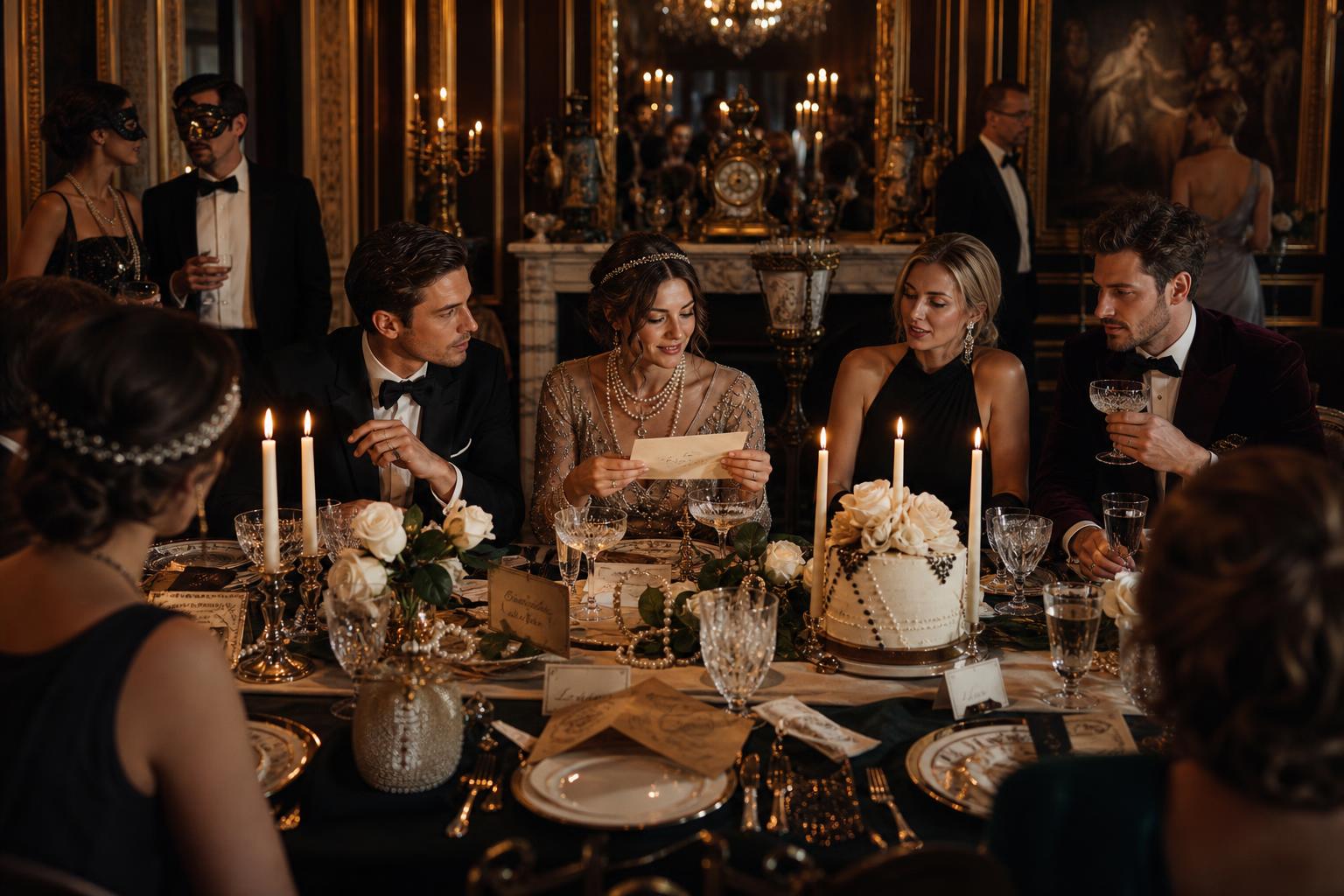
Introduction: Why Murder Mystery Games Elevate Birthdays
Birthday parties are easy to plan but hard to make truly memorable. Dinner reservations, karaoke nights, and backyard barbecues can be fun, yet they often blur together over time. Murder mystery games stand out because they turn a standard celebration into a shared story, giving guests a reason to interact, laugh, speculate, and stay engaged from the first clue to the final reveal. That immersive quality is exactly why they have become a favorite choice for hosts who want something more distinctive than cake and small talk.
A Party Format Built for Participation
One of the biggest strengths of a murder mystery game is that it encourages active involvement. Instead of dividing into familiar social circles, guests are invited into a structured experience where everyone has a role to play. Some become suspects, others become investigators, and nearly everyone contributes to the unfolding drama. This built-in participation helps reduce awkwardness, especially when a birthday group includes friends, family, coworkers, or plus-ones who may not know one another well.
Research on social play consistently shows that collaborative activities improve group bonding more effectively than passive entertainment. A murder mystery game works because it combines teamwork, competition, and performance in one format. Guests are not just attending a party; they are helping create it in real time.
The Perfect Blend of Theater and Game Night
Murder mystery birthdays succeed because they sit at the intersection of several popular party styles. They offer the playful suspense of a board game, the expressive fun of costume parties, and the unpredictability of live theater. That combination creates momentum throughout the event. People stay curious because there is always another clue, accusation, or twist waiting ahead.
Why Suspense Makes Celebrations More Memorable
Psychologists often note that emotionally charged experiences are easier to remember than routine ones. Suspense, surprise, and laughter all strengthen memory formation. In a birthday setting, that means guests are more likely to remember the dramatic confession, the outrageous alibi, or the moment the quietest person in the room turned out to be the best detective.
Flexible for Different Ages, Themes, and Budgets
Another reason murder mystery games elevate birthdays is their versatility. They can be hosted at home, in restaurants, or in rented venues, and they work across a wide range of age groups. A teen party might feature a lighthearted school-themed mystery, while an adult celebration could lean into a glamorous 1920s setting or a spooky manor-house plot. Hosts can scale the experience up or down depending on guest count, budget, and available time.
Easy Customization for a Personal Touch
Many hosts also appreciate how easily these games can reflect the birthday person’s interests. A fan of true crime, vintage fashion, Halloween aesthetics, or dramatic roleplay can have a party that feels tailored rather than generic. Personalized invitations, themed snacks, and character assignments make the event feel intentional without requiring the complexity of a fully produced performance.
That is what makes murder mystery games especially powerful for birthdays: they do more than entertain. They create connection, spark conversation, and give every guest a memorable role in the celebration.
How to Choose the Right Mystery Game for Your Party
Choosing the right mystery game can turn a standard birthday gathering into an event guests talk about for months. The best choice depends on more than theme alone. Group size, player personalities, difficulty level, and party format all shape whether the experience feels exciting or awkward. A well-matched game keeps everyone involved, creates natural conversation, and helps the host avoid long explanations or stalled scenes.
Start With Your Guest List
The first factor to consider is the number of players. Most murder mystery games are designed for a specific range, often between 6 and 20 participants. If your party has 12 confirmed guests but the game only supports 8 active roles, some people may feel left out. On the other hand, a game built for 20 can feel empty with a small group. Always match the game’s role count to your realistic attendance, not just your invitation list.
Guest personality matters just as much as numbers. Some groups love dramatic roleplay and improvisation, while others prefer light structure and simple prompts. For a mixed crowd, choose a game with clear character guides and optional acting rather than one that demands theatrical performance. This makes the experience accessible to first-time players and keeps shy guests comfortable.
Match the Theme to the Occasion
A birthday party has a different energy than a corporate event or holiday dinner. The game’s setting should support that mood. A glamorous 1920s mystery, a masquerade murder, or a Hollywood scandal often works well for birthdays because these themes feel festive and encourage fun costumes. By contrast, darker crime stories may feel too intense for a casual celebration.
Consider Age and Audience
If teens or family members are attending, review the game’s content carefully. Some mystery games include adult humor, romantic secrets, or violent backstories. Choosing age-appropriate material helps maintain the right tone. Many publishers now label games by audience type, making it easier to filter options for family-friendly or adults-only events.
Evaluate Complexity and Play Time
Not every party needs a three-hour investigation. Some games can be completed in 60 to 90 minutes, while others unfold over an entire evening. For birthday parties, shorter formats often work better because they leave room for food, cake, and conversation. According to event planning trends, interactive activities tend to hold attention best when they fit within a 90-minute engagement window.
Look at Setup Requirements
Some mystery kits are nearly plug-and-play, with printable invitations, scripted clues, and host instructions. Others require extensive preparation, including assigning roles weeks in advance or decorating multiple spaces. If you are already managing a birthday menu, guest arrivals, and entertainment, a low-prep option may be the smarter choice. The easier the setup, the more energy you can devote to hosting.
In-Person, Virtual, or Hybrid Formats
Modern mystery games come in several formats, and choosing the right one depends on how your guests will participate. In-person games usually offer the strongest atmosphere because players can read body language, form side conversations, and react in real time. Virtual games, however, are ideal for long-distance celebrations and often include digital clues, breakout rooms, and downloadable materials.
Check Reviews and Replay Value
Before buying, read reviews that mention pacing, clarity, and guest enjoyment. A game with a clever ending but confusing instructions can frustrate players. It is also worth checking whether the game can be replayed with different outcomes or reused with another group. High replay value increases overall value, especially when premium boxed games can cost between $25 and $60 depending on materials and licensing.
Balance Budget With Experience
Price should reflect what you need. Printable downloads are affordable and flexible, while boxed sets may include props, invitations, and evidence cards that elevate immersion. If your goal is an unforgettable birthday, spending slightly more on a polished, well-reviewed game can make the party feel far more special than a generic activity.
Game 1: Classic Mansion Murder
Why This Theme Never Fails
A Classic Mansion Murder game is one of the most reliable choices for a birthday party because it instantly gives guests a familiar, dramatic setting. Inspired by old manor-house whodunits, this format places everyone inside a world of hidden motives, elegant rooms, suspicious alibis, and one shocking crime. The appeal is broad: even guests who have never played a murder mystery before usually understand the premise within minutes, which makes the game easy to launch and enjoyable for mixed-age adult groups.
This theme works especially well because it combines atmosphere with structure. A large house, a stormy night, a wealthy host, and a guest list full of secrets create natural tension without requiring complicated rules. According to party industry surveys, immersive themed events consistently rank among the most memorable social experiences because they encourage participation rather than passive entertainment. In a birthday setting, that means guests are not just attending the party; they are actively shaping it.
What Makes the Setting So Engaging
The mansion setting gives players a strong visual and emotional anchor. Guests can imagine grand staircases, locked studies, antique portraits, and candlelit dining rooms, even if the party takes place in an ordinary living room. That flexibility makes the game highly practical while still feeling cinematic.
Built-In Character Drama
A classic mansion mystery thrives on recognizable character types. You might include the ambitious heir, the loyal but nervous housekeeper, the charming family friend, or the business partner with financial troubles. These roles are effective because they give players immediate direction. Instead of inventing personalities from scratch, guests can step into archetypes that are easy to understand and fun to exaggerate.
The best versions of this game assign every character a secret objective in addition to solving the murder. One guest may need to hide a forged will, while another tries to expose an affair. These layered goals keep the game lively and prevent it from becoming a simple guessing exercise.
How to Make It Work at a Birthday Party
For a group of 8 to 12 players, this format is especially strong because everyone can receive a meaningful role. If your guest list is larger, additional parts such as investigators, distant relatives, journalists, or household staff can expand the story naturally. Most hosted kits are designed to last between 1.5 and 3 hours, which fits comfortably into an evening celebration with dinner, cake, and drinks.
Easy Decor, Big Impact
You do not need a huge budget to create the right mood. A few details can transform the space: dim lighting, classical background music, faux evidence cards, and printed invitations written as if from the mansion owner. Encourage guests to wear formal or vintage-inspired outfits, since costume participation often increases engagement. In themed event studies, visible dress-up elements are linked to higher interaction rates because they help guests commit to the scenario faster.
Best For First-Time Mystery Players
Among all murder mystery formats, Classic Mansion Murder is often the easiest entry point. The story structure is intuitive, the tone can be serious or playful, and the host can scale the complexity depending on the group. For birthdays, that balance matters. You want enough intrigue to feel exciting, but not so many rules that guests spend the night confused.
If you want a game that feels elegant, social, and instantly immersive, this theme delivers a polished experience while leaving plenty of room for laughter, accusations, and unforgettable party moments.
Game 2: Roaring Twenties Speakeasy Mystery
A Roaring Twenties speakeasy mystery brings instant glamour, intrigue, and theatrical fun to a birthday party. Set during the Prohibition era in the United States, this game invites guests into a world of jazz, hidden bars, flapper fashion, bootleg liquor, and whispered secrets. The 1920s remain one of the most recognizable party themes because the setting is visually rich and socially dynamic, making it ideal for a murder mystery where every guest can play a vivid role.
Why This Theme Works So Well
This style of mystery game succeeds because it combines strong atmosphere with accessible character types. Guests immediately understand roles such as the nightclub singer, corrupt politician, bootlegger, detective, socialite, or rival gangster. That familiarity reduces confusion and helps players commit to the story quickly, even if they have never attended a murder mystery before.
The setting also naturally supports deception. During Prohibition, illegal alcohol sales created underground economies across major cities like Chicago and New York. Historians estimate that by the late 1920s, thousands of speakeasies operated in New York City alone, despite federal enforcement. That real historical tension gives the game believable motives involving money, betrayal, blackmail, and power.
Creating the Speakeasy Atmosphere
A memorable experience depends on immersive details. Dim lighting, jazz playlists, vintage glassware, feathered centerpieces, and password-style entry can transform an ordinary room into a hidden club. Atmosphere matters because it helps guests stay in character and makes the mystery feel like an event rather than a simple party activity.
Costume Appeal and Guest Engagement
Costumes are one of the biggest strengths of this theme. Flapper dresses, suspenders, fedoras, pearls, pinstripe suits, and long gloves are easy to source or improvise. Because the fashion is iconic, guests often feel more confident dressing up, which increases participation. A themed outfit can also serve as a conversation starter, helping shy attendees enter the roleplay more naturally.
Plot Ideas That Keep Players Hooked
The best speakeasy mysteries usually begin with a dramatic incident, such as a club owner collapsing during a champagne toast or a famous jazz singer disappearing before a performance. From there, clues can reveal hidden affairs, unpaid debts, police informants, or gang rivalries. Layered motives keep the game engaging, especially when every character has something to hide.
Balancing Drama and Playability
For birthdays, the mystery should feel exciting without becoming overly complicated. A cast of eight to twelve characters often works best, giving everyone enough involvement while keeping the story manageable. Hosts can improve pacing by distributing clues in rounds, allowing time for mingling, accusations, and discoveries between reveals. This structure prevents information overload and keeps energy high throughout the evening.
Food, Drinks, and Interactive Touches
The menu can reinforce the theme beautifully. Mocktails served in coupe glasses, mini sliders, deviled eggs, shrimp cocktails, and elegant desserts fit the era’s upscale underground vibe. Even nonalcoholic drinks feel special when presented as “house specials” from a secret bar menu.
Extra Details That Elevate the Experience
Small additions can make the event feel polished. A jazz soundtrack, a photo booth with vintage props, and printed character cards styled like old newspaper clippings all deepen immersion. Hosts can even appoint one guest as the club pianist, emcee, or undercover reporter to add another layer of interaction and suspense.
A Roaring Twenties speakeasy mystery is especially effective for milestone birthdays because it feels festive, stylish, and highly social, giving guests plenty to talk about long after the case is solved.
Game 3: Hollywood Red Carpet Whodunit
A glamorous mystery with instant party appeal
If you want a birthday activity that feels dramatic, stylish, and easy to personalize, a Hollywood red carpet whodunit is a standout choice. This theme drops guests into a world of celebrity egos, flashing cameras, award-season gossip, and backstage secrets. The central crime might involve a murdered movie producer, a poisoned pop icon, or a vanished award trophy tied to blackmail. Because the setting is so familiar, players quickly understand the stakes and start improvising with confidence.
What makes this format especially effective is its built-in energy. Unlike quieter mystery setups, a Hollywood scenario naturally encourages bold entrances, exaggerated rivalries, and playful suspicion. Guests do not need acting experience to enjoy it. A feather boa, dark sunglasses, or a fake press badge can be enough to help someone step into character and start asking questions.
Why it works so well for birthdays
A red carpet mystery blends social interaction and structured gameplay in a way that suits mixed groups. Extroverts can perform as scandal-prone stars or ambitious directors, while quieter guests can play sharp-eyed journalists, assistants, or investigators who gather clues carefully. That flexibility matters at birthdays, where friend groups often include different ages and personalities.
The theme also pairs naturally with celebration details. You can greet guests with mock paparazzi photos, serve “VIP” drinks, and hand out nomination cards or secret objectives. According to event industry surveys, immersive themed parties consistently rank among the most memorable social experiences because they combine participation with visual spectacle. In practice, that means guests are not just attending a birthday; they are helping create the entertainment.
Strong costume potential without high cost
Another advantage is accessibility. Hollywood costumes can be assembled from clothes many people already own, such as black dresses, suits, costume jewelry, scarves, or vintage-inspired pieces. A host can elevate the atmosphere with a few affordable props, including:
| Prop | Purpose |
|---|---|
| Backdrop or gold curtain | Creates a red carpet photo area |
| Toy microphones | Encourages interviews and roleplay |
| Envelope cards | Delivers clues or award announcements |
| Sunglasses and boas | Adds instant character flair |
Best ways to run the game
For the smoothest experience, assign characters before the party so guests can arrive prepared. A cast of eight to twelve usually works well, giving everyone enough spotlight without making the mystery too crowded. Keep the motive web juicy: affair rumors, stolen scripts, sabotaged careers, and hidden identities all fit the setting beautifully.
Pacing the reveal
A successful Hollywood mystery benefits from timed twists. Start with mingling and interviews, then introduce a shocking clue, such as leaked photos or a missing contract. Midway through the game, reveal that one guest lied about where they were during the “after-party incident.” This keeps momentum high and prevents the story from stalling.
Ideal for photo-heavy, laughter-filled celebrations
This game is particularly strong for hosts who want a birthday that feels interactive and camera-ready. The red carpet setting produces natural photo moments, while the mystery gives guests a reason to keep talking beyond small talk. Instead of sitting through passive entertainment, everyone becomes part of a stylish scandal where every compliment, accusation, and alibi might matter.
Game 4: Masquerade Ball Murder
Why this theme instantly elevates a birthday party
A Masquerade Ball Murder game blends elegance, secrecy, and theatrical suspense, making it one of the most memorable formats for a birthday celebration. Guests arrive in masks, formalwear, or dramatic accessories, which immediately creates immersion before the first clue is even revealed. Unlike casual party games, this theme gives the event a sense of occasion. The visual impact alone can transform a living room, rented hall, or backyard tent into a setting that feels cinematic and exclusive.
The appeal also comes from the built-in mystery of hidden identities. Masks naturally encourage roleplay, and that makes even shy guests more willing to participate. According to event industry surveys, interactive entertainment consistently ranks among the top features guests remember most from private celebrations, especially when it combines costume elements with collaborative problem-solving. A masquerade setting delivers both.
How the gameplay works
In most versions of this game, the story begins at a lavish ball hosted by a wealthy patron, noble family, or influential socialite. During the evening, a shocking murder interrupts the festivities. Every guest becomes either a suspect, witness, or secret accomplice, and each character holds information that can help or mislead the group. The host usually assigns roles in advance, allowing players time to prepare accents, motives, and costume details.
The role of clues and secrets
What makes this format especially effective is the layered structure of information. Players may receive private objectives, hidden relationships, and timed revelations throughout the night. One guest might know about a stolen necklace, while another is covering up a blackmail scheme unrelated to the murder itself. These overlapping secrets create tension and keep conversations active.
A successful setup often includes a mix of physical and verbal clues. Sealed envelopes, handwritten invitations, coded notes, and dramatic announcements all enhance the atmosphere. The best games avoid making the solution too obvious, ensuring that multiple suspects remain plausible until the final reveal.
Best occasions and group dynamics
This theme works particularly well for adult birthdays, milestone celebrations, and mixed-age gatherings where guests enjoy a touch of glamour. It is ideal for groups of 8 to 16 players, large enough to create intrigue but small enough for everyone to stay involved. With fewer than eight players, the suspect pool can feel limited. With more than sixteen, the host may need co-host support to manage pacing and clue distribution.
Creating the right atmosphere
Decor matters more here than in many other mystery formats. Candle-style lighting, gold and black accents, classical or jazz background music, and ornate masks can dramatically increase immersion without requiring a huge budget. Even simple additions such as velvet tablecloths or printed name cards can make the experience feel polished.
Food and drink can also support the theme. Sparkling mocktails, bite-sized desserts, and elegant appetizers fit naturally into the setting and help maintain the illusion of a formal ball. When the environment matches the story, guests are more likely to stay in character and engage deeply with the mystery.
Why guests remember it
A masquerade mystery stands out because it combines costume party excitement with structured storytelling. Guests are not just attending a birthday; they are stepping into a world of deception, status, and scandal. The theme encourages photos, improvisation, and surprising social interactions, which often produce the funniest and most talked-about moments of the night.
Because the format balances beauty with suspense, it appeals to players who want more than a standard dinner party game. It feels festive, dramatic, and immersive all at once, making it a strong choice for hosts who want their celebration to feel distinctive and unforgettable.
Game 5: Haunted House Mystery Night
Why this theme captivates guests
A Haunted House Mystery Night blends two crowd-pleasing experiences into one: the suspense of a murder mystery and the atmospheric thrill of a ghost story. For birthday parties, that combination works especially well because it creates instant immersion without requiring elaborate rules. Guests understand the mood immediately. Creaking hallways, candlelit rooms, strange family portraits, and whispered secrets set the stage for a memorable evening that feels theatrical from the moment invitations arrive.
This theme is especially effective for teens and adults who enjoy storytelling, puzzles, and a touch of dramatic performance. According to event industry surveys, immersive experiences consistently rank among the most engaging party formats because they encourage participation rather than passive entertainment. A haunted house setting naturally supports that interactivity, giving every guest a reason to investigate, suspect, and speculate.
Building the perfect haunted atmosphere
The success of this game often depends on atmosphere as much as plot. A living room can become an eerie manor with surprisingly simple adjustments. Dim lighting, battery candles, old-fashioned music, and carefully placed props can transform an ordinary birthday venue into a suspicious estate with a tragic past. Even low-cost decorations such as cobweb fabric, antique-style frames, and handwritten notes can make the environment feel convincing.
Sensory details that heighten suspense
Sound design matters more than many hosts expect. Soft thunder effects, distant footsteps, or a grandfather clock chime can create tension without overwhelming conversation. Scent can also play a subtle role. Cedar, old books, or smoky vanilla can suggest age and mystery. When these details work together, guests are more likely to stay in character and engage deeply with the storyline.
Plot ideas that keep players invested
A strong Haunted House Mystery Night usually centers on a death tied to the house’s history. Perhaps the birthday gathering takes place at Blackthorn Manor, where guests have assembled for the reading of a will, only to discover that one heir has been poisoned. Another version might involve a paranormal investigator who vanishes after claiming to have uncovered the truth behind a decades-old murder. These plots work because they combine human motives with supernatural uncertainty, keeping players unsure whether the danger is earthly, ghostly, or both.
Character roles that add drama
Characters should feel connected to the house and to one another. A skeptical detective, a secretive widow, a nervous groundskeeper, and an estranged sibling all bring different energies to the game. The best roles include hidden motives, conflicting alibis, and personal stakes. When guests receive character cards with secrets to protect and clues to reveal, conversations become naturally dramatic rather than forced.
Hosting tips for a smooth experience
To keep the night flowing, hosts should provide a clear structure with timed rounds for introductions, clue reveals, and accusations. Most groups enjoy a game length of 90 to 150 minutes, which is long enough for suspense to build without losing momentum. Costumes can elevate the experience further, especially when guests are encouraged to dress in Victorian, gothic, or vintage styles.
Food and drinks can reinforce the theme as well. Dark berry mocktails, “poisoned” cupcakes, and charcuterie boards styled like old manor feasts add visual flair while supporting the story world. With the right balance of mystery, mood, and manageable gameplay, this theme turns a birthday party into an unforgettable night of eerie fun and clever deduction.
Game 6: Cruise Ship Crime Investigation
A Glamorous Setting With Built-In Suspense
A cruise ship murder mystery instantly gives a birthday party a cinematic atmosphere. Guests are no longer standing in a living room; they are passengers aboard a luxury liner, surrounded by elegance, secrets, and the unsettling reality that no one can leave until the case is solved. That closed-circle setting is one reason shipboard mysteries remain so popular in fiction and party games alike. The environment naturally creates tension, because every suspect is trapped together, and every conversation can hide a motive.
For birthday celebrations, this theme works especially well because it blends sophistication with playfulness. Hosts can lean into nautical decor, captain’s announcements, and formal-dinner energy while still keeping the experience accessible. A cruise setting also supports a wide range of character types, from wealthy socialites and entertainers to crew members, travel writers, and suspicious strangers. That variety helps guests quickly find roles they enjoy.
Why It Works So Well for Group Parties
One of the biggest strengths of this game is its flexibility. A cruise ship mystery can comfortably accommodate medium to large groups, making it ideal for milestone birthdays or mixed friend circles. Because the setting includes many believable social spaces, such as dining rooms, casinos, lounges, and private cabins, the story can unfold in layers without feeling forced.
Strong Role-Playing Opportunities
Players often find cruise-themed characters easy to portray. Someone can become the charming magician performing onboard, while another plays the stern ship officer guarding confidential information. These recognizable archetypes reduce hesitation, which is important because party games are most successful when guests feel confident participating. Even first-time players usually understand the tone quickly.
Natural Clue Distribution
This theme also makes clue delivery feel seamless. A missing boarding pass, a coded dinner menu, a suspicious room key, or a note slipped under a cabin door all fit the setting naturally. Instead of feeling like arbitrary puzzle pieces, clues become part of the world. That immersion keeps players engaged and encourages more active investigation.
Ideas for Atmosphere and Gameplay
To make the experience memorable, the host can structure the party like a voyage unfolding over one evening. Begin with “boarding,” where guests receive character packets and introductions. Then move into a dinner or cocktail phase, followed by the discovery of the crime and a series of investigative rounds. This pacing mirrors the rhythm of an actual mystery narrative and helps maintain momentum.
Best Fit for Birthday Hosts
This game is especially effective for hosts who want a theme that feels elevated but not overly dark. While the central crime creates intrigue, the cruise backdrop keeps the mood stylish and entertaining rather than grim. It is also a strong choice for adults who enjoy classic whodunits inspired by Agatha Christie-style storytelling, where social dynamics matter as much as physical evidence.
Practical Planning Notes
A cruise ship mystery usually benefits from light costuming. Simple touches such as striped scarves, evening wear, costume jewelry, or captain’s hats can dramatically improve immersion without increasing cost. According to event industry surveys, interactive themed parties often generate higher guest participation than passive entertainment because attendees become part of the experience rather than just observers. In a birthday setting, that means more laughter, more conversation, and more memorable moments between guests who may not already know one another.
With the right cast of suspicious passengers and a well-timed reveal, this theme can turn an ordinary gathering into a night of elegant deception, hidden motives, and high-seas drama.
Game 7: Wild West Saloon Showdown
A Wild West Saloon Showdown turns an ordinary birthday into a dusty frontier drama filled with bluffing, secrets, and sudden accusations. This murder mystery format works especially well for groups that enjoy lively roleplay because the setting is instantly recognizable. Guests can slip into character as sheriffs, gamblers, ranch owners, outlaws, or saloon singers without needing extensive background knowledge. That accessibility makes the game easy to launch while still feeling immersive.
Why This Theme Works So Well
The Old West offers a perfect mix of tension and humor. A saloon naturally gathers suspicious personalities in one place, creating a believable stage for betrayal. Players understand the social dynamics quickly: someone controls the town, someone wants revenge, and someone is hiding a dangerous past. That built-in conflict keeps conversations active and helps even quieter guests find a role in the unfolding mystery.
Another advantage is flexibility. A Wild West mystery can be played as comedy, serious suspense, or a blend of both. For a birthday party, that range matters. Younger adult groups may enjoy exaggerated accents and dramatic duels, while mixed-age gatherings often prefer a lighter mystery with clear clues and playful twists. According to event industry surveys, themed interactive parties consistently rank among the most memorable formats because they encourage participation rather than passive entertainment.
Creating the Saloon Atmosphere
The setting does much of the work in this game. A few visual details can transform a room into a frontier saloon: wooden-style signage, card tables, lantern lighting, and country or western instrumental music. Costumes elevate the experience immediately, even if they are simple. A bandana, vest, sheriff badge, or feathered hat can help guests commit to the story within minutes.
Props That Add Suspense
Props should support interaction, not distract from it. Playing cards, fake wanted posters, poker chips, and sealed clue envelopes all fit the theme while giving players tangible items to investigate. A mock “last will,” a broken pocket watch, or a telegram from out of town can become strong narrative devices. These objects help the host reveal information gradually, which keeps momentum high across the party.
Best Gameplay Structure
This theme shines when the mystery unfolds in rounds. Start with character introductions and a dramatic discovery, such as a notorious outlaw being found dead after a high-stakes poker game. Then move into timed investigation phases where guests question one another, examine clues, and form alliances. A final accusation round raises the stakes and gives every player a chance to present a theory.
Ideal Group Size and Pacing
A Wild West Saloon Showdown usually works best with 8 to 14 players, though some kits scale beyond that. For birthdays, a playtime of 90 to 120 minutes is ideal because it leaves room for food, photos, and cake without rushing the mystery. If the group is larger, assigning secret partnerships or rival factions can prevent the story from feeling crowded.
Making It Memorable for Birthdays
To tie the game more closely to the celebration, the birthday guest can be cast as the sheriff, saloon owner, or mysterious stranger who changes the town’s fate. Personalized character names or custom clues also make the event feel special. When guests leave quoting lines, debating motives, and laughing about dramatic betrayals, the party becomes far more than a standard dinner or game night.
Game 8: High School Reunion Scandal
A nostalgic setup with sharp dramatic stakes
High School Reunion Scandal is a murder mystery party theme that blends nostalgia, rivalry, and long-buried secrets into a format that works exceptionally well for birthdays. The premise is instantly recognizable: former classmates gather years after graduation, old social hierarchies reappear, and a shocking crime forces everyone to confront what really happened in the past. Because nearly every guest understands the emotional landscape of reunions, this game is easy to enter and fun to perform.
What makes this theme especially effective is its built-in tension. Research on social memory shows that emotionally charged adolescent experiences are often recalled vividly even decades later. That gives players plenty to work with as they improvise around former cliques, broken friendships, academic competition, and romantic history. The result is a party atmosphere that feels playful on the surface but dramatically rich underneath.
Why it works so well for birthday parties
Birthday groups often include friends from different stages of life, and this game gives everyone a shared fictional past within minutes. A guest who has never met the others can still convincingly play the ex-valedictorian, the former athlete, or the class gossip. That accessibility matters, especially when hosts want strong participation without lengthy rules explanations.
Character types that create instant chemistry
The best versions of this game include recognizable archetypes with enough room for surprises. Popular roles often include the prom king, debate champion, band kid, student journalist, transfer student, and principal’s favorite. These familiar identities help guests start conversations quickly, while secret motives keep the interactions from feeling predictable. A seemingly perfect class president may be hiding fraud, while the quiet yearbook editor may know everyone’s secrets.
Hosting tips that elevate the experience
To make the reunion theme land, presentation matters. Decorations such as faux yearbooks, superlative posters, graduation photos, and a “welcome back” banner establish the setting immediately. Name tags should include both the character name and a graduating class title, which helps guests stay in role. Music from the characters’ supposed school era also strengthens immersion.
Best group size and pacing
This game usually performs best with 8 to 16 players, a range that allows enough suspects for complexity without making the story hard to follow. Most sessions run between 90 minutes and 2.5 hours, depending on how much roleplay the group enjoys. For birthday events, that timing fits neatly between dinner and cake, or as the centerpiece of the evening.
What kind of players enjoy it most
High School Reunion Scandal appeals strongly to guests who enjoy social deduction but do not want a heavily rules-driven experience. It rewards conversation, observation, and improvisation more than strategic calculation. Players who like uncovering motives tend to thrive, especially when clues connect present behavior to past incidents.
A particularly fun feature is how the theme encourages comic exaggeration without losing suspense. Guests can lean into melodrama, reinvent their “adult” image, or expose ridiculous teenage grudges, all while pursuing meaningful clues. That balance of humor and intrigue is why reunion-based mysteries remain a popular party format across adult social events.
Making the scandal feel personal
The strongest hosts customize details to the birthday group. A fictional mascot, school motto, or invented senior prank can make the scenario feel unique rather than generic. Small personalized touches create stronger engagement and often lead to better in-character interactions, especially when guests begin connecting the scandal to shared memories, status anxiety, and the irresistible question of who never truly left high school behind
Tips for Hosting a Smooth Murder Mystery Birthday
Plan the Experience Around Your Guests
A memorable murder mystery birthday starts with thoughtful planning. The best hosts match the game’s complexity, theme, and length to the group attending. If your guests are new to interactive party games, choose a beginner-friendly mystery with clear character guides and simple clues. For a more theatrical crowd, a plot with hidden motives, costume prompts, and dramatic reveals can create stronger engagement. Guest comfort matters as much as game design, because people participate more fully when they understand what is expected.
Group size is equally important. Many murder mystery kits are designed for specific numbers, often between 6 and 20 players. Trying to squeeze too many people into a small-format game can leave some guests feeling unimportant, while too few players may weaken the story. Check the game details in advance and confirm attendance early so each role fits naturally.
Set the Scene Before Guests Arrive
Atmosphere has a huge effect on immersion. Decorations, lighting, music, and table setup should support the mystery without making the space feel cluttered. A 1920s speakeasy theme, for example, works well with dim lamps, jazz playlists, and vintage-style props. A strong setting helps guests step into character faster, even if they are normally shy about roleplay.
Practical preparation is just as essential as visual detail. Print character sheets, clue cards, and instructions ahead of time, and organize them in envelopes or labeled folders. If the game includes multiple rounds, place materials in the order they will be used. This reduces confusion and keeps the evening moving at a steady pace. Hosts who prepare logistics in advance are less likely to pause the party for troubleshooting.
Keep the Game Flowing
Timing and pacing
A smooth murder mystery birthday depends on pacing. Most party mysteries run between 1.5 and 3 hours, which is long enough to build suspense without exhausting guests. Start with a short welcome, explain the rules clearly, and give everyone a few minutes to read their roles privately. Then move into the first round without delay. Momentum is critical, because long gaps can break immersion and lower energy.
Food service should also fit the structure of the game. Finger foods, grazing boards, or a buffet usually work better than a formal sit-down meal, since guests need freedom to mingle, question one another, and follow clues. If you are serving birthday cake, schedule it after a major reveal or between rounds so it feels like part of the celebration rather than an interruption.
Guide without taking over
The host should act as a facilitator, not the star of the evening. Be ready to answer rule questions, gently encourage quieter guests, and redirect side conversations if they pull attention away from the mystery. If someone forgets their role details, offer a quick reminder privately. Keeping everyone included is one of the most effective ways to make the party feel polished, lively, and genuinely unforgettable for every guest there.
Decor, Food, and Costume Ideas to Boost Immersion
Transforming the Space Into a Living Set
A memorable murder mystery party depends on immersion, and the environment is the fastest way to pull guests into character. Start by matching decor to the game’s setting. A 1920s speakeasy theme benefits from dim lighting, gold accents, faux pearls, and jazz posters, while a manor-house mystery feels richer with candlesticks, velvet textures, and handwritten place cards. Even small details matter. Printed “evidence” on tables, labeled suspect folders, and themed background music can make an ordinary dining room feel like a scene from a detective novel.
Sensory Details That Deepen the Experience
Lighting and sound have an outsized effect on mood. Warm lamps or battery candles create tension far better than bright overhead bulbs. A curated playlist can signal time period and tone, whether that means swing music, classical strings, or moody cinematic instrumentals. Scent is another overlooked tool. Fresh flowers, cedar candles, or the aroma of baked appetizers can subtly reinforce the setting without overwhelming guests.
Themed Food That Feels Part of the Plot
Food should do more than fill plates; it should support the story. For a glamorous mystery, serve elegant finger foods such as stuffed mushrooms, smoked salmon crostini, and miniature desserts. For a rustic or old-world setting, hearty pies, roasted vegetables, and mulled drinks feel more authentic. According to event industry surveys, hosts increasingly favor interactive food presentation, because guests remember experiences more vividly when multiple senses are engaged.
Naming Dishes for Dramatic Effect
Creative menu labels add personality with very little effort. A charcuterie board becomes “The Suspect Spread,” sparkling punch turns into “Poisoned Champagne,” and red velvet cupcakes can be introduced as “Crime Scene Cakes.” These touches create conversation starters and help the meal feel integrated into the game rather than separate from it.
Costumes That Encourage Participation
Costumes often determine how quickly guests commit to the evening. Encourage outfits that are specific enough to inspire roleplay but flexible enough for comfort. A feather headband, detective trench coat, masquerade mask, or vintage brooch can be enough to establish character without requiring a full theatrical wardrobe. Accessories are often more practical than elaborate costumes, especially for mixed-age birthday groups.
Helping Guests Dress With Confidence
To increase participation, send a short style guide before the party with color palettes, reference images, or simple examples. Guests are far more likely to dress up when expectations feel clear and achievable, and that confidence usually translates into stronger in-character interaction once the mystery begins.
Conclusion: Turning a Birthday into a Memorable Mystery
A great birthday party is not just about cake and decorations; it is about creating moments guests will talk about long after the candles are blown out. Murder mystery games transform ordinary celebrations into immersive experiences, giving every attendee a role in the fun and a reason to connect. Whether you choose a glamorous 1920s whodunit or a lighthearted modern case, the right game can match your group’s energy and make the event feel personal. With thoughtful planning, themed details, and a strong host, these eight options can turn any gathering into a memorable, laughter-filled mystery guests will never forget.
FAQ: Common Questions About Murder Mystery Birthday Games
How many players do you need?
Most murder mystery birthday games work best with 6 to 12 players, though some kits support larger groups. For smaller parties, choose flexible scripts with doubled roles or narrator support so the story still feels full.
How long does a game usually last?
A typical session runs 60 to 120 minutes, depending on complexity, food breaks, and how much guests improvise. Simpler formats suit younger players, while adults often enjoy longer investigations with layered clues.
Are these games hard to host?
Not usually. Many modern kits include invitations, character guides, clue cards, and hosting instructions, making setup surprisingly manageable for first-time party planners.


