

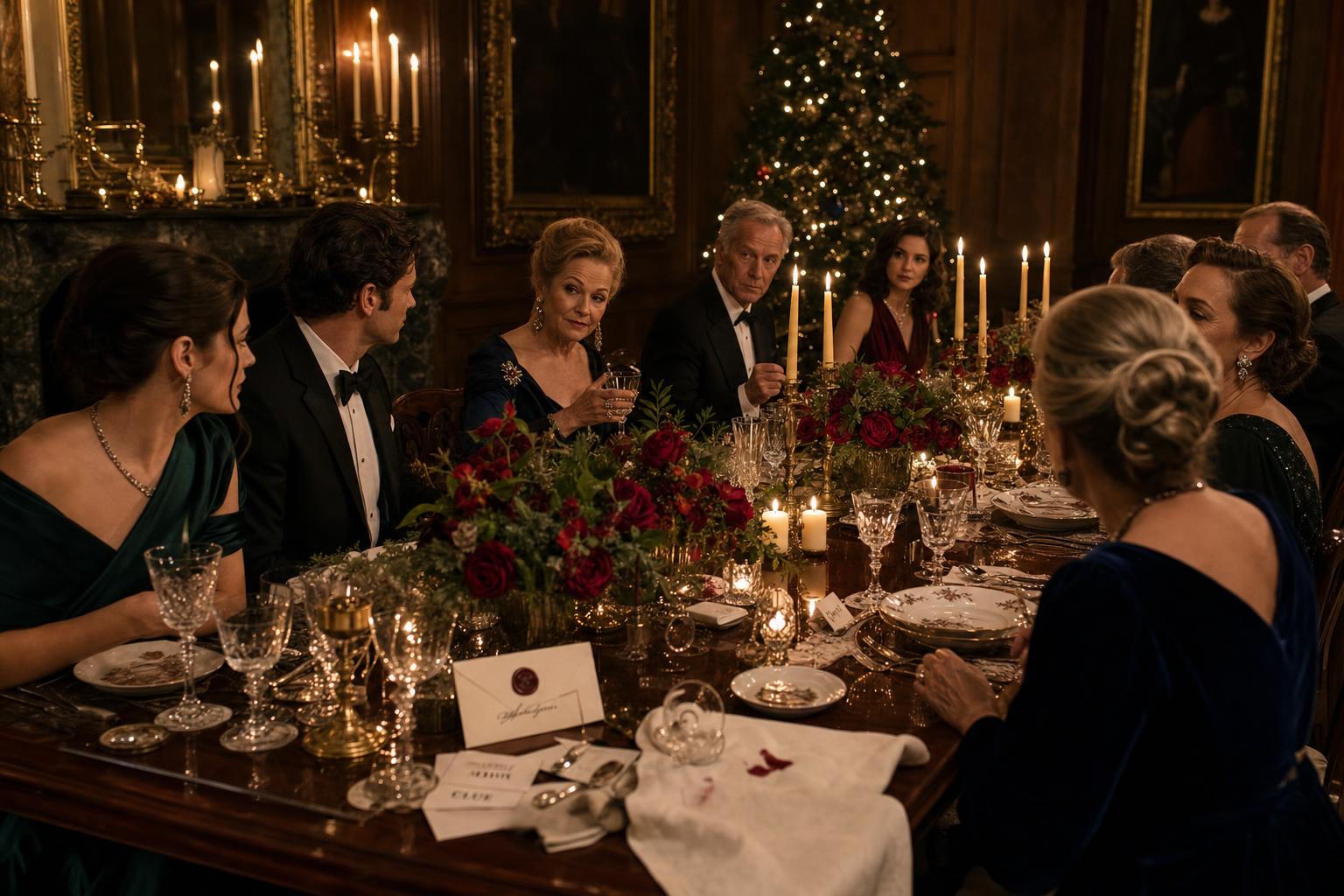
Introduction: A Christmas Party with a Twist
Christmas parties usually promise familiar pleasures: sparkling lights, rich food, cheerful music, and the warm comfort of tradition. A Christmas murder mystery dinner keeps all of that festive charm, then adds a layer of suspense that transforms the evening into something far more memorable. Instead of simply attending another seasonal gathering, guests step into a story where every toast, whisper, and sideways glance might hide a clue.
Why This Festive Format Stands Out
The appeal of a murder mystery dinner lies in its ability to combine entertainment with social connection. According to event industry surveys, immersive experiences continue to grow in popularity because people increasingly value interactive events over passive ones. At Christmas, when calendars fill quickly with office parties, family dinners, and neighborhood celebrations, a themed mystery offers something refreshingly different. It gives guests a reason not only to show up, but to participate.
In this setting, the classic holiday dinner becomes a stage. The host may present a glamorous manor house, a snowbound lodge, or a Victorian Christmas feast interrupted by scandal. Guests are not just diners; they are suspects, detectives, or secret accomplices. That shift changes the energy of the room immediately. Conversations become livelier, laughter comes more easily, and even shy attendees often find it easier to engage when they have a role to play.
The Perfect Blend of Cozy and Curious
Festive Atmosphere Meets Intrigue
What makes this concept especially effective during the holiday season is the contrast. Christmas is associated with warmth, generosity, and celebration, while a murder mystery introduces tension, secrets, and surprise. Together, they create a playful balance that feels dramatic without losing the spirit of the occasion. A table set with candles, crackers, and evergreen garlands becomes even more striking when each place card hints at a hidden motive.
The mystery also gives structure to the evening. Rather than relying solely on food and small talk, the event unfolds in stages, with clues revealed between courses and suspicions building as the night progresses. This pacing keeps guests engaged for hours and turns dinner into a shared experience rather than a routine meal.
More Than a Theme Party
A Christmas murder mystery dinner is not just about solving a fictional crime. It is about creating an atmosphere people remember long after the decorations come down. Whether planned for friends, family, or colleagues, it offers a festive night filled with character, storytelling, and just enough danger to make the season feel thrilling.
What Is a Christmas Murder Mystery Dinner
A Christmas murder mystery dinner is an interactive holiday event that combines a festive meal with a fictional crime story. Guests do not simply sit down to eat; they become part of the entertainment. Throughout the evening, attendees may play suspects, detectives, witnesses, or curious partygoers while trying to solve a staged “murder” that unfolds between courses. The result is a social experience that blends seasonal celebration, live storytelling, and lighthearted suspense.
How the Experience Works
At its core, this type of dinner party follows a structured narrative. A host, actor, or game kit introduces the setting, characters, and central conflict. In many versions, the story begins at a cheerful Christmas gathering before an unexpected crime disrupts the festivities. From that point on, guests gather clues, question one another, and piece together motives.
Some events are fully scripted, with assigned roles and dialogue prompts, while others are more flexible and encourage improvisation. Commercial murder mystery kits often include character backgrounds, clue cards, and scene instructions, making them accessible for home hosts. Professional venues may go further by hiring performers, decorating themed spaces, and serving a multi-course menu timed to key plot developments.
The Role of Christmas Themes
What makes this format distinct from a standard murder mystery is the holiday atmosphere. Christmas elements are woven into the plot, décor, costumes, and menu. A storyline might involve a stolen family inheritance, a sabotaged office holiday party, or a suspicious death at a winter manor. Guests may dress as glamorous party hosts, eccentric relatives, Victorian carolers, or even mischievous elves.
Food and ambiance also matter. Roast dinners, mulled wine, gingerbread desserts, candlelight, and seasonal music help create immersion. This contrast between warm holiday cheer and fictional danger is part of the appeal. It feels playful rather than grim, which is why these events are especially popular in December.
Why People Enjoy It
A Christmas murder mystery dinner offers more than passive entertainment. It encourages conversation, teamwork, and laughter, making it ideal for groups that want a memorable shared experience. According to event industry trend reports, immersive and interactive gatherings have grown in popularity because people increasingly value experiences over traditional parties. This format gives guests a reason to engage beyond small talk.
Popular Settings and Occasions
These dinners work well in several contexts. Families may host them at home for a unique holiday gathering. Friends often use them for seasonal parties, while companies choose them for team-building events or end-of-year celebrations. Restaurants, hotels, and event venues also offer ticketed murder mystery nights during the holiday season, especially in the United Kingdom and North America.
What Guests Can Expect
Most guests can expect a balance of dining and drama. The evening usually lasts between two and four hours, depending on the complexity of the story and the number of participants. A typical setup may look like this:
| Element | Typical Format |
|---|---|
| Duration | 2 to 4 hours |
| Group size | 6 to 30+ guests |
| Structure | Intro, clues, questioning, reveal |
| Atmosphere | Festive, theatrical, interactive |
Because the mystery is fictional and often humorous, the tone stays entertaining rather than frightening, making it suitable for many adult holiday gatherings.
Why This Theme Works for Holiday Gatherings
Festive Energy Meets Built-In Entertainment
A Christmas murder mystery dinner works especially well for holiday gatherings because it combines two things guests already want: celebration and connection. During the festive season, people are often looking for experiences that feel more memorable than a standard meal or casual party. A themed mystery creates an immediate sense of occasion, turning dinner into an event with structure, suspense, and plenty of conversation.
Holiday gatherings can sometimes stall when guests split into familiar groups or struggle to find common ground. A murder mystery naturally solves that problem by giving everyone a shared objective. Instead of relying on small talk alone, guests interact through clues, motives, and character roles. This makes the evening feel lively from the start, even when attendees come from different age groups, workplaces, or branches of the family.
It Encourages Participation Without Feeling Forced
One reason this theme succeeds is that it offers low-pressure involvement. Guests can lean fully into costumes and dramatic performances, or they can participate more casually by asking questions and following the story. That flexibility matters during the holidays, when gatherings often include a mix of outgoing personalities and quieter attendees.
A Natural Icebreaker
Interactive formats are proven to increase engagement at social events because they give people a reason to speak to one another. In this setting, the mystery acts as a built-in icebreaker. Instead of wondering how to start a conversation, guests can discuss alibis, suspicious behavior, or hidden clues. The result is a more inclusive atmosphere where interaction feels natural rather than staged.
The Theme Balances Tradition and Novelty
Holiday events are often built around familiar rituals such as dinner, music, and seasonal décor. A murder mystery does not replace those traditions; it enhances them. Hosts can still serve classic Christmas dishes, decorate with candles and evergreen accents, and play festive music, while the mystery adds a fresh layer of excitement.
Perfect for Creating Lasting Memories
Research on social experiences consistently shows that people remember interactive and emotionally engaging events more vividly than passive ones. A holiday dinner with a playful “deadly twist” delivers surprise, laughter, and storytelling all at once. Guests are far more likely to remember who dramatically accused the wrong suspect than what was served at an ordinary buffet.
Easy to Adapt to Different Group Sizes
Another advantage is versatility. This theme can be tailored for intimate dinners of six to eight guests or larger parties of 20 or more. Hosts can choose elegant, comedic, or family-friendly versions depending on the audience. That adaptability makes it especially practical during the holiday season, when gatherings vary widely in size, tone, and tradition.
Choosing Your Mystery Style and Tone
Selecting the right mystery style and tone shapes the entire experience of a Christmas murder mystery dinner. It influences everything from invitations and costumes to dialogue, pacing, and guest expectations. A well-matched tone helps guests feel immersed rather than confused, especially when holiday cheer and fictional crime share the same table. The goal is to create intrigue without losing the festive spirit that makes a seasonal gathering memorable.
Matching the Mystery to Your Audience
The first decision is who the event is for. A family gathering with teenagers and grandparents usually benefits from a lighter, more playful mystery. In contrast, an adults-only party may suit darker humor, sharper twists, or more dramatic character conflicts. According to event planning surveys, themed parties are rated more enjoyable when the theme feels accessible to the majority of guests, which means complexity should match the group’s comfort level.
If your guests are new to roleplay, choose a straightforward plot with recognizable character types, such as the suspicious butler, the glamorous socialite, or the secretive business partner. If your group loves improvisation, a layered mystery with hidden motives and misleading clues can create stronger engagement. The best style is one that invites participation rather than intimidation.
Popular Mystery Styles for Christmas Parties
A classic whodunit is often the safest and most versatile choice. It mirrors the structure of traditional detective fiction, where guests gather clues, question suspects, and uncover a culprit before dessert. This style works especially well with elegant holiday décor because it pairs naturally with candlelight, formal dining, and vintage-inspired costumes.
Cozy and Comedic
A cozy mystery keeps the stakes fictional but the mood warm. Think eccentric relatives, missing heirlooms, awkward secrets, and a murder that feels theatrical rather than disturbing. This approach is ideal for hosts who want suspense without making the evening feel grim. Comedy can ease social tension and encourage shy guests to join in.
Glamorous and Dramatic
For a more cinematic atmosphere, choose a dramatic style inspired by old Hollywood, aristocratic scandals, or winter manor-house intrigue. Rich language, emotional confrontations, and polished costumes elevate the evening. This tone suits formal dinners and can make the event feel more immersive and luxurious.
Setting the Right Tone
Tone is not only about the script; it is also reinforced through presentation. Music, lighting, menu names, and host language all signal whether the evening is witty, eerie, refined, or chaotic. A playlist of jazzy holiday standards creates a very different expectation than ominous instrumental music. Similarly, humorous invitations prepare guests for playful fun, while formal wording suggests a more serious mystery.
Balancing Festive and Fatal
Because this is a Christmas event, the mystery should complement seasonal warmth rather than overwhelm it. A successful balance often includes holiday references, themed clues, and character backstories tied to family traditions, office parties, or gift exchanges. The contrast between celebration and suspense is what gives a Christmas murder mystery its distinctive charm, making the night feel both festive and deliciously unpredictable.
Planning the Guest List and Party Format
A successful Christmas murder mystery dinner begins with matching the guest list to the format of the game. Most boxed or downloadable mystery kits are designed for a fixed number of players, often between 6 and 12 suspects, so your first step is choosing a story that fits your likely attendance. If you invite more people than the mystery supports, some guests may feel like spectators rather than participants. If you invite too few, key plot roles can be left empty, weakening the experience and making clues harder to follow.
Choosing the Right Number of Guests
For an intimate evening, 6 to 8 guests usually creates the best balance between conversation and complexity. Everyone gets enough attention, and the host can manage the pacing without the event feeling crowded. Larger groups of 10 to 14 can be lively and theatrical, but they require stronger organization, especially when distributing character information, clues, and dining courses. A smaller group often leads to deeper roleplay, while a larger one can deliver more surprises and social energy.
It also helps to think about personalities, not just numbers. A guest who loves improv may thrive in a dramatic suspect role, while someone more reserved may prefer a lighter character with fewer speaking demands. Mixing outgoing and quieter guests can work well if the game structure gives everyone a clear purpose.
Deciding on the Party Format
The format shapes the entire evening. A seated dinner party is the most traditional option and works especially well for elegant Christmas themes. Guests remain in character between courses, and revelations can be timed with appetizers, mains, and dessert. This structure feels polished and immersive, making it ideal for adults who enjoy storytelling and atmosphere.
Cocktail-Style vs. Formal Dinner
A cocktail-style mystery offers more movement and mingling. Instead of staying seated, guests circulate, exchange clues, and form theories in smaller groups. This format suits larger homes and more casual gatherings. It can also reduce pressure for hosts who do not want to serve a full plated meal. The key advantage is flexibility, though it may feel less focused than a formal dinner.
A hybrid format can be especially effective during the holidays. For example, guests might begin with drinks and character introductions in one room, then move to the table for the main investigation. This creates momentum and helps shy guests settle in before the mystery intensifies.
Planning for Practical Comfort
When finalizing the guest list, consider space, dietary needs, and timing. A three-hour event is common, though more elaborate mysteries can last four hours or longer. If children or mixed-age groups are attending, choose a lighter storyline and simpler rules. Good planning ensures the mystery feels festive rather than stressful, allowing every guest to enjoy the suspense, the meal, and the Christmas spirit.
Creating the Story, Characters, and Motives
A memorable Christmas murder mystery dinner depends on more than a clever reveal. The strongest events begin with a story that feels festive, dramatic, and believable enough for guests to invest in. A holiday setting naturally provides atmosphere, but the real momentum comes from character tension, hidden agendas, and motives that make every accusation feel possible. When the narrative is carefully built, even a small gathering can feel like a fully staged whodunit.
Building a Holiday Mystery Premise
The central premise should combine seasonal charm with interpersonal conflict. Christmas offers ideal ingredients for suspense: family reunions, office parties, inheritance disputes, charity galas, and long-buried grudges resurfacing under twinkling lights. According to event planning surveys, immersive themed parties consistently rank among the most engaging social formats because guests are not just observing entertainment, they are participating in it. That sense of involvement starts with a premise that is easy to understand but rich enough to support suspicion.
A strong setup often begins with a gathering that already carries emotional stakes. For example, a wealthy aunt may invite relatives to announce changes to her will during Christmas Eve dinner. A company director might host a lavish holiday banquet before revealing a controversial promotion. A church fundraiser, winter lodge retreat, or neighborhood carol competition can also provide a vivid backdrop. The key is to create a reason for everyone to be in one room while ensuring that several people have something to gain, lose, or hide.
Designing Characters Guests Want to Play
Characters should be distinct, playable, and connected to the central conflict. In most successful mystery dinners, each guest receives a role with a recognizable personality and a private objective. This gives players a reason to speak, investigate, and defend themselves throughout the evening. If roles are too vague, guests may hesitate. If they are too complicated, the game can feel like homework.
Balancing Personality and Suspicion
The best characters combine social flair with narrative purpose. A charming nephew drowning in debt, a stern business partner, a jealous sibling, a suspiciously cheerful housekeeper, or a glamorous ex-fiancée can all fit naturally into a Christmas mystery. Each role should have at least three layers: a public identity, a secret, and a relationship to the victim. That structure makes conversations more dynamic because guests are not simply reading clues, they are performing motives.
It also helps to vary energy levels across the cast. Include outspoken roles for confident guests and quieter, observant roles for those who prefer subtle participation. This balance keeps the evening inclusive while preserving dramatic tension.
Creating Motives That Feel Convincing
A murder mystery becomes compelling when nearly everyone appears capable of the crime. That does not mean every motive must be equally dark, but each one should be plausible. Financial pressure remains one of the most effective motives because it is easy to understand. Inheritance, debt, blackmail, and business rivalry all create immediate stakes. Emotional motives are equally powerful, especially during the holidays, when expectations around family, loyalty, and tradition are heightened.
Using Holiday Themes to Deepen Conflict
Christmas-specific motives can make the story feel more original. A character may resent being excluded from a family tradition, fear exposure during a reunion, or seek revenge for a betrayal that happened at a past holiday gathering. A stolen charity fund, a forged gift exchange, or a hidden engagement announcement can all trigger conflict in ways that feel seasonal rather than generic.
The most effective motives also overlap. A brother may want money, but he may also feel humiliated by years of comparison. A colleague may fear losing a promotion while secretly protecting someone else. These layered motives create uncertainty, which is essential in any mystery format.
Connecting Story, Character, and Clues
Once the premise, cast, and motives are in place, they should support the clues naturally. Evidence works best when it reveals character rather than simply delivering information. A burnt letter in the fireplace, a missing ornament containing a key, or a suspicious toast made before dessert can all point back to motive and personality. When clues emerge from the story world, guests stay immersed and the mystery feels satisfying rather than mechanical.
A well-crafted Christmas murder mystery does not rely on shock alone. It succeeds because every secret, rivalry, and festive detail works together to make the final accusation feel both surprising and earned.
Invitations, Dress Code, and Pre-Party Hype
Setting the tone before guests arrive
A memorable Christmas murder mystery dinner begins long before the first guest steps through the door. Invitations, dress expectations, and early excitement all help establish the atmosphere and encourage participation. When guests understand the theme in advance, they are far more likely to arrive ready to play along, which can dramatically improve the energy of the evening. In event planning surveys, themed gatherings consistently report higher engagement when attendees receive clear guidance beforehand, especially for interactive formats like mystery parties.
Crafting invitations that build intrigue
Your invitation should do more than share the date and time. It should introduce the story world of the evening. Use language that hints at scandal, secrets, or a suspicious holiday incident. A line such as “You are cordially summoned to an elegant Christmas supper where one guest may not survive dessert” immediately creates curiosity and signals that this is not an ordinary seasonal gathering.
What to include
Be sure to include practical details such as arrival time, location, RSVP deadline, and whether guests will receive assigned characters in advance. If character roles are part of the game, send them at least one to two weeks early. That window gives guests enough time to understand their backstory, prepare costume elements, and feel confident participating without losing momentum.
Creating a dress code guests will enjoy
A strong dress code makes the party feel immersive rather than awkward. The best approach is to keep it specific but flexible. Encourage guests to dress in festive formalwear, vintage holiday glamour, ugly Christmas sweaters with a dramatic twist, or attire suited to their assigned character. This gives everyone a framework while allowing different budgets and comfort levels.
Balancing style and accessibility
Not every guest wants to buy a full costume, so suggest easy upgrades such as costume jewelry, velvet blazers, red lipstick, pocket watches, or faux fur wraps. These small details can transform a standard outfit into something theatrical. The goal is participation, not perfection.
Building pre-party excitement
Pre-party hype keeps the event top of mind and helps guests arrive emotionally invested. Send teaser messages, suspicious character clues, or mock newspaper headlines in the days leading up to the dinner. A short message like “One of your fellow guests is hiding a dangerous secret” can spark conversation in advance.
You can also create anticipation by rewarding enthusiasm. Guests who come dressed in character or submit a dramatic backstory often help set the tone for everyone else, making the mystery feel alive from the very beginning.
Decor, Lighting, and Festive Table Styling
Setting the Scene for Suspense and Celebration
The atmosphere of a Christmas murder mystery dinner should feel both welcoming and slightly unsettling. Decor is what transforms an ordinary dining room into a stage where every guest becomes part of the story. Start with a classic holiday palette such as deep red, forest green, gold, and black. Traditional Christmas colors create warmth, while darker accents introduce the dramatic tone needed for a mystery-themed evening.
Layering is especially effective. A rich tablecloth, velvet runners, metallic candleholders, and antique-style serving pieces can make the room feel curated rather than crowded. If your party has a specific storyline, such as a 1920s manor house or a snowbound estate, reflect that theme in the details. Visual consistency helps guests immerse themselves in the plot before the first clue is even revealed.
Using Lighting to Build Mood
Lighting has a powerful psychological effect on social gatherings. Research in hospitality design consistently shows that lower, warmer lighting encourages relaxation and conversation, making it ideal for interactive dinner events. For a murder mystery dinner, the goal is to strike a balance between cozy and suspenseful. Guests need enough light to read clues and observe expressions, but not so much that the room loses its theatrical charm.
Candlelight, Lamps, and String Lights
Candles are one of the easiest ways to create a dramatic holiday atmosphere. Use flameless candles if safety is a concern, especially around fabric-heavy tablescapes. Taper candles in brass or matte black holders add height and elegance, while tea lights scattered across sideboards soften the room. Supplement candlelight with warm white string lights woven through garlands, mirrors, or shelving. Table lamps with low-watt bulbs can also create intimate pools of light that feel more refined than overhead fixtures.
Avoiding Common Lighting Mistakes
Bright ceiling lights can flatten the mood and make the setting feel more like a meeting than an experience. If possible, dim overhead lighting or turn it off entirely once guests are seated. Colored bulbs should be used sparingly; red or blue lighting may seem dramatic, but it can distort food presentation and make printed clues harder to read. Warm white lighting is usually the most flattering and practical choice.
Styling a Table That Feels Festive and Functional
A well-styled table should support both dining and gameplay. Place settings can be elegant, but they should not crowd the surface. Guests need room for plates, glasses, clue cards, and perhaps a notebook. A centerpiece should be low enough to allow eye contact across the table, since reading reactions is part of the fun.
Balancing Beauty with Practicality
Incorporate seasonal elements such as pine sprigs, dried orange slices, cranberries, or miniature ornaments, but keep the arrangement streamlined. Name cards can double as character introductions, which adds both style and function. If serving multiple courses, consider a table layout that leaves space for serving dishes without disrupting the decor. The best festive table styling looks effortless while quietly supporting the flow of the evening.
Small Details That Deepen Immersion
Finishing touches often make the strongest impression. Cloth napkins tied with ribbon, vintage-looking menus, faux snow on a side table, or a framed “family portrait” connected to the mystery can all enrich the setting. Background music, such as soft jazz or instrumental Christmas classics, completes the sensory experience and helps the room feel alive with intrigue.
Menu Planning for an Immersive Dinner
Designing a Menu That Supports the Story
A successful Christmas murder mystery dinner depends on more than costumes and clues. The menu should actively reinforce the atmosphere, helping guests feel as though they have stepped into a glamorous holiday gathering with secrets hidden beneath the sparkle. Food choices, serving style, and timing all shape the experience, so the meal should feel intentional rather than simply festive.
For this kind of event, a three-course structure often works best because it creates natural breaks for scripted reveals, character interactions, and dramatic discoveries. In the United Kingdom and United States, hosted dinner parties commonly follow this format because it balances elegance with practicality. A starter, main course, and dessert give the evening rhythm while preventing the kitchen from becoming overwhelmed.
Choosing Dishes That Are Festive and Practical
The ideal menu combines seasonal appeal with easy service. Rich winter dishes suit the Christmas setting, but they should also be manageable for a host who is coordinating entertainment. Starters such as roasted tomato soup, smoked salmon pâté, or a winter salad can be prepared in advance and plated quickly. This reduces disruption just as guests are settling into their roles.
Main Course Considerations
For the main course, choose dishes that hold well and can be served to a group without sacrificing quality. Roast turkey with herb stuffing is a classic option, but alternatives such as beef bourguignon, mushroom Wellington, or baked salmon can feel equally celebratory. According to catering industry guidance, buffet and plated meals with limited last-minute preparation consistently reduce hosting stress and improve service flow at events of 8 to 20 guests.
Side dishes should add colour and texture while staying familiar. Roast potatoes, glazed carrots, Brussels sprouts, and cranberry sauce all fit the Christmas theme and appeal to a wide range of tastes. Comfort and recognisability matter, especially when guests are focused on solving a fictional crime.
Matching Food to Pacing and Performance
An immersive dinner works best when the meal does not interrupt the mystery. Courses should arrive at moments that support the narrative, such as serving the starter during introductions and reserving dessert for the final accusation phase. If a major clue is revealed mid-meal, avoid dishes that require complicated carving or messy handling.
Drinks and Thematic Details
Drinks can deepen the mood without adding excessive complexity. Mulled wine, sparkling cranberry mocktails, and a signature cocktail with a dramatic name can all contribute to the theatrical feel. Small menu descriptions printed as “evidence files” or “estate banquet selections” add personality and strengthen immersion.
Catering for Dietary Needs Without Breaking the Illusion
Modern hosts should expect a range of dietary requirements. In recent consumer surveys, around one in ten diners actively seek vegetarian options when attending social events, and allergy awareness is now a standard expectation. Offering one well-designed vegetarian main and clearly identifying allergens shows professionalism and care.
A thoughtful immersive menu is not about extravagance alone. It is about creating seamless hospitality that supports suspense, comfort, and festive storytelling, allowing every course to feel like part of the mystery rather than a pause from it.
Games, Clues, and Interactive Party Flow
A successful Christmas murder mystery dinner depends on more than costumes and candlelight. The real magic comes from well-paced games, layered clues, and an interactive flow that keeps guests involved from the first drink to the final accusation. When the structure is thoughtful, players stay curious, conversations feel natural, and the evening unfolds like a festive detective story rather than a scripted performance.
Designing a Smooth Party Timeline
Most murder mystery dinners work best over two to three hours, which gives enough time for socializing, clue discovery, and dramatic reveals without losing momentum. A practical format begins with guest arrival and character introductions, followed by the first clue drop during appetizers. The main course can introduce new evidence, motives, or witness statements, while dessert becomes the ideal moment for final theories and accusations.
This staged approach matters because attention naturally shifts throughout a dinner party. According to event planning best practices, interactive segments every 20 to 30 minutes help maintain engagement. Instead of overwhelming players with all the information at once, release clues in waves so guests have time to discuss, speculate, and form alliances.
Building Clues That Encourage Conversation
The strongest clues do not simply hand over the answer. They create questions, contradictions, and opportunities for debate. A good mystery usually includes physical evidence, secret notes, alibis, and character-specific information. For example, one guest may know the victim argued with the host, while another secretly saw someone tampering with the Christmas pudding. Separately, those details seem small. Together, they become meaningful.
Types of Clues That Work Well
A balanced mystery often combines several clue styles to appeal to different personalities at the table.
| Clue Type | Purpose | Example |
|---|---|---|
| Physical evidence | Adds realism | A torn gift tag found near the body |
| Secret objectives | Encourages roleplay | A guest must hide a financial scandal |
| Witness statements | Creates conflicting accounts | Two players describe the same event differently |
| Timed reveals | Controls pacing | A new letter is opened after dinner |
| Red herrings | Increases suspense | Suspicious footprints that lead nowhere |
Using a mix of clue types prevents the game from feeling repetitive. It also ensures that quieter guests can contribute through observation, while more outgoing players can drive discussion through dramatic revelations.
Keeping Everyone Actively Involved
One common challenge in party games is uneven participation. To avoid this, assign every guest a role with a clear motive, a secret, or a useful piece of information. Even if only one person is the killer, everyone should have something to hide. That design keeps all players invested, because no one feels like a background extra.
Interactive Moments That Lift Energy
Short activities between courses can refresh the room and deepen the mystery. A scavenger-style clue hunt, a “question the suspect” round, or a vote on the most suspicious guest can all increase energy without disrupting the dinner. These moments work especially well when they are brief and purposeful. If a game segment lasts too long, it can interrupt the social rhythm and make the evening feel forced.
Hosts should also be ready to guide the pace. If conversation stalls, introduce an extra clue. If one guest dominates, redirect attention by asking another player to read a note or share an alibi. Active hosting is often the difference between a good mystery and a memorable one.
Balancing Festive Atmosphere with Mystery
Because this is a Christmas-themed event, the interactive flow should blend suspense with seasonal charm. Clues hidden in stockings, evidence tucked into cracker favors, or a dramatic reveal beside the tree help the mystery feel integrated into the celebration. The result is a party that feels immersive, playful, and socially dynamic, allowing guests to enjoy both the warmth of the holiday and the thrill of solving a crime
Hosting Tips to Keep Guests Engaged
Set the Scene Early
A successful Christmas murder mystery dinner depends on continuous guest involvement, and that starts before the first course is served. Send invitations that hint at the storyline, character roles, and dress expectations so guests arrive already curious and invested. Research from event planners consistently shows that anticipation increases participation, because people are more likely to engage when they understand the theme and their place in it.
When guests enter, use lighting, music, and simple decorations to establish mood immediately. A playlist of festive classics mixed with suspenseful instrumentals can subtly reinforce the “deadly twist” without overwhelming conversation. First impressions shape energy levels, so the opening moments should feel immersive rather than awkward.
Keep the Pacing Dynamic
Balance Food, Clues, and Conversation
One of the biggest hosting mistakes is allowing long gaps where nothing happens. To maintain momentum, reveal clues between courses rather than all at once. This creates a natural rhythm and gives guests time to eat, speculate, and interact. In many interactive dinner formats, engagement drops when activities pause for more than 15 to 20 minutes, so pacing matters as much as plot.
You can also assign short moments for character introductions, secret reveals, or mini-interrogations. These structured interactions help quieter guests participate without feeling put on the spot. A well-paced evening feels lively, not rushed, which is especially important when combining entertainment with a full meal.
Encourage Every Guest to Participate
Make Roles Accessible
Not every guest is a natural performer, so choose or adapt roles with different comfort levels in mind. Some characters can be dramatic and outspoken, while others can contribute through observation, clue-sharing, or private motives. This variety ensures that extroverts do not dominate the evening.
If needed, offer gentle prompts throughout the night. Asking questions like “Where were you when the lights went out?” or “Who seems most suspicious now?” keeps discussion flowing and helps hesitant players join in. Inclusive hosting creates stronger engagement because everyone feels they have a reason to contribute.
Use Small Surprises to Sustain Interest
Unexpected twists keep the experience memorable. A surprise clue under a plate, a sudden character confession, or a timed blackout can reignite attention if energy starts to dip. These moments do not need a large budget; they simply need good timing. In themed events, novelty is often what guests remember most, especially when it deepens the mystery and encourages fresh theories before the next reveal.
Music, Props, and Extra Atmospheric Details
Setting the Soundscape
Music is one of the easiest ways to transform a dining room into a convincing Christmas murder mystery setting. A carefully chosen playlist should balance festive warmth with subtle suspense. Classic holiday songs performed by Frank Sinatra, Nat King Cole, and Bing Crosby create an instantly recognizable seasonal backdrop, while instrumental tracks from mystery films can be layered in during key moments. Keeping the volume low ensures guests can hear clues, accusations, and dramatic reveals without strain.
Props That Deepen Immersion
Props give the evening texture and help guests feel like active participants rather than passive diners. Simple items such as handwritten invitations, name cards with character titles, sealed clue envelopes, and faux newspaper clippings can make the story feel more tangible. The most effective props are interactive, allowing guests to open, inspect, or reference them during the game. A broken ornament, a suspicious gift tag, or a spilled glass beside the “victim” can all serve as visual storytelling devices.
Practical and Budget-Friendly Choices
Atmosphere does not require a large budget. Battery-powered candles, red and gold table runners, vintage-style serving trays, and thrifted candlesticks can create a dramatic scene for relatively little cost. According to the National Retail Federation, holiday decorating remains a major seasonal expense category, which is why many hosts benefit from repurposing decorations they already own rather than buying specialty items for one night.
Small Details That Make a Big Difference
Lighting, scent, and costume accents often have an outsized impact on immersion. Dimmed lamps, fairy lights, and candlelight create intimacy and tension, while seasonal scents like cinnamon or pine subtly reinforce the setting. Encourage guests to add one signature accessory to their outfit, such as a velvet shawl, a brooch, or a pocket watch, to strengthen the period or character feel without requiring full costumes.
Timing the Reveal
Atmospheric details should also evolve throughout the night. As the mystery intensifies, shift from cheerful music to more dramatic instrumentals, lower the lights slightly, and introduce final props at key intervals. These layered touches keep energy high and make each scene feel deliberate, theatrical, and memorable.
Budget-Friendly Ideas and DIY Options
Create Atmosphere Without Overspending
A memorable Christmas murder mystery dinner does not require an extravagant budget. In fact, many of the most effective details come from creative, low-cost choices. Start with decorations you may already own, such as string lights, candles, ornaments, and table linens in deep red, gold, or winter white. These familiar holiday items can instantly create a dramatic setting that feels both festive and suspicious.
Secondhand stores and dollar shops are also excellent sources for props. Vintage glasses, old picture frames, costume jewelry, and handwritten place cards can help build a convincing story world for just a few dollars. Repurposing household items often works better than buying themed party kits, especially when you want the evening to feel personal rather than generic.
DIY Costumes, Props, and Clues
Guests do not need expensive outfits to look the part. Encourage them to assemble costumes from their own wardrobes by suggesting simple character types such as a wealthy aunt, nervous butler, glamorous singer, or mysterious business partner. A black dress, suit jacket, pearls, scarf, or hat can go a long way when paired with a clear role description.
Homemade Clue Design
Printed clues are another easy area to save money. Instead of ordering custom materials, design invitations, suspect cards, and evidence sheets using free tools like Canva or Google Docs. Printing at home on standard paper, then aging the pages with tea staining or folded edges, adds theatrical flair at almost no cost. According to the U.S. Bureau of Labor Statistics, the average American household spends hundreds of dollars on holiday entertaining each year, so small DIY savings can add up quickly.
Affordable Food and Entertainment Choices
Food costs can stay manageable by serving a potluck-style meal or focusing on hearty dishes like baked pasta, soup, roast vegetables, and holiday cookies. These options feed groups efficiently and reduce pressure on the host. Background music can come from free streaming playlists, while games between mystery scenes can use printable trivia or charades cards made at home.
Smart Budget Priorities
If you spend anywhere, prioritize elements guests remember most: good lighting, a clear storyline, and enjoyable food. Those three features usually matter more than expensive décor or elaborate party favors.
Common Mistakes to Avoid
Overcomplicating the Mystery
One of the most common mistakes when planning a Christmas murder mystery dinner is making the plot too complicated. Guests should feel intrigued, not confused. If the storyline includes too many suspects, hidden motives, or last-minute twists, players may lose track of key details. A strong mystery usually works best with a clear structure, memorable characters, and clues that are challenging but understandable. Keeping the game accessible helps everyone stay engaged, especially guests who are new to interactive party formats.
Ignoring Guest Comfort and Participation
Another frequent issue is failing to consider how comfortable guests feel with roleplay. Not everyone enjoys performing dramatically in front of a group, so assigning overly demanding characters can create awkwardness. A better approach is to balance outgoing roles with simpler parts, allowing each person to participate at their own level. Guest enjoyment should always come before theatrical ambition. When people feel relaxed, they are more likely to join in, ask questions, and help move the mystery forward naturally.
Poor Timing and Weak Coordination
Timing can also make or break the evening. Serving dinner too late, rushing clue reveals, or leaving long gaps between activities can disrupt momentum. Ideally, the event should flow smoothly between courses, conversations, and scripted moments. For example, many successful hosts plan clue drops every 20 to 30 minutes to maintain energy without overwhelming players. Good coordination creates suspense, while poor pacing can make even a clever mystery feel disorganized.
Neglecting Atmosphere
A final mistake is overlooking the festive setting. Decorations, music, and lighting all help create immersion. Without that seasonal atmosphere, the event may feel like an ordinary dinner with a game attached.
Conclusion: End the Night on a Memorable Note
Bringing the Mystery to a Satisfying Close
A Christmas murder mystery dinner works best when the final moments feel both surprising and earned. After the clues have been debated, alibis challenged, and festive suspicions raised, the reveal should reward guests for paying attention while keeping the mood lively and celebratory. A strong ending ties together the evening’s story, highlights the most observant players, and leaves everyone with a shared experience worth talking about long after dessert is served.
Making the Finale Feel Special
Celebrate the Players and the Performance
The most memorable hosts do more than announce the culprit. They turn the resolution into an event by recognizing standout performances, clever theories, and the funniest in-character moments. Small prizes, themed certificates, or even a “top detective” title can add energy without requiring a large budget. According to event industry surveys, interactive entertainment consistently ranks among the most engaging formats for private holiday gatherings because it encourages participation rather than passive attendance.
Leaving Guests with Lasting Holiday Cheer
When planned thoughtfully, this kind of dinner blends seasonal warmth, immersive storytelling, and social connection into one unforgettable evening. From the first clue to the final accusation, every detail helps create a festive atmosphere with a deliciously dark twist, setting up the perfect transition into future holiday traditions.
FAQ: Christmas Murder Mystery Dinner Questions
What is a Christmas murder mystery dinner?
A Christmas murder mystery dinner is an interactive party where guests share a festive meal while solving a fictional crime. Each attendee usually plays a character, follows clues, and questions other guests to uncover the culprit. The format combines elements of theater, dinner entertainment, and classic whodunit storytelling, making it especially popular during the holiday season when people want something more memorable than a standard gathering.
Unlike passive entertainment, this experience depends on participation. Guests may receive character backgrounds in advance, arrive in costume, and stay in role throughout the evening. According to event industry surveys, immersive social events have grown steadily in popularity because they encourage conversation and create highly shareable moments.
How many people do you need?
Most Christmas murder mystery dinners work best with 8 to 20 guests, although some kits support larger groups. Smaller parties can still succeed if the storyline is designed for fewer suspects, while bigger events often need stronger hosting and clearer structure to keep everyone involved.
Choosing the right group size
A group of around 10 to 12 people is often ideal because it gives enough variety in characters without becoming chaotic. If your guest list is larger, consider assigning co-hosts to help manage clue distribution, timing, and rule explanations.
How long does the event usually last?
A typical evening lasts two to four hours, depending on the complexity of the game and whether dinner is served in multiple courses. Simpler mysteries may fit into a casual holiday party, while more elaborate scripts with several rounds of evidence can fill an entire evening.
Hosts should build in extra time for arrivals, introductions, and costume photos. A realistic schedule helps the event feel smooth rather than rushed, especially if guests are new to role-playing games.
Do guests need acting experience?
Not at all. Most games are written for ordinary partygoers, not trained performers. The goal is to have fun, not deliver flawless dramatic performances. Guests can participate at different comfort levels, from enthusiastic improvisation to simply reading prompts and asking questions.
Helping shy guests enjoy the game
Assigning straightforward characters to quieter attendees can make the experience less intimidating. It also helps to explain early that enthusiasm matters more than acting skill. Once the conversation starts, even reserved guests often become more confident.
What food works best for a murder mystery dinner?
The best menu is one that is festive, practical, and easy to serve. Finger foods, plated mains, or buffet-style dishes all work well as long as they do not interrupt gameplay too often. Holiday favorites such as roast chicken, stuffing, seasonal vegetables, and spiced desserts fit the theme beautifully.
| Course | Good Option | Why It Works |
|---|---|---|
| Starter | Soup or canapés | Easy to serve during introductions |
| Main | Roast dinner or pasta bake | Filling and familiar |
| Dessert | Yule log or mince pies | Seasonal and visually festive |
Can children or families take part?
Yes, but the mystery should be age-appropriate. Family-friendly versions remove graphic themes and focus more on silly secrets, missing gifts, or comic misunderstandings. Adult groups may prefer darker humor or more complex plots, so choosing the right script is essential.
What if guests do not solve the mystery?
That is completely fine. In fact, many of the best evenings end with surprising reveals. The real success of a Christmas murder mystery dinner lies in the shared laughter, suspense, and festive interaction, not just in identifying the killer.


