

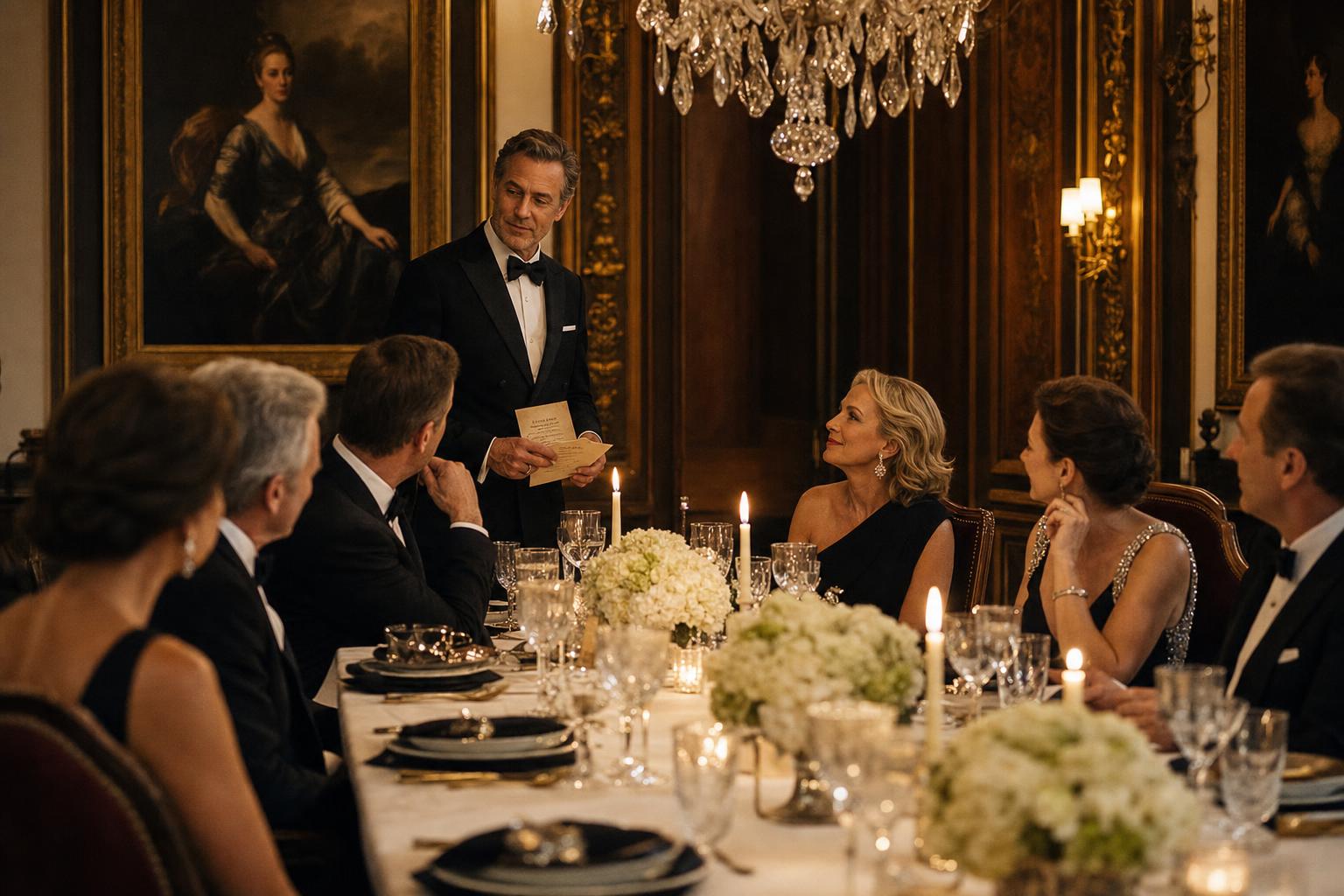
Introduction: Why Choosing the Right Murder Mystery Game Matters
A murder mystery game can turn an ordinary gathering into an event people talk about for months, but the right fit matters more than many hosts expect. Not every game suits every audience, venue, or occasion. A fast-paced party of twelve friends needs something very different from a formal corporate dinner or a family celebration with mixed ages. Choosing well affects guest participation, energy levels, and whether the experience feels immersive or awkward.
The Game Shapes the Entire Event Experience
Unlike passive entertainment, a murder mystery asks guests to actively take part. They may question suspects, follow clues, improvise dialogue, or solve puzzles together. Because of that, the game becomes the structure around which the evening unfolds. If the tone, complexity, or length is mismatched, even a well-planned event can lose momentum.
Industry trend data from the broader escape room and interactive entertainment market shows rising demand for participatory experiences, especially for birthdays, team-building events, and private celebrations. That growth reflects a simple truth: people want memorable, social activities. A murder mystery game delivers that best when it matches the group’s expectations and comfort level.
One Size Rarely Fits All
Some games are written for theatrical players who enjoy staying in character for hours. Others are designed for beginners and include simple instructions, shorter scenes, and guided reveals. A host planning for eight highly social adults might choose a character-driven mystery with hidden motives, while a host expecting twenty coworkers may need a more structured format that keeps everyone involved without putting shy guests on the spot.
Key Factors That Influence Success
The best choice usually depends on a few practical details. Group size determines whether roles feel balanced. Theme affects excitement and immersion, especially if guests are dressing up. Difficulty level matters because overly complex clue systems can frustrate casual players. Event timing also plays a role, since some mysteries last 60 minutes while others can fill an entire evening.
Better Choices Lead to Better Participation
When guests understand the format and feel comfortable with the style of play, participation rises naturally. Conversations become livelier, clues feel rewarding, and even quieter attendees are more likely to engage. A carefully chosen game reduces confusion and increases fun, which is exactly what hosts want when planning a standout event.
That is why selecting a murder mystery game should never be an afterthought. A few smart questions upfront can help narrow the options quickly and lead to a game that fits the event, the guests, and the atmosphere you want to create.
Question 1: What Type of Event Are You Hosting?
Choosing the right murder mystery game starts with a simple but high-impact question: what kind of event are you planning? The answer shapes everything from the game’s tone and structure to how much time guests can realistically devote to playing. A birthday party, a corporate team-building session, and a family reunion may all enjoy the same core concept, but they usually need very different formats to succeed.
A murder mystery works best when it fits naturally into the event rather than competing with it. According to event industry surveys, guest engagement rises significantly when activities match the occasion’s purpose, whether that purpose is celebration, networking, fundraising, or team connection. That means the “best” game is not always the most elaborate one. It is the one that supports the atmosphere you want to create.
Private Parties and Celebrations
For birthdays, anniversaries, dinner parties, and holiday gatherings, the ideal murder mystery game is usually one that feels social, flexible, and easy to host. In these settings, guests are often there first to enjoy each other’s company, food, and conversation. The game should enhance that experience, not dominate it so completely that it becomes stressful.
A private celebration often benefits from a character-driven game with light rules and a playful tone. For example, a 1920s speakeasy mystery or a glamorous masquerade theme can create excitement without requiring guests to memorize complex instructions. If some attendees are new to roleplay, a beginner-friendly format with guided prompts helps everyone participate comfortably.
Why tone matters at social events
Tone is one of the most important decisions for a private event. A dark, highly serious crime plot may feel out of place at a cheerful birthday dinner, while a comedic mystery with exaggerated suspects can keep energy high. If the guest list includes mixed ages or people who do not know each other well, a lighter script usually works better because it lowers the pressure to perform.
Corporate Events and Team Building
Corporate gatherings have different goals. Here, the murder mystery is often used to encourage collaboration, communication, and problem-solving. Research from workplace learning organizations consistently shows that interactive group activities can improve team cohesion when they require participants to share information and work toward a common outcome. A murder mystery naturally supports those outcomes when designed well.
For a business audience, choose a game that emphasizes structured interaction. Clear objectives, timed rounds, and manageable character assignments help keep the experience focused. A company off-site with 20 employees may need a game where teams analyze clues together, while a holiday office party may call for a more casual format that blends mingling with light deduction.
Matching the game to company culture
Not every workplace responds to the same style of mystery. A creative agency may enjoy theatrical roles and costumes, while a law firm or financial services team may prefer a polished, puzzle-oriented scenario. It is also important to consider inclusivity. The best corporate games avoid humor or themes that could make participants uncomfortable and instead create a setting where everyone can contribute.
Fundraisers, Community Events, and Large Gatherings
If you are hosting a fundraiser, school event, club night, or community gathering, scale becomes a major factor. Large events often include guests with different levels of enthusiasm, and many may not want a deeply immersive role. In these cases, the most effective murder mystery game is one that allows people to engage at varying levels.
A large-group mystery may feature a smaller cast of active suspects while the rest of the attendees act as investigators, voters, or audience participants. This format works especially well for charity dinners and ticketed events because it keeps the program moving while still making guests feel involved. It also supports fundraising goals by leaving room for auctions, speeches, or meal service.
Practical considerations for bigger audiences
For events with 30 or more attendees, logistics matter as much as story quality. You may need microphones, printed clue sheets, visual aids, or a host who can guide transitions. A tightly scripted ten-person mystery can fall apart in a ballroom, but a scalable format built for larger crowds will feel smooth and entertaining.
Family Gatherings and Mixed-Age Groups
Family reunions and multigenerational celebrations need a different approach again. In these settings, accessibility is essential. A game that is too complex may leave younger players confused and older relatives disengaged. The best choice is usually a mystery with straightforward clues, simple character goals, and content appropriate for a broad audience.
A family-friendly game does not have to be simplistic. It can still include twists, hidden motives, and satisfying reveals. The difference is that the material should remain easy to follow and comfortable for everyone at the table. Themes like mansion mysteries, stolen heirlooms, or quirky village secrets often work better than gritty crime drama.
Virtual and Hybrid Events
Online and hybrid events have expanded significantly in recent years, especially for remote teams and geographically spread families. A virtual murder mystery needs to be designed for screen-based interaction rather than adapted awkwardly from an in-person script. The best online games use breakout rooms, digital clue delivery, and shorter scenes to maintain attention.
Data from virtual event platforms has shown that audience attention tends to drop after 45 to 60 minutes without active participation. That makes pacing especially important. For remote events, choose a mystery with frequent interaction and clear facilitation so guests stay engaged rather than passive.
Let the Event Lead the Choice
Before you compare themes, difficulty levels, or costume ideas, identify the event’s real purpose. Is it meant to entertain close friends, strengthen a team, raise money, or include a wide range of ages? Once you answer that, the right murder mystery game becomes much easier to spot. The event type is the foundation, and every smart game choice builds from there.
Match the Game to the Occasion
Choosing the right murder mystery game starts with matching the format to the event itself. A birthday party, corporate team-building session, family gathering, and holiday celebration all create different expectations for pacing, tone, and participation. The best game feels natural within the occasion rather than forcing guests into an experience that does not fit the mood.
Consider the Event Type
For private social events, hosts often benefit from games with a playful tone, flexible rules, and character roles that are easy to understand. A casual dinner party usually works best with a game that unfolds over one evening, while a larger celebration may need a structure that keeps 10 to 20 guests engaged without long pauses. The occasion should guide the complexity level.
Match Tone and Audience
Corporate events typically require a different approach. In those settings, games that avoid overly dark themes and emphasize collaboration tend to perform better. According to event industry surveys, interactive activities can significantly improve attendee engagement, especially when they encourage conversation among people who may not know each other well. A polished, accessible mystery can help break the ice while still feeling professional.
Timing Matters
Length is another major factor. Some murder mystery games run for 60 to 90 minutes, while others can last three hours or more. For a brunch, fundraiser, or conference breakout session, a shorter format is often more practical. For an evening party, a longer game with layered clues may create a richer experience.
Venue and Setup
The setting also matters. A game designed for a seated dinner differs from one built for mingling in multiple rooms. When the game suits the space, schedule, and guest expectations, the entire event feels smoother and more immersive.
Private Parties vs Corporate Events
Matching the Game to the Guest Experience
Choosing the right murder mystery game starts with understanding how private parties and corporate events differ in tone, goals, and guest expectations. A private party usually centers on celebration, intimacy, and personal connection. Birthdays, anniversaries, and dinner gatherings often work best with storylines that feel playful, dramatic, or themed around glamour, scandal, or comedy. Guests typically know one another, which makes it easier to encourage improvisation and character-driven fun.
What Works Best for Corporate Groups
Corporate events usually have a broader objective beyond entertainment. Teams may be using the event for team building, networking, or employee engagement, so the game should support inclusion and easy participation. In workplace settings, the strongest options are structured experiences with clear rules, moderate roleplay, and content that stays professional while still being entertaining. For example, a company holiday party with 60 attendees may need a flexible format that allows guests to join without memorizing complex backstories.
Group Size, Comfort Level, and Tone
The difference often comes down to comfort level. At a private event, guests may enjoy bolder humor and deeper character immersion. At a corporate event, organizers usually benefit from choosing a game with accessible roles, scalable pacing, and neutral themes. According to event industry surveys, interactive entertainment consistently ranks highly for engagement, but success depends on selecting a format that matches the audience rather than forcing one style on every group.
Birthday, Holiday, Team Building, or Fundraiser
Match the Game to the Occasion
Choosing the right murder mystery game starts with the type of event you are hosting. A birthday party usually works best with a light, playful theme that keeps guests laughing while still giving everyone a role. Holiday gatherings often benefit from seasonal settings, such as glamorous winter galas or spooky Halloween manor houses, because they instantly create atmosphere and make decorating easier.
Consider Guest Expectations
For team building events, the goal is often different. Instead of focusing only on entertainment, companies typically want an experience that encourages communication, collaboration, and problem-solving. A structured mystery with clues that require discussion can help coworkers interact naturally. According to workplace engagement research from Gallup, highly engaged teams show stronger collaboration, so activities that spark conversation can deliver value beyond the event itself.
Fundraisers Need Energy and Participation
A fundraiser should be chosen with audience engagement in mind. The best mystery games for these events are easy to follow, flexible for larger groups, and designed to keep momentum high. When guests are entertained, they are more likely to stay longer, participate in raffles or auctions, and contribute generously.
Theme Drives the Experience
The occasion shapes everything from tone to pacing. A birthday game should feel personal, a holiday game should feel festive, a team-building game should feel interactive, and a fundraiser should feel lively and inclusive. Once you identify the event type, narrowing down the best option becomes much easier.
Venue Size, Seating, and Format
Match the Game to the Room
The size and layout of your venue directly affect which murder mystery game will feel smooth, immersive, and fun. A compact dining room with one long table creates a very different experience from a large banquet hall, office breakout space, or backyard party. In smaller venues, games with tighter interaction and fewer moving parts usually work best because guests can hear clues clearly and stay engaged without constant repositioning.
Seating Shapes the Experience
Seating matters just as much as square footage. A formal seated dinner often suits structured mystery formats, where character introductions, clue reveals, and scripted moments happen in a clear sequence. By contrast, cocktail-style events with standing guests support more flexible mingling games, where players circulate naturally and gather information through conversation. If guests cannot easily see or hear one another, the mystery can lose momentum quickly.
Consider Group Size and Flow
Most murder mystery games are designed for a specific player range, often between 6 and 20 core characters, though some party versions can scale beyond 50 attendees with teams or observers. If your event includes a mixed crowd, choose a format that lets non-acting guests participate without pressure. The best fit balances space, seating, and social energy, ensuring the game feels interactive rather than chaotic. A well-matched format keeps pacing strong and helps every guest feel included from the first clue onward.
In-Person, Virtual, or Hybrid Events
Matching the Format to Your Group
Choosing between in-person, virtual, or hybrid events shapes how your murder mystery game feels from the first clue to the final reveal. In-person events usually deliver the strongest immersion because guests can read body language, move through a space, and interact naturally. This format works especially well for private parties, team celebrations, and dinners where atmosphere matters as much as gameplay.
When Virtual Events Work Best
Virtual events are ideal when attendees are spread across cities or countries. They also reduce venue, travel, and catering costs, which can lower event budgets by a significant margin. A well-designed online murder mystery can still feel lively when it includes breakout rooms, digital evidence, and a strong host. For remote teams, virtual play often increases accessibility and attendance because joining requires only a stable internet connection.
The Hybrid Option
Hybrid events combine physical and online participation, but they require more planning. The biggest challenge is keeping remote guests as engaged as those in the room. That usually means using shared digital clues, clear audio, and structured turns so no one gets overlooked.
Choosing Based on Experience Goals
If your priority is energy and social chemistry, choose in-person. If you need flexibility and reach, go virtual. If your event includes mixed attendance and a larger production budget, hybrid can offer the best of both formats while preserving the collaborative fun that makes murder mystery games memorable.
Question 2: Who Are Your Guests?
Choosing the best murder mystery game is not only about theme or setting. It is fundamentally about the people in the room. A game that feels brilliant for one group can fall flat for another if the guest list is not considered carefully. Before selecting a title, script style, or level of complexity, it helps to ask a practical question: who will actually be playing?
The answer shapes everything from tone and pacing to character design and game length. A group of outgoing coworkers may thrive in a competitive, clue-heavy format, while a mixed-age family gathering may need something lighter, simpler, and more flexible. Guest personality, age range, familiarity with one another, and comfort with roleplay all influence whether the event feels effortless or awkward.
Match the Game to Group Personality
Every murder mystery game asks participants to engage in a social experience, but not every group socializes in the same way. Some guests love improvisation, dramatic reveals, and playful accusations. Others prefer structure, clear instructions, and less pressure to perform. Understanding this difference can prevent a mismatch.
For highly expressive groups, games with theatrical roles, hidden motives, and open-ended dialogue often work well. These guests tend to enjoy stepping into character and creating memorable moments through improvisation. By contrast, more reserved groups usually respond better to games with guided prompts, shorter speaking moments, and a stronger framework. In those settings, clarity is more important than complexity.
A useful benchmark comes from event facilitation research, which consistently shows that participation rises when expectations are explicit. In practical terms, that means guests are more likely to engage when they know whether the game requires acting, reading, solving, or simply social interaction. If your attendees are unsure what is expected, enthusiasm can drop quickly.
Introverts, Extroverts, and Mixed Groups
Most real guest lists include a mix of personalities. That does not mean the game must be bland; it means it should provide multiple ways to participate. The strongest choices for mixed groups allow confident players to take center stage while giving quieter guests meaningful clues, private objectives, or smaller conversational moments.
A balanced game often includes structured rounds, written evidence, and optional roleplay rather than mandatory performance. This format reduces social pressure while still preserving immersion. The goal is not to turn everyone into an actor, but to create a setting where each guest can contribute comfortably.
Consider Age Range and Maturity Level
Age is one of the most important filters when selecting a murder mystery game. Not all games marketed as party entertainment are suitable for all audiences. Some rely on adult humor, complex motives, or darker themes, while others are designed to be family-friendly and easy to follow.
For teen or family events, a lighter mystery with clean humor and straightforward clues is usually the safest choice. Younger players often enjoy clear character archetypes and visible objectives more than subtle social deception. Adults, on the other hand, may appreciate layered backstories, red herrings, and more nuanced motives.
The structure should also match attention span. Industry event planners often note that 90 to 120 minutes is a comfortable range for many adult social games, while younger or casual groups may engage better with shorter formats. If the game runs too long for the audience, energy fades and the mystery loses momentum.
Content Sensitivity Matters
Even within the same age bracket, comfort levels vary. A corporate team, for example, may not respond well to themes involving romance scandals, political satire, or morally charged topics. A family reunion may include children, grandparents, and relatives with very different expectations. In these cases, content-neutral or comedic mysteries tend to be more versatile.
When reviewing a game, look beyond the title and setting. Check whether the script includes innuendo, heavy violence, alcohol-centered jokes, or potentially divisive stereotypes. A good fit is not just entertaining; it is socially appropriate for the room.
Think About How Well Guests Know One Another
A murder mystery game can either break the ice or deepen existing chemistry, depending on how it is designed. If most guests are strangers or only loosely connected, choose a game that encourages easy introductions and gradual interaction. Structured clue exchanges, guided conversation rounds, and simple objectives help people connect without feeling exposed.
In established friend groups, more elaborate games can work beautifully because players already trust one another. They may be more willing to bluff, tease, improvise, and challenge each other openly. Familiarity often increases the fun of deception-based mechanics because social confidence is already present.
New Groups Need More Structure
For new teams, networking events, or mixed social circles, highly improvisational games can create hesitation. Guests may worry about saying the wrong thing or overcommitting to a character. In these situations, a script-led format provides a safer entry point. People can still enjoy the mystery without carrying the full burden of performance.
This is especially relevant in workplace settings. Team-building research frequently emphasizes that activities should encourage collaboration without creating embarrassment. A murder mystery can be excellent for this purpose, but only if the design respects professional boundaries and varying comfort levels.
Account for Group Size and Participation Style
Guest identity is also shaped by numbers. A party of eight behaves very differently from a party of twenty. Smaller groups usually allow deeper character involvement because each person has more screen time. Larger groups often need simpler mechanics, stronger moderation, and opportunities for side conversations so no one feels left out.
Some games assign every player a central role, while others include optional characters or spectators who can still vote on the solution. That distinction matters. If your event includes guests who may arrive late, prefer observing, or dislike roleplay, a flexible format is often the better choice. Not every attendee needs the same level of spotlight to have a good time.
Hosts Should Anticipate Energy Levels
Guest dynamics are influenced by timing and context as much as personality. A mystery played after dinner at a birthday party may feel relaxed and playful. The same game at a formal corporate evening may need tighter pacing and clearer transitions. Consider whether your guests will be energized, distracted, tired, or multitasking around food and conversation.
When the game fits the audience, participation feels natural rather than forced. Guests understand their roles, the humor lands appropriately, and the mystery unfolds at a pace the room can sustain. That is why asking who your guests are is not a minor planning detail; it is often the factor that determines whether the event becomes merely interesting or genuinely unforgettable.
Consider Group Size and Player Roles
Match the Game to Your Guest Count
Choosing a murder mystery game starts with group size, because the number of players shapes how interactive and balanced the experience feels. A game designed for eight guests can feel crowded and confusing with twelve, while a twenty-player game may feel thin and underpowered with only ten attendees. Most commercial murder mystery kits specify a minimum and maximum player count, and staying within that range usually produces the best results.
For smaller gatherings, look for games with tightly written roles and strong character interaction. These often give every participant a meaningful part in the investigation. Larger events benefit from flexible formats that include optional characters, side plots, or team-based participation so no one feels left out.
Understand Core and Optional Roles
Why role structure matters
Not every guest wants the same level of involvement, so player roles deserve just as much attention as headcount. In many games, core characters drive the plot by holding clues, secrets, and motives. Optional roles, by contrast, help fill out the party atmosphere and can be ideal for shy guests or last-minute additions.
A well-designed game clearly separates these role types. That makes hosting easier and helps you assign parts based on personality. For example, confident guests may enjoy dramatic suspects with lots of dialogue, while quieter players may prefer lighter roles that still contribute to the mystery without constant performance pressure.
Balance Engagement and Comfort
Plan for your audience
The best choice is one that fits both the size and social style of your group. If your event includes mixed ages, coworkers, or first-time players, prioritize games with simple instructions and adaptable roles. If your guests love improvisation, choose a format with deeper backstories and more character-driven conflict. The right fit keeps everyone engaged, which is ultimately what turns a themed party into a memorable event.
Experience Level and Comfort with Roleplay
Match the Game to Your Guests
One of the most important factors in choosing a murder mystery game is how comfortable your group feels with roleplay. Some guests love stepping into character, improvising dialogue, and performing dramatic reveals. Others prefer a lighter, more structured experience where they can participate without feeling put on the spot. Picking a game that matches that comfort level can make the difference between awkward silence and genuine engagement.
Beginner-Friendly vs. Immersive Formats
What Works for New Players
For groups with little or no roleplay experience, choose a game with clear instructions, guided prompts, and simple character goals. These formats reduce pressure and help players ease into the experience. For example, a host-led mystery with scripted clues often works well for family gatherings, office parties, or mixed-age groups. In many social event surveys, structured activities consistently receive higher participation rates from first-time players because they remove uncertainty.
When to Choose Deeper Roleplay
If your guests already enjoy tabletop games, escape rooms, or live-action events, they may prefer a more immersive mystery. These games often include hidden motives, open-ended conversations, and stronger character acting. Experienced players usually enjoy greater freedom, especially when the event is built around theatrical fun rather than casual entertainment.
Consider Group Dynamics
A shy group may thrive with short interactions and collaborative clue-solving, while an outgoing crowd often enjoys suspicion, bluffing, and dramatic accusations. The right fit keeps everyone involved without making participation feel forced.
Age Range and Content Sensitivity
Matching the Mystery to Your Guests
A murder mystery game works best when the tone, language, and subject matter fit the people in the room. Age range matters because a game designed for adults may include flirtation, alcohol references, or darker themes, while a family-friendly version usually keeps the story light, comedic, and easy to follow. Choosing the right fit helps everyone stay engaged rather than uncomfortable or confused.
Family-Friendly, Teen, and Adult Options
For mixed-age gatherings, look for games labeled family-friendly or suitable for ages 12 and up. These often avoid graphic violence and rely on clever clues, playful rivalries, and simple motives. Teen groups may enjoy slightly more dramatic plots, but content should still be screened for mature jokes or intense themes. Adult-only parties can handle more complex storytelling, sharper humor, and immersive character secrets, which often makes the experience richer.
Why Content Labels Matter
Publishers often note whether a game includes romance, deception, crime detail, or suggestive humor. That guidance is useful because comfort levels vary widely even within the same age group. For example, a corporate team event usually benefits from a clean, inclusive script, while a bachelorette party may prefer something bolder and more theatrical.
Questions to Ask Before You Buy
Check the recommended age, read the content description, and consider your guests’ preferences. A well-matched game creates laughter, participation, and memorable moments without awkward surprises later.
Guest Personalities and Participation Styles
Matching the Game to Your Crowd
A murder mystery works best when the participation style fits the personalities in the room. Some guests love improvisation, dramatic reveals, and staying in character for hours. Others prefer a lighter structure where they can ask questions, follow clues, and contribute without performing. Choosing the right format can significantly improve engagement, especially in mixed groups where confidence levels vary.
Balancing Extroverts and Reserved Guests
For highly social groups, a character-driven game with secrets, alliances, and open accusation rounds can create strong energy. These formats often shine at birthday parties, team events, and adult dinner gatherings. For quieter guests, a guided mystery with clear turns, written prompts, or optional acting reduces pressure while still keeping everyone involved. The goal is not to force performance, but to invite participation.
Considering Group Dynamics
Age range, familiarity, and event purpose also matter. A close-knit friend group may enjoy playful deception, while coworkers often respond better to structured interaction. If your guest list includes both outgoing and reserved personalities, look for a game that offers flexible roles, so every participant can engage at a comfortable level.
How to Keep Everyone Included
Match the Game to Your Group
A successful murder mystery event depends on inclusive design as much as clever storytelling. The best way to keep everyone involved is to choose a game that fits your group’s size, energy level, and comfort with roleplay. For example, a highly theatrical script may excite extroverts but leave quieter guests behind. A flexible format, where players can participate through conversation, clue-solving, or light character acting, usually works better for mixed groups.
Consider Accessibility and Participation Styles
Make Every Role Feel Valuable
Inclusion also means thinking beyond personality types. Consider accessibility needs, reading difficulty, event length, and whether guests know each other well. If one person gets all the dramatic reveals while others simply watch, engagement drops quickly. Strong games distribute information and decision-making so each guest has a reason to contribute. In well-designed party games, every role should matter, even if some players prefer a lower-pressure part.
Create Space for Different Comfort Levels
Hosts can help by setting expectations early, encouraging participation without forcing it, and choosing a tone that feels welcoming rather than intimidating.
Question 3: What Kind of Experience Do You Want?
After narrowing down your guest count and event format, the next decision is often the one that shapes the night most dramatically: what kind of experience do you actually want people to have? Murder mystery games can feel wildly different from one another, even when they share the same basic premise. Some are light, theatrical, and full of laughter. Others are tense, strategic, and built around careful deduction. Choosing the right tone and structure matters because the best game is not simply the most popular one; it is the one that matches your guests’ expectations, energy, and comfort level.
Tone Sets the Entire Event
A murder mystery can range from campy fun to serious intrigue. That tonal difference affects everything from how guests dress to how confidently they participate. If your group enjoys improv, playful accusations, and dramatic reveals, a humorous or over-the-top theme usually works well. These games often lower the pressure because guests do not feel they need to perform perfectly. They can lean into the absurdity, laugh at the twists, and still enjoy the puzzle.
By contrast, a more serious mystery tends to appeal to guests who love storytelling, deduction, and immersive roleplay. In these games, players may spend more time comparing clues, tracking motives, and testing alibis. The emotional experience is more suspenseful than silly, which can be ideal for corporate groups, experienced players, or friend circles that enjoy strategy-heavy entertainment.
Matching Tone to the Occasion
The occasion itself should influence your choice. A birthday party often benefits from a lively, social tone that keeps the atmosphere celebratory. A team-building event may work better with a balanced mystery that encourages collaboration without putting shy participants on the spot. Holiday parties usually succeed with themes that are festive and accessible, especially when guests include a mix of ages and personalities.
Interactive or Structured?
Another major distinction is how much freedom players have during the game. Some murder mystery experiences are highly interactive, with open conversation, hidden agendas, and flexible pacing. Others are more structured, guiding players through rounds, clue reveals, and specific moments for discussion. Neither format is inherently better, but they create very different kinds of engagement.
Highly interactive games are ideal for outgoing groups. Guests can move around, form alliances, question each other, and shape the energy of the room. This format often feels organic and memorable because no two sessions unfold exactly the same way. However, it can be harder for quieter guests if the game relies too heavily on spontaneous performance.
Structured games provide more support. They usually include clear prompts, timed stages, and written information that helps everyone stay involved. This can dramatically improve the experience for first-time players, because the game itself does more of the heavy lifting. If your event includes people who are hesitant about roleplay, a structured mystery often leads to stronger participation overall.
Competitive, Cooperative, or Mixed
Not every murder mystery is built around the same social dynamic. Some emphasize competition, rewarding the player who solves the case first or best protects their secrets. Others are more cooperative, encouraging the whole group to work together toward a final answer. A mixed format may ask players to collaborate publicly while still pursuing private objectives.
Why Social Dynamics Matter
Competitive games can be thrilling for groups that enjoy debate, bluffing, and strategic thinking. They often create memorable moments because players feel personally invested in the outcome. Yet competition can also intimidate guests who simply want to relax and have fun. In those cases, a cooperative format may be the better fit. When everyone is trying to uncover the truth together, the atmosphere becomes more inclusive and less pressurized.
For example, workplace groups often respond well to cooperative or mixed formats because they support conversation without making anyone feel targeted. Friend groups who already enjoy board games, escape rooms, or social deduction games may prefer a more competitive design.
How Much Roleplay Do Your Guests Want?
Roleplay exists on a spectrum. Some games ask players to fully embody a character with accents, secrets, and dramatic interactions. Others use character sheets mainly as a framework for clue-sharing. Knowing where your guests fall on that spectrum is crucial.
A high-roleplay mystery can be unforgettable when the group is enthusiastic. Guests may arrive in costume, stay in character all evening, and treat the event like interactive theater. But if even half the room is reluctant, that same format can feel awkward. In many cases, light roleplay produces the best balance. Players still enjoy themed identities and motives, but they do not need acting skills to succeed.
A Simple Way to Gauge Comfort
Ask yourself how your guests usually behave at social events. Do they jump into games quickly, or do they warm up slowly? Do they enjoy performance-based activities like karaoke and charades, or do they prefer conversation and casual participation? Their usual behavior is often a better predictor than what they say sounds fun in theory.
Complexity and Pacing
Experience also depends on how mentally demanding the game is. Some mysteries are intentionally simple, designed to keep the evening moving with broad clues and easy-to-follow objectives. Others are layered, featuring red herrings, multiple subplots, and detailed evidence. The right level of complexity depends on your audience and your timeline.
If your event lasts around two hours, a streamlined game often works best. If you have a dedicated game night with experienced players, a deeper mystery can be far more satisfying. According to event industry surveys, attention and participation tend to drop when social games run too long without clear progression, which is why pacing matters as much as plot.
Choosing the Right Pace
Fast-paced games create energy and keep conversation lively. Slower, more intricate games reward careful thinking and detailed discussion. If your guests will also be eating, drinking, or mingling heavily, choose a format that can handle interruptions without losing momentum.
Theme Still Shapes Experience
Even when mechanics are similar, theme changes how the event feels. A 1920s speakeasy mystery creates a different mood than a haunted manor, Hollywood scandal, or masquerade ball. Theme affects costume enthusiasm, décor options, and how easily guests understand the world of the game. Familiar themes often reduce friction because players instantly know how to engage.
The best choice is usually the one that makes participation feel natural. When guests understand the vibe immediately, they step into the experience more confidently, and that confidence is what turns a simple party game into a standout event.
Comedy, Classic Whodunit, or Darker Themes
Match the Mood to Your Guests
Choosing the right tone is often the single biggest factor in whether a murder mystery game feels unforgettable or awkward. A light comedy theme works best for groups that want easy laughs, playful characters, and low-pressure roleplay. These games usually lean into exaggerated suspects, witty dialogue, and silly twists, making them ideal for birthdays, office parties, or mixed-age gatherings.
When a Classic Whodunit Works Best
A traditional whodunit offers the most familiar murder mystery experience. Think country manor secrets, suspicious alibis, and carefully placed clues. This style appeals to guests who enjoy solving puzzles and following a structured investigation. If your attendees love Agatha Christie-style stories, a classic format creates a satisfying balance between social interaction and deduction.
Why Theme Affects Engagement
Tone shapes how comfortable people feel participating. According to event industry surveys, interactive entertainment performs best when it matches guest expectations and group energy. A highly comedic cast can help shy players open up, while a serious mystery may better suit experienced gamers or drama-loving adults.
Considering Darker Themes Carefully
Darker mysteries can be immersive and memorable, but they require more thought. Themes involving betrayal, psychological tension, or crime-heavy backstories may appeal to dedicated mystery fans, yet they are not always suitable for corporate events or casual family parties. Know your audience first before choosing a more intense script.
A Simple Rule of Thumb
If your group wants laughter, choose comedy. If they want clues, choose classic. If they want atmosphere and intensity, choose darker themes.
Scripted vs Flexible Gameplay
Choosing the Right Structure for Your Group
One of the biggest differences between murder mystery games is whether the experience is scripted or flexible. A scripted game follows a tighter sequence of scenes, clues, and dialogue prompts. This format works especially well for groups that are new to roleplay, because it reduces uncertainty and keeps everyone moving toward the same reveal. For corporate teams, family gatherings, or mixed-age events, a scripted structure often creates a smoother experience with less facilitation required.
When Scripted Gameplay Works Best
In most scripted formats, players receive clear character goals, timed information, and guided interactions. That predictability can be a major advantage when your event has a fixed schedule. If you only have 90 minutes, for example, a scripted game is more likely to finish on time than a freeform one. Consistency is the main benefit here, since the host can better control pacing and participation.
The Appeal of Flexible Play
Flexible gameplay gives players more freedom to improvise, question others, and shape the story naturally. This style often feels more immersive for confident guests who enjoy creativity and spontaneous humor. Replay value can also be higher, because no two sessions unfold in exactly the same way, making the social dynamics a bigger part of the entertainment.
Competitive vs Collaborative Play
Choosing the Right Dynamic for Your Group
One of the biggest decisions when selecting a murder mystery game is whether the experience should feel competitive or collaborative. This choice shapes the energy of the event, how guests interact, and what kind of memories they take away. In a competitive format, players usually pursue individual goals alongside solving the crime, which can create lively tension, strategic bluffing, and dramatic reveals. That style often works well for confident groups who enjoy debate, roleplay, and a little friendly sabotage.
When Competitive Play Works Best
Competitive games are especially effective for smaller parties, corporate teams with outgoing personalities, or friend groups familiar with social deduction games. Because each player may hold secrets or hidden objectives, engagement tends to stay high. The tradeoff is that quieter guests can sometimes feel overshadowed if stronger personalities dominate the room.
Why Collaboration Appeals to More Mixed Groups
Collaborative play focuses on solving the mystery together, with players sharing clues and building theories as a team. This format is often better for family gatherings, mixed-age events, or groups with first-time players. It reduces pressure while still delivering suspense, making participation feel more accessible and inclusive across the entire guest list.
Short and Casual vs Immersive and Long-Form
Matching Game Length to Your Event
Choosing between a short, casual murder mystery and an immersive, long-form experience depends on your guests, schedule, and event goals. A shorter format, usually lasting 60 to 90 minutes, works well for dinner parties, team socials, and mixed-age groups. It keeps energy high, reduces rules overhead, and lets players enjoy the mystery without committing the entire evening.
When Casual Works Best
A casual game is ideal when conversation and flexibility matter most. Guests can drop in quickly, learn their roles fast, and focus on fun rather than complex strategy. This format is especially useful for hosts managing food, drinks, or multiple activities. For example, a birthday party with 12 guests may benefit from a lighter structure that fits naturally between dinner and dessert.
The Appeal of Long-Form Play
An immersive mystery often runs two to four hours and emphasizes character development, clues, and deeper roleplay. These games suit dedicated groups who enjoy storytelling and theatrical interaction. If your event is built around the mystery itself, a longer format can create a more memorable, high-engagement experience with stronger suspense and richer guest participation.
DIY Kits vs Hosted Experiences
Understanding the Core Difference
When choosing a murder mystery game, one of the biggest decisions is whether to use a DIY kit or book a hosted experience. Both formats can deliver a memorable event, but they suit different budgets, group dynamics, and planning styles. A DIY kit typically provides downloadable scripts, character guides, clues, and hosting instructions, leaving execution in your hands. A hosted experience includes a professional facilitator who manages pacing, rules, and guest engagement.
When a DIY Kit Makes Sense
A DIY option is often the better fit for smaller budgets and flexible schedules. Many kits range from $20 to $100, making them far more affordable than live-hosted events, which can cost several hundred dollars or more depending on group size and performer fees. DIY kits also work well for hosts who enjoy organizing details, assigning roles, and setting the atmosphere themselves.
Best for Hands-On Hosts
If your group is comfortable with light improvisation and self-guided play, a DIY format can feel personal and creative. It also allows you to pause, adapt, or replay elements at your own pace.
When Hosted Experiences Shine
Hosted events are ideal when you want a smoother, more polished evening. A professional host can keep energy high, involve quieter guests, and reduce the pressure on the organizer. For corporate parties, milestone birthdays, or larger groups, that added structure often makes the experience feel more immersive and less stressful.
How Budget Affects Your Choice
Balancing Cost With Guest Experience
Budget is often the deciding factor when choosing a murder mystery game, but the cheapest option is not always the best value. A lower-priced game may save money upfront while creating extra work for the host, especially if the materials are thin, the instructions are unclear, or the character roles feel repetitive. On the other hand, a more expensive package can include stronger writing, better production quality, and smoother event flow, which may reduce stress and improve the overall experience for guests.
For most event planners, the real question is not simply how much a game costs, but what is included for that price. Some games are sold as downloadable PDFs for under $30, while premium hosted experiences can cost several hundred dollars or more. The difference usually reflects the level of support, customization, and entertainment value built into the package.
What Different Price Points Usually Offer
Budget-Friendly Options
Lower-cost murder mystery games are often ideal for small gatherings, casual parties, or hosts who are comfortable managing the event themselves. These games typically provide a script, character sheets, and basic instructions. In many cases, they work well for groups of 6 to 12 players and can be printed at home, keeping total event costs low.
However, inexpensive options may require more preparation. You might need to assign roles manually, explain rules in detail, or fill in gaps if the game lacks structure. A low purchase price can sometimes mean a higher time investment, which matters if you are planning a busy event.
Mid-Range Choices
Mid-range games often strike the best balance between affordability and quality. These packages may include themed invitations, host guides, printable evidence, costume suggestions, and flexible character assignments. For many private parties, this category delivers enough polish to feel special without stretching the budget too far.
A game in this range is often better suited for birthdays, family celebrations, and team socials because it supports a smoother experience. If your guests are new to interactive games, paying a little more for clearer instructions and stronger pacing can make a noticeable difference.
Premium Experiences
Higher-end murder mystery games usually appeal to corporate events, large celebrations, or hosts who want a more immersive atmosphere. These may include professional acting support, custom scripts, live facilitation, or venue-specific adaptations. In some markets, professionally hosted mystery events can range from $500 to over $2,000 depending on group size and complexity.
At this level, you are paying for convenience, immersion, and reduced hosting pressure. That can be worthwhile when the event has higher stakes, such as client entertainment or a milestone celebration.
Looking Beyond the Ticket Price
Hidden Costs to Consider
The game itself is only one part of the total budget. Printing materials, decorations, props, food, costumes, and prizes can quickly increase spending. A $25 downloadable game may become a $150 event once extras are added, while a more complete package may reduce those add-on costs.
It is also important to consider the value of your time. If a game requires hours of setup, rewriting, or troubleshooting, the savings may not feel significant. Choosing based on total event value rather than sticker price usually leads to a better decision.
Matching Budget to Event Goals
If your goal is a relaxed night with friends, a simple low-cost game may be perfect. If you want a polished, memorable centerpiece for the event, investing more often makes sense. The best choice is the one that fits both your financial limits and the kind of experience you want guests to remember.
Free Downloads vs Premium Game Kits
What You Really Get
Free murder mystery downloads can look appealing because the upfront cost is zero, but the value often depends on how much work the host must do afterward. Many free kits include only a basic script, a short character list, and limited instructions. That may be enough for a casual family night, yet it can create gaps when planning a larger birthday, team event, or dinner party.
Premium game kits usually offer a more complete package. In many cases, hosts receive polished invitations, character booklets, clue sheets, hosting timelines, and clear setup guidance. That extra structure saves time and reduces the risk of confusion during the event.
Comparing Cost and Experience
Time Is Part of the Price
A free kit may save $20 to $50 in purchase cost, but hosts often spend extra hours editing files, assigning roles, or rewriting unclear sections. Premium kits shift that workload to the creator, which is why many paid options feel smoother from the start.
Replay Value and Presentation
Premium kits also tend to provide stronger production quality. Better writing, themed artwork, and balanced pacing can make the mystery feel more immersive. If your event includes guests who expect a memorable experience, presentation matters almost as much as the plot.
For a low-stakes gathering, free downloads may be perfectly adequate. For milestone events or professional settings, premium kits often deliver more reliable results.
Hosted Entertainment and Add-On Costs
What You’re Really Paying For
When comparing murder mystery options, hosted entertainment usually costs more than a self-run kit because you are paying for live performance, facilitation, and event management. A professional host often handles character introductions, pacing, clue delivery, and guest engagement, which can significantly reduce stress for the organizer. For corporate parties, private celebrations, or fundraisers, that extra support can be worth the premium.
Common Add-Ons to Watch
Beyond the base package, many providers charge separately for extras such as custom scripts, expanded guest counts, themed props, printed materials, or virtual hosting tools. Some companies also price by event length, venue travel, or the number of actors required. For example, a small hosted event may start around a few hundred dollars, while fully immersive experiences with multiple performers can reach into the thousands.
Comparing Value, Not Just Price
The smartest approach is to compare total cost against guest experience. A lower-priced game may require more planning time, while a hosted package can deliver smoother execution and stronger audience participation without putting the burden on you.
Value Beyond Price
Why the Cheapest Option Can Cost More
When choosing a murder mystery game, price alone rarely reflects overall value. A lower-cost kit may seem attractive at first, but if it includes weak writing, confusing instructions, or limited character depth, the event can feel flat. In contrast, a slightly higher-priced game often delivers stronger storytelling, clearer hosting guidance, and a smoother guest experience.
What Real Value Looks Like
Value beyond price means looking at what you actually receive for your money. A well-designed game may include printable invitations, host scripts, evidence cards, playlists, and flexible casting options. These extras reduce planning time and help the event run smoothly. For hosts managing birthdays, team events, or dinner parties, that convenience can be as important as the game itself.
Measuring Experience, Not Just Cost
A useful way to compare options is by considering cost per guest and replay quality. For example, a $40 game for 10 players costs $4 per person, which is often less than a single party dessert. If the game creates memorable interactions and keeps guests engaged for two to three hours, the entertainment value becomes much clearer.
Practical Planning Tips Before You Book
Match the Game to Your Event Format
Before you book a murder mystery game, clarify how the event will actually run. A game designed for a seated dinner feels very different from one built for a cocktail party, team-building session, or birthday celebration at home. The format affects pacing, player interaction, costume expectations, and how much structure guests will need. If your event includes a meal, speeches, or awards, choose a game that can accommodate natural pauses without losing momentum.
It also helps to think about the physical environment. A private dining room with fixed seating may suit a scripted or semi-scripted experience, while an open-plan venue often works better for mingling-based formats. If guests will be moving between spaces, ask whether clues, props, or host instructions need a central area. Practical fit matters as much as theme, because even a brilliant storyline can feel awkward if the room setup fights the gameplay.
Consider Group Size Realistically
Many hosts focus on the minimum and maximum player count, but the more useful question is whether the game feels balanced at your likely attendance level. A title advertised for 8 to 20 players may technically work for 10, yet feel thin if several roles are underused. On the other hand, a tightly written 10-player mystery can become chaotic if extra guests are added casually.
Ask the provider whether the game includes flexible character scaling, duplicate role types, or optional non-suspect participants. This is especially important because event attendance often shifts. Industry event planners frequently estimate a 10% to 20% variance between invited and confirmed guests, depending on the occasion. Booking a game with some attendance flexibility can save stress later.
Understand the Hosting Workload
Not every murder mystery game requires the same level of preparation. Some are nearly plug-and-play, with printable invitations, character packs, and a host guide. Others demand more active facilitation, including assigning roles carefully, managing clue reveals, and keeping players on schedule. Before booking, decide whether you want to be a host, a participant, or both.
If you are organizing a corporate event or large private party, a fully hosted package may be worth the higher price. Professional facilitation can improve timing, reduce confusion, and keep quieter guests engaged. For smaller home gatherings, a self-hosted kit may be ideal if you are comfortable reading instructions in advance and answering questions during the event. The right choice depends on your available time, not just your budget.
Check Theme, Tone, and Audience Fit
A murder mystery should feel entertaining, not uncomfortable. That means checking whether the tone suits your audience. Some games lean comedic and lighthearted, while others emphasize noir suspense, historical drama, or improvisational roleplay. A playful 1920s speakeasy mystery may work beautifully for a mixed-age birthday party, while a darker detective plot may be better suited to an adults-only evening.
Review Content Sensitivity
It is wise to ask about content boundaries before committing. Themes involving infidelity, political satire, supernatural horror, or heavy violence may not suit every group. This matters even more in workplace settings, where inclusivity and professionalism are essential. According to event industry surveys, guest experience is one of the top drivers of repeat attendance and positive word-of-mouth, so tone alignment is not a minor detail.
If the game provider offers sample character descriptions or a preview script, review them carefully. Look for humor style, complexity of dialogue, and whether guests are expected to accuse one another aggressively or perform in character for long stretches. Those details shape comfort levels more than the theme title alone.
Confirm Logistics, Materials, and Timing
Before you pay, verify exactly what is included. Some bookings cover digital files only, while others include printed materials, props, music playlists, or host support. Delivery timelines matter too, especially for custom games or physical kits. If your event date is close, ask how quickly materials can be sent and whether rush options are available.
Ask the Right Pre-Booking Questions
A short checklist can prevent expensive surprises. Confirm the expected runtime, setup time, and whether the game works for first-time players. Ask if costumes are optional, whether the mystery can be shortened, and how the provider handles last-minute guest changes. If you are booking for a venue, check whether amplified audio, table space, or internet access is needed.
Pricing should also be transparent. Some companies charge a flat package fee, while others price per player or add fees for extra characters, printed packs, or live hosting. Knowing the full cost upfront makes comparison easier and helps you choose a game that delivers value rather than just a low starting price.
Plan for Guest Experience, Not Just Gameplay
The best murder mystery events succeed because guests feel included from the start. That begins with clear invitations, simple role assignment, and expectations that match the group’s confidence level. If half your attendees love improvisation and the other half are hesitant, choose a game with structured prompts and easy entry points. A well-designed experience should give every player something meaningful to do, whether they are outgoing performers or quieter problem-solvers.
When you evaluate options through the lens of format, workload, audience fit, and logistics, booking becomes a strategic decision instead of a gamble. That approach makes it far more likely your event will feel smooth, immersive, and memorable from the first clue onward.
Check Setup Time and Host Requirements
Match the Game to Your Event Capacity
Before choosing a murder mystery game, review the setup time and the level of hosting involved. Some games are nearly plug-and-play, with printable character sheets and scripted clues ready in under 30 minutes. Others require several hours of preparation, including assigning roles, decorating the space, and organizing props. For a busy host planning a birthday, team event, or dinner party, that difference matters.
Understand What the Host Must Do
Preparation, Facilitation, and Follow-Up
A good game description should explain exactly what the host is responsible for. In many commercial kits, the host must send invitations, distribute character backgrounds, and guide players through each round. In more complex formats, the host may also act as narrator, manage evidence reveals, and answer rules questions throughout the event. The more active the host role, the more important confidence and organization become.
Choose the Right Format for Your Group
If your group prefers a relaxed evening, look for games labeled beginner-friendly or low-prep. For corporate groups or experienced party planners, a more immersive format may be worth the extra effort. Checking host requirements early helps prevent last-minute stress and ensures the game fits your time, energy, and event style.
Review Materials, Props, and Tech Needs
Match the Game Format to Your Event Setup
Before choosing a murder mystery game, review exactly what materials and equipment it requires. The best game is one your group can run smoothly without last-minute stress. Some kits are nearly plug-and-play, including character booklets, invitations, clues, and host instructions, while others expect you to print large files, assemble evidence packets, or manage multiple rounds manually.
Printed Components and Physical Props
For in-person events, check whether the game needs name tags, suspect cards, sealed envelopes, or decorative props. A game with ten characters may involve 30 to 50 printed pages, depending on how detailed the scripts and clues are. If you are hosting at home, that may be simple; for larger corporate events, printing and organizing materials can become a real logistical task.
Consider Audio, Video, and Digital Tools
Some modern mystery games also rely on slides, soundtrack cues, QR codes, or mobile access. Tech-enhanced games can feel immersive, but they also require stable internet, speakers, screens, or guest familiarity with digital tools. For virtual or hybrid events, confirm platform compatibility early so gameplay stays focused on fun rather than troubleshooting.
Ask About Customization Options
Why customization matters
A murder mystery game works best when it feels tailored to the people in the room. Before booking, ask what can be customized and how far those changes can go. Some providers only let you swap character names, while others can adapt the setting, difficulty, runtime, and tone. That flexibility matters if you are planning for a corporate team, a birthday party, or a mixed-age family gathering.
What to ask the provider
Key areas to customize
Start by asking whether the game can be adjusted for group size, because many kits are designed for a fixed number of players. A good provider may support anything from 6 to 20 guests without breaking the story. You should also ask about theme changes, accessibility options, and whether inside jokes or company references can be added naturally.
If your event has specific goals, customization becomes even more valuable. For example, a team-building event may need lighter competition and stronger collaboration, while a private party may want dramatic reveals and more theatrical roles.
Matching the experience to your event
The best choice is usually the one that balances structure with flexibility. According to event industry surveys, personalized experiences consistently rank among the top factors affecting guest satisfaction. When a game reflects your audience, venue, and occasion, it feels less like a generic activity and more like a memorable centerpiece.
Read Reviews and Test the Game Fit
Use Reviews to Spot Patterns
Before buying, read reviews with a critical eye. A single glowing comment is less useful than repeated feedback about pacing, difficulty, or player engagement. Look for patterns in what buyers say about setup time, clarity of instructions, and whether the mystery kept guests involved until the reveal. Reviews are especially helpful for identifying games that sound exciting in the description but feel confusing or too scripted in practice.
Focus on Event-Relevant Feedback
The best reviews come from people who hosted a similar event. A game that worked well for a 12-person birthday party may not suit a corporate team-building night. Pay attention to comments about age range, humor style, and how much acting or improvisation was required. Game fit matters as much as game quality.
Test the Experience Before You Commit
If possible, preview the materials or play a short demo. Many publishers offer sample character sheets, trailers, or downloadable intros. These let you judge tone, complexity, and production quality before spending money. A good test should answer one practical question: will your guests actually enjoy playing this version of the mystery?
Match Expectations to Reality
Even highly rated games can disappoint if expectations are off. Reviews and previews help confirm whether the game feels immersive, manageable, and appropriate for your group size and event style.
Common Mistakes to Avoid
Choosing a Game Without Matching It to Your Audience
One of the most common mistakes when selecting a murder mystery game is focusing on the theme you personally like rather than the experience your guests will actually enjoy. A 1920s speakeasy plot may sound exciting, but it can fall flat if your group prefers modern settings, light humor, or fast-paced interaction. The best choice depends on who is attending, how comfortable they are with roleplay, and what kind of energy you want in the room.
A group of close friends who love improv can usually handle stronger character-driven gameplay, while a mixed corporate team may respond better to a structured format with clear instructions. If the game feels too demanding, guests may disengage early. If it feels too simple, highly social players may get bored. Audience fit matters more than novelty, and that is often what separates an average event from a memorable one.
Ignoring Group Size and Format
Another frequent error is overlooking the relationship between guest count and game design. Not every murder mystery game scales well. Some are written for exactly eight players, while others support larger groups through teams, optional characters, or audience participation. Buying a game without checking these details can create awkward gaps, duplicated roles, or guests who have nothing meaningful to do.
Why player structure matters
A well-designed game gives each participant a reason to engage. If you have 14 guests and choose a game built for 8, six people may become passive observers instead of active suspects. On the other hand, forcing a 20-player game into a party of 10 can leave the story feeling thin and underpowered. According to event planning trends, interactive experiences perform best when participation feels evenly distributed, because guests are more likely to stay engaged when they have a clear role in the outcome.
Underestimating Tone, Complexity, and Time
Many hosts assume all murder mystery games work the same way, but tone and complexity vary widely. Some games are comedic and casual, while others lean into serious detective work with layered clues and longer scripts. Choosing the wrong level of complexity can affect the entire evening. A two-hour game with extensive backstory may be perfect for dedicated hobbyists, but overwhelming for a birthday dinner crowd.
Time expectations can make or break the event
If a game says it lasts 90 minutes, that often refers only to gameplay, not setup, costume changes, meal service, or explanation time. In real event settings, activities frequently run longer than expected. Building in extra time helps prevent rushed reveals and confused players. It also gives guests room to socialize naturally, which is often one of the main reasons people enjoy murder mystery events in the first place.
Forgetting Practical Details
Hosts also make the mistake of paying attention only to the story while ignoring logistics. Printable materials, host instructions, accessibility, age suitability, and replay value all matter. A great plot loses impact if the instructions are unclear or if guests struggle to understand their roles. Before committing, review what is included and whether the game suits your venue, schedule, and guest expectations.
A quick comparison of common planning oversights
| Mistake | Likely Result |
|---|---|
| Wrong audience fit | Low engagement |
| Incorrect player count | Uneven participation |
| Too complex or too simple | Frustration or boredom |
| Poor time planning | Rushed experience |
| Ignoring logistics | Confusion during play |
Avoiding these mistakes early makes it much easier to choose a game that feels smooth, entertaining, and well suited to your event.
Choosing Based Only on Theme
Why theme feels like the easiest shortcut
When planning an event, many hosts start by picking the most appealing theme: a 1920s speakeasy, a glamorous Hollywood scandal, or a spooky manor house. Theme matters because it shapes costumes, décor, and guest excitement. In fact, event surveys consistently show that visual style strongly influences first impressions and participation.
Where theme-only decisions go wrong
A great theme does not automatically create a great experience. Two murder mystery games can share the same setting yet differ dramatically in complexity, tone, player count, and required facilitation. For example, a noir-themed game built for eight highly interactive players may fall flat at a casual office party of twenty.
Match theme to the event, not just personal taste
The strongest choice balances theme with practical fit. Consider whether your guests prefer comedy or suspense, scripted structure or freeform play, and light social interaction or deeper role immersion. Theme should support the event’s energy, not override it. Once the visual concept is chosen, the next question is whether the game’s format actually suits your group.
Ignoring Guest Preferences
Why Audience Fit Matters
A murder mystery game can be brilliantly written, but it will still fall flat if it does not match your guests’ preferences. Group dynamics shape participation more than theme alone. For example, highly theatrical guests may enjoy character accents and improvisation, while a reserved corporate team may prefer structured clues and lighter roleplay.
Matching Tone, Complexity, and Comfort Level
The best hosts consider age range, familiarity, and social comfort before choosing a game. A 2023 Eventbrite trend report noted that personalized experiences drive stronger engagement, which applies directly to interactive events. If guests dislike gore, complex rules, or forced performance, the wrong format can reduce involvement quickly. Choosing a mystery that aligns with humor, challenge level, and participation style helps maintain energy, encourages conversation, and increases the chances that everyone feels included from the start.
Underestimating Timing and Logistics
Why pacing shapes the experience
A murder mystery game can look simple on paper, yet timing and logistics often determine whether the event feels immersive or chaotic. Most hosted mystery games need 2 to 4 hours, depending on guest count, scripted rounds, and meal service. If hosts assume the game will fit neatly into a short evening window, players may feel rushed, miss clues, or lose interest during delays.
Matching the format to your event
Guest flow, space, and setup
A seated dinner mystery works differently from a mingling-style party. Room layout, sound levels, costume changes, and clue distribution all affect playability. For example, a game designed for 12 guests around one table may struggle in a large venue with breakout conversations. Likewise, digital or hybrid formats require stable internet, device access, and clear moderation.
Planning for realistic transitions
Build in time for arrivals, introductions, food service, and rule explanations. Even a 90-minute game can stretch past two hours once real-world hosting needs are included.
Not Clarifying the Host's Role
Why This Detail Matters
One of the most common mistakes when choosing a murder mystery game is not clarifying what the host is expected to do. Some games are designed for a highly involved organizer who assigns roles, manages clues, and keeps the event moving. Others are far more self-guided, requiring only light setup before guests arrive. If you overlook this distinction, the experience can quickly become stressful instead of fun.
Matching the Game to the Host
A host-led format may work well for someone comfortable directing a group, explaining rules, and answering questions throughout the night. By contrast, a low-intervention game is often better for casual parties or first-time hosts. Knowing the host’s responsibilities in advance helps you choose a game that fits the event’s energy, timeline, and planning capacity, while also preventing confusion once the mystery begins among guests.
Quick 3-Question Decision Framework
Choosing the right murder mystery game does not have to feel overwhelming. A simple framework can narrow the options quickly while still matching your group’s size, style, and expectations. Three practical questions can help you identify the best fit before you compare themes, scripts, or hosting formats.
Question 1: How many people are attending?
Guest count is the first filter because most murder mystery games are designed around a specific participation range. Some boxed or downloadable games work best for 6 to 8 players, while larger party formats may support 10, 15, or even 20-plus guests. If your event has 12 attendees but the game only gives meaningful roles to 8, several people may feel left out.
Why player count matters beyond logistics
The number is not just about seating. It affects pacing, character balance, and how much each guest participates. Smaller groups often create deeper interaction because every player has a central role. Larger groups can feel more energetic and theatrical, but they require stronger structure to prevent side conversations from taking over.
Question 2: What kind of experience do your guests want?
Not every group wants the same tone. Some guests love dramatic roleplay and improvisation, while others prefer light, guided fun with simple instructions. Matching the game’s style to your audience is often more important than choosing the most elaborate storyline.
Casual, immersive, or comedy-driven?
A corporate team may prefer a polished, low-pressure format that encourages mingling without putting anyone on the spot. A birthday party with outgoing friends might enjoy a more immersive game with costumes, secrets, and exaggerated characters. Comedy-driven mysteries are especially popular because they reduce performance anxiety and keep the atmosphere relaxed.
Consider experience level
If most guests are first-timers, choose a game with clear rules and easy character briefs. If your group already enjoys escape rooms, tabletop games, or interactive theater, a more complex mystery can be a strong choice.
Question 3: How much hosting effort can you realistically give?
Some games are nearly plug-and-play, while others require invitations, role assignments, props, and a host who manages clues throughout the evening. Be honest about your time. The best game is one you can actually run well.
Balance ambition with practicality
A highly detailed mystery may sound exciting, but a simpler format often delivers a better guest experience if preparation time is limited. When these three questions align, your shortlist becomes clearer, faster, and far more reliable.
Conclusion: Pick the Best Murder Mystery Game with Confidence
Choosing the right murder mystery game does not have to feel overwhelming. When you narrow the decision to three practical questions, the process becomes faster, clearer, and far more effective. The best game is not simply the most popular one; it is the one that fits your group size, matches your guests’ preferred level of interaction, and supports the tone of your event.
Focus on Fit, Not Just Features
A game designed for 8 to 10 highly theatrical players may fall flat with a casual group of 20, even if the storyline is excellent. In the same way, a lighthearted mystery with simple rules may be ideal for a birthday party but feel too basic for a corporate team-building event. Context matters as much as content. By evaluating who is attending, how they like to participate, and what kind of atmosphere you want to create, you can avoid the most common mismatch.
Why the Three-Question Method Works
This approach works because it reflects how successful events are planned in practice. Hosts who prioritize audience fit typically see stronger engagement, smoother pacing, and fewer awkward moments. For example, interactive entertainment studies consistently show that guest participation rises when activities are aligned with comfort level and group dynamics rather than chosen on novelty alone. That means a well-matched game often delivers better results than a more elaborate option.
Make Your Final Choice with Clarity
As you compare titles, look beyond packaging and plot summaries. Check the recommended player count, the expected play time, the complexity of the rules, and whether the game leans comedic, dramatic, or immersive. A confident choice comes from matching the experience to the event, not from guessing what might work.
Ready for the Next Step
Once you answer the three core questions, your options become much easier to evaluate. Instead of sorting through dozens of possibilities, you can focus only on the games that genuinely suit your event, your guests, and the experience you want to deliver.
FAQ: Common Questions About Murder Mystery Games for Events
What exactly is a murder mystery game for an event?
A murder mystery game is an interactive social experience in which guests take on roles, uncover clues, question one another, and work toward solving a fictional crime. Unlike passive entertainment, it turns attendees into active participants. The core appeal is immersion: instead of simply watching a story unfold, guests help create it through conversation, deduction, and performance.
For events, these games are often structured around a host guide, character packets, clue rounds, and a final accusation or reveal. Some are highly theatrical, while others are designed for casual groups with little or no acting required. This flexibility is one reason murder mystery games remain popular for birthdays, team-building sessions, fundraisers, holiday parties, and private dinners.
How many people can usually play?
Most murder mystery games are designed for a specific player range, and that range matters more than many first-time buyers expect. A small dinner-party game may work best with 6 to 10 players, while larger event formats can support 20, 40, or even more participants. Choosing a game that matches your guest count is one of the most important planning decisions because role balance affects pacing, clue distribution, and overall engagement.
If your attendance may fluctuate, look for games with expandable roles or optional characters. Some hosts also prefer formats where a few guests can participate as observers or side characters without disrupting the main plot. That can be especially useful for corporate events or open-invitation celebrations where final numbers are uncertain until the last minute.
Do guests need acting experience?
In most cases, no acting experience is necessary. Many modern murder mystery games are written for ordinary party guests, not performers. Character sheets typically provide enough background, motives, and talking points to help each player participate comfortably. Guests can lean into the role as much or as little as they want.
Making shy guests feel comfortable
The best event-friendly games reduce pressure by focusing on guided interaction rather than improvisational theater. A guest who does not want to perform dramatically can still ask questions, share clues, and make deductions. Good game design supports both outgoing and reserved personalities, which is especially important when your guest list includes coworkers, relatives, or mixed-age groups.
How long does a murder mystery event usually last?
Most murder mystery games for events run between 1.5 and 3 hours. Shorter formats are common for casual parties, while more elaborate games with multiple rounds, meal service, or hosted performances may last longer. Timing depends on the number of players, the complexity of the plot, and whether the event includes food, awards, or social breaks.
As a practical benchmark, many dinner-party mysteries are planned around a two-hour experience. Corporate team-building versions may be shortened to fit a 60- to 90-minute session, especially when included in a conference schedule. Always compare the game length with your event agenda, because a strong concept can still feel awkward if it overruns the venue booking or meal timeline.
Are murder mystery games good for corporate events?
Yes, when chosen carefully, they can be excellent for workplace settings. Murder mystery games encourage communication, problem-solving, listening, and collaboration. These are all qualities commonly targeted in team-building programs. Because participants must exchange information and interpret motives, the format naturally creates interaction across departments or social groups.
That said, corporate suitability depends on tone. A game written for edgy humor or romantic intrigue may not fit a professional environment. Themes should be reviewed for workplace appropriateness, and hosts should consider whether employees know one another well enough for roleplay-heavy formats. The best corporate games balance fun with accessibility, making participation easy without putting anyone on the spot.
What theme should I choose for my event?
Theme selection should reflect both your audience and the atmosphere you want to create. Popular options include 1920s speakeasies, masquerade balls, Hollywood scandals, haunted manors, and modern crime investigations. A birthday group may enjoy something playful and dramatic, while a company event may benefit from a cleaner, more universal setting.
Matching theme to audience
A useful way to decide is to consider familiarity, dress expectations, and energy level. Historical themes often inspire costumes and photo opportunities, while contemporary settings can be easier for guests to understand quickly. If your attendees are new to interactive games, a straightforward premise usually works better than a highly complex world with extensive lore.
Can a murder mystery game work for mixed age groups?
It can, provided the content is age-appropriate and the mechanics are easy to follow. Family-friendly games often avoid graphic descriptions, mature jokes, or complicated romantic subplots. Instead, they focus on clues, secrets, and light suspense. This makes them suitable for reunions, milestone celebrations, and community gatherings where teens and adults are playing together.
Hosts should still check the recommended age range from the publisher. A game that works well for adults may include references that feel out of place for younger players. Age suitability is about tone as much as difficulty, so reading a sample or product description closely is worth the effort.
Do I need a professional host?
Not always. Many boxed or downloadable games are designed for self-hosting, with clear instructions that allow one organizer to guide the experience. A self-hosted format is often more affordable and works well for private homes, small venues, and informal parties. It also gives the organizer more control over pacing and setup.
A professional host, however, can add polish, especially for larger groups. They may manage introductions, keep energy high, clarify rules, and handle unexpected issues smoothly. For weddings, corporate functions, or ticketed public events, that support can be valuable because it reduces the burden on the event planner.
How much do murder mystery games cost?
Costs vary widely depending on format, group size, and level of production. A downloadable self-hosted game may cost under $50, while premium hosted experiences can run into the hundreds or thousands. Venue fees, catering, costumes, props, and prizes can also affect the total event budget.
The table below shows typical pricing ranges.
| Format | Typical Cost Range | Best For |
|---|---|---|
| Downloadable self-hosted game | $20-$60 | Small private parties |
| Boxed party game | $30-$100 | Home events with simple setup |
| Custom or large-group game kit | $100-$500 | Schools, companies, larger celebrations |
| Professionally hosted event | $500-$5,000+ | Corporate functions, weddings, public events |
The cheapest option is not always the best value. A well-structured game with clear roles and strong pacing often produces a better guest experience than a lower-cost game that feels confusing or uneven.
What should I look for before buying?
Start with the essentials: player count, tone, age suitability, hosting requirements, and average runtime. Then consider practical details such as whether the game supports last-minute substitutions, whether costumes are required, and how much preparation the organizer must do in advance.
Signs of a strong game
A quality murder mystery game usually includes clear character motivations, balanced clue distribution, easy-to-follow host instructions, and a satisfying final reveal. Reviews can also be helpful, especially when they mention real event settings rather than just product features. The best choice is the one that fits your specific event constraints, not simply the one with the flashiest theme or longest materials list.


