

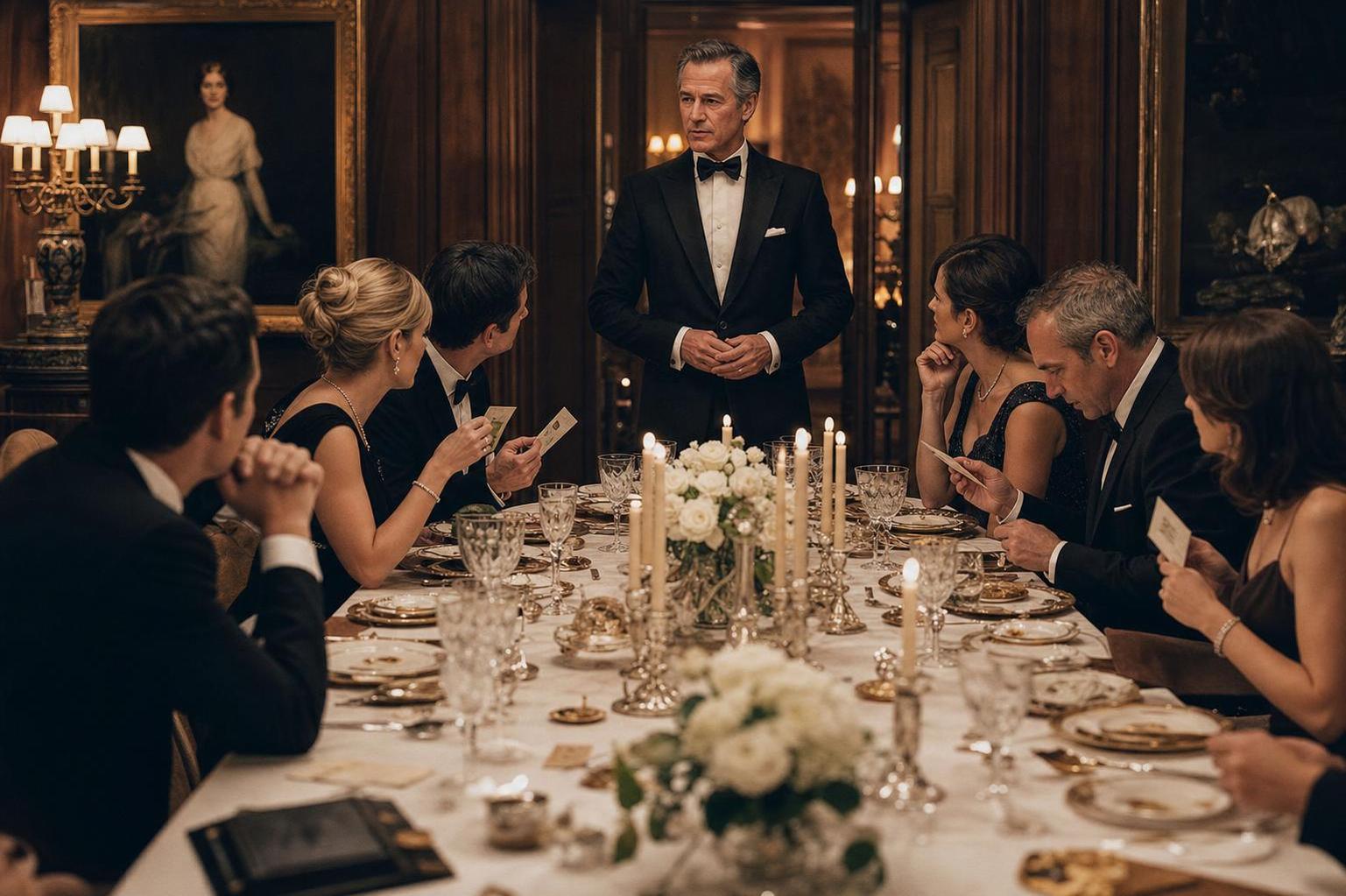
Introduction and What to Expect
Hosting a murder mystery dinner blends interactive entertainment, storytelling, and dinner-party hospitality into one memorable event. Unlike a standard gathering, guests do more than eat and chat; they step into character, follow clues, question motives, and help unravel a fictional crime. The result is an evening that feels part theater, part game, and part social experience, making it especially popular for birthdays, holidays, team events, and themed celebrations.
Why This Guide Matters
A successful murder mystery dinner depends on more than a clever plot. The host must balance invitations, character assignments, food timing, décor, pacing, and guest engagement. According to event industry surveys, immersive experiences continue to outperform passive entertainment because they encourage participation and create stronger memories. That is exactly why murder mystery dinners remain such a reliable choice for groups that want something more dynamic than a traditional meal.
What You’ll Learn
This guide walks you through the full planning process, from choosing the right mystery format to preparing your space and keeping the evening running smoothly. You can expect practical advice on selecting a theme, matching roles to personalities, organizing clues, and setting expectations for guests who may be new to roleplay.
A Step-by-Step Approach
You will also find tips for managing common challenges, such as shy participants, uneven group sizes, and last-minute cancellations. Whether you are hosting for six close friends or a larger party of twelve or more, the goal is to help you create an event that feels polished without becoming stressful. By the end, you will understand how to design an evening that is immersive, organized, and genuinely fun for everyone involved.
What Is a Murder Mystery Dinner
A murder mystery dinner is an interactive social event that blends a shared meal with a live, unfolding whodunit story. Guests do more than eat and chat; they become suspects, detectives, witnesses, or other characters in a fictional crime. Over the course of the evening, participants gather clues, question one another, and try to identify the culprit before the final reveal. It combines the structure of a dinner party with the suspense of a mystery novel and the spontaneity of improvisational theater.
How the Experience Works
In most murder mystery dinners, the host follows a prepared script or party kit that assigns each guest a role. Some characters know important secrets, while others are tasked with misleading the group or revealing information at specific moments. A “murder” usually occurs early in the event, after which the investigation begins. As dinner courses are served, players interact in character, exchange evidence, and piece together motives, alibis, and opportunities.
A Blend of Game and Performance
What makes this format especially engaging is its balance of gameplay and storytelling. Unlike a traditional board game, the action unfolds through conversation and performance. Unlike a stage play, everyone participates. This creates a lively atmosphere where even simple details, such as costume choices or character accents, can deepen immersion and make the evening more memorable.
Why It Appeals to Hosts and Guests
Murder mystery dinners have grown popular because they offer a structured yet highly entertaining way to bring people together. They work well for birthdays, holiday gatherings, team-building events, and adult dinner parties. According to the U.S. Bureau of Labor Statistics, Americans continue to spend significant leisure time on socializing and entertainment, which helps explain the appeal of experiences that combine both.
More Than Just Dinner
A successful event is not only about solving the crime. It is also about creating interaction, encouraging laughter, and giving guests a reason to engage beyond small talk. For hosts, this format turns an ordinary meal into a themed experience with built-in conversation, suspense, and energy that naturally sets up the planning steps ahead.
Choose Your Party Style and Theme
Selecting the right style and theme is one of the most important decisions when planning a murder mystery dinner. It shapes the guest experience, influences your menu, guides costume choices, and determines how formal or playful the evening feels. A well-matched theme also makes planning easier, because every later decision, from invitations to music, can follow a clear creative direction.
Match the Theme to Your Guests
Before choosing a dramatic setting, think about who will attend. A group of close friends who enjoy improvisation may love a theatrical 1920s speakeasy mystery, while a mixed-age family gathering may respond better to a lighter, more accessible storyline. According to event planning surveys, guest engagement rises significantly when activities feel tailored to the audience rather than imposed on them. In practical terms, that means selecting a mystery style your guests will feel comfortable participating in.
If your group includes first-time players, avoid themes that require heavy roleplay or complex backstories. A simple country manor murder or glamorous Hollywood whodunit often works well because the characters are familiar and easy to understand. For more experienced guests, you can choose a deeper narrative with hidden motives, alliances, and red herrings.
Popular Murder Mystery Styles
The tone of your event matters just as much as the setting. Some murder mystery dinners are suspenseful and elegant, while others are intentionally campy and comedic. Choosing the style early helps set expectations and prevents confusion later.
Classic and Formal
A traditional mystery often takes place in a mansion, on a train, or at an upscale dinner party. This style suits hosts who want a polished evening with candlelight, formal attire, and structured gameplay. It often feels inspired by Agatha Christie, which remains one of the most recognizable influences in the genre.
Fun and Theatrical
A more playful style can include themes like prom night, a masquerade ball, or a wedding gone wrong. These settings encourage humor, exaggerated characters, and lively interaction. They are especially effective for birthdays, holiday gatherings, and groups that enjoy performance.
Era-Based Themes
Historical settings give guests a strong visual reference point. Popular options include the Roaring Twenties, the 1950s, the disco era, or Victorian London. These themes work well because costumes, music, and decor are easy to source, making the event feel immersive without requiring a large budget.
Build a Cohesive Theme
Once you choose the setting, make sure every element supports it. Invitations should hint at the story, food should reflect the atmosphere, and decorations should reinforce the world you are creating. A 1920s mystery, for example, might feature jazz music, gold accents, and vintage-style cocktails. A rustic lodge mystery could include warm lighting, hearty comfort food, and cozy table settings.
Keep Practicality in Mind
The best theme is not always the most elaborate one. Consider your space, budget, and preparation time. If guests need complicated costumes or detailed character study, participation may drop. A strong theme should feel exciting but manageable, giving guests enough structure to have fun without feeling overwhelmed.
Set Your Budget and Guest Count
Start with the Numbers That Shape Everything
Before choosing a theme, menu, or character list, define your budget and guest count. These two decisions influence nearly every part of a murder mystery dinner, from food costs to seating space and the complexity of the game. A clear budget helps you avoid overspending, while a realistic guest count ensures the evening feels lively without becoming chaotic.
For most home-hosted murder mystery dinners, costs typically fall between $20 and $75 per guest, depending on how elaborate the event is. A simple gathering with homemade food, printable invitations, and a downloadable game kit will sit at the lower end. A more polished event with catered dishes, themed décor, costumes, and premium game materials can rise quickly in price.
Build a Practical Budget
Break Expenses into Categories
The easiest way to plan is to divide spending into a few core categories: the game kit, food and drinks, decorations, costumes or props, and small extras such as prizes or printed materials. If you are hosting 8 to 12 guests, food often becomes the largest expense, usually accounting for 40% to 50% of the total budget. Game kits may range from $20 for printable versions to over $100 for boxed or custom experiences.
It also helps to set aside a contingency amount. Even a modest 10% buffer can cover last-minute grocery runs, replacement props, or unexpected dietary accommodations. That small cushion prevents stress later in the planning process.
Choose the Right Guest Count
A murder mystery dinner works best when the group is large enough to create intrigue but small enough for everyone to participate. In most cases, 6 to 12 players is the ideal range. Fewer than six can limit the number of suspects and reduce dramatic tension. More than twelve can make it harder for each guest to stay engaged, especially in a home setting.
Match the Guest List to the Game Format
Some mystery kits are written for exact numbers, while others allow flexible roles. Always check the game requirements before inviting people. If a kit supports ten characters and twelve guests attend, you may need observer roles or side characters. If only eight arrive, key plot points may be lost.
Balance Ambition with Comfort
Think honestly about your space, cooking capacity, and social dynamics. A packed dining room, long serving delays, or too many shy guests can weaken the experience. A slightly smaller, well-managed party usually feels more immersive than a larger event that strains your budget and attention. Once your numbers are fixed, the rest of the planning becomes far more manageable.
Pick a Date and Send Invitations
Choose a date that maximizes attendance
Selecting the right date is one of the most important planning decisions for a murder mystery dinner. Because these events depend on group participation and character interaction, even a few absences can affect the experience. For most hosts, weekends work best, especially Friday or Saturday evenings, when guests are less likely to be rushed by work the next morning. If your group includes parents, shift workers, or frequent travelers, sending a quick availability poll two to four weeks in advance can significantly improve turnout.
A good target is to lock in the date at least three to six weeks ahead. That window gives guests enough time to reserve the evening, arrange childcare if needed, and prepare costumes or character details. During busy seasons such as December, Halloween week, or summer holidays, even more notice is helpful.
Decide how formal the invitation should be
The style of your invitation should match the tone of the event. A casual game night can be announced through email or a group message, while a more immersive dinner benefits from a themed digital invitation or printed card. The key is clarity. Guests should immediately understand that this is not an ordinary dinner party but an interactive mystery experience where participation matters.
What to include in every invitation
Every invitation should clearly state the date, start time, location, expected end time, and whether dinner is included. It should also explain the theme, dress expectations, and whether guests will receive assigned characters in advance. If your mystery kit requires a specific number of players, mention that prompt RSVPs are essential.
Send invitations with enough detail
When sending invitations, balance excitement with practical information. For example, you might tease the setting by saying guests are invited to an elegant 1920s estate where a shocking crime will unfold over dinner. Then follow with useful details such as parking instructions, dietary request deadlines, and RSVP dates. According to event planning best practices, response rates improve when invitations include a clear deadline and direct call to action. That makes it easier to finalize roles, seating, and menu planning before moving on to character assignments.
Select a Murder Mystery Format
Choosing the right format is one of the most important decisions when planning a murder mystery dinner. The structure you select shapes the guest experience, determines how much preparation is required, and influences everything from costumes to pacing. A well-matched format helps guests feel comfortable participating while keeping the evening entertaining rather than confusing.
Scripted vs. Improvised Formats
A scripted murder mystery provides each guest with a defined character, background details, and specific lines or prompts. This format works especially well for groups that are new to interactive parties because it reduces uncertainty and gives everyone a clear role. Commercial kits often use this model, and many are designed for groups of 8 to 20 players, making them practical for standard dinner parties.
An improvised format gives players character goals and clues but allows them to decide how to speak and act. This approach feels more natural and dynamic, especially for outgoing guests who enjoy roleplay. However, it can be harder to manage if attendees are shy or unfamiliar with one another. In those cases, too much freedom may lead to awkward pauses or uneven participation.
Which Option Fits Your Group?
If your guests prefer structure, a scripted game is usually the safer choice. If they enjoy theater, party games, or collaborative storytelling, an improvised mystery can create a more memorable atmosphere. The best host considers personality mix, not just group size.
In-Person, Virtual, or Hybrid Experiences
Most murder mystery dinners are hosted in person, which allows for stronger interaction, easier clue distribution, and a more immersive setting. Guests can read body language, examine props, and engage in side conversations that deepen the mystery. For a dinner-centered event, this remains the most popular format.
Virtual murder mysteries became especially common during the early 2020s, when online social events surged. They remain useful for long-distance friend groups, remote teams, or family gatherings across multiple locations. A hybrid format, combining in-person and remote players, can work, but it requires careful planning to ensure online participants are not sidelined.
Theme-Based Formats
Themed mysteries add another layer of excitement by placing the crime in a distinct setting. Popular options include 1920s speakeasies, masquerade balls, Victorian manor houses, and Hollywood award nights. A strong theme makes costume choices easier and helps guests step into character more quickly. It also simplifies decoration, menu planning, and music selection.
Matching Theme to Occasion
A birthday party may suit a glamorous or humorous mystery, while a corporate event often benefits from a lighter, less intense storyline. Holiday gatherings can also pair well with seasonal themes, such as a winter lodge mystery.
Freeform Kits vs. Hosted Packages
Freeform downloadable kits are budget-friendly and widely available, often costing far less than professionally hosted events. Hosted packages, whether in person or online, usually provide actors or facilitators who guide the story and keep the pace moving. If you are hosting for the first time, a guided format can reduce stress significantly while helping the evening stay organized and engaging for every guest.
Build the Story and Character List
A memorable murder mystery dinner lives or dies on its story framework. Before you think about decorations, menus, or costumes, you need a plot that gives guests a reason to talk, suspect, and investigate. The best mysteries are easy to follow on the surface but layered enough to keep everyone guessing. For a dinner party, that usually means creating a central crime, a believable setting, and a cast of characters with overlapping motives.
Start With a Simple, Playable Premise
The strongest party mysteries use a premise guests can understand quickly. A 1920s speakeasy, a glamorous Hollywood awards night, a country manor weekend, or a corporate gala all work because they instantly suggest relationships, secrets, and social tension. Clarity matters more than complexity. Guests should be able to grasp the world of the story within a few minutes of arriving.
A practical structure is to define three essentials: who was murdered, why the death matters, and what secrets connect the suspects. For example, if the victim is a wealthy art collector, the suspects might include a jealous heir, a rival dealer, a disgraced curator, and a former partner. Each person should have a plausible reason to lie, even if they are innocent. That keeps the game active and prevents the solution from feeling obvious.
Create a Timeline of Events
Once you have the premise, build a short timeline leading up to the murder. This helps you stay consistent when writing clues and character backgrounds. Most successful home mysteries only need five to seven major events before the crime. These might include an argument, a stolen object, a financial threat, a romantic betrayal, and a last sighting of the victim.
Why the Timeline Matters
A timeline gives structure to improvisation. If one guest asks another where they were at 8:30 p.m., both players need enough context to answer in character. Internal logic makes the evening feel immersive, even when guests are inventing dialogue on the spot.
Design Characters With Purpose
Your character list should match your guest count as closely as possible. For most dinner parties, eight to twelve characters is ideal because it creates variety without becoming hard to manage. Every character needs a role in the story, a public identity, and a private secret. The public identity is what everyone knows, while the secret gives the player something to protect or reveal strategically.
Balance Personalities and Motives
Try to vary the cast. Include a mix of authority figures, social outsiders, close friends, rivals, and people with hidden connections. If every suspect has the same type of motive, such as money, the story can feel flat. A stronger cast includes motives like revenge, fear, ambition, jealousy, and self-preservation.
Write Character Briefs Guests Can Use
Each guest should receive a short character sheet with background, relationships, objectives, and suggested behavior. Keep it concise. Around 150 to 300 words is usually enough for a home game. According to event planners and commercial mystery kit formats, shorter briefs lead to better participation because guests actually read and remember them.
Include Actionable Information
A useful brief tells the player what to do, not just who they are. Give them one or two facts to reveal, one secret to hide, and one person they should question during dinner. Action creates interaction, and interaction is what turns a scripted premise into a lively mystery.
Assign Roles and Brief Your Guests
Match characters to personalities
A successful murder mystery dinner depends on smart role assignment. The goal is not to give every guest the most dramatic part, but to match each character’s energy, confidence level, and social style to the person playing them. Outgoing guests often thrive in roles with secrets, accusations, and theatrical reveals, while quieter attendees may enjoy characters that contribute clues without requiring constant attention. When hosts assign roles thoughtfully, the game feels more natural and participation rises.
Consider the size and dynamics of your group before sending invitations. Most commercial murder mystery kits are designed for 6 to 12 players, though some can scale higher with optional suspects or supporting characters. If your guest list includes couples, close friends, or coworkers, think about how existing relationships may shape gameplay. For example, assigning rival characters to people who enjoy playful banter can create memorable scenes, while giving a shy first-time player a highly confrontational role may cause discomfort rather than fun.
Balance complexity and confidence
Not every guest wants the same level of involvement. Some roles require memorizing backstory, improvising motives, and steering conversations, while others are lighter and easier to manage. Balancing complex and simple roles helps maintain momentum throughout the evening. If possible, identify one or two confident guests who can carry pivotal scenes and keep the mystery moving.
Send role briefs early
Guests should receive their character information well before the event, ideally one to two weeks in advance. This gives them time to read the brief, understand their objectives, and prepare a costume or accessories. Early preparation also reduces confusion on the night itself. A good role brief usually includes the character’s name, background, relationship to other suspects, possible motives, and any special instructions for key moments.
Encourage guests to keep their information private unless the game materials say otherwise. Part of the excitement comes from discovering hidden alliances, lies, and conflicting testimonies in real time. If your group is new to murder mystery parties, reassure them that they do not need acting experience. They only need a willingness to participate and stay in character when possible.
Set expectations for the evening
Explain tone, timing, and participation
A clear briefing prevents awkwardness and helps everyone relax. Let guests know whether the event will be comedic, dramatic, or somewhere in between. Share the expected timeline, including arrival, dinner service, clue rounds, and the final accusation. Most murder mystery dinners last between 2.5 and 4 hours, depending on group size and format.
It also helps to explain how interactive the evening will be. Some games involve scripted scenes, while others rely heavily on improvisation. By setting expectations in advance, you make it easier for every guest to arrive prepared, confident, and ready to contribute to the unfolding mystery.
Plan the Menu and Drinks
Match the Food to the Mystery Theme
A murder mystery dinner feels more immersive when the menu reflects the setting, era, or tone of the story. If your game is set in a 1920s speakeasy, think elegant hors d’oeuvres, roast chicken, and classic cocktails. For a Victorian manor theme, richer comfort dishes and traditional desserts work well. The goal is not to create a restaurant-level production, but to make the food part of the experience without overwhelming the host.
When planning, start with practicality. Most murder mystery parties last three to four hours, so guests need enough food to stay comfortable and engaged. A three-course meal is often ideal because it creates natural breaks for clue reveals, character interactions, and dramatic announcements. A starter, main course, and dessert provide structure while keeping the evening moving at a steady pace.
Choose Dishes You Can Prepare Ahead
The best menu for this kind of event is one that minimizes last-minute cooking. Since you will already be managing guests, timing, and game materials, choose dishes that can be made in advance or kept warm without losing quality. Braised meats, pasta bakes, soups, stews, and composed salads are all reliable options. Stress-free hosting almost always depends on advance preparation.
Build the Meal Around Easy Service
Serving style matters as much as the dishes themselves. Plated meals feel formal and theatrical, but buffet or family-style service can be easier for larger groups. If you expect eight to twelve guests, buffet service often reduces pressure and allows players to continue conversations in character. For smaller groups, plated courses can heighten the sense of occasion and make the evening feel more cinematic.
A smart approach is to avoid messy or noisy foods. Guests will be talking, reading clues, and sometimes taking notes, so choose dishes that are easy to eat neatly. Finger foods that crumble, overly sauced meals, or anything requiring complicated cutting can interrupt the flow of the game.
Plan Drinks With Variety
Drinks should support the theme while accommodating different preferences. Offer at least one signature beverage, whether alcoholic or nonalcoholic, to reinforce the atmosphere. A themed cocktail with a playful name can become part of the fun, while sparkling water, iced tea, or mocktails ensure everyone has options. A balanced drink menu makes guests feel considered and comfortable.
Don’t Forget Dietary Needs
Dietary planning is essential, especially when inviting a mixed group. Ask about allergies, vegetarian preferences, and alcohol restrictions in advance. According to food allergy research, roughly 1 in 10 adults lives with food allergies, so this step is not optional. Build flexibility into the menu by offering at least one dish most guests can enjoy safely.
Sample Menu Structure
A practical murder mystery menu might begin with a simple soup or salad, move to a hearty main such as baked chicken, mushroom risotto, or lasagna, and finish with an easy dessert like chocolate mousse or berry tart. This kind of menu feels special, photographs well, and lets the host stay focused on the mystery rather than trapped in the kitchen.
Decorations, Music, and Atmosphere
Setting the Scene for Suspense
A memorable murder mystery dinner depends on more than a clever script. Decorations, music, and atmosphere shape how guests feel the moment they arrive, turning an ordinary dining room into a believable world of secrets, motives, and intrigue. The goal is not necessarily expensive styling, but a cohesive environment that supports the story and encourages guests to stay in character.
Choosing a Visual Theme
Start by matching your decor to the mystery’s setting. A 1920s speakeasy calls for velvet textures, gold accents, and dim lighting, while a Victorian manor benefits from candlesticks, lace, and antique-looking frames. Even a modern crime theme can feel immersive with police tape, evidence markers, and monochrome table settings. Consistency matters more than complexity, so repeating a few visual motifs often works better than overcrowding the space with unrelated props.
Table Styling That Supports the Story
The dining table is the focal point, so it should reinforce the tone. Dark tablecloths, folded napkins, vintage glassware, and handwritten place cards can immediately elevate the experience. If the mystery includes clues, incorporate them subtly into the table design through sealed envelopes, newspaper clippings, or labeled objects. This approach makes the decor functional as well as decorative.
Using Lighting and Sound Effectively
Lighting has a direct effect on mood. Soft, warm light creates intimacy and tension, while harsh overhead lighting can flatten the atmosphere. Candles, battery-operated lanterns, and shaded lamps are effective choices, especially since studies in hospitality design show lower lighting levels often encourage longer, more engaged social interaction. Keep the room dim enough to feel dramatic, but bright enough for guests to read clues and menus comfortably.
Music as an Invisible Host
Music should support the evening without overpowering conversation. Instrumental jazz works well for glamorous mysteries, classical strings suit period settings, and subtle cinematic soundtracks can heighten suspense in contemporary plots. A playlist of 2 to 3 hours usually prevents awkward repetition. Volume control is essential; guests should notice the mood, not struggle to hear each other.
Creating an Immersive Atmosphere
Atmosphere comes from the combination of sensory details. A signature scent, such as cedar, vanilla, or old-book-inspired fragrance, can deepen immersion if used lightly. Staff or hosts in costume, a themed welcome drink, and in-character signage all strengthen the illusion. When every element feels intentional, guests become more willing to participate fully, making the mystery more dynamic, theatrical, and entertaining for everyone involved.
Prepare Props, Clues, and Printables
Build an Immersive Evidence Set
Props, clues, and printables are the physical backbone of a murder mystery dinner. They turn a simple dinner party into an interactive experience by giving guests something to examine, question, and discuss. Well-prepared materials also reduce confusion, because players can refer back to written details instead of relying only on memory. For most home-hosted games, you do not need expensive theatrical items. A mix of printed documents, labeled envelopes, place cards, and a few visual props is usually enough to create atmosphere and structure.
Start by matching every prop to a specific purpose in the story. A torn letter might reveal motive, a fake receipt could establish a timeline, and a monogrammed handkerchief may point suspicion toward the wrong guest. Every clue should either advance the plot, deepen character relationships, or create misdirection. If an item looks interesting but does not serve the mystery, it can distract players rather than help them.
Organize Clues by Timing and Difficulty
The best murder mystery events reveal information in stages. Divide your clues into rounds, such as pre-dinner, first course, main course, and final accusation. This pacing keeps guests engaged and prevents the solution from becoming obvious too early. A useful rule is to include a balance of direct evidence, character secrets, and red herrings. For example, if you prepare 12 total clues, around 7 or 8 should genuinely support the final solution, while 4 or 5 can complicate the investigation without making it unfair.
Use Envelopes and Labels
Place each round’s materials in clearly marked envelopes or folders. Label them by time, table, or character name so you can distribute them quickly. Good organization behind the scenes makes the event feel seamless to guests. Color-coding also helps. Red envelopes may contain dramatic reveals, while black folders can hold forensic-style evidence.
Design Printables Guests Will Actually Use
Printables should be attractive, readable, and easy to handle during dinner. Use large fonts, strong contrast, and concise wording. Character sheets should include background, objectives, relationships, and any private knowledge. Clue cards should be short enough to read in under a minute. If you create menus, invitations, or newspaper front pages, keep the design consistent so the whole event feels polished.
Essential Printable Materials
A typical host packet often includes the following items:
| Printable | Purpose |
|---|---|
| Character sheets | Explain roles, motives, and secrets |
| Name cards | Help guests stay in character |
| Clue cards | Reveal evidence gradually |
| Timeline sheet | Tracks key events |
| Accusation form | Lets players submit final guesses |
Add Simple Props for Atmosphere
Atmosphere matters, but practicality matters more. Candlesticks, sealed letters, costume accessories, and faux evidence bags can dramatically improve immersion without increasing cost much. Many hosts can assemble effective props for under $30 to $50, especially by using home printers and dollar-store supplies. Focus on tactile items guests can pass around easily, since interactive objects naturally spark conversation and suspicion.
Create the Event Timeline
A well-built timeline is the backbone of a successful murder mystery dinner. It keeps the evening moving, prevents awkward pauses, and ensures every clue, reveal, and character interaction lands at the right moment. For most home events, a total runtime of 2.5 to 4 hours works best, giving guests enough time to socialize, eat, and investigate without losing momentum.
Start With the Big Milestones
Begin by mapping the major phases of the night. Most murder mystery dinners follow a predictable structure: guest arrival, character introductions, the inciting incident, clue discovery, investigation rounds, accusation, and final reveal. Assigning approximate times to each stage helps you balance entertainment with practical hosting needs such as serving food and clearing dishes.
For example, if guests arrive at 7:00 p.m., introductions might run until 7:30, dinner service could begin at 7:35, and the “murder” might occur around 8:00. This pacing gives everyone time to settle in before the central mystery begins. Early structure reduces confusion and helps guests understand when they should stay in character or pay close attention.
Match the Timeline to the Meal
Food service should support the story rather than interrupt it. A three-course dinner naturally creates breaks for clue distribution and private conversations. The appetizer course can accompany introductions, the main course can overlap with the investigation, and dessert can lead into final accusations. This approach keeps the evening immersive while making the event feel seamless.
Build in Flexible Time Buffers
Even the best-planned party rarely runs exactly on schedule. Guests may arrive late, conversations may run long, or a key player may need extra prompting. Add 10 to 15 minute buffers between major moments so the evening feels relaxed instead of rushed. These small cushions are especially helpful if you are both host and game facilitator.
Plan the Investigation Flow
A strong timeline also controls how information is released. Instead of giving out every clue at once, divide evidence into rounds. This keeps suspense high and encourages guests to keep participating. In many commercial murder mystery kits, clues are revealed in three distinct phases, which is an effective model for home hosts as well.
Keep the Finale Focused
The accusation and solution should feel exciting, not chaotic. Reserve at least 20 to 30 minutes for final theories, dramatic speeches, and the reveal. If prizes are involved, include a few extra minutes for awards such as best costume, best performance, or closest guess. A clear ending window ensures the night closes on a high note while preserving the story’s dramatic payoff.
How to Host and Keep the Game Moving
Set the Pace Before Guests Arrive
A smooth murder mystery dinner depends less on theatrical talent and more on clear hosting structure. Before anyone rings the doorbell, prepare a simple timeline for the evening, including arrival, introductions, the first clue drop, meal service, accusation rounds, and the final reveal. Most home murder mystery parties run best in 2.5 to 4 hours, depending on group size and complexity. If guests are unclear about what happens next, energy drops quickly, so the host should always know the next beat.
It also helps to review every character sheet, clue card, and scripted event in advance. Even if you are not playing a major role, you are effectively the game’s director. Mark important transitions on a printed checklist or in a notes app. That way, if conversation drifts or a scene ends early, you can confidently guide everyone forward without breaking immersion.
Open with Clear, Confident Instructions
The first ten minutes shape the entire night. Once guests have settled in, explain the rules in a way that feels welcoming rather than overly technical. Tell players what they need to do, when they will receive clues, whether they should stay in character, and how accusations will work. Simple instructions reduce hesitation and help quieter guests participate sooner.
What Players Need to Know
Guests usually need answers to a few practical questions before the mystery begins. Explain whether they can reveal all information immediately or must wait for certain rounds. Clarify if secret objectives matter as much as solving the murder. If your game includes hidden evidence, tell players whether they are allowed to search rooms or only question each other. These details prevent confusion later and keep the story moving at a steady pace.
Manage Energy Throughout the Evening
Hosting well means watching the room as much as following the script. If one guest dominates every conversation, gently redirect attention by asking another player what their character was doing before the crime. If the group becomes too quiet, introduce a fresh clue, a timed challenge, or a dramatic announcement. Momentum comes from interaction, not from reading long blocks of text.
Meal timing matters too. Serve food during natural pauses rather than in the middle of major revelations. Many hosts find that a three-course structure works well, with one game phase between each course. This creates built-in rhythm and gives guests time to compare theories. If dinner service is casual, announce when the next round begins so players know when to refocus.
Keep Everyone Involved
Encourage Participation Without Pressure
Not every guest will perform like an actor, and that is perfectly fine. A good host creates space for different play styles. Some players love dramatic accusations, while others prefer careful observation and private deduction. Invite quieter guests into the action with direct but low-pressure prompts such as asking whom they trust least or whether they noticed a contradiction.
For larger groups, brief one-on-one check-ins can help. If someone looks lost, quietly remind them of their motive or suggest a person to question next. This kind of support keeps the experience inclusive and prevents disengagement.
Handle Delays and Unexpected Moments
Even well-planned parties hit small snags. Someone may arrive late, miss a clue, or forget their character background. Stay flexible. Summarize missed information quickly and move on. The goal is not perfect performance but sustained fun. When the host remains calm, guests follow that energy, and the mystery keeps unfolding naturally.
Tips for Shy Guests and Common Problems
Helping Shy Guests Feel Comfortable
At almost every murder mystery dinner, at least one guest arrives excited but hesitant about performing in character. The best way to support shy guests is to reduce pressure early. Give them a role with clear motivations, simple clues, and fewer dramatic demands. A guest who does not enjoy improvisation can still contribute meaningfully by asking prepared questions, reading clue cards, and reacting to discoveries.
Before the event begins, send character details in advance so quieter players have time to prepare. Research on social confidence consistently shows that familiarity lowers anxiety in group settings. When guests know their role beforehand, they are more likely to participate naturally. During the dinner, encourage them with direct but gentle prompts such as asking what their character noticed or whom they suspect.
Pairing and Pacing Strategies
Another effective approach is to pair reserved guests with more outgoing players. Strong social hosts often help quieter participants enter conversations without feeling exposed. Keep early rounds structured, since open-ended scenes can overwhelm less confident guests. A simple first activity, such as sharing alibis one by one, gives everyone an easy starting point.
Solving Common Hosting Problems
Even well-planned parties can run into issues. The most common problem is confusion about rules or objectives. Prevent this by explaining the game flow clearly at the start and repeating key instructions between rounds. If guests seem lost, pause briefly and summarize what has happened so far.
Managing Late Arrivals and Uneven Energy
Late arrivals can disrupt momentum, especially in games built around secrets. If possible, assign them a flexible character or introduce them as a dramatic new witness. When energy drops, bring in a timed clue reveal or a short accusation round. According to event planners, structured interaction often restores attention faster than unplanned conversation.
Handling Dominant Players
Sometimes one guest takes over every exchange. In that case, redirect the spotlight by asking quieter players specific questions. Balanced participation makes the mystery more enjoyable and keeps the evening collaborative rather than competitive.
After the Reveal: Awards and Photos
Celebrate the Best Moments
Once the murderer is revealed, keep the energy high by turning the ending into a short awards ceremony. This gives every guest a final spotlight and helps the evening feel complete. Recognize categories such as best detective, most convincing suspect, best costume, and most dramatic performance. Small prizes like themed candles, chocolate bars, or mini trophies work well because they are memorable without adding much cost. In many home-hosted parties, hosts spend between $20 and $50 total on prizes, which is enough to create excitement without stretching the budget.
Make Recognition Personal
Tailor each award to what actually happened during the game. If one guest stayed in character all night, acknowledge that specifically. If another solved the case early, highlight their sharp attention to detail. Personalized praise makes the experience feel more meaningful than generic prizes alone.
Capture Photos Before Guests Leave
Photos are easiest to organize immediately after the reveal, while costumes, props, and reactions are still fresh. Start with a full group shot, then take smaller photos by character teams, suspects, or award winners. Good lighting matters more than expensive equipment, and most modern smartphones can produce excellent results.
Create Shareable Memories
If you plan to share pictures afterward, ask guests in advance about posting preferences. A shared album lets everyone relive the funniest accusations, dramatic poses, and final reveal together later.
Conclusion
Hosting a murder mystery dinner is part performance, part party planning, and part problem-solving, which is exactly what makes it so memorable. When you combine a strong theme, well-matched characters, thoughtful pacing, and immersive details, you create an experience guests talk about long after dessert is served. The most successful events are not necessarily the most expensive; they are the ones where the host stays organized, keeps the energy moving, and makes every guest feel included in the story.
Bringing It All Together
From invitations and menu planning to clue distribution and final reveals, each step builds momentum. A group of eight to twelve guests often works especially well because it balances interaction with manageability, though larger parties can succeed with clear structure and support. Preparation is the key advantage that turns potential chaos into suspenseful fun.
Your Next Move
Start with a manageable guest list, choose a theme that fits your crowd, and focus on creating an atmosphere that encourages participation, laughter, and a little dramatic suspicion.
FAQ
How many guests should you invite?
A murder mystery dinner works best when the guest count matches the structure of the game. Most boxed kits and downloadable scripts are designed for 6 to 12 players, which is the sweet spot for keeping the story manageable while giving everyone a meaningful role. Smaller groups can feel intense and highly interactive, while larger groups often create more energy and laughter. If you want to host more than 12 people, look for a game specifically written for bigger parties, or assign some guests as investigators, journalists, or spectators with side objectives so nobody feels left out.
How long does a murder mystery dinner usually last?
For most home hosts, the full event takes about 3 to 4 hours. That usually includes guest arrival, character introductions, the staged “murder,” clue reveals, dinner service, discussion, and the final accusation. If you are serving multiple courses, expect the evening to run longer, especially if guests enjoy roleplaying. A shorter format of around 2 hours can work for casual gatherings, but it helps to simplify the menu and choose a beginner-friendly script.
What if guests are new to roleplaying?
That is extremely common, and it should not stop you from hosting. In fact, many first-time players enjoy murder mystery dinners because the format gives them a clear framework for participation. To make beginners comfortable, send character details in advance, keep costumes optional rather than mandatory, and explain that guests do not need acting experience. The goal is participation, not performance. A host who models enthusiasm and keeps the tone light can help even shy guests relax quickly.
Do you need to cook an elaborate meal?
Not at all. A successful murder mystery dinner depends more on pacing and atmosphere than on restaurant-level food. Many hosts choose dishes they can prepare ahead of time, such as baked pasta, stew, roasted chicken, or buffet-style platters. This reduces stress and allows the host to stay engaged with the game. If your budget allows, catering or a potluck format can also work well. The key is selecting food that is easy to serve without interrupting major plot moments.
How much does it cost to host?
The total cost varies widely, but a home murder mystery dinner can be surprisingly affordable. A downloadable game may cost $20 to $50, while printed kits often range from $30 to $100 depending on complexity and player count. Food, drinks, decorations, and optional prizes usually make up the biggest share of the budget. For a group of eight, many hosts spend somewhere between $15 and $40 per guest, though a themed luxury version can cost much more.
What if someone cancels at the last minute?
Last-minute cancellations are one of the most common hosting concerns. The easiest solution is to choose a game with flexible character assignments or a script that allows the host to merge roles if needed. You can also keep one or two nonessential characters in reserve when planning. If the missing guest had a major role, consider reassigning that character to a confident attendee who can handle extra information. Preparation matters more than perfection, and most guests will not notice small adjustments if the evening keeps moving smoothly.
Can you host a murder mystery dinner virtually?
Yes, and virtual versions became especially popular in recent years. Video platforms make it possible to assign characters, share clues digitally, and guide players through timed rounds. While in-person events usually create stronger atmosphere, virtual games offer convenience, lower costs, and easier scheduling for long-distance groups. The strongest online experiences use shorter scripts, clear moderator instructions, and digital handouts that keep everyone engaged without technical confusion.


