

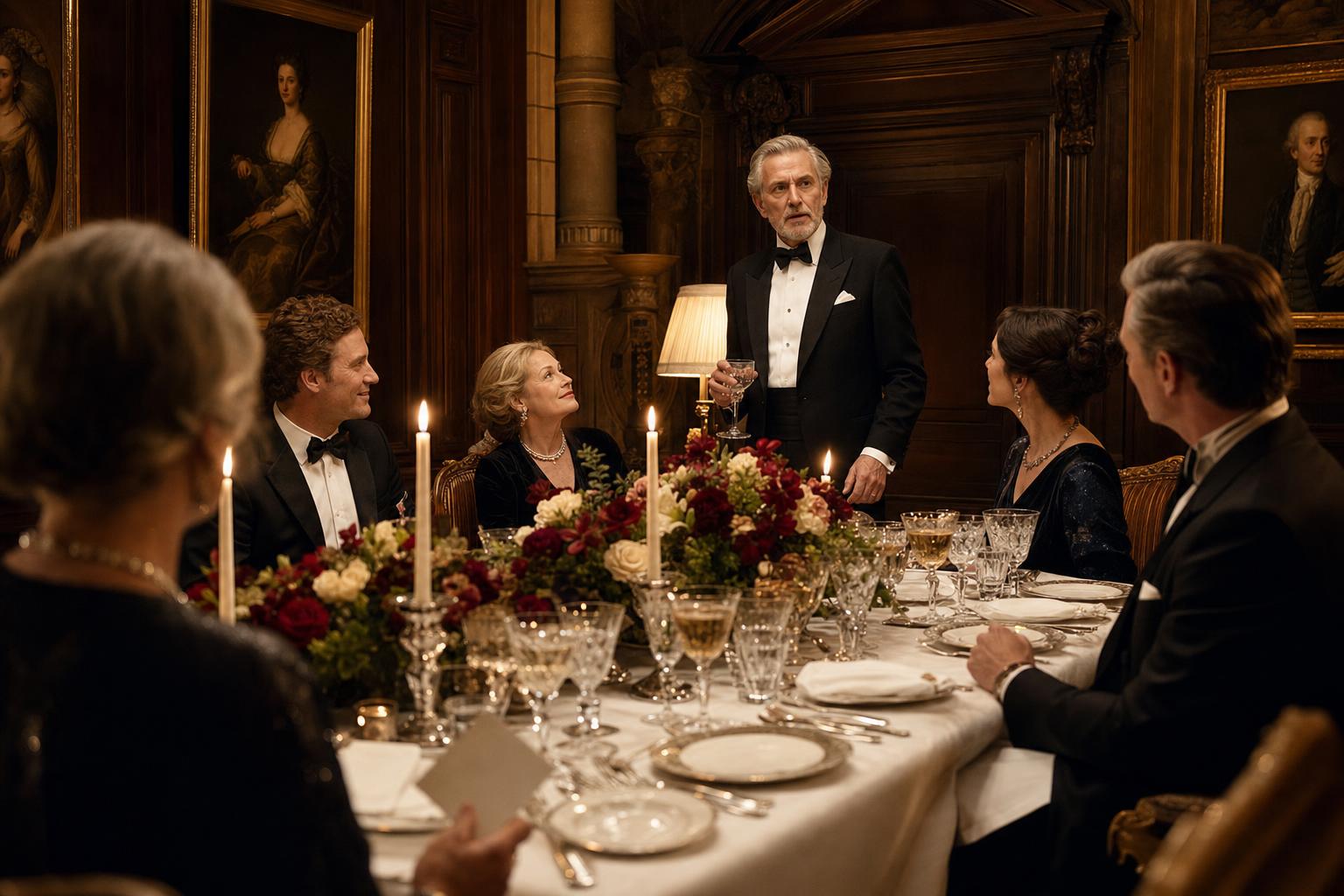
Introduction: Is It Worth It?
A murder mystery dinner promises more than a meal. It combines live entertainment, social interaction, and a themed dining experience into one event, often marketed as an unforgettable night out. For people comparing it with a standard restaurant booking, a comedy show, or a theater ticket, the obvious question is whether the higher price and structured format actually deliver enough value. The honest answer is that it can be absolutely worth it, but only for the right expectations.
What a Murder Mystery Dinner Really Offers
At its core, a murder mystery dinner is an interactive performance built around a fictional crime. Guests usually eat a multi-course meal while actors, hosts, or even attendees themselves reveal clues, motives, and plot twists throughout the evening. In many venues, the experience lasts two to four hours, which already makes it longer than a typical dinner reservation. That added duration matters because people are not just paying for food; they are paying for time, atmosphere, and participation.
The value often depends on how much a guest enjoys immersion. Someone who loves roleplay, audience participation, and light problem-solving may find the event far more memorable than a conventional night out. By contrast, a diner who simply wants quiet conversation and excellent cuisine may feel the mystery format interrupts the meal rather than enhances it.
The Cost Versus the Experience
Prices for murder mystery dinners vary widely by city, venue, and production quality, but tickets commonly range from $50 to $150 per person in the United States. Premium events in major metropolitan areas or luxury hotels can cost even more. On paper, that may seem expensive compared with dinner alone. However, when compared with buying a restaurant meal and separate entertainment tickets, the pricing can be easier to justify.
Why People Feel It Is Worth the Money
The strongest argument in favor of the experience is that it bundles several forms of entertainment into one evening. Guests receive food, a show, and a social activity at the same time. For birthdays, date nights, team outings, and family celebrations, that convenience has real value. It also creates a shared memory, which is often what people are actually paying for.
Where It Can Fall Short
Not every event is equally polished. Some productions rely on predictable scripts, uneven acting, or rushed service between scenes. In those cases, the experience can feel overpriced. Food quality also varies significantly. A well-reviewed event with strong performers and an organized venue usually offers better value than a cheaper ticket at an unknown location.
Who Will Enjoy It Most
A murder mystery dinner is usually worth it for people who enjoy interactive entertainment, group energy, and a little theatrical silliness. It tends to work especially well for extroverts, couples seeking something different, and groups that want more than just dinner. For guests who dislike participation or prefer fine dining to be the main attraction, the return on investment may feel less convincing.
The Honest Starting Point
Before deciding, it helps to think of the event not as dinner with a small gimmick, but as an experience-first night out where the meal supports the performance. That distinction is the key to judging whether the ticket price feels justified.
What a Murder Mystery Dinner Is
A murder mystery dinner is an interactive dining experience that combines a meal with live storytelling, character play, and a fictional crime that guests help solve. Unlike a standard dinner show, where the audience watches from a distance, this format invites people to participate directly. Guests may question suspects, examine clues, interpret motives, and piece together the events leading to the “murder.” The result is part theater, part social game, and part dinner party, which is why it appeals to groups looking for something more memorable than a typical night out.
How the Experience Usually Works
Most murder mystery dinners follow a structured but flexible format. The evening often begins with introductions, where guests learn the setting, time period, and central characters. In some events, professional actors play all major roles. In others, attendees are assigned characters in advance and arrive dressed for the part. Once the story begins, a fictional crime occurs, and the room shifts from casual dining to active investigation.
Between courses, new information is revealed through scripted scenes, secret notes, or conversations with suspects. This pacing matters because it keeps the event moving while allowing guests time to eat, talk, and think. A typical murder mystery dinner lasts two to three hours, making it longer than a normal restaurant meal but shorter than a full theatrical production.
The Role of the Guests
What makes the format distinctive is the level of participation. Guests are not just observers; they become part of the unfolding narrative. Some may take on major roles, while others simply ask questions and make guesses. Even in less immersive versions, the audience usually votes on who committed the crime and why.
This participation creates a different kind of entertainment value. Instead of passively consuming a performance, people engage with it socially. That is one reason murder mystery dinners are popular for birthdays, corporate events, and group celebrations, where conversation and shared activity matter as much as the food itself.
Common Formats and Settings
Murder mystery dinners appear in several formats, and the setting can shape the entire experience. Some are hosted in restaurants, hotels, or event venues with professional casts and polished scripts. Others are private home parties built around downloadable kits or hosted games. There are also themed versions set in the 1920s, Victorian England, Hollywood, or modern-day crime scenes.
Scripted vs. Improvised Events
A fully scripted event tends to feel more theatrical and organized. Actors guide the plot, ensuring that key clues are delivered clearly and the story reaches a satisfying reveal. Improvised events, by contrast, often feel looser and more spontaneous. They can be hilarious and highly personal, though sometimes less polished.
The best choice depends on what guests want. A group seeking high production value may prefer a venue-based show, while a group that enjoys roleplay and inside jokes may have more fun with a home-hosted version.
Why People Find It Appealing
The appeal of a murder mystery dinner lies in its blend of entertainment styles. It offers the social comfort of a shared meal, the suspense of a detective story, and the novelty of live participation. Research from the experience economy shows that consumers increasingly value memorable events over routine purchases, especially for celebrations and group outings. A murder mystery dinner fits that trend because it turns dinner into an occasion.
It also lowers the pressure often associated with formal social events. The built-in storyline gives people something to talk about, which can help strangers interact more easily. For outgoing guests, it provides a stage. For quieter guests, it offers a structured way to join the conversation without needing to carry it alone.
What It Is Not
A murder mystery dinner is not a true-crime reenactment or a horror event. In most cases, the tone is playful, theatrical, and designed for entertainment rather than fear. Even when the plot includes suspense, the atmosphere is usually light enough for broad audiences, with the mystery serving as a framework for fun rather than shock.
What You Actually Pay For
When people ask whether a murder mystery dinner is worth the money, they are usually asking a more practical question: what exactly am I paying for beyond the meal itself? The answer is that the ticket price typically covers several layers of value at once, including food and drink, live entertainment, venue costs, staffing, production design, and the premium attached to a shared social experience. Unlike a standard dinner reservation, this type of event combines hospitality with theater, which changes how the price should be judged.
The Cost Is More Than the Plate
At first glance, a murder mystery dinner can seem expensive compared with an ordinary night out. In many markets, a standard dinner at a mid-range restaurant may cost between $25 and $60 per person before drinks, tax, and tip. A murder mystery dinner, by contrast, often falls somewhere between $60 and $150 per guest, with luxury or themed experiences climbing higher. That difference can look steep until you separate the components.
A typical ticket often includes a multi-course meal, access to a private or semi-private event space, and a live performance delivered by trained actors. In some cases, it also includes interactive materials such as clue cards, character assignments, props, or prizes. If alcohol is bundled into the package, the effective value rises further, especially in cities where cocktails alone can add $15 to $20 each to a bill.
Entertainment Is a Major Part of the Price
The biggest hidden cost is usually the performance itself. Live entertainment is labor-intensive, and that matters. Actors must rehearse, improvise with guests, maintain character, and guide the pacing of the evening without making the event feel scripted or rigid. Behind them, there may also be a director, event coordinator, sound technician, costume budget, and script licensing fee.
Why Live Performance Changes the Value Equation
If you compare a murder mystery dinner to buying separate experiences, the pricing starts to make more sense. A theater ticket in many U.S. cities can easily cost $30 to $100 on its own. Add dinner, and the combined total may match or exceed the price of an all-in-one event. What guests are really buying is convenience and immersion, not just food served beside a show.
This is especially true when the cast interacts directly with attendees. Personalized engagement creates a sense of participation that passive entertainment does not. That level of involvement often makes the event feel more memorable than a conventional restaurant meal.
Venue, Service, and Production Matter Too
Another part of the ticket price goes toward the environment. These events are often hosted in hotels, banquet rooms, historic inns, or specialty restaurants that can support both dining service and performance logistics. The venue must accommodate seating, lighting, sound cues, and movement between tables. That setup requires more coordination than a normal dinner service.
The Operational Costs Behind the Scenes
Staffing is also broader than many guests realize. In addition to servers and kitchen staff, organizers may need hosts, check-in personnel, stage managers, and event support workers. If the event runs for two to three hours, labor costs rise accordingly. According to data from the U.S. Bureau of Labor Statistics, wages in hospitality and food service have increased notably in recent years, which has pushed up event pricing across the board.
Costumes, themed décor, printed materials, and mystery game design also contribute to the final price. Even when these details seem small, they shape the atmosphere that makes the evening feel distinct rather than generic.
What the Price Does Not Always Include
Not every ticket is fully inclusive, so readers should pay attention to the fine print. Some events include gratuity and nonalcoholic beverages, while others charge separately for tax, drinks, parking, or premium seating. A $75 ticket can become a $100 night once extras are added. That does not mean the event is overpriced, but it does mean the advertised number may not reflect the full out-of-pocket cost.
Paying for Memory, Not Just Consumption
A standard restaurant bill mainly pays for consumption: food, drinks, and service. A murder mystery dinner adds something less tangible but often more valuable: shared memory. People are paying to laugh, speculate, interact, and talk about the experience afterward. For couples, friend groups, and team outings, that social payoff can justify a higher price more easily than it would for someone who only cares about culinary quality.
When the Price Feels Fair
The cost tends to feel fair when three things align: the meal is solid, the performers are engaging, and the pacing keeps guests involved. If one of those elements is weak, the value drops quickly. That is why reviews matter so much. A well-run event can feel like dinner and theater at a discount, while a poorly executed one can feel like paying extra for inconvenience.
For most buyers, the smartest way to judge the price is not to compare it with dinner alone, but with the combined cost of dining, entertainment, and a curated night out.
The Experience: Fun or Forced?
Whether a murder mystery dinner feels delightfully immersive or painfully awkward usually depends less on the concept itself and more on how the event is designed, hosted, and matched to the audience. On paper, the format is easy to understand: guests eat, interact, gather clues, and try to solve a fictional crime. In practice, however, the experience can range from a lively night of laughter to an evening where people feel pressured to perform. That gap is exactly why so many first-timers ask whether the fun is genuine or manufactured.
Why Some People Love It
At its best, a murder mystery dinner creates a rare kind of social energy. Instead of sitting through another predictable meal, guests are given a shared objective. That structure makes conversation easier, especially for groups that include introverts, coworkers, or people meeting for the first time. Research on interactive entertainment consistently shows that shared tasks increase engagement because participants are not expected to generate conversation from scratch. They have something immediate to react to, question, and debate.
The strongest events also blend theater with participation in a way that lowers the stakes. Guests do not need acting talent to enjoy themselves. They simply need enough curiosity to ask questions, notice details, and play along. In many cases, the fun comes less from “solving” the mystery and more from watching friends become suspiciously dramatic over dessert or confidently accuse the wrong person. That playful unpredictability is a major part of the appeal.
The Social Icebreaker Effect
One reason these dinners often succeed is that they remove the pressure of traditional small talk. Instead of asking where someone works for the third time that week, guests can discuss motives, alibis, and clues. That shift can make the evening feel more natural than a standard dinner party. For birthdays, team events, and date nights, the format gives people permission to be a little sillier than usual without feeling exposed.
When It Starts to Feel Forced
The same interactive structure that makes murder mystery dinners exciting can also make them uncomfortable if handled poorly. A common problem is uneven participation pressure. Some guests want to dive in fully, while others prefer to observe. If the event assumes everyone wants to improvise, speak publicly, or stay in character all night, quieter attendees may feel trapped rather than entertained.
Another issue is pacing. A well-run mystery unfolds in stages, with enough downtime for eating and casual conversation. A badly run one can feel like a long, disjointed skit interrupting dinner every ten minutes. When clues are confusing, actors overcommit, or instructions are vague, guests stop feeling immersed and start feeling managed. At that point, the evening can resemble mandatory fun, which is usually the fastest way to drain actual enjoyment from the room.
Audience Fit Matters More Than the Theme
Not every group enjoys the same level of participation. A bachelorette party may embrace costumes and dramatic accusations, while a corporate group may prefer a lighter, more structured format. Age also matters. Younger adults often respond well to fast-paced, humorous mysteries, while mixed-age family groups may need clearer rules and broader comedy. The experience is rarely universally fun or universally awkward; it is usually a matter of fit.
What Separates a Great Event From a Cringe One
The difference between fun and forced often comes down to execution. Professional hosts know how to read a room, invite participation without demanding it, and keep the story moving. They create multiple ways to engage, so guests can contribute by observing, questioning, note-taking, or simply reacting. That flexibility is essential because it respects different personalities.
Food and venue quality also matter more than many people expect. If the meal is poor, the seating is cramped, or service is chaotic, the mystery has to work much harder to carry the night. By contrast, when the dining experience is solid, the interactive element feels like a bonus rather than a distraction. According to event industry surveys, guest satisfaction rises significantly when entertainment is paired with strong hospitality basics, which suggests the mystery alone is not enough.
The Role of Expectations
Expectation management shapes the entire experience. People who arrive thinking they must perform in front of strangers are more likely to resist. People who understand that participation can be light, conversational, and playful usually relax faster. This is why good event descriptions matter. If a venue clearly explains the tone, level of audience involvement, and whether costumes are optional, guests can choose with confidence.
Signs the Experience Will Likely Be Enjoyable
A few indicators suggest a murder mystery dinner will feel more fun than forced. Venues with experienced performers, clear reviews, and a balanced schedule tend to deliver better results. Smaller groups often feel more intimate, while oversized rooms can dilute the interaction. It also helps when the event tone matches the audience, whether that means comedic, elegant, spooky, or family-friendly.
So, Is the Fun Real?
Yes, but it is a specific kind of fun. It is not passive entertainment, and it is not ideal for everyone. People who enjoy games, live performance, and social interaction often find murder mystery dinners memorable in a way ordinary restaurant outings are not. Those who dislike roleplay, crowd participation, or structured group activities may find the same event artificial. The key truth is that a murder mystery dinner is only as enjoyable as the comfort level it creates. When the format invites people in instead of putting them on the spot, the fun feels spontaneous rather than staged, and that distinction makes all the difference when deciding whether the ticket price feels justified.
Who Will Love It Most
Fans of Interactive Entertainment
A murder mystery dinner is most appealing to people who want more than a passive night out. Instead of simply watching a performance, guests become part of the experience, whether they are assigned characters, asked to question suspects, or invited to piece together clues between courses. That level of participation is a major reason these events continue to grow in popularity, especially as consumers increasingly value immersive entertainment over traditional dining or theater alone.
For people who enjoy escape rooms, live theater, trivia nights, or role-playing games, a murder mystery dinner often feels like a natural fit. It combines the social energy of a party with the mental challenge of solving a puzzle. The appeal lies in the balance: there is usually enough structure to keep the evening moving, but enough freedom for guests to improvise, joke, and interact in their own style.
Why participation matters
Research on experiential spending consistently shows that people often remember shared experiences more vividly than material purchases. A murder mystery dinner benefits from that effect because it creates active involvement, not just observation. Guests are not merely present; they are contributing to the story, which can make the event feel more personal and memorable than a standard restaurant meal.
Social Groups Looking for Something Different
This format is especially attractive to groups that have grown tired of predictable plans. Birthday parties, friend reunions, double dates, and team outings can all benefit from an activity that gives everyone something to talk about immediately. Even groups with mixed personalities often find common ground because the event provides built-in conversation starters, from suspicious alibis to dramatic reveals.
A standard dinner can sometimes place pressure on guests to carry the conversation themselves. A murder mystery dinner reduces that burden by giving the table a shared objective. That can be helpful for newer friend groups, coworkers, or extended families who may not know one another especially well. Instead of relying entirely on small talk, they can focus on the unfolding case and let interaction develop more naturally.
Best fit for celebrations
Celebratory groups often love these events because they feel special without requiring extreme planning. Many venues package dinner, entertainment, and pacing into one ticket, which simplifies logistics. For hosts, that can be a major advantage over organizing multiple activities across different locations.
People Who Enjoy Themed Nights and Performance
Some guests are drawn less by the mystery itself and more by the chance to dress up, play a role, and lean into a theme. Depending on the production, the setting might evoke a 1920s speakeasy, a glamorous masquerade, a Victorian manor, or a modern crime scene. For people who enjoy costume parties or theatrical environments, this adds another layer of fun.
The appeal of role-play
Role-play can be surprisingly accessible in this setting. Guests do not need professional acting skills to enjoy it. In many cases, simply responding in character, reading provided prompts, or exaggerating a personality trait is enough to enhance the experience. That low barrier to entry makes the event inviting for enthusiastic amateurs, not just seasoned performers.
Corporate Teams and Organized Groups
Murder mystery dinners also appeal to workplaces, clubs, and associations seeking a structured group activity. Team-building events often struggle to feel genuinely enjoyable, but this format can encourage collaboration in a way that feels less forced. Colleagues must listen, compare notes, and evaluate competing theories, all while sharing a meal in a relaxed setting.
In corporate settings, the strongest benefit is often engagement across departments or personalities. Someone quiet in a meeting may become highly observant during the investigation, while a more outgoing coworker may thrive during character interactions. That shift can reveal strengths not always visible in routine work environments.
Who May Not Enjoy It as Much
Not everyone will love a murder mystery dinner equally. Guests who strongly dislike audience participation, improvisation, or extended social interaction may find the format uncomfortable rather than entertaining. Likewise, diners seeking a quiet, food-focused evening may feel that the theatrical elements distract from the meal.
People who prefer fast-paced action should also know that many events unfold over two to three hours, often timed around multiple courses. The experience rewards patience, attention, and willingness to play along. For the right audience, that pacing builds suspense; for the wrong one, it can feel slow. The biggest fans are usually those who arrive ready to engage, laugh, and embrace a little playful uncertainty.
When It May Not Be Worth It
Expectations and Reality Can Clash
A murder mystery dinner can be memorable, funny, and surprisingly immersive, but it is not automatically the right fit for every guest or every occasion. Whether it feels worth the price often depends less on the event itself and more on the match between the experience and the people attending. If someone expects a polished fine-dining evening with quiet conversation, they may be disappointed by the interruptions, scripted reveals, and audience participation that define the format.
This mismatch matters because these events usually cost more than a standard dinner. In many markets, tickets commonly range from $50 to $120 per person, while premium venues can charge significantly more. If the food is average and the entertainment style does not resonate, guests may feel they paid for a novelty that wore off quickly. In that case, the value equation changes fast.
If You Dislike Participation, the Format Can Feel Forced
Not Everyone Wants to Be Part of the Show
One of the biggest reasons a murder mystery dinner may not be worth it is simple: some people do not enjoy interactive entertainment. These events often ask guests to question suspects, interpret clues, speak with strangers, or even take on assigned roles. For extroverts, that can be energizing. For introverts, anxious guests, or people attending after a long workweek, it can feel more like pressure than fun.
Even when participation is technically optional, the social atmosphere may still create expectations. A guest who wants to sit back and quietly enjoy a meal may feel out of place if nearby tables are loudly debating motives and accusing one another. In that setting, the event can become mentally tiring rather than entertaining.
Food-First Diners May Leave Underwhelmed
Entertainment Often Takes Priority Over Cuisine
At many murder mystery dinners, the primary product is the performance, not the meal. That does not mean the food is bad, but it often means the menu is designed for efficient service to a large group rather than culinary distinction. Multi-course meals may arrive on a fixed schedule, and pacing can be dictated by the show instead of the kitchen’s ideal rhythm.
For diners who judge an evening mainly by food quality, this can be a drawback. A couple could spend the same amount at a highly rated local restaurant and enjoy better ingredients, more menu choice, and a more relaxed atmosphere. If the goal is celebrating an anniversary, impressing clients, or savoring exceptional cuisine, a themed interactive dinner may offer less value than a traditional upscale meal.
Group Dynamics Can Make or Break the Experience
A murder mystery dinner tends to work best when the group is open-minded and willing to engage. If only a few people are enthusiastic while others are skeptical, the energy can flatten quickly. This is especially relevant for birthdays, corporate outings, and family gatherings where attendance may include mixed ages and personalities.
Large groups also face a practical issue: not everyone will experience the event equally. Some guests may sit close to the main action, while others are farther away and rely on fragments of dialogue. In crowded venues with weak acoustics, missing key clues can make the story confusing. When people cannot hear, follow, or participate comfortably, the event may feel overpriced.
It May Not Suit Certain Occasions
Timing, Tone, and Audience Matter
There are situations where a murder mystery dinner is simply the wrong choice. A serious networking event may suffer because the format disrupts sustained conversation. A first date could become awkward if one person loves role-play and the other hates it. Older relatives or guests with hearing difficulties may struggle in dim, noisy rooms where plot details are delivered quickly.
The theme itself can also be a factor. Although these events are usually comedic rather than graphic, the word “murder” may not appeal to everyone. Guests who dislike crime themes, improvisational humor, or campy performances may find the evening gimmicky instead of immersive. In those cases, the experience is not necessarily bad; it is just poorly matched to the audience, which is often the clearest sign it may not be worth the cost.
When Simpler Entertainment Delivers Better Value
Sometimes a standard dinner, live music venue, comedy show, or escape room provides a better return for the same budget. The key question is not whether murder mystery dinners are good in general, but whether this specific style of entertainment aligns with what you actually want from the night. If your priorities are excellent food, easy conversation, low social pressure, or broad crowd appeal, another option may serve you better.
How to Choose the Right Event
Choosing the right event matters just as much as deciding whether a murder mystery dinner is worth attending at all. The experience can range from mildly entertaining to genuinely unforgettable, and the difference usually comes down to fit. Not every event is designed for every guest, budget, or occasion, so taking a closer look before booking can save disappointment and help you get the best value from your night out.
Match the Event to the Occasion
The first step is understanding why you are going. A murder mystery dinner can work well for a date night, birthday celebration, corporate team outing, or group gathering, but the ideal format changes depending on the purpose. A couple looking for a romantic evening may prefer a polished venue with a scripted performance and multi-course meal. A large friend group, on the other hand, may enjoy a more interactive event where guests play active roles and improv drives the fun.
The occasion also affects the tone you should choose. Some productions lean heavily into comedy, while others aim for suspense or theatrical realism. If the event is for a work team, a lighter and more accessible style often works better than a dark or highly complex storyline. For a celebration, the event should feel like an enhancement to the night rather than a distraction from spending time together.
Consider the Level of Participation
One of the biggest variables is how much audience involvement is expected. Some murder mystery dinners are essentially dinner theater, where guests watch actors perform and solve the mystery from their seats. Others require attendees to question suspects, search for clues, or even play characters themselves. Neither format is inherently better, but comfort level matters.
Passive vs. Interactive Experiences
A passive event is usually better for guests who want entertainment without pressure. This format suits introverts, first-time attendees, or people who mainly care about the food and atmosphere. Interactive events tend to be more memorable for outgoing groups because participation creates energy and unpredictability. According to event industry surveys, immersive experiences often generate higher guest satisfaction when attendees know what to expect in advance, which highlights the importance of reading the event description carefully.
Evaluate Venue and Food Quality
Because this is both a performance and a meal, the venue deserves close attention. Photos, reviews, and menu details can reveal whether the event feels upscale, casual, or themed in a deliberately campy way. A beautiful historic hotel may create a richer atmosphere than a generic banquet hall, especially for mystery-themed entertainment.
Why the Meal Still Matters
Even if the show is the main attraction, dinner is still part of what you are paying for. Check whether the ticket includes multiple courses, drinks, or dessert, and look for accommodation of dietary needs. In many cities, ticket prices for murder mystery dinners range from $50 to $120 per person, with premium experiences costing more. At the higher end of that range, guests should reasonably expect strong service, decent food quality, and a well-organized production.
Read Reviews for Specific Signals
General star ratings help, but detailed reviews are far more useful. Look for comments about pacing, actor quality, crowd size, and whether the event felt worth the price. If several reviewers mention long waits between courses or confusing storylines, that is a meaningful warning sign. If they consistently praise the cast’s improvisation and the smooth integration of dinner service with the mystery, that suggests a stronger experience.
Think About Group Dynamics
The right event also depends on who is attending. A lively group that enjoys costumes, jokes, and roleplay may thrive at a highly participatory show. A mixed-age family or reserved group may prefer a more structured format. If you are booking for others, accessibility and inclusivity should be part of the decision as well. Consider seating arrangements, mobility needs, noise levels, and whether the humor is broad enough for everyone to enjoy.
Budget vs. Experience Value
Price alone does not determine value. A lower-cost local production can be charming and fun if expectations are realistic, while an expensive event can disappoint if the acting or food feels mediocre. The goal is to compare what is included, how polished the production appears, and whether the style aligns with your group’s interests.
Check Practical Details Before Booking
Before committing, confirm the event length, dress code, parking situation, and cancellation policy. Some shows run two hours, while others stretch past three. That difference can matter if your group has limited time or younger attendees. Dress expectations also vary widely, from casual dining attire to full themed costumes. Knowing these details ahead of time helps ensure the event feels exciting rather than inconvenient.
A well-chosen murder mystery dinner is usually one where the theme, participation level, venue, and price all align with what you actually want from the evening, making the experience far more likely to feel worthwhile.
Murder Mystery Dinner vs Other Nights Out
What Makes the Experience Different
A murder mystery dinner stands apart from a standard evening out because it combines dining, live entertainment, and social interaction in one event. Unlike a typical restaurant visit, where conversation stays within your own group, a mystery dinner often encourages guests to question suspects, interpret clues, and engage with the unfolding story. That added layer of participation can make the night feel more memorable than simply booking a table or seeing a film.
Compared with a cinema trip, the difference is especially clear. In the United States, the average movie ticket now costs around $10 to $12, while a murder mystery dinner often ranges from $50 to $120 per person, depending on the venue, meal quality, and production scale. The higher price reflects the fact that guests are paying for more than food. They are also paying for actors, scripted entertainment, and a themed atmosphere that lasts several hours rather than two.
Comparing Value for Money
Dinner and a Show in One Package
When people ask whether a murder mystery dinner is worth it, value usually matters as much as fun. A traditional dinner out at a mid-range restaurant can easily cost $30 to $60 per person once drinks, tax, and gratuity are included. Add a separate activity afterward, such as live comedy, theater, or cocktails, and the total can rise quickly. In that sense, a murder mystery dinner can be cost-effective because it bundles multiple experiences into one booking.
That said, value depends on expectations. If someone mainly wants exceptional food, a high-end restaurant may offer a better culinary experience. If they want passive entertainment, a concert or stage play may feel more polished. A murder mystery dinner is strongest when guests want interaction, novelty, and shared laughter, not just a meal.
Social Energy and Group Dynamics
Better for Some Groups Than Others
One of the biggest differences between a murder mystery dinner and other nights out is the social energy it demands. A quiet dinner date allows for intimate conversation, while a bar or lounge offers flexibility and low commitment. A murder mystery event, by contrast, asks guests to participate, pay attention, and sometimes speak with strangers. For extroverted groups, birthdays, team outings, and double dates, that can be a major advantage.
For more reserved guests, the same format may feel less comfortable. The experience often works best when attendees are open to improvisation and willing to play along. This is why many companies use interactive dining events for team building. According to workplace engagement research, shared experiences can improve group connection because they create common talking points and encourage collaboration in a low-stakes setting.
When Other Nights Out May Be Better
Choosing Based on Mood
A murder mystery dinner is not automatically the best option every time. If the goal is romance, deep conversation, or a relaxed catch-up with friends, a quieter restaurant may be the better fit. If budget is the main concern, casual dining or a simple drinks night will usually cost less. If someone dislikes audience participation, the format may feel more awkward than exciting.
The real comparison comes down to purpose. Other nights out often focus on either food, entertainment, or socializing. A murder mystery dinner blends all three, which is exactly why some people find it far more immersive and memorable than the usual evening plans.
Final Verdict: Is It Worth It?
The Honest Answer
For most people, a murder mystery dinner is worth it because it combines entertainment, dining, and social interaction in a way few nights out can match. Instead of simply watching a show or eating a meal, guests become part of the experience. That added immersion often makes the price feel more justified, especially when tickets include a full dinner, live actors, and several hours of engagement.
When the Value Is Highest
The experience tends to deliver the best value for people who enjoy interactive entertainment, group outings, or themed events. If you like solving puzzles, improvising with friends, or doing something different from the usual restaurant visit, the return on enjoyment can be high. Many events last between two and four hours, which compares favorably with other paid leisure activities such as movies, escape rooms, or live theater.
Cost Versus Experience
Ticket prices commonly range from $50 to $120 per person, depending on the venue, meal quality, and production scale. At the lower end, the evening can feel like a fun novelty. At the higher end, expectations rise, and the event needs strong acting, good pacing, and solid food to feel worthwhile. In that sense, value depends less on price alone and more on execution.
Who May Want to Skip It
It may not be the best fit for guests who dislike audience participation, prefer quiet dining, or expect fine dining to be the main attraction. Some productions lean heavily into comedy or camp, which can be charming for one audience and disappointing for another.
Bottom Line
If you want a memorable, social, and slightly theatrical night out, it is usually worth trying at least once. The strongest experiences are not just dinners with a gimmick; they are well-run events that make guests feel involved from the first clue onward.
FAQ
What makes a murder mystery dinner different from a regular night out?
A murder mystery dinner combines live entertainment, dining, and audience participation in one event. Instead of simply watching a show, guests usually interact with actors, gather clues, and try to solve the crime before the final reveal. That added involvement is why many people feel the experience offers more value than a standard restaurant meal or theater ticket alone.
Is it worth the price?
For many guests, yes, especially when the ticket includes a multi-course meal and a full performance. In the United States, murder mystery dinner tickets commonly range from $50 to $120 per person, depending on venue, menu quality, and production scale. If you enjoy immersive entertainment, the price often feels justified because you are paying for both dinner and an event.
Who enjoys murder mystery dinners most?
They tend to appeal most to people who like interactive experiences, themed events, and light problem-solving. Couples, friend groups, birthday parties, and corporate teams often get the most out of them. Guests who prefer quiet meals or highly polished fine dining may find the format less appealing.
Do you have to participate?
Usually, participation is encouraged but not forced. Many events allow quieter guests to observe while more outgoing attendees take center stage, making the experience flexible for different personalities and comfort levels.


