

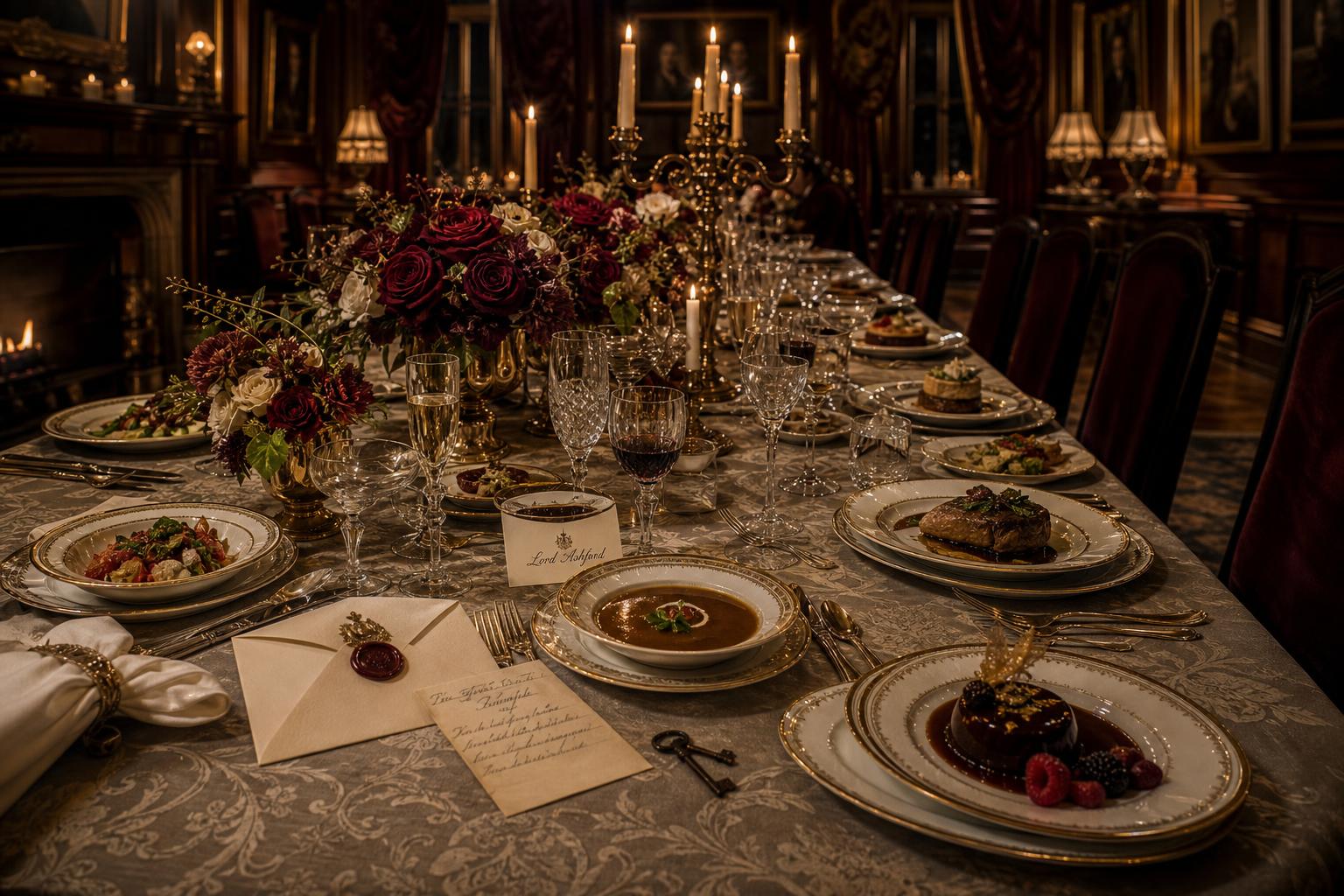
Introduction to a Murder Mystery Dinner Menu
A murder mystery dinner menu does far more than feed guests; it helps build the atmosphere, support the storyline, and turn an ordinary meal into an immersive event. In a themed gathering like this, every course can contribute to suspense, elegance, or playful intrigue. From ominously named appetizers to dramatic desserts, the food becomes part of the entertainment rather than a simple side detail.
Why the Menu Matters
When planning a murder mystery dinner, the menu should reflect both the tone of the evening and the practical needs of serving multiple guests. A Victorian whodunit may call for rich roasts, tea sandwiches, and classic puddings, while a 1920s speakeasy mystery might feature shrimp cocktails, deviled eggs, and glamorous plated desserts. Matching the cuisine to the setting helps guests feel more connected to their roles and the unfolding plot.
Food also affects pacing. A multi-course meal naturally creates breaks for clue reveals, character interactions, and dramatic accusations. Hosts often find that serving three to five courses works well because it provides structure without making the evening feel rushed. According to event planning trends, themed dining experiences continue to grow in popularity because they combine social interaction, storytelling, and memorable presentation in one format.
Balancing Theme and Practicality
A successful menu should be theatrical, but it also needs to be manageable. Dishes that can be prepared in advance are especially useful, since the host is usually juggling both kitchen duties and game coordination. Simple recipes with creative names often have more impact than overly complicated dishes. For example, tomato soup can become “Blood Red Bisque,” and a chocolate tart can be introduced as “The Final Indulgence.”
Creating a Cohesive Experience
Consistency matters across every course. Color, garnish, plating, and menu wording can all reinforce the mystery theme. Dark berries, red sauces, black table linens, candlelight, and vintage-style place cards can transform familiar recipes into something striking and dramatic. Even beverages can contribute, whether through smoky mocktails, deep red punches, or sparkling cocktails served in coupe glasses.
Setting Expectations for the Courses Ahead
As you explore menu ideas for appetizers, mains, side dishes, and desserts, think of each recipe as a clue in the larger experience. The best murder mystery dinner menus combine flavor, presentation, and storytelling, ensuring guests remember not only who solved the crime, but also what was served at the table.
How to Match the Menu to the Mystery Theme
A memorable murder mystery dinner works best when the food feels like part of the plot. Matching the menu to the mystery theme turns an ordinary meal into an immersive experience, helping guests feel as though they have stepped into another place and time. The right dishes can reinforce character roles, support the setting, and even provide subtle clues through presentation, naming, or ingredients.
Start With the Story Setting
The most effective menu choices begin with the story’s world. A 1920s speakeasy mystery calls for elegant hors d’oeuvres, seafood cocktails, and classic desserts such as baked Alaska or lemon tart. By contrast, a Victorian manor mystery suits richer, more formal dishes like roast beef, root vegetables, and steamed puddings. The era, location, and social tone of the mystery should shape every course.
If the mystery takes place in Italy, a menu built around antipasti, risotto, and tiramisu feels natural. If the setting is a haunted Southern estate, guests may expect shrimp and grits, biscuits, pecan pie, or bourbon-glazed meats. Aligning cuisine with geography makes the event feel intentional rather than decorative.
Use Food to Support Character and Mood
Menu design can also reflect the personalities in the story. A glamorous suspect list may inspire luxurious ingredients such as smoked salmon, truffle oil, or chocolate mousse. A rustic countryside mystery may call for hearty pies, soups, and farmhouse breads. Food communicates mood quickly, often before the first clue is revealed.
Naming Dishes for Dramatic Effect
Creative naming adds another layer of fun without requiring complicated recipes. A simple tomato soup becomes “Crimson Clue Bisque,” while stuffed mushrooms can be served as “Hidden Evidence Caps.” These small touches increase engagement and encourage conversation at the table. Guests often remember themed presentation as much as the flavor itself.
Balance Theme With Practicality
A strong theme should never make the meal difficult to serve or eat. Murder mystery dinners usually involve note passing, clue reading, and active discussion, so dishes should be manageable in a social setting. Finger foods, plated entrées with minimal cutting, and desserts prepared in advance are often the most practical choices.
Consider Dietary Needs Without Breaking Immersion
It is possible to keep the theme intact while accommodating guests. A French-inspired mystery can include vegetarian ratatouille, gluten-free coq au vin variations, or dairy-free chocolate pots. According to the Food Allergy Research & Education organization, about 33 million Americans live with food allergies, making flexibility an important part of event planning. Thoughtful substitutions help every guest participate fully.
Match Courses to the Evening’s Pacing
The structure of the menu should support the rhythm of the game. Lighter starters work well during introductions, while the main course fits the height of suspicion and interrogation. Dessert is ideal for the final reveal, when guests can relax and compare theories. When the menu follows the dramatic arc, the entire evening feels smoother, more theatrical, and far more satisfying for everyone involved.
Planning the Full Multi-Course Experience
Designing a memorable murder mystery dinner menu requires more than choosing a few dramatic recipes. The full multi-course experience should feel intentional, paced, and immersive, allowing food and storytelling to support each other. A well-planned evening typically lasts between two and four hours, which makes structure essential. Guests should move naturally from welcome drinks to dessert without long gaps, confusion, or dishes that compete with the game itself.
Building a Menu That Matches the Mystery
The strongest dinner experiences begin with a clear theme. If the mystery is set in a 1920s speakeasy, a Victorian manor, or a glamorous masquerade, the menu should reflect that setting through ingredients, presentation, and naming. Consistency creates immersion. A French-inspired mystery might feature onion tartlets, coq au vin, and chocolate mousse, while an old Hollywood plot could lean toward shrimp cocktail, roast beef, and classic cheesecake.
Menu planning also depends on guest count and kitchen capacity. For six to eight guests, plated courses can feel elegant and manageable. For larger groups, partially prepared dishes or buffet-assisted service may be more realistic. According to hospitality industry standards, hosts should allow roughly 20 to 30 minutes per course in a themed dinner setting, especially when entertainment is included. That timing helps prevent rushed service and keeps the narrative unfolding smoothly.
Pacing Courses With the Story
A murder mystery dinner works best when each course supports the event’s dramatic rhythm. The opening course should be light and easy to serve, giving guests time to settle in, meet characters, and absorb the premise. Soup, salad, or passed appetizers are ideal because they require minimal attention once served. The main course can arrive after the first major clue or plot twist, creating a natural midpoint in the evening.
Timing for Suspense and Comfort
Dessert is especially effective when paired with the final reveal or accusation round. This placement keeps energy high while giving guests something indulgent to enjoy during the climax. If the game includes multiple acts, consider short breaks between courses for clue reading, roleplay, or conversation. These pauses are practical as well as theatrical, since they give the host time to reset the table and prepare the next dish.
Balancing Flavor, Practicality, and Dietary Needs
A successful multi-course menu should feel varied without becoming overwhelming. Rich appetizers followed by a heavy entrée and dense dessert can leave guests too full to stay engaged. Instead, balance textures and intensity. A creamy starter can be followed by a brighter main course, or a hearty entrée can be offset by a lighter dessert featuring fruit or citrus.
Making the Menu Guest-Friendly
Dietary planning is equally important. Research from the National Restaurant Association has shown that demand for vegetarian, gluten-free, and allergen-conscious options remains consistently high among diners. Offering at least one adaptable dish per course helps every guest feel included. For example, a mushroom Wellington can serve as a vegetarian alternative to beef, while flourless chocolate cake works well for many gluten-sensitive guests.
Coordinating Service and Presentation
Presentation should reinforce the mystery without making service difficult. Garnishes, vintage-style serving ware, handwritten menu cards, and creatively named dishes can all deepen the atmosphere. The best hosts prioritize flow over complexity, choosing recipes that can be prepared ahead and finished quickly. When the menu, timing, and theme align, the dinner becomes more than a meal and starts to feel like a fully staged event.
Appetizer Ideas for a Suspenseful Start
A murder mystery dinner begins long before the first accusation is made. The appetizer course sets the emotional tone, giving guests something intriguing to taste while they settle into character, scan the room for clues, and begin forming alliances. The best starters for this kind of event are visually dramatic, easy to serve, and flavorful without being too heavy. Since most murder mystery dinners last two to four hours, appetizers should satisfy early hunger while leaving room for multiple courses.
Why Appetizers Matter at a Murder Mystery Dinner
Appetizers do more than fill the gap before the main course. They create a sense of occasion and help establish the atmosphere of suspense, elegance, or playful danger. A well-chosen starter can reinforce the theme of the evening, whether the setting is a 1920s speakeasy, a Victorian manor, or a glamorous masquerade ball. Presentation is especially important, because guests often begin judging the experience with their eyes before they take the first bite.
From a practical standpoint, appetizers also encourage mingling. Finger foods and small plated bites allow guests to move around, introduce themselves in character, and exchange early suspicions. According to catering industry standards, hosts should plan for roughly six to eight appetizer pieces per person when a full dinner follows, though that number can vary depending on the timing of the event and the richness of later courses.
Dramatic Starters That Build Atmosphere
Stuffed Mushrooms with Dark, Savory Flavor
Stuffed mushrooms are a classic choice because they look elegant and can be adapted to many themes. A filling made with cream cheese, garlic, herbs, breadcrumbs, and sausage creates a rich bite that feels substantial without overwhelming the palate. For a more refined version, crab or spinach can replace the meat. Their deep color and earthy flavor make them especially fitting for a moody, candlelit dinner table.
Caprese Skewers with a Sinister Twist
Caprese skewers offer freshness and color, but they can also be styled to match the theatrical mood. Cherry tomatoes, basil leaves, and mozzarella pearls drizzled with balsamic glaze create a striking red-and-white contrast that feels dramatic on a dark serving platter. The visual effect is simple but memorable, and the skewers are easy for guests to eat while standing and talking.
Deviled Eggs That Feel Vintage and Clever
Deviled eggs are ideal for mystery-themed gatherings because they carry a slightly retro charm that suits many historical or formal settings. A traditional filling of yolk, mayonnaise, mustard, and paprika works well, but additions like dill, bacon, or smoked salmon can elevate the flavor. Their small size makes portion control easy, and they can be prepared ahead of time, which reduces stress for the host.
Elegant Bites for a More Upscale Mystery
Crostini with Layered Flavor
Crostini are versatile, attractive, and easy to customize. Toasted baguette slices topped with whipped goat cheese and caramelized onions offer a balance of tangy and sweet flavors, while fig jam and prosciutto create a richer, more luxurious profile. Because crostini can be assembled in multiple varieties, they also add visual diversity to the appetizer spread. This variety helps guests feel that the evening has been thoughtfully curated.
Shrimp Cocktail for Classic Glamour
Few appetizers communicate old-school sophistication as effectively as shrimp cocktail. Served in coupe glasses or on a chilled platter, it immediately suggests a formal event. The bright acidity of cocktail sauce and lemon balances the richness of later courses, making it a smart menu choice. For hosts aiming to evoke a high-society or noir-inspired setting, shrimp cocktail fits seamlessly into the narrative.
Practical Tips for Serving Appetizers Smoothly
The most successful appetizer course balances style with convenience. Foods that can be made in advance are especially useful, since murder mystery hosts are often managing costumes, music, seating, and game materials at the same time. Room-temperature options such as skewers, crostini, and deviled eggs reduce last-minute kitchen pressure, while one warm option like stuffed mushrooms adds comfort and contrast.
Portion size matters as much as flavor. Guests should feel pleasantly engaged, not full, after the first course. A mix of two to four appetizer types usually works best, offering enough variety to feel special without cluttering the table or complicating service. Thoughtful naming can also enhance immersion, turning ordinary dishes into conversation pieces with titles that hint at secrets, scandal, or suspicion.
Matching Appetizers to the Evening’s Theme
When appetizers reflect the story world, the entire dinner feels more cohesive. A gothic mystery might feature dark rye crostini, blackberry glaze, or roasted mushrooms, while a glamorous Hollywood whodunit could lean toward shrimp cocktail, smoked salmon bites, and sparkling garnishes. Even familiar recipes feel fresh when they support the mood of the event. That connection between menu and mystery helps guests step more fully into the experience, making the first course an active part of the entertainment rather than simply something to eat.
Soup and Salad Course Ideas
A well-planned soup and salad course sets the tone for a memorable murder mystery dinner. It should feel elegant, easy to serve, and flavorful without overwhelming guests before the main course. The best first courses balance presentation, texture, and pace, giving diners something satisfying while keeping the evening moving smoothly. For a themed dinner, soups and salads can also reinforce the atmosphere, whether you want a refined manor-house feel or a cozy, candlelit gathering.
Choosing Soups That Are Easy to Serve
Soup is an excellent starter because it can be prepared in advance and reheated just before guests arrive. This makes it especially practical for hosts managing both food and entertainment. Smooth, composed soups tend to work best because they are less messy and easier to portion consistently.
A classic butternut squash soup offers a rich, velvety texture and a subtle sweetness that feels seasonal and sophisticated. Tomato basil soup is another dependable option, pairing bright acidity with familiar comfort. For a more upscale presentation, consider a roasted cauliflower soup finished with a drizzle of herb oil. These choices can be served in small bowls or cups, allowing guests to enjoy them without feeling too full early in the meal.
Presentation Tips for Soup Service
Presentation matters at a dinner party, particularly one built around drama and detail. Garnishes such as crème fraîche, chopped chives, toasted pumpkin seeds, or a swirl of pesto can make a simple soup look restaurant-worthy. Serving smaller portions, around 6 ounces per guest, keeps the course refined and manageable. If the evening includes active roleplay or clue reading, cup-style servings may be even more convenient than wide bowls.
Salad Ideas That Feel Special
Salads should offer freshness and contrast after a warm soup or stand alone as a light opening course. The most successful dinner-party salads combine crisp greens, a flavorful dressing, and one or two standout ingredients. A salad should feel intentional, not like an afterthought.
A mixed greens salad with pears, candied walnuts, and blue cheese creates a balance of sweetness, crunch, and tang. Arugula with shaved Parmesan and lemon vinaigrette delivers a sharper, more modern profile. For a richer option, a spinach salad with bacon, red onion, and warm vinaigrette brings depth and a slightly vintage steakhouse feel that suits many mystery themes.
Matching Salads to the Menu
The salad should complement the main course rather than compete with it. If the entrée is rich, such as beef tenderloin or creamy pasta, a lighter salad with citrus or vinaigrette works best. If the main course is lighter, a salad with nuts, cheese, or roasted vegetables can add substance. Restaurants often follow this same principle to maintain balance across multiple courses, and it works just as well at home.
Pairing Soup and Salad for a Cohesive Course
Some hosts serve both soup and salad as a combined opening sequence. In that case, pairing matters. A delicate soup like cauliflower works well with a bold salad, while a hearty soup like lobster bisque pairs better with simple greens. Contrast creates interest, but harmony keeps the meal elegant. Choosing colors carefully, such as golden soup beside dark greens with red accents, also enhances the table visually and helps the course feel thoughtfully designed.
Main Course Menu Ideas for Every Style
The main course is the centerpiece of any murder mystery dinner, setting the tone for the evening while giving guests something memorable to savor between clues, accusations, and dramatic reveals. Choosing the right entrée means balancing theme, practicality, and guest preferences. A successful main course should feel special enough for an event, yet manageable enough for the host to prepare without missing the fun. Whether your gathering leans elegant, rustic, theatrical, or modern, the menu can reinforce the atmosphere and make the experience more immersive.
Matching the Main Course to the Dinner Theme
A themed dinner works best when the food supports the story. If the mystery takes place in a 1920s manor, classic dishes such as beef Wellington, roast chicken, or mushroom vol-au-vents create a sense of old-world sophistication. For an Italian villa setting, braised short ribs over polenta or a rich baked lasagna can instantly establish place and mood. A masquerade ball may call for more refined plated entrées, while a country house mystery feels right with comforting roasts and seasonal vegetables.
The key is to think beyond flavor alone. Presentation matters just as much as taste at an interactive dinner party. A dramatic plated dish can heighten the sense of occasion, while a family-style main course encourages conversation and guest interaction. Since murder mystery dinners often last several hours, hearty but not overly heavy dishes tend to work best.
Elegant Main Course Ideas for Formal Evenings
For a more upscale event, the entrée should feel polished and restaurant-worthy without becoming too complicated for home service. Beef tenderloin with red wine reduction is a strong choice because it feels luxurious and can be sliced neatly for plating. Salmon with dill cream sauce offers a lighter but still elegant option, especially when paired with roasted asparagus and duchess potatoes. Chicken roulade stuffed with spinach and cheese also delivers visual appeal and can be prepared ahead of time.
Why plated entrées work well
Plated meals create structure, which helps when the evening includes timed reveals or scripted scenes. Serving each guest an individual portion keeps the event moving and reduces buffet congestion. It also allows the host to control portion size and maintain a cohesive presentation. For formal mysteries, this style often feels more immersive because guests remain in character at the table rather than lining up to serve themselves.
Comforting Main Courses for Cozy Gatherings
Not every murder mystery dinner needs silver platters and white gloves. Some of the most enjoyable events are built around warm, familiar dishes that make guests feel relaxed. Pot roast with root vegetables is ideal for autumn and winter gatherings, offering rich flavor and easy preparation. Chicken pot pie, shepherd’s pie, and baked ziti are similarly crowd-pleasing options that can be made in large quantities.
These dishes are especially useful when hosting larger groups. A casserole-style entrée can feed eight to twelve guests efficiently, and many comfort foods improve in flavor when made ahead. That timing advantage is important because hosts often spend the evening managing both food and entertainment. Low-stress cooking supports a better guest experience.
International Main Course Inspirations
Global flavors can make a murder mystery dinner feel distinctive and memorable. French-inspired coq au vin brings depth and drama, while Spanish seafood paella creates a colorful centerpiece for the table. For a British manor house theme, steak and ale pie or roast lamb with mint sauce fits naturally. An Italian menu might feature eggplant Parmesan for vegetarians alongside chicken marsala for meat eaters.
Balancing authenticity and accessibility
Authentic dishes can elevate the event, but accessibility matters too. Ingredients should be realistic for the host to source, and flavors should appeal to a broad group unless the audience is especially adventurous. For example, a Thai curry may be exciting, but offering adjustable spice levels makes it more guest-friendly. The best themed menus feel inspired rather than restrictive.
Vegetarian and Inclusive Main Course Options
A thoughtful host plans for dietary variety from the start. Vegetarian entrées should feel intentional, not like an afterthought. Wild mushroom risotto, butternut squash ravioli, and lentil shepherd’s pie all provide substance and elegance. Stuffed bell peppers with quinoa, herbs, and feta can work for both vegetarian and gluten-free guests, depending on preparation. Inclusive menu planning ensures every guest feels considered, which contributes to the social success of the evening.
When possible, choose a main course format that can be adapted. For instance, serving pasta with separate protein options allows guests to customize their plates. A roasted vegetable tart can stand on its own while complementing a meat-based entrée for others. According to food service trend reports, more than one-third of diners actively seek plant-forward meals, making flexible menu design increasingly practical for home entertaining as well.
Make-Ahead Main Courses for Easier Hosting
Because murder mystery dinners involve more coordination than standard dinner parties, make-ahead dishes are often the smartest choice. Braised beef, lasagna, enchiladas, and slow-roasted chicken all hold well and can be reheated with minimal loss of quality. This approach reduces last-minute kitchen pressure and allows the host to stay engaged with guests.
Best strategies for timing
Timing is one of the biggest challenges during an interactive dinner. Dishes that require constant attention, such as pan-seared steaks cooked to order, can pull the host away from the event. By contrast, oven-finished entrées or slow-cooked mains provide flexibility. Preparing sauces, sides, and garnishes in advance also helps maintain a smooth service rhythm. The easier the service, the more immersive the evening feels.
Pairing Main Courses with Sides and Service Style
The entrée does not stand alone. Side dishes should support the main course without competing for attention. Rich mains benefit from lighter accompaniments such as green beans, citrus-dressed salads, or roasted carrots. Lighter proteins pair well with creamy potatoes, risotto, or buttered noodles. Texture is important too, since a soft braise becomes more satisfying with crisp vegetables or crusty bread.
Service style shapes the overall mood. Buffet service is practical for casual mysteries and larger groups, while family-style platters encourage sharing and conversation. Individually plated meals suit formal themes and tighter storytelling schedules. The most effective main course is one that fits the narrative, satisfies the guests, and keeps the evening running smoothly as the mystery deepens.
Side Dishes That Support the Story
Building Atmosphere Through the Plate
In a murder mystery dinner, side dishes do more than fill space beside the main course. They help shape the setting, reinforce the era, and deepen the narrative guests experience throughout the evening. A Victorian-inspired mystery, for example, feels more convincing when the table includes buttered peas, duchess potatoes, or glazed carrots rather than generic frozen vegetables. Likewise, a 1920s speakeasy theme gains authenticity from elegant accompaniments such as creamed spinach or roasted asparagus with lemon.
Because side dishes are often served family-style or plated in advance, they also influence pacing. Dishes that hold their texture and temperature well are especially useful when guests are pausing between bites to examine clues or question suspects. Roasted root vegetables, wild rice pilaf, and baked gratins are practical choices because they remain appealing for 20 to 30 minutes after service, unlike delicate fried items that quickly lose quality.
Matching Sides to the Mystery Theme
Classic, Elegant, and Suspenseful
For formal mystery dinners, choose sides that feel polished without being overly complicated. Potato gratin, green beans almondine, and herbed rice create a refined plate and pair well with beef, chicken, or fish entrées. These dishes suggest sophistication, making them ideal for manor-house murders, black-tie investigations, or old-money family scandals.
A useful guideline is to balance richness with freshness. If the entrée is heavy, such as beef Wellington or chicken in cream sauce, a lighter vegetable side prevents the meal from feeling overwhelming. In menu planning, this contrast improves guest satisfaction and keeps attention focused on the event rather than post-dinner fatigue.
Rustic or Regional Storylines
If the mystery takes place in the countryside, at a hunting lodge, or in a small coastal town, rustic sides feel more believable. Cornbread stuffing, braised cabbage, roasted potatoes, or butter beans can reflect local traditions and make the menu feel grounded in place. Regional authenticity adds texture to the story, helping guests feel as though they have stepped into a specific world rather than a generic dinner party.
Practical Considerations for Hosting
Make-Ahead Value
The best side dishes for interactive dinners are often those that can be prepared ahead. Casseroles, grain salads, and roasted vegetables reduce last-minute kitchen stress and allow the host to stay engaged with guests. According to catering industry standards, make-ahead components can cut active service labor by as much as 30%, which is especially valuable during themed events with multiple courses.
When selecting sides, think about color as well as flavor. Deep greens, golden browns, and jewel-toned vegetables make the table look dramatic, which supports the theatrical spirit of a murder mystery dinner.
Dessert Ideas with Dramatic Flair
Turning the Final Course into a Showpiece
Dessert is the moment when a murder mystery dinner can become truly unforgettable. After savory courses and suspenseful clues, guests are ready for a finale that feels theatrical, indulgent, and slightly mischievous. A dramatic dessert does more than satisfy a sweet tooth; it reinforces the mood of the evening and gives hosts one last opportunity to surprise the table. In event planning research, memorable sensory details consistently rank among the strongest drivers of guest satisfaction, and dessert naturally lends itself to visual impact, aroma, and tableside presentation.
For a murder mystery theme, the best desserts balance elegance with a hint of intrigue. Rich colors, glossy finishes, hidden fillings, and unexpected reveals all contribute to the atmosphere. Think deep red berry sauces resembling a “crime scene,” dark chocolate glazes with mirror-like shine, or plated sweets dusted with powdered sugar for an old-world manor feel. Presentation matters as much as flavor, especially when the dessert arrives at the exact moment the investigation reaches its climax.
Elegant Desserts That Match the Mood
A flourless chocolate torte is one of the strongest choices for a dramatic dinner party. Its dense texture and intense cocoa flavor feel luxurious, while its dark appearance suits a mysterious setting. Served with raspberry coulis or macerated cherries, it creates a striking contrast on the plate. Because flourless tortes are naturally gluten-free when prepared carefully, they can also accommodate a wider range of guests without sacrificing sophistication.
Layered Sweets with Hidden Surprises
Another excellent option is a black forest trifle served in clear glasses. Layers of chocolate cake, whipped cream, and cherries create visual depth, and the transparent vessel allows guests to see every component. This style of dessert works especially well for larger gatherings because it can be assembled in advance and portioned neatly. The “hidden” layers also echo the secretive nature of the evening, making the dessert feel connected to the story rather than separate from it.
Individual molten chocolate cakes add a literal reveal. When cut open, the warm center flows onto the plate, creating a moment of surprise that guests often photograph and remember. Restaurants have relied on this effect for decades because it combines familiar flavor with a sense of occasion. Pairing the cake with vanilla bean ice cream heightens the contrast between hot and cold, dark and light.
Desserts with Gothic and Vintage Appeal
For hosts leaning into a Victorian, gothic, or old-Hollywood mystery, classic desserts can be styled to fit the setting beautifully. A berry pavlova, for example, offers drama through height and texture. The crisp shell and soft center create contrast, while blackberries, raspberries, and red currants provide jewel-toned color. A touch of edible gold leaf or a drizzle of dark berry syrup can make the dish feel even more decadent.
Small-Format Desserts for Interactive Service
Mini desserts also work well when guests are moving around, comparing clues, or mingling between scenes. Petite éclairs with dark chocolate glaze, red velvet cupcakes with cream cheese frosting, or panna cotta in glass jars can be arranged on tiered stands for a lavish effect. This approach gives guests flexibility and creates the impression of abundance without requiring oversized portions. In catering, miniature desserts are often favored because they reduce waste and allow multiple flavor experiences in a single event.
Tableside Effects and Finishing Touches
If you want maximum flair, consider a dessert with a tableside element. Crème brûlée provides a crisp caramelized top that can be torched just before serving, adding aroma and spectacle. Cherries jubilee or bananas Foster offer even more drama, with brief flambé flames that instantly command attention. Hosts should only use fire-based presentations when the space is safe and ventilation is adequate, but when executed properly, the effect is unforgettable.
A final flourish can come from thoughtful garnishes. Dark chocolate curls, sugared berries, candied orange peel, and edible flowers all elevate a plate without making it feel overworked. Matching the dessertware to the theme, such as vintage china, silver trays, or matte black plates, strengthens the visual story. Even a simple dessert becomes striking when every detail supports the atmosphere, allowing the evening’s suspense and style to linger right up to the last bite.
Signature Drinks and Mocktails
A memorable murder mystery dinner is not only about the food; the drinks help establish mood, deepen the theme, and give guests another sensory clue to enjoy. Signature cocktails and mocktails can reinforce the atmosphere of suspense, elegance, or playful deception while complementing each course on the menu. In practice, a well-chosen beverage menu also simplifies hosting, because one or two themed drinks are easier to prepare in batches than a full open bar.
Why Themed Drinks Matter
Drinks are often the first item guests receive, which makes them a powerful tool for setting expectations. A deep red berry spritz, for example, instantly suggests drama and intrigue, while a smoky bourbon cocktail can evoke old-world glamour or a noir-inspired setting. According to hospitality industry data, curated beverage offerings can increase guest satisfaction because they create a more immersive and cohesive event experience. For a murder mystery dinner, that cohesion matters as much as flavor.
Cocktail Ideas With Character
A strong signature cocktail should feel tied to the story. Names such as The Poisoned Rose, Midnight Alibi, or Crimson Clue add theatrical flair without requiring overly complex ingredients. A sparkling wine cocktail with pomegranate juice and orange liqueur delivers both color and brightness, pairing especially well with appetizers and lighter entrées. For richer menus, a black cherry old fashioned offers depth, subtle sweetness, and a dramatic appearance that suits a suspenseful evening.
Balancing Flavor and Presentation
Presentation can elevate even a simple recipe. Coupe glasses, dark garnishes, citrus twists, or rosemary sprigs create visual impact with minimal effort. Color is especially important; shades of ruby, plum, gold, and midnight blue photograph well and fit the mystery theme. Dry ice should be used cautiously and only by experienced hosts, but edible glitter, colored sugar rims, or frozen berries can provide a safer dramatic effect.
Mocktails That Feel Equally Special
Nonalcoholic options should never feel like an afterthought. A mocktail with layered flavor, texture, and garnish gives every guest a premium experience. A blackberry ginger fizz made with muddled fruit, lime juice, ginger beer, and sparkling water offers complexity similar to a craft cocktail. Another effective option is a rosemary blood orange cooler, which combines tart citrus with herbal notes for a sophisticated finish.
Pairing Drinks With the Menu
Lighter drinks work best at the beginning of the evening, while spirit-forward or spice-driven options can accompany heavier courses. Sweet mocktails are ideal with dessert, especially chocolate, berry, or vanilla-based dishes. Keeping the beverage menu focused ensures service remains smooth and the theme stays consistent, while each glass quietly contributes to the unfolding mystery.
Dietary-Friendly and Make-Ahead Options
Planning a murder mystery dinner means balancing atmosphere, timing, and guest needs. A smart menu should feel indulgent while still accommodating common dietary preferences, including vegetarian, gluten-free, and dairy-free options. According to Food Insight surveys, roughly one in ten Americans actively follows a specific eating pattern, making flexibility an important part of hosting. Building adaptable dishes into each course helps every guest enjoy the evening without feeling like an afterthought.
Designing a Flexible Menu
The easiest approach is to choose recipes that can be modified without changing the overall presentation. A roasted tomato soup can be made with vegetable stock instead of chicken stock, while a composed salad can remain elegant by serving cheese, croutons, or nuts on the side. For main courses, braised mushrooms, stuffed peppers, or herb-roasted salmon work well because they suit different diets with only minor adjustments. Simple swaps preserve the theme while reducing stress in the kitchen.
Ingredient Strategies That Work
When planning, focus on naturally inclusive ingredients such as vegetables, rice, potatoes, legumes, and plainly cooked proteins. These foods require fewer substitutions and usually maintain texture better than heavily altered recipes. If dessert is part of the menu, flourless chocolate cake, poached pears, or coconut milk panna cotta can satisfy guests avoiding gluten or dairy while still feeling dinner-party worthy.
Why Make-Ahead Dishes Matter
A murder mystery dinner is part meal, part performance, so hosts benefit from dishes that can be prepared in advance. Casseroles, soups, cold appetizers, and marinated proteins often taste better after several hours because flavors have time to develop. Preparing components the day before also reduces last-minute errors and frees up attention for clues, costumes, and guest interaction.
Best Courses to Prep Early
Starters like dips, crostini toppings, and charcuterie elements can be assembled ahead, while desserts are often ideal for overnight chilling. Main dishes such as lasagna, stew, or baked pasta reheat reliably and serve a crowd efficiently. Make-ahead planning creates a smoother, more immersive evening, allowing the host to stay present instead of being stuck at the stove.
Presentation, Naming, and Tablescape Tips
Turn the Menu Into Part of the Mystery
A murder mystery dinner succeeds not only because of the food, but because of how the food is presented and described. Guests begin forming expectations the moment they read the menu, so creative naming can instantly establish mood, era, and intrigue. Instead of serving a simple tomato soup, call it “Crimson Clue Bisque.” A roast chicken entrée can become “The Heiress’s Last Supper,” while a dark chocolate tart might be renamed “Midnight Evidence.” These details make the meal feel immersive without requiring expensive ingredients or elaborate culinary techniques.
Naming Dishes for Maximum Atmosphere
The best themed menu names balance clarity and creativity. Guests should still understand what they are eating, especially if dietary restrictions are involved, but the title can carry dramatic flair. A practical format is to pair a mysterious name with a short description. For example, “Poison Garden Salad” can be followed by “mixed greens with herbs, pears, walnuts, and blue cheese.” This keeps the experience playful while avoiding confusion.
Match Names to the Story Setting
If your mystery is set in the 1920s, Victorian England, or a modern mansion, let the dish names reflect that world. A Gatsby-inspired evening may feature “Speakeasy Shrimp Cocktail,” while a countryside manor theme might use “Lord Ashford’s Game Pie.” Consistency across the menu helps the event feel intentional and polished.
Plating That Feels Dramatic
Presentation matters because people often judge a dish within seconds. Research from Oxford has shown that visual appeal can significantly influence perceived flavor and enjoyment. For a mystery dinner, dramatic plating does not need to be complicated. Use white or dark plates to create contrast, stack elements neatly, and add garnishes with purpose. A streak of berry coulis, a rosemary sprig, or a dusting of cocoa can make a familiar dish feel theatrical.
Use Color and Contrast Strategically
Deep reds, blacks, golds, and candlelit neutrals work especially well for this kind of gathering. Beet purée, pomegranate seeds, charred vegetables, and dark leafy greens can reinforce the moody tone. Avoid overcrowding the plate, since cleaner presentation tends to look more upscale and photographs better if guests share the experience online.
Designing a Memorable Tablescape
Your tablescape should support the menu rather than compete with it. Candles, vintage glassware, folded napkins, and handwritten place cards create instant character. If possible, tie each setting to the mystery with small props such as sealed envelopes, faux evidence tags, or clue cards. Layering textures like linen runners, metallic accents, and ceramic serving pieces adds depth and elegance.
Keep Functionality in Mind
Atmosphere is important, but comfort matters just as much. Ensure centerpieces are low enough for conversation, and leave enough table space for multiple courses. A beautiful setup should still allow guests to eat, interact, and investigate with ease.
Conclusion: Building a Memorable Murder Mystery Feast
A successful murder mystery dinner is about more than serving delicious food; it is about creating an immersive experience where every course deepens the intrigue. From elegant appetizers to dramatic desserts, each dish should support the evening’s atmosphere while remaining practical to prepare and serve.
Balancing Theme, Flavor, and Presentation
The most memorable menus combine cohesive storytelling with satisfying flavors. A Victorian-inspired supper, for example, feels richer when the menu, table styling, and recipe names all reflect the setting. Presentation matters just as much as taste, because guests often engage with the visual details before the first bite.
Making the Evening Seamless
Planning ahead keeps the event enjoyable for both host and guests. Choosing recipes that can be partially prepared in advance reduces stress and allows more time for character interaction, clue reveals, and pacing the night’s surprises. A well-structured menu also accommodates dietary needs, ensuring everyone can participate fully in the feast and the fun.
FAQ: Murder Mystery Dinner Menu Planning
How do you choose a menu that fits the mystery theme?
The best menu supports the atmosphere without overwhelming the game. A 1920s speakeasy mystery works well with shrimp cocktail, roast chicken, and classic chocolate mousse, while a Victorian storyline may suit beef pie, root vegetables, and steamed pudding. Matching food to the setting helps guests feel immersed. In practice, hosts often choose three to four courses, which is enough to feel special without slowing the evening.
How much food should you serve?
A murder mystery dinner usually lasts two to four hours, so portions should be satisfying but not overly heavy. A good rule is to serve one starter, one main course with sides, and one dessert. If alcohol is offered, include bread or a starch to balance the meal. For 8 to 10 guests, planning around 6 to 8 ounces of protein per person for the main course is typically sufficient.
Should every dish be elaborate?
Not at all. Simple dishes often work best because the event already includes costumes, clues, and conversation. Make one course the showpiece, then keep the rest easy to plate and serve. For example, a dramatic red velvet cake can pair with a straightforward pasta main.
How do you handle dietary restrictions?
Ask guests about allergies and preferences at least a week in advance. Then design dishes that can be adapted quietly, so no one feels singled out. A mushroom Wellington can stand in for beef, and dairy-free panna cotta can look identical to the standard version. Inclusive menu planning keeps the focus on fun rather than logistics.
Can the food become part of the mystery?
Yes, and that can make the evening more memorable. A “poisoned” cocktail, cryptic menu card, or suspiciously missing dessert can reinforce the plot while keeping the meal playful and immersive.


