

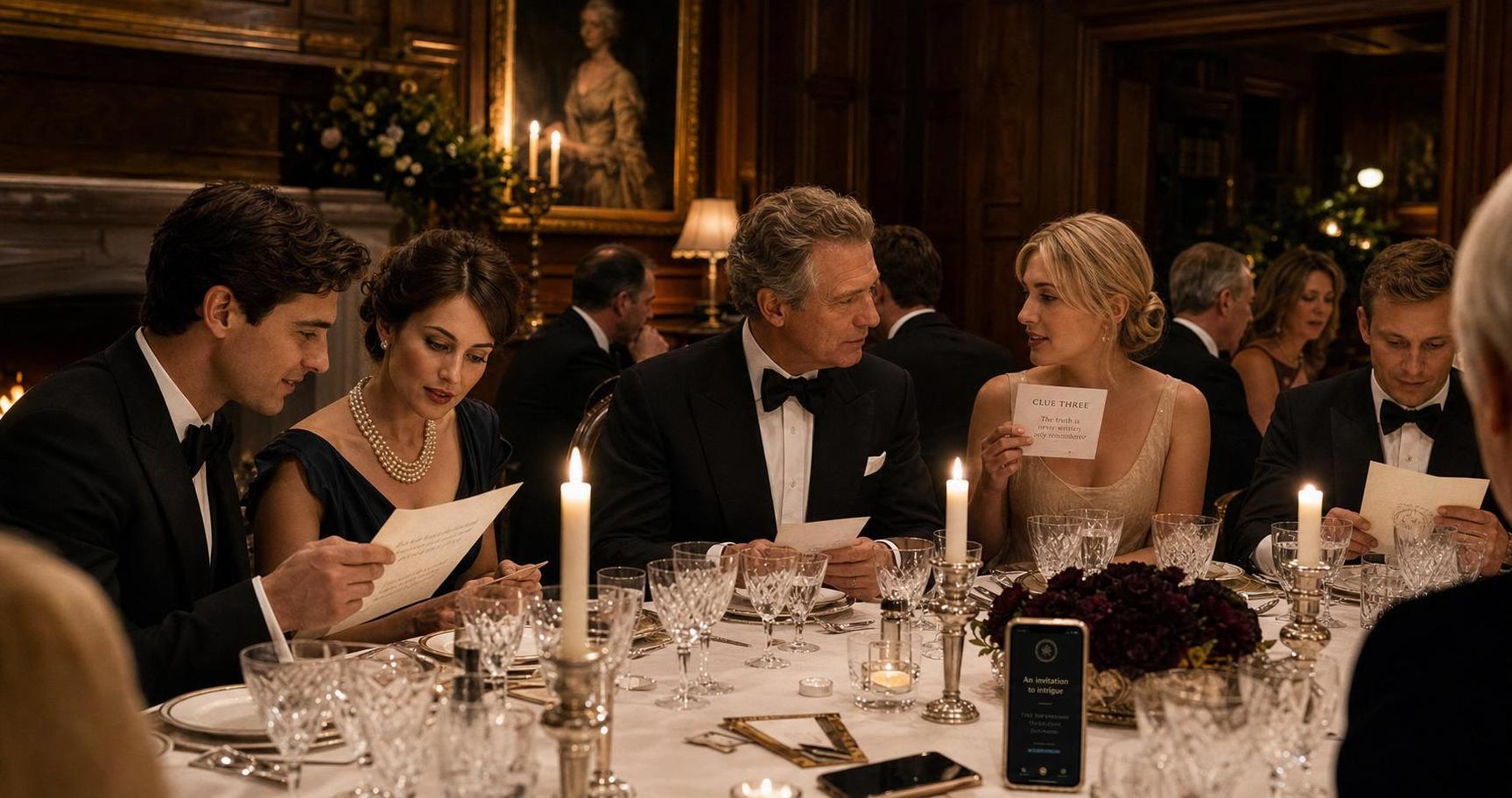
Introduction to Murder Mystery Dinners
What They Are and Why They Appeal to Beginners
A murder mystery dinner is an interactive social event that combines a shared meal with a live fictional investigation. Guests are not just spectators. They typically play characters, question suspects, examine clues, and work together to identify the “killer” before the evening ends. The format blends elements of theater, party gaming, and casual dining, which makes it especially appealing to first-time participants who want entertainment that feels more immersive than a standard dinner party.
In recent years, these events have grown well beyond niche theater circles. According to the interactive entertainment trend seen across hospitality and events, people increasingly value experiences over passive outings. Murder mystery dinners fit that demand well because they encourage conversation, teamwork, and light roleplay without requiring professional acting skills. For beginners, that balance is important. You can participate as much or as little as you feel comfortable while still enjoying the story.
How a Typical Murder Mystery Dinner Works
Most murder mystery dinners follow a structured but accessible format. At the start, guests receive character information, background details, and sometimes costume suggestions. As the meal progresses, new evidence is introduced in stages. Participants may uncover motives, alibis, secrets, and contradictions through guided scenes or informal conversations at the table.
Common Event Formats
Some events are hosted at restaurants or hotels with professional actors leading the plot. Others are home-based gatherings using boxed kits or downloadable scripts. A typical evening lasts two to four hours, depending on group size and complexity. Smaller parties may include 6 to 10 players, while larger public events can host 20 or more.
What Makes the Experience Unique
The biggest difference between a murder mystery dinner and other themed events is the level of participation. Instead of watching a story unfold from the sidelines, guests help create the momentum of the night. One person might be bluffing to protect a secret, while another pieces together clues from overheard conversations. That unpredictability keeps the atmosphere lively.
More Than Just Solving a Crime
For many beginners, the real attraction is not simply “winning” the mystery. It is the chance to socialize in a more creative setting. Ice-breaking becomes easier when everyone has a role, a motive, or a secret objective. This makes murder mystery dinners popular for birthdays, corporate team-building, and friend gatherings, especially among groups looking for a memorable first-time experience.
What to Expect as a First-Time Guest
Walking into your first murder mystery dinner can feel equal parts exciting and intimidating. The good news is that these events are designed for newcomers as much as seasoned participants. In 2026, most murder mystery dinners are structured to be interactive, welcoming, and easy to follow, even if you have never attended any kind of immersive theater before. You do not need acting experience, detective skills, or a perfectly polished costume to enjoy the evening.
The Typical Flow of the Evening
Most events follow a familiar format that blends dining, entertainment, and social interaction. Guests usually begin with check-in, where they may receive character cards, name tags, or simple instructions. Some productions assign roles in advance, while others let first-time guests participate as observers with optional involvement. This flexibility is one reason murder mystery dinners continue to grow in popularity, especially among adults seeking social experiences beyond traditional restaurant outings.
After introductions, the story begins to unfold in stages. A host or actor typically sets the scene, introduces the suspects, and explains the basic rules. Over the next one to three hours, clues are revealed between courses, conversations, and short performances. According to many event organizers, the average murder mystery dinner lasts about two and a half to three hours, making it long enough to feel immersive without becoming exhausting.
How Interactive It Really Is
A common concern for beginners is whether they will be forced into the spotlight. In most cases, the answer is no. Many events encourage participation, but they rarely demand it. You may be invited to ask questions, examine clues, or speak with actors in character. However, if you prefer to sit back and observe at first, that is usually acceptable.
Participation Levels Can Vary
Some companies run highly theatrical experiences where guests are central to solving the crime, while others create a lighter atmosphere closer to a themed dinner show. If the event description mentions words like immersive, role-play, or character-driven, expect more interaction. If it emphasizes comedy, dining, or entertainment, the experience may feel more relaxed and guided.
What You Might Need to Bring
For most first-time guests, preparation is simple. You may need a reservation confirmation, a costume suggestion, or a willingness to engage with strangers. Some events provide detailed dress themes such as 1920s speakeasy, masquerade, or Victorian manor. Others only recommend smart casual attire. If costumes are optional, do not worry about being underdressed; enthusiasm matters more than perfection.
Practical Expectations
It also helps to arrive on time. Important plot details are often introduced early, and late arrivals can miss context that makes the mystery easier to follow. If dinner is included, dietary accommodations are often available, but many venues require advance notice. Checking these details beforehand can make the evening smoother.
The Social and Entertainment Experience
A murder mystery dinner is not just about solving a crime. It is also a social event where conversation, humor, and improvisation shape the experience. You may share theories with your table, laugh at dramatic plot twists, or discover that the most suspicious guest is sitting right beside you. For many first-timers, that blend of structure and spontaneity is what makes the format memorable.
Because every event unfolds differently, the best expectation is to stay curious, flexible, and ready to play along at your own pace.
How Murder Mystery Dinners Work
The Basic Structure of the Experience
A murder mystery dinner is an interactive event that combines a shared meal with a live, unfolding detective story. Guests do not simply watch the action; in most formats, they become part of it. The central idea is simple: a fictional crime, usually a murder, takes place during the evening, and attendees gather clues, question suspects, and try to identify the culprit before the final reveal.
Most events follow a structured timeline. The evening often begins with guest arrival, character introductions, and a short briefing from the host or game organizer. After that, the story progresses in rounds or scenes, usually timed around dinner courses. For example, the opening scene may establish the setting and relationships, the next scene may introduce the crime, and later scenes reveal motives, alibis, and hidden secrets. By the end, players submit their guesses, and the solution is announced.
Common Event Formats
Not every murder mystery dinner works the same way. Some are fully scripted theatrical productions where professional actors lead the story and guests participate by asking questions. Others are role-based party games in which every attendee receives a character to play. In beginner-friendly home kits, each guest may get a booklet containing background information, objectives, and clues to reveal at specific moments.
Commercial events at restaurants, hotels, or private venues often blend performance and participation. A few trained actors may handle the major dramatic scenes while guests remain themselves and investigate from their tables. This format is popular because it reduces pressure on first-time participants while still creating a strong sense of involvement.
Hosted vs. Self-Guided Games
A hosted game usually has an emcee or organizer who controls pacing, explains rules, and keeps the energy moving. This can be especially helpful for new players, since the host clarifies when to mingle, when to share information, and when to make accusations. Self-guided games are more flexible and often cheaper, but they rely on the group to maintain momentum and follow the script carefully.
What Guests Actually Do
For first-timers, the biggest question is often what participation looks like in practice. During the event, guests typically talk with other players, listen closely to dialogue, and collect details that may matter later. A character might reveal they argued with the victim, noticed a missing object, or lied about where they were at a key time. Small details often become major clues, which is why attention matters.
In role-play versions, guests may also have secret goals unrelated to solving the crime. Someone might need to protect a reputation, hide a scandal, or form an alliance with another character. These side objectives make the evening more dynamic because players are balancing investigation with performance.
How Clues, Motives, and Accusations Work
A strong murder mystery dinner is built around three elements: clues, motives, and opportunity. Clues can be spoken, written, or physical props such as letters, photographs, or fake police reports. Motives explain why a suspect might want the victim gone, while opportunity addresses whether they had the time and access to commit the crime.
The accusation phase usually happens near the end of the event. Guests review what they have learned and decide who they believe is responsible. Some games use scorecards, while others invite open discussion before the reveal. In many commercial events, prizes are awarded for correct guesses, best costume, or best performance, adding a light competitive element.
Why the Meal Matters
Dinner is not just a backdrop. The meal creates natural pauses between scenes, giving players time to compare theories and build suspense. A typical event lasts between two and four hours, depending on group size and complexity. That pacing helps beginners stay engaged without feeling overwhelmed.
Why Beginners Usually Enjoy Them
Murder mystery dinners remain popular because they combine social interaction, storytelling, and problem-solving in one setting. Industry event companies continue to market them for birthdays, team-building, and holiday parties because they encourage conversation more effectively than standard dinners. For newcomers, the appeal is that there is no single right way to participate. Some guests dive deeply into character, while others focus on solving the puzzle. That flexibility makes the format approachable, entertaining, and easy to enjoy even without prior experience.
Choosing the Right Event in 2026
Selecting the best murder mystery dinner as a first-time guest can shape your entire experience. In 2026, the market offers more variety than ever, from elegant hotel productions to casual restaurant nights and private themed gatherings. The right choice depends on your comfort level, budget, group size, and how interactive you want the evening to be. For beginners, choosing carefully helps reduce anxiety and increases the chances of having a memorable, entertaining night.
Match the Event Style to Your Comfort Level
Not every murder mystery dinner follows the same format. Some are highly theatrical, with professional actors leading a scripted story, while others invite guests to play central roles and improvise throughout the evening. If you are new to the concept, a structured event with clear guidance is often the easiest entry point. These productions usually provide character notes, timed clues, and hosts who explain what to do next.
A more immersive event can be exciting, but it may also feel overwhelming for someone unfamiliar with roleplay. In 2026, many organizers now label events by participation level, using terms such as low-interaction, moderate-interaction, or fully immersive. Reading these descriptions closely can help you avoid booking an experience that feels too intense or too passive.
Consider Venue, Audience, and Atmosphere
The venue strongly influences the tone of the evening. A historic inn or upscale dining room may create a dramatic, classic atmosphere, while a brewery or community hall often delivers a lighter, more comedic mood. First-time attendees should think about where they will feel most relaxed, because comfort makes it easier to engage with the mystery.
Public Events vs. Private Group Bookings
Public events are ideal if you want to try the format without organizing a full group. They also let you meet new people, which can add spontaneity to the game. Private bookings, on the other hand, work well for birthdays, team outings, or family celebrations where everyone already knows one another. For beginners, public events hosted by experienced companies are often the safest option because the pacing is usually smoother and the instructions clearer.
Evaluate Practical Details Before Booking
Price matters, but it should be considered alongside what is included. In 2026, ticket prices for murder mystery dinners in the United States commonly range from $45 to $120 per person, depending on the city, meal quality, and production scale. Some packages include a three-course dinner, costume suggestions, and souvenir materials, while others charge separately for drinks, parking, or premium seating.
Questions Worth Checking
Before reserving a seat, review the event page for details on duration, menu options, accessibility, and age restrictions. Many events last between two and three hours, which is manageable for most first-timers. It is also wise to check whether the event accommodates dietary needs, since vegetarian, vegan, and gluten-free requests are far more common in 2026 than they were a few years ago.
Read Reviews for Signs of a Beginner-Friendly Experience
Reviews can reveal whether an event is welcoming to newcomers. Look for comments mentioning helpful hosts, clear instructions, balanced audience participation, and good pacing. If multiple reviewers say they felt confused or pressured to perform, that may not be the best fit for a first experience. A beginner-friendly event should feel guided, not intimidating.
Strong reviews often mention how smoothly the mystery unfolded and whether the dinner service matched the entertainment quality. When both elements are handled well, first-time guests are more likely to stay engaged and enjoy the social side of the evening, even if they do not solve the case.
Themes, Formats, and Party Styles
Choosing the right setup is one of the most important parts of planning a first murder mystery dinner. Theme, format, and party style shape the mood, the difficulty level, and how comfortable guests feel participating. For beginners, the best choice is usually the one that matches the group’s personality rather than the most elaborate concept.
Popular Themes for First-Time Hosts
A murder mystery theme gives the event its visual identity and narrative flavor. Classic options remain popular because they are easy to understand and instantly recognizable. A 1920s speakeasy, a Victorian manor, or a glamorous Hollywood awards night all provide strong costume cues and familiar character types. These themes help guests get into character quickly, even if they have never attended an interactive party before.
Modern themes can also work well, especially for younger groups or mixed-age gatherings. A luxury cruise, corporate retreat, wedding reception, or reality TV finale can feel more relatable than a historical setting. Relatable themes often reduce hesitation, because guests can improvise more naturally in a world they already understand. In recent event-planning surveys, immersive social gatherings with recognizable pop-culture or contemporary settings consistently rank higher for guest participation than highly niche concepts.
Matching Theme to Guest Expectations
The best theme depends on how much effort guests are willing to invest. If your group enjoys costumes, a dramatic period setting can elevate the evening. If they prefer a low-pressure experience, choose a theme where everyday cocktail attire works. A strong theme should invite participation, not create anxiety about “getting it right.”
Understanding Common Formats
Murder mystery dinners come in several formats, and each creates a different experience. Scripted formats provide assigned lines, scenes, and structured reveals. These are ideal for beginners because they reduce uncertainty and keep the event moving. Guests know when to speak and what information matters.
Improvisational formats are looser. Players receive character backgrounds, motives, and secrets, then interact freely throughout the evening. This style can feel more dynamic, but it requires confident participants who are comfortable thinking on their feet. For a first-time host, semi-scripted games often offer the best balance. They provide enough structure to prevent confusion while still leaving room for spontaneous fun.
In-Person, Virtual, and Hybrid Options
Although in-person dinners remain the standard, virtual and hybrid formats are still relevant in 2026. Video-based mysteries work well for remote friend groups or corporate teams across locations. Hybrid events can include digital clues, text messages, or recorded suspect interviews, adding a modern layer to a traditional dinner party. These elements can increase engagement when used sparingly.
Choosing the Right Party Style
Party style affects pacing as much as the mystery itself. A formal seated dinner creates a polished atmosphere and works well with scripted games. A buffet or cocktail-style setup encourages mingling, which suits improvisational formats better. Smaller groups, usually six to ten players, tend to produce deeper character interaction. Larger groups can be exciting, but they often need side roles or team-based investigation to keep everyone involved.
Casual vs. Immersive Experiences
A casual party style focuses on laughter, simple clues, and light roleplay. An immersive style may include themed décor, music, props, and character accents. Neither is inherently better. The ideal style is the one your guests will actually enjoy participating in. For first-time hosts, a moderately immersive event usually delivers the strongest results without becoming overwhelming.
When theme, format, and party style align, the evening feels natural, organized, and memorable, making every later planning decision much easier.
What to Wear and What to Bring
Dress for the Theme and the Venue
For a first-time murder mystery dinner, the best outfit is one that matches the event’s theme while still feeling comfortable for several hours. Many hosts set a clear dress code, such as 1920s glamour, masquerade, Victorian, or modern cocktail attire. If the invitation includes character details, use them as your guide. Dressing in character helps you feel more involved and makes the experience more immersive for everyone at the table.
At the same time, practical choices matter. Most murder mystery dinners last between 2 and 4 hours, often including a full meal, mingling, and interactive scenes. Choose shoes you can stand and walk in easily, especially if the event takes place in a restaurant, hotel, or large private venue. Layers are also useful, since indoor temperatures can vary widely depending on crowd size and season.
Balance Style With Comfort
A polished look does not need to be expensive or theatrical. In fact, many beginners do best with a simple base outfit enhanced by a few themed accessories. A black dress, suit, blazer, dress shirt, or tailored trousers can be adapted for many mystery styles. Accessories often do the heavy lifting when it comes to costume impact.
Easy Costume Upgrades
Small additions can quickly transform a standard outfit into something event-ready. A vintage hat, gloves, pocket watch, costume jewelry, feathered headband, or dramatic tie can signal the right era without requiring a full costume rental. If the event is hosted at a public dining venue, subtle styling is often the safest choice, since some guests prefer a refined look over full theatrical dress.
What to Bring With You
Bring only what supports the experience and keeps you prepared. A charged phone is useful for directions, digital tickets, or event emails, but many organizers encourage limited phone use during gameplay. A small bag or clutch is ideal if you need essentials without carrying bulky items. If your invitation includes a character sheet, printed clues, or assigned backstory, keep them accessible throughout the evening.
Helpful Essentials
It is smart to bring identification, payment for drinks or gratuity if those are not included, and a pen for taking notes. Some players like to track suspects, motives, and alibis as the story unfolds. Breath mints, reading glasses, or a compact touch-up item can also be helpful during a long evening. Preparation reduces stress and lets you focus on the fun, especially if this is your first event.
What to Avoid
Avoid oversized bags, distracting props, or anything that blocks movement or conversation. Strong fragrances can also be a poor choice in close dining spaces. If you are unsure about costume weapons or elaborate accessories, check the venue rules in advance, as many locations restrict them for safety reasons.
Beginner Tips for Playing Your Role
Start by Understanding Your Character Sheet
For first-time players, the fastest way to feel comfortable at a murder mystery dinner is to learn your role before you arrive. Most hosts or game kits provide a character sheet with background details, motives, relationships, and sometimes secrets. Read it more than once. Pay attention to what your character wants, what they know, and what they should avoid revealing too early. In many commercial mystery games, each player receives only part of the full story, so even a short paragraph can contain a clue that matters later.
A useful beginner habit is to separate your information into three categories: public facts, private knowledge, and possible suspicions. Public facts are details you can share naturally in conversation. Private knowledge includes secrets that may help you later. Suspicions are the areas where you should ask questions. This simple approach helps you avoid the common mistake of either saying too little or accidentally exposing everything in the first ten minutes.
Focus on Motivation, Not Performance
Many beginners worry that they need acting experience, a dramatic accent, or perfect improvisation skills. In reality, the best role-playing usually comes from understanding why your character behaves a certain way. If your character is ambitious, nervous, jealous, or charming, let that motivation guide your responses. You do not need to perform like a stage actor. You only need to react consistently.
For example, if your character is hiding financial trouble, you might dodge questions about money, change the subject, or become defensive. These small choices make your role believable and enjoyable without requiring theatrical skill.
Stay Engaged in Every Conversation
Murder mystery dinners are highly social, and active participation makes the experience better for everyone. A 2024 Eventbrite trend report noted that immersive social events continue to grow in popularity because guests value interaction over passive entertainment. That means your role is not just about solving the mystery; it is also about helping create momentum in the room.
Ask open-ended questions that invite others to talk. Instead of asking, “Did you know the victim?” try asking, “How did you first meet the victim, and what was your relationship like?” Questions like this often reveal more detail and create stronger scenes. If a conversation slows down, refer back to your character sheet and bring up a relationship, rumor, or past event.
Listen as Carefully as You Speak
New players often focus so much on what they plan to say that they miss useful clues. Careful listening is a competitive advantage. Notice contradictions, changes in tone, and repeated names or events. If two guests describe the same moment differently, that inconsistency may matter. Listening also helps you respond more naturally, which makes role-play feel less forced.
Balance Mystery with Cooperation
A strong beginner strategy is to protect your secrets while still giving other players something to work with. If you become too guarded, conversations can stall. If you reveal everything immediately, the game loses tension. The sweet spot is selective disclosure. Share enough to seem interesting, but hold back enough to stay suspicious.
Use the “Hint, Don’t Dump” Method
Instead of delivering your entire backstory at once, reveal information in pieces. Mention that you argued with the victim, but do not explain why until someone presses you. Admit that you were near the library at 8:00 p.m., but leave out who you met there. This method keeps other players curious and gives the mystery room to develop.
Keep Notes Without Breaking Immersion
Even a simple mystery can involve ten or more characters, shifting timelines, and several red herrings. Writing brief notes helps you track names, alibis, and suspicious details. If the event allows phones, a notes app works well; otherwise, use a small notepad. Record facts, not full transcripts. Short entries such as “Emma lied about 9 p.m.” or “Victor knew about inheritance” are usually enough.
Remember That Fun Matters More Than Winning
Some players become so focused on identifying the killer that they forget the event is also a party. The most memorable guests are usually not the ones who solve every clue, but the ones who play generously, react creatively, and help others stay involved. If you miss a clue or make a wrong accusation, that does not ruin the evening. In fact, misdirection is part of the genre.
Approach the game with curiosity, flexibility, and a willingness to interact. When you treat your role as a chance to explore a character rather than pass a test, you will feel more confident, contribute more to the group, and enjoy the mystery far more from the very first scene.
Social Etiquette and Group Dynamics
Reading the Room Before the Game Begins
A murder mystery dinner is as much a social experience as it is a game. For first-time players, understanding group dynamics can make the evening smoother, more immersive, and far more enjoyable. Unlike traditional dinner parties, these events ask guests to balance conversation, performance, and problem-solving at the same time. That means etiquette matters. A player who dominates every exchange or ignores quieter guests can unintentionally reduce the fun for everyone else.
In most hosted mystery dinners, groups range from 6 to 20 participants, and that size naturally creates different social roles. Some guests will jump into character immediately, while others may need time to warm up. Good etiquette starts with recognizing that not everyone has the same comfort level with improvisation. Giving others space to participate is one of the simplest ways to improve the atmosphere.
Staying In Character Without Taking Over
Roleplay works best when it feels collaborative rather than competitive. Even if your character is dramatic, secretive, or suspicious, your goal is still to help the table enjoy the story. Speaking often is fine, but constantly interrupting, revealing every clue too early, or steering every scene back to yourself can make the experience feel unbalanced.
Sharing Attention Fairly
A useful rule is to treat each interaction like a shared scene. Ask other players questions, react to their discoveries, and leave room for them to respond. If someone seems hesitant, inviting them in with a simple in-character question can help. For example, asking where they were during the fictional crime or what they think about a clue encourages participation without pressure. Inclusive play creates better mysteries because more perspectives enter the conversation.
Handling Competition, Suspicion, and Humor
Murder mystery dinners often involve deception, accusation, and playful conflict. That tension is part of the appeal, but it should remain clearly friendly. Accusing another guest’s character is expected; attacking the actual person is not. Keep comments focused on the game and avoid jokes that could feel personal, especially in mixed groups where people may not know each other well.
Practical Table Manners During Gameplay
Because the event is also a meal, standard dining etiquette still applies. Avoid talking over key instructions from the host, and do not let gameplay disrupt serving staff or meal courses. If clues are printed on cards or hidden in props, handle them carefully and avoid reading materials that are not meant for your character yet. In professionally hosted events, pacing is often timed around food service, so patience helps the night run smoothly.
Respecting the Host and the Format
Whether the dinner is held at home, in a restaurant, or at a ticketed venue, the host has usually invested significant time in planning. Arriving on time, following costume guidance, and staying engaged are signs of respect. According to event industry surveys in recent years, immersive social events continue to grow in popularity because guests value interactive entertainment over passive experiences. That only works when participants support the shared illusion and help create a welcoming, energetic group environment.
Food, Drinks, and Venue Experience
What to Expect from the Menu
At a murder mystery dinner, the meal is more than a backdrop; it helps shape the entire evening. Most events serve a multi-course dinner, often with an appetizer, entrée, and dessert timed between scenes. In 2026, many venues also accommodate dietary needs more carefully than in the past, with vegetarian, vegan, gluten-free, and allergy-aware options available when requested in advance. Checking the menu before booking can prevent surprises and help you focus on the fun rather than logistics.
Matching Food to the Theme
The best events use food to reinforce the setting. A 1920s speakeasy mystery may feature classic cocktails and rich comfort dishes, while a manor-house whodunit might lean toward elegant plated service. This thematic consistency matters because immersion is a major part of the experience. When the menu, décor, and performances align, guests find it easier to stay engaged in character and follow the unfolding clues.
Drinks, Timing, and Social Energy
Drinks usually play a social role, whether the event offers wine pairings, a full bar, or themed mocktails. Alcohol is optional at most venues, and many beginners enjoy the evening just as much with nonalcoholic choices. What matters more is pacing. Because clues and character interactions happen throughout the meal, ordering quickly and drinking moderately helps you stay alert. Missing one important exchange can make the mystery harder to solve.
How the Venue Shapes the Night
The venue affects comfort, sound, and participation more than many first-time guests expect. A small private room can feel intimate and interactive, while a large banquet hall may create a more theatrical atmosphere. Noise levels, table spacing, lighting, and sightlines all influence how easily you can hear actors and speak with other guests. Arriving 15 to 20 minutes early gives you time to settle in, locate restrooms, and understand the room layout before the action begins.
Practical Details to Check
Before booking, confirm parking, dress code, accessibility, seating arrangements, and whether you will share tables with strangers. These details can significantly shape your confidence and enjoyment.
Common Mistakes First-Timers Make
Focusing Too Much on “Winning”
One of the biggest mistakes beginners make at a murder mystery dinner is treating the event like a pure competition. While solving the case is part of the fun, the real value comes from interaction, improvisation, and shared entertainment. First-timers sometimes become so focused on collecting clues that they forget to stay in character or engage with other guests. That can make the experience feel stiff rather than lively.
In most modern murder mystery formats, especially hosted home kits and commercial dinner events, the best moments come from conversation, suspicion, and unexpected reveals. A guest who asks creative questions and reacts dramatically often contributes more to the evening than someone who quietly tries to crack the case alone.
Ignoring the Character Brief
Another common issue is not reading the assigned role carefully enough before the event begins. Character packets usually include motives, relationships, secrets, and suggested behavior. Missing these details can lead to confusion later, especially when key plot points depend on what each person knows. According to event planners, preparation is one of the strongest predictors of guest engagement.
Why Preparation Matters
A well-prepared player can respond naturally when questioned, reveal information at the right time, and help the story move forward. Even spending 10 to 15 minutes reviewing your role can make a major difference. If the event includes an accent, costume suggestion, or backstory cue, using it adds depth without requiring acting experience.
Talking Too Little or Too Much
Balance is essential. Some first-timers stay quiet because they worry about saying the wrong thing. Others dominate every exchange and unintentionally prevent quieter guests from participating. Both habits can weaken the group dynamic. A strong murder mystery dinner works best when everyone contributes enough to keep the plot active.
Finding the Right Rhythm
Try to ask questions, share clues, and react to accusations without turning every moment into a monologue. If you have a secret, reveal it strategically rather than immediately. If another guest is speaking, build on their comments instead of interrupting. Collaborative energy usually creates a better experience than aggressive gameplay.
Forgetting the Social Side of the Event
A murder mystery dinner is still a dinner party. First-time guests sometimes overlook pacing, food service, or casual conversation because they assume every second must be devoted to the mystery. In reality, many successful events are designed around natural breaks between courses or scenes. Hosts often structure the evening to last two to three hours, giving players time to eat, mingle, and absorb new information.
Overcomplicating the Experience
Beginners also tend to think they need perfect costumes, advanced acting skills, or detective-level logic. They do not. Showing up prepared, participating actively, and staying flexible matters far more than theatrical perfection. The goal is not flawless performance; it is creating an entertaining, memorable night with the group.
Hosting Your Own First Mystery Dinner
Planning the Experience
Hosting your first mystery dinner can feel ambitious, but good planning turns a complex evening into a manageable, memorable event. Start by choosing a theme and script that match your group’s size, comfort level, and sense of humor. Most beginner-friendly kits are designed for 6 to 12 guests, which is ideal because it gives everyone a role without making the event hard to coordinate. A 2025 event-planning survey by Eventbrite found that small, interactive gatherings continued to outperform large passive parties in guest satisfaction, especially among hosts trying new formats.
Set the date at least three to four weeks in advance. That gives guests enough time to RSVP, review character details, and prepare simple costumes. If your group is new to roleplay, choose a lighter mystery with clear instructions rather than an intricate noir plot full of hidden mechanics.
Choosing the Right Format
The format you choose shapes the entire evening. Some mystery dinners are fully scripted, while others rely on guided improvisation. For first-time hosts, semi-scripted games are often the easiest option because they provide structure without making guests memorize long dialogue.
In-Person vs. Hybrid Play
An in-person dinner usually works best for beginners because body language, table conversation, and room energy help the story unfold naturally. Hybrid formats can work, but they require stronger moderation and better tech setup. If even one guest joins remotely, test audio and video in advance so clues and accusations do not get lost.
Setting the Scene
Atmosphere matters more than expensive decorations. A dining table, printed name cards, themed music, and low-cost props can create immersion quickly. Guests remember the feeling of the night more than the budget behind it. If your mystery is set in the 1920s, for example, jazz playlists, faux pearls, and simple candlelight can establish the mood within minutes.
Food and Timing
Keep the menu practical. Finger foods, make-ahead dishes, or buffet-style service reduce stress and let you stay engaged as host. A three-hour schedule is usually ideal: around 30 minutes for arrival and introductions, 90 minutes for gameplay across courses, and 45 to 60 minutes for the final accusations and reveal. If the meal is too elaborate, pacing suffers and players lose momentum.
Helping Guests Participate
First-time players often worry about “doing it wrong.” Your job is to make participation feel easy. Send character packets early, along with a short note explaining that enthusiasm matters more than acting skill. Encourage guests to dress up, but keep expectations flexible. A simple accessory is enough to help someone feel in character.
Managing the Flow
As host, you may also act as facilitator. Be ready to prompt quieter guests, clarify rules, and gently move scenes forward if conversation stalls. It helps to identify one or two naturally outgoing players who can energize the table. If a clue is missed, reintroduce it through dialogue or a written note rather than stopping the game entirely.
Common Beginner Mistakes
The most common hosting mistake is overcomplicating the night. Too many side rules, too much cooking, or an overly difficult script can overwhelm both host and guests. Another frequent issue is poor communication before the event. Guests need to know the arrival time, costume expectations, and whether dinner is served before or during gameplay. Clear instructions reduce confusion and make the mystery feel polished from the start.
2026 Trends and Tech Enhancements
How Murder Mystery Dinners Are Evolving in 2026
In 2026, first-time murder mystery dinners are becoming more immersive, accessible, and technology-driven than ever before. What was once a simple parlor-style party game has expanded into a polished social experience shaped by digital tools, interactive storytelling, and flexible hosting formats. For beginners, this means it is now easier to find a theme, organize guests, and create an engaging event without needing professional theater experience.
A major trend is the rise of hybrid mystery formats. Hosts are increasingly blending in-person dining with digital elements such as app-based clues, QR-code evidence, and timed multimedia reveals. This approach helps maintain pacing and reduces confusion, especially for new players who may need clearer structure. Instead of relying only on printed scripts, many 2026 kits include mobile dashboards that track character goals, clue distribution, and scene progression in real time.
Smarter Planning Tools for First-Time Hosts
Technology is also simplifying the planning process. Many modern murder mystery platforms now offer automated guest assignment tools, dietary preference tracking, and customizable invitations. These features are especially useful because dinner events often involve multiple moving parts, from seating arrangements to costume suggestions. According to broader event-tech industry data, digital planning tools have continued to grow steadily as consumers prioritize convenience and personalization in home entertainment.
AI-Assisted Story Personalization
One of the most notable enhancements in 2026 is AI-supported customization. Some platforms allow hosts to adjust difficulty level, tone, and party size while generating tailored character backstories and clue variations. For example, a beginner-friendly group may choose a lighter comedic mystery with simplified motives, while a more experienced crowd might prefer layered suspects and misleading evidence. This flexibility helps reduce the intimidation factor for first-time organizers.
Enhanced Immersion Through Media and Design
Visual and audio enhancements are also shaping the experience. Hosts can now access curated playlists, digital confessionals, animated suspect boards, and printable decor packs designed to match specific eras or genres.
Accessibility and Inclusive Design
Another important 2026 trend is inclusive game design. More mystery dinner kits now include adjustable reading levels, larger-print materials, and options for guests who prefer less improvisation. These improvements make the format more welcoming to mixed-age groups, diverse comfort levels, and newcomers who want a smoother introduction to interactive entertainment.
Conclusion: Enjoying Your First Mystery Night
Bringing the Experience Together
Your first murder mystery dinner is less about getting every clue right and more about enjoying the atmosphere, the story, and the people around you. Even if you miss a detail or accuse the wrong suspect, you are still participating in what makes these events memorable: shared laughter, surprise twists, and immersive fun. In 2026, themed interactive dining continues to grow, with live experience spending remaining a major part of entertainment trends, showing that guests increasingly value participation over passive viewing.
Confidence Matters More Than Perfection
Beginners often worry about acting ability, costume choices, or whether they will understand the rules quickly enough. In reality, most mystery nights are designed to be accessible, with hosts guiding players through each stage. A simple commitment to staying engaged, asking questions, and playing along usually matters more than performance. Enthusiasm is often the key to having a great time.
Making the Most of the Night
Arriving prepared, staying observant, and embracing the unexpected can transform nervousness into excitement. Whether you attend with friends, family, or coworkers, the event works best when you lean into the role and enjoy the unfolding drama. Treat the evening as a blend of dinner party, game, and live theater, and you will be ready for the next step: choosing the perfect mystery experience.
FAQ: First-Time Murder Mystery Dinner Questions
What exactly happens at a murder mystery dinner?
A murder mystery dinner is an interactive event where guests share a meal while solving a fictional crime. Unlike a traditional dinner party, the evening includes a storyline, character roles, clues, and staged revelations. In most beginner-friendly formats, one “murder” occurs early in the event, and everyone spends the next one to three hours questioning suspects, comparing evidence, and forming theories. Many commercial kits are designed for 6 to 20 players, though larger hosted events can exceed 50 guests with actors guiding the plot.
For first-timers, the key point is that the experience is usually more playful than intimidating. You are not expected to perform like a professional actor. Most guests simply read their character background, mingle, ask questions, and react to new information as the mystery unfolds.
Do I need acting experience?
No acting experience is required. In fact, most murder mystery dinners are built for ordinary guests, not performers. Hosts typically choose scripts with simple character prompts, suggested motives, and a few secrets to reveal at specific moments. Your role is less about delivering a flawless performance and more about participating with enthusiasm.
If you feel nervous, remember that many players start cautiously. Once the first round of conversation begins, people usually relax because the structure gives them something specific to talk about. Curiosity matters more than confidence, and asking good questions often contributes more to the game than dramatic acting.
How much should I stay “in character”?
That depends on the event style. Some dinners encourage full improvisation, accents, and costumes, while others use a lighter approach where guests switch naturally between roleplay and normal conversation. For beginners, a balanced style works best. Stay close enough to your character to support the story, but do not worry about maintaining a perfect persona all night.
What should I wear?
Most hosts provide a theme, such as 1920s speakeasy, masquerade ball, Victorian manor, or modern crime scene. Dressing to match the setting adds fun and helps guests immerse themselves in the story. However, you usually do not need expensive costume pieces. A few themed accessories, coordinated colors, or one standout item are often enough.
If no costume guidance is given, ask the host whether the event is formal, casual, or themed. In a 2025 consumer survey by event-planning platforms, themed attire was listed among the top three factors that increased guest engagement at interactive parties. That does not mean elaborate outfits are mandatory, but it does show that visual participation improves the atmosphere.
How do I prepare before the event?
Preparation is usually simple. Read your character sheet carefully, note your relationships with other guests, and pay attention to any private objectives. Some hosts send materials several days in advance, while others hand them out at the door. If you receive details early, spend 10 to 15 minutes reviewing them so names, motives, and secrets feel familiar.
Questions worth asking the host
Before attending, it helps to clarify a few practical details. Ask whether dinner is served before or during the game, whether the event includes assigned seating, and whether guests should arrive already in costume. You may also want to confirm if the mystery is scripted, improvised, or a hybrid format, since that affects how much spontaneous roleplay is expected.
What if I am bad at solving mysteries?
You do not need detective-level skills to enjoy the evening. Murder mystery dinners are designed so that entertainment comes from the process, not just the final answer. Many players guess incorrectly and still have a great time. The fun often comes from surprising accusations, hidden motives, and the gradual discovery of secrets.
A useful approach is to focus on listening closely. Notice inconsistencies in people’s stories, ask where they were at key moments, and compare what different characters say about the same event. Even if you miss a clue, group discussion often fills in the gaps. Participation is more important than being right.
Is it awkward for introverts?
It can feel unfamiliar at first, but many introverts enjoy murder mystery dinners because the format provides built-in conversation starters. Instead of making small talk from scratch, you can ask about alibis, motives, or suspicious behavior. The role structure reduces social pressure because everyone has a reason to speak.
Ways to make it easier
If you are shy, arrive a little early so you can settle in before the action starts. Begin with one-on-one conversations rather than addressing the whole group. It also helps to choose a character type that matches your comfort level. A quiet observer, journalist, assistant, or family friend can be easier to play than an extravagant villain or flamboyant celebrity.
Can the host play too?
Yes, although it depends on the game format. In smaller home games, the host often participates as a character while also guiding timing and clue distribution. In more complex mysteries, it is usually better for the host to remain partially outside the game so they can answer questions, manage pacing, and keep the evening organized. For first-time groups, a host who can quietly facilitate often creates a smoother experience, especially if guests are still learning the rules.


