

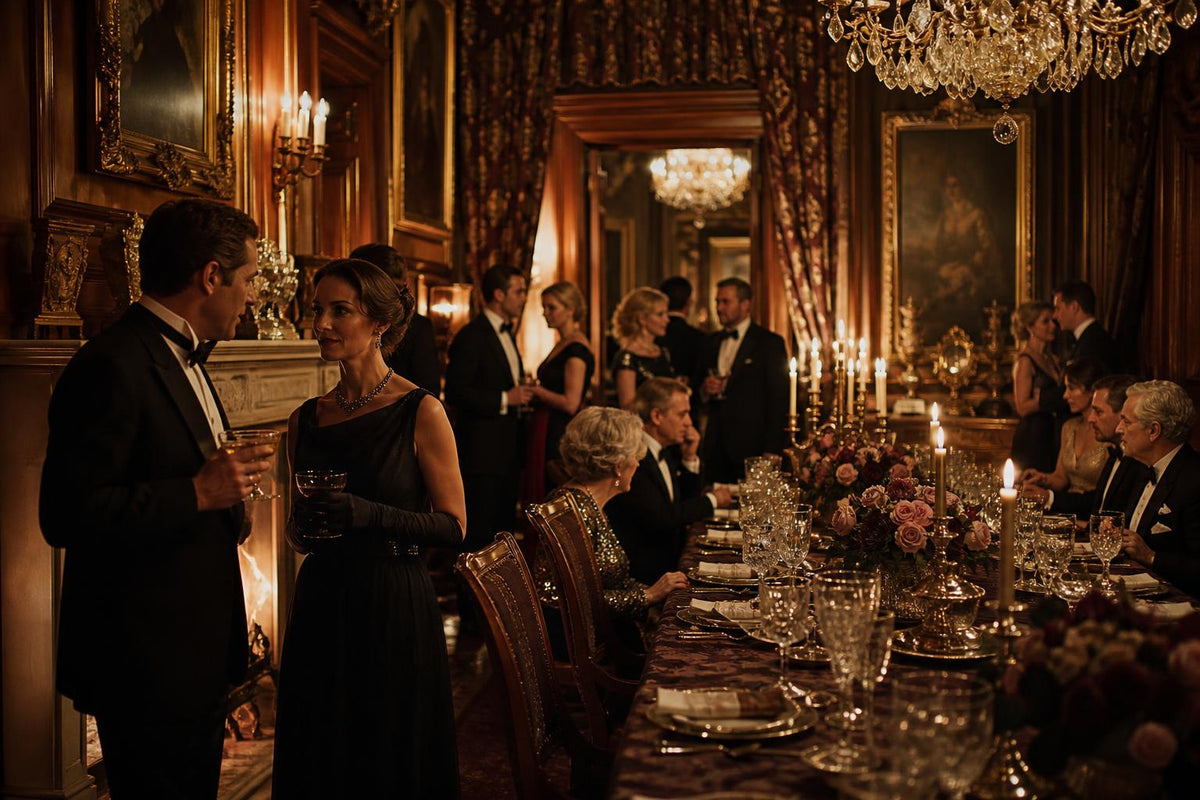
Introduction: Can a Murder Mystery Dinner Fill the Night?
A murder mystery dinner is designed to be more than a meal. It blends live entertainment, social interaction, and structured pacing into a single event, which is why many people wonder whether it can truly carry an entire evening on its own. In most cases, the answer is yes, but the experience depends on the format, venue, and how the night is organized.
What a Typical Evening Includes
Most murder mystery dinners run between 2.5 and 4 hours, according to common event formats used by restaurants, private hosts, and theater companies. That timing usually covers guest arrival, seating, introductions, multiple food courses, clue reveals, character interactions, and the final solution. Because the event unfolds in stages, it naturally fills time in a way that feels more dynamic than a standard dinner reservation.
More Than Just Dinner Service
Unlike a traditional night out, guests are not simply eating and leaving. They are listening for hints, questioning suspects, comparing theories, and reacting to twists as the story develops. This creates a sense of momentum throughout the evening. Even pauses between courses often serve a purpose, giving participants time to discuss motives or build suspense before the next reveal.
Why the Night Often Feels Longer
A key reason murder mystery dinners can satisfy a full evening is active participation. Research on immersive entertainment consistently shows that people perceive time differently when they are engaged in problem-solving and social play. A three-hour event can feel substantial because it combines several experiences at once: dining, theater, conversation, and game mechanics.
The Role of Group Energy
The atmosphere also matters. A lively group that embraces costumes, roleplay, or table discussion will usually experience a fuller, richer night than a quieter crowd. For example, a private party with assigned characters may feel closer to an interactive theater production, while a public restaurant event may lean more toward casual entertainment during dinner.
Setting Expectations Before You Book
Whether a murder mystery dinner is enough for the whole night depends on what guests want. If the goal is a complete social outing, it often delivers. If someone expects a late-night event lasting five or six hours, they may want to pair it with drinks before the show or conversation afterward. Understanding the expected runtime, meal pacing, and participation level helps set realistic expectations from the start.
What a Murder Mystery Dinner Includes
A murder mystery dinner is designed to be more than a meal. It combines dining, live entertainment, social interaction, and a structured storyline into one event, which is why it often fills an entire evening. While formats vary by venue and company, most experiences include several core elements that work together to create a complete night out.
A Multi-Course Meal and Themed Service
At its foundation, a murder mystery dinner includes food service, usually spread across multiple courses. In many venues, guests receive appetizers, a main course, dessert, and drinks over the course of two to four hours. This pacing matters because the meal is not separate from the show. Instead, the dining schedule is woven into the plot, with scenes unfolding between courses or during service breaks.
Themed menus are also common. A 1920s speakeasy mystery, for example, may feature classic cocktails and vintage-inspired dishes, while a manor-house whodunit may lean into formal dining. This detail helps create immersion and makes the event feel more substantial than a standard restaurant visit.
A Structured Interactive Story
The defining feature is the mystery itself. Guests are not simply watching actors perform; they are usually invited to observe clues, question suspects, and form theories before the final reveal. In some productions, attendees remain audience members, while in others they are assigned characters and become part of the action.
How the Plot Typically Unfolds
Most murder mystery dinners follow a staged sequence. The opening introduces the setting, characters, and conflict. A dramatic incident, usually the “murder,” occurs early enough to drive the evening forward. After that, clues, interrogations, red herrings, and unexpected twists are revealed in segments. This structure keeps attention high and gives the event momentum beyond the meal itself.
Because the mystery is broken into acts, guests stay engaged throughout the evening rather than experiencing one short performance and then idle time.
Live Performers, Hosting, and Audience Participation
Professional actors or trained hosts are another major part of the package. Their role is not only to perform but also to guide the room, manage pacing, and encourage participation. A strong host can keep energy levels up, explain rules clearly, and help hesitant guests feel comfortable joining in.
Participation Can Range from Light to Full Immersion
Some events ask guests only to guess the killer by the end of the night. Others involve improvisation, secret objectives, costume suggestions, or direct conversations with suspects. This flexibility is one reason murder mystery dinners appeal to such a wide audience, from couples seeking a unique date night to corporate groups planning team-building events.
Extras That Extend the Evening
Many murder mystery dinners also include added features that make the experience feel complete. These may include welcome drinks, photo opportunities, costume contests, prize giveaways, or post-show mingling. In private or premium events, organizers may add personalized roles, upgraded menus, or exclusive rooms.
A typical dinner service alone may last 90 minutes, but when combined with check-in, introductions, multiple performance segments, audience interaction, and the final solution, the total event often reaches three hours or more. That length is why many people find it sufficient for a full evening without needing additional entertainment plans afterward.
Typical Event Length and Format
A murder mystery dinner is usually designed to fill an entire evening, not simply provide a short after-dinner activity. In most cases, the full experience lasts between 2.5 and 4 hours, depending on the size of the group, the complexity of the script, and whether the event is hosted at home, in a private venue, or as part of a restaurant package. For many hosts wondering whether the format feels substantial enough, the answer is generally yes: the structure naturally combines dining, social interaction, entertainment, and problem-solving into one continuous experience.
Standard Duration for Most Events
For a typical private or corporate murder mystery dinner, three hours is a common benchmark. That timeframe allows enough room for guest arrival, character introductions, meal service, clue distribution, improvisation, and the final reveal. Commercial murder mystery venues often advertise events in the 2.5 to 3-hour range, while larger or more theatrical productions may stretch closer to four hours.
The pacing matters because the evening is not meant to feel rushed. Guests need time to settle in, understand their roles, and engage with the unfolding story. If the mystery is compressed too tightly, participants may miss clues or feel pressured rather than entertained. On the other hand, if it runs too long without structure, energy can dip. A well-planned format balances momentum with breathing room.
How the Evening Is Usually Structured
Most murder mystery dinners follow a recognizable sequence. While details vary by provider or host, the format tends to move through several stages that make the evening feel complete and immersive rather than fragmented.
Arrival and Character Setup
The first 20 to 30 minutes are often reserved for arrival, drinks, and introductions. During this period, guests receive character information, costume prompts if applicable, and a basic explanation of the rules. This opening is important because it eases people into the experience, especially first-time players who may feel unsure about roleplay.
In hosted home events, this stage can also include informal mingling in character. That social warm-up helps guests become comfortable before the central plot begins.
Dinner Service and Story Progression
The main body of the event usually unfolds over two to three courses. Between courses, the host or game materials introduce plot developments, secret motives, witness statements, or new evidence. This approach works well because it breaks the mystery into manageable segments and gives players natural pauses to discuss theories.
A common structure looks like this:
| Event Segment | Typical Length |
|---|---|
| Arrival and introductions | 20–30 minutes |
| First course and opening clues | 30–45 minutes |
| Main course and investigation | 45–60 minutes |
| Final clues and accusations | 30–45 minutes |
| Reveal and wrap-up | 15–30 minutes |
This format shows why the event often feels like a full night out. The dinner is not separate from the entertainment; it is woven directly into the story.
Factors That Affect Total Running Time
Not every murder mystery dinner lasts the same amount of time. Group size is one major factor. A party of 8 to 10 guests can move through conversations and accusations faster than a group of 20 or more, where everyone needs more time to speak and interact. Larger groups often produce richer discussion, but they also extend transitions and clue-sharing.
Another factor is the level of audience participation. Some games are lightly scripted and easy to follow, while others rely heavily on improvisation. Highly interactive formats can be incredibly engaging, but they may also run longer because guests spend more time questioning one another and developing theories.
Formal Versus Casual Formats
The overall feel of the event also shapes how long it seems to guests. A formal venue-based murder mystery dinner may include professional actors, timed service, and tightly managed scenes, creating a polished experience that stays close to schedule. By contrast, a home-hosted version often feels more relaxed and flexible. Guests may linger over food, chat out of character, or spend extra time debating suspects.
When It Feels Like a Full Evening
A murder mystery dinner usually feels substantial when the host allows enough time for both the meal and the mystery to breathe. If guests arrive around 6:30 p.m. and the reveal happens near 9:30 or 10:00 p.m., the event comfortably occupies the same space as a dinner party, small celebration, or night out. That makes it especially appealing for birthdays, team-building events, anniversaries, and holiday gatherings where people want more than just a meal but do not necessarily want to plan multiple separate activities.
Because the format combines entertainment with dining, it often delivers more perceived value than a standard dinner reservation alone. Guests are not only eating; they are participating, observing, guessing, and reacting throughout the night, which keeps engagement high across the full schedule.
How Dinner Service Affects Timing
The Meal Is More Than a Break
Dinner service plays a major role in determining whether a murder mystery dinner feels like a quick activity or a full evening out. While guests often focus on the performance, the pacing of food and drink service can add anywhere from 60 to 120 minutes to the total experience. In many venues, the meal is not separate from the entertainment. Instead, it becomes part of the structure that controls how quickly clues are delivered, how often actors interact with tables, and how much time guests have to discuss theories.
A standard three-course dinner usually includes seating, drink orders, appetizer service, entrée delivery, plate clearing, dessert, and final checks. Even in efficient restaurants, each stage takes time. Industry averages suggest that a casual-to-upscale dinner service commonly lasts 90 minutes or more, especially for groups. When that meal is paired with interactive theater, the evening naturally stretches further.
How Courses Shape the Event Timeline
The number of courses served has a direct effect on pacing. A buffet may move faster because guests serve themselves, often reducing dining time by 20 to 30 minutes compared with plated service. By contrast, a formal plated meal creates pauses between courses, and those pauses are often used for scripted scenes, interrogations, or clue reveals.
Plated Service vs. Buffet Timing
With plated service, the kitchen and waitstaff must coordinate delivery across multiple tables. If an event has 50 to 100 guests, serving all entrées at roughly the same time can take several minutes on its own. During that window, performers may need to pause major scenes so guests are not distracted while receiving food. This creates a stop-and-start rhythm that lengthens the event but can also make it feel more immersive and relaxed.
A buffet changes that dynamic. Guests move at different speeds, which can shorten formal pauses but may also scatter attention. In some productions, this means the mystery is simplified or spaced out differently to avoid missing key moments while people are away from their tables.
Service Speed and Guest Experience
The speed of dinner service does not just affect the clock; it shapes the overall mood. If courses arrive too slowly, guests may become restless and feel the event is dragging. If service is too fast, they may feel rushed and have less time to socialize, compare notes, or enjoy the theatrical elements. The best murder mystery dinners usually aim for a balanced cadence, where each course creates a natural transition between scenes.
Venue Logistics Matter
Different venues produce very different timelines. Hotels, banquet halls, and dedicated event spaces often handle large-group service more smoothly than small independent restaurants. A venue with an experienced banquet team may serve a room of 80 guests far faster than a standard dining room can. Staffing levels also matter. More servers generally mean quicker clearing, faster drink refills, and fewer delays between story beats.
Drinks, Desserts, and Extra Time
Beverage service is another hidden factor. A cash bar, wine pairings, or specialty cocktails can extend the evening because guests continue ordering between scenes. Dessert and coffee service often add 15 to 30 minutes, particularly when guests linger to discuss the solution or wait for the final reveal. For audiences wondering whether a murder mystery dinner is enough for a full night out, these small service elements often make the difference between a two-hour event and a three-hour experience.
Why Timing Feels Longer Than the Clock Shows
Interestingly, a well-paced dinner service can make the evening feel fuller without feeling slow. Because guests alternate between eating, watching, participating, and talking, the experience has more variety than a standard dinner reservation. That variety creates the sense of a complete night’s entertainment, even when the actual runtime is only modestly longer than a typical restaurant meal.
Pacing of the Mystery Game
Why pacing determines the success of the evening
The pacing of a murder mystery game is often the difference between an event that feels immersive and one that feels rushed or sluggish. For a full evening, the game must create a steady rhythm of discovery, discussion, and revelation. Most murder mystery dinner experiences last between 2.5 and 4 hours, which places pacing at the center of the guest experience. If clues arrive too quickly, players may solve the case before the meal or social interaction has fully unfolded. If the action drags, attention drops and the energy in the room fades.
A well-paced mystery game supports the broader structure of the night rather than competing with it. Guests are not only solving a fictional crime; they are also eating, talking, moving between conversations, and absorbing character details. That means the game should feel like a sequence of engaging beats instead of one continuous burst of information. Good pacing gives guests time to think, compare theories, and enjoy the dinner itself without feeling that they are missing critical developments.
How a mystery game typically unfolds over an evening
Most mystery dinner formats are designed in stages, and this structure naturally helps fill an evening. The opening 20 to 30 minutes usually focus on introductions, character setup, and the initial crime reveal. This period is important because it establishes motives, relationships, and tone. Guests need enough context to begin participating confidently, especially if some attendees are new to interactive games.
The middle portion often lasts 60 to 120 minutes and carries the bulk of the investigation. During this phase, players question one another, uncover hidden information, and test assumptions. This is where pacing must be handled carefully. Too many clues delivered at once can overwhelm players, while long gaps without new developments can make the experience feel repetitive. Strong game design spaces out revelations so that each round of discussion leads naturally into the next.
The final segment, usually 30 to 45 minutes, centers on accusation and resolution. This ending works best when the game has built enough momentum that guests feel invested in making a final guess. A satisfying resolution depends on the earlier pacing being balanced; players should feel challenged, but not confused or exhausted.
The role of clue timing
Clue timing is one of the most practical pacing tools. In many hosted games, clues are released between courses or at fixed intervals of around 15 to 25 minutes. This approach keeps the evening moving while allowing guests to eat and socialize. It also creates anticipation, since each new clue changes the direction of the investigation.
When clue drops are synchronized with the meal, the event feels more cohesive. For example, an appetizer course may accompany the crime reveal, the main course may align with deeper interrogations, and dessert may lead into final accusations. This structure helps the mystery feel substantial enough for a full evening rather than like a short activity inserted into dinner.
Matching pacing to guest expectations
Not every group responds to the same tempo. A highly theatrical group may enjoy rapid exchanges and dramatic reveals, while a mixed-age family gathering may need a slower, clearer structure. Audience familiarity matters as well. Experienced players can handle denser information and more red herrings, whereas first-time participants often benefit from extra breathing room between major developments.
Hosts should also consider group size. A table of six can move through discussions faster than a party of twenty, where every interaction takes longer. Larger groups generally need more structured pacing to ensure everyone stays involved. Without that structure, quieter guests may disengage while more vocal players dominate the investigation.
Signs the pacing is working
A well-paced mystery game keeps guests actively speculating throughout the night. People continue discussing motives between courses, revising their theories after each reveal, and staying curious about what comes next. The room should feel animated rather than chaotic, and the game should leave enough space for natural conversation.
When the pacing is right, the mystery becomes the framework for the evening instead of a distraction from it. That is why, for many hosts, the game itself can comfortably anchor the bulk of the event, especially when combined with dinner service, character interaction, and staged reveals that maintain interest from arrival through the final accusation.
What Happens Before the Show Starts
Arrival, Seating, and First Impressions
Before the scripted mystery begins, most murder mystery dinners ease guests into the evening with a structured pre-show period. In many venues, this lasts between 30 and 60 minutes, depending on group size, meal service style, and whether the event is private or public. During this time, guests check in, find their tables, order drinks, and settle into the atmosphere. That early window matters because it prevents the event from feeling rushed and helps the evening feel like a complete night out rather than a short performance attached to dinner.
For first-time attendees, this stage often answers an important question: will there be enough to do before the action starts? In practice, yes. Staff usually use this period to manage logistics smoothly, while performers may already be in character, creating light interaction from the moment guests arrive.
Character Introductions and Early Clues
Interactive moments before dinner service
A strong pre-show experience often includes informal character mingling. Actors may circulate through the room, introduce themselves with suspiciously dramatic backstories, or drop small hints that become relevant later. These early exchanges are not filler. They help guests learn names, understand relationships, and feel more comfortable participating once the mystery officially unfolds.
In some productions, guests also receive materials such as clue sheets, name badges, or role cards. If the event includes audience participation, these items can shape how involved each table becomes. Even simple introductions can improve engagement, especially in groups where some people are naturally quieter at first.
Food, Drinks, and Pacing
Why the pre-show affects the full evening
The time before the main plot starts also supports the overall pacing of the night. A dinner event is not only about solving a crime; it is also about enjoying a meal at a relaxed tempo. Venues often begin with cocktails, appetizers, or bread service before the first major scene. That means the evening already feels active well before the central mystery is underway.
The table below shows a common pre-show timeline:
| Pre-show element | Typical time |
|---|---|
| Guest arrival and check-in | 10–15 minutes |
| Seating and drink orders | 10–20 minutes |
| Actor mingling or introductions | 10–20 minutes |
| Opening announcements | 5 minutes |
Because of these layers, the pre-show period contributes significantly to the sense that a murder mystery dinner can comfortably fill an evening, especially when combined with multiple courses, scene breaks, and post-show conversation.
What Guests Usually Do After the Mystery Ends
The Shift From Structured Entertainment to Social Time
Once the final accusation is made and the culprit is revealed, most murder mystery dinners do not end abruptly. In practice, guests usually move into a more relaxed social phase that can last anywhere from 30 minutes to two hours, depending on the venue, group size, and event format. This matters when judging whether a murder mystery dinner fills an entire evening, because the formal game may end before the night itself feels finished.
For many groups, the reveal creates a natural burst of conversation. Guests compare notes, laugh about missed clues, and explain why they suspected the wrong person. That post-show discussion is often one of the most enjoyable parts of the event, especially for first-time attendees who want to revisit the twists and red herrings while the details are still fresh.
Dining, Drinks, and Photos
In restaurant-based events, guests often remain at their tables to finish dessert, order another drink, or continue chatting with the people around them. Industry event schedules commonly place the mystery portion at roughly 90 to 150 minutes, while food service can extend the total booking closer to three hours. The extra dining time is what often makes the evening feel complete rather than rushed.
Why the Atmosphere Stays Active
Even after the scripted portion ends, the room rarely goes quiet immediately. Cast members may stay in character for a short time, mingle with attendees, or pose for photos. In themed events, guests frequently take pictures in costume or with props, which adds another layer of entertainment beyond the core mystery. For birthday parties, corporate outings, and group celebrations, this photo-and-chat period can be especially valuable because it turns the event into a shared memory rather than just a performance.
Common Post-Event Patterns
What happens next often depends on the type of audience. Couples may head to a nearby bar, friends may keep talking in the parking lot or lobby, and corporate groups may use the ending as a transition into informal networking. At private events hosted in homes, guests often linger significantly longer than they would at a ticketed public show, simply because there is no pressure to clear the venue.
Public Events Versus Private Parties
At public ticketed dinners, venues usually operate on a tighter timetable, so guests tend to leave within 15 to 45 minutes after the reveal. At private parties, the timeline is more flexible, and the mystery may serve as the centerpiece of a broader evening that includes cocktails, music, or additional games. That distinction is important when estimating total event length, because the same mystery format can feel short in one setting and like a full night out in another.
What This Means for Evening Planning
For most attendees, the mystery ending is not the exact moment the evening ends. It is usually the point where structured entertainment gives way to unstructured socializing, which is why many guests leave feeling they had a full night’s experience.
When the Dinner Is Enough on Its Own
Understanding the Standalone Appeal
A murder mystery dinner can absolutely be enough for a full evening, but that depends on pace, structure, and guest expectations. In many cases, the event is designed to function as both dinner and entertainment, combining a multi-course meal with an unfolding story, character interaction, and audience participation. When those elements are balanced well, guests rarely feel that they need an additional activity afterward.
Most professionally hosted murder mystery dinners run between 2.5 and 4 hours, which places them in the same time range as a theater performance plus dinner. That duration is often ideal for birthdays, date nights, team outings, and small celebrations because it fills the prime social window of the evening without becoming exhausting. If guests arrive around 6:30 p.m. and the event ends near 9:30 or 10:00 p.m., many will consider the night complete.
What Makes Dinner Feel Sufficient
The dinner feels substantial when the event offers more than simply eating between scenes. A strong format spaces out clues, interrogations, and reveals so that the meal becomes part of the experience rather than a pause in it. Engagement is the deciding factor. If guests are actively listening, questioning suspects, comparing theories, and reacting to twists, the evening gains the momentum of a live show.
The Role of Meal Service
Food service has a direct impact on whether the event feels complete. A plated three-course meal naturally extends the timeline and creates rhythm, while a buffet can shorten the evening if guests move through it too quickly. Venues that coordinate scene changes with appetizer, entrée, and dessert service often create the most satisfying flow. In hospitality settings, diners typically spend 90 to 120 minutes at a standard full-service restaurant meal, so adding interactive entertainment can easily turn dinner into a full-night program.
Energy and Immersion
Immersion also matters. If guests are encouraged to dress in theme, play roles, or participate in solving the crime, they become emotionally invested. That investment makes the event feel larger than its schedule suggests. Even a three-hour experience can feel rich when it includes laughter, suspense, and social interaction.
When It Works Best as the Entire Evening
A murder mystery dinner is often enough on its own when the guest list includes people who enjoy conversation and shared experiences. Couples, friend groups, and corporate teams often appreciate an event that gives them a clear beginning, middle, and end. It is especially effective on weeknights or for groups that prefer one well-planned activity over bar hopping or multiple venue changes.
Ideal Occasions
Some occasions are particularly well suited to a standalone dinner experience. These include:
| Occasion | Why It Works Well |
|---|---|
| Date night | Combines dining, entertainment, and conversation |
| Birthday celebration | Feels special without requiring extra logistics |
| Team event | Encourages collaboration and lighthearted interaction |
| Family gathering | Offers structure that keeps everyone engaged |
Signs You May Not Need Anything Afterward
If the event includes a full meal, lasts at least three hours, and ends with a memorable final reveal, it will usually satisfy most guests. Add in a strong host, smooth pacing, and opportunities for participation, and the dinner becomes the evening itself, not just the opening act. In those cases, any post-event plans are more of a bonus than a necessity.
When to Add More Evening Activities
A murder mystery dinner often feels substantial because it combines dining, social interaction, and live entertainment in one package. In most cases, these events last between two and four hours, depending on the venue, group size, and how interactive the format is. That range is enough for many guests, especially on a weeknight, but it may not always create the sense of a complete night out that some hosts or attendees expect. Knowing when to add more evening activities depends on timing, audience energy, and the overall purpose of the gathering.
Consider the Total Event Length
The first factor is simple: how long the dinner actually runs. If the event lasts closer to two hours, guests may leave feeling entertained but not fully immersed in an evening experience. By contrast, a three-and-a-half-hour production with multiple courses, clue reveals, and audience participation usually feels complete on its own. Duration shapes perception, and even a difference of 45 minutes can affect whether the night feels brief or satisfying.
A useful benchmark is the average length of a traditional dinner outing. In many restaurants, a full-service meal lasts around 90 minutes to two hours. If your murder mystery dinner only slightly exceeds that, adding another activity can help distinguish it from a standard meal and make the occasion feel more memorable.
Match the Plan to the Occasion
The reason people are attending matters just as much as the clock. For a casual weekday outing, guests often prefer a self-contained event that ends at a reasonable hour. In that setting, adding more activities may feel unnecessary or even tiring. For birthdays, anniversaries, corporate celebrations, or destination weekends, however, attendees often expect a broader itinerary.
Special Events Often Need More Structure
When guests have dressed up, traveled across town, or booked childcare, they may want the evening to feel worth the effort. In those cases, a post-dinner lounge visit, dessert stop, or themed after-party can extend the momentum naturally. The more significant the occasion, the more valuable a layered evening becomes.
Watch Guest Energy and Group Dynamics
Not every group responds the same way to an interactive dinner. Some guests leave energized and eager to keep socializing, while others feel mentally full after solving clues, following the plot, and engaging with performers. This is especially true for larger groups, where conversation and participation can already be intense.
Signs You Should Add Something Else
If the dinner ends early, the group is still lively, and people are asking, “What’s next?” that is a strong indicator more activity would be welcome. On the other hand, if the event ends after 9:30 p.m. and guests are already winding down, extending the night may reduce enjoyment rather than increase it.
Choose Low-Pressure Add-Ons
The best extra activities do not compete with the main event. A quiet cocktail bar, scenic walk, late-night coffee, or dessert reservation works better than something demanding another major time commitment. Add-ons should complement the murder mystery, not overshadow it. This approach keeps the evening flexible while giving guests the option to continue socializing if the dinner itself ends sooner than expected.
Planning for Different Group Types
Corporate Teams and Professional Mixes
When deciding whether a murder mystery dinner can carry an entire evening, group type matters as much as event length. Corporate teams often need a structure that balances entertainment with comfort, especially when attendees include executives, new hires, and clients. In these settings, a typical event runs between 2.5 and 4 hours, which usually fits well into an after-work schedule. The dinner service creates natural pauses, while the mystery gives people a shared objective that reduces awkward small talk.
Pacing for Networking and Participation
For professional groups, pacing should leave room for conversation rather than forcing constant performance. A heavily interactive script may energize outgoing participants, but quieter guests often engage better when clues are delivered in stages. This format keeps the evening inclusive and prevents the experience from feeling like an improv exercise. If the goal is team bonding, adding a short reception before the first scene can make the night feel fuller without stretching the mystery itself too thin.
Family Gatherings and Mixed Ages
Family groups bring a different rhythm. When multiple generations attend, the event needs to account for attention spans, meal timing, and content suitability. A murder mystery dinner for families often works best at around 2 to 3 hours, particularly if children or older relatives are present. The appeal comes from collaborative problem-solving, but the tone should stay light enough to remain fun rather than intense.
Keeping Everyone Involved
A family event feels more complete when each age group has a role in the experience. Younger guests may enjoy simple clue tracking, while adults can handle more detailed deductions. Hosts should also consider practical factors such as earlier start times and shorter scene transitions. These adjustments help the evening feel satisfying instead of overlong, which is important because mixed-age groups tend to lose momentum faster than adult-only parties.
Friends, Celebrations, and Highly Social Groups
For birthdays, reunions, or friend groups, a murder mystery dinner can easily become the centerpiece of the night. These groups usually tolerate longer runtimes, especially when the event includes cocktails, themed costumes, or post-dinner socializing. In practice, 3 to 5 hours is often realistic because the mystery blends with the broader celebration rather than standing alone as a tightly timed program.
Matching Energy to Expectations
Social groups often want a more theatrical experience, but expectations should still be managed. If guests assume the mystery is only one part of a larger night, adding music, photos, or awards can extend the entertainment value. If they expect a compact dinner event, a streamlined mystery may feel more polished. The best evening length depends on how the group naturally interacts, not just on the script or menu.
Venue, Travel, and Schedule Factors
How the Venue Shapes the Evening
Whether a murder mystery dinner feels like a complete night out often depends on where it is hosted. A private dining room in an upscale restaurant creates a different rhythm than a hotel ballroom, community hall, or home setting. Restaurants usually keep service moving in coordinated courses, which helps the event maintain momentum over two to three hours. Larger venues may allow more elaborate staging, but they can also introduce pauses between scenes, meal service, and guest movement.
Space, Comfort, and Pacing
The physical layout matters more than many hosts expect. If guests are crowded, cannot hear key clues, or must frequently relocate, the experience can feel longer in a tiring way rather than fuller in an entertaining one. By contrast, a well-designed room with clear sightlines, comfortable seating, and enough space for performers or participant interaction makes the evening feel polished. Good pacing is often a venue issue as much as a script issue.
Travel Time Changes Perceived Event Length
A three-hour dinner event may feel like a five-hour commitment once travel is included. In urban areas, average evening travel can easily add 30 to 60 minutes each way depending on traffic, parking, or public transport schedules. For suburban or destination venues, the total commitment may be even greater. That matters because guests usually judge whether an event is “enough” based on the full block of time it occupies, not only the runtime of the performance itself.
Arrival Windows and Buffer Time
Most successful events build in a 15 to 30 minute arrival window before the mystery formally begins. This allows for check-in, drinks, seating, and late arrivals without disrupting the opening scene. If the venue has difficult parking or a complex entrance, hosts should extend that buffer. A realistic schedule prevents stress and improves immersion, especially for guests who are new to interactive entertainment.
Coordinating the Rest of the Night
Schedule factors also include what happens before and after the dinner. A start time of 7:00 p.m. often means guests begin getting ready by 5:30 or 6:00, and many will not return home until 10:30 or later. In practical terms, that already fills a standard evening. If the event is scheduled on a weekday, tighter timing becomes even more important, while weekend bookings allow more flexibility for cocktails, photos, or post-show conversation that extends the experience naturally.
How to Build a Full Evening Timeline
Start with Arrival and Atmosphere
A murder mystery dinner can absolutely anchor an entire night, but the key is building a well-paced timeline around it. Most successful events last between 3.5 and 5 hours, depending on group size, meal format, and how interactive the mystery is. Rather than treating the game as a single activity, think of the evening as a sequence of experiences that gradually raise energy, deepen engagement, and keep guests comfortably occupied.
The first 30 to 45 minutes should focus on arrival, drinks, and social settling-in. This window matters more than many hosts expect. Guests need time to check in, find seats, meet other players, and absorb the setting before the mystery begins. If costumes or character cards are involved, this period also allows everyone to transition into the theme naturally. A rushed opening can make the event feel fragmented, while a relaxed start creates anticipation.
Sample opening schedule
A practical example is guest arrival at 6:30 p.m., with light drinks and introductions until 7:00 p.m. By that point, most attendees are present, conversations are flowing, and the host can explain the rules without interrupting late arrivals. This simple structure helps the evening feel intentional from the beginning.
Divide the Mystery Across the Meal
For most groups, the strongest format is to spread the mystery across dinner rather than isolating it before or after eating. A typical dinner service with three courses works especially well because each course can support a different phase of the game. This creates natural pacing breaks and prevents cognitive fatigue.
From roughly 7:00 to 7:20 p.m., the host can introduce the scenario, assign roles, and present the inciting incident. The first course then begins, giving guests time to discuss motives and clues. Between 7:45 and 8:15 p.m., the second phase can reveal new evidence, secret information, or witness statements. The main course keeps people engaged while also giving them time to process developments. Dessert, served around 8:30 p.m., pairs well with final accusations and theory-building.
Why pacing matters
If the mystery runs continuously for two straight hours, attention often drops. By contrast, alternating food service and gameplay maintains momentum. Event planners frequently use this rhythm because structured pauses improve participation, especially in groups where some guests are naturally quieter than others.
Leave Room for the Ending and Social Time
The final 30 to 45 minutes should cover the solution, awards, and post-game conversation. If the reveal happens around 9:00 p.m., guests still have time to compare suspicions, take photos, and enjoy a final drink. That social decompression is part of what makes the evening feel complete rather than abruptly finished.
Adjust for Group Size and Style
Smaller groups of 6 to 8 people may move faster and finish in about 3 hours, while larger groups of 12 or more often need closer to 4.5 hours. Cocktail-style service also changes timing, since plated dinners provide clearer transitions. When the schedule includes arrival time, staged reveals, meal intervals, and a relaxed ending, the event feels like a full night out rather than a single themed activity.
Conclusion: Is It Enough for a Full Evening?
For most groups, a murder mystery dinner is absolutely enough for a full evening. A typical event lasts between 2.5 and 4 hours, which places it comfortably alongside other night-out experiences such as dinner service, live theater, or a feature film with drinks afterward. Because the format combines a meal, interactive entertainment, conversation, and a structured storyline, it often feels fuller than a standard dinner reservation.
Why the Timing Works
The evening naturally unfolds in stages, from arrival and introductions to clue gathering, character interaction, meal courses, and the final reveal. That pacing helps guests stay engaged without feeling rushed. In many cases, venues also build in time for cocktails, photos, or post-show discussion, extending the experience further.
Best Fit for Different Plans
If your goal is a complete social night, the format usually delivers on its own. If you want a longer celebration, it also pairs easily with drinks before the event or a casual stop afterward. The real answer depends less on the clock and more on how interactive, theatrical, and leisurely you want your evening to feel.
FAQ: Common Questions About Murder Mystery Dinner Timing
How long does a murder mystery dinner usually last?
Most murder mystery dinners run between 2.5 and 4 hours, depending on the format, guest count, and whether a full meal is served in multiple courses. Restaurant-hosted events often follow a tighter schedule, while private parties may stretch longer because of socializing and slower pacing.
Is it enough for a full evening out?
Yes, in most cases it is. A standard evening event that starts around 6:30 or 7:00 p.m. often keeps guests engaged until 9:30 or 10:30 p.m. That places it firmly in the range of a typical dinner-and-entertainment night.
What can make it feel shorter or longer?
The biggest factors are meal service speed, the complexity of the mystery, and audience participation. If guests love improvising, questioning suspects, and discussing clues between courses, the experience feels fuller and more immersive.
Should guests arrive early?
Arriving 15 to 30 minutes early is usually smart. Early arrival allows time for seating, drinks, character introductions, and any pre-show instructions, helping the mystery begin on schedule without rushed transitions.


