Introduction to Murder Mystery Costumes
Murder mystery parties thrive on atmosphere, and costumes are one of the fastest ways to create it. Before a single clue is revealed, clothing signals status, motive, personality, and even possible guilt. A well-chosen outfit helps guests step into character, making the game more immersive and memorable. Whether the setting is a glamorous 1920s manor, a noir-inspired city lounge, or a Victorian estate, the right costume anchors the entire experience and gives every participant a stronger sense of role.
Why Costumes Matter in a Murder Mystery
Unlike ordinary party attire, murder mystery costumes do more than look stylish. They function as visual storytelling tools. A sharply tailored suit can suggest wealth or authority, while a feathered headband, long gloves, or antique brooch can instantly place a character in a specific era. According to event planners in themed entertainment, guests who dress in character are typically more engaged in roleplay because costumes reduce self-consciousness and encourage interaction. When people look the part, they are more likely to act the part.
Balancing Theme, Character, and Comfort
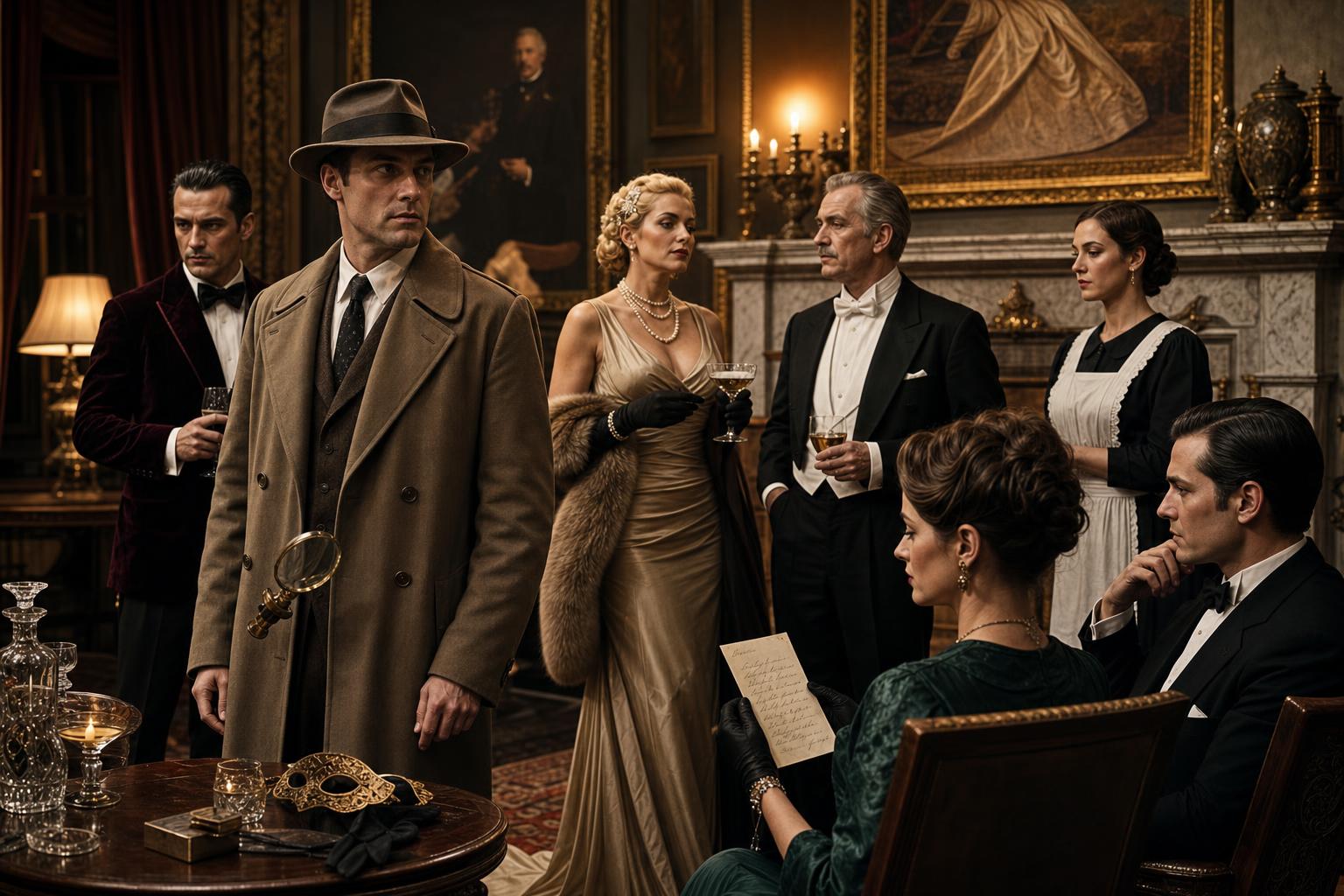
The best costume choices combine authenticity with practicality. Guests should aim for outfits that reflect the event’s setting while still allowing them to move, mingle, and participate comfortably for several hours. A detective might wear a trench coat and fedora, while a socialite could choose a satin gown with dramatic jewelry. These recognizable details make characters easier to identify and help the story unfold naturally.
Small Details Make a Big Difference
Accessories often carry as much impact as the main outfit. Pocket watches, gloves, canes, pearls, suspenders, and vintage-style shoes can transform simple clothing into a convincing ensemble. Even color choices matter. Dark tones may suggest secrecy or menace, while rich jewel tones can imply luxury and influence. A costume does not need to be expensive to be effective; thoughtful styling often creates a stronger impression than elaborate spending.
Setting Expectations for the Rest of the Party
An introduction to murder mystery costumes should also reassure readers that participation can be as simple or as theatrical as they prefer. Some guests enjoy full period dress, while others build a character with a few signature pieces. Both approaches work when they support the story. The goal is not perfection but immersion, helping every guest feel like an essential suspect, witness, or investigator in the unfolding drama.
Choosing a Character and Theme
Selecting the right persona is the foundation of a memorable murder mystery costume. Before thinking about fabrics, props, or makeup, it helps to decide who you want to be and what kind of mystery world you want to step into. A strong character choice makes every other costume decision easier, from color palette to accessories to the way you carry yourself throughout the event.
Start With the Mystery Setting
The first step is choosing a theme that matches the atmosphere of the party. Murder mystery events often revolve around a specific era or setting, and that context shapes the most convincing costume ideas. A 1920s speakeasy mystery calls for flapper dresses, pinstripe suits, feathered headbands, and polished shoes. By contrast, a Victorian manor storyline leans toward lace, waistcoats, brooches, gloves, and darker, more formal silhouettes.
Theme matters because it creates visual consistency. According to event planning surveys, guests are more likely to participate fully when the dress code is clear and immersive. A cohesive theme helps everyone feel part of the same story, which improves the overall experience and makes group photos look far more dramatic and polished.
Match the Character to Your Personality
Once the setting is clear, choose a role that feels fun and natural to play. Some guests enjoy being the suspicious detective, while others prefer the glamorous socialite, mysterious widow, butler, mob boss, or eccentric inventor. Picking a character that suits your comfort level can make roleplaying much easier. If you like commanding attention, a wealthy host or theatrical villain may be ideal. If you prefer subtle interaction, a quiet witness or observant investigator can be just as effective.
Balancing Style and Practicality
A great costume should look impressive without becoming uncomfortable after an hour. Long capes, heavy wigs, or restrictive shoes may fit the character, but they can also limit movement and distract from the fun. The best murder mystery costumes combine visual impact with wearability. For example, a detective outfit can be as simple as a trench coat, tie, notebook, and hat, while still being instantly recognizable.
Use Visual Clues to Define the Role
Strong costume design relies on recognizable details. Color, texture, and accessories all communicate something about the character before you even speak. Dark tones often suggest secrecy or authority, while jewel tones can imply wealth and confidence. Props such as magnifying glasses, gloves, pearls, pocket watches, or faux dossiers add depth and help other guests identify your role quickly.
Creating a Backstory Through Costume
Even small details can suggest a larger narrative. A torn glove, a crooked tie, or a lipstick-stained handkerchief can hint at scandal, panic, or hidden motives. These visual clues are especially effective in murder mystery settings because they encourage conversation and speculation. A costume becomes more engaging when it tells part of the story, giving other players something to notice, question, and remember as the night unfolds.
Classic Detective Costume Ideas
The Enduring Appeal of the Detective Look
A classic detective costume remains one of the most recognizable choices for a murder mystery party because it instantly signals curiosity, intelligence, and authority. Inspired by literary icons, film noir investigators, and vintage police sleuths, this style works across decades and settings. Whether the event is set in Victorian London, the roaring 1920s, or a smoky mid-century crime scene, a detective outfit can be adapted with only a few key pieces. That flexibility makes it especially useful for guests who want a costume that feels polished without being overly complicated.
The most familiar version draws from Sherlock Holmes-inspired fashion. A tweed coat, structured cape, or long overcoat creates the right silhouette, while a deerstalker hat adds unmistakable character. Pairing these with neutral trousers, leather gloves, and sturdy boots gives the costume a practical, investigative feel. Texture matters as much as color, so wool, herringbone, plaid, and brushed cotton all help create an authentic period effect.
Building the Signature Detective Style
A strong detective costume usually starts with outerwear. Trench coats are especially effective because they are linked to generations of fictional investigators, from hard-boiled private eyes to modern crime solvers. Beige, charcoal, brown, and dark olive are dependable color choices because they look serious and photograph well in low light. Underneath, a crisp button-down shirt, waistcoat, or tie can sharpen the appearance and suggest a methodical personality.
Accessories help transform basic clothing into a convincing character. A magnifying glass is the most iconic prop, though a notebook, pocket watch, or old-fashioned camera can also support the role. If the party encourages theatrical details, a pipe prop or leather satchel can reinforce the vintage atmosphere. Small additions often do more than expensive costume pieces, especially when they align with the detective’s backstory.
Hair, Makeup, and Character Details
Grooming can subtly define the type of detective being portrayed. Sleek hair and a neat mustache suggest a disciplined investigator, while tousled hair and faint under-eye shading create the impression of a brilliant but overworked sleuth. Makeup should remain understated unless the party has a dramatic noir theme. In that case, stronger contouring and darker eye definition can heighten the cinematic effect.
Variations for Different Mystery Themes
Not every detective costume needs to look identical. A Victorian detective benefits from layered tailoring, patterned fabrics, and antique-style accessories. A 1920s investigator may wear a fedora, suspenders, and a double-breasted coat, echoing the era’s urban sophistication. A 1940s noir detective often leans on a trench coat, muted tie, and polished shoes, creating a look associated with classic crime cinema.
Making the Costume Feel Personal
The best detective costumes include a hint of personality. A guest might play a meticulous inspector who labels every clue, a rebellious private investigator with a rumpled coat, or a glamorous sleuth with tailored gloves and sharp jewelry. According to the British Fashion Council, heritage fabrics like tweed and wool remain enduring staples in period-inspired styling, which explains why they continue to anchor detective costumes so effectively. By combining recognizable symbols with era-specific details, guests can create a detective look that feels both authentic and memorable.
Suspect Costume Ideas
Building a Believable Suspect Look
A great suspect costume should do more than look stylish; it should instantly suggest motive, mystery, and personality. In a murder mystery party, suspects are often the most scrutinized characters, so their outfits need visual clues that spark conversation. The best suspect costumes balance theatrical flair with recognizable archetypes, making it easy for other guests to read the role at a glance. A polished look can also help players stay in character longer, which strengthens the overall experience of the game.
When choosing a suspect costume, start by thinking about the character’s social position, era, and possible connection to the victim. A wealthy heir, a jealous spouse, and a shady business partner may all be suspects, but each should project a different kind of tension. Clothing color matters as well. Dark jewel tones, black, burgundy, emerald, and navy often create a dramatic effect, while sharp tailoring or vintage silhouettes can suggest status and hidden secrets. Accessories should never feel random; they should hint at a backstory.
Classic Suspect Archetypes
The Wealthy Socialite
The wealthy socialite remains one of the most popular suspect types because the costume is both glamorous and suspicious. Think satin gowns, faux fur stoles, long gloves, pearls, and a carefully styled hairstyle. For men, a tuxedo, pocket square, polished shoes, and a signet ring create the same effect. This archetype works especially well in 1920s, 1930s, or modern high-society mystery themes. Luxury in costume design often implies power, and in mystery storytelling, power naturally raises suspicion.
A socialite suspect should appear immaculate, but not approachable. The outfit should communicate that the character is used to privilege and may have much to lose. A champagne glass prop, dramatic red lipstick, or a jeweled brooch can become useful visual details that other players remember during the game.
The Mysterious Stranger
The mysterious stranger is effective because ambiguity creates instant intrigue. A trench coat, dark hat, leather gloves, and understated formalwear can turn a simple costume into a compelling suspect look. In period settings, a long wool coat and scarf can suggest someone who arrived unexpectedly with unfinished business. In contemporary settings, monochrome clothing and sleek accessories create a similarly guarded impression.
This character benefits from restraint. Instead of overloading the costume, focus on silhouette and mood. Hidden eyes behind tinted glasses or a hat brim can make the suspect seem evasive. Guests often respond strongly to costumes that leave room for interpretation, and that uncertainty is ideal in a murder mystery setting.
Details That Strengthen Suspicion
Fabric, Color, and Texture
Texture can subtly shape how a suspect is perceived. Velvet suggests old money and drama, lace can imply romance or manipulation, and leather often signals danger or rebellion. Combining textures adds depth without requiring a complicated costume. For example, a velvet blazer over a crisp white shirt creates a refined but slightly intimidating look. According to event styling trends, tactile fabrics consistently perform well in themed parties because they photograph better and help costumes feel more immersive.
Color psychology also plays a role. Red may imply passion, anger, or scandal. Black often conveys secrecy and authority. Deep green can suggest greed, while white can be used ironically to make a suspect appear innocent. Strategic color choices help communicate character before a single word is spoken.
Props and Character Signals
Props can transform a standard outfit into a memorable suspect costume. A cane, vintage watch, sealed letter, opera gloves, cigarette holder, or monogrammed handkerchief can all suggest hidden relationships and possible motives. The key is to choose one or two props that support the role rather than distract from it. A suspect carrying too many items may look more comedic than convincing.
Small details are often the most persuasive. A lipstick stain on a collar, a torn cuff, or a missing glove can imply recent conflict. These visual cues encourage interaction because other players notice them and begin asking questions. That makes the costume part of the gameplay, not just decoration.
Adapting Suspect Costumes to Party Themes
Different mystery themes call for different suspect styling. In a Roaring Twenties setting, fringe dresses, pinstripe suits, feathered headbands, and Art Deco jewelry fit naturally. In a Victorian mystery, high collars, brocade waistcoats, cameo brooches, and tailored coats create the right atmosphere. For a modern mansion mystery, sleek cocktail wear, designer-inspired accessories, and sharp evening suits feel appropriate.
The most successful suspect costumes are those that match the event’s tone while still standing out. A suspect should look like they belong in the story, yet seem impossible to ignore. That combination keeps the character visually credible and dramatically compelling, giving every accusation, glance, and alibi more impact as the mystery unfolds.
Victim Costume Ideas
Creating a Memorable Victim Look
In any murder mystery party, the victim is often the character that sets the entire plot in motion. A well-designed victim costume should feel believable, visually distinctive, and connected to the story’s setting. Whether the mystery takes place in a 1920s mansion, a modern corporate retreat, or a spooky Halloween gathering, the victim’s outfit should instantly communicate who they were before the dramatic downfall. Strong costume choices help guests understand the character’s role and make the mystery more immersive from the start.
A victim costume does not need to be overly complicated. In fact, many effective looks are built from familiar clothing styles with a few carefully chosen details. A glamorous dress with a torn hem, a tuxedo with a suspicious stain, or a lab coat with dramatic accessories can all work well. The key is to balance theatrical flair with the tone of the event.
Popular Victim Costume Themes
One of the most common victim ideas is the wealthy socialite. This look works especially well for formal mystery dinners because it suggests status, secrets, and possible motives. Think elegant eveningwear, sparkling jewelry, and polished hair, paired with a detail that hints at the crime, such as a broken necklace or smudged makeup. This type of costume immediately creates intrigue and gives other characters plenty to react to.
Classic Character Types
Another strong option is the powerful business executive. A tailored suit, expensive watch, and sleek shoes create an image of authority, while a loosened tie or damaged briefcase can suggest the chaos surrounding the character’s final moments. This theme fits modern murder mystery settings and can be adapted for both men and women.
The eccentric inventor is another favorite, especially in playful or theatrical mysteries. Goggles, a vest, unusual props, and slightly disheveled styling can make the character visually memorable. This kind of victim often adds humor and originality to the party while still serving the central plot.
Details That Sell the Costume
Makeup, Props, and Story Clues
Small details often make the biggest impact. Makeup can be used to create a pale complexion, dramatic shadows, or subtle injury effects without becoming too graphic. Props such as a diary, champagne glass, invitation, or key can also reinforce the victim’s identity and suggest hidden relationships. According to event planners, themed accessories often improve guest engagement because they provide visual clues that spark conversation.
When choosing a victim costume, it helps to consider the character’s backstory, social position, and connections to the suspects. The best victim costumes do more than look dramatic; they support storytelling and encourage guests to dive deeper into the mystery as the party unfolds.
Host and Butler Costume Ideas
Creating a Distinctive Host Look
In a murder mystery party, the host character often sets the tone before the first clue is even revealed. A strong host costume should communicate authority, polish, and a touch of theatrical flair. Classic inspiration usually comes from wealthy estate owners, elegant dinner party organizers, or charismatic socialites from the 1920s through the 1950s. A well-tailored tuxedo, velvet smoking jacket, or dark formal suit instantly signals status and sophistication. Pairing this with a crisp white shirt, cufflinks, and polished dress shoes helps create a convincing period-inspired appearance.
Accessories That Elevate the Role
Small details make the host costume feel intentional rather than generic. A pocket watch, silk bow tie, signet ring, or folded pocket square can add visual richness without overwhelming the outfit. If the mystery has a vintage setting, a cane or cigarette holder can reinforce the era. For a modern wealthy host, sleek watches and minimalist formalwear may work better. Color also matters. Deep black, burgundy, navy, and emerald often project luxury, while gold accents suggest old-money elegance.
Butler Costumes That Feel Authentic
The butler is one of the most recognizable roles in any murder mystery, and the costume should reflect discipline, discretion, and professionalism. Traditionally, a butler outfit includes a black tailcoat or formal jacket, black trousers, a white dress shirt, and a black bow tie. In many classic depictions, the butler may also wear white gloves, which immediately make the role more visually identifiable. The goal is to create a look that appears neat, controlled, and slightly understated, since butlers are often written as observant characters who notice more than they say.
Practical Styling for Comfort and Character
Because murder mystery parties can last several hours, comfort is just as important as accuracy. Breathable fabrics and properly fitted shoes can make a major difference, especially if the person playing the butler is serving drinks, greeting guests, or staying in character throughout the event. A serving tray, notepad, or faux silver platter can function as both prop and costume enhancer. These additions help guests recognize the role instantly and can even support interactive storytelling during the game.
Matching the Costume to the Story Setting
The best host and butler costumes reflect the event’s setting. A Victorian manor mystery calls for more formal, old-fashioned attire, while a roaring twenties party may favor tuxedos with satin lapels and art deco accessories. In a contemporary mansion mystery, the host might wear designer eveningwear, while the butler could appear in a streamlined hospitality uniform. According to event planning surveys, themed costumes can increase guest participation by over 60%, largely because clothing helps players step into character faster and interact more confidently.
Balancing Stereotype and Originality
While familiar costume cues are useful, adding a unique twist makes the character memorable. A host with dramatic jewelry or a butler with an impeccably pressed red vest can stand out without breaking the theme. The most effective costumes combine recognizable archetypes with personal details that invite suspicion, curiosity, and conversation.
Glamorous Socialite Looks
Defining the Glamorous Socialite Aesthetic
A glamorous socialite costume captures the polished confidence of someone who lives at the center of every party, charity gala, and whispered scandal. In a murder mystery setting, this character instantly adds intrigue because their appearance suggests wealth, influence, and carefully curated charm. The look should feel luxurious without becoming costume-shop generic. Think of old Hollywood elegance blended with modern high-society polish, where every detail appears intentional and expensive.
The foundation of this style usually begins with a dramatic evening outfit. A floor-length satin gown, a sleek cocktail dress, or a fitted velvet ensemble can all work beautifully depending on the tone of the event. Rich colors such as black, emerald, ruby, champagne, and navy tend to communicate sophistication more effectively than neon shades. Fabrics matter just as much as color, since satin, silk, sequins, and velvet reflect light in a way that immediately signals glamour.
Signature Fashion Elements
Accessories are what transform a nice formal outfit into a believable socialite costume. Statement jewelry is essential, whether that means chandelier earrings, layered pearl strands, a sparkling cuff bracelet, or an oversized cocktail ring. Faux diamonds photograph especially well under party lighting, making them a practical choice for themed events. A structured clutch, long gloves, or a faux fur stole can add even more drama and help establish the character before they say a word.
Hair, Makeup, and Presence
Hair and makeup should look refined rather than casual. Soft waves, a sleek bun, or a glossy blowout all fit the role. Makeup can lean bold, with red lipstick, winged eyeliner, highlighted cheekbones, and defined brows creating a camera-ready finish. The goal is to appear as though the character expects attention at all times. Confidence is part of the costume, so posture, poise, and deliberate gestures help sell the illusion.
Building Character Through Details
A glamorous socialite becomes even more compelling when the outfit hints at personality. A vintage brooch might suggest old money, while a trend-forward metallic dress could imply a younger, publicity-savvy heiress. If the murder mystery has a 1920s theme, add Art Deco jewelry and a beaded gown. For a 1950s setting, consider a cinched-waist dress with opera gloves. In a contemporary storyline, a designer-inspired jumpsuit paired with oversized sunglasses can feel equally convincing.
Props That Elevate the Look
Props can deepen the character without overwhelming the costume. A champagne flute, invitation card, silk scarf, or monogrammed clutch suggests someone accustomed to exclusive spaces. Even a fake tabloid clipping or dramatic pair of sunglasses can imply hidden secrets beneath the polished exterior. These additions work especially well in murder mystery games, where visual storytelling helps other guests immediately understand the role and suspect motives.
The best glamorous socialite looks balance elegance, theatricality, and character-driven detail, making them ideal for players who want to stand out while staying perfectly in theme.
Gangster and Noir Character Outfits
Defining the Noir Look
Gangster and noir costumes remain popular in murder mystery parties because they instantly signal danger, glamour, and secrecy. Rooted in 1920s through 1950s crime films, these outfits blend sharp tailoring with dramatic accessories, helping guests step into roles that feel cinematic and easy to recognize. A well-built noir costume does more than look stylish; it establishes status, motive, and personality before a single line of dialogue is spoken.
For men, the classic gangster silhouette usually starts with a dark or pinstripe suit, often in black, charcoal, or deep navy. Wide lapels, suspenders, polished dress shoes, and a crisp white shirt create the foundation. A fedora is almost essential, since it became one of the most enduring visual markers of organized crime characters in American pop culture. Adding a pocket watch, tie bar, or leather gloves can make the outfit feel more authentic without becoming overly theatrical.
Building a Female Noir Ensemble
Women’s gangster and noir-inspired outfits often combine elegance with an undercurrent of menace. A satin dress, fitted pencil skirt, or tailored jumpsuit in black, burgundy, emerald, or silver can evoke the smoky atmosphere of classic detective films. Faux fur stoles, elbow-length gloves, and vintage-inspired heels add sophistication, while a small clutch or cigarette holder prop reinforces the period mood.
Hair, Makeup, and Attitude
Hair and makeup are crucial to selling the noir aesthetic. Finger waves, victory rolls, or sleek side parts work especially well, depending on the era being referenced. Makeup should feel dramatic but controlled, with defined brows, winged eyeliner, and deep red lipstick being reliable choices. The goal is not simply to look glamorous, but to project mystery and confidence, which are central to many femme fatale and nightclub singer characters.
Accessories That Tell a Story
The best gangster and noir costumes use accessories to suggest a backstory. A detective-style trench coat may imply surveillance or hidden loyalties, while a violin case, fake stack of cash, or costume jewelry can hint at criminal dealings. Props should remain lightweight and party-safe, but they can still communicate a lot about a character’s role in the mystery.
Below is a quick reference for pairing costume elements with common archetypes:
| Character Type | Key Clothing Pieces | Signature Accessories |
|---|---|---|
| Mob Boss | Pinstripe suit, vest, fedora | Pocket watch, cigar prop, cane |
| Femme Fatale | Satin dress, gloves, heels | Clutch, pearls, faux fur stole |
| Private Detective | Trench coat, suit, tie | Notebook, hat, magnifying glass |
| Nightclub Singer | Sequined gown, shawl | Long necklace, microphone prop |
Balancing Style and Practicality
A successful outfit should be visually striking while still comfortable enough for several hours of socializing, dining, and clue-solving. Breathable fabrics, secure footwear, and layers that can be removed are practical choices, especially for indoor events. Thrift stores and vintage-inspired retailers are excellent sources, and many effective looks can be assembled without high cost. In fact, combining modern basics with a few period-defining accessories often creates a more believable costume than relying on a single novelty set.
Making the Character Memorable
To stand out, guests should align clothing with behavior. A mob enforcer in a neat double-breasted suit may speak little but command attention, while a jazz club owner in a shimmering dress may appear charming yet unreadable. Costume becomes most effective when it supports performance, helping every entrance, glance, and accusation feel more immersive for everyone involved.
Historical Murder Mystery Costumes
Why historical settings elevate the mystery
A historical murder mystery instantly adds atmosphere, intrigue, and visual richness to any party. Costumes inspired by past eras help guests step into character more easily, whether they are portraying a suspicious Victorian widow, a sharp-tongued 1920s socialite, or a brooding aristocrat from the Edwardian period. The appeal lies in the details: structured silhouettes, dramatic accessories, and fabrics that signal status, profession, or hidden motives. Because murder mystery games rely on storytelling, historical clothing becomes more than decoration; it acts as a clue to personality, class, and possible secrets.
From a practical standpoint, historical themes are also popular because they are recognizable. According to museum and fashion archive references, the Victorian era spanned 1837 to 1901, while the Edwardian period followed from 1901 to 1910, and the Roaring Twenties covered the decade after World War I. Each era offers a distinct look, making it easier for guests to identify roles and immerse themselves in the setting.
Victorian costumes: drama and suspicion
Victorian murder mystery costumes are especially effective because the era itself is associated with foggy streets, candlelit estates, and strict social rules. Women’s outfits often feature long skirts, high necklines, lace gloves, cameo brooches, and fitted bodices. Men can wear waistcoats, frock coats, pocket watches, and polished boots. Dark jewel tones, black velvet, and deep burgundy work particularly well for creating a moody, suspicious appearance.
Character ideas within the Victorian theme
A governess costume can suggest quiet intelligence and hidden knowledge, while a wealthy heiress in satin and pearls may appear glamorous but guarded. A detective-inspired look, complete with a tailored coat and notebook, gives a guest a built-in role in the unfolding mystery. Historical accuracy does not need to be perfect, but a few signature pieces can make the costume convincing and memorable.
Edwardian elegance with underlying tension
Edwardian fashion softens some of the heaviness of the Victorian period while maintaining a refined, upper-class image. This makes it ideal for manor-house murder mysteries or train-based plots. Women’s costumes may include flowing skirts, elaborate hats, and delicate blouses, while men can wear morning suits, cravats, or military-inspired formalwear. The result is polished and elegant, yet still full of dramatic potential.
Using accessories to signal character
Accessories are often what transform a generic period outfit into a compelling murder mystery costume. A monocle may hint at arrogance, a lace parasol can suggest social status, and a pair of leather gloves might imply secrecy. Small visual cues help other players read the character instantly, which strengthens the game experience.
1920s historical mystery style
The 1920s remain one of the most requested murder mystery themes, largely because the fashion is both iconic and accessible. Flapper dresses, feathered headbands, tuxedos, suspenders, and two-tone shoes immediately evoke jazz-age glamour. This era also suits a wide range of character types, from nightclub singers to bootleggers and ambitious detectives.
Blending authenticity with comfort
For modern parties, comfort matters. Choosing lightweight fabrics, low-heeled period shoes, and simplified layers allows guests to stay in character without feeling restricted. A historically inspired costume should feel expressive rather than theatrical, helping every guest participate fully in the mystery.
Funny and Lighthearted Character Ideas
Not every murder mystery party needs a cast filled with brooding detectives and sinister aristocrats. Funny and lighthearted characters can energize the room, break tension, and make guests more comfortable improvising. In fact, party planners often find that comedic roles help quieter attendees participate, because humor lowers the pressure to perform perfectly. Within a murder mystery costume lineup, these characters add color, unpredictability, and memorable interactions.
Why Comedic Characters Work So Well
A well-placed humorous role creates contrast. When every guest is overly serious, the event can feel stiff. By comparison, a flamboyant gossip, an overly dramatic psychic, or a clueless socialite gives the story texture. Comedy also encourages conversation, which is essential in a mystery format where clues, motives, and suspicions need to circulate naturally.
Hosts can use these roles to balance darker themes. For example, a bumbling magician who insists every problem can be solved with a card trick offers comic relief while still fitting the theatrical atmosphere. Likewise, a self-proclaimed inventor wearing mismatched gadgets can become an instant talking point.
Costume Ideas That Instantly Signal Humor
The Overconfident Amateur Detective
This character works especially well because they believe they are the smartest person in the room while missing obvious clues. A trench coat, oversized magnifying glass, notebook, and exaggerated mustache immediately communicate the joke. The humor comes from attitude as much as costume, so dramatic accusations and wild theories complete the look.
The Eccentric Fortune Teller
Flowing scarves, costume jewelry, layered fabrics, and a crystal ball prop make this role visually striking. The character can deliver absurd predictions, hint at secrets, and misread nearly every situation. This type of role is useful because it blends comedy with plot development.
The Chaotic Party Host
A frazzled host character in an overly formal outfit can be hilarious, especially if they are constantly trying to maintain elegance while everything falls apart. Stained gloves, crooked bow ties, or a sash that reads “Perfect Host” can heighten the effect.
Keeping the Tone Playful Without Losing the Mystery
The best funny characters still serve the story. Their costumes should be amusing, but not so distracting that they derail the game. A strong comedic character supports the mystery through interaction, whether by spreading rumors, misdirecting suspicion, or revealing clues in ridiculous ways. When chosen carefully, these roles make the party feel lively, approachable, and far more entertaining for every guest.
Group Costume Coordination Tips
Start with the Story and Cast
A memorable group look begins with a shared narrative. In a murder mystery setting, costumes work best when every outfit clearly supports a role, such as detective, heiress, butler, jazz singer, mob boss, or suspicious guest. Before anyone shops, define the event’s era and tone. A 1920s speakeasy mystery calls for fringe, pinstripes, pearls, and fedoras, while a Victorian manor theme leans toward lace, waistcoats, gloves, and darker palettes. When the group agrees on a time period first, the costumes feel intentional rather than random.
Build Visual Cohesion Without Looking Identical
Coordination does not mean matching exactly. The strongest group costumes usually share two or three unifying elements, such as color palette, fabric texture, or accessory style. For example, one group might use black, burgundy, and gold across every character, while another may tie everyone together with vintage hats or dramatic gloves. This approach keeps each person distinct while making the ensemble look polished in photos.
Use Character Hierarchy Wisely
Not every costume should demand equal attention. Main characters, such as the detective or victim, can wear more visually striking pieces, while supporting roles use subtler styling. This creates balance and helps guests quickly understand who is who. In themed events, visual clarity matters because people often make first impressions in under seven seconds, so recognizable costume cues are especially useful.
Plan Practical Details Early
Comfort and logistics are often overlooked, yet they strongly affect how successful a group costume feels throughout the event. Make sure footwear suits the venue, layers work for the temperature, and props are easy to carry. A cane, notebook, magnifying glass, or faux jewelry can elevate a look, but oversized props may become inconvenient after an hour. If the party includes dinner, dancing, or games, costumes should allow people to sit, move, and interact naturally.
Coordinate Through a Shared Reference Board
A simple digital mood board can prevent mismatched interpretations. Collect reference images, fabric ideas, and accessory examples in one place so everyone understands the target aesthetic. This is especially helpful for larger groups, where small inconsistencies can weaken the overall effect. Assigning one person to review final outfit photos before the event can also improve consistency without making the process complicated.
Balance Budget, Creativity, and Accuracy
Great group costumes do not require expensive purchases. Thrifted blazers, costume jewelry, suspenders, and vintage-inspired dresses can create convincing results at a fraction of retail cost. Focus spending on high-visibility details like hats, wigs, makeup, or statement accessories, since these elements often communicate character fastest.
DIY Costume Accessories and Props
Why Accessories Matter
In a murder mystery ensemble, accessories and props often define the character more clearly than the clothing itself. A simple black dress can become a 1920s socialite look with a beaded headband, long gloves, and a faux pearl necklace. Likewise, a plain suit transforms into a detective costume when paired with a fedora, notebook, and magnifying glass. These details help guests recognize roles instantly and make the overall presentation feel intentional rather than improvised.
Budget-Friendly DIY Ideas
Creating memorable costume pieces does not require expensive materials. Many effective props can be made from household items, thrifted finds, or craft store basics. Cardboard, spray paint, felt, ribbon, and costume jewelry are especially versatile. For example, a “vintage” cigarette holder can be crafted from a paper straw painted black and tipped with silver tape, while an old brooch can add authenticity to an aristocratic or theatrical character.
Character-Specific Prop Inspiration
For detective characters, focus on practical-looking items. A small notepad, toy badge, or folded newspaper instantly suggests investigation. For glamorous suspects, consider feather boas, costume rings, and embellished clutch bags. Villainous or mysterious characters benefit from props such as lace masks, dark gloves, or ornate canes. If the theme leans historical, details like pocket watches or cameo-style jewelry can reinforce the era. Props should support the story without overwhelming the costume.
Making Props Look Convincing
The most successful DIY accessories share one trait: visual consistency. If your murder mystery party has a Victorian setting, bright plastic pieces can break the illusion. Painting modern items in metallic gold, matte black, or antique bronze helps them appear more believable. Fabric trims, faux gems, and weathering techniques using diluted brown paint can also create an aged effect. Even inexpensive materials can look polished when colors and textures match the character’s world.
Safety and Practicality
Props should be lightweight, easy to carry, and safe in crowded party spaces. Avoid sharp edges, heavy materials, or anything that could stain clothing. Toy weapons, if used, should be clearly fake and party-appropriate. Comfort matters too, especially for events lasting several hours. A prop that is easy to hold and instantly recognizable will always be more effective than one that is elaborate but awkward.
Finishing Touches That Elevate the Look
Small finishing touches often make the strongest impression. A handwritten invitation tucked into a pocket, a monogrammed handkerchief, or a fake clue card can add personality and encourage roleplay. These subtle DIY additions help transform a costume from decorative to immersive, making each character feel like part of a living mystery.
Budget-Friendly Costume Planning
Start with the Character, Not the Shopping Cart
A convincing murder mystery look does not require a premium budget. The smartest approach is to define the character’s role, era, and personality before buying anything. A strict detective, glamorous heiress, shady bartender, or eccentric inventor can each be built from everyday basics when the visual cues are clear. This prevents overspending on random accessories that do not strengthen the costume.
Build Around Closet Staples
Most budget-friendly costumes begin with clothing already on hand. A black blazer can become a detective’s jacket, a white button-down can suit a butler or suspect, and a long dress can transform into vintage evening wear with the right styling. According to consumer spending surveys, seasonal costume purchases often rise because shoppers buy complete outfits instead of adapting existing pieces. Repurposing what you own first is usually the biggest money saver.
Use Accessories for Instant Character Signals
Accessories do the heavy lifting. A thrifted brooch, costume pearls, suspenders, gloves, or a pocket watch can quickly communicate status and backstory. Even low-cost props such as a notebook, magnifying glass, feathered headband, or faux cigar can make a simple outfit feel intentional. Focus on one or two recognizable details rather than buying a full set of themed items.
Shop Strategically
Thrift stores, resale apps, discount retailers, and party supply shops are often better sources than specialty costume stores. Prices for secondhand blazers, vests, and hats are frequently far lower, especially outside October. If planning for a group, coordinate a shared color palette or era so everyone looks cohesive without matching exactly.
Prioritize Fit and Presentation
Even inexpensive costumes look polished when they fit well and are neatly styled. Steam wrinkled fabrics, polish shoes, and use simple makeup or hairstyling to complete the illusion. Presentation often matters more than price, especially in character-driven events like murder mystery parties.
Conclusion: Bringing the Mystery to Life
Turning Costumes into Character
A great murder mystery party succeeds when costumes do more than look stylish; they communicate personality, motive, and era at a glance. Whether guests arrive as a sharp-eyed detective, a glamorous heiress, a suspicious butler, or a shadowy villain, the right outfit helps everyone step confidently into the story. Clothing choices, accessories, and small theatrical details can transform a simple gathering into an immersive experience that feels far more memorable than an ordinary themed event.
Why Details Matter
The most effective costume ideas balance creativity with recognizability. A trench coat and notebook instantly suggest an investigator, while pearls, velvet gloves, or a dramatic cape can establish status, secrecy, or danger. According to event planners, themed parties with strong visual participation often generate higher guest engagement because attendees feel more involved in the narrative. Even modest additions, such as vintage hats, costume jewelry, fake mustaches, or prop magnifying glasses, can create a stronger sense of play without requiring a large budget.
Creating a Cohesive Mystery Atmosphere
When every character has a distinct look, the entire party setting becomes richer and more believable. Coordinated costumes help guests interact more naturally, spark conversation, and support the suspense that makes murder mystery events so entertaining. From classic noir to roaring twenties drama, the best costume choices set the stage for unforgettable accusations, clever alibis, and surprising reveals.
FAQ: Murder Mystery Costume Questions
How accurate should a murder mystery costume be?
A strong costume should be recognizable, comfortable, and appropriate for the event’s setting. Absolute historical accuracy is not always necessary unless the party has a strict theme, such as a 1920s speakeasy or Victorian manor. In most cases, guests respond best to outfits that clearly signal character type through silhouette, color, and accessories. For example, a detective often reads instantly with a trench coat, notebook, and polished shoes, even without museum-level period detail.
Can you build a great look on a budget?
Yes, and many memorable costumes are assembled from existing wardrobe pieces. Thrift stores, costume rental shops, and simple accessory upgrades can create a polished result for far less than buying a full outfit. Accessories do much of the storytelling. A string of pearls, leather gloves, pocket watch, feathered headband, or faux magnifying glass can transform basic clothing into a character-driven ensemble.
What if you do not want to dress in full costume?
A subtle approach works well, especially for first-time players or workplace events. Choose one or two signature elements that suggest the role without becoming theatrical. A dark suit with a vintage tie can imply a suspicious heir, while a sleek black dress with dramatic jewelry can suggest a glamorous socialite. The goal is to support immersion while still feeling confident and comfortable throughout the evening.


