

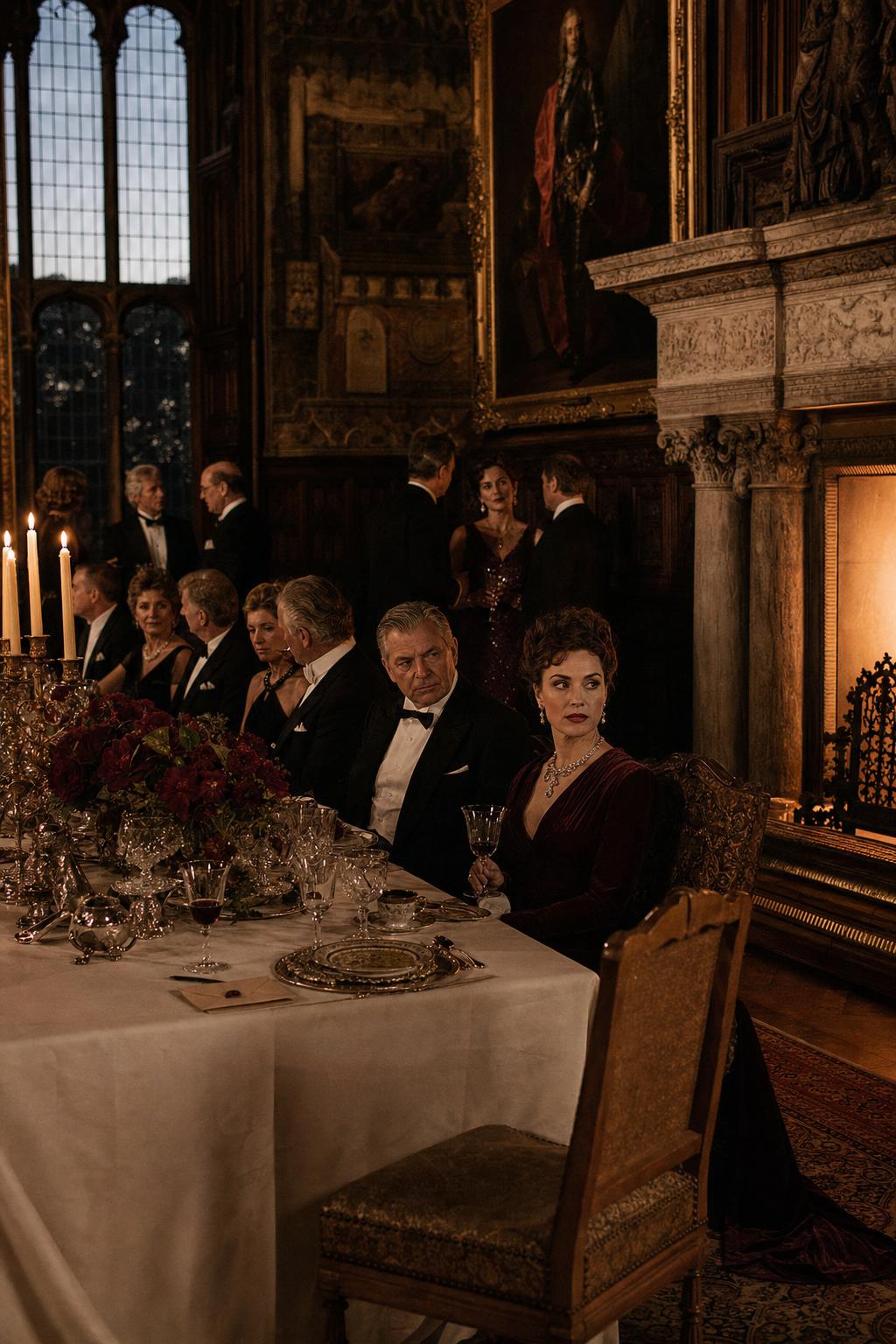
Introduction to a Castle Murder Mystery Dinner
A murder mystery dinner in a castle combines immersive theater, social gaming, and fine dining into one unforgettable evening. Set against stone halls, candlelit chambers, and centuries-old architecture, the experience invites guests to step into a world of aristocratic intrigue where every glance, whisper, and toast may hide a clue. Unlike a standard dinner party, this format turns attendees into active participants in a dramatic storyline shaped by secrets, motives, and a carefully timed fictional crime.
Why the Castle Setting Changes Everything
The setting is more than decoration. A castle naturally creates atmosphere through its scale, history, and sense of isolation. Research in event psychology consistently shows that environment strongly influences emotional engagement, and themed venues can significantly increase participant immersion. In a murder mystery dinner, that immersion matters because guests are not simply watching events unfold; they are helping drive them. High ceilings, echoing corridors, and historic dining rooms make the narrative feel immediate and believable in ways a conventional venue rarely can.
A Perfect Match for Nobility and Suspicion
Castle murder mysteries often draw on themes of inheritance, political rivalry, forbidden romance, and family scandal. These elements fit seamlessly with the image of nobility, where power and reputation carry enormous weight. A missing will, a disputed title, or a hidden betrayal becomes more compelling when staged in a grand ancestral home. The result is a setting where elegance and danger coexist, giving every interaction dramatic tension.
What Guests Can Expect
Most castle murder mystery dinners begin with character introductions, either assigned in advance or revealed on arrival. Guests may play nobles, servants, investigators, or outsiders with questionable intentions. Over several courses, the plot unfolds through scripted scenes, improvised conversations, planted evidence, and surprise revelations. Some events are highly structured, while others allow broader roleplay and deduction.
Dining, Drama, and Participation
Food remains an essential part of the experience, but it supports the story rather than interrupting it. A formal banquet can become the stage for accusations, alliances, and shocking discoveries. In many professionally produced events, groups receive clue packets, private objectives, or hidden background details that shape how they interact. This blend of performance and participation is what makes the format so memorable: every guest has the chance to influence the evening while trying to uncover who committed the crime, why it happened, and which secrets are still waiting to surface.
Why Castles Make the Perfect Setting
Atmosphere Built for Suspense
A castle offers something few modern venues can match: instant atmosphere. Thick stone walls, echoing corridors, candlelit chambers, and towering gates create a setting that feels naturally dramatic before a single character speaks. For a murder mystery dinner, that atmosphere matters because the environment shapes how guests feel. In a castle, every creak of a floorboard and flicker of torchlight can heighten tension and make even ordinary interactions seem loaded with meaning.
Historically, castles were designed for defense, privacy, and displays of power. Many European castles date from the 11th to the 16th centuries, and their architecture reflects a world of political intrigue, shifting alliances, and guarded secrets. That historical reality makes the setting especially believable for a plot involving betrayal, inheritance disputes, hidden motives, and suspicious deaths. Guests do not need to stretch their imagination very far; the location already suggests danger and deception.
A Natural Home for Noble Characters
Status, hierarchy, and conflict
Castles are inseparable from ideas of rank and privilege, which makes them ideal for stories centered on nobles, servants, and ambitious outsiders. A murder mystery thrives on conflicting interests, and a castle naturally brings those interests together under one roof. A lord may be protecting a title, a widow may be guarding a family secret, and a guest may be seeking influence or revenge. The social structure of castle life gives every character a plausible reason to hide information or manipulate others.
This setting also supports richer roleplay. Guests can easily step into the identities of dukes, ladies, advisors, heirs, or household staff because the castle provides visual and historical cues that reinforce those roles. Costumes, formal dining traditions, and ceremonial spaces all help participants feel immersed in the story rather than merely observing it.
Architecture That Supports the Plot
Rooms with storytelling power
A castle is not just visually impressive; it is structurally useful for mystery writing. Great halls, private chambers, towers, libraries, kitchens, and hidden passages allow scenes to unfold in varied and memorable ways. A confrontation in a banquet hall feels very different from a whispered confession in a chapel corridor. That variety keeps the narrative dynamic and gives hosts multiple opportunities to stage clues, red herrings, and dramatic reveals.
Many castles also contain genuine historical features that enhance authenticity. Spiral staircases, enclosed courtyards, and restricted servant routes can all be woven into the logic of the crime. If a suspect claims they could not have reached a chamber in time, the layout itself becomes part of the investigation.
The Emotional Impact on Guests
More than almost any other venue, a castle creates immersive emotional stakes. Guests feel transported into another era, and that sense of removal from everyday life encourages participation. Instead of simply attending dinner, they enter a world where etiquette, suspicion, and survival matter. That transformation is what makes a castle setting so powerful for a murder mystery: it turns the evening into an experience that feels grand, intimate, and deliciously dangerous at once.
The Noble World of Lords and Ladies
Rank, Title, and Social Power
In a castle-set murder mystery, the world of lords and ladies provides more than elegant costumes and refined manners; it creates a social structure packed with tension, privilege, and hidden rivalry. Historically, the British peerage was divided into five principal ranks: duke, marquess, earl, viscount, and baron. Below them stood the landed gentry, knights, clergy, military officers, and influential merchants, all of whom might appear at a noble household for dinner, negotiation, or scandal. Each title carried expectations about wealth, land, marriage, and loyalty, making every introduction politically charged.
A lord was not simply a wealthy man. He was often a landholder with legal influence, tenant relationships, and family obligations stretching back generations. A lady, likewise, was not merely decorative. Noblewomen managed estates, arranged alliances, supervised servants, and protected family reputation. In many periods, especially when husbands were absent due to war, politics, or travel, women of rank exercised substantial practical authority within the household.
Life Inside the Castle
Ceremony and Routine
Daily life among the nobility balanced luxury with strict order. Meals were formal, seating reflected status, and even conversation followed unwritten rules. In great houses and castles, the noble family occupied private chambers, while servants worked through corridors, kitchens, and back staircases largely unseen. This separation of spaces created ideal conditions for secrecy, overheard conversations, and carefully concealed movements.
A medieval or aristocratic household could include dozens of servants, from stewards and housekeepers to valets, maids, cooks, and footmen. By the 19th century, some major aristocratic homes employed 20 to 40 indoor servants, while the largest estates had far more when outdoor staff were included. Such a hierarchy meant that power did not rest only with titled figures. A butler who knew everyone’s habits or a lady’s maid who handled private letters could become crucial to any mystery.
Appearance and Expectation
Clothing signaled rank immediately. Fine fabrics, jewelry, gloves, and tailored evening dress marked wealth, but they also acted as armor in a world obsessed with appearances. Nobility were expected to remain composed, even under pressure. A trembling hand at dinner or a delayed reply to a direct question could attract dangerous attention.
Secrets Beneath the Polished Surface
The noble world was built on reputation, and reputation was fragile. Marriages often involved property, inheritance, and political advantage as much as affection. A hidden debt, an illegitimate heir, a forged will, or a forbidden romance could threaten an entire family line. Under systems of primogeniture, estates frequently passed to the eldest son, leaving younger siblings dependent on marriage, military careers, or family favor. That pressure naturally bred jealousy.
Why Nobility Fits a Murder Mystery
Motive in Every Chamber
A castle full of aristocrats is the perfect setting because everyone has something to protect. One guest may fear social ruin, another financial collapse, and another exposure of a decades-old betrayal. Status raises the stakes. When power, inheritance, and public honor are on the line, even a polite dinner conversation can feel like a duel.
The result is a setting where elegance and danger exist side by side. Behind every toast, title, and practiced smile lies the possibility that someone in the great hall has far more to lose than they admit.
Building the Deadly Plot
Designing a Mystery That Feels Inevitable
A memorable murder mystery dinner in a castle depends on a plot that is both surprising and believable. Guests should feel, by the final reveal, that the crime could only have unfolded this way. In a noble setting filled with inherited titles, rival estates, and whispered scandals, the strongest plots grow from motive rather than spectacle. A poisoned goblet, a missing signet ring, or a locked tower chamber can create drama, but these devices matter only when tied to human ambition, fear, jealousy, or revenge.
In historical-style mysteries, the most effective structure often follows a classic three-layer design. The first layer is the public story, such as a celebration, engagement banquet, or inheritance announcement. The second layer is the hidden conflict, perhaps a disputed lineage, unpaid wartime debt, or secret political alliance. The third layer is the murder itself, which erupts when the hidden conflict threatens to become public. This layered approach gives every conversation weight, because even casual remarks may conceal dangerous stakes.
Establishing Motive in a Noble Household
In a castle setting, motive should emerge naturally from the pressures of rank and reputation. Aristocratic families were historically shaped by property law, arranged marriages, and succession disputes, making them ideal foundations for fictional intrigue. Before the murder occurs, the host should establish what each major character stands to gain or lose. A widowed duchess may fear financial ruin. A younger son may resent being excluded from inheritance. A steward may know enough secrets to destroy the family name.
The Most Effective Motive Types
The most compelling motives usually combine personal emotion with material consequence. Jealousy alone can feel thin, but jealousy tied to a title, estate, or political advantage becomes far more convincing. Revenge is similarly stronger when rooted in a specific injustice, such as a ruined marriage contract or a false accusation years earlier. Greed, blackmail, and self-preservation also work well because they create urgency. In interactive dinner mysteries, urgency is essential; if characters can simply wait until tomorrow, the plot loses tension.
A useful benchmark is to ensure that at least three suspects have credible motives. This prevents the mystery from feeling predetermined. Readers and players engage more deeply when suspicion can move logically from one person to another as new information appears.
Planting Clues Without Revealing Too Much
A deadly plot succeeds when clues are visible in hindsight but not obvious in the moment. This balance is difficult, yet it is what separates a satisfying mystery from a random twist. Studies of reader engagement in crime fiction consistently show that audiences value fair-play clues, meaning the solution is discoverable from information already presented. For a dinner event, that means clues should be woven into dialogue, props, seating arrangements, and character behavior.
Using the Castle as an Active Part of the Plot
The castle should function as more than a backdrop. Its architecture can shape the investigation and deepen suspense. A medieval fortress may contain narrow staircases, servant passages, private chapels, and drafty galleries where overheard conversations become plausible. A Victorian castle-inspired manor might feature libraries, conservatories, and portrait halls that hide letters or coded messages. Physical space creates opportunity: who had access to the tower, who knew the hidden corridor, and who could move unseen during the feast?
Environmental Clues That Strengthen Suspense
Weather and isolation can heighten the plot without overwhelming it. A storm that cuts off the road, a failed lantern in the west wing, or a locked gate after midnight all increase pressure. These details work because they limit escape and force confrontation. They also reinforce one of the genre’s most effective principles: the suspects must remain together long enough for secrets to surface.
Balancing Red Herrings and Real Evidence
Red herrings are essential, but they must arise from character truth. A countess hiding love letters, a chaplain concealing gambling debts, or a captain lying about his whereabouts can all appear guilty without being the killer. The key is that false leads should reveal meaningful information, not waste attention. Even when a clue misdirects, it should deepen the world, expose relationships, or sharpen motive.
A well-built deadly plot turns every secret into pressure. By the time the murder is uncovered, guests should feel that the castle was never merely hosting a dinner; it was containing an explosion waiting for a single fatal spark.
Creating Unforgettable Characters
A murder mystery dinner set in a castle lives or dies by its cast. Atmosphere may draw guests in, but characters make them care. In a story built on suspicion, shifting loyalties, and hidden motives, memorable personalities turn a simple whodunit into an immersive experience. When every guest suspects the countess, fears the steward, or pities the disgraced heir, the evening gains emotional texture that lingers long after dessert.
Why Character Matters in a Castle Mystery
In a noble setting, characters carry the weight of tradition, status, and scandal. A castle is never just a backdrop; it is a machine that amplifies personality. The lord of the estate may feel entitled to obedience, while a lady’s maid may know more than anyone because she moves unseen through private chambers. Social hierarchy creates instant tension, and tension is the engine of mystery.
Strong characters also help players navigate the plot. Research in interactive storytelling consistently shows that audiences remember motives and relationships more clearly than isolated clues. If guests understand who resented the victim, who stood to inherit land, and who feared exposure, they become more invested in solving the crime. Character, then, is not decoration. It is structure.
Building Distinct Roles
The most effective mystery casts balance recognizable archetypes with surprising depth. Guests enjoy stepping into roles they can quickly understand, but they remember the ones that reveal unexpected layers. A duke can begin as arrogant and end up heartbreakingly protective. A quiet librarian can appear harmless yet hold the key to a decades-old betrayal.
Give Every Character Three Essential Elements
Each role should have a visible identity, a private desire, and a dangerous secret. The visible identity is what everyone sees at first glance: the ambitious nephew, the stern housekeeper, the charming military officer. The private desire gives the character momentum, whether that is love, revenge, money, or freedom. The dangerous secret raises the stakes and gives the player something to protect.
For example, a bishop attending the dinner may appear morally upright, privately crave political influence, and secretly know that the victim forged family records. That combination creates conflict without requiring pages of exposition. Players can perform the role immediately while still discovering complexity as the night unfolds.
Using Noble Tropes Without Becoming Predictable
Castle mysteries benefit from familiar figures such as heirs, widows, servants, and visiting dignitaries. These roles fit the setting and help guests enter the story quickly. However, predictability weakens suspense. The answer is not to avoid tropes, but to twist them intelligently.
Add Contradictions That Feel Human
An unforgettable character contains friction. The feared baron might be deeply superstitious. The glamorous widow may be drowning in debt. The loyal butler could despise the family he serves. Contradictions make characters believable because real people are rarely consistent. They also create excellent red herrings, since guests often misread behavior that does not fit a stereotype.
Historical inspiration can help here. In aristocratic households of the 18th and 19th centuries, inheritance disputes, arranged marriages, and political alliances often shaped private life as much as affection did. Bringing those pressures into character design makes motives feel grounded rather than melodramatic.
Writing Dialogue That Reveals Character
Dialogue should do more than deliver clues. It should express rank, education, temperament, and emotional control. A countess may speak in polished, indirect phrases, while a stable master is blunt and observant. Distinct voices help guests remember who is who, especially in larger groups of 8 to 20 players, a common size for hosted mystery dinners.
Let Information Hide Inside Personality
Instead of having a character plainly announce facts, let those facts emerge through attitude. A jealous cousin does not say, “I was excluded from the will.” He says, “My uncle always preferred prettier, weaker people.” The information is there, but it arrives wrapped in resentment. That emotional framing makes the clue more memorable and the character more vivid.
Connecting Characters Through Secrets
The best mystery ensembles are webs, not lines. Every major character should connect to at least two others through history, obligation, romance, rivalry, or blackmail. This creates a living social map that players can explore. If the chef once served in the army with the colonel, and the colonel knows the maid is the earl’s illegitimate daughter, the story gains momentum through revelation.
A useful design principle is to ensure that no secret exists in isolation. Every hidden truth should threaten someone else. That is how a deadly plot feels inevitable rather than accidental, and how a castle full of nobles becomes a stage for unforgettable suspicion.
Secrets, Motives and Hidden Agendas
Why every suspect has something to lose
In a castle-set murder mystery dinner, secrets are the engine of suspense. A noble household appears polished on the surface, yet beneath the etiquette, alliances and whispered promises shape every conversation. Guests are not simply present to enjoy a feast; they arrive carrying debts, grudges, ambitions, and fears. This layered social world is what makes the investigation compelling. In classic mystery structure, a believable crime rarely emerges from nowhere. It grows from pressure, and pressure is created when characters have something valuable to protect.
Within an aristocratic setting, motives often become sharper because status determines survival. A damaged reputation could end a marriage negotiation, weaken a political alliance, or expose financial ruin. Historically, noble families depended on inheritance, land income, and advantageous unions to preserve influence. Even in fictionalized castle dramas, these realities give motives weight. A baron may conceal bankruptcy, a lady may hide an illegitimate heir, and a trusted steward may know enough to destroy the family name. The murder matters because the truth threatens more than one life; it threatens an entire order.
The most effective hidden agendas in a castle mystery
Power disguised as loyalty
One of the strongest hidden agendas is the pursuit of power under the appearance of service. A chamberlain, advisor, or younger sibling may present as loyal while quietly manipulating events to gain control. This works especially well in noble settings because hierarchy encourages deference. Characters can hide ambition behind protocol, making betrayal more shocking when it is revealed.
A useful example is the heir who seems dutiful but desperately needs the patriarch removed before a scandal changes the will. Another is the family confidante who has spent years gathering private information, waiting for the right moment to exchange silence for influence. In both cases, the agenda remains hidden because the character understands how to perform obedience.
Romance, revenge, and social risk
Love and resentment are equally potent motives, especially when class expectations restrict personal freedom. Secret affairs, broken engagements, and politically arranged marriages create emotional stakes that feel immediate. In nineteenth-century Britain, for instance, marriage among the upper classes often carried economic and strategic importance beyond affection. That historical reality translates perfectly into fictional intrigue.
A guest may be protecting a forbidden relationship with a servant. A widow may seek revenge for a duel covered up years earlier. A cousin may sabotage an engagement to secure property or title. These motives resonate because they combine private pain with public consequence, ensuring that every revelation changes the social balance in the room.
How secrets should unfold during the dinner
Layering suspicion without revealing too much
The best mysteries do not expose every secret at once. Instead, they release information in stages, allowing each discovery to reframe earlier scenes. A missing letter, a contradictory alibi, or a locked study can suggest one motive while concealing another. This structure keeps guests engaged because they are constantly revising their theories.
A strong pacing method is to separate secrets into levels of importance. Minor secrets add texture, such as gambling debts or petty rivalries. Mid-level secrets deepen suspicion, such as forged correspondence or blackmail. Major secrets connect directly to the murder, revealing who had means, motive, and opportunity. By staggering these disclosures, the host creates momentum without confusion.
Red herrings that still feel credible
A red herring should never feel random. It must arise naturally from a character’s hidden agenda. If a duchess lies about where she was during the murder, the lie should protect something meaningful, perhaps a clandestine meeting or stolen document, rather than exist only to mislead. Credible deception is what makes the final reveal satisfying, because guests can look back and see that every false lead still belonged to a coherent human story.
When secrets, motives, and hidden agendas are carefully intertwined, the castle becomes more than a backdrop. It turns into a pressure chamber where etiquette masks danger, every smile conceals calculation, and every suspect has a reason to fear the truth.
Designing the Dinner Experience
Setting the Scene for Immersion
A murder mystery dinner in a castle succeeds or fails on one essential factor: immersion. Guests should feel as though they have stepped into a world of candlelight, whispered alliances, and aristocratic danger the moment they arrive. Designing the dinner experience means aligning food, pacing, décor, and interaction so every element supports the story. In a castle setting, that atmosphere comes naturally, but it still requires careful orchestration to transform a beautiful venue into a believable stage for intrigue.
The physical environment should reinforce the theme at every turn. Long banquet tables, heavy fabrics, antique-style candelabras, and handwritten place cards immediately evoke nobility and tradition. Even small visual details matter. Wax seals on menus, goblets instead of standard glassware, and dim, warm lighting can elevate the mood without overwhelming the dining space. According to hospitality design research, ambient lighting significantly affects emotional perception, with lower, warmer light often increasing feelings of intimacy and suspense, both ideal for a mystery-driven evening.
Building the Menu Around the Story
Food should do more than satisfy hunger; it should deepen the narrative. A castle murder mystery dinner benefits from a menu that feels noble, indulgent, and slightly theatrical. Roasted meats, root vegetables, rich sauces, artisan breads, and elegant desserts all fit naturally within the setting. The goal is not strict historical accuracy, but thematic consistency. Guests are more likely to remain engaged when the meal appears to belong to the world they are inhabiting.
Balancing Authenticity and Modern Expectations
While period-inspired dishes add charm, modern dietary needs must remain a priority. Offering vegetarian, vegan, gluten-free, and allergy-conscious alternatives ensures inclusivity without breaking immersion. For example, a wild mushroom tart can stand in seamlessly beside a traditional meat course, while a berry compote with dairy-free cream can preserve elegance at dessert. Event planners consistently report that flexible menus improve guest satisfaction, especially in interactive events where comfort and pacing influence participation.
Beverages can also become part of the storytelling. A signature cocktail named after a suspect, a deep red wine served during a dramatic revelation, or a nonalcoholic spiced cordial can all contribute to the atmosphere. When drinks are tied to characters or plot points, they become memorable details rather than simple refreshments.
Timing the Meal With the Mystery
The most effective dinner experiences are carefully paced. Courses should align with narrative beats so that guests are neither distracted by food during key revelations nor left waiting too long between scenes. A common and effective structure is shown below.
| Course | Story Function | Guest Experience |
|---|---|---|
| Welcome drink | Introduce setting and characters | Curiosity and anticipation |
| Starter | Establish motives and tensions | Light conversation and observation |
| Main course | Reveal clues or conflicts | Deeper engagement |
| Dessert | Deliver twist or accusation | Heightened suspense |
This structure works because dining naturally creates pauses, and those pauses can be used to build tension. Well-timed interruptions, such as a servant delivering shocking news between courses, keep energy high without making the evening feel chaotic.
Encouraging Guest Participation
A dinner mystery becomes far more memorable when guests are not passive observers. Seating arrangements should encourage interaction, ideally mixing personalities and placing outspoken participants near quieter ones. Hosts or actors can prompt discussion by asking pointed questions, sharing rumors, or introducing conflicting testimony. These moments help guests feel involved in the investigation rather than merely watching it unfold.
Designing Social Dynamics
Character cards, secret objectives, and table-specific clues can all enrich the dinner without disrupting service. For instance, one guest may be instructed to protect a family secret, while another is told to publicly challenge the host’s version of events. These subtle roles create organic conversation and often lead to the most entertaining moments of the night. In experiential events, participation increases emotional investment, and emotional investment is what turns a themed dinner into a story guests talk about long after the final course.
Sensory Details That Heighten Suspense
Sound, scent, and service style all shape perception. Soft chamber music, the faint crackle of a fireplace, and the aroma of roasted herbs can make the castle feel alive with history. Staff should remain in character where appropriate, using formal language and composed service to maintain tone. Consistency across sensory details is what makes the illusion believable, allowing every course and every conversation to feel like part of a deadly noble game.
Costumes, Decor and Atmosphere
Dressing the Part
A murder mystery dinner in a castle becomes far more immersive when guests look like they belong to another era. Costumes do more than add visual flair; they help people step into character, loosen social inhibitions, and engage more confidently with the unfolding plot. For a castle setting, the strongest choices usually draw from aristocratic fashion, formal eveningwear, military dress, and servant attire, depending on the story’s period. Velvet jackets, long gowns, gloves, brooches, pocket watches, and jeweled hairpieces instantly signal status and intrigue.
Hosts do not need to demand historical perfection. In fact, a flexible dress code often works better than strict reenactment standards. Guests can be encouraged to aim for “castle elegance with a suspicious edge,” which allows a mix of authentic pieces, rented garments, and modern formalwear styled with period accessories. This approach keeps participation high while preserving the illusion. Even simple additions such as a masquerade mask, cape, or signet ring can transform an ordinary outfit into something theatrical.
Costume Details That Deepen Character
The most effective costumes also reveal personality. A stern duchess might wear structured black satin, while a charming heir could appear in deep burgundy with polished boots and a family crest. These visual cues help guests identify social roles before a single line of dialogue is spoken. Costume becomes storytelling, especially in a mystery where every impression matters.
Building a Convincing Castle Setting
Decor should create the sense that guests have entered a place shaped by wealth, history, and hidden tensions. Rich fabrics, candlelight-style illumination, antique-looking frames, and dark wood textures all contribute to that mood. Even if the venue is not a real castle, strategic design can suggest one. Long banquet tables, high-backed chairs, candelabras, and dramatic centerpieces establish grandeur, while faded portraits, sealed letters, and old books hint at buried secrets.
A useful design principle is layering. Instead of relying on one dramatic prop, combine several smaller elements that reinforce the same world. Stone-effect backdrops, heraldic banners, goblets, and vintage tableware create depth. Sound matters too. Soft classical music, distant thunder effects, or the crackle of a fireplace soundtrack can make a room feel larger and older than it is.
Table Styling and Visual Drama
Dining tables deserve special attention because they remain the visual center of the evening. Deep red, gold, navy, or emerald linens evoke nobility, while silver serving pieces and handwritten place cards add refinement. According to event design research, lighting influences emotional perception more strongly than color alone, which is why warm, low lighting is so effective for mystery-themed dinners. It softens the room, flatters costumes, and creates shadows that naturally heighten suspense.
Creating an Atmosphere of Suspicion and Elegance
Atmosphere emerges when costumes, decor, and performance work together. Guests should feel both welcomed and slightly uneasy, as though every toast conceals a motive. Staff or actors can reinforce this by maintaining formal language, measured pacing, and subtle glances that suggest private alliances. A grand entrance, a sudden interruption, or the discovery of a cryptic note can shift the room from festive to tense within seconds.
Sensory Consistency
The strongest events maintain sensory consistency. If the room looks aristocratic but the music, props, or dialogue feel modern and casual, immersion weakens. When every detail supports the same world, the mystery feels richer, and guests become active participants rather than passive observers. That seamless atmosphere is what turns a themed dinner into a memorable castle intrigue.
Games, Clues and Guest Participation
Turning Dinner Into an Interactive Investigation
A murder mystery dinner in a castle works best when guests feel like they have stepped inside a living story rather than simply attending a themed meal. Games, clues and active participation are what transform the evening from decorative entertainment into a memorable shared experience. In a castle setting, every corridor, candlelit chamber and grand dining table can become part of the investigation, giving guests the sense that they are navigating a world of privilege, deception and danger.
The strongest events balance structure with freedom. Guests should have enough guidance to understand their role, but also enough independence to question suspects, compare notes and test theories. Research from the event industry consistently shows that immersive experiences increase engagement because participants are not passive observers. Instead, they become collaborators in the unfolding drama, which often leads to longer attention spans, stronger emotional investment and better recall of the event afterward.
Designing Games That Fit the Castle Theme
The most effective mystery games are tied closely to the setting and narrative. In a castle, that means building activities around noble rivalries, inheritance disputes, secret alliances and hidden passages. A coded letter found beneath a silver goblet feels far more compelling than a generic puzzle card because it belongs naturally within the world of the story. Thematic consistency helps guests suspend disbelief and encourages them to treat every object and conversation as potentially important.
Role-Based Challenges
One useful approach is to assign each guest a private objective in addition to the main murder investigation. A duchess may need to protect a family scandal, while a military officer may be searching for a missing treaty. These smaller missions create layers of tension and ensure that participation extends beyond guessing the killer. Even quieter guests often become more involved when they have a specific secret to manage or reveal at the right moment.
Timed Revelations
Timed clue drops keep momentum strong throughout the evening. For example, a new witness statement might appear between courses, or a servant could interrupt dinner with news of a discovered key. This pacing prevents the mystery from stalling and gives the host control over the energy of the room. In many successful interactive events, new information is introduced every 20 to 30 minutes to maintain curiosity without overwhelming participants.
Making Clues Feel Rewarding
Clues should be varied in both format and difficulty. Physical evidence such as torn fabric, wax seals or handwritten invitations can appeal to visual thinkers, while spoken testimony rewards attentive listeners. A good mystery usually includes three types of clues: direct evidence, misleading information and interpretive hints. This mix allows guests to debate possibilities rather than solving everything instantly.
Encouraging Full Guest Participation
Participation improves when guests feel safe taking part. Hosts can support this by opening with a brief explanation of the rules, tone and expectations. Some guests will eagerly perform in character, while others prefer to observe before joining in. Both styles can be accommodated by designing moments that invite contribution without forcing theatrical performance.
Host and Facilitator Support
A strong host acts as both narrator and guide. They can redirect conversations, help confused players and subtly draw quieter attendees into the action. In larger groups, adding one or two facilitators dressed as castle staff can make the experience smoother. Their presence keeps the mystery moving while preserving the illusion that every whisper, accusation and discovery belongs to the world of the castle itself.
Hosting Tips for a Seamless Night
Set the Stage Early
A successful murder mystery dinner in a castle depends on careful preparation before guests arrive. Begin by confirming the timeline for cocktails, the first course, clue reveals, and the final accusation. A clear schedule keeps the evening moving and prevents awkward pauses. For themed events, hosts often find that allowing 15 to 20 minutes for guest arrival and character introductions creates a smoother start than launching directly into gameplay.
The setting should feel immersive from the first moment. Soft candlelight, period-inspired music, and assigned seating cards can instantly reinforce the atmosphere of nobility and intrigue. If the venue is a real castle or historic property, highlight its architectural features, such as stone halls or grand fireplaces, to strengthen the illusion. Small sensory details often make the biggest impact.
Keep Guests Engaged
Balance Structure and Flexibility
Not every guest will participate at the same level, so the host should guide the experience without over-controlling it. Offer concise instructions at the beginning, then let conversations unfold naturally. If energy drops, introduce a clue, a dramatic announcement, or a timed challenge to refocus attention. In interactive dinners, pacing matters as much as plot.
A good rule is to divide the mystery into manageable segments between courses. This approach gives guests time to eat, socialize, and absorb new information. According to event planning best practices, structured intervals reduce confusion and help larger groups stay synchronized. Guests enjoy the night more when they know what is happening next.
Prepare for Practical Details
Food, Staffing, and Contingencies
Menu planning should support the experience rather than compete with it. Choose dishes that are elegant yet easy to serve, since overly complicated plating can delay the program. If possible, brief servers on the storyline so they can move discreetly and avoid interrupting key scenes.
It is also wise to prepare for common disruptions. Keep extra printed character sheets, pens, and name cards on hand. Test microphones, speakers, and lighting in advance, especially in older venues where acoustics and power access may vary. A backup plan for dietary restrictions, late arrivals, or missing props can save the evening.
Host as Master of Atmosphere
Throughout the night, the host sets the tone. Stay calm, observant, and ready to adapt. A seamless event rarely feels rigid; it feels effortless because the host has planned for every possibility.
Conclusion: A Night of Nobility and Murder
The Lasting Appeal of a Castle Mystery Dinner
A murder mystery dinner in a castle delivers more than themed entertainment; it creates an immersive experience where setting, story, and social interaction work together. Historic architecture, candlelit halls, and aristocratic intrigue naturally heighten suspense, making every accusation feel dramatic and every revelation memorable. This combination explains why immersive dining events have grown in popularity, with experience-led hospitality continuing to outperform standard event formats in guest engagement.
Where Atmosphere Meets Storytelling
What makes this format especially compelling is the way the environment supports the narrative. A castle already suggests power, lineage, betrayal, and hidden motives, so the mystery feels believable from the moment guests arrive. Characters become more vivid, clues feel more significant, and participation becomes effortless because the backdrop does much of the storytelling before the first course is even served.
An Experience Guests Remember
For hosts, the value lies in creating an event that feels distinctive and shareable. For guests, the appeal comes from active involvement, collaborative deduction, and the thrill of uncovering secrets behind noble titles and polished manners. When carefully planned, a night of nobility and murder becomes not just a dinner, but a richly staged encounter with suspense, performance, and unforgettable intrigue.
FAQ: Murder Mystery Dinner in a Castle
What happens at a murder mystery dinner in a castle?
A murder mystery dinner in a castle combines immersive theater, dining, and interactive gameplay in a historic setting. Guests typically receive character roles, clues, and motives, then work through conversations and staged revelations to identify the culprit. The castle backdrop adds atmosphere that modern venues rarely match, with grand halls, candlelit rooms, and centuries-old architecture heightening suspense.
How long does the experience usually last?
Most events run between three and four hours, depending on the number of courses, cast interactions, and complexity of the plot. Some premium castle experiences extend to five hours when they include welcome drinks, costume judging, or post-dinner entertainment. This pacing allows enough time for both socializing and investigation without feeling rushed.
Do guests need to dress in costume?
Costumes are often encouraged rather than required, though many attendees enjoy dressing in Victorian, Edwardian, or aristocratic-inspired attire to match the setting. Organizers usually provide guidance so guests can participate comfortably at any level, from simple accessories to full formal wear.
Is it suitable for private groups or corporate events?
Yes. Castle-based murder mystery dinners are popular for birthdays, anniversaries, team-building events, and client entertainment. Many venues can accommodate groups from 20 to over 100 guests, with tailored scripts, private dining spaces, and themed menus that enhance the overall experience.


