

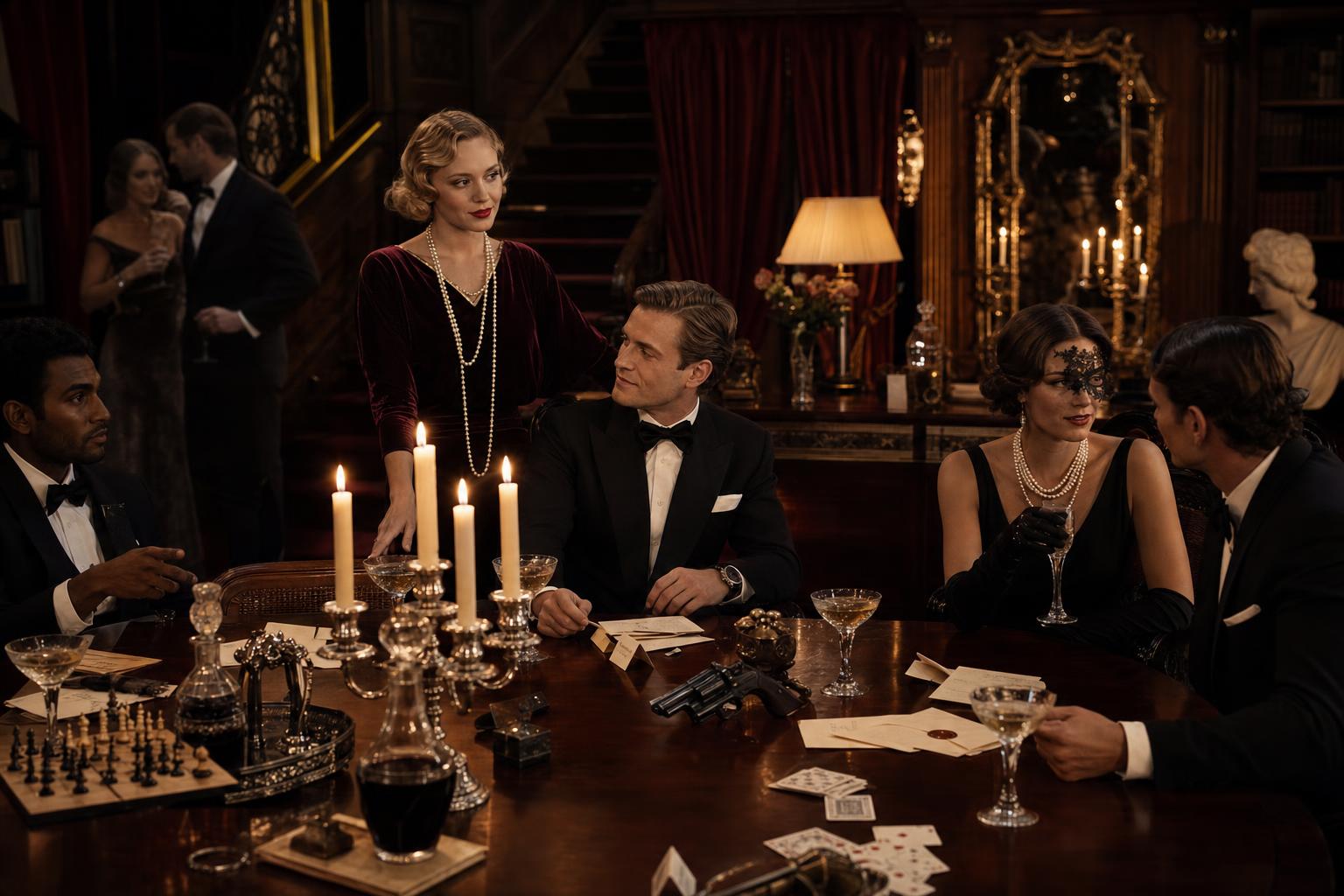
Introduction: Why Murder Mystery Parties Work
The Psychology Behind the Fun
Murder mystery parties remain popular because they combine storytelling, social interaction, and light competition in one memorable format. Unlike passive entertainment, these gatherings ask every guest to participate, react, and improvise. That level of involvement creates stronger emotional engagement than a standard dinner party or movie night. Researchers in social psychology have long noted that shared activities with clear goals help people bond faster, especially when they include humor, collaboration, and a little uncertainty.
At a murder mystery party, guests are not just attendees. They become suspects, detectives, witnesses, or wild cards with motives and secrets. This role-based structure gives people an easy way to interact, even if they do not know each other well. Instead of struggling through small talk, they have a built-in reason to ask questions, form alliances, and trade theories. The game removes social friction by giving everyone a script, a purpose, and permission to be playful.
A Flexible Format for Any Group
Another reason these parties work so well is their flexibility. A murder mystery can be adapted for birthdays, holiday gatherings, team-building events, or casual game nights. Hosts can choose themes ranging from 1920s speakeasies to modern true-crime spoofs, making the experience feel customized rather than generic. That variety keeps the format fresh, even for repeat players.
Built-In Structure Without Feeling Rigid
One of the biggest hosting advantages is that the event comes with its own momentum. Traditional parties sometimes depend on guests generating conversation and energy on their own. A mystery party, by contrast, provides a natural arc: introductions, clues, revelations, and a final accusation. This structure helps prevent awkward lulls while still leaving room for spontaneous moments. People feel guided, not controlled, which is a rare balance in party planning.
Why Guests Remember Them
Memorable parties usually create stories people retell later, and murder mystery games are designed to do exactly that. Guests remember the shocking reveal, the friend who overcommitted to their character, or the clue everyone missed. Because the experience is interactive, each group creates a slightly different version of the same game. That uniqueness makes the night feel personal and worth talking about long after it ends.
Entertainment That Encourages Creativity
These parties also reward effort in fun ways. Costumes, accents, props, and dramatic entrances all add texture without being mandatory. Even modest participation can feel exciting when the setting invites imagination. That blend of accessibility and creativity is what makes murder mystery parties such a reliable choice for hosts planning an engaging game night.
How to Choose the Right Mystery Theme
Choosing the right mystery theme can make the difference between a party that feels mildly entertaining and one that guests talk about for months. A strong theme shapes the setting, character roles, costumes, clues, and overall energy of the evening. Because murder mystery parties are interactive by nature, the best theme is not simply the most dramatic one, but the one that matches your group’s interests, comfort level, and style of play.
Match the Theme to Your Guest List
The first step is to think about who is attending. A group of close friends who enjoy improvisation may love a theatrical 1920s speakeasy mystery, while a mixed-age family gathering may respond better to a lighter, more accessible manor house whodunit. If your guests are new to role-playing games, choose a theme with familiar references and simple character motivations. Research on event engagement consistently shows that people participate more actively when they understand the setting and expectations.
Consider Experience and Personality
Guest personality matters just as much as age. Some players love dramatic accusations and secret alliances, while others prefer solving puzzles without too much performance pressure. In those cases, a classic detective theme works well because it keeps the focus on clues rather than acting. The ideal mystery theme should invite participation, not intimidate it.
Align the Theme With the Occasion
The event itself should guide your choice. A birthday party may suit a glamorous Hollywood scandal, while a Halloween gathering naturally fits a haunted mansion or Victorian séance mystery. Seasonal themes often increase immersion because decorations, food, and music are easier to coordinate. For example, winter parties pair well with isolated settings such as a ski lodge or snowed-in train, both of which create natural suspense.
Balance Creativity With Practicality
An imaginative concept is exciting, but it also needs to be manageable. Before committing to an elaborate theme, consider your budget, venue, and preparation time. A casino mystery can feel luxurious without requiring expensive props, while a futuristic space station theme may demand more effort in costumes and décor to feel convincing.
Think About Setting and Resources
If you are hosting at home, themes that work with existing spaces are usually more effective. A formal dining room can easily become an aristocratic estate, and a backyard can transform into a summer camp or garden gala mystery. Practical themes often deliver stronger results because they are easier to execute well.
Choose a Tone That Fits the Group
Not every murder mystery needs to be dark and serious. Many successful parties use humor, camp, or exaggerated drama to keep the mood lively. A noir detective story creates tension, while a wedding-gone-wrong mystery can feel playful and chaotic. Tone influences everything from invitations to dialogue, so selecting it early helps maintain consistency.
Test the Theme’s Appeal
A useful final check is to ask whether the theme inspires immediate ideas. If guests can instantly imagine costumes, motives, and scenes, the concept is probably strong. The best mystery themes are easy to picture, easy to join, and rich enough to spark memorable interactions, making the rest of your party planning far more effective.
Classic Mansion Whodunit
Why this theme never fails
A classic mansion whodunit remains one of the most popular murder mystery formats because it instantly gives guests a familiar, cinematic setting. Think sprawling hallways, locked studies, hidden wills, and a storm raging outside. The appeal comes from structure: a contained location, a limited suspect pool, and plenty of motives tied to wealth, scandal, and inheritance. That combination makes it easy for players to understand the stakes from the moment they arrive.
Building the atmosphere
To make the setting believable, focus on details that suggest old-money elegance and buried secrets. Dim lighting, candlesticks, vintage frames, handwritten invitations, and classical background music can transform an ordinary dining room into an estate filled with suspicion. Costumes matter here, too. Guests can play aristocrats, butlers, housekeepers, lawyers, or distant relatives, each with a reason to protect or expose the truth.
Strong character roles
The best mansion mysteries work when every guest has a clear connection to the victim. A resentful heir, a loyal servant, a business partner, or a secret lover all create natural tension. In many successful party kits, groups of 6 to 12 players work especially well because that size allows enough suspects without making clues too difficult to track.
Plot ideas that keep players engaged
A compelling setup might begin with the reading of a will, the announcement of an engagement, or the discovery of a stolen family heirloom. These story triggers create immediate conflict and encourage accusations early in the evening. Red herrings are essential, but they should be balanced with solvable clues so players feel challenged rather than confused. A mansion setting also allows dramatic reveals through hidden letters, overheard conversations, and locked-room twists.
Roaring 1920s Speakeasy Mystery
A Glamorous Setting with Built-In Suspense
A Roaring 1920s speakeasy mystery is one of the most stylish ways to host a murder mystery party. The era’s mix of jazz, prohibition, and underground nightlife creates a setting that feels instantly dramatic. Guests can step into a hidden bar atmosphere filled with feathered headbands, pinstripe suits, secret passwords, and whispered deals. That backdrop naturally supports intrigue, making it easy to introduce suspicious characters and conflicting motives.
Why the Theme Works So Well
The 1920s remain culturally recognizable because of their strong visual identity and historical tension. During Prohibition, which lasted in the United States from 1920 to 1933, illegal drinking establishments flourished in major cities such as New York and Chicago. Historians estimate that thousands of speakeasies operated in New York City alone by the late 1920s. That real-world lawbreaking gives your party a believable foundation for blackmail, betrayal, and hidden alliances.
Character Ideas and Plot Hooks
This theme shines when guests receive vivid roles. A nightclub singer, bootlegger, corrupt police officer, society heiress, or ambitious reporter can all fit seamlessly into the story. The victim might be a notorious gangster, a rival club owner, or someone threatening to expose the operation. Secrets are the engine of the game, so give each character a private objective beyond solving the crime.
Decor and Atmosphere
To bring the setting alive, use dim lighting, gold accents, jazz playlists, and vintage-style glassware. A mocktail or cocktail menu with era-inspired names adds immersion. Encourage guests to dress the part, since costumes often increase participation and help even shy players stay in character. With the right mood, the evening feels theatrical without requiring an elaborate budget.
3. Hollywood Red Carpet Scandal
Turning Celebrity Glamour Into Suspicion
A Hollywood red carpet scandal is a perfect murder mystery party theme because it blends fame, vanity, and public image into one dramatic setting. Guests arrive as actors, directors, stylists, gossip reporters, or award nominees, each carrying secrets behind polished smiles. The red carpet backdrop instantly creates atmosphere, especially when paired with velvet ropes, camera flashes, and faux interview stations. This theme works well because Hollywood already feels larger than life, making betrayal and scandal seem believable within the story.
Building the Core Mystery
At the center of the evening, place a shocking crime tied to a major premiere or awards ceremony. Perhaps a rising star collapses moments before accepting a career-defining prize, or a powerful producer is found dead after threatening to expose a cover-up. Strong motives make this theme compelling. Jealousy, blackmail, career sabotage, and hidden relationships all fit naturally into an entertainment-world plot. According to industry reporting from Statista and the Motion Picture Association, the global filmed entertainment market generates hundreds of billions of dollars annually, so high financial stakes feel realistic in the narrative.
Character Ideas That Drive Drama
Create roles with built-in tension. A veteran actress may fear being replaced by a younger rival. A publicist could be hiding damaging evidence from the press. A celebrity spouse might know about an affair that could destroy a brand worth millions. Even a photographer or assistant can become crucial by witnessing something others missed. Layered characters keep guests engaged and encourage improvisation.
Decor and Interactive Details
Use gold accents, black table linens, and oversized award props to mimic an elite event. Add gossip magazines, mock tabloids, and “exclusive” headlines as clues. Background film scores and staged paparazzi moments help guests feel like they are inside a scandal waiting to explode.
4. Masquerade Ball Secrets
Why the Masquerade Theme Works So Well
A masquerade ball instantly adds mystery, elegance, and suspicion to any murder mystery party. Masks create visual drama, but they also serve a practical storytelling purpose: they give guests a believable reason to hide identity, motives, and alliances. In historical Europe, masquerade balls were associated with secrecy and social freedom, making them a natural fit for intrigue-driven games.
Building Suspense Through Hidden Identity
The strongest masquerade scenarios use disguise as more than decoration. A guest may claim to be a wealthy countess while secretly posing as someone else entirely. Another character might recognize a mask, a perfume, or a distinctive voice, creating tension without revealing everything at once. Small clues feel bigger in a masked setting because every detail becomes suspicious.
Costume and Decor Details That Matter
Rich fabrics, candlelight-style lighting, gold accents, and classical music help establish the atmosphere. Encourage guests to wear formal attire with ornate masks, since visual commitment improves participation. Hosts can also weave props into the mystery, such as a torn glove, a sealed invitation, or a jeweled mask left near the crime scene. These details make the environment feel interactive rather than purely decorative.
Plot Ideas for a Masquerade Murder
A masquerade ball works especially well with stories involving blackmail, secret romance, inheritance disputes, or political scandal. For example, the victim could be a host threatening to expose guests before midnight, or a performer who witnessed a dangerous exchange behind the ballroom curtain. Because everyone is partially concealed, accusations feel plausible and the suspect pool stays wide.
Practical Hosting Tip
Keep character backstories concise but layered. Guests should quickly understand their public persona while having one or two hidden secrets to reveal strategically during the game. That balance keeps the evening dramatic without becoming confusing.
5. Victorian Gothic Crime Night
Setting the Scene
A Victorian Gothic crime night brings together candlelit elegance, shadowy suspense, and classic detective intrigue. Inspired by 19th-century London, this theme works especially well for players who enjoy atmospheric storytelling and dramatic costumes. Think velvet drapes, antique clocks, handwritten invitations, and dim lighting that creates a sense of mystery from the moment guests arrive.
Décor and Atmosphere
The visual style should feel rich, moody, and slightly unsettling. Use deep colors such as burgundy, black, forest green, and gold to reflect the period’s dramatic aesthetic. Candlesticks, lace tablecloths, old books, and faux ravens can transform an ordinary room into a Gothic manor or foggy townhouse. Background music with piano, violin, or low classical arrangements helps maintain tension without overpowering conversation.
Costume Ideas
Encourage guests to dress as detectives, aristocrats, housekeepers, journalists, or suspicious heirs. Victorian-inspired clothing instantly strengthens immersion, and even simple accessories such as brooches, pocket watches, gloves, or top hats can make a strong impact. Character dressing often increases participation, especially in roleplay-heavy mystery games.
Plot Inspiration
A Victorian Gothic mystery benefits from a dramatic central crime. A missing inheritance, a locked-room murder, or a suspicious death during a séance all fit the tone well. Historical crime fiction remains popular because it combines social hierarchy with hidden motives, giving every character a believable secret. You can also add period details such as telegrams, coded letters, or scandalous diaries to deepen the investigation.
Food and Drink Pairings
Serve foods that feel refined yet thematic, such as tea sandwiches, meat pies, dark chocolate desserts, and mulled wine or mocktails. Presentation matters here, as small details create a memorable experience and help guests feel fully transported into the mystery.
6. Wild West Saloon Showdown
Set the Scene With Frontier Drama
A Wild West saloon showdown is a lively murder mystery theme because it instantly gives guests a vivid setting, recognizable character types, and plenty of room for playful suspicion. Think swinging saloon doors, poker tables, wanted posters, and a tense atmosphere where every cowboy, card shark, and sheriff may be hiding something. This theme works especially well for groups that enjoy theatrical costumes and fast-moving social interaction.
Build Characters Guests Can Play
The strongest parties give each guest a role with motives, secrets, and relationships. In a saloon setting, you can assign parts such as the saloon owner, a notorious outlaw, a traveling gambler, a deputy, a ranch heiress, or a mysterious stranger who arrived just before the crime. Clear character goals help conversations feel natural and keep the mystery active throughout the night. For example, one guest may be trying to recover stolen gold, while another is covering up a rigged poker game.
Decor, Food, and Activities
Simple props can make the experience feel immersive without requiring a large budget. Burlap table runners, lantern-style lighting, and old-fashioned playing cards create an authentic frontier mood. Serve barbecue sliders, cornbread, baked beans, and root beer for a menu that fits the era-inspired setting. Background music with country fiddle or saloon piano sounds can strengthen the atmosphere.
Keep the Mystery Moving
To maintain energy, reveal clues in stages. A missing whiskey bottle, a torn playing card, or muddy boot prints near the back entrance can all deepen the plot. Structured clue drops are useful because they prevent the game from stalling and encourage every guest to participate in solving the crime.
Casino Royale Spy Mystery
A Glamorous High-Stakes Theme
A Casino Royale spy mystery brings instant sophistication to game night by blending espionage, luxury, and suspense. Inspired by classic secret-agent stories, this theme works especially well for adult gatherings because it combines elegant dress codes with interactive deception. Guests can arrive as diplomats, double agents, casino owners, arms dealers, or undercover operatives, creating a cast full of motives and hidden alliances.
Setting the Scene
Transform your space into a stylish casino lounge with black, gold, and deep red décor. Card tables, poker chips, martini glasses, and dim lighting help establish the atmosphere. Background jazz or cinematic spy soundtracks can heighten tension without overpowering conversation. Visual details matter, because immersive settings make players more willing to stay in character and engage with the mystery.
Props and Clues
Props can elevate the experience from a simple whodunit to a memorable event. Secret dossiers, coded messages, fake passports, and locked briefcases give players tangible evidence to examine. A well-placed clue, such as a marked playing card or a suspicious receipt, can steer the investigation while reinforcing the casino theme.
Character Dynamics and Gameplay
This mystery format thrives on betrayal, bluffing, and strategic conversation. Unlike traditional murder mystery setups, a spy-themed party can include secondary objectives, such as stealing intel or identifying a mole before the killer is exposed. That layered structure keeps energy high and gives quieter guests a role beyond accusation.
Food and Drink Pairings
Serve sleek, casino-inspired refreshments such as shrimp cocktails, stuffed mushrooms, chocolate truffles, and sparkling mocktails. If you want authenticity, a martini station is a fitting touch. The best menu choices are elegant but easy to eat, allowing guests to mingle, interrogate suspects, and protect their secrets without interrupting the flow of play.
Haunted House Investigation
Turning a Classic Setting into an Interactive Mystery
A haunted house investigation is one of the most effective murder mystery party themes because it combines suspense, exploration, and theatrical reveals. Guests are not simply solving a crime; they are entering a setting filled with secrets, strange noises, and conflicting stories. This atmosphere naturally encourages roleplay, especially when players are assigned identities such as skeptical detectives, nervous heirs, paranormal investigators, or long-time caretakers of the estate.
Building the Right Atmosphere
The setting should feel immersive from the moment guests arrive. Dim lighting, flickering candles, covered mirrors, and vintage props can transform an ordinary room into a believable old mansion. Sound design also matters. Low thunder effects, creaking floorboards, or distant whispers can heighten tension without overwhelming conversation. According to event planning surveys, immersive details consistently rank among the top factors that make themed parties memorable, often more than food or decorations alone.
Clues, Secrets, and Suspicion
A haunted house mystery works best when the supernatural elements may or may not be real. For example, a “ghost sighting” could be a staged distraction used to hide evidence, or it could point toward a family legend tied to the victim’s death. Hidden letters, old portraits, locked boxes, and coded diary entries fit especially well in this setting. These clues give players a reason to move through the space and interact with one another.
Character Roles That Deepen the Story
To keep the investigation dynamic, give each guest a personal connection to the house. One may want to sell it, another may want to protect its history, and someone else may fear what will be uncovered in the cellar. Conflicting motives create stronger accusations, better improvisation, and a more memorable game night experience.
Cruise Ship Murder Plot
Setting Sail for Suspense
A cruise ship murder plot brings instant glamour, isolation, and tension to a murder mystery party. Unlike a mansion or dinner party setting, a ship creates a closed environment where every guest is both a suspect and a potential witness. With no easy escape and a limited passenger list, the stakes feel higher, which makes the storyline especially engaging for players.
Why This Theme Works So Well
Cruise vacations are often associated with luxury, entertainment, and carefully curated experiences. That contrast makes the appearance of a crime even more dramatic. A victim found near the grand staircase, on the sun deck, or outside the captain’s dinner creates a vivid scene guests can immediately imagine. The enclosed nature of a ship also mirrors classic mystery structures, where investigators know the culprit must still be nearby.
Character Ideas That Fit Naturally
This theme supports a wide range of colorful roles. Guests might play a wealthy heiress, a suspicious ship engineer, an overworked cruise director, a lounge singer, or a retired detective traveling incognito. These archetypes are easy to understand and fun to perform, which helps guests get into character quickly. Adding motives such as stolen jewels, secret affairs, gambling debts, or inheritance disputes gives the plot extra momentum.
Atmosphere and Gameplay Potential
A cruise ship setting also offers strong decorative and interactive possibilities. Nautical colors, printed boarding passes, and themed cocktails can make the event feel immersive without requiring an expensive setup. Hosts can divide clues across locations like the dining hall, casino, and captain’s quarters, encouraging movement and conversation. This structure keeps the game dynamic, especially for larger groups, and allows the mystery to unfold in stages as tensions rise among passengers.
High School Reunion Drama
Why this theme hooks guests instantly
A high school reunion drama works brilliantly for a murder mystery party because it gives every guest an immediate social role. Reunions naturally revive old rivalries, secret crushes, broken friendships, and long-buried scandals, creating the perfect setting for suspicion. According to event planners, themes with recognizable social dynamics often produce stronger guest participation because players understand the stakes without needing complicated backstory.
Building tension through familiar archetypes
This setup thrives on recognizable characters such as the former prom king, the overachiever, the class clown, or the one person who vanished after graduation. These archetypes help guests slip into character quickly while still leaving room for surprises. The most effective reunion mysteries add a twist, such as a successful entrepreneur hiding bankruptcy or a beloved teacher connected to an old cheating scandal.
Secrets that drive the plot
The strongest version of this theme centers on a secret from senior year resurfacing at the reunion. Perhaps a scholarship was stolen, a diary was leaked, or a prank caused lasting consequences. When the victim threatens to expose the truth, every attendee gains a believable motive. This structure keeps the mystery focused and gives conversations a natural rhythm as clues emerge.
Decor, costumes, and atmosphere
Decor can reinforce the setting with yearbook-style photo displays, faux trophies, streamers in school colors, and a playlist filled with hits from the reunion class’s graduation era. Costumes should reflect both past and present identities, letting guests play with contrast. A once-shy student returning as a celebrity or a former athlete now struggling in life adds emotional texture and comic potential, making the evening feel lively, nostalgic, and deliciously tense.
Medieval Banquet Betrayal
A Feast Hiding Deadly Intent
A Medieval Banquet Betrayal theme turns game night into a candlelit court of secrets, status, and suspicion. Set the scene with long tables, goblets, faux heraldry, and a menu inspired by roasted meats, dark bread, grapes, and spiced desserts. The atmosphere should feel rich and ceremonial, because contrast heightens drama: the more festive the feast appears, the sharper the shock when betrayal strikes. This setting works especially well for groups that enjoy theatrical roles, since nobles, knights, clergy, servants, and visiting envoys all bring built-in motives.
Character Roles That Fuel Suspense
The strongest mysteries in this setting rely on competing loyalties. A lord may be guarding a fragile alliance, while a rival heir seeks power through scandal or murder. A royal taster, trusted advisor, or steward can become central figures because they control access, information, or both. Adding a traveling bard or foreign guest introduces opportunities for espionage, coded messages, and mistaken identity. Historically, medieval courts were deeply political, and noble households often functioned as centers of diplomacy, finance, and military planning, making intrigue feel believable rather than exaggerated.
Plot Devices That Elevate the Theme
Poisoned wine is the obvious choice, but it is far from the only one. A stolen seal, forged marriage contract, missing relic, or secret confession can drive the story forward with greater complexity. Timed reveals work particularly well here, such as announcing a broken truce midway through dinner or exposing that one guest was never invited at all. Encourage costumes with velvet, crowns, cloaks, and rings to help players inhabit their roles and make every accusation feel deliciously dramatic.
Holiday Party Murder Mystery
Turning Seasonal Cheer into Suspense
A holiday party murder mystery blends festive décor, comfort food, and playful intrigue into one memorable game night. The seasonal setting gives hosts an easy framework for costumes, motives, and clues. A victim might collapse beside the punch bowl, a missing gift could hide a crucial secret, or a family heirloom ornament might become the centerpiece of the crime. Because many guests already associate holiday gatherings with traditions and storytelling, the format feels instantly familiar and inviting.
Building the Theme
Setting, Characters, and Stakes
The strongest holiday mysteries use recognizable seasonal elements without becoming predictable. Set the story at an office Christmas party, a New Year’s Eve gala, or a snowy cabin celebration. Characters can include a competitive coworker, a stressed event planner, a mysterious relative, or a charismatic party host. Clear motives make the game more engaging, especially when tied to bonuses, inheritance, romance, or long-held grudges. In party game surveys, themed events consistently rank higher for guest participation because they provide stronger role-playing cues and easier conversation starters.
Atmosphere That Supports the Plot
Decorations should do more than look festive; they should reinforce the mystery. Twinkling lights, candlelike LEDs, wrapped boxes, and winter playlists help create immersion. Clues can be hidden in stockings, tucked into place cards, or revealed through “gift exchange” prompts. Seasonal food also works well as part of the narrative, such as labeled desserts, signature cocktails, or a suspiciously unattended tray of cookies. Interactive details keep guests engaged between major reveals.
Keeping Guests Involved
A holiday mystery works best when the tone balances suspense with humor. Encourage guests to stay in character, but keep rules simple and pacing brisk. Short rounds, dramatic clue drops, and festive prizes for best detective or best performance help maintain energy throughout the evening.
13. Office Party Gone Wrong
Why This Theme Works So Well
An Office Party Gone Wrong mystery is instantly relatable, which makes it one of the easiest themes for guests to understand and enjoy. Nearly everyone recognizes the awkward small talk, forced team bonding, and hidden workplace rivalries that can turn a routine celebration into dramatic entertainment. That familiarity helps players step into character quickly, whether they are portraying the ambitious manager, the underappreciated assistant, or the accountant who knows too much.
Building the Perfect Corporate Crime Scene
Set the story during a holiday party, retirement dinner, product launch, or annual awards night. The victim might be the demanding CEO, a controversial human resources director, or a coworker about to expose financial misconduct. Office settings naturally create motives such as jealousy over promotions, budget disputes, secret romances, and stolen credit for big ideas.
Character Ideas That Create Tension
Strong character roles make this theme memorable. Include a mix of personalities such as the overachiever, the office gossip, the IT specialist, and the disgruntled former employee. In real workplaces, interpersonal conflict is one of the most common sources of stress, so these roles feel believable and entertaining at the same time.
Decor, Food, and Interactive Details
Transform the space with cubicle-style signs, name badges, fake employee awards, and a breakroom snack table. Serve cocktails with corporate names like “The Hostile Takeover” or “Quarterly Crisis.” Add props such as shredded documents, suspicious emails, and performance reviews to deepen immersion. Small details sell the story, helping guests feel like they have walked into a workplace scandal rather than a standard party theme.
Best Fit for Your Guest List
This setup works especially well for adult groups who enjoy sarcasm, improvisation, and clever social humor.
Reality TV Elimination Mystery
Turning Competition Drama into a Murder Mystery
A reality TV elimination mystery brings the tension of popular competition shows into your game night, blending confessionals, alliances, and shocking exits with a classic whodunit structure. Guests can play contestants, judges, producers, or behind-the-scenes staff, all trapped on the set after a dramatic on-air “elimination” turns into an actual murder. This theme works especially well because most players already understand the format: rivalries build quickly, secrets matter, and every interaction feels high stakes.
Building the Set and Story
To make the concept believable, transform your space into a faux television studio with a judging table, contestant area, and “backstage” zone. Visual cues matter here, since reality TV is instantly recognizable through flashy signage, branded props, and staged drama. A host character can guide the evening, announcing challenges and revealing clues between rounds. The victim might be a ruthless judge, a sabotaging contestant, or a producer manipulating outcomes for ratings.
Character Roles That Create Suspicion
The best cast includes strong motives. A finalist may fear exposure for cheating, while a judge could be blackmailing contestants. A makeup artist may have overheard confidential deals, and a camera operator might possess footage someone wants destroyed. Layered relationships keep the mystery active and encourage improvisation throughout the party.
Adding Interactive Twists
This theme benefits from mini challenges woven into the investigation. Trivia rounds, talent contests, or secret voting sessions can reveal evidence in entertaining ways. According to event planning surveys, interactive formats consistently improve guest participation, especially in groups larger than eight. By mixing performance, deception, and deduction, a reality TV elimination mystery creates a lively atmosphere that feels theatrical, competitive, and deliciously unpredictable.
Dinner Party Poisoning Case
A Classic Setup with Endless Suspense
A dinner party poisoning case is one of the most effective murder mystery formats because it turns an elegant social setting into a scene of sudden panic. Guests arrive expecting candlelight, conversation, and carefully plated courses, only to discover that one attendee has been poisoned between appetizers and dessert. The contrast creates instant drama and gives every character a reason to hide something.
Why This Theme Works So Well
This scenario is especially strong for game night because it feels familiar and cinematic. Popular mystery stories, from Agatha Christie adaptations to modern whodunits like Knives Out, use shared meals as pressure cookers for secrets, rivalries, and betrayals. A dinner table naturally gathers suspects in one place, making interrogation scenes feel organic rather than forced.
Built-In Motives and Clues
The poisoning method also opens up clever clue design. Instead of focusing only on weapons or physical struggle, players can investigate wine glasses, serving dishes, prescription bottles, handwritten place cards, or a swapped dessert plate. Motives can range from inheritance disputes and romantic jealousy to business sabotage or revenge over a long-buried scandal.
How to Make It Memorable
To heighten immersion, match the menu and décor to the fictional world. A 1920s supper club, a wealthy family estate, or a modern celebrity fundraiser can all support the same core mystery while changing the tone. Hosts can assign each guest a secret connection to the victim, ensuring that everyone has a meaningful role in the unfolding investigation.
Best for Social Deduction
Because poisoning is subtle, this theme rewards observation, conversation, and bluffing more than staged action. That makes it ideal for groups who enjoy layered storytelling, suspicious glances, and dramatic mid-meal revelations.
Planning the Guest List and Roles
A successful murder mystery party starts with matching the guest list to the game format. Most boxed or downloadable mystery kits are designed for a fixed number of players, often between 6 and 12, though larger games can support 20 or more. Before sending invitations, confirm the minimum and maximum player count, then build your list around people who are likely to participate fully. A mystery game works best when guests are comfortable speaking, improvising, and following clues, even if they are not natural performers.
Choosing the Right Mix of Guests
Aim for a group with balanced energy levels and social styles. If every guest is highly competitive, the evening can become chaotic; if everyone is reserved, the game may lose momentum. A blend of outgoing personalities and thoughtful problem-solvers usually creates the best dynamic. Consider reliability as much as enthusiasm, because last-minute cancellations can disrupt role assignments and story flow.
It also helps to think about existing relationships. Friends who know each other well may roleplay more easily, while a mix of newer acquaintances can add suspense and unpredictability. For adult parties, hosts often invite 8 to 10 guests, which is a practical size for conversation, dining, and clue management without overcrowding the space.
Assigning Character Roles
Once the guest list is set, assign roles strategically rather than randomly. Some characters require strong improvisation skills, secret-keeping, or the confidence to steer conversations. Give these parts to guests who enjoy being at the center of the action. Reserve quieter or more structured roles for players who prefer clear guidance. Thoughtful casting improves immersion and reduces the chance that anyone feels uncomfortable.
Matching Personalities to Parts
A dramatic guest may thrive as a suspicious heiress, corrupt politician, or celebrity chef, while an analytical friend may enjoy playing the detective, journalist, or doctor. If your group includes beginners, provide short character summaries in advance so they can prepare. Many hosts send invitations two to three weeks early, which gives guests enough time to understand costume ideas and role expectations.
Planning for Flexibility
Even well-organized parties need backup plans. Keep one or two alternate characters available if someone cancels. Some mystery games include expandable roles or nonessential suspects that can be removed without harming the plot. If attendance is uncertain, choose a flexible kit from the start.
Host and Helper Responsibilities
The host should not only assign roles but also manage pacing, clue distribution, and rule explanations. In larger parties, appoint a co-host to welcome guests, answer questions, and keep the timeline moving. Clear role management behind the scenes allows players to stay immersed in the mystery instead of worrying about logistics.
Invitations, Costumes, and Character Packets
Setting the Tone Before Guests Arrive
A memorable murder mystery party begins long before the first accusation. Invitations, costumes, and character packets work together to establish mood, clarify expectations, and build anticipation. When these elements are thoughtfully designed, guests arrive prepared to participate rather than simply observe. That difference often determines whether the evening feels mildly entertaining or fully immersive.
Invitations should do more than announce the date and time. They should introduce the theme, hint at the setting, and signal the level of involvement expected. For example, a 1920s speakeasy mystery might use art deco fonts, gold accents, and language such as “Your presence is requested at an evening of jazz, secrets, and scandal.” A modern corporate whodunit could adopt a sleek, formal style with subtle clues hidden in the wording. The invitation is the first piece of storytelling, so every design choice matters.
Designing Invitations That Inform and Intrigue
A strong invitation balances atmosphere with practical details. Guests need the essentials, including arrival time, location, dress guidance, and whether dinner or drinks will be served. They also benefit from knowing if they will receive a preassigned role. According to event planning surveys, clear pre-event communication significantly improves guest participation, especially in interactive formats where preparation affects the experience.
What to Include
Include the party theme, expected costume level, RSVP deadline, and any special instructions. If your game involves secrets or alliances, mention that character materials will be sent in advance. Digital invitations are efficient and easy to track, while printed invitations can feel more theatrical and collectible.
Costumes as a Tool for Immersion
Costumes help guests step into character quickly. They do not need to be expensive to be effective. In fact, simple signature pieces often work best: a feathered headband for a flapper, a fake badge for a detective, or a dramatic cape for a gothic suspect. Encouraging accessible costume ideas keeps the event inclusive and reduces stress for guests who may be hesitant about elaborate dress-up.
Hosts can improve participation by offering a short costume guide with visual references or suggested items guests may already own. This approach is especially useful for mixed groups where some attendees love theatrical detail and others prefer minimal effort.
Building Character Packets That Spark Roleplay
Character packets are the engine of the party. Each one should provide a backstory, motivation, relationships, and any secrets the guest can reveal strategically. The best packets are detailed enough to inspire roleplay but concise enough to read in under 10 minutes.
Essential Packet Elements
A useful packet includes character objectives, known facts, hidden information, and conversation prompts. Some hosts also add a sample accent, signature phrase, or rumor to spread. Well-crafted packets give shy guests structure and give outgoing guests material to expand creatively, making the entire game more dynamic and believable.
Decor, Food, and Atmosphere Ideas
Set the Scene with Immersive Decor
A memorable murder mystery party begins the moment guests walk in, so decor should establish the story instantly. Start by matching the room to your chosen era or theme. A 1920s mystery works well with black, gold, and deep burgundy accents, while a Victorian setup benefits from candlelight, lace, antique-style frames, and handwritten place cards. Even a modern detective theme can feel immersive with police tape, evidence markers, and monochrome table settings.
Lighting plays a major role in atmosphere. Soft, dim lighting creates suspense far more effectively than bright overhead bulbs. Battery-powered candles, string lights, and shaded lamps can transform an ordinary dining room into a dramatic setting without much expense. According to event planners, lighting is one of the most cost-effective ways to influence mood because it changes how every other decorative element is perceived.
Use Props to Encourage Interaction
Props do more than decorate; they help guests step into character. Small interactive details make the experience feel theatrical without requiring a large budget. Consider placing sealed envelopes at each seat, labeling drink stations with themed names, or scattering “clues” around the room in plain sight. Vintage books, magnifying glasses, fake newspapers, and framed suspect photos can all double as conversation starters.
Table Styling That Supports the Theme
Your table can function as both a dining space and part of the game. Layer textures and colors that reflect the mystery’s tone. Dark tablecloths, metallic cutlery, and dramatic centerpieces such as candelabras or apothecary bottles work especially well. If the game includes hidden hints, integrate them subtly into napkin rings, menu cards, or name tags so the decor feels purposeful rather than random.
Plan Food That Is Easy to Serve and Easy to Eat
Food should support the flow of the game, not interrupt it. Since guests may be questioning each other, reading clues, or staying in character, choose dishes that are simple to eat while mingling. Finger foods, small plates, and buffet-style service are often the best fit. Mini quiches, stuffed mushrooms, sliders, skewers, and charcuterie boards offer variety without forcing everyone to sit down for a formal meal.
For dessert, themed presentation adds impact. A red velvet cake can hint at the “crime,” while chocolate-covered strawberries or labeled “poison” cocktails add playful drama. Presentation matters as much as flavor, especially at a party built around storytelling.
Build Atmosphere with Sound and Sensory Details
Music is another powerful tool for immersion. A jazz playlist suits a speakeasy mystery, while orchestral or noir-inspired instrumentals create tension in classic detective settings. Keep volume low enough for conversation, since dialogue drives the game.
Scent, Sound, and Pacing
Subtle scents from candles or food can reinforce the setting, but avoid anything overpowering. The best atmosphere feels intentional yet comfortable, allowing guests to focus, socialize, and enjoy the unfolding mystery.
Game Structure: Clues, Rounds, and Hosting Tips
A well-designed murder mystery party depends on structure as much as theme. Clear rounds, purposeful clues, and confident hosting turn a casual gathering into an immersive game night. When players understand the flow, they stay engaged, ask better questions, and contribute more creatively to the unfolding story.
Building the Game Around Rounds
Most successful murder mystery games work best in three to five rounds. This format gives the story enough time to develop without exhausting guests. A typical party lasting two to three hours often uses an opening introduction, two or three investigation rounds, and a final accusation phase.
In the first round, guests usually introduce their characters, establish relationships, and reveal surface-level information. This stage is important because it creates early suspicion and helps quieter players find their footing. The second round should deepen the mystery by introducing new evidence, hidden motives, or contradictions in alibis. By the third round, players should have enough information to begin forming strong theories.
Pacing Each Round
Each round should have a distinct purpose. A practical structure is to allow 20 to 30 minutes per round, depending on group size. Smaller groups of six to eight players can move quickly, while parties with ten to fifteen guests often need more time for discussion. Keeping rounds time-boxed prevents the game from losing momentum.
Hosts can signal transitions with a themed announcement, a printed clue envelope, or even a change in music. These small touches make the event feel polished while helping everyone stay on track.
Designing Effective Clues
Clues are the engine of the game, but they must be balanced carefully. If clues are too obvious, the mystery ends too soon. If they are too vague, players become frustrated. The best clues answer one question while raising another.
Types of Clues to Include
Physical clues, such as a torn note, a missing key, or a stained glass, work well because they give players something concrete to discuss. Testimony-based clues, where one character reveals partial information, add tension because they may be truthful, misleading, or incomplete. Secret objectives can also enrich gameplay by encouraging players to protect personal information while still pursuing the main case.
Red Herrings and Fair Play
A few red herrings make the story more exciting, but fairness matters. Players should be able to solve the mystery using the information provided. In well-crafted mystery games, the culprit is not chosen arbitrarily at the end. Instead, the evidence should consistently point toward a logical solution, even if guests miss it at first.
Hosting Tips That Keep Energy High
The host acts as both facilitator and storyteller. Before the game begins, send character details early so guests can prepare costumes, accents, or backstories. During the party, explain the rules clearly and remind everyone that participation matters more than performance.
Managing Different Player Styles
Some guests naturally dominate conversations, while others need encouragement. A strong host gently draws quieter players into the action by asking direct but simple questions. It also helps to provide written prompts or clue cards, since tangible materials give hesitant players something to reference.
Food and timing also affect success. Serve easy-to-eat snacks rather than full meals during active rounds, since complicated dining can interrupt the investigation. With thoughtful structure and attentive hosting, the mystery feels dynamic, social, and satisfyingly suspenseful for everyone involved.
How to Keep Guests Engaged All Night
Build Momentum From the Start
A successful murder mystery party depends on steady energy and participation from the moment guests arrive. The first 15 to 20 minutes are especially important, because early awkwardness can lower involvement for the rest of the evening. Greet guests in character, hand out role cards promptly, and introduce a simple opening activity that gets everyone talking. A quick clue exchange, a themed drink station, or a short “meet your suspect” prompt helps break the ice without forcing interaction.
Use Structured Pacing
Keeping guests engaged all night is easier when the event has a clear rhythm. Divide the game into stages, such as introductions, first revelations, investigation rounds, and the final accusation. This structure gives players a sense of progress and prevents the experience from feeling repetitive. In many party settings, attention naturally dips after about 45 minutes, so adding a new clue, twist, or mini challenge at those intervals can refresh the room and restore focus.
Encourage Every Guest to Participate
Not every player will naturally dominate conversations, so hosts should create moments where quieter guests can contribute. Assigning each character a secret objective or a piece of exclusive information gives everyone a reason to speak. Balanced participation often makes the mystery more immersive, because players feel their role matters to the outcome. If one or two guests begin taking over, redirect attention by asking others what they noticed or whom they suspect.
Blend Gameplay With Atmosphere
Engagement is not only about clues; it also comes from the environment. Music, lighting, themed snacks, and costume encouragement help sustain immersion over several hours. For example, dim lighting and a jazz playlist can support a 1920s mystery, while labeled evidence cards on tables make the setting feel interactive. These details keep guests mentally inside the story, even during breaks for food or casual conversation.
Add Surprises Without Creating Confusion
Unexpected developments keep the night lively, but they should remain easy to follow. A surprise witness statement, hidden evidence reveal, or sudden character twist can reignite curiosity when energy starts to fade. The key is to make each new element clear, purposeful, and connected to the central mystery. When guests understand what is happening and feel included in the unfolding drama, they stay invested, animated, and eager to see what happens next.
Budget-Friendly Murder Mystery Party Tips
Keep the Guest List and Format Simple
A memorable murder mystery party does not require a huge budget. In fact, smaller gatherings often feel more immersive because every guest gets more time in character. Hosting six to ten players is usually ideal for a home game, and it keeps spending on food, props, and printed materials under control. A compact cast also makes it easier to assign roles and manage clues without overwhelming first-time players.
Use Free or Low-Cost Resources
Many hosts save money by downloading printable character sheets, invitations, and clue cards from online party marketplaces or free template sites. Instead of buying expensive boxed kits, you can adapt a basic storyline and personalize it for your group. Digital invitations through email or messaging apps also eliminate printing and postage costs while making RSVP tracking easier.
Create Atmosphere with Affordable Decor
You do not need professional set design to build suspense. Low-cost decorations such as candles, thrifted picture frames, black tablecloths, and handwritten evidence tags can transform a living room into a dramatic crime scene. Lighting matters more than expensive props; dim lamps and warm string lights instantly create mood. If your theme is set in the 1920s, for example, a few faux pearls, old books, and jazz playing softly in the background can suggest the era effectively.
Focus on Multiuse Items
Choose decorations that serve more than one purpose. A labeled “evidence box” can be both a prop and storage for clue envelopes. Costume accessories like hats, gloves, or costume jewelry can double as photo booth items. Thrift stores are especially useful here, with many party-worthy items available for just a few dollars.
Save on Food and Costumes
Food can be one of the biggest expenses, so keep the menu practical. Finger foods, themed snacks, and a signature drink usually work better than a full dinner. A potluck format can reduce costs significantly while encouraging guest participation. For costumes, ask players to assemble outfits from their own closets. Simple dress codes, such as “formal black attire” or “vintage-inspired,” are affordable and easy to follow, while still helping everyone feel part of the mystery.
Common Mistakes to Avoid
Overcomplicating the Guest Experience
A murder mystery party should feel immersive, not exhausting. One of the most common mistakes hosts make is creating a storyline that is too complicated for guests to follow. If players need constant explanations, the energy drops quickly. A strong game usually works best with clear motives, simple clues, and character goals that can be understood within the first 15 to 20 minutes.
Keeping Roles Manageable
Another issue is assigning characters without considering personalities or comfort levels. Not every guest wants a dramatic lead role, and not everyone enjoys improvisation. Matching outgoing guests with larger parts and giving quieter attendees structured roles helps the evening run more smoothly. Balanced character assignments often make the difference between awkward participation and lively engagement.
Ignoring Practical Party Planning
Even the best mystery theme can fail if the logistics are weak. Hosts sometimes focus so much on costumes and plot twists that they forget basics like seating, lighting, food timing, and sound levels. For example, a room that is too dark may look atmospheric, but it can make clue reading difficult. Similarly, serving messy foods during key gameplay moments can interrupt momentum.
Timing Matters More Than You Think
Poor pacing is another frequent mistake. If the introduction drags on or clue reveals happen too slowly, guests may lose interest. Most successful murder mystery parties last between 2 and 3 hours, giving enough time for socializing, investigation, and a final reveal without feeling rushed.
Forgetting the Social Element
A murder mystery party is still a party. If the game leaves no room for conversation, snacks, or casual interaction, it can feel overly scripted. The best hosts build in natural pauses so guests can relax while staying immersed.
Conclusion: Bringing Your Game Night to Life
A memorable murder mystery party is more than a themed gathering; it is an interactive experience that turns guests into suspects, detectives, and storytellers for the evening. By combining a strong setting, well-matched costumes, clever clues, and immersive decorations, you create the kind of atmosphere that keeps everyone engaged from the first accusation to the final reveal.
Turning Inspiration Into Action
The most successful game nights usually balance creativity with structure. A clear storyline helps guests follow the plot, while flexible details such as music, food, and character backstories make the event feel personal. Whether you choose a glamorous 1920s mansion, a spooky Victorian manor, or a modern crime scene, the key is to make every element support the mystery. Consistency in theme often has the biggest impact on immersion.
Making the Experience Memorable
Small touches can elevate the entire evening. Personalized invitations, labeled evidence cards, and themed cocktails give guests the sense that they have stepped into another world. Even simple additions, such as dim lighting or a curated playlist, can influence mood and participation. According to event planning surveys, immersive activities are among the top drivers of guest satisfaction because they encourage interaction rather than passive entertainment.
Creating a Night Guests Will Talk About
What makes murder mystery parties especially effective is their ability to bring different personalities together. Some guests love solving puzzles, others enjoy roleplaying, and many simply appreciate the chance to laugh and improvise. That mix of suspense, collaboration, and humor is what transforms an ordinary gathering into a standout game night. With the right planning and a few imaginative details, your next party can feel polished, exciting, and completely unforgettable for everyone involved.
FAQ: Murder Mystery Party Planning Questions
How many guests should you invite?
A murder mystery party works best when the guest count matches the structure of the game. Most commercial kits are designed for 8 to 12 players, though some support as few as 6 or as many as 20. If you invite more people than the script allows, some guests may feel like spectators instead of participants. If you expect last-minute cancellations, inviting one or two extra people can help protect the flow of the evening without disrupting the storyline.
Matching the game to your group
Choose a mystery that fits your guests’ comfort level and personalities. A highly theatrical group may enjoy character-heavy roles with accents, secrets, and dramatic reveals, while a mixed crowd often prefers a lighter format with simpler instructions. The best party size is one where every guest has a meaningful role, because active participation is what turns a themed dinner into a memorable game night.
How far in advance should you plan?
For a smooth event, start planning three to four weeks ahead. This gives you enough time to select a theme, send invitations, assign characters, and organize food, music, and decorations. If costumes are encouraged, guests usually appreciate at least two weeks’ notice. Digital invitations can speed up RSVPs, but follow-up reminders are still useful, especially when guests need to prepare in character.
What should be included in the invitation?
A strong invitation should explain the theme, date, location, dress expectations, and whether guests will receive a character in advance. It also helps to mention the tone of the event. For example, a 1920s speakeasy mystery suggests glamorous outfits and playful improvisation, while a haunted manor storyline may feel darker and more suspenseful. Clear expectations reduce confusion and help guests arrive ready to participate.
Do you need elaborate decorations and costumes?
Not necessarily. Atmosphere matters more than expense. A few well-chosen details, such as dim lighting, printed clues, themed playlists, and simple table decor, can create immersion without a large budget. Costumes can be equally flexible. Some hosts provide accessories like feather boas, detective badges, or masquerade masks, while others simply suggest a color palette or era-inspired outfit.
Budget-friendly ways to create the mood
You can often create a convincing setting with items you already own. Candles, vintage-looking frames, labeled envelopes, and background jazz or suspense music go a long way. Food can also support the theme. A casino mystery might feature cocktails and finger foods, while a manor-house dinner could include a plated meal and formal place cards. Small touches often have a bigger impact than expensive props.
What if guests are shy or new to role-playing?
This is one of the most common concerns, and it is easier to manage than many hosts expect. Pick a beginner-friendly game with clear instructions and structured clue rounds. Encourage guests to participate at their own pace rather than perform. Not everyone needs to act dramatically to enjoy the mystery. Often, shy guests become more engaged once the questioning begins and they realize the game is about curiosity, deduction, and fun interaction rather than perfect improvisation.


