

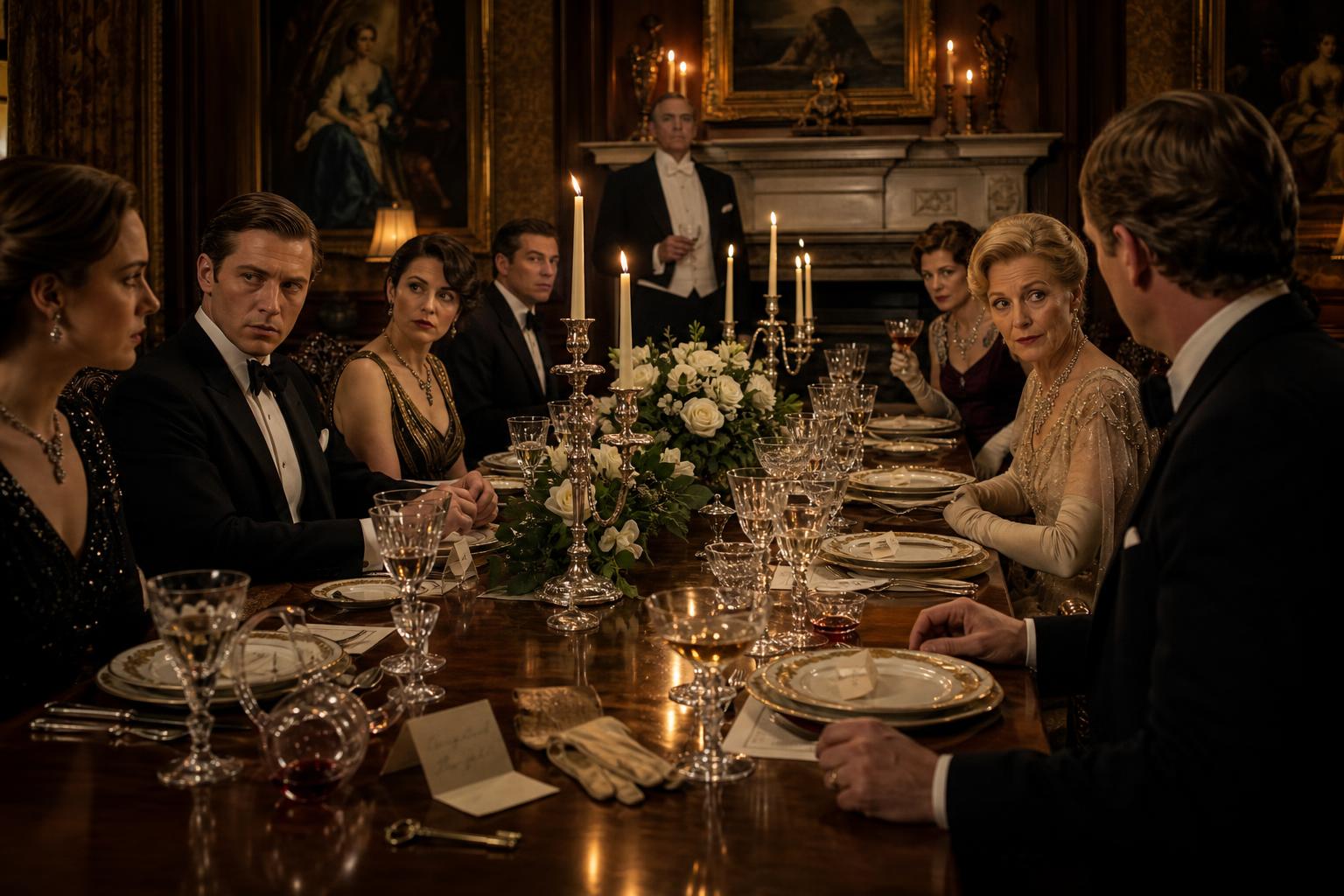
Introduction to Murder Mystery Dinners
A murder mystery dinner is an interactive social event that combines a shared meal with a fictional crime story. Guests do not simply watch the action unfold; they become part of it. Depending on the format, attendees may play assigned characters, question suspects, interpret clues, and work together to identify the culprit before the evening ends. The concept blends elements of theater, party gaming, and detective fiction into a single experience that is both entertaining and highly participatory.
What Makes the Format Unique
Unlike a traditional dinner party, a murder mystery dinner is structured around a narrative. A host or organizer introduces a scenario, often involving a suspicious death, hidden motives, and a cast of colorful personalities. As courses are served, new information is revealed. This pacing keeps guests engaged throughout the event and encourages conversation beyond ordinary small talk.
The format has grown steadily in popularity because it appeals to a wide range of audiences. Private hosts use it for birthdays, holiday gatherings, and family celebrations, while restaurants, event venues, and corporate teams use it for public entertainment and team-building. In the United States, immersive dining and interactive theater events have expanded significantly over the past decade, reflecting a broader interest in experience-based entertainment rather than passive activities.
Core Elements of the Experience
Story, Characters, and Clues
At the center of every murder mystery dinner is a fictional case. Most games include a setting, such as a 1920s mansion, a glamorous awards banquet, or a train journey, along with character profiles that explain relationships, secrets, and possible motives. Guests receive information gradually, which creates suspense and gives everyone a reason to pay attention.
Clues may be delivered through scripted announcements, written evidence, or improvised dialogue between players. In some versions, one guest is secretly the murderer; in others, all participants are trying to solve a professionally written mystery. This flexibility makes the format suitable for both beginners and experienced players.
Why People Enjoy It
A murder mystery dinner offers more than a game. It creates a setting where people can socialize with purpose, step into a role, and enjoy a memorable shared story. Because guests are encouraged to ask questions, observe behavior, and piece together evidence, the event feels active rather than passive. That combination of dining, performance, and problem-solving is what makes murder mystery dinners such a distinctive form of entertainment.
What a Murder Mystery Dinner Is
A murder mystery dinner is an interactive social event that combines a shared meal with a live fictional investigation. Guests do more than eat and watch; they become part of the story. Depending on the format, attendees may play assigned characters, question suspects, interpret clues, and work together to identify the “killer” before the evening ends. The concept blends elements of theater, party gaming, and puzzle solving, making it popular for birthdays, corporate events, fundraisers, and private gatherings.
The Core Idea Behind the Experience
At its heart, a murder mystery dinner is built around a staged crime, usually a fictional murder that occurs before or during the meal. One guest, host, or hired actor may portray the victim, while others take on roles connected to the case. The objective is to uncover who committed the crime, how they did it, and why. Unlike a traditional dinner party, the entertainment is woven directly into the event, so conversation, observation, and participation all matter.
The format has broad appeal because it turns guests into active participants rather than passive spectators. Research on event engagement consistently shows that interactive experiences are more memorable than standard social gatherings, and murder mystery dinners capitalize on that by encouraging improvisation, collaboration, and friendly competition. Even guests who are not naturally theatrical can contribute by listening carefully, spotting inconsistencies, and asking strategic questions.
How It Differs From a Standard Dinner Party
A standard dinner party focuses on food, conversation, and atmosphere. A murder mystery dinner adds a structured narrative with goals, secrets, and timed reveals. Instead of simply socializing, guests are given a reason to interact. One person may be hiding a motive, another may have a false alibi, and someone else may hold a clue that changes the direction of the investigation.
A Blend of Entertainment Formats
What makes the concept distinctive is its hybrid nature. It borrows from:
| Element | Role in the event |
|---|---|
| Theater | Characters, scripted scenes, dramatic reveals |
| Games | Objectives, rules, clues, winning outcomes |
| Dining | Shared meal that sets the pace and social tone |
| Mystery fiction | Suspense, deduction, motives, red herrings |
This combination creates an experience that feels immersive without requiring a full stage production. Some events are highly scripted, while others are loose and conversational, allowing the host to match the tone to the audience.
Common Formats You May Encounter
Not every murder mystery dinner works the same way. In a home setting, guests often receive character packets in advance with background information, costume suggestions, and private objectives. During the dinner, they reveal details gradually while staying in character. In professionally hosted events, actors may lead the story while diners observe and participate by questioning suspects between courses.
In-Person and Virtual Variations
Although the classic version takes place around a dining table, virtual murder mystery dinners have also grown in popularity. Video platforms allow remote participants to receive digital clues, interact in breakout rooms, and solve the case together. This flexibility has made the format accessible for distributed teams and long-distance friend groups.
Why People Enjoy It
The appeal lies in the balance of structure and spontaneity. Guests know there is a mystery to solve, but the path to the answer depends on how people interact. A well-designed murder mystery dinner creates suspense, laughter, and social energy at the same time. It gives people an easy conversation starter, encourages creative participation, and transforms an ordinary meal into a shared story that unfolds course by course.
How the Experience Works
A murder mystery dinner blends interactive theater, social gaming, and dining into one structured experience. Guests do not simply watch a story unfold; they help shape it. Over the course of an evening, participants receive information, question one another, uncover motives, and gradually assemble the facts behind a fictional crime. The result is part party, part puzzle, and part performance, which is why the format remains popular for birthdays, corporate events, fundraisers, and private celebrations.
The Basic Flow of the Evening
Most murder mystery dinners follow a recognizable sequence, even though themes and scripts vary. The event usually begins with a welcome period in which guests arrive, settle in, and learn the setting. Depending on the format, they may already know their character roles or receive them at check-in. This opening matters because it establishes the tone, whether the story is set in a 1920s speakeasy, a glamorous manor house, or a modern corporate gala.
After introductions, the host or game facilitator explains the ground rules. Guests are told how much they should stay in character, when clues will be distributed, and how accusations or guesses will be handled. In many professionally hosted events, the “murder” does not happen immediately. Instead, the first act allows players to mingle and gather background information before the central crime interrupts the evening.
What Happens During Each Stage
Character introductions and early clues
In the first stage, participants meet one another and begin sharing selective information. Each character typically has a backstory, a relationship to other guests, and at least one secret. Some guests may know more than they reveal, while others are intentionally misleading. This creates the social tension that drives the game forward.
The crime and investigation
At a planned moment, the fictional victim is “killed,” or the mystery is announced if the death occurred before the event began. From there, the dinner shifts into investigation mode. Guests compare timelines, ask questions, and examine clues. These clues may include written notes, witness statements, physical props, or staged revelations from the host. A well-designed mystery introduces information in waves so that no one can solve everything too early.
Guessing the culprit
Near the end, players submit their final theories. In some formats, they identify only the killer. In others, they also answer related questions, such as motive, method, or accomplices. The winner is often the guest who solves the most details correctly, not just the person who makes a lucky guess.
How Dinner Fits Into the Experience
Food is not separate from the game; it helps pace the event. A typical murder mystery dinner lasts two to three hours, with courses served between major story beats. This structure gives guests natural breaks to talk privately, compare suspicions, and absorb new information. In restaurant-based productions, the kitchen and performance schedule are tightly coordinated so that dramatic moments do not interrupt service. In home-hosted versions, simpler menus often work best because the host needs time to manage both food and gameplay.
Different Ways the Format Can Be Run
Hosted theatrical events
In a commercial production, professional actors usually lead the story. Guests may play supporting roles or simply act as investigators. This format is ideal for people who want immersion without the pressure of performing heavily.
Party-kit or home versions
At-home games are more flexible. Every guest may receive a character packet, and the host acts as organizer rather than performer. These versions are often more affordable and can be tailored to group size, which commonly ranges from 6 to 20 players.
Virtual and hybrid experiences
Online murder mystery events became especially popular during the early 2020s, when remote entertainment expanded rapidly. In virtual formats, clues are shared digitally and breakout rooms replace table conversations. While less tactile, these games still preserve the core appeal of deduction and roleplay.
Why It Feels So Engaging
The experience works because it gives guests a reason to interact beyond ordinary small talk. Instead of asking routine party questions, players discuss alibis, hidden rivalries, and suspicious behavior. Even quieter guests often find it easier to participate when they have a role to play. At the same time, the scripted framework prevents the evening from feeling chaotic. Everyone knows there is a mystery to solve, but no one knows exactly how the social dynamics will unfold.
A strong murder mystery dinner also balances structure with spontaneity. The script provides the crime, clues, and character goals, yet the conversations are created live by the guests themselves. That combination is what makes each event feel unique, even when the same mystery is performed more than once.
Core Rules Players Should Know
Stay in Character Without Dominating the Room
A murder mystery dinner works best when every guest treats the evening like a shared performance rather than a competition for attention. Players are usually assigned a character with a background, motives, relationships, and secrets. The first core rule is to stay in character as consistently as possible. That does not mean delivering theatrical monologues all night, but it does mean speaking, reacting, and questioning others in ways that fit the role.
At the same time, strong participation should never become disruption. A good player helps move the story forward by engaging others, not by overpowering every conversation. In most games, there are between 6 and 20 participants, so balanced interaction matters. If one person dominates, important clues can be missed and quieter guests may struggle to contribute.
Follow the Clue Structure
Share Information at the Right Time
Most murder mystery dinner games are designed in rounds. New evidence, private instructions, or character revelations are often released at specific moments, such as between courses or after a scripted event. One of the most important rules is to follow the timing of clue distribution. Reading ahead or revealing hidden information too early can damage the pacing and spoil major twists.
For example, a player may receive a card stating that their character secretly argued with the victim before the murder. If that information is meant for round two, exposing it in the opening introductions can undermine the investigation. The structure exists to create suspense, encourage deduction, and keep all players aligned with the same narrative rhythm.
Do Not Invent Game-Changing Facts
Improvisation is encouraged, but only within the boundaries of the scenario. Players can expand on personality, tone, and harmless details, yet they should not create new evidence, secret weapons, or fictional alibis that are not supported by the game materials. The mystery is built around a solvable framework, and unauthorized inventions can make the solution unfair.
Ask Questions, But Respect the Game Limits
Questioning other characters is central to the experience. Players should ask about timelines, motives, relationships, and suspicious behavior. In well-designed games, this process mirrors classic detective fiction, where contradictions and omissions reveal the truth. However, players must also respect limits set by the host or kit. Some information is intentionally restricted until later rounds, and some characters are instructed to evade certain topics early on.
A useful rule of thumb is that players should be curious, but not combative. The goal is collaborative entertainment, not interrogation pressure. This keeps the evening fun for first-time guests as well as experienced players.
Accuse Carefully and Listen Closely
Pay Attention to Details
Winning often depends less on dramatic intuition and more on careful listening. Small details, such as where a character claimed to be at 8:15 p.m. or whether two stories conflict, can matter more than obvious suspicious behavior. Many commercial mystery kits are written so that the most theatrical suspect is not always the killer.
Because of that, accusations should be based on evidence, motive, and consistency. Players who listen actively tend to perform better than those who focus only on defending themselves. In many formats, guests submit a final guess individually, so every conversation can influence the outcome and the score.
Common Game Formats and Styles
Murder mystery dinners come in several formats, and choosing the right one shapes the entire guest experience. Game style affects pacing, complexity, and how much participation is expected, so hosts should match the format to the group’s size, confidence level, and occasion. Some games feel like interactive theater, while others resemble clue-solving party games with a social twist.
Scripted Character-Driven Games
One of the most popular formats is the scripted character game. In this style, each guest receives a role with a backstory, motives, secrets, and suggested dialogue. Players stay in character throughout the evening, revealing information gradually as the story unfolds. This format works especially well for themed parties because costumes, accents, and dramatic interactions add energy to the event.
Scripted games often include rounds, with new evidence or instructions distributed between courses. A host may guide the action, but the guests themselves drive much of the entertainment. This style is ideal for groups that enjoy roleplay and improvisation, though it can feel intimidating for quieter participants if the character materials are too demanding.
Best Fit for Social and Theatrical Groups
For birthdays, holiday gatherings, and adult dinner parties, scripted formats are often the most memorable. A group of eight to twelve players usually provides enough interaction without becoming chaotic. Commercial murder mystery kits frequently use this structure because it balances storytelling with manageable rules.
Clue-Based Investigation Games
Another common style focuses less on acting and more on deduction. In clue-based games, players examine witness statements, physical evidence, timelines, and hidden motives to identify the killer. Guests may still have assigned roles, but the emphasis is on solving the case rather than performing a character.
This format appeals to players who enjoy puzzles, logic, and collaborative problem-solving. It also tends to be more accessible for mixed groups, since guests can participate by asking questions and analyzing evidence without needing to improvise heavily. Many family-friendly murder mystery dinners use this approach because it keeps the tone engaging without requiring full theatrical commitment.
Structured Rounds and Evidence Reveals
A typical investigation game unfolds in stages. Early rounds introduce suspects and establish the crime, while later rounds reveal contradictions, alibis, and forensic-style clues. By the final phase, players usually submit accusations individually or as teams. This creates suspense and encourages everyone to stay attentive.
Host-Led Versus Self-Guided Styles
Some murder mystery dinners rely on an active host, while others are designed to run with minimal supervision. In host-led games, one person manages timing, distributes clues, answers rules questions, and keeps the evening moving. This can improve flow, especially for first-time groups. Self-guided games, by contrast, use written instructions or digital prompts so the party can progress more independently.
In-Person and Virtual Variations
Modern murder mystery formats also include virtual and hybrid versions. Online games became especially popular during the early 2020s, when remote social events increased sharply. Video-call mysteries often use digital character sheets, breakout rooms, and downloadable evidence files. While they lack the atmosphere of a shared dinner table, they make it easier for distant friends or coworkers to participate together.
Whether the game is theatrical, investigative, host-led, or virtual, the format should support the group’s comfort level and the event’s overall mood.
How to Set Up a Murder Mystery Dinner
Start With the Format and Guest Experience
Setting up a murder mystery dinner begins with one central decision: what kind of experience you want guests to have. Some hosts prefer a theatrical evening where every attendee plays a named character with secrets, motives, and scripted clues. Others choose a lighter format in which a few people perform key roles while the rest of the group participates as investigators. Both approaches work well, but the structure affects everything from invitations to seating to timing.
For most home events, a guest list of 8 to 12 people is ideal. That size is large enough to create intrigue and varied suspect dynamics, yet small enough for conversation to stay manageable around a dinner table. Larger groups can work, especially for milestone birthdays or holiday parties, but they usually require stronger facilitation and clearer printed materials. If the group exceeds 16, many hosts split guests into teams so everyone stays engaged.
The setting should support both dining and discussion. A dining room, open-plan living area, or rented private room can all work, provided guests can hear one another and move around comfortably. Murder mystery games often unfold over two to three hours, so the environment should feel social rather than formal. Good lighting matters more than many hosts expect, because players need to read clue cards, observe reactions, and sometimes inspect props.
Choose a Theme, Script, and Difficulty Level
The next step is selecting the mystery itself. Themes help shape the mood and make the event memorable. Popular options include a 1920s speakeasy, a glamorous Hollywood awards night, a Victorian manor, a masquerade ball, or a modern corporate retreat gone wrong. A clear theme gives guests an immediate sense of character and encourages costumes without requiring professional acting.
When evaluating a murder mystery kit, look at three practical factors: player count, complexity, and host workload. Some kits are highly scripted, with scene-by-scene instructions and dialogue prompts. Others are more flexible and rely on improvisation. If your guests are new to this type of event, a beginner-friendly mystery with simple objectives is usually the best choice. More experienced groups may enjoy layered plots, hidden alliances, and misleading evidence.
A good script should include character backgrounds, clues, event timing, and a final reveal mechanism. Many commercial kits also provide invitation templates, name tags, and printable evidence. If you are writing your own mystery, make sure each guest has a reason to participate. The strongest games avoid passive roles by giving every character a secret, a relationship, or a suspicious detail that can influence the investigation.
Match the Mystery to Your Audience
Audience fit is essential. A family gathering may call for a playful, low-intensity mystery with humor and minimal violence. An adult dinner party may welcome darker themes, sharper motives, or more competitive gameplay. According to event industry surveys on interactive entertainment, themed participation increases guest engagement significantly, especially when expectations are communicated in advance. In practice, that means guests are more likely to dress up and stay involved when they know the tone before they arrive.
Plan Invitations, Roles, and Pre-Event Materials
Once the mystery is chosen, assign roles early. Sending character information two to three weeks ahead gives guests time to understand their part and prepare a costume. Invitations should include the date, arrival time, theme, dress guidance, and a short explanation of how the evening works. If guests need to stay in character, say so clearly. If improvisation is optional, mention that too, since reassurance helps less confident participants relax.
Character assignments should balance personalities. Outgoing guests often enjoy dramatic suspects, social manipulators, or comic roles, while quieter guests may prefer observant characters with strong clue cards rather than performance-heavy scenes. It is also wise to keep one or two backup plans in case someone cancels. Flexible host notes can allow a missing character to become “unexpectedly absent” without breaking the story.
Printed materials make the event smoother. Prepare envelopes, clue sheets, accusation forms, menus, and place cards in advance. If the game includes evidence such as letters, photographs, or maps, print them on heavier paper for a more immersive feel. Small details like wax seals, vintage fonts, or themed stationery can elevate the atmosphere without adding much cost.
Design the Menu Around the Flow of the Game
Food should support the mystery, not interrupt it. The best murder mystery dinners use a menu that is easy to serve and easy to eat. Courses can align with story beats, with new clues introduced between appetizer, main course, and dessert. This pacing creates natural breaks for reading evidence and discussing theories.
A practical menu often includes dishes that can be prepared ahead, such as roasted chicken, pasta bakes, risotto, stew, or buffet-style sides. Finger foods are useful for the opening mingling period, but the main meal should not require guests to leave the table repeatedly. Complicated plating can slow the game and pull the host away from facilitation.
Drinks, Dietary Needs, and Timing
Offer drinks that fit the theme, but keep service simple. A signature cocktail or mocktail adds flair, while water and wine on the table reduce interruptions. Ask about dietary restrictions in advance and label dishes clearly. Since many dinner parties now include vegetarian, gluten-free, or alcohol-free preferences, thoughtful planning helps every guest feel included.
Set the Scene and Run the Evening Smoothly
Decor should create mood without overwhelming the table. Candles, framed portraits, evidence props, themed music, and subtle color palettes can transform an ordinary room. Background music works best at low volume so conversation remains easy. Seating should encourage interaction, and the host should avoid placing highly connected characters too far apart if the script depends on their exchanges.
On the night itself, begin with a short welcome. Explain the rules, the schedule, and how accusations will work. Then guide guests through each round confidently. A successful host acts as both organizer and referee, keeping the pace lively while making sure clues are distributed fairly. If energy dips, introduce a timed reveal, a dramatic announcement, or a fresh piece of evidence to refocus attention.
Roles, Characters and Host Duties
A murder mystery dinner works best when every participant understands who they are, what they know, and how they should interact. The format blends light roleplay, social deduction, and guided storytelling, so the cast of characters is not just decorative. Each role helps move the plot forward, reveal clues, and create the tension that makes the evening memorable. Whether the game is played with six guests or twenty, clear character design and confident hosting are what turn a simple dinner into an immersive event.
How character roles shape the experience
In most murder mystery dinners, each guest receives a character profile before the event or at the start of the evening. That profile usually includes a name, background, personality traits, relationships with other guests, and a few secrets. Some games also assign objectives, such as protecting a reputation, hiding a financial motive, or exposing another guest’s lie. These details give players enough structure to participate without requiring acting experience.
A well-designed cast usually includes a mix of personalities. There may be a wealthy host, a suspicious business partner, a jealous ex-lover, a family member with something to gain, or an outsider who knows more than they first admit. Strong contrast between characters creates better conversations because guests immediately have reasons to question one another. In commercially produced mystery kits, characters are often written to ensure that every player has at least one connection to the victim or the crime.
Common character types in a mystery dinner
Although every story is different, certain roles appear often because they support the structure of the mystery. The victim, for example, is central to the plot even if they are only present in backstory or appear briefly before the murder occurs. The murderer is typically assigned secretly and given motives that can withstand scrutiny until the final reveal. Suspects fill out the rest of the cast, each carrying suspicious behavior, incomplete alibis, or hidden agendas.
Investigators, suspects, and wildcard roles
Some games include a detective, inspector, or journalist who helps organize information and ask direct questions. This role can be useful in groups where guests are shy, because it naturally encourages discussion. Other games avoid giving one player too much authority and instead let everyone investigate equally. Wildcard roles, such as a psychic, lawyer, rival heir, or blackmailer, often add humor and unpredictability while still serving the central mystery.
The best mysteries balance playability and plausibility. If every guest seems equally suspicious, the game feels engaging. If one character is obviously guilty from the beginning, the suspense fades too quickly.
What the host is responsible for
The host acts as both organizer and referee. Before the event, they choose the mystery, match characters to guests, prepare invitations, and decide whether costumes or themed décor will be included. They also manage practical details such as seating, timing, food service, music, and clue distribution. In home games, the host may participate as a character, but many experienced organizers prefer to remain outside the main suspect pool so they can answer questions and keep the evening on track.
Managing pacing and guest engagement
Pacing is one of the host’s most important duties. A typical murder mystery dinner lasts between 2.5 and 4 hours, depending on group size and complexity. The host needs to introduce each phase clearly, whether that means a welcome period, the first round of mingling, the murder announcement, clue reveals, accusation time, or the final solution. If the game stalls, the host can prompt discussion by reminding players of objectives or encouraging quieter guests to share what they know.
Good hosts also protect the social atmosphere. They make sure dominant players do not overwhelm others, clarify rules when confusion arises, and keep the tone aligned with the group. A corporate team-building mystery may emphasize collaboration, while a birthday party might lean more theatrical and comedic.
Matching roles to players
Assigning the right character to the right guest improves the experience significantly. Outgoing guests often enjoy dramatic or deceptive roles, while reserved players may prefer characters with clear prompts and fewer improvisational demands. Some hosts send materials several days in advance so players can prepare accents, costumes, or backstories. Others distribute simplified role cards at the door for a more casual style.
A practical rule is to ensure that every guest has a reason to speak and a reason to listen. When characters have meaningful motives, secrets, and relationships, the mystery becomes more than a guessing game. It becomes a shared performance in which dinner, conversation, and suspense all work together seamlessly.
Planning Food, Drinks and Atmosphere
A murder mystery dinner works best when the menu and setting feel like part of the story rather than separate party details. Food, drinks, and atmosphere shape immersion, helping guests stay in character and making clues, motives, and dramatic reveals feel more believable. Whether you are hosting a formal 1920s manor mystery or a lighthearted detective night, thoughtful planning turns a simple meal into an experience.
Matching the Menu to the Theme
The most effective approach is to choose dishes that reflect the setting, era, or tone of the mystery. A Victorian-inspired event might feature roast chicken, potatoes, and classic puddings, while a speakeasy-themed game could include small plates, sliders, and elegant desserts. The food does not need to be elaborate, but it should feel intentional. Guests notice when the meal supports the narrative.
Practicality matters just as much as creativity. Finger foods and easy-to-serve courses often work better than messy meals, because players need to read clues, question suspects, and move around the room. Pasta with heavy sauce or complicated shellfish can distract from gameplay. In many home-hosted events, a buffet or plated main course followed by simple dessert keeps the evening moving smoothly.
Timing Food Service with Gameplay
Serving food in stages can help structure the event. Many hosts begin with appetizers during introductions, then serve the main course once characters have settled into conversation. Dessert often pairs well with the final accusation or reveal. This pacing gives guests natural breaks and prevents long interruptions. For a three-hour party, many hosts divide the evening into welcome drinks, one main dining period, and a final dessert or coffee segment.
Choosing Drinks for the Experience
Drinks can reinforce the theme just as strongly as food. Signature cocktails, mocktails, or wine selections can reflect the setting or even reference characters in the game. A detective-themed party might offer a “Smoked Alibi” cocktail or a “Poisoned Punch” mocktail. Nonalcoholic options should always be available, both for inclusivity and for keeping guests engaged throughout the evening.
If you expect active roleplay, avoid overcomplicating drink service. A self-serve station often works better than mixing individual drinks all night. Water, soft drinks, and one or two themed specialty options are usually enough.
Creating the Right Atmosphere
Atmosphere is where the event becomes memorable. Lighting, music, table settings, and props all influence how seriously guests embrace the mystery. Dim lighting, candles, jazz, or classical background music can instantly establish mood, though the room should remain bright enough for reading clue cards. Small visual details often have the biggest impact, such as labeled evidence envelopes, vintage-style place cards, or a dramatic centerpiece.
Balancing Style and Comfort
An immersive setting should still be functional. Guests need comfortable seating, enough table space, and room to interact. If costumes are encouraged, mention that in advance so players can dress appropriately without feeling pressured. The goal is not theatrical perfection, but a setting that supports conversation, suspense, and fun while making every guest feel part of the unfolding case.
Solving the Mystery and Ending the Game
How the Final Reveal Usually Works
As a murder mystery dinner moves into its last phase, the energy at the table typically shifts from playful suspicion to focused deduction. Players begin comparing notes, revisiting earlier conversations, and testing whether each clue fits a believable timeline. In most games, the host announces a final investigation period, giving guests one last chance to question suspects and organize their theories before accusations are made. This stage is important because the ending depends on how well players connect motive, means, and opportunity.
Turning Clues Into a Solution
A strong solution rarely comes from one dramatic clue alone. Instead, players usually solve the case by combining several smaller details. A missing item, an inconsistent alibi, or a contradiction in a character’s story can become decisive when viewed alongside physical evidence or witness statements. In well-designed mystery dinner games, clues are structured so that attentive players can logically identify the culprit rather than guess at random.
Common Elements Players Must Prove
To solve the mystery convincingly, guests generally need to answer three core questions. First, who had a credible motive? Second, who had the practical ability to commit the crime? Third, whose timeline does not hold up under scrutiny? The best accusations are evidence-based, not simply based on who seems suspicious or dramatic.
Voting, Accusations, and Scoring
Many murder mystery dinners end with each guest or team submitting a written accusation. Some versions also ask players to name the murderer, explain the motive, and identify key supporting clues. Hosts may then score answers using a simple system, awarding points for correct deductions and bonus points for identifying hidden secrets, side objectives, or red herrings. In commercial party kits, scoring often helps determine not only who solved the crime, but also who gave the best performance in character.
Why Some Players Still Get Surprised
Even when clues are fair, surprise remains part of the fun. Good mystery design uses misdirection carefully, encouraging players to suspect multiple people without making the ending feel unfair. According to party game publishers, most successful groups solve only part of the case before the reveal, which keeps the final announcement satisfying and memorable.
The Host’s Role in Ending Smoothly
The host usually closes the game by reading the official solution, explaining the sequence of events, and clarifying any confusing clues. This final explanation matters because a clear reveal turns scattered information into a coherent story, helping every guest understand not just who did it, but how and why the crime unfolded.
Tips for a Smooth and Fun Event
Plan the Experience Around Your Guests
A successful murder mystery dinner feels effortless to guests, but that usually comes from careful planning behind the scenes. Start by matching the game’s complexity to the group. For a first-time crowd, a simpler storyline with clear character goals works better than a heavily layered mystery. If you are hosting 8 to 12 people, which is a common range for home kits, make sure every guest has a meaningful role so no one feels left out.
Set Expectations Early
Before the event, share the theme, dress code, start time, and whether guests should stay in character. This helps everyone arrive prepared and willing to participate. Clear communication reduces confusion and keeps the evening moving at a steady pace. Sending character details a few days in advance also gives guests time to learn their roles and think creatively.
Keep Food and Timing Manageable
The best dinner events balance gameplay with practical hosting. Choose a menu that can be prepared ahead of time, such as pasta bakes, roasted vegetables, or plated desserts. Complicated last-minute cooking can pull the host away from the action. In many home events, pacing matters more than formality, so serving courses between clue rounds often works well.
Build in Breathing Room
Even well-organized groups need flexibility. Add short breaks for refilling drinks, reviewing clues, and casual conversation. A typical event lasts 2 to 4 hours, depending on group size and script length, so a little buffer time prevents the evening from feeling rushed. If children or mixed-age guests are attending, shorter rounds usually maintain energy better.
Encourage Participation Without Pressure
Not every guest will be a natural performer, and that is perfectly fine. A smooth event creates room for both dramatic players and quieter thinkers. Encourage guests to ask questions, form theories, and interact, but avoid forcing anyone into theatrical improvisation. Often, the most memorable moments come from a mix of humor, suspicion, and unexpected deductions.
Prepare for Small Surprises
Have extra pens, printed clues, name tags, and simple prizes ready. These small details make the event feel polished and help the mystery unfold without unnecessary interruptions.
Conclusion
A murder mystery dinner blends interactive theater, social gaming, and shared dining into one memorable event. Guests do more than eat; they question suspects, interpret clues, and help drive the story forward. That mix of structure and spontaneity is what makes the format so appealing for birthdays, team-building events, holiday parties, and private gatherings.
Why It Works So Well
The experience succeeds because it gives every attendee a role in the evening. A clear setup, simple rules, and well-timed reveals keep the game accessible, while character secrets and red herrings add suspense. In many hosted events, groups of 8 to 20 players create the ideal balance between participation and manageability, though larger formats also work with moderators.
What Guests Can Expect
From invitations and costumes to clue rounds and final accusations, each stage builds immersion. Whether the tone is comedic, dramatic, or themed around a specific era, the goal remains the same: create a lively, collaborative mystery that turns dinner into entertainment. With the right planning, the result is an event guests discuss long after the final reveal.
FAQ
How long does a murder mystery dinner usually last?
Most events run between 2 and 4 hours, depending on the number of guests, the complexity of the storyline, and whether the mystery is played over multiple courses. A casual home version may finish in about two hours, while a fully themed party with costumes, scripted scenes, and dinner service often takes longer.
Do guests need acting experience?
Not at all. Most murder mystery dinners are designed for complete beginners. Players usually receive character backgrounds, objectives, and prompts that make participation easy. Some guests enjoy dramatic performances, while others prefer simply asking questions and solving clues.
How many people are needed?
Many kits are written for 6 to 20 players, though some can support larger groups. Smaller gatherings tend to feel more intimate, while bigger groups create more suspects, side conversations, and red herrings.
Is the murderer always one of the guests?
In most traditional formats, yes. One participant is secretly assigned the role, though some games use a host-controlled suspect or a surprise ending to keep everyone guessing.


