

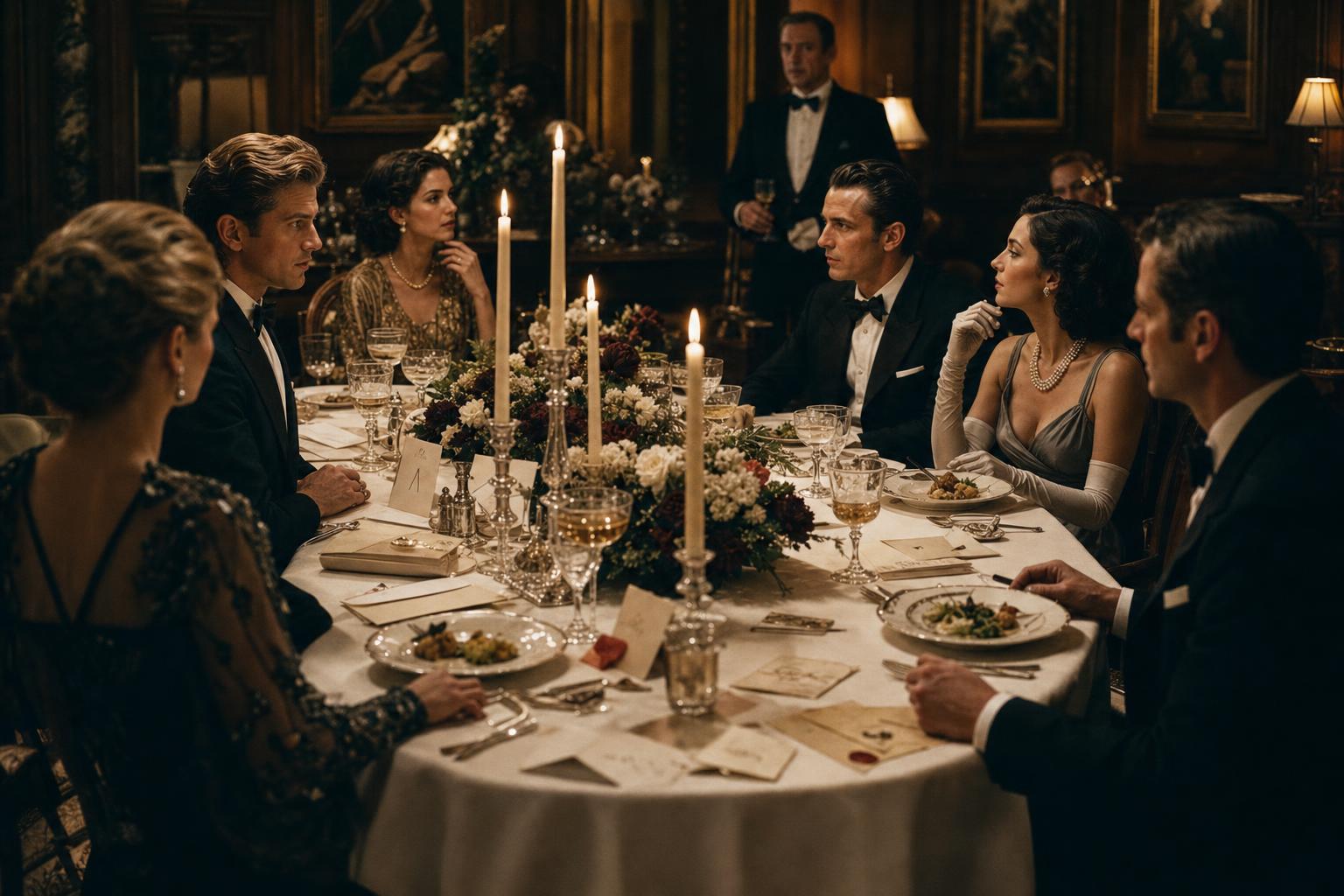
Introduction to a Murder Mystery Dinner
A murder mystery dinner combines the warmth of a shared meal with the suspense of an interactive whodunit. Instead of simply serving food and conversation, the host creates an evening where guests become suspects, investigators, and storytellers. The result is a game night that feels immersive, theatrical, and surprisingly easy to tailor to different group sizes, budgets, and experience levels.
What Makes a Murder Mystery Dinner So Engaging
At its core, this format turns passive entertainment into active participation. Guests are not just watching a story unfold; they are helping shape it through questions, clues, and character interactions. That sense of involvement is a major reason mystery-themed events remain popular. According to industry reports from the escape room and tabletop gaming sectors, interactive social entertainment has grown steadily as people look for memorable at-home experiences that go beyond traditional parties.
A Blend of Storytelling and Social Play
A murder mystery dinner works because it appeals to several interests at once. It offers the structure of a game, the creativity of roleplay, and the comfort of a dinner party. Some guests enjoy solving puzzles and spotting inconsistencies, while others love dressing in character and improvising dramatic scenes. This flexibility makes the format accessible even when attendees have different personalities or gaming backgrounds.
Why It Works So Well at Home
Hosting at home gives you full control over the atmosphere. Lighting, music, table settings, and menu choices can all reinforce the chosen theme, whether that means a glamorous 1920s soirée, a Victorian manor gathering, or a modern crime investigation. A home setting also keeps costs lower than booking an external venue, making it easier to invest in details that elevate the experience, such as printed invitations, themed props, or simple costume accessories.
Suitable for Many Occasions
A murder mystery dinner can fit birthdays, holiday gatherings, couples’ nights, or team-building events. Most games work best with 6 to 12 players, though some can scale larger. The format is especially effective for groups who want conversation starters built into the evening, since every clue and accusation naturally keeps discussion flowing.
What Readers Can Expect Next
Planning a successful mystery night involves more than choosing a script. The best events balance pacing, food service, guest comfort, and clue distribution so the evening feels exciting rather than confusing. From selecting the right theme to assigning characters and designing a menu that supports the action, each element contributes to a seamless and entertaining night for everyone involved.
Why Host One at Home
A More Immersive, Personal Experience
Hosting a murder mystery dinner at home turns an ordinary evening into a fully interactive event. Unlike going to a restaurant or booking a venue, a home setting gives you complete control over the atmosphere, pacing, and guest experience. You can tailor the theme, menu, music, and decorations to match the story, whether that means a glamorous 1920s speakeasy or a modern whodunit. That personalization often makes the night feel more memorable because guests are not just attending an event, they are stepping into a world you created.
Comfort Encourages Participation
A familiar environment also helps guests relax and get into character more easily. People tend to be more willing to dress up, improvise, and engage in playful accusations when they are surrounded by friends in a comfortable space. According to event industry surveys, interactive social gatherings consistently rank higher in guest satisfaction than passive entertainment because they encourage connection and participation rather than simple observation.
Cost-Effective Entertainment
Hosting at home can also be surprisingly budget-friendly. Renting a private event space can cost anywhere from $200 to over $1,000 depending on location, while a home-based gathering lets you focus your budget on food, props, and printable game materials. Many murder mystery kits are available for under $50, making the overall cost per guest significantly lower than a night out. For households looking to entertain eight to twelve people, that value is hard to beat.
Flexible for Different Budgets
You can scale the experience up or down without losing the fun. A simple pasta dinner and homemade clues can be just as engaging as a multi-course themed feast with elaborate costumes. The key advantage is flexibility. You decide where to splurge and where to save.
Built-In Social Connection
At-home murder mystery dinners naturally create conversation. Instead of guests splitting into small groups or defaulting to their phones, the game gives everyone a shared purpose. That structure is especially useful for mixed friend groups, family gatherings, or celebrations where not everyone already knows each other well. The result is an evening that feels lively, collaborative, and far more distinctive than a standard dinner party.
Choosing Your Mystery Theme
Selecting the right theme is the foundation of a memorable murder mystery dinner at home. A strong theme shapes the story, costumes, menu, decorations, and guest expectations, making the evening feel cohesive rather than improvised. Because most home mystery parties last between two and four hours, the theme should be easy for guests to understand quickly while still offering enough intrigue to sustain the plot. The best choice balances atmosphere with practicality, especially if your group includes first-time players.
Match the Theme to Your Guest List
Before choosing a setting, consider who will be attending. A group of close friends who enjoy roleplay may love a dramatic 1920s speakeasy mystery, while a mixed-age family gathering may respond better to a lighter mansion whodunit with humorous characters. Guest comfort matters as much as creativity. If people feel intimidated by complicated backstories or obscure historical references, they may participate less enthusiastically.
Themes also work best when they reflect the size of the group. A small dinner of six to eight guests suits an intimate country house murder, where every character can have a strong motive. Larger groups of ten to twelve often benefit from broader settings such as a masquerade ball, Hollywood premiere, or luxury train, where multiple suspects naturally fit into the narrative. In commercially available mystery kits, eight to ten players is one of the most common formats because it allows enough interaction without becoming chaotic.
Popular Mystery Themes That Always Work
Some themes remain popular because they are instantly recognizable and easy to execute at home. A classic Victorian or manor-house mystery delivers the familiar appeal of secret wills, family scandals, and suspicious servants. A Roaring Twenties theme adds glamour, jazz, and prohibition-era intrigue, giving guests plenty of costume inspiration. A 1980s high school reunion mystery introduces humor and nostalgia, often making it ideal for casual groups.
Modern and Niche Options
Contemporary settings can feel more accessible for guests who do not enjoy period costumes. A corporate retreat gone wrong, an upscale wedding reception, or a true-crime podcast launch can all create compelling modern mysteries. Seasonal themes also work well. During autumn, a haunted estate or Halloween séance mystery can heighten suspense, while winter holidays pair naturally with a snowed-in lodge scenario. The easier it is for guests to imagine themselves in the world, the stronger their engagement will be.
Consider Your Budget and Setup
A theme should fit your available space, decor resources, and food plans. A glamorous casino night may sound exciting, but it often requires more visual detail to feel convincing than a rustic cabin mystery. If your dining room already has vintage touches, a historical theme may require minimal extra effort. If you want a simpler setup, choose a modern dinner-party mystery where everyday clothing and household items can support the setting.
Align Theme With Menu and Atmosphere
Food can reinforce immersion. An Italian villa mystery pairs well with antipasti and pasta, while a 1920s party might feature canapés and sparkling drinks. Music also matters. Studies in event psychology consistently show that sensory consistency improves guest immersion, so matching sound, lighting, and table styling to the theme can significantly enhance the experience. Even small details, such as printed place cards or themed invitations, help transform a standard dinner into an interactive event.
Choose a Theme With Clear Character Potential
The strongest mystery themes generate distinct roles. Guests should immediately understand who they are and why they matter to the story. A good theme creates room for rivalries, secrets, alliances, and believable motives, ensuring that conversation flows naturally from the moment everyone arrives.
Setting the Guest List and Roles
Match the Guest List to the Mystery Format
A successful murder mystery dinner starts with a well-planned guest list. Most home mystery kits are designed for a fixed number of players, often between 6 and 12 guests, so your first step is choosing a game that fits the size of your gathering. If too few people attend, important characters may be missing. If too many arrive, some guests can feel like spectators instead of active suspects.
When deciding who to invite, think beyond numbers. The best groups usually include people who enjoy conversation, light improvisation, and collaborative problem-solving. A murder mystery does not require acting talent, but it does work best when guests are willing to stay engaged with the storyline. For example, a mix of outgoing personalities and quieter analytical guests often creates a balanced dynamic, because some players drive the dialogue while others focus on clues and motives.
Consider Group Chemistry
Group chemistry matters as much as headcount. Friends who already know each other may jump into character more quickly, while mixed groups can bring fresh energy and surprise alliances. If you are inviting couples, decide whether they should play on the same side socially or be assigned roles that deliberately create tension. That contrast can make the evening more entertaining.
Assign Roles with Intention
Once the guest list is set, assign roles in a way that supports both the story and your guests’ comfort levels. Many hosts make the mistake of distributing characters randomly without considering personality fit. A confident guest may thrive as a dramatic suspect with secrets to reveal, while a more reserved attendee may prefer a role centered on observation, clue-sharing, or subtle humor.
In many mystery games, each character has a backstory, objectives, and relationships with other guests. Sending roles out one to two weeks in advance gives players time to prepare a costume, understand their motives, and arrive ready to participate. This small step often improves engagement significantly, because guests feel less put on the spot.
Balance Complexity and Confidence
Not every role should carry the same level of difficulty. If your game includes a host character, detective figure, or highly theatrical suspect, assign those parts to guests who are comfortable speaking often. Simpler roles are ideal for first-time players. This balance helps the evening feel inclusive rather than intimidating.
Plan for No-Shows and Flexible Casting
Even carefully planned events can change at the last minute, so build flexibility into your casting. Some hosts choose mystery kits with expandable characters or optional roles. Others keep one or two adaptable parts in reserve. This is especially useful because social events commonly experience last-minute cancellations, and losing a central character can disrupt the plot.
If needed, you can also adjust by pairing two minor roles into one or allowing the host to absorb missing information into the narration. The goal is to protect the flow of the game without making guests feel that the structure is falling apart.
Help Guests Step Into Character
A short character email with costume ideas, relationship notes, and tone guidance can make a major difference. When guests understand not just who they are, but also how they should play the part, the mystery becomes more immersive from the moment the first accusation begins.
Planning the Story and Game Format
A memorable murder mystery dinner begins long before guests arrive. The story and game format shape the entire experience, influencing pacing, participation, and how immersed everyone feels. When planning your evening, think of the mystery as both a narrative and a social activity. The strongest home games balance suspense, structure, and flexibility so players can enjoy solving the crime without feeling overwhelmed by rules.
Choosing the Right Mystery Style
Start by deciding what kind of atmosphere you want. A classic manor-house whodunit creates a very different mood from a 1920s speakeasy scandal or a modern celebrity murder. Theme matters because it affects costumes, menu choices, decorations, and even the language guests use in character. A clear, recognizable setting helps players engage faster and reduces the amount of explanation needed.
The complexity of the mystery should also match your group. For first-time players, a straightforward case with obvious motives and a limited suspect pool works best. A group of six to eight players is often ideal because everyone has enough involvement without the plot becoming difficult to track. Larger groups can work well too, but they usually require side plots or team-based investigation to keep all guests active.
Matching the Format to Your Guests
Not every murder mystery dinner follows the same structure. Some are heavily scripted, with each guest receiving dialogue prompts and timed reveals. Others are open-ended, allowing players to improvise conversations and uncover clues naturally. Scripted formats are excellent for beginners, while freer formats appeal to confident, theatrical groups.
Structured vs. Flexible Play
A structured game usually unfolds in rounds. For example, guests may receive character information before dinner, then new clues between courses. This format keeps the evening organized and prevents key details from being missed. Flexible play, by contrast, feels more organic. Guests mingle, question one another, and build suspicions in real time. While this can be highly entertaining, it demands stronger facilitation from the host.
A practical benchmark is timing. Most home murder mystery dinners last between 2.5 and 4 hours, including food service. If your group enjoys conversation and roleplay, plan for the longer end of that range. If guests are new to interactive games, a shorter format often keeps energy high.
Building a Strong Story Framework
Every good mystery needs a believable victim, a compelling motive, and a satisfying trail of clues. The central crime should be easy to understand, even if the solution is not immediately obvious. Give each suspect a reason to be investigated, but avoid making the answer so obscure that players feel tricked. Fair mysteries are more enjoyable than impossible ones.
Designing Clues and Character Roles
Clues should emerge gradually and point in multiple directions. A handwritten note, a missing inheritance document, or a contradictory alibi can all deepen intrigue. Try to include a mix of public clues that everyone hears and private secrets known only to certain characters. This creates tension and encourages conversation.
Keeping Everyone Involved
Character design is just as important as plot design. Every guest should have a purpose beyond simply being present. Even non-murderer roles need secrets, relationships, or objectives. In successful party games, players are not only solving a crime but also protecting reputations, forming alliances, or revealing hidden agendas. That layered approach keeps the room lively and ensures the mystery unfolds through interaction rather than exposition alone.
Pacing the Revelations
Plan major reveals at natural moments, such as before the main course or after dessert. Well-timed twists maintain momentum and give quieter guests fresh opportunities to participate.
Invitations and Pre-Game Setup
Set the Tone Before Guests Arrive
A memorable murder mystery dinner begins long before the first clue is revealed. Invitations are your first chance to build suspense, establish the theme, and help guests understand what kind of evening to expect. Whether you send printed cards, themed emails, or digital invites through a platform like Canva or Evite, include the essentials: date, time, location, dress code, and a short teaser about the fictional setting. A 1920s speakeasy mystery, for example, instantly gives guests a visual style and mood to prepare for.
Share Character Details Early
For the game to run smoothly, send character assignments at least one to two weeks in advance. This gives everyone enough time to plan costumes, learn their backstory, and feel comfortable stepping into role. Early preparation often leads to stronger participation, especially for guests who are new to role-playing games. Include a brief character summary, personality traits, relationships to other suspects, and any secrets they should keep hidden until the right moment.
Make Preparation Simple
Not every guest wants to assemble an elaborate costume, so provide easy suggestions. A few accessories, color cues, or thrifted pieces are often enough to create the right effect. If your group includes both enthusiastic performers and more reserved players, reassure everyone that full acting skills are not required. The goal is engagement, not perfection.
Organize the Space for Gameplay
Your setup should support both dining and investigation. Arrange seating so guests can easily talk, observe reactions, and move around when needed. Good lighting matters; dim ambiance may feel dramatic, but players still need to read clue cards and notes. Background music can enhance immersion, especially if matched to the theme, but keep volume low enough for conversation.
Prepare Materials in Advance
Print all clues, name cards, and instruction sheets before guests arrive. Place important items in labeled envelopes so the game unfolds in the correct order. If the mystery kit includes multiple rounds, organize each stage separately to avoid confusion. A well-prepared host keeps the evening flowing smoothly, which helps maintain momentum and keeps players focused on solving the crime.
Plan Timing Carefully
Most home murder mystery dinners last between two and four hours, depending on group size and complexity. Build in time for arrivals, character introductions, meal service, and clue reveals so the night never feels rushed.
Decor, Lighting, and Atmosphere
Setting the Scene for Suspense
A memorable murder mystery dinner depends as much on atmosphere as it does on the script, costumes, or menu. The right decor instantly signals to guests that this is not an ordinary dinner party, but an immersive experience where every detail matters. Whether your theme is a 1920s speakeasy, a Victorian manor, or a glamorous Hollywood gala, visual consistency helps guests step into character faster and stay engaged longer.
Start by choosing a clear color palette that matches the setting. Deep reds, black, gold, silver, and ivory often work well because they suggest elegance and intrigue. Table linens, napkins, candles, and serving pieces should support that palette rather than compete with it. Even inexpensive items can look dramatic when coordinated thoughtfully. A simple dining room can feel transformed with dark fabric, vintage-style frames, and a few carefully placed props.
Using Decor to Build Immersion
Decor should do more than make the room look attractive; it should reinforce the story. Framed “family portraits,” faux newspaper clippings, handwritten invitations, and labeled evidence envelopes can all become part of the environment. If the mystery involves a wealthy host, polished glassware and formal place cards add credibility. If the setting is more rustic or eerie, distressed wood accents and antique-looking objects can create tension.
Small Details That Make a Big Difference
Guests often remember the subtle touches most vividly. A clock stopped at a suspicious hour, a wilted flower arrangement, or a sealed letter at one place setting can quietly deepen the mood. Sensory layering is especially effective because it makes the setting feel lived in rather than staged. According to event design professionals, cohesive environmental details increase guest engagement because they provide constant visual cues that support participation and roleplay.
Lighting as a Storytelling Tool
Lighting is one of the most powerful ways to shape emotion during a murder mystery dinner. Bright overhead lighting tends to flatten the mood, while softer, directional lighting creates intimacy and suspense. Candles, flameless LED tapers, string lights, and shaded lamps can all help produce a dramatic glow without making the room too dark for dining or clue reading.
Use lighting zones if possible. Keep the dining table warmly lit so guests can comfortably eat and examine materials, while corners of the room remain dimmer to suggest mystery. If you have smart bulbs, shifting from warm amber during dinner to a slightly cooler tone during clue reveals can subtly signal a change in pace. Good lighting should support gameplay, not distract from it.
Sound, Scent, and Overall Mood
Atmosphere extends beyond what guests see. Background music should match the era and remain low enough for conversation. Jazz, classical piano, or cinematic instrumental tracks often work well because they add tension without overpowering dialogue. Scent can also influence perception, though it should be used carefully around food. Mild notes like cedar, vanilla, or smoke-inspired candles can enhance the environment if they do not interfere with the meal.
Balancing Drama with Comfort
The most successful setup feels theatrical yet functional. Chairs should remain comfortable, pathways clear, and table decor low enough for eye contact. A crowded table may look impressive in photos, but it can hinder serving and clue exchange. Aim for a room that feels intentional, elegant, and slightly unsettling, where guests can relax enough to have fun while still sensing that something is wonderfully off.
Menu Planning and Themed Drinks
Building a Dinner Menu That Supports the Story
A memorable murder mystery dinner begins with a menu that feels like part of the plot, not an afterthought. Food helps establish time period, setting, and mood, whether your game is set in a 1920s speakeasy, a glamorous Hollywood mansion, or a foggy Victorian estate. When planning dishes, start with the theme and choose items that reinforce it. A jazz-age party might feature shrimp cocktail, deviled eggs, and mini cheesecakes, while an Italian villa mystery could include baked pasta, bruschetta, and tiramisu.
The most successful menus are also practical. Since hosts are usually managing clues, character questions, and pacing, recipes should be easy to prepare ahead of time. Dishes that can be assembled earlier in the day reduce stress and keep the evening moving smoothly. Buffet-style service or plated courses prepared in advance often work better than meals requiring constant attention at the stove.
Balancing Simplicity, Variety, and Dietary Needs
A good menu should feel generous without becoming overwhelming. Aim for a balanced selection of one main dish, two sides, and one dessert, or three simple courses if you want a more formal structure. Research from event planners consistently shows that guests remember smooth pacing more than elaborate food, so reliability matters more than complexity.
Smart Choices for Hosting
Choose foods that are easy to eat while talking, mingling, and examining evidence. Saucy, messy, or highly fragrant dishes can distract from gameplay. Finger foods, casseroles, roasted vegetables, and composed salads are often ideal. If your guest list includes different dietary needs, build flexibility into the menu from the start. Offering a vegetarian main or gluten-free side ensures everyone can participate comfortably without drawing attention to special accommodations.
A simple way to organize choices is shown below:
| Course | Easy Option | Themed Upgrade |
|---|---|---|
| Starter | Mixed greens salad | “Garden of Secrets” salad |
| Main | Baked chicken or pasta | “Last Supper” lasagna |
| Dessert | Chocolate cake | “Death by Chocolate” torte |
Creating Themed Drinks That Add Atmosphere
Drinks are one of the easiest ways to make the evening feel immersive. Signature beverages can reinforce the mystery’s tone and become conversation starters before the first clue appears. Rename familiar cocktails and mocktails to match the story, such as “Poisoned Pear Fizz,” “The Alibi,” or “Crimson Evidence.” Even sparkling water with fruit garnish can feel special when presented with a dramatic title.
Presentation Matters
Glassware, garnishes, and serving style all contribute to the effect. Dark berries, rosemary sprigs, edible glitter, or colored sugar rims can transform simple drinks into theatrical props. For nonalcoholic options, consider a punch bowl, spiced cider, or citrus spritzer so every guest has something festive. In home entertaining surveys, hosts regularly report that a single signature drink plus one alcohol-free option is easier and more appreciated than a full bar, especially when the focus is on interaction rather than mixology.
Matching Food Service to Game Flow
Timing matters as much as taste. Serve appetizers during character introductions, the main course after the first major reveal, and dessert as tensions rise. This structure keeps guests engaged while giving natural pauses for scripted events, accusations, and unexpected twists.
Costumes, Props, and Printables
Why Visual Details Matter
Costumes, props, and printables turn a simple dinner party into an immersive murder mystery experience. While the script and gameplay drive the plot, visual details help guests step into character faster and stay engaged longer. Research in event psychology consistently shows that themed environments increase participation and memory retention, which is why even small additions, such as name cards or suspect files, can make the evening feel far more polished.
A strong costume plan does not need to be expensive. In fact, some of the best murder mystery parties rely on suggestive styling rather than full theatrical outfits. A 1920s theme might only require pearls, suspenders, a fedora, or a vintage-style dress. For a modern detective setting, trench coats, dark blazers, and notebooks instantly communicate character. Giving guests a short costume brief in advance helps them prepare without feeling overwhelmed.
Choosing Practical Costumes
Keep It Simple and Character-Driven
The most effective costumes are easy to recognize and comfortable enough to wear through dinner, conversation, and clue-solving. Encourage guests to focus on one or two defining elements. A glamorous socialite could wear bold jewelry and satin gloves, while a suspicious professor might carry glasses, tweed, and a stack of papers. Comfort matters as much as appearance, especially for parties lasting two to four hours.
Hosts can also prepare backup accessories for guests who arrive underdressed. A small costume station with hats, boas, fake mustaches, costume jewelry, or pocket squares can quickly solve the problem and maintain the atmosphere.
Props That Enhance Gameplay
Props work best when they support the story rather than clutter the table. A sealed envelope marked “confidential,” a toy magnifying glass, labeled evidence bags, or a vintage-style key can all reinforce the mystery. If your game includes hidden motives, physical clue cards feel more dramatic than reading everything aloud. Tactile items create suspense and give players something memorable to interact with.
Table Setup and Printable Materials
Printables are especially useful because they combine decoration with function. Character sheets, menus, invitations, clue logs, and accusation forms help organize the night while strengthening the theme. A printed seating chart can guide guests into role immediately, and themed place cards make introductions smoother.
| Printable Item | Purpose | Best Time to Use |
|---|---|---|
| Invitations | Set expectations and theme | Before the event |
| Character cards | Explain roles and motives | Arrival |
| Clue sheets | Track evidence | During gameplay |
| Accusation forms | Record final guesses | End of mystery |
For the best results, print materials on heavier paper or lightly aged cardstock for a more authentic look. Even at home, these details can make the party feel professionally produced, setting up the next step: creating the right atmosphere with food, lighting, and music.
How to Host and Keep the Game Moving
Hosting a murder mystery dinner at home is equal parts storytelling, time management, and hospitality. The best hosts do more than hand out character cards and serve food. They create momentum, maintain energy, and make sure every guest feels involved. A smooth pace is what turns a fun idea into a memorable event, especially when players have different comfort levels with roleplay, deduction, and social interaction.
Set Expectations Before Guests Arrive
A successful evening usually starts before the first drink is poured. Send guests the basic premise, costume guidance, and arrival time several days in advance so they can prepare without feeling overwhelmed. If your game includes character secrets or objectives, distribute them early enough for players to read them, but not so early that details are forgotten. For most home games, a guest list of 6 to 10 players works especially well because it allows enough interaction without becoming difficult to manage.
It also helps to clarify the tone. Some murder mystery dinners are theatrical and humorous, while others lean toward suspense and deduction. When guests know whether to expect campy fun or a more serious mystery, they participate more confidently. Clear expectations reduce awkwardness and speed up the opening phase, which is often where home-hosted games lose momentum.
Open the Night with Structure
The first 15 to 20 minutes set the rhythm for the entire event. Greet guests in character if that fits the theme, but also give practical instructions plainly. Explain how the game works, when clues will be revealed, and whether players should stay in character throughout dinner. This short orientation prevents repeated questions later and keeps the mystery from stalling.
Introduce Rules Without Overloading Players
Keep the rules simple and verbal, even if printed instructions are available. Focus on what players need immediately: how to mingle, how to share information, and when accusations can be made. If the game has rounds, announce them clearly. Most players absorb information better in stages than all at once, particularly in a social setting with food, music, and conversation happening at the same time.
Use Food and Timing as Part of the Game
Dinner should support the mystery rather than interrupt it. A practical approach is to serve courses between major clue drops or interrogation rounds. For example, appetizers can accompany introductions, the main course can follow the first major reveal, and dessert can arrive as guests finalize theories. This creates natural transitions and gives quieter players time to think.
Keep Service Simple
Complicated hosting tasks can pull you away from the table and slow the action. Buffet-style service, make-ahead dishes, or a menu that needs minimal last-minute attention helps you stay present. According to event planning best practices, hosts who reduce active kitchen time generally create a more cohesive guest experience because they can focus on facilitation instead of logistics. If the host disappears for 20 minutes, the game often loses urgency.
Guide Energy Without Dominating
A good host nudges rather than controls. Watch for players who are talking too much, players who seem lost, or side conversations that drift away from the mystery. If energy dips, introduce a new clue, announce a timed round, or ask a direct question to the group. If one guest is dominating, redirect attention by inviting another player to share what they have learned.
Help Shy Guests Participate
Not everyone is comfortable improvising. Give quieter guests easy entry points by asking specific, low-pressure questions about their character, alibi, or suspicions. This keeps the game inclusive and often surfaces useful clues. Balanced participation makes the mystery feel richer, because players are responding to one another rather than waiting for the loudest person to lead every scene.
Keep the Ending Focused
As the final round approaches, signal it clearly. Tell guests when they have ten minutes left to investigate and when it is time to make accusations. A visible countdown can help maintain urgency. Once theories are shared, reveal the solution with a bit of drama, but avoid dragging out the explanation. The most satisfying endings are clear, energetic, and organized, leaving guests excited to compare notes and revisit their favorite moments
Clues, Twists, and Player Engagement
Designing Clues That Feel Fair
A great murder mystery dinner lives or dies by its clues. Players should feel challenged, not tricked, which means every important revelation needs a logical trail. The best clues work on two levels: they move the plot forward and deepen suspicion around multiple characters. A handwritten note, a missing glass, or a contradictory alibi can all point toward the truth while still allowing room for debate.
Balance is essential. If clues are too obvious, the mystery collapses early; if they are too vague, guests become frustrated. A useful rule is to make each major clue interpretable in at least two ways when first discovered. For example, a receipt showing a late-night purchase could suggest poison, but it might also support an innocent explanation until more evidence appears. This layered approach keeps conversation active and encourages players to revisit earlier assumptions.
Physical and Verbal Clue Types
Mixing clue formats increases immersion. Physical props such as letters, photographs, place cards, or labeled objects create a tactile experience that helps guests stay engaged. Verbal clues, delivered through scripted character dialogue or host announcements, add momentum and can redirect attention at key moments. Studies on interactive play consistently show that multisensory participation improves memory and involvement, which is why tangible evidence often becomes the centerpiece of discussion.
Using Twists Without Breaking the Story
A twist should surprise players while still feeling earned. The strongest twists do not appear from nowhere; they reframe information that was already present. Perhaps the victim was blackmailing more than one guest, or the apparent motive was staged to hide a financial crime. In well-structured mysteries, the reveal makes earlier scenes more meaningful rather than less believable.
Timing the Reveal
Timing matters as much as the twist itself. Introduce smaller surprises throughout the evening so the final reveal does not carry all the dramatic weight. A hidden relationship exposed midway through dinner can revive energy if conversation slows. Later, a second twist, such as a forged confession or switched inheritance document, can sharpen the stakes. This pacing mirrors classic mystery fiction, where tension rises through successive revelations instead of a single last-minute shock.
Keeping Every Player Invested
Player engagement depends on participation, not just plot. Each guest should have a reason to speak, suspect, defend, or investigate. Characters with secrets, conflicting goals, and social connections naturally generate discussion. Even shy players become more active when they hold a clue that others need or possess information that changes the group’s theory.
Encouraging Interaction at the Table
The host can sustain momentum by prompting discovery in stages. Releasing clues between courses works especially well because it creates natural discussion breaks. In many home-hosted games, three to five clue rounds are enough to maintain focus over two to three hours. Short accusation moments, private note exchanges, and timed reveals all help prevent dominant players from controlling the narrative, ensuring the mystery remains collaborative, lively, and suspenseful.
Tips for Different Group Types
Families with Mixed Ages
A home mystery party works best when the difficulty matches the youngest and oldest players at the table. For family groups, choose a storyline with simple motives, clear clues, and lighthearted themes rather than complex criminal plots. Children and teens usually stay engaged when they have active roles, short turns, and visible props such as invitation cards, suspect notes, or costume accessories. Adults can help guide the investigation without taking over, which keeps the experience collaborative instead of competitive.
Keeping Everyone Involved
Pacing matters. Research on group activities consistently shows attention drops when participants wait too long between interactions, so rotate clues frequently and give every guest at least one meaningful reveal. A grandparent might read a witness statement, while a child discovers a hidden clue under a plate. Shared participation creates stronger engagement than assigning all major deductions to one confident player.
Friends Who Love Competition
For highly competitive groups, lean into strategy and secrecy. These players often enjoy red herrings, private objectives, and hidden alliances that make the evening feel more like a social game than a scripted performance. A slightly more advanced mystery with layered evidence can increase excitement, especially when guests are encouraged to challenge alibis and defend their own stories.
Introverts, New Guests, and Casual Players
Not every group wants theatrical roleplay. If your guest list includes introverts or people meeting for the first time, reduce pressure by offering low-performance character cards with a few conversation prompts instead of long monologues. This approach lowers social friction while still giving everyone a reason to participate. Hosting experts often recommend starting with a warm-up question or short icebreaker before the first clue appears, because familiar conversation makes later improvisation feel easier.
Adjusting the Atmosphere
Music volume, seating layout, and lighting all affect comfort. A quieter room with smaller conversation clusters helps reserved guests contribute naturally. For larger gatherings of eight to twelve people, assign teams so no one feels isolated. The best murder mystery format is the one your group will actually enjoy, even if that means simplifying rules, shortening scenes, or focusing more on dinner than deduction.
Common Mistakes to Avoid
Overcomplicating the Experience
One of the most common mistakes when hosting a murder mystery dinner is trying to do too much at once. A packed script, elaborate decorations, complex rules, and a full multi-course meal can overwhelm both the host and the guests. The best events balance atmosphere with simplicity. If players spend more time asking how the game works than actually enjoying it, engagement drops quickly. A home gathering should feel immersive, not exhausting.
Choosing a Mystery That Does Not Fit the Group
A mismatch between the game and the guest list can derail the evening. For example, a mystery designed for 12 highly theatrical players may fall flat with a quieter group of 8. Some kits also require strong improvisation, while others are more structured. Selecting a format that matches your guests’ personalities, group size, and comfort level makes participation far more natural and enjoyable.
Neglecting Preparation
Poor preparation is another major issue. Hosts often underestimate how much time is needed to assign characters, explain rules, prepare food, and organize clues. Sending character details only a few hours before the party leaves guests unprepared and less confident in roleplay. In many successful game-night formats, hosts share materials at least one week in advance, giving everyone time to understand their role.
Letting Food or Timing Interrupt the Game
Serving dishes that require constant kitchen attention can break momentum. A murder mystery works best when the flow feels continuous, so choose meals that can be prepared ahead. Timing matters just as much. Long gaps between scenes, clue reveals, or courses can weaken suspense, while a steady pace keeps guests curious, involved, and ready to accuse the next suspect.
Conclusion: Create a Night to Remember
A murder mystery dinner at home is more than a party theme; it is an experience that blends storytelling, food, and social play into one memorable evening. When planned thoughtfully, it can turn an ordinary gathering into an event guests talk about long after the final clue is revealed. From selecting the right storyline to setting the atmosphere with music, lighting, and themed décor, every detail helps build immersion and excitement.
Bringing Every Element Together
The most successful mystery dinners balance structure and spontaneity. A clear timeline keeps the night moving, while room for improvisation allows guests to fully inhabit their roles. Serving a manageable menu, preparing clues in advance, and giving each participant a character with purpose all contribute to a smoother experience. Even simple additions, such as printed invitations or evidence cards, can elevate the evening and make it feel polished.
Why It Works So Well
Part of the appeal lies in how interactive the format is. Unlike passive entertainment, a murder mystery encourages conversation, collaboration, and playful suspicion. According to event industry surveys, immersive social experiences consistently rank among the most engaging forms of home entertainment because they create shared memories rather than just filling time. That makes this style of game night ideal for birthdays, holidays, dinner parties, or casual weekend gatherings.
Make It Your Own
Whether you host a glamorous 1920s whodunit or a lighthearted family-friendly case, the key is tailoring the evening to your guests. Focus on fun over perfection, stay flexible if the story takes unexpected turns, and let the energy in the room guide the pace. With the right preparation and a little creativity, you can create a night that feels cinematic, personal, and unforgettable.
FAQ
How many guests work best for a murder mystery dinner at home?
Most home murder mystery games run best with 6 to 10 guests, because that range gives every player a meaningful role without making the evening feel crowded or hard to manage. Some kits support as few as four players, while larger party editions can handle 12 or more, but the sweet spot for conversation, clue sharing, and dramatic reveals is usually around eight. If your group size changes at the last minute, choose a flexible game that allows extra characters to be added as observers, investigators, or secondary suspects.
How long should the evening last?
A typical murder mystery dinner lasts two to four hours, depending on the complexity of the story, the number of courses, and how much your guests enjoy improvising in character. A simpler game with light roleplay may wrap up in about two hours, while a themed dinner with costumes, cocktails, and multiple clue rounds can easily fill an entire evening. Planning a clear timeline helps keep energy high and prevents the mystery from dragging.
Is a full dinner necessary?
Not at all. While a sit-down meal creates a classic atmosphere, many hosts succeed with appetizers, desserts, or a buffet. The key is serving food that is easy to eat between scenes and does not interrupt gameplay. Finger foods, make-ahead dishes, and themed drinks usually work better than anything overly messy or time-sensitive.
Do guests need acting experience?
Absolutely not. The best murder mystery parties are designed for regular people, not performers. Most guests only need a character brief, a few secrets, and a willingness to participate. Encourage everyone to have fun rather than “perform perfectly.” Even shy players often become more engaged once the first clues are revealed and accusations begin.
What if someone cancels at the last minute?
Last-minute cancellations are common, so it is smart to prepare for them. Some games include expandable or removable roles, which makes adjustments easier. If not, the host can reassign key information, combine characters, or briefly rewrite the setup. Flexibility matters more than perfection, and most guests will never notice a few behind-the-scenes changes if the pacing stays smooth and the atmosphere remains immersive.


