

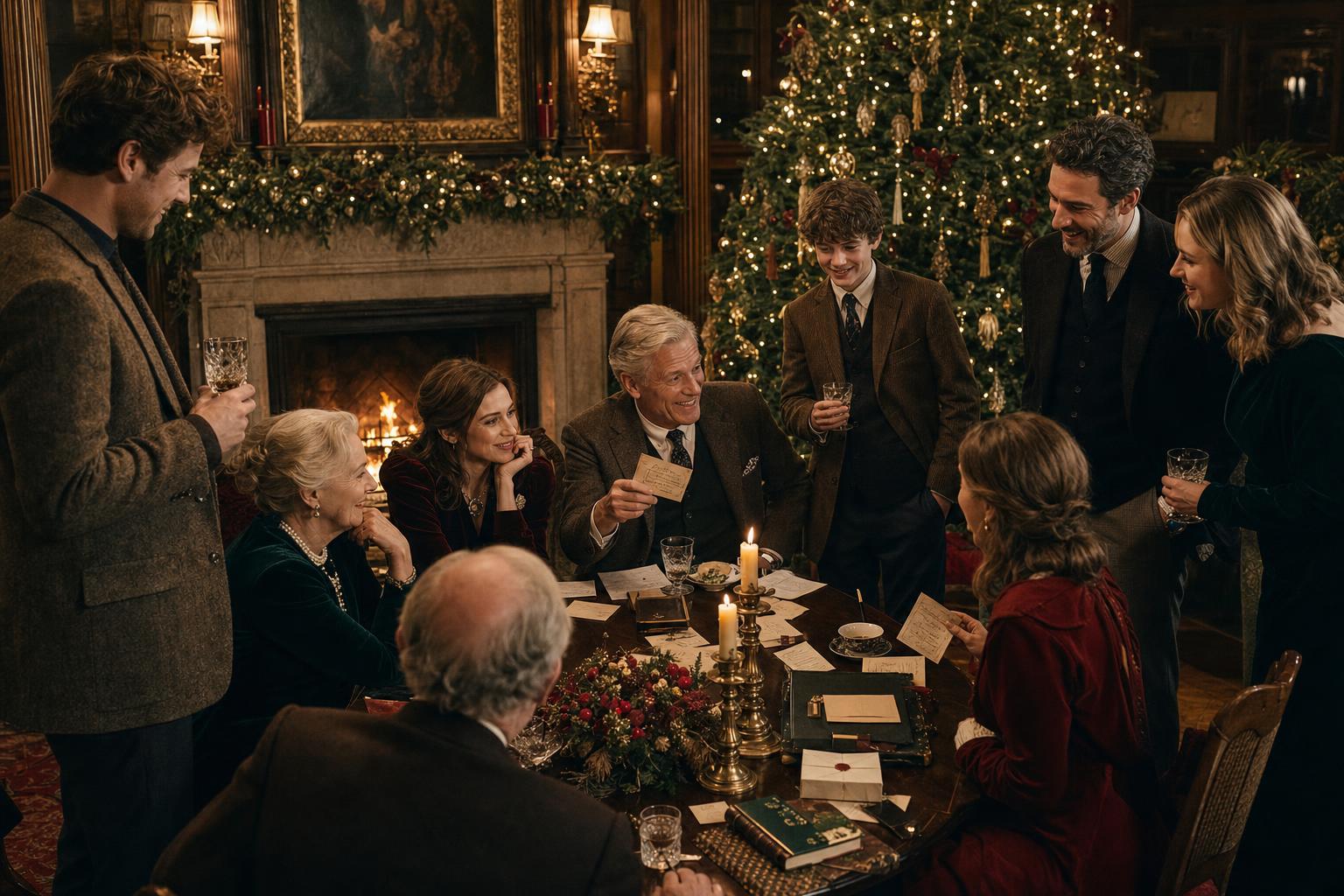
Introduction: Why Families Love Christmas Murder Mysteries
A Festive Twist on Traditional Family Entertainment
Christmas gatherings often bring together relatives of different ages, interests, and energy levels, which can make finding a shared activity surprisingly difficult. A Christmas murder mystery solves that problem by blending holiday cheer with interactive storytelling. Instead of passively watching a film or struggling through another predictable board game, families get to step into a playful narrative where everyone has a role to play. The result is an experience that feels fresh, memorable, and far more engaging than standard seasonal entertainment.
What makes this format especially appealing is its balance of structure and spontaneity. There is usually a clear plot, a set of clues, and a final solution, yet the real fun comes from how each family member interprets their character and reacts to the unfolding drama. Even shy participants often become more involved once the mystery begins, because the game gives them a reason to speak, question, and laugh without pressure.
Why the Mystery Format Works So Well at Christmas
The holiday season naturally encourages togetherness, and murder mystery games turn that togetherness into active participation. Research from the American Psychological Association has shown that shared activities can strengthen family bonds and improve communication, especially when they involve cooperation and problem-solving. A festive mystery taps into both. Players must listen carefully, notice details, and work through theories together, which creates a sense of teamwork wrapped in seasonal fun.
Entertainment for Multiple Generations
One of the biggest reasons families love these games is their multi-generational appeal. Grandparents can enjoy the classic whodunit structure, parents appreciate the organized entertainment, and children or teens are drawn to the costumes, secrets, and dramatic reveals. Because the game mixes conversation, humor, and light suspense, it can hold attention longer than many holiday activities.
More Than a Game
A Christmas murder mystery also creates stories families retell long after the decorations are packed away. People remember who delivered the most dramatic accusation, who solved the case first, or who stayed in character all evening. That replay value matters. In a season filled with repeated traditions, adding an interactive mystery introduces novelty without losing the warmth and familiarity that make Christmas special.
A Cure for Holiday Boredom
For families looking to avoid awkward silences or post-dinner sluggishness, this kind of game offers festive fun with purpose. It keeps guests engaged, encourages laughter, and transforms an ordinary gathering into an event everyone wants to talk about.
What a Family Christmas Murder Mystery Is
A family Christmas murder mystery is a festive, story-driven game in which relatives and friends work together to solve a fictional crime during the holiday season. Despite the dramatic name, the experience is usually lighthearted, age-appropriate, and designed more for laughter than suspense. It blends elements of party games, improv, and puzzle solving, turning an ordinary gathering into an interactive event where everyone has a role to play.
A Holiday Activity Built Around Storytelling
At its core, this kind of mystery gives participants a shared narrative. One person may play the host, while others become suspects, witnesses, or amateur detectives. Each character typically has a backstory, motives, and clues to reveal over the course of the game. Instead of simply watching the action unfold, guests actively shape it through conversation, questioning, and deduction.
This format works especially well at Christmas because the season already encourages togetherness, tradition, and playful participation. A mystery set around a missing present, a sabotaged pudding, or a suspicious incident at a holiday party feels festive without requiring elaborate preparation. The real appeal is immersion: people are not just attending a gathering, they are stepping into a story.
How It Differs From Traditional Party Games
Many holiday games are short, repetitive, or centered on simple competition. A family Christmas murder mystery offers something more layered. It can last anywhere from 45 minutes to three hours, depending on the complexity of the plot and the age of the players. According to event planners and party game publishers, interactive mystery games remain popular because they combine social engagement with structured entertainment, reducing the awkward downtime that often happens at large family gatherings.
A Balance of Fun and Accessibility
Unlike adult-only murder mystery dinners that may rely on darker themes, family versions are usually written with clean humor, mild suspense, and inclusive roles. Children, teens, parents, and grandparents can all participate at different levels. Younger players may focus on spotting clues, while older players enjoy piecing together motives and contradictions. This flexibility makes the format especially useful for multigenerational celebrations.
What Usually Happens During the Game
Most family Christmas murder mysteries begin with an introduction to the setting and the central problem. Players receive character descriptions or clue cards, then the story unfolds in rounds. New evidence appears, secrets are revealed, and participants question one another to uncover inconsistencies. By the final stage, everyone makes a guess about the culprit or the truth behind the event.
Common Elements You Can Expect
A typical game often includes a festive setting, a cast of quirky characters, hidden information, and a final reveal. Some versions also use props, printable invitations, themed costumes, or audio clues to deepen the atmosphere. The objective is not acting skill but participation, which means even shy guests can enjoy the experience.
Because it combines conversation, creativity, and problem solving, a family Christmas murder mystery is less about “winning” and more about creating memorable moments together during the holiday season.
Why It Beats Traditional Holiday Activities
More Engaging Than Passive Entertainment
Many classic holiday activities are comforting, but they often rely on passive participation. Watching the same seasonal film, sitting through a long meal, or making small talk around the living room can leave children restless and adults distracted. A Christmas murder mystery changes that dynamic by giving everyone a role in the experience. Instead of simply consuming entertainment, family members actively shape it through questions, clues, and playful debate.
This level of involvement matters because shared interactive experiences tend to hold attention longer than passive ones. In practice, that means fewer bored teenagers scrolling on their phones and fewer younger children wandering off after ten minutes. The mystery creates a natural reason for everyone to stay present, listen carefully, and contribute ideas.
A Better Fit for Mixed Age Groups
One reason traditional holiday activities can fall flat is that they rarely suit every generation at once. Board games may be too complex for younger children, while crafts can feel repetitive for older relatives. A family-friendly murder mystery is more flexible because it can be adapted to different ages, reading levels, and confidence levels.
Built-In Roles for Everyone
A well-designed mystery allows each person to participate in a way that feels comfortable. Confident players can perform dramatic character roles, while quieter relatives can focus on solving clues or spotting inconsistencies. This makes the activity especially effective for gatherings where grandparents, parents, teenagers, and children all need something enjoyable to do together.
Encourages Real Conversation
Traditional holiday entertainment often runs alongside conversation rather than inspiring it. People may chat in short bursts during dinner or commercials, but the interaction can remain surface-level. A murder mystery naturally generates meaningful conversation because players must ask questions, defend theories, and respond to surprising twists.
Turning Small Talk Into Collaboration
Instead of repeating familiar holiday topics, families start discussing motives, alibis, and hidden evidence. That shift can be refreshing, especially during long gatherings. It gives relatives something new to talk about and helps break awkward silences. For families hosting guests who do not know each other well, the mystery acts as a social bridge.
Delivers Strong Value for Time and Money
Many holiday outings are expensive and short-lived. Cinema tickets, festive attractions, and restaurant meals can add up quickly, especially for larger families. By contrast, a murder mystery often provides extended entertainment at a lower cost per person. One game can fill 60 to 120 minutes, and some kits are reusable or printable.
| Activity | Typical Duration | Cost Flexibility | Interaction Level |
|---|---|---|---|
| Holiday movie | 90–120 minutes | Medium | Low |
| Festive meal out | 60–90 minutes | Low | Medium |
| Christmas murder mystery | 60–120 minutes | High | High |
That combination of affordability, replay value, and genuine engagement makes it a standout alternative during the festive season.
Choosing the Right Mystery for All Ages
Selecting a Christmas murder mystery for a family gathering is less about finding the “most dramatic” plot and more about choosing a format that keeps children, teens, parents, and grandparents equally involved. A good all-ages mystery balances suspense with humor, offers simple rules, and avoids content that feels too dark for a festive setting. When the game is chosen well, it becomes a shared experience rather than an activity dominated by the loudest or oldest players.
Match the Mystery to Your Group
The first step is to think about the age range and attention span of your guests. Younger children usually enjoy mysteries with clear clues, colorful characters, and a playful tone, while teenagers and adults may want more layered motives and red herrings. For mixed-age groups, the best option is often a lighthearted holiday mystery where the “murder” is presented in a theatrical, fictional way rather than as a grim crime. This keeps the atmosphere fun and seasonal.
Group size also matters. Many family mystery kits are designed for between 6 and 12 players, though some can stretch to 20 with optional roles. If your gathering includes shy participants, choose a mystery that allows for smaller speaking parts. This helps everyone join in without pressure and prevents the game from feeling like a stage performance.
Keep Themes Festive, Not Frightening
A family-friendly Christmas mystery should feel like part of the celebration. Stories involving stolen presents, sabotaged pageants, missing recipes, or a suspicious incident at Santa’s workshop often work better than plots centered on revenge or betrayal. The goal is to create gentle suspense with plenty of laughter, not discomfort.
Tone Matters More Than Complexity
Even a simple mystery can be memorable if the tone is right. According to family entertainment trends, interactive games perform best when players understand the objective within the first 10 minutes. That means the mystery should introduce characters quickly, explain the rules clearly, and move into clue-sharing without long setup. A complicated backstory may impress adults, but it can lose younger players before the fun begins.
Look for Flexible Roles and Easy Clues
One of the strongest features in an all-ages mystery is flexibility. Some games let players choose how deeply they want to act in character, which is ideal for families. A confident teenager might enjoy dramatic improvisation, while a younger child may prefer reading short clue cards. Both should still feel important to solving the case.
Accessibility Improves Participation
Choose mysteries with large-print materials, short character descriptions, and clues that do not rely on obscure references. If a puzzle requires advanced wordplay or niche historical knowledge, some players may disengage. The best family mysteries use observation, conversation, and simple deduction so that everyone has a fair chance to contribute.
A useful way to compare options is to review the core features before buying or downloading a kit.
| Feature | Best Choice for Families |
|---|---|
| Tone | Humorous and festive |
| Age suitability | Recommended for children and adults |
| Setup time | Under 20 minutes |
| Role flexibility | Mix of major and minor parts |
| Clue style | Clear, visual, and easy to share |
Consider Time, Energy, and Setting
Not every family wants a two-hour mystery after a large Christmas meal. In many homes, 45 to 90 minutes is the sweet spot, especially when younger children are involved. If your celebration is already busy with gift opening, dinner, and games, a shorter mystery can keep energy high. Choosing the right mystery means respecting your family’s rhythm while making sure everyone feels included in the festive fun.
Planning the Event Without Holiday Stress
Start With a Simple, Family-Friendly Framework
A Christmas murder mystery sounds elaborate, but the easiest way to keep it enjoyable is to simplify the planning from the beginning. Instead of treating the event like a full-scale production, think of it as a structured family game night with a festive storyline. Most successful home mystery events last between 60 and 120 minutes, which is long enough to build suspense without exhausting younger players or overwhelming the host. Setting a realistic time frame immediately reduces pressure and helps every other decision feel manageable.
The most effective approach is to choose the mystery format before anything else. Some families prefer a scripted game with assigned roles, while others enjoy a looser format where clues are revealed gradually and everyone works together. If your guest list includes children, grandparents, and teens, a cooperative format often works best because it avoids putting too much performance pressure on any one person. The goal is participation, not perfection, and that mindset can prevent the kind of holiday stress that turns fun into work.
Build the Guest Experience Around Comfort
Holiday gatherings already come with packed calendars, travel fatigue, and high expectations, so your event should feel easy to join. Keep the guest list aligned with your space and energy level. Research on home entertaining consistently shows that smaller gatherings are easier to manage and often feel more memorable because hosts can focus on interaction instead of logistics. For many families, 8 to 12 participants is an ideal number for a mystery game, allowing enough suspects and clues without creating confusion.
Make Invitations Clear and Low-Pressure
A clear invitation removes uncertainty, which is one of the biggest sources of event anxiety. Let guests know the start time, expected duration, whether costumes are optional, and if dinner or snacks will be served. When people understand what to expect, they arrive more relaxed and ready to engage. For example, saying “Festive jumpers welcome, but absolutely not required” signals that the evening is meant to be playful rather than demanding.
Keep Food and Decor Manageable
One of the fastest ways to create holiday stress is to overcomplicate the menu. A murder mystery does not require a restaurant-style meal. In fact, buffet-style food, finger snacks, or a dessert-and-drinks format often works better because it keeps the game moving. According to event planning professionals, menus with make-ahead dishes significantly reduce host workload on the day of the gathering. Slow-cooker meals, grazing boards, mince pies, and hot chocolate stations are practical choices that still feel festive.
Focus on Atmosphere, Not Perfection
Decor should support the mood without becoming another major project. A few intentional touches such as fairy lights, printed clue cards, candles, and Christmas table accents can create a strong atmosphere with minimal effort. Music also does a lot of heavy lifting. A background playlist of instrumental holiday songs or light suspense themes can make the room feel immersive without requiring expensive props. Guests remember the feeling of the evening far more than elaborate decorations.
Create a Planning Timeline That Protects Your Energy
A simple timeline can prevent last-minute panic. About two weeks ahead, confirm the guest list and choose the mystery game. One week before, assign roles or print materials. Two or three days before, shop for food and prepare anything possible in advance. On the day itself, focus only on setup, serving, and welcoming guests. Breaking tasks into stages reduces decision fatigue, which tends to peak during the Christmas season when people are already juggling shopping, school events, and travel plans.
Have a Backup Plan for Common Problems
Even well-planned events benefit from flexibility. A guest may cancel, a child may lose interest, or dinner may run late. Build in room for adaptation by keeping extra clue copies, allowing role swaps, and choosing a game that can continue even if someone steps away. If younger children are attending, a small side activity such as coloring sheets or simple puzzle cards can help maintain the flow. Stress usually comes from rigidity, not from imperfection, so the more adaptable your plan, the smoother the event will feel.
Let the Mystery Do the Entertaining
Hosts often assume they must constantly perform, but the mystery itself should carry much of the evening. Once the scene is set and the rules are explained, let guests explore, question, laugh, and speculate. That shared interaction is what makes a family Christmas murder mystery memorable. By keeping the structure simple, the food practical, and the expectations realistic, you create an event that feels festive, organized, and genuinely fun rather than like another demanding holiday obligation.
Setting the Scene With Festive Atmosphere
A memorable Christmas murder mystery for families begins long before the first clue appears. The atmosphere sets expectations, sparks curiosity, and helps every guest, from excited children to skeptical adults, feel part of something special. In family entertainment, environment matters because people respond emotionally to what they see, hear, and touch. A room that feels festive and slightly mysterious can transform a simple gathering into an immersive event that keeps attention far better than passive holiday activities.
Why Atmosphere Matters
Festive atmosphere is not just decoration; it is a practical storytelling tool. Research in environmental psychology has shown that sensory cues influence mood, engagement, and memory. Warm lighting, seasonal scents, and recognizable holiday music can make participants feel comfortable, while carefully placed mysterious details create intrigue. The best family mystery experiences balance coziness with suspense, ensuring younger players feel included rather than intimidated.
For example, a dining room with fairy lights, paper snowflakes, and a few “suspicious” props such as a misplaced glove or a torn note instantly suggests that something unusual has happened. This visual storytelling encourages guests to start asking questions before the game officially begins, which is exactly what a host wants.
Building the Visual Setting
The easiest way to create impact is to use decorations that already belong to Christmas and give them a narrative twist. A traditional red-and-gold table setting can become part of the mystery if one place setting looks disturbed or one cracker contains an unexpected clue. Small details often feel more convincing than expensive decorations, especially in a home setting.
Lighting and Color
Lighting shapes mood faster than almost any other element. Soft lamps, candles, or battery-powered tea lights create warmth, while cooler white fairy lights can add a frosty, dramatic effect. If possible, avoid harsh overhead lighting, which can make the room feel flat. Rich seasonal colors such as deep green, burgundy, gold, and silver help maintain a festive tone while supporting the elegance of the mystery theme.
Props That Tell a Story
Props should feel intentional rather than random. A labeled gift box, a handwritten invitation, or a half-finished mug of cocoa can all suggest character and motive. If the mystery includes named suspects, place subtle items around the room that hint at their personalities. A chef character might leave behind a recipe card, while a mischievous elf suspect could be linked to scattered bells or ribbon.
Using Sound, Scent, and Activity
Atmosphere becomes stronger when it engages more than sight. A playlist of instrumental Christmas music works especially well because it fills silence without distracting from conversation. During key moments, lowering the volume can increase tension and signal that an important clue is about to be revealed.
Seasonal scents also help. Cinnamon, orange, pine, and baked treats are strongly associated with Christmas in many households. These familiar aromas make the experience feel welcoming, which is important when mixing mystery with family fun. Even simple activities, such as serving themed snacks or asking guests to arrive in festive attire, reinforce the sense that this is an event rather than just another evening at home.
Making It Family-Friendly
A successful family atmosphere should invite participation from all ages. Keep the mystery playful rather than frightening, and let the setting reflect that tone. Humorous suspect cards, cheerful decorations, and interactive clue displays can maintain excitement without becoming too dark. When the room feels magical, comfortable, and full of possibility, guests are far more likely to stay engaged and eager for the first big reveal.
Roles, Clues, and Simple Game Structure
A family-friendly Christmas murder mystery works best when the roles are easy to understand, the clues are satisfying to uncover, and the structure keeps everyone involved. The goal is not to create a complex detective simulation. It is to build a festive experience where grandparents, teens, and younger children can all participate without feeling lost. A simple framework also helps the host stay relaxed, which matters during a busy holiday gathering.
Choosing Roles Everyone Can Play
The strongest family mysteries use characters with clear personalities and light motives rather than dark backstories. At Christmas, guests respond well to playful roles such as the overcompetitive pudding judge, the aunt guarding a secret recipe, the cousin who “borrowed” presents from under the tree, or the neighbor who knows too much about everyone’s business. These roles create instant conversation starters and encourage improvisation without demanding acting skills.
A practical rule is to give each player just enough information to feel involved. In many home mystery kits, character sheets are usually between 100 and 250 words because shorter briefs are easier to absorb quickly. For family play, that range is ideal. Each role should include who the character is, what they want, what they know, and one secret they would rather keep hidden. That combination gives players direction while leaving room for spontaneous fun.
Balancing Ages and Personalities
Not every family member wants the same level of spotlight. Some guests love dramatic reveals, while others prefer to observe and ask a few questions. A good host plans for both. More outgoing players can take roles with stronger motives or more clues to share. Quieter participants can be assigned characters who hold one important fact, making their contribution meaningful without putting pressure on them to perform constantly.
Keeping It Light for Younger Players
If children are involved, the “murder” can be softened into a missing object, a stolen Christmas star, or the mysterious disappearance of Santa’s bell. Research on family game engagement consistently shows that younger players stay interested longer when stakes feel playful rather than frightening. The mystery still works because the structure of suspects, clues, and deduction remains the same, but the tone stays cheerful and age-appropriate.
Designing Clues That Feel Fair
Clues are the engine of the game. If they are too vague, players get frustrated. If they are too obvious, the mystery ends too soon. The best approach is to layer information gradually. A family mystery often runs well with three rounds of clue reveals, each one narrowing the possibilities. In round one, players learn broad facts about time, place, or opportunity. In round two, they uncover contradictions, alibis, or hidden relationships. In round three, they receive the final clue that allows them to make a confident accusation.
Types of Clues That Work Well
Physical clues are especially effective at Christmas because they can be woven into decorations and table settings. A torn gift tag, a lipstick mark on a mug, a receipt from the village bakery, or a note tucked into a cracker all feel immersive and memorable. Verbal clues also matter. A character might accidentally mention hearing sleigh bells at the wrong time, or insist they were in the kitchen when another clue proves otherwise.
Red Herrings Without Confusion
A red herring adds excitement, but it should never derail the game completely. One or two misleading details are enough for a short family mystery. For example, a suspicious footprint near the tree may point to one guest, only to later reveal that several people borrowed the same boots for a snowy walk. That kind of twist creates surprise while still feeling fair.
A Simple Structure That Keeps Momentum
Most family Christmas mysteries succeed with a structure lasting 60 to 90 minutes. That window is long enough for suspense but short enough to hold attention before dessert, gift opening, or bedtime. The game can be divided into four clear stages.
| Stage | Purpose | Suggested Time |
|---|---|---|
| Introduction | Explain story, assign roles, set tone | 10–15 minutes |
| Investigation Round 1 | Share first clues and initial suspicions | 15–20 minutes |
| Investigation Round 2 | Reveal deeper secrets and contradictions | 15–20 minutes |
| Final Accusation | Players guess and solution is revealed | 10–15 minutes |
This format works because everyone understands where they are in the story. It also helps the host pace the event naturally, especially if food and family interruptions are part of the evening.
Hosting Tips for Smooth Play
A host should guide the game gently rather than dominate it. Clear transitions between rounds prevent confusion, and reading key clue cards aloud ensures nobody misses vital information. It also helps to repeat the central question often: who had motive, opportunity, and the missing piece of evidence? That reminder keeps players focused on solving rather than drifting into unrelated holiday chatter.
Making the Reveal Satisfying
The final reveal should connect every major clue in a way that feels earned. Even in a silly Christmas setting, players enjoy the moment when scattered details suddenly make sense. When the structure is simple, the clues are fair, and the roles invite participation, the mystery becomes festive, inclusive, and genuinely memorable for the whole family.
Keeping Kids, Teens, and Adults Engaged
A family Christmas murder mystery only works when every age group feels involved, not just present. In mixed-age gatherings, attention spans, confidence levels, and preferred activities vary widely. Younger children often want movement and clear roles, teens usually respond to challenge and autonomy, and adults tend to enjoy layered clues and social interaction. Designing the experience with these differences in mind turns a novelty game into a genuinely memorable holiday event.
Build Roles Around Age and Confidence
The easiest way to keep everyone engaged is to assign roles that match both age and personality. Younger children usually do best with simple, visible parts such as messenger, clue finder, witness, or helper to the lead detective. These roles give them a purpose without requiring long stretches of improvisation. Teens often enjoy characters with secrets, motives, or opportunities to misdirect others, because that gives them room to perform and strategize. Adults can handle more complex backstories, clue interpretation, and pacing responsibilities.
Give Everyone a Job That Matters
Engagement rises when each participant feels essential. A child who discovers a hidden note, a teen who decodes a message, and an adult who connects the timeline all contribute differently, but each contribution should move the story forward. Meaningful participation prevents passive spectatorship, which is one of the main reasons family party games lose momentum.
Use Layered Clues and Multiple Formats
Variety keeps the mystery lively. Instead of relying only on spoken dialogue, mix in written clues, visual evidence, simple puzzles, and physical objects. Children may respond best to tangible items like a ribbon, ornament, or labeled envelope. Teens often enjoy ciphers, contradictions, and red herrings. Adults typically appreciate clues that require deduction and discussion.
A useful structure is to reveal clues in stages. Early clues should be easy enough for younger players to notice and understand. Mid-game clues can become more interpretive, giving teens and adults something deeper to debate. This gradual increase in complexity helps maintain energy across the room rather than concentrating attention in one age group.
Keep the Pace Active
One common mistake is allowing the game to become too talk-heavy. Long explanations can lose children quickly and make teens disengage. Breaking the mystery into short rounds works better. A five- to ten-minute cycle of clue discovery, discussion, and accusation keeps momentum high. Research on attention in group learning settings consistently shows that shorter activity segments improve participation, especially for younger audiences.
Add Movement Without Chaos
Physical engagement does not have to mean disorder. Hide clues in different rooms, create a timed search for evidence, or ask players to interview specific characters. Even simple movement resets attention. When people change location or task, they are more likely to re-enter the game with focus.
Encourage Collaboration Over Competition
While a little rivalry can be fun, family groups usually stay more engaged when the mystery encourages teamwork. Pair younger children with older siblings, cousins, or adults so they can solve clues together. Teens often respond well when given leadership in a small team rather than being treated as either children or full hosts. Adults can support without dominating if the game structure rewards listening and shared discovery.
Balance Challenge and Accessibility
The best family mysteries avoid two extremes: making the game so simple that adults get bored, or so complex that children tune out. A balanced approach includes clues with different difficulty levels and allows several paths to progress. If one puzzle stalls, another clue should still open the story. This prevents frustration and keeps the atmosphere festive.
Use Holiday Themes to Sustain Interest
Christmas details naturally help maintain attention because they create familiarity and mood. A missing cookie recipe, a suspicious gift tag, or a clue hidden in a stocking feels playful and seasonal. These touches matter because themed experiences are often more memorable than generic ones. Event planners frequently note that immersive details increase guest participation, especially in multigenerational settings where not everyone begins equally enthusiastic.
Let Personality Drive the Fun
Not every player wants the spotlight. Some children prefer searching to speaking, some teens enjoy solving more than acting, and some adults would rather facilitate than perform. Offering different ways to participate respects these preferences and keeps energy authentic. The goal is not to make everyone play the same way, but to make sure everyone has a way to play.
When the mystery is structured with flexible roles, varied clues, active pacing, and age-appropriate challenges, the whole family stays invested in the unfolding story rather than waiting for it to end.
Food, Costumes, and Fun Add-Ons
Build the Atmosphere With Easy Festive Food
Food can quietly transform a family murder mystery from a simple game night into a fully immersive Christmas event. The best menu is not elaborate; it is themed, easy to serve, and flexible enough for different ages. Finger foods work especially well because they let players keep talking, accusing, and searching for clues without interrupting the flow. Mini sandwiches, sausage rolls, cheese boards, vegetable platters, and iced cupcakes all fit the occasion while keeping preparation manageable.
A smart approach is to give dishes playful names that match the mystery. A fruit punch becomes “Poison Punch,” brownies turn into “Secret Evidence Squares,” and a tray of cookies can be labeled “Detective Rations.” This small detail adds humor and helps children engage with the story. If your gathering includes mixed age groups, include familiar options alongside one or two more festive items so nobody feels left out. According to UK holiday hosting surveys, buffet-style meals remain one of the most popular formats for family seasonal gatherings because they reduce stress and encourage mingling.
Costumes That Feel Fun, Not Complicated
Costumes add instant energy, but they do not need to be expensive or theatrical. In fact, simple costume prompts usually work better for families than full character wardrobes. Encourage guests to dress as a suspicious but festive version of themselves, or assign easy roles such as eccentric aunt, grumpy chef, jewel thief, retired detective, or mysterious neighbor. A Santa hat, sparkly scarf, vintage brooch, toy magnifying glass, or dark blazer can be enough to suggest character without overwhelming younger players.
Low-Effort Costume Ideas
The most successful family costume choices are comfortable and recognizable. Children often enjoy visible props, while adults prefer quick accessories that can be added over normal clothes. This keeps the event accessible and avoids the common problem of guests feeling underprepared. If you want a more coordinated look, choose a broad theme such as Victorian Christmas, winter lodge, or glamorous holiday party and let everyone interpret it in their own way.
Add-Ons That Make the Night Memorable
The extra touches are often what guests remember most. Background music, printed name cards, clue envelopes, and battery candles can make the room feel theatrical without requiring a large budget. Lighting matters more than many hosts expect; warm lamps or fairy lights create a cozy, suspenseful mood that suits a Christmas mystery perfectly.
Interactive Extras for All Ages
Small interactive additions can also help maintain momentum. A “detective notebook” for each guest gives children something tangible to use, while adults appreciate having a place to track motives and alibis. Photo booths with props like reindeer antlers, fake mustaches, and detective hats add another layer of entertainment. If prizes are involved, keep them lighthearted, such as chocolates for “Best Detective” or a novelty trophy for “Most Dramatic Suspect.”
Pacing the Experience
Well-chosen add-ons should support the mystery rather than distract from it. Aim for details that deepen participation, encourage laughter, and keep everyone engaged between clue reveals and character moments.
Hosting Tips for a Smooth, Boredom-Free Night
Set the Pace Before Guests Arrive
A successful family murder mystery starts long before the first clue appears. Preparation is what keeps the evening lively, especially when you are entertaining a mix of children, teens, and adults. Send character roles, costume ideas, and a simple schedule in advance so everyone knows what to expect. This reduces confusion and helps guests arrive ready to participate rather than needing lengthy explanations at the door.
It also helps to plan the night in short, energetic segments. Research on attention spans in group activities shows that variety improves engagement, particularly for younger participants. Instead of one long block of gameplay, divide the evening into scenes, clue reveals, snack breaks, and quick discussions. That rhythm prevents the event from feeling slow or overly complicated.
Keep the Mystery Easy to Follow
The best family-friendly mysteries are immersive without being overwhelming. Clarity matters more than complexity when your goal is fun. Use a storyline with straightforward motives, recognizable characters, and clues that can be understood by different age groups. If guests spend too much time trying to understand the rules, the energy in the room can drop quickly.
Make Instructions Visible
Printed cue cards, labeled envelopes, and a central clue table can make a big difference. Visual guidance keeps the game moving and reduces the number of interruptions for questions. If you are hosting a larger group, consider assigning one adult or older teen as a helper who can quietly guide players who get stuck without revealing too much.
Build in Food, Movement, and Interaction
A boredom-free night depends on more than the mystery itself. Guests stay engaged when they have chances to move, laugh, and reset. Serve food that is easy to eat between scenes, such as finger foods or festive platters, so the flow of the game is not interrupted by a formal meal. In many family gatherings, shorter food breaks work better than one long sit-down dinner because they maintain momentum.
Use the Space Strategically
Arrange seating so players can easily see and hear one another, but leave room for movement during clue hunts or dramatic reveals. Background Christmas music at a low volume can add atmosphere without making conversation difficult. Lighting should feel festive but still bright enough for reading clues, as poor visibility can frustrate players and slow the game.
Have a Flexible Backup Plan
Even well-planned events need adaptability. Some guests may solve clues quickly, while others may lose focus. A good host reads the room and adjusts. Keep a few extra riddles, mini prizes, or humorous suspect questions ready to fill quiet moments. If energy dips, introduce a surprise twist or timed challenge to bring everyone back into the action and keep the night feeling cheerful and memorable.
Common Mistakes and How to Avoid Them
Choosing a Mystery That Is Too Complicated
One of the most common mistakes families make is selecting a game with rules, clues, or character backstories that are too complex for the group’s age range. Younger children can lose interest quickly if they cannot follow the plot, while adults may become frustrated if the game feels confusing rather than fun. A good family-friendly Christmas murder mystery should be easy to understand within the first 10 to 15 minutes and should keep everyone involved.
How to Avoid Confusion
Choose a mystery designed specifically for mixed-age groups. If needed, simplify character roles, shorten clue cards, or assign an adult to guide the story without taking over. Clarity keeps the energy high and helps the event feel playful instead of stressful.
Overplanning Every Detail
Another frequent issue is trying to script every moment of the evening. While preparation matters, too much structure can make the experience feel rigid. Families often enjoy the funniest moments when players improvise, react in character, or misunderstand clues in entertaining ways.
Leave Room for Spontaneity
Prepare the essentials, such as invitations, roles, and key clues, but allow conversations and reactions to unfold naturally. This balance creates a more relaxed atmosphere and encourages genuine laughter.
Forgetting the Audience
A mystery that includes overly dark themes, long stretches without interaction, or humor that only adults understand can leave some players disengaged. Family entertainment works best when everyone feels included.
Keeping Everyone Engaged
Build in simple activities, short clue rounds, and opportunities for each person to contribute. When all ages have a role in solving the mystery, the game stays lively and memorable throughout the celebration.
Conclusion: Make Christmas Gathering Unforgettable
A Christmas murder mystery for families turns an ordinary holiday get-together into an experience people genuinely remember. It blends laughter, teamwork, storytelling, and festive suspense in a way that keeps both children and adults engaged. Unlike passive entertainment, a mystery invites everyone to participate, which is why interactive activities are often recalled more vividly than traditional party games.
Why It Works So Well
When you match the plot to your group’s age range, keep the rules simple, and add seasonal touches, the event feels seamless rather than stressful. The real magic is not solving the case perfectly, but creating shared moments that become part of your family’s Christmas story.
FAQ: Christmas Murder Mystery for Families
Is a Christmas murder mystery suitable for children?
Yes, when the game is designed for families. Family-friendly murder mysteries replace graphic crime details with playful storytelling, missing presents, or comic suspects. Many kits are recommended for ages 8 and up, though reading ability matters as much as age.
How long does a family mystery game usually last?
Most games run between 60 and 120 minutes, depending on group size and how much players improvise. Shorter formats work well after dinner, while longer versions can anchor an entire holiday evening.
What if some guests dislike acting?
That is common. Choose a version with simple roles, optional costumes, and guided clues so quieter players can still enjoy solving the case.


