

Introduction: Do Costumes Really Matter?
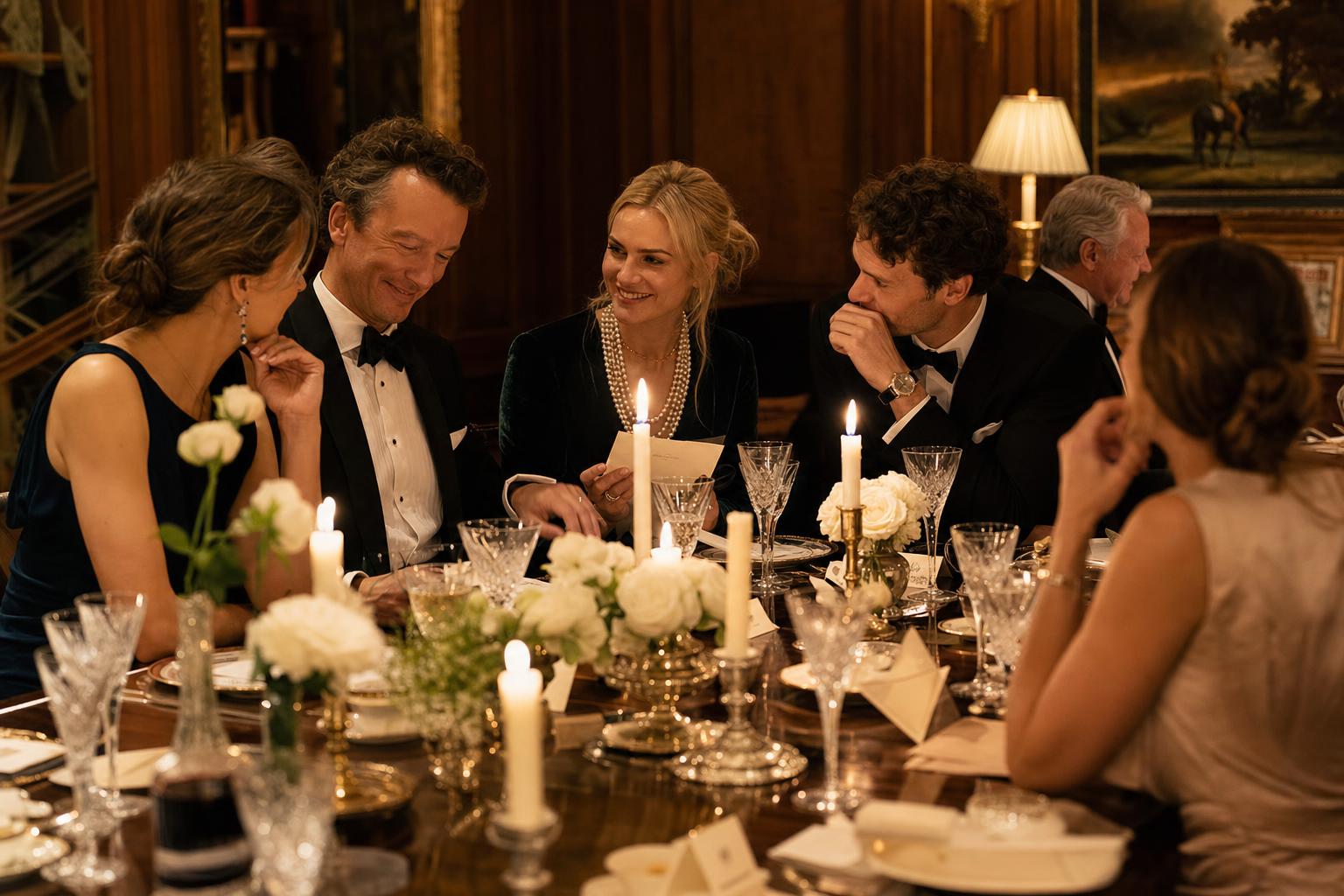
When planning a murder mystery party, one question appears almost immediately: do costumes actually matter, or are they just an optional extra? The short answer is that costumes can enhance the experience, but they are rarely the factor that determines whether the event succeeds. What truly shapes the night is guest engagement, clear structure, and a setting that encourages people to play along.
Why Costumes Get So Much Attention
Costumes are often associated with murder mystery parties because they create instant visual storytelling. A feathered headband suggests the 1920s, a velvet cape hints at gothic drama, and a detective’s trench coat signals intrigue before anyone speaks. This visual shorthand helps guests step into character faster, especially if they are new to roleplay-style events. In social psychology, clothing is often linked to behavior through a concept called enclothed cognition, which suggests that what people wear can influence how they feel and act.
The Appeal of Dressing the Part
For many hosts, costumes also make the event feel more memorable. Photos look better, guests feel more immersed, and the party gains a stronger theme. In a 2023 consumer trend report from the National Retail Federation, Halloween-related costume spending in the United States exceeded $4 billion, showing how willing people are to use clothing to enhance entertainment experiences. That same instinct carries into themed parties throughout the year.
What Actually Matters More Than Costumes
Even so, a murder mystery party can work brilliantly with minimal or no costumes at all. If the storyline is easy to follow, the character roles are well written, and guests understand how to participate, the evening can still feel lively and suspenseful. Interaction matters more than appearance. A guest in ordinary clothes who enthusiastically questions suspects and shares clues contributes far more than someone in a perfect costume who stays disengaged.
The Real Drivers of a Great Mystery Night
Atmosphere comes from several elements working together. Music, lighting, invitations, props, and pacing often have a greater impact than clothing alone. A simple name tag with a character title can sometimes do enough to guide the experience. For hosts worried about guest comfort, this is good news: costumes are best seen as a tool, not a requirement.
The real question is not whether costumes matter at all, but how much they matter for your specific group, budget, and party style.
What Makes a Murder Mystery Party Work
A memorable murder mystery party succeeds because of structure, participation, and atmosphere, not because every guest arrives in a perfect costume. While themed outfits can add flair, the real engine of the event is how well the experience keeps people curious, comfortable, and involved. When hosts focus on the right elements, even a simple gathering can feel immersive, funny, and surprisingly dramatic.
A Strong Story Creates Momentum
At the center of every effective murder mystery party is a plot that gives guests a reason to pay attention. The best mysteries are easy to understand at the start, but layered enough to sustain interest over several rounds of conversation. If the setup is too complicated, players spend the night confused. If it is too obvious, the suspense disappears early.
A workable story usually includes a clear victim, a believable motive, several suspects, and enough hidden information to encourage discussion. Commercial mystery kits often succeed because they balance these ingredients carefully. Many are designed for groups of 8 to 20 players, which reflects a practical range where everyone can contribute without the event becoming chaotic.
Why clarity matters
Guests should know who they are, what they want, and what they are allowed to reveal. Clear character briefs reduce awkwardness and help even shy participants get started. A player does not need acting experience to enjoy the event if their role gives them a few useful secrets, relationships, and objectives.
Guest Engagement Matters More Than Perfection
The most successful parties are not the ones with the most elaborate props. They are the ones where guests actually interact. A murder mystery works best when people feel invited to question each other, share clues, bluff when appropriate, and react to unfolding twists.
Hosts often underestimate how much tone affects participation. If the environment feels overly formal, some guests may hesitate to improvise. If it feels playful and low-pressure, people are more willing to step into character. This is especially important because not every attendee arrives with the same comfort level. Some will perform enthusiastically, while others prefer to observe and contribute in smaller ways.
Making space for different personalities
A good mystery format allows both extroverts and introverts to have fun. Extroverted guests may drive conversations, but quieter players often become excellent detectives because they listen carefully and notice inconsistencies. Balanced game design ensures that no single personality type dominates the evening.
Pacing Keeps the Energy Alive
Even a clever mystery can lose momentum if the evening drags. Strong pacing gives the party rhythm. Most well-run events move through a sequence such as introductions, clue discovery, open questioning, a twist or reveal, and final accusations. This progression helps guests feel that the story is advancing.
In practice, many home parties run best at around two to three hours. That window is long enough for immersion but short enough to maintain excitement. Food service also affects pacing. A heavy sit-down meal in the middle can stall the game, while lighter courses or buffet-style options let people continue mingling and investigating.
The host as facilitator
The host does not need to dominate the event, but they do need to guide it. Timely prompts, rule reminders, and scene transitions prevent confusion and keep quieter moments from becoming dead air. A prepared host can also adapt if guests solve the mystery too quickly or miss an important clue.
Atmosphere Supports the Experience
Atmosphere matters, but it does not depend entirely on costumes. Lighting, music, invitations, themed food names, and printed character cards often do more to establish mood than expensive outfits. A few intentional details can signal that this is not an ordinary dinner party.
The table below shows which elements usually have the greatest impact on guest experience.
| Element | Impact on gameplay | Typical effort |
|---|---|---|
| Story quality | Very high | Moderate |
| Character instructions | Very high | Low to moderate |
| Host facilitation | High | Moderate |
| Costumes | Medium | Low to high |
| Decorations | Medium | Low to moderate |
| Music and lighting | Medium | Low |
Costumes Are Optional, Commitment Is Not
Costumes can help guests get into character, but they are not the deciding factor in whether the party works. In many cases, simple accessories such as a hat, scarf, or vintage jewelry are enough to suggest a role without creating pressure. What matters more is whether guests understand the premise and feel willing to participate.
A murder mystery party works when people buy into the experience, even casually. If the story is engaging, the roles are clear, and the host keeps things moving, guests will remember the laughter, suspicion, and surprise far more than who wore the best outfit.
Small details that elevate the night
Personalized name cards, secret envelopes, and well-timed reveals can make the event feel polished. These touches reinforce immersion and help transform an ordinary social gathering into an interactive story that guests actively shape together.
The Real Role of Costumes
Why Costumes Feel So Important
Costumes often get treated as the centerpiece of a murder mystery party, but their real role is more supportive than essential. They help set the mood, signal the theme, and give guests an easy way to step into character. When someone puts on a feathered headband for a 1920s mystery or a detective-style trench coat for a noir storyline, they immediately feel more connected to the setting. That emotional shift matters because immersion can make guests more willing to participate, improvise, and interact.
At the same time, it is important to separate atmosphere from necessity. A murder mystery party can absolutely succeed without elaborate outfits. What guests remember most is usually the quality of the story, the clarity of the roles, and how comfortable they felt joining in. In event planning surveys, hosts consistently report that guest engagement is a stronger predictor of party success than decorations or wardrobe. Costumes can encourage engagement, but they do not create it on their own.
What Costumes Actually Do Well
They create instant visual context
One of the biggest advantages of costumes is speed. Within seconds, guests can understand whether the evening is glamorous, spooky, comedic, or historical. That visual shorthand reduces confusion and helps everyone align with the tone of the game. If the mystery is set in a Victorian manor, even simple accessories like gloves, brooches, or waistcoats can communicate the era effectively.
This is especially useful when guests do not know one another well. Clothing becomes a conversation starter. A guest dressed as a suspicious aristocrat or eccentric inventor gives others an easy opening for roleplay. In that sense, costumes function as social icebreakers, not just decoration.
They lower the barrier to acting in character
Many people feel awkward improvising. A costume can make roleplay feel less personal because the guest is no longer speaking only as themselves. They are speaking as “the jazz singer,” “the butler,” or “the rival heir.” That small psychological distance can increase confidence. Even a minimal costume, such as a hat, scarf, or fake mustache, can help guests commit to the experience.
Where Hosts Often Overestimate Them
Costumes do not fix weak party design
A strong murder mystery depends on structure. Guests need clear objectives, believable motives, manageable clues, and enough time to interact. If those elements are missing, costumes will not rescue the event. A beautifully dressed group can still feel lost if the rules are confusing or the character packets are too vague.
The reverse is also true. A well-run mystery with simple attire can be highly memorable. Guests are usually more forgiving about wardrobe than about boredom. If the pacing works and the clues unfold in a satisfying way, the party will feel successful regardless of whether everyone arrived in full costume.
Pressure can reduce participation
Overemphasizing costumes can unintentionally discourage attendance. Some guests worry about cost, body image, time, or not owning the “right” clothes. Others simply do not enjoy dressing up. If the invitation makes costumes sound mandatory or high-stakes, hesitant guests may decline altogether.
That is why many experienced hosts frame costumes as optional but fun. This approach preserves the benefit of themed dressing without turning it into a barrier. In practical terms, accessibility often matters more than visual perfection.
The Best Way to Think About Costume Expectations
Aim for easy, flexible participation
The most effective costume guidance is simple and low-pressure. Instead of asking guests to assemble a full theatrical outfit, suggest a few easy ideas that match the setting. For example, a 1920s mystery might invite pearls, suspenders, dark suits, or red lipstick. A masquerade mystery could suggest black attire plus a mask. These options make participation feel achievable.
A useful way to frame it is through levels of effort, as shown below.
| Participation level | Example approach | Host benefit |
|---|---|---|
| Minimal | One accessory or color theme | Encourages nearly everyone to join in |
| Moderate | Outfit inspired by the era or role | Builds atmosphere without high cost |
| Full | Detailed character costume | Adds visual flair for enthusiastic guests |
This layered approach works because it respects different comfort levels while still supporting the theme.
What Matters More Than Costumes
Character clarity and guest comfort
If you want the party to work, focus first on what actually drives interaction. Guests need to understand who they are, what they know, and what they want. A strong character brief does more for immersion than an expensive outfit. So does a host who explains the format clearly and keeps the energy moving.
Comfort also matters. Guests who can move easily, eat comfortably, and talk without fussing with their outfit are more likely to stay engaged. In that sense, the best costume is one that supports the evening rather than distracting from it.
When costumes are treated as a tool for atmosphere instead of a requirement for success, they find their proper place in the party: helpful, enjoyable, and entirely secondary to the mystery itself.
When Costumes Add Value
Costumes are not the foundation of a successful murder mystery party, but they can add meaningful value when they support the experience rather than overshadow it. In most games, the real drivers of fun are clear character goals, strong facilitation, and guests who feel comfortable participating. Still, clothing choices can shape first impressions, help players enter character faster, and make the event feel more memorable. The key is understanding when costumes genuinely improve the party and when they simply create extra pressure for hosts and guests.
Costumes as a Tool for Immersion
A well-chosen costume can make a guest feel more connected to the fictional world of the game. Even a simple accessory, such as a feathered headband for a 1920s setting or a detective-style trench coat for a noir mystery, can create an immediate visual cue. Research in social psychology has shown that clothing can influence behavior and self-perception, a concept often called enclothed cognition. In a party setting, that means what people wear may help them act more confidently, play more expressively, and engage more deeply with the scenario.
Why Visual Cues Matter
Visual signals reduce the mental effort needed to understand who is who. If one guest is dressed as a glamorous heiress and another appears in a crisp military-inspired jacket, other players can quickly grasp social roles before the first line of dialogue is spoken. That speed matters, especially in larger groups of eight to twelve players, where hosts often need to establish the setting quickly. Costumes can therefore function as a practical storytelling shortcut, not just decoration.
When Costumes Improve Guest Participation
Costumes tend to add the most value when guests are already open to roleplay and the event theme is easy to interpret. A masquerade mystery, Victorian manor murder, or Hollywood scandal game naturally benefits from visual styling because the setting is familiar and rich in recognizable details. In these cases, dressing up can increase anticipation before the party even begins. Guests often arrive with stronger energy because they have already invested thought into the event.
The Difference Between Full Costumes and Light Theming
Hosts do not need to demand theatrical outfits to get these benefits. In many cases, light theming works better than full costumes. Asking guests to wear black, add vintage jewelry, or choose one era-appropriate accessory lowers the barrier to participation while still creating a cohesive look. This matters because guest comfort strongly affects engagement. If someone feels awkward or underdressed, they may participate less, which weakens the group dynamic more than a missing costume ever would.
Budget, Effort, and Accessibility
Costumes add value only when they remain accessible. According to consumer spending surveys around Halloween seasons, many people are willing to spend modestly on themed clothing, but not everyone has the time or budget for a one-night outfit. Hosts who provide flexible suggestions, rental ideas, or simple DIY options make participation easier. A scarf, fake pearls, bow tie, or name tag with a character title can often achieve the same effect as a full ensemble at a fraction of the cost.
When Costumes Matter Less
There are plenty of situations where costumes offer limited return. If the guest list includes first-time players, shy participants, or people attending straight from work, requiring elaborate outfits can create friction. The same is true for fast-paced party formats where the mystery lasts only 60 to 90 minutes. In shorter games, players usually care more about understanding clues and motives than maintaining a visual performance. In those cases, the host’s energy, the clarity of the rules, and the quality of the script will matter far more than wardrobe.
Matching the Costume Expectation to the Event
The smartest approach is to match costume expectations to the purpose of the gathering. If the party is also a birthday celebration, holiday event, or photo-heavy social evening, costumes may deliver extra value by enhancing the atmosphere and creating shareable moments. If the focus is primarily on puzzle-solving and easy hosting, optional attire is often the better choice. Costumes work best as an enhancement, not a requirement, especially when the goal is making every guest feel ready to play.
When Costumes Are Not Necessary
The Real Purpose of a Murder Mystery Party
A murder mystery party succeeds because of interaction, suspense, and shared storytelling, not because every guest arrives in a perfect outfit. While costumes can add flair, they are not the foundation of the experience. What actually matters is whether guests understand their roles, feel comfortable participating, and have enough structure to stay engaged throughout the event.
In many cases, skipping costumes can even improve participation. Some guests feel self-conscious about dressing up, especially if they are attending with coworkers, extended family, or people they do not know well. Removing that pressure makes the event more accessible and can increase attendance. According to event industry surveys, convenience is one of the biggest factors affecting RSVP follow-through, and costume requirements often create an extra barrier.
Situations Where Costumes Add Little Value
There are plenty of settings where costumes are optional at best. A casual house party, for example, often works perfectly well with simple character name tags and a short introduction. Guests can still play suspicious aristocrats, detectives, or secretive business partners without needing a full wardrobe change.
Short-Notice Gatherings
If the party is planned with only a few days of notice, expecting everyone to source themed clothing is unrealistic. In that scenario, the host is better off focusing on clear instructions, strong pacing, and easy-to-follow clues. A well-run game with minimal dress-up will almost always outperform a disorganized event with elaborate costumes.
Mixed Comfort Levels
Not every group enjoys theatrical participation in the same way. Some people love accents and dramatic entrances, while others prefer solving the mystery quietly. If your guest list includes introverts, older relatives, or first-time players, requiring costumes may create anxiety rather than excitement. A more relaxed approach helps everyone engage at their own level.
What Matters More Than Dressing Up
The strongest murder mystery parties rely on preparation and atmosphere rather than visual perfection. Guests need to know the basic premise, their objectives, and how the evening will unfold. Even a simple setup can feel immersive when the host provides a compelling introduction and keeps the action moving.
Atmosphere Without Full Costumes
You can create a memorable theme using low-effort details. Music, lighting, printed invitations, themed food, and character cards often do more to establish mood than clothing alone. A 1920s mystery, for instance, can feel convincing with jazz in the background, dim lamps, and mock newspaper clues on the table. These elements support immersion without demanding extra spending from guests.
Simple Alternatives That Still Work
Instead of full costumes, hosts can suggest a single optional touch, such as wearing black, adding a vintage accessory, or choosing one themed color. This keeps the event visually cohesive while remaining easy and affordable. It also avoids the common problem of uneven effort, where a few guests arrive in elaborate outfits and others feel underprepared.
Budget, Time, and Guest Experience
Costumes can become expensive, especially for larger groups or recurring events. A basic purchased costume may cost anywhere from $25 to $80, while accessories add more. For a family of four, that can quickly exceed the cost of food, decorations, or even the mystery kit itself. If the budget is limited, investing in better hosting materials and guest comfort usually delivers a stronger return.
Ultimately, costumes are a bonus, not a requirement. If your group enjoys dressing up, they can absolutely enhance the mood. If not, the party can still be lively, funny, and immersive as long as the mystery is well organized and guests feel included.
What Actually Matters More Than Outfits
When people plan a murder mystery party, costumes often become the first concern. Hosts worry that without feather boas, fake mustaches, or full period dress, the evening will feel flat. In reality, costumes are optional, but engagement is essential. A memorable murder mystery depends far more on structure, atmosphere, and player participation than on what anyone wears. Even professionally produced mystery events prioritize gameplay mechanics, character motivation, and pacing over visual styling, because those elements determine whether guests feel immersed enough to investigate, accuse, and improvise.
A Strong Story Creates the Real Immersion
The most important ingredient in any murder mystery party is a compelling scenario. Guests need a clear premise, believable motives, and enough secrets to keep conversation moving. If the story is thin, even the best-dressed group will struggle. By contrast, a well-written mystery can carry an event in a living room full of people wearing ordinary clothes.
A strong setup gives every participant a reason to care. That means each character should have goals, relationships, and information that matters. Players become invested when they feel useful to the plot, not when they merely look the part. For example, a guest playing the victim’s business partner should know what financial conflict existed, while another guest may hold evidence of blackmail or betrayal. These details create tension and momentum.
Why Character Design Matters More Than Wardrobe
Good character design helps guests step into a role quickly. Short, vivid descriptions are often more effective than elaborate costume instructions. If someone knows they are charming, ambitious, and hiding a debt, they can start playing immediately. That is far more valuable than asking them to source a vintage jacket they may never wear again.
Guest Participation Drives the Experience
Murder mystery parties are interactive by nature. Unlike passive entertainment, they succeed only when people talk, question, bluff, and react. The energy in the room matters more than visual perfection. A group that eagerly interviews suspects and debates clues will have a better time than a silent group in excellent costumes.
Hosts can encourage participation by setting expectations early. Guests should know whether the tone is dramatic, comedic, or somewhere in between. They should also understand that active involvement is part of the fun. In many social games, participation rates directly affect satisfaction. Event planners often note that structured interaction increases engagement because people are given a clear reason to contribute rather than waiting awkwardly for direction.
Helping Shy Guests Join In
Not everyone arrives ready to perform. Some guests need prompts, especially if they do not know the group well. Name tags with character names, simple objectives, and guided clue rounds can help. When people have something specific to ask or reveal, they are more likely to engage. This matters much more than whether they are dressed as a 1920s socialite or a detective.
Clear Organization Prevents the Party From Stalling
A murder mystery can lose momentum quickly if the host has not prepared the flow of the evening. Guests need to know when to mingle, when clues are introduced, and when accusations happen. Good organization keeps suspense alive and prevents confusion from replacing fun.
A simple structure often works best. The host can begin with a short introduction, move into open investigation, then add timed reveals that raise the stakes. If dinner is involved, clues can be distributed between courses. If the event is casual, rounds can be shorter and more conversational. The exact format matters less than consistency. People enjoy themselves more when they understand what happens next.
Atmosphere Does More Than Costumes Ever Could
Atmosphere is often mistaken for clothing, but it is broader and more powerful. Lighting, music, props, and the way the space is arranged all shape the mood. A dimly lit room with jazz playing softly, printed suspect files on the table, and a mock evidence board on the wall can create instant immersion without requiring anyone to dress up.
The advantage of atmosphere is accessibility. Most hosts can create it with inexpensive materials. Candles or LED lamps, themed playlists, handwritten invitations, and a few labeled objects can suggest a world quickly. Guests respond to sensory cues, and those cues help them suspend disbelief. A costume may enhance that effect, but it is rarely the deciding factor.
Low-Effort Details With High Impact
Small touches often outperform expensive ones. A sealed envelope marked confidential, a newspaper clipping about the victim, or a suspicious glass left near the scene can spark conversation immediately. These details give players something to react to, which is the heart of the game.
Clues, Pacing, and Payoff Keep People Hooked
The mystery itself must feel solvable but not obvious. If clues are too vague, guests become frustrated. If the answer is too easy, the tension disappears. The best games balance revelation and uncertainty. Each new piece of information should narrow possibilities while opening fresh suspicion.
Pacing matters just as much. Long gaps with no new developments can drain the room. Timed clue drops, secret messages, or surprise announcements help maintain momentum. In game design, this is often described as a reward loop: players stay engaged when action leads to discovery, and discovery leads to new action. That loop is what makes the evening exciting, not whether everyone matched the theme perfectly.
Food, Comfort, and Social Flow Matter Too
Practical details influence enjoyment more than many hosts expect. If guests are hungry, cramped, or unsure where to sit, they will focus less on the mystery. Comfortable seating, manageable noise levels, and easy-to-eat food all support the experience. Finger foods and drinks that do not interrupt conversation are usually better than anything too messy or formal.
Social flow also matters. If the group includes people who have never met, the host may need a warm-up activity before the mystery begins. A brief introduction round in character can break the ice and make later interactions easier. People solve mysteries better when they feel socially comfortable enough to speak up.
Costumes Still Have Value, Just Not the Most Important Value
Costumes can absolutely add fun. They create visual excitement, help some guests get into character, and make photos more memorable. For themed parties, they may even become part of the anticipation. But they should be treated as an enhancement, not a requirement.
A practical approach is to offer flexible guidance. Instead of demanding full outfits, suggest simple options such as wearing black, adding a hat, or choosing one accessory that fits the role. This reduces pressure while preserving the spirit of the event. For many guests, especially those attending on short notice, that balance makes participation much more likely.
The Best Measure of Success
If guests are laughing, accusing each other, trading theories, and talking about the reveal afterward, the party worked. That outcome comes from story, structure, atmosphere, and participation, all of which matter far more than costumes alone.
How to Set the Right Dress Expectations
Setting clear dress expectations can make a murder mystery party feel immersive without making guests anxious or confused. The goal is not to force everyone into full costume, but to align the level of effort with the style of the event. When guests know what is expected, they are more likely to participate comfortably and arrive feeling prepared rather than pressured.
Start With the Tone of the Party
Dress guidance should match the overall tone of your event. A casual home gathering usually works best with simple suggestions such as cocktail attire, black-and-white outfits, or “dress like your character if you want to.” A more theatrical evening, especially one tied to a strong setting like the 1920s, Victorian England, or a masquerade ball, may justify more specific attire recommendations. The key is consistency between the invitation, the party format, and the guest experience.
If the mystery kit includes character roles, use that to your advantage. Guests often feel more confident dressing up when they have a clear reference point. Instead of saying “come in costume,” say something more practical, such as “Your character is a jazz singer, detective, heiress, or politician, so aim for something that hints at that role.” This gives direction without demanding historical accuracy.
Make Participation Feel Flexible
Many hosts make the mistake of treating costumes as mandatory when they are not essential to a successful party. In practice, guest enjoyment depends far more on engagement, conversation, and clarity of roles than on elaborate outfits. Some guests love dressing up, while others may feel self-conscious, limited by budget, or short on time. Offering flexible expectations helps everyone participate.
A Simple Three-Level Approach
One effective method is to define attire in levels. You might describe the options as minimal, themed, or fully costumed. Minimal could mean wearing one accessory or a color that suits the theme. Themed might involve assembling an outfit inspired by the setting. Fully costumed would be for guests who enjoy going all in. This approach works well because it normalizes different comfort levels while still supporting the atmosphere.
Be Specific in the Invitation
Guests respond better to concrete examples than vague instructions. If you want semi-formal attire with a thematic twist, say so directly. For example, “Think dinner party attire with a vintage flair,” is easier to follow than “dress appropriately.” According to event planning surveys, guests are significantly more likely to comply with dress guidance when examples are included, because ambiguity is one of the biggest barriers to participation.
Helpful Details to Include
Mention whether the event is indoors or outdoors, whether guests should expect active gameplay, and whether comfortable shoes are advisable. These details matter because practical concerns often shape what people actually wear more than theme alone.
Keep the Focus on Fun, Not Perfection
The best dress expectations create enthusiasm rather than pressure. A murder mystery party does not require professional-level costumes to succeed. It needs guests who understand the vibe, feel welcome, and can join the story with confidence. When you frame attire as a fun enhancement instead of a test, you make the party more accessible and more memorable for everyone involved.
Easy Alternatives to Full Costumes
Why Simple Outfit Choices Often Work Better
For many hosts and guests, the biggest worry about a murder mystery party is the costume. People often imagine they need a theatrical, head-to-toe outfit, but that is rarely what makes the event successful. In practice, recognizable style cues matter far more than a complete costume. A guest who wears a black dress with pearls can suggest a glamorous socialite, while someone in a blazer and pocket square can easily read as a politician, detective, or wealthy suspect.
This lighter approach also improves attendance. Surveys on party planning consistently show that convenience affects RSVP rates, and costume pressure can discourage participation. When guests know they can assemble a look from their own closet, they are more likely to say yes. Reducing friction is one of the simplest ways to make the party feel welcoming rather than demanding.
Building a Character Look Without a Costume
A strong murder mystery outfit usually depends on one or two visual signals instead of a full transformation. Color, fabric, and accessories can communicate a role quickly. A silk scarf, vintage-style brooch, suspenders, leather gloves, or a dramatic hat can create the right impression in seconds. These details help guests feel in character without requiring special shopping or expensive rentals.
The Power of Everyday Wardrobe Pieces
Most people already own items that can be repurposed for a themed event. Neutral basics such as black trousers, white button-down shirts, pencil skirts, dark jeans, and simple dresses form an easy foundation. From there, a guest can add one standout piece to hint at personality or era. For example, a trench coat suggests an investigator, while a velvet jacket can imply old-money elegance.
The benefit is practical as well as creative. According to consumer spending reports, Americans spend hundreds of dollars annually on apparel, yet one-time-use costume purchases often deliver little long-term value. Using existing clothing is both budget-friendly and more sustainable.
Accessories That Do the Heavy Lifting
Accessories are often the smartest substitute for full costumes because they are affordable, visible, and easy to remove or adjust. A fake mustache, costume jewelry, gloves, feathered headband, cane, or dramatic eyewear can instantly sharpen a character concept. Even a printed name tag with a role title can reinforce the theme and help other players engage more confidently.
Hair, Makeup, and Small Styling Touches
Hair and makeup can also replace elaborate clothing. Red lipstick, slicked-back hair, smoky eyeliner, or a neat side part can evoke a specific mood with minimal effort. These touches are especially useful for guests who prefer subtle participation but still want to contribute to the atmosphere.
Host Tips for Making Alternatives Feel Intentional
Hosts can make simple outfits feel polished by giving guests clear guidance. Instead of saying “come in costume,” it helps to suggest a mood, era, or archetype. Phrases like “1920s-inspired cocktail attire,” “dark academic,” or “dress like a wealthy suspect” are easier to follow. When expectations are specific but flexible, guests can participate comfortably while still helping create an immersive room.
Planning for Different Guest Types and Budgets
A successful murder mystery party depends less on elaborate wardrobes and more on matching the experience to your guests. Some groups love theatrical roleplay, while others prefer a relaxed evening with light improvisation. Planning around personality types, comfort levels, and spending limits helps the event feel inclusive rather than intimidating. In practice, this means choosing flexible costume expectations, simple props, and hosting choices that support participation without creating pressure.
Adapting to Different Guest Personalities
Not every guest arrives with the same enthusiasm for dressing up. Some will happily build a full character look, while others may only want a small accessory or color cue. Giving people options increases participation because it removes the fear of “doing it wrong.” A host might suggest that committed players wear period-inspired outfits, while casual guests can simply add a hat, scarf, or name tag that hints at their role.
Making Low-Pressure Participation Easy
This approach matters because social comfort strongly affects engagement. Guests who feel self-conscious about costumes often contribute less to conversations and clues. A simple role brief, a printable character card, and one easy styling idea can make a major difference. For example, a “1920s journalist” can be conveyed with a notebook and suspenders, while a “wealthy heiress” may only need pearls or a formal dress already in the closet.
Budget-Friendly Costume Planning
A murder mystery party does not need a Hollywood-level costume budget. According to consumer spending surveys, themed party apparel can vary widely, but hosts can keep costs low by emphasizing reuse, borrowing, and improvisation. Most themes work best when guests shop their own wardrobes first. Black clothing, blazers, dresses, costume jewelry, and basic accessories can be repurposed for dozens of character types.
Smart Ways to Control Costs
Hosts can also reduce financial pressure by setting a clear expectation in the invitation. Saying “come in full costume if you like, or just wear one themed accessory” immediately signals that spending is optional. Thrift stores, discount retailers, and printable props often provide enough visual flair for under $10 to $20 per guest, far below the cost of specialty outfits ordered online.
Matching the Format to the Budget
The overall party format should reflect what guests can realistically afford. A home-based gathering with homemade snacks and digital invitations may deliver just as much fun as a premium hosted event. Atmosphere matters more than expense when the mystery itself is well organized. Music playlists, dim lighting, themed food labels, and character introductions often create stronger immersion than expensive costumes, especially for mixed groups with different comfort levels and budgets.
Common Costume Mistakes to Avoid
Letting Outfits Overshadow the Experience
Costumes can add flair to a murder mystery party, but one of the most common mistakes is treating them as the main event. The real goal is to support the story, help guests feel immersed, and make participation easier. If an outfit is so elaborate that it distracts from conversation, movement, or clue-solving, it is working against the party rather than for it. In most successful mystery events, atmosphere matters more than theatrical perfection.
Choosing Costumes That Are Too Complicated
A frequent problem is selecting clothing that is difficult to wear for several hours. Tight jackets, heavy fabrics, oversized hats, masks, or props that require constant adjustment can quickly become frustrating. Guests need to sit, eat, mingle, and read character information comfortably. According to event planning surveys, guest comfort consistently ranks among the top factors affecting enjoyment at themed gatherings. A simple 1920s-inspired dress, a blazer, or a vintage accessory often works better than a full stage-style costume.
Comfort Supports Participation
When people feel physically comfortable, they are more likely to stay in character, engage with others, and enjoy the unfolding mystery. Practicality is often more valuable than accuracy.
Ignoring the Theme or Time Period
Another mistake is wearing something that clashes with the setting. If the mystery is set in a Victorian manor, a modern nightclub outfit can weaken the illusion. Costumes do not need to be historically perfect, but they should feel connected to the scenario. Even small touches such as gloves, suspenders, pearls, or a pocket watch can create a stronger sense of time and place without requiring major expense.
Spending Too Much Money
Many hosts worry that guests need to invest heavily in costumes, but that expectation can reduce attendance. A strong murder mystery party usually depends more on enthusiasm than wardrobe budget. Thrift stores, borrowed pieces, and items already in a closet can often create an effective look. Affordable effort is better than expensive pressure.
Simple Details Often Work Best
The most convincing costumes are often built from one or two recognizable elements rather than a complete transformation. A shawl, fedora, brooch, or cane can communicate a character instantly.
Forgetting Character Fit
A final mistake is choosing a costume that looks good but does not match the assigned role. A wealthy heiress, suspicious butler, or ambitious politician should each give off a distinct impression. When clothing aligns with character type, guests understand their role faster and interact more naturally with the group.
Conclusion: Focus on Fun, Not Pressure
What Guests Remember Most
When people look back on a great murder mystery party, they rarely talk first about whether every guest wore a perfect costume. They remember the energy in the room, the laughter during accusations, the surprise of a clever twist, and the feeling of being included in the story. That is what actually matters. Costumes can certainly add visual flair and help set the mood, but they are only one optional layer of the experience, not the foundation of it.
Costumes Are a Bonus, Not a Requirement
For most hosts, the smartest approach is to treat costumes as an invitation rather than an obligation. This lowers stress, increases attendance, and makes the event feel welcoming to a wider range of guests. In practice, many successful parties work beautifully with simple outfit suggestions, small accessories, or no costumes at all. A themed dress code can be fun, but guest comfort and participation will always have a bigger impact on the night than wardrobe accuracy.
The Real Ingredients of a Great Party
A memorable murder mystery party usually depends on a few core elements: a clear storyline, easy-to-follow character information, enough structure to keep the game moving, and a host who creates a relaxed atmosphere. According to event industry surveys, guest experience is consistently shaped more by interaction and entertainment than by decorative details alone. That principle applies here as well. If guests feel confident joining in, they are far more likely to engage, improvise, and enjoy themselves.
Make It Easy to Say Yes
The best hosting decisions remove barriers. If requiring costumes might make some guests hesitant, simplify the expectation. Offer ideas, not pressure. Encourage creativity, but leave room for flexibility. A guest wearing a full vintage suit and a guest wearing a black shirt with a borrowed hat can both contribute equally to the fun.
Keep the Goal in Sight
At its heart, a murder mystery party is about shared play, not performance perfection. When the focus stays on connection, storytelling, and laughter, the party succeeds regardless of how elaborate the outfits are, and guests leave talking about the experience rather than what they wore.
FAQ: Murder Mystery Party Costumes
Do guests really need costumes for a murder mystery party?
Not necessarily. Costumes are optional for most murder mystery parties, and the game can still be fun, immersive, and memorable without full outfits. What matters more is that guests understand their characters, participate actively, and feel comfortable joining the story. In many home-hosted games, players use simple wardrobe pieces they already own, such as a blazer for a detective, a scarf for a socialite, or dark clothing for a suspicious stranger.
That said, costumes can help break the ice. Research in social psychology has shown that clothing can influence behavior and confidence, a concept often referred to as “enclothed cognition.” In a party setting, even a small accessory can make guests feel more willing to improvise, speak in character, and engage with clues. So while costumes are not required, they can be a useful tool for boosting atmosphere and participation.
What counts as a costume?
A costume does not have to mean a theatrical, expensive, or fully period-accurate outfit. In most murder mystery parties, a costume simply means anything that helps suggest the character. This could be a hat, costume jewelry, suspenders, gloves, a vintage-style dress, or even a name tag paired with a color theme.
Simple costume ideas that work
For a 1920s mystery, guests might wear pearls, fedoras, or black-and-white formalwear. For a masquerade theme, a mask may be enough. For a modern corporate mystery, business attire can function as the costume with almost no extra effort. The goal is visual storytelling, not perfection.
Hosts often get better results when they describe costumes as “suggested” rather than “required.” That wording lowers pressure and makes the event feel accessible to a wider group, including guests who are short on time, budget, or enthusiasm for dressing up.
How much should guests spend?
Ideally, very little. A murder mystery party should not require a major wardrobe investment. According to consumer spending surveys, the average American spends around $30 to $50 on a Halloween costume in many years, but a murder mystery party costume can often be assembled for far less by using existing clothing. A practical target is under $20 per guest, and many people can spend nothing at all.
Budget-friendly options
Thrift stores, clothing swaps, and accessory bins are often enough to create the right effect. Hosts can also provide a shared costume table with hats, feather boas, costume glasses, clip-on ties, or costume badges. This approach reduces guest stress and creates a more inclusive environment.
What if some guests dress up and others do not?
This is extremely common, and it usually does not ruin the party. In fact, mixed effort levels happen at many social events. The best way to manage this is through expectations. If the invitation clearly says that costumes are optional, no one feels out of place. If the host wants a stronger visual theme, they can encourage “one easy costume element” so everyone participates at a similar level.
A guest wearing a full flapper outfit and another wearing a black shirt with a costume necklace can still play equally important roles. Engagement matters more than appearance. Players who ask questions, share clues, and stay involved will contribute more to the experience than guests with elaborate outfits who remain passive.
Are costumes more important for certain themes?
Yes. Some themes benefit more from visual cues than others. Historical settings, such as Victorian, Roaring Twenties, or Old Hollywood mysteries, often feel richer when guests dress the part. Themed costumes help establish time period and tone quickly, especially before the game begins.
| Theme | Costume Importance | Why |
|---|---|---|
| 1920s Speakeasy | High | Visual style strongly supports immersion |
| Masquerade Ball | High | Masks are central to the theme |
| Modern Dinner Party | Low | Everyday clothing already fits |
| Office Scandal Mystery | Low | Business attire works naturally |
| Hollywood Red Carpet | Medium | Glamour helps, but accessories may be enough |
What should hosts tell guests in advance?
The invitation should be clear, specific, and reassuring. Guests need to know whether costumes are required, optional, or lightly encouraged. They also benefit from examples. Instead of saying “Come in costume,” it is more helpful to say, “Feel free to wear cocktail attire, vintage accessories, or any outfit that fits a glamorous 1920s theme.”
Best wording for invitations
Good costume guidance reduces anxiety and increases participation. Hosts should emphasize flexibility, comfort, and simplicity. When guests know they do not need to be perfect, they are more likely to join in. It also helps to mention whether the host will provide props, character suggestions, or backup accessories for anyone who arrives without themed clothing.
Can costumes improve the overall experience?
Yes, but mainly when they support the social dynamic rather than overshadow it. Costumes can create memorable photos, spark conversation, and help guests step into character faster. They also make the event feel more distinct from a standard dinner party. Still, the strongest murder mystery experiences depend on clear rules, well-written characters, good pacing, and enthusiastic participation, which is why many successful hosts focus on costume flexibility rather than strict dress expectations.


