

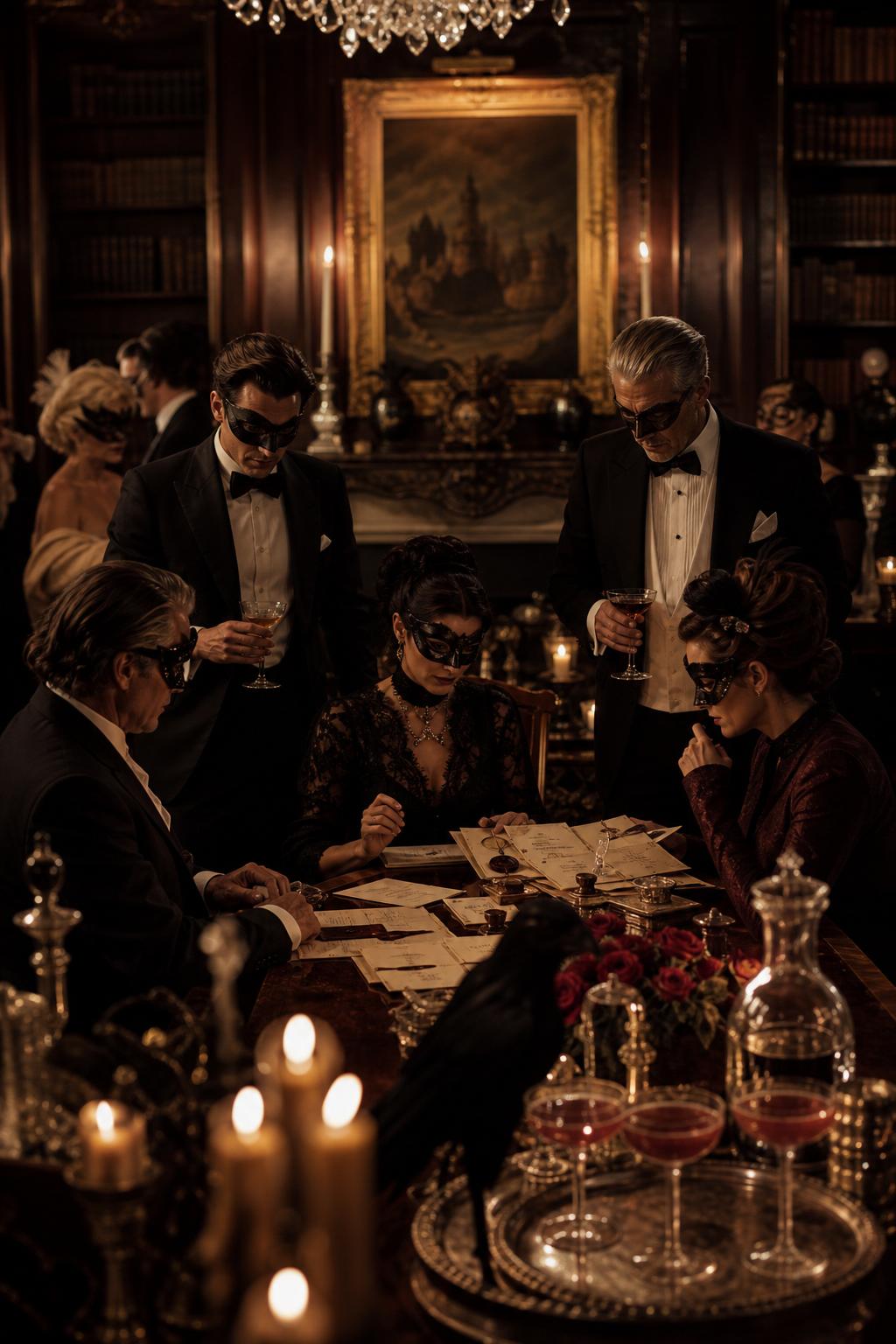
Introduction to a Halloween Murder Mystery Party
A Halloween murder mystery party blends the playful thrill of costume night with the suspense of an interactive detective story. Instead of simply dressing up and mingling, guests step into character, follow clues, question suspects, and work together, or against one another, to uncover a fictional crime. The result is a party format that feels more immersive than a standard gathering and far more memorable than a typical game night.
What Makes This Party Style So Popular
The appeal of a murder mystery party lies in its mix of theater, social interaction, and problem-solving. Halloween is already associated with masks, eerie settings, and dramatic storytelling, which makes it the ideal backdrop for a whodunit. According to the National Retail Federation, Halloween spending in the United States has exceeded $12 billion in recent years, showing just how much people enjoy investing in themed celebrations. A murder mystery adds structure and excitement to that enthusiasm.
Guests are not passive attendees. They become suspects, investigators, witnesses, or secret schemers with motives of their own. This active participation helps break the ice, especially when not everyone knows each other well. Even quieter guests often find it easier to engage when they have a role to play and a script or prompt to guide them.
The Core Elements of the Experience
Costumes, Characters, and Clues
At the heart of the event are three essentials: a compelling story, distinctive characters, and a trail of clues. A host might choose a haunted manor setting, a cursed carnival, or a 1920s séance gone wrong. Each guest receives a character identity, often complete with backstory, secrets, and objectives. As the evening unfolds, players reveal information strategically, making every conversation part of the mystery.
The Halloween setting heightens the atmosphere. Dim lighting, themed music, and dramatic décor can transform an ordinary room into a crime scene full of tension and charm. A vampire countess, suspicious fortune teller, or ghostly butler instantly feels at home in this format.
Why It Works for Costume Night
A standard costume party focuses on appearance, but a murder mystery gives each costume a purpose. Outfits become storytelling tools rather than decoration alone. That added layer of meaning encourages creativity and keeps guests engaged for hours, making the party feel like a shared adventure instead of a simple seasonal get-together.
Why This Theme Works for Costume Night
Costumes Become Part of the Story
A Halloween murder mystery party is uniquely effective for costume night because the outfits do more than decorate the room—they drive the experience. Instead of guests wearing costumes only for photos or first impressions, each look becomes a clue, a character signal, or a conversation starter. A vampire, detective, flapper, ghost bride, or eccentric fortune teller immediately suggests motives, secrets, and alliances, which helps guests step into the evening with purpose.
This theme also reduces the awkwardness that can come with traditional costume parties. Research on social behavior consistently shows that structured interaction helps people engage more comfortably in group settings. In a murder mystery format, guests are not left wondering how to mingle; they already have a role to play. Costumes give them a visual identity, while the mystery gives them a reason to interact.
Halloween Atmosphere Enhances Suspense
Halloween naturally supports the mood a murder mystery needs. Dim lighting, candle-inspired décor, eerie soundtracks, and gothic details create instant tension without requiring an elaborate production budget. According to the National Retail Federation, Halloween spending in the United States has exceeded $10 billion in recent years, showing how strongly people respond to seasonal entertainment and themed experiences. That enthusiasm makes guests more willing to participate fully, especially when the event blends familiar Halloween fun with a dramatic storyline.
Built-In Drama Without Forced Effort
Because Halloween already celebrates the strange and theatrical, guests are more open to exaggerated characters and playful suspicion. On an ordinary party night, asking someone to accuse a friend of fictional murder might feel forced. On Halloween, it feels perfectly on brand. The season gives everyone permission to be dramatic, which makes the mystery more immersive and more memorable.
It Appeals to Different Personality Types
Another reason this theme works so well is its flexibility. Outgoing guests can perform boldly, improvise dialogue, and dominate interrogations, while quieter guests can participate by observing clues, asking thoughtful questions, and staying in character in subtler ways. The combination of costume play and problem-solving creates multiple entry points for enjoyment.
A Balance of Creativity and Structure
Some party themes rely entirely on appearance, while others depend only on activities. A Halloween murder mystery succeeds because it combines both. Guests get the creative satisfaction of dressing up and the entertainment value of a shared game. That balance keeps energy high throughout the night, giving people something to do after the costume reveal and something to talk about long after the winner is announced.
Easy Customization for Any Group
This theme can also be adapted for adults, mixed-age gatherings, office parties, or close friend groups. Hosts can make the tone campy, elegant, scary, or comedic depending on the guest list, which makes it one of the most versatile choices for a memorable costume-centered event.
Choosing Your Party Style and Guest Count
Selecting the right format for a Halloween murder mystery party shapes everything from your budget to your guests’ experience. Party style and guest count are the foundation of a smooth, immersive night, especially when costumes, clues, and character interactions all need room to shine. Before choosing decorations or writing invitations, decide whether you want an intimate, story-driven gathering or a larger, more theatrical event.
Matching the Style to Your Space
Your venue should guide your planning. A small apartment may be perfect for a cozy mystery with six to eight guests, where everyone can stay involved in each conversation and clue reveal. A larger home, rented hall, or backyard tent can support a broader cast and more dramatic staging. As a rule of thumb, event planners often recommend 10 to 15 square feet per guest for a standing social event, though a mystery party with mingling, dining, and movement may need more.
Intimate vs. Expansive Experiences
A smaller party usually creates deeper character engagement. Guests have more opportunities to speak in role, form alliances, and notice subtle hints. This style works especially well if your group enjoys storytelling, improv, or tabletop games. In contrast, a larger party can feel more like a Halloween spectacle. With 12 to 20 guests, you can introduce side plots, suspicious alibis, and a more layered suspect pool, but you will also need stronger organization to keep everyone included.
Deciding on the Ideal Guest Count
The best guest count depends on your goals. If you want a highly interactive mystery where every attendee has a major role, aim for 8 to 10 guests. This range is often the easiest to manage and keeps the pacing tight. If your priority is a lively costume party with a murder mystery woven through it, 12 to 16 guests offers a strong balance between social energy and playability.
Planning for Drop-Offs and Flexibility
It is wise to expect that not every invited guest will attend. For adult social events, average RSVP attendance can vary, but hosts often plan for a 10% to 20% decline rate, especially during busy holiday seasons like late October. If your mystery game requires exact character assignments, invite a few extra people early or choose a flexible script that allows roles to be added or removed without breaking the story.
Considering Guest Personalities and Preferences
A successful murder mystery is not only about numbers. It also depends on how comfortable your guests are with participation. Some people love dramatic entrances and improvised accusations, while others prefer lighter involvement. If your group includes shy guests, choose a format with clear prompts and structured clue rounds. If your friends are outgoing and theatrical, a more open-ended mystery can create unforgettable moments.
Balancing Costumes, Complexity, and Comfort
Halloween adds another layer to planning because costumes affect how guests move, sit, and interact. A packed room may feel festive at first, but elaborate outfits, masks, and props can quickly make the space uncomfortable. Keeping your guest count realistic ensures everyone has room to mingle, perform, and enjoy the suspense without the night feeling cramped or chaotic.
Building the Murder Mystery Story
A memorable Halloween murder mystery party depends on a story that feels cohesive, suspenseful, and playable. The best plots are not simply dark or dramatic; they are structured so guests can uncover information, suspect one another, and stay engaged from the opening scene to the final accusation. When building the mystery, think like both a novelist and a game designer. You are not only creating a crime, but also designing an experience in which every participant has a reason to care.
Start With a Strong Core Crime
Every effective mystery begins with a central event that is easy to understand but rich enough to explore. In a party setting, the victim, motive, and method should be clear enough to explain in a few sentences. For example, a wealthy host may be found dead just before revealing changes to a will, or a famous medium may collapse during a séance after threatening to expose a dangerous secret. These setups work because they immediately create stakes, suspicion, and urgency.
A practical party mystery usually works best with one murder rather than multiple complicated crimes. Guests need enough information to investigate, but not so much that the plot becomes confusing. Classic mystery fiction often relies on a limited suspect pool, and that principle works well here. If you have 8 to 12 guests, every character should have a plausible connection to the victim and a believable reason to hide something.
Create a Setting That Supports Suspense
The setting should reinforce the Halloween atmosphere while also serving the logic of the mystery. A remote manor, candlelit hotel, abandoned theater, or old family estate all provide natural tension. These locations make it believable that secrets have been buried for years and that guests cannot simply walk away from the drama. According to event planning trends, immersive themes consistently outperform generic party formats because they give attendees a clearer role in the experience.
Use the Environment as Part of the Plot
The story becomes more engaging when the setting is not just decorative. A hidden study can contain letters, a greenhouse can conceal poison ingredients, and a portrait gallery can hint at family betrayal. Even simple props can deepen the narrative if they reveal relationships or timelines. Storytelling details should always do double duty, adding atmosphere while also functioning as clues.
Build Characters With Motives and Secrets
Strong characters are the engine of a murder mystery. Each guest should receive a role with a public identity and a private agenda. The public identity explains how others know them, while the private agenda gives them something to protect. Not every secret needs to be criminal. Some can involve debt, jealousy, blackmail, forbidden romance, or stolen inheritance documents. These layers make conversations feel purposeful.
Balance the Suspects
A good mystery avoids making the killer too obvious. If one character is openly cruel, heavily indebted, and seen arguing with the victim, most players will focus on that person immediately. Instead, distribute suspicious details across several guests. One suspect may have financial motive, another may have opportunity, and another may have lied about their whereabouts. This balance creates meaningful uncertainty, which is essential for a satisfying reveal.
Plant Clues and Red Herrings Carefully
Clues should guide players toward the truth without solving the mystery too early. A strong structure often includes three types of information: direct evidence, witness testimony, and contradictory details. Direct evidence might be a torn note or missing key. Witness testimony can reveal arguments, strange behavior, or alibis. Contradictory details help players realize someone is lying.
Make Clues Discoverable
In party mysteries, clues must be easy to access through conversation, printed cards, or staged discoveries. If a clue is too obscure, the game stalls. If it is too obvious, suspense disappears. A useful rule is that every major revelation should connect to at least two separate clues. This approach mirrors classic detective storytelling and reduces the chance that one missed detail ruins the game.
Structure the Reveal for Maximum Impact
The final solution should feel surprising but fair. Players should be able to look back and see how the evidence pointed to the culprit all along. The reveal is most satisfying when the murderer’s motive is emotionally convincing, not random. Revenge, fear of exposure, or desperation usually works better than shock value alone.
Keep the Story Playable
As you write, remember that party guests are participants, not passive readers. Scenes should encourage interaction, accusation, and discovery. The best murder mystery stories give every guest a role in the drama, ensuring the night feels like a living whodunit rather than a scripted performance.
Creating Characters and Assigning Roles
A memorable Halloween murder mystery party depends on well-crafted characters. Guests are far more likely to participate enthusiastically when they receive a role that feels vivid, purposeful, and easy to play. In a spooky whodunit, each character should contribute to the atmosphere while also serving the mechanics of the mystery. The goal is to create a cast that feels theatrical without becoming confusing, especially if some guests are new to roleplaying.
Building a Balanced Character List
Start by matching the number of characters to your guest count. For most home parties, 8 to 12 characters creates enough complexity to sustain intrigue without overwhelming players. If your group is larger, consider adding secondary suspects, witnesses, or secret allies. Every character should have a clear relationship to the victim, the setting, or another guest. This prevents anyone from feeling disconnected from the central story.
A strong cast usually includes a mix of personalities, motives, and social dynamics. For example, a haunted manor mystery might feature an eccentric medium, a skeptical detective, a jealous heir, a disgraced doctor, and a mysterious housekeeper. These archetypes are familiar enough for guests to understand quickly, yet flexible enough to allow improvisation. Distinct roles help conversations spark naturally, which keeps the party moving without constant host intervention.
Giving Each Character a Purpose
Every role should contain three essential elements: a public identity, a private secret, and a reason to care about the crime. A public identity tells the guest how to present themselves. A private secret adds tension and encourages guarded behavior. A personal stake in the murder ensures they remain engaged throughout the evening.
Motives Make the Mystery Work
Compelling motives are the backbone of any murder mystery. Characters may want money, revenge, status, protection, or forbidden love. Even innocent characters should have something to hide, because secrets create suspicion. If only one person seems suspicious, the game becomes predictable. In classic mystery design, red herrings are just as important as real clues.
For example, the widow may be hiding debt, the gardener may have overheard blackmail, and the magician may have faked a séance for profit. None of these secrets necessarily make them the killer, but each one deepens the plot and gives guests material to reveal strategically.
Matching Roles to Guests
Assigning roles thoughtfully can dramatically improve participation. Outgoing guests often enjoy flamboyant or deceptive characters, while quieter attendees may prefer structured roles such as investigators, assistants, or observant relatives. If possible, consider your guests’ comfort levels before sending assignments. A 2023 survey from event planning platforms found that interactive party games are more successful when participants understand expectations in advance, which makes pre-party character briefs especially useful.
What to Include in a Character Brief
A good character brief should be concise but rich enough to inspire performance. Include the character’s background, personality, costume suggestions, known relationships, and one or two objectives for the night. Objectives might include exposing another guest, protecting a secret, recovering a missing item, or steering suspicion elsewhere. This gives players direction without scripting every interaction.
Creating Flexibility for Different Group Dynamics
Not every guest will arrive ready to act dramatically, so design roles with flexibility. Some characters can be highly performative, while others can participate by asking questions, sharing clues, or reacting to revelations. This layered approach keeps the game inclusive. If someone cancels last minute, adaptable roles also make it easier to merge storylines without breaking the mystery.
Gender-Neutral and Customizable Roles
Whenever possible, write roles that can be adjusted for any guest. Gender-neutral names, flexible costume ideas, and relationship descriptions that can be easily modified make planning simpler and more inclusive. This also helps if invitations change close to the event. Customizable characters reduce stress for the host and increase comfort for players, which leads to better engagement and a smoother, more immersive night.
Invitations and Pre-Party Setup
Set the Tone Before Guests Arrive
A memorable Halloween murder mystery party begins long before the first guest knocks on the door. Invitations are your first storytelling tool, and they should immediately signal that this is more than a standard costume gathering. Use language that hints at suspense, secrecy, and theatrical fun. Phrases such as “You are summoned,” “A crime will unfold,” or “Your character has secrets to protect” help establish mood while building anticipation.
Digital invitations work well for convenience, especially since online event platforms report higher response rates when invites include clear themes and visual design. A custom email, printable PDF, or themed event page can all be effective, provided the message is detailed and visually cohesive. Include the party date, start time, location, dress code, and whether guests will receive assigned roles in advance.
What to Include in the Invitation
A strong invitation balances atmosphere with practical information. Guests should know whether they are expected to come in full costume, stay in character, or prepare for interactive gameplay. If your mystery includes pre-written roles, send character descriptions at least two weeks in advance. This gives attendees enough time to plan outfits, learn their backstory, and feel more confident participating.
Essential Details Guests Need
Make sure every invitation clearly explains the structure of the evening. Let guests know if dinner will be served, whether the event is adults-only, and how long the mystery portion is expected to last. For example, a typical home murder mystery party runs between 2.5 and 4 hours, depending on group size and complexity. Sharing this upfront helps guests arrive prepared for a fully immersive experience rather than a quick drop-in social event.
Assigning Characters and Managing RSVPs
Character assignment is one of the most important pre-party tasks. Try to match roles to personalities when possible. Outgoing guests often enjoy dramatic suspects or misleading villains, while quieter attendees may prefer observant or witty supporting roles. Keep a spreadsheet to track invitations, RSVPs, dietary needs, and character distribution so no major clue-bearing role goes unfilled.
Planning for Guest Drop-Offs
Because mystery games depend on participation, it is wise to prepare one or two backup characters or flexible plot adjustments. If a guest cancels at the last minute, you can reassign key information without disrupting the story. Preparation protects the pacing of the game and reduces stress on the day of the event.
Preparing the Space for Immersion
Your setup should support both atmosphere and function. Arrange lighting so it feels eerie but still allows guests to read clue cards and character notes. Candles, LED lanterns, cobwebs, vintage frames, and labeled evidence props can transform an ordinary room into a crime scene. Create separate areas for mingling, dining, and clue reveals so the evening flows naturally.
A thoughtful pre-party setup also includes music, signage, and a staging area for coats and bags. When guests enter a space that already feels like part of the mystery, they engage faster, stay in character more easily, and contribute to the suspense from the very beginning.
Decor, Lighting, and Spooky Atmosphere
Setting the Scene for Suspense
A memorable Halloween murder mystery party depends on more than costumes and clues. The environment itself should feel like a character in the story, shaping guests’ expectations from the moment they arrive. Decor, lighting, and sound work together to create tension, curiosity, and playful unease. When these elements are coordinated, even an ordinary living room can feel like a haunted manor, a candlelit séance chamber, or a Victorian drawing room hiding dark secrets.
For the strongest effect, begin with a clear visual theme that supports the mystery’s narrative. If the party centers on a 1920s whodunit, incorporate antique-style frames, faux pearls, black lace, and gold accents. For a gothic mansion setting, use weathered textures, deep burgundy fabrics, candelabras, and distressed props. Consistency matters more than expense, and a focused palette of black, crimson, silver, and muted ivory often creates a polished, cinematic look.
Using Decor to Build Immersion
Layered decoration is far more effective than scattering random Halloween items around the room. Cobwebs, ravens, old books, potion bottles, and “evidence” displays can all reinforce the murder mystery theme when placed intentionally. A side table can become an investigator’s station with sealed envelopes, vintage keys, and labeled suspect files. A mantel can display framed portraits with black ribbons or flickering candles to suggest family tragedy and hidden motives.
High-Impact Focal Areas
Concentrate your effort on the spaces guests will notice most. The entrance should immediately establish mood with a dramatic wreath, dim lanterns, or a warning sign tied to the story. The dining table or refreshment area deserves special attention because guests naturally gather there. Rich tablecloths, tarnished serving trays, dark florals, and themed place cards help turn practical party zones into immersive set pieces.
If space allows, create one dedicated photo area that doubles as decor. A velvet backdrop, ornate chair, and a few theatrical props such as masks, magnifying glasses, or candlesticks can encourage guests to take pictures while staying in character. This also gives the event a more curated, premium feel without requiring elaborate decoration in every corner.
Lighting That Creates Drama
Lighting is one of the most powerful tools for shaping atmosphere. Research in hospitality design consistently shows that lower, warmer light levels encourage intimacy and emotional engagement, which makes them ideal for mystery-based gatherings. Avoid bright overhead lighting whenever possible, as it flattens the room and weakens suspense. Instead, rely on lamps, flameless candles, string lights, and LED uplighting to create depth and shadow.
Balancing Safety and Mood
Flameless candles are often the best choice because they provide the flickering effect of real candlelight without fire risk, especially around costumes, draped fabric, or crowded food tables. Purple, amber, and blood-red accent lights can add a supernatural tone, while cool white light can be reserved for “evidence reveals” or key dramatic moments. A practical target is to keep primary gathering areas dim but still bright enough for guests to read clue cards comfortably.
Sound, Scent, and Atmospheric Details
A spooky atmosphere becomes far more convincing when visual design is supported by subtle sensory details. Low instrumental music, distant thunder effects, creaking floorboard audio, or soft classical pieces can maintain tension without overpowering conversation. Scent can also influence perception; cinnamon, clove, cedar, or smoky vanilla often feel seasonal and mysterious. Used lightly, these details make the setting feel intentional rather than gimmicky.
Small Touches That Feel Memorable
Personalized details often leave the strongest impression. A clock stopped at the “time of death,” a handwritten note tucked into a mirror frame, or a chandelier draped in black tulle can make guests feel as though they have stepped inside the plot itself. The goal is not simply to decorate for Halloween, but to create a believable world where every shadow, object, and sound deepens the mystery.
Costumes, Props, and Themed Details
Costumes That Deepen the Mystery
Costumes do more than make guests look festive; they strengthen immersion and help every attendee step into character. For a Halloween murder mystery party, encourage outfits that match the story’s setting, whether that means Victorian mourning wear, 1920s flapper glamour, or gothic manor elegance. A clear costume brief reduces confusion and increases participation. In event surveys, themed dress expectations consistently rank among the top factors influencing guest excitement, because people enjoy arriving with a role already half-formed through clothing and accessories.
Matching Style to Character Roles
Assigning costume suggestions alongside invitations makes the evening feel organized and intentional. A suspicious butler might wear black formalwear with white gloves, while a mysterious heiress could arrive in velvet, lace, and antique jewelry. Even simple additions such as masquerade masks, fake pearls, pocket watches, or dramatic capes can create a polished effect without requiring expensive purchases. Specific costume prompts also help shy guests feel more comfortable, since they know exactly how to participate without overthinking their look.
Props That Create Atmosphere
Props are essential because they turn an ordinary room into a believable crime scene. A few carefully chosen items often work better than clutter. Candlesticks, old books, framed portraits, faux ravens, sealed letters, and labeled evidence bags all reinforce the mystery. If the plot includes poison, inheritance, or betrayal, place visual clues around the space that quietly hint at those themes. According to party planning trends, hosts who use interactive props report higher guest engagement because people naturally explore objects that seem tied to the story.
Functional Props With Purpose
The best props are not only decorative but also useful within gameplay. Name cards can double as character introductions, while handwritten notes may contain motives, alibis, or hidden clues. A vintage-style key can unlock a small box holding evidence, and a torn photograph can reveal a relationship between suspects. Props with narrative value encourage conversation and keep the mystery moving without constant host intervention.
Themed Details That Elevate the Experience
Small themed details often leave the strongest impression. Lighting should be low and dramatic, with purple, amber, or candlelike tones replacing bright overhead bulbs. Background music, such as creaking floorboards, thunder, or instrumental gothic playlists, subtly shapes mood. Food and drink labels can continue the story, turning ordinary snacks into “graveyard tarts” or “widow’s punch.” Even typography matters; printed clues in aged fonts or parchment-style paper feel more authentic. When costumes, props, and décor all support the same narrative, the party becomes a complete theatrical experience rather than just a game with Halloween decorations.
Food, Drinks, and Creepy Presentation Ideas
Building a Menu That Feels Theatrical
Food can do more than satisfy hungry guests; it can advance the mystery and deepen the Halloween atmosphere. A murder mystery party works best when every detail supports the story, so choose dishes that look dramatic, are easy to serve, and fit the eerie tone of the evening. Finger foods are especially effective because they let guests mingle, examine clues, and stay in character without juggling complicated plates or cutlery.
A balanced spread often includes savory bites, one or two sweet options, and a signature drink. For example, stuffed mushrooms can resemble “toadstools,” deviled eggs can be tinted with paprika or food coloring for a sinister look, and mini meat pies can feel rustic and old-world, perfect for a haunted manor theme. According to event catering trends, handheld appetizers remain among the most popular party foods because they reduce mess and keep guests moving naturally through the space.
Creepy Presentation That Elevates Simple Dishes
Even ordinary recipes become memorable with creative presentation. Serve charcuterie on dark wooden boards with clusters of black grapes, figs, and blood-red preserves. Label foods with playful names such as “Poisoned Tartlets,” “Graveyard Crackers,” or “The Victim’s Last Bite.” These small touches help guests feel immersed without requiring expensive ingredients or elaborate cooking.
Using Color, Texture, and Props
Visual contrast matters. Deep reds, stark whites, and matte blacks create a striking Halloween palette. Tomato-based dips, beet hummus, blackberry compote, and dark chocolate desserts all contribute rich color. Texture also adds impact; glossy glazes, crumb “dirt,” and wisps of cotton candy can make a dessert table feel unsettling in the best way.
For serving pieces, use vintage trays, apothecary jars, and candlesticks to create height and mood. Dry ice can add fog to a punch bowl, though it should be handled carefully and never consumed directly. Battery-operated candles are a practical choice, especially since they provide ambiance without creating a fire hazard around fabric costumes and crowded tables.
Drinks That Become Part of the Plot
A signature cocktail or mocktail can become a conversation piece. Dark berry punch, smoked rosemary old fashioneds, or sparkling “antidote” spritzers fit the theme beautifully. Consider tying one drink to the storyline, perhaps as the beverage everyone “shared” before the fictional crime occurred. Garnishes like plastic spiders, edible glitter, rosemary sprigs, or frozen berries make each glass feel intentionally dramatic and party-ready.
How to Run the Game Smoothly
Set the Pace Before Guests Arrive
A memorable murder mystery party depends on structure, timing, and clarity as much as atmosphere. Before anyone steps into character, the host should prepare a simple game flow that keeps the evening moving without confusion. For most home parties, a mystery game runs best in 2.5 to 4 hours, depending on group size, food service, and how much improvisation guests enjoy. A group of eight to twelve players is often ideal because it creates enough suspects to build tension without making conversations too fragmented.
Print all materials in advance, including character sheets, clue cards, secret objectives, and any host notes. Organize them in labeled envelopes so distribution is quick and discreet. If the game includes rounds, place each round’s clues separately to avoid accidental spoilers. Preparation reduces downtime, and downtime is one of the fastest ways to weaken suspense.
Build a Clear Timeline
Guests should understand the evening’s rhythm without knowing every surprise. A simple timeline helps. For example, the first 30 minutes can cover arrival, drinks, and character introductions. The next 45 minutes may focus on early clues and mingling, followed by the staged “murder reveal.” After that, two investigation rounds of 30 to 40 minutes each usually give enough time for accusations, alliances, and discoveries before final guesses are submitted.
Introduce Rules Without Breaking Immersion
The best hosts explain the rules in a way that feels natural rather than mechanical. Once everyone has arrived, gather the group and explain the essentials: stay in character as much as possible, share information strategically, and avoid reading ahead. If some guests are new to roleplay, reassure them that they do not need acting experience. They only need to ask questions, listen carefully, and enjoy the mystery.
A useful approach is to separate game rules from story details. Explain first how clues will be released, when players may accuse someone, and how the winner will be determined. Then shift into the fictional world of the party. This keeps practical instructions easy to remember while preserving the spooky mood.
Keep Energy High During Each Round
A smooth game depends on momentum. If conversations stall, the host should step in gently with a new clue, a timed announcement, or a dramatic event. In party game design, timed prompts are effective because they create urgency and prevent small groups from getting stuck in repetitive discussions. Even a simple line such as “A hidden letter has been discovered in the library” can instantly restart the room.
Use Food and Breaks Strategically
Serving dinner or heavy snacks at the wrong moment can interrupt the investigation. It works best to place food during a natural pause, such as immediately after the murder is announced or between clue rounds. This gives guests time to talk informally while still discussing theories. Drinks should remain accessible throughout the game so players do not have to leave key conversations for too long.
Manage Different Player Styles
Every group includes a mix of personalities. Some guests will dominate the room, while others may hang back unless invited in. The host should watch for balance and occasionally direct attention toward quieter players by asking in-character questions or highlighting clues connected to them. Inclusive hosting makes the mystery better, because hidden motives and surprise reveals only work when everyone participates.
If a player becomes confused, help privately rather than stopping the entire game. A quick whisper, note, or host check-in preserves immersion. Likewise, if someone solves the mystery too early, encourage them to keep investigating side motives and secrets. Many strong mystery games include more than one objective, which helps maintain engagement even after suspicions form.
End Each Phase Decisively
Transitions should feel intentional. Announce when a round is ending, collect written accusations if the game uses them, and move the group confidently into the next reveal. Clear endings prevent endless debate and keep excitement building. When the final accusation begins, guests should feel that the night has been guided with just enough control to stay coherent and just enough freedom to feel unpredictable.
Use Atmosphere to Support Gameplay
Lighting, music, and décor should enhance the mystery rather than distract from it. Dim lighting works well, but players still need to read clues easily. Background music should stay low enough for conversation. Practical choices like visible name tags, readable props, and accessible seating often matter more than elaborate decorations when the goal is smooth, enjoyable play.
Clues, Twists, and Player Engagement Tips
Designing Clues That Feel Fair and Fun
A memorable murder mystery depends on clues that reward attention without making the solution obvious. The best approach is to layer information so players can connect details gradually. Physical props such as handwritten notes, costume accessories, fake newspaper clippings, and coded invitations work especially well at a Halloween party because they double as decorations. A 2023 Eventbrite trend report noted that immersive and interactive events continue to outperform passive gatherings in guest satisfaction, which is why clue design matters as much as food or music.
Balance Obvious and Hidden Information
Strong clues usually fall into three categories: open clues everyone can discover, private clues given to specific characters, and interpretive clues that only make sense when combined with other evidence. For example, a broken watch found near the victim may suggest the time of the crime, while a private character card reveals that one guest lied about where they were at that hour. This structure keeps all players involved, not just the loudest or most experienced ones.
Using Twists Without Confusing Guests
A twist should raise the stakes, not derail the game. The most effective Halloween murder mystery twists are believable within the story world. A “dead” character returning as a secret witness, a stolen will changing motives, or the discovery of a second crime can all energize the room. However, if the twist erases earlier clues or makes prior deductions meaningless, players may feel cheated rather than thrilled.
Timing the Reveal
Introduce twists after guests have had enough time to form theories. In a two-hour party, the first major reveal often works best around the halfway point. That timing gives players a chance to investigate, debate, and then reassess. Pacing is essential because too many surprises too quickly can overwhelm quieter guests and reduce meaningful interaction.
Keeping Every Player Engaged
Player engagement improves when each guest has a reason to participate. Assign every character a secret, a goal, or a piece of information that matters. Even non-killer roles should influence the outcome by holding evidence, exposing alibis, or controlling access to key rooms or props. This prevents the common party problem where a few extroverts dominate while others drift toward the snack table.
Encourage Interaction Through Structure
Hosts can sustain momentum by announcing timed rounds, prompting mini-reveals, and offering optional awards such as “Best Detective,” “Most Suspicious,” or “Best In Character Performance.” Light structure helps guests who are new to roleplay feel comfortable joining in. If your group includes 8 to 12 players, which is a common size for home mystery parties, short guided intervals every 20 to 30 minutes can keep energy high without making the experience feel rigid.
Creating Memorable Payoffs
The final accusation lands best when players feel their observations mattered. Let them compare notes, challenge motives, and defend theories before the culprit is revealed. A satisfying payoff comes from participation, not just surprise, and that is what turns a simple costume party into a genuinely spooky shared story.
Prizes, Photos, and Memorable Extras
Choosing Prizes That Fit the Theme
Prizes add momentum to a Halloween murder mystery party, especially when they reward both gameplay and costume creativity. The best options are small, themed, and memorable rather than expensive. Mini trophies for “Best Detective,” “Most Convincing Suspect,” or “Best Costume” create friendly competition without overshadowing the event itself. Hosts often find that prize budgets between $5 and $15 per award are enough to feel generous while staying practical for group gatherings.
Creating Photo Moments Guests Will Actually Use
A dedicated photo area turns the party into an experience guests will remember long after the mystery is solved. Set up a backdrop with moody lighting, faux cobwebs, vintage frames, or caution tape to match the spooky whodunit atmosphere. Lighting matters more than decorations in photos, so even a simple ring light or two warm lamps can dramatically improve results. Encourage group shots before the game begins, then capture candid moments during accusations, reveals, and dramatic reactions.
Props That Add Personality
Photo props work best when they connect directly to the mystery. Toy magnifying glasses, fake evidence bags, suspect placards, feather boas, masquerade masks, and plastic goblets all help guests stay in character. Personalized signs with phrases like “Prime Suspect” or “Case Closed” can make pictures feel more immersive and shareable.
Extras That Elevate the Night
Memorable extras do not need to be complicated. A printed suspect board, background soundtrack, or “secret clue” envelopes can make the evening feel polished. Some hosts also include themed favors such as candy bags, mini candles, or custom bookmarks. Interactive details create stronger memories because guests feel part of the story, not just observers. Even a short awards moment at the end helps close the experience with laughter, applause, and plenty of photo-worthy celebration.
Common Mistakes to Avoid
Overcomplicating the Mystery
One of the most common errors when planning a Halloween murder mystery party is making the plot too confusing. While twists are essential, guests should be intrigued, not lost. If the backstory includes too many characters, motives, or hidden clues, players may disengage. A strong mystery usually works best with a clear central crime, a manageable suspect list, and clues that build naturally toward the reveal.
Keeping Clues Balanced
Another mistake is giving away too much too early or making clues impossibly vague. Balanced clue placement keeps the energy high throughout the night. For example, if one guest can solve the case in the first 20 minutes, the suspense disappears. On the other hand, if no one can connect the evidence, the game becomes frustrating instead of fun.
Ignoring Guest Experience
A party may have a brilliant storyline, but it can still fall flat if guests do not understand their roles. Character cards, simple instructions, and a brief opening explanation help everyone participate confidently. This is especially important because research from event planners consistently shows that clear structure increases engagement in interactive gatherings.
Forgetting Practical Details
Hosts also often underestimate logistics. Poor lighting may look atmospheric, but if guests cannot read clues or move safely, it creates problems. Similarly, music that is too loud can make roleplay difficult. Atmosphere should support gameplay, not interfere with it.
Letting Costumes Overshadow the Game
Costumes are a major part of the fun, yet focusing only on outfits can weaken the mystery itself. The most memorable parties combine visual flair with interactive storytelling, ensuring guests enjoy both the spooky style and the unfolding whodunit.
Conclusion: Host a Night Guests Will Never Forget
A memorable Halloween murder mystery party succeeds when atmosphere, structure, and guest experience work together. From themed invitations and dramatic décor to character assignments and clue pacing, every detail helps transform an ordinary costume night into an immersive event. The most successful hosts balance suspense with fun, giving guests enough guidance to participate confidently while leaving room for improvisation, laughter, and surprise.
Bring the Theme to Life
Strong execution matters. Lighting, music, and props can instantly shape the mood, while a well-timed reveal keeps energy high. In practice, even simple additions such as labeled evidence, scripted introductions, or a signature cocktail can make the evening feel polished and intentional. Engagement is the real secret: when guests feel included in the story, they are far more likely to remember the experience long after the party ends.
Make Every Guest Part of the Story
A great mystery night also considers different personalities. Some guests will dive into character immediately, while others may need prompts or clear objectives. Providing accessible roles, concise backstories, and easy-to-follow clues ensures everyone has a chance to contribute. With thoughtful planning, your party becomes more than a gathering; it becomes a shared performance filled with suspense, creativity, and unforgettable Halloween fun that guests will be talking about well beyond October.
FAQ: Halloween Murder Mystery Party Questions
How many guests should you invite?
A Halloween murder mystery party works best when the guest count matches the game design. Most commercial kits are written for 8 to 12 players, though some support as few as 6 or as many as 20. If your group is larger, assign a few guests as detectives, witnesses, or judges so everyone stays involved without disrupting the story structure.
How long does a murder mystery party usually last?
Most parties run between 2 and 4 hours, depending on the complexity of the script, the number of rounds, and whether dinner is served. A simple hosted game may take about 120 minutes, while a full evening with cocktails, clues, and costume contests can stretch longer. Planning a loose schedule helps keep the energy high and prevents the mystery from feeling rushed.
Do guests need acting experience?
Not at all. The best murder mystery parties are designed for regular partygoers, not performers. Character cards usually provide motivations, secrets, and suggested dialogue, making it easy for shy guests to participate. Encourage everyone to stay in character, but keep the tone fun rather than theatrical pressure-filled.
What if someone cancels last minute?
Choose a flexible game kit that allows character removal or reassignment. In many cases, the host can absorb a minor role or rewrite a clue handoff. Having one or two backup guests is also helpful during busy Halloween weekends.
Should costumes match the mystery theme?
Yes, if possible. Coordinated costumes make the event more immersive and help guests instantly understand the setting, whether it is a haunted manor, 1920s séance, or vampire masquerade. Even simple accessories can strengthen the atmosphere and make photos far more memorable.
Can you host one on a budget?
Absolutely. Many hosts keep costs low by using printable kits, DIY decorations, and themed snacks. With smart planning, a memorable party can feel lavish, spooky, and interactive without requiring a huge budget.


