

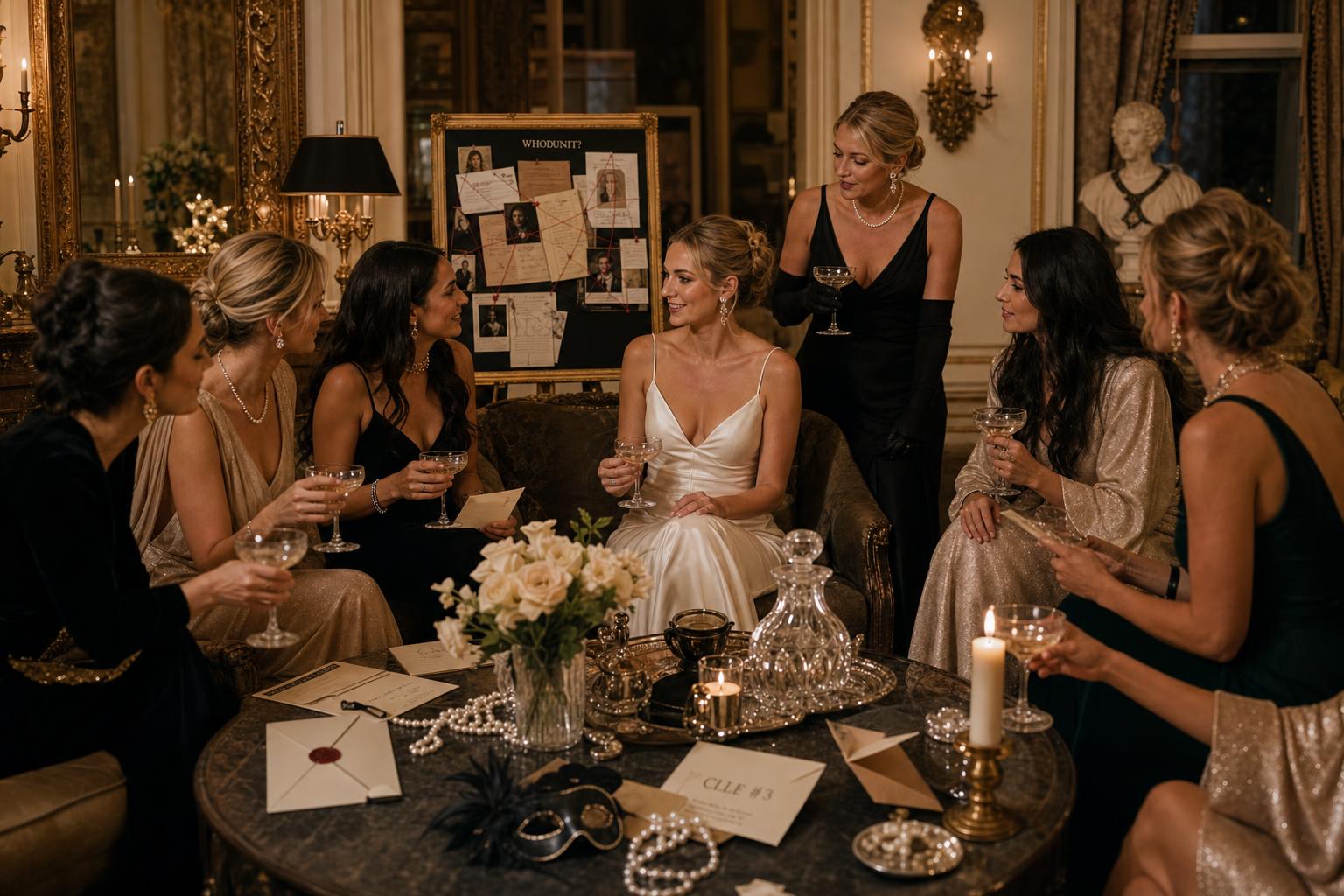
Introduction: A Different Kind of Bachelorette Night
A traditional bachelorette party often follows a familiar script: dinner reservations, matching outfits, cocktails, and a late night at the usual hotspots. While that formula can still be fun, many brides and friend groups now want something more interactive, memorable, and personal. That shift is exactly why a murder mystery bachelorette party has become such an appealing alternative. It transforms the celebration from a standard night out into a shared experience filled with suspense, laughter, and unexpected twists.
Why the Idea Stands Out
What makes this concept different is the way it blends entertainment with connection. Instead of moving from one venue to another, guests become part of the story. Each person can take on a character, uncover clues, question suspects, and help solve the fictional crime. That level of participation creates natural conversation and keeps energy high throughout the event, even among guests who may not know one another well at the start of the evening.
In recent years, experiential celebrations have grown in popularity across the events industry. According to multiple hospitality and event trend reports, hosts are increasingly prioritizing immersive group activities over passive entertainment. A murder mystery party fits that demand perfectly because it combines theater, game night, and social celebration in one format.
More Than a Theme Party
A Built-In Icebreaker
One of the biggest advantages of a murder mystery bachelorette party is that it removes the pressure of constant small talk. The structure of the game gives everyone a reason to interact, whether they are exchanging clues, defending alibis, or accusing the wrong suspect. For mixed groups that include childhood friends, coworkers, sisters, and future in-laws, this can make the night feel far more comfortable and inclusive.
Easy to Personalize
The format is also highly adaptable. It can be glamorous, spooky, campy, elegant, or completely over the top depending on the bride’s personality. A 1920s speakeasy mystery, a Hollywood scandal storyline, or a destination-inspired whodunit can all feel distinct while still serving the same purpose. That flexibility makes it easier to design a celebration that feels tailored rather than generic.
Setting the Tone for the Celebration
At its best, this kind of bachelorette night delivers more than entertainment. It gives the group a story to tell long after the wedding weekend ends, while making the bride feel celebrated in a way that is creative, social, and genuinely unforgettable.
Why Choose a Murder Mystery Party
A Fresh Alternative to the Usual Bachelorette Night
A murder mystery party offers a creative twist on the traditional bachelorette celebration. Instead of centering the entire evening on bar hopping, club reservations, or predictable party games, it gives the group a shared experience with a built-in storyline. Everyone becomes part of the action, whether they are interrogating suspects, uncovering clues, or defending their own fictional innocence. That sense of participation makes the event feel more memorable than a standard night out.
For a bachelorette party, this format works especially well because it blends entertainment with connection. Guests may come from different parts of the bride’s life, including college friends, coworkers, siblings, and future in-laws. A murder mystery creates an instant icebreaker by giving everyone a role and a reason to interact. According to event industry surveys, interactive experiences consistently rank higher in guest satisfaction than passive entertainment because they encourage conversation and involvement rather than observation.
Built-In Entertainment With Less Pressure
One of the biggest advantages of a murder mystery party is that the entertainment is already structured. Hosts do not need to constantly invent ways to keep guests engaged, because the game itself provides momentum. From the opening scene to the final reveal, the evening has a natural rhythm that helps avoid awkward lulls. This can be especially helpful for bachelorette planners who want the event to feel polished without managing every minute.
Easy to Personalize
Another reason this theme stands out is its flexibility. A murder mystery can be tailored to match the bride’s personality, whether she prefers glamorous vintage drama, spooky intrigue, or lighthearted comedy. Costumes, décor, food, and music can all reflect the chosen setting, turning the party into a fully immersive event. A 1920s speakeasy mystery, for example, pairs naturally with jazz playlists, art deco decorations, and elegant cocktails, while a modern celebrity scandal theme can feel playful and bold.
Perfect for Groups of Different Sizes
Murder mystery parties are also highly adaptable when it comes to guest count. Many party kits are designed for anywhere from 6 to 20 players, and some can be expanded even further. That makes them suitable for intimate gatherings at home as well as larger celebrations in rented venues. Because each guest has a role, even quieter attendees often find it easier to participate than they would in open-ended social settings.
A Balance of Sophistication and Fun
What makes this idea especially appealing for a bachelorette party is the balance it strikes between elegance and humor. Guests can dress up, sip cocktails, and enjoy a stylish atmosphere while still laughing over outrageous accusations and dramatic plot twists. The result is a celebration that feels special without being overly formal and playful without becoming chaotic.
Memorable Moments Guests Will Actually Talk About
Long after the party ends, people tend to remember experiences more vividly than decorations or party favors. A murder mystery naturally creates standout moments, from shocking clue reveals to hilarious character performances. Those moments often lead to better photos, stronger group bonding, and stories that get retold for years. For a bride who wants something distinctive, interactive, and full of personality, this kind of party delivers a night that feels far more original than the standard bachelorette formula.
Picking the Right Theme and Tone
Choosing the right theme and tone is what turns a murder mystery bachelorette party from a simple costume night into an immersive, memorable experience. Because this celebration blends playful suspense with a milestone event, the atmosphere needs to feel exciting without overshadowing the bride or making guests uncomfortable. A well-chosen concept helps guide everything else, from invitations and outfits to food, music, and the style of clues used throughout the evening.
Match the Theme to the Bride’s Personality
The best starting point is always the bride. If she loves classic glamour, a 1920s speakeasy mystery or old-Hollywood whodunit can create a stylish, photo-friendly setting. If her taste leans more modern, a luxury yacht scandal, celebrity awards-night mystery, or upscale rooftop crime story may feel more natural. According to event planning surveys from party platforms such as The Knot, personalized experiences consistently rank among the most valued elements of pre-wedding celebrations, which makes customization especially important.
A theme should also reflect the group dynamic. Some bachelorette groups enjoy dramatic roleplay and fully committing to character accents, while others prefer a lighter structure with simple prompts and more time for conversation. The most successful mystery parties feel tailored, not forced, allowing guests to participate at their own comfort level.
Set the Right Tone for the Group
Tone matters just as much as theme. A murder mystery can be campy, elegant, comedic, spooky, or high-energy, and each version creates a very different night. For a bachelorette party, comedy and glamour usually work especially well because they keep the mood celebratory. A dark or overly intense storyline may clash with the fun, social spirit most guests expect.
Balancing Mystery With Celebration
The ideal tone keeps the mystery engaging while leaving room for toasts, games, and candid moments. Instead of focusing on violence or horror, frame the event around scandal, secrets, theft, blackmail, or exaggerated social drama. This approach preserves the detective element while making the party feel festive rather than grim. For example, “Who sabotaged the wedding dress reveal?” often fits a bachelorette setting better than a storyline built around graphic crime details.
Consider Venue, Budget, and Guest Comfort
Practical details should shape the theme selection. A mansion mystery sounds impressive, but it may not translate well in a small apartment. Likewise, a masquerade ball theme can be stunning, yet masks, décor, and formalwear may increase costs quickly. Choosing a concept that fits the venue and budget helps the evening feel polished rather than strained.
Theme Planning at a Glance
| Factor | Best Approach |
|---|---|
| Small home gathering | Cozy, character-driven mystery with simple props |
| Restaurant or private dining room | Elegant or comedic mystery with minimal setup |
| Larger rented venue | Fully immersive theme with décor stations and photo areas |
| Mixed-age guest list | Light, witty storyline with broad appeal |
Guest comfort is equally important. Not everyone enjoys elaborate costumes, improvisation, or risqué humor. If the group includes relatives, coworkers, or friends meeting for the first time, a more inclusive tone can help everyone relax. A successful party invites participation without pressure, which often leads to better energy and more genuine fun.
Build Cohesion Through Details
Once the theme and tone are set, every detail should reinforce them. Invitations can hint at the storyline, playlists can support the era or setting, and signature drinks can carry themed names. Even small touches, such as labeled evidence cards or character name tags, make the experience feel intentional. When these elements align, the party becomes easier for guests to understand and enjoy, setting up the next planning decisions with a clear creative direction.
Guest List, Roles, and Group Dynamics
A murder mystery bachelorette party works best when the guest list is intentional, not just convenient. Unlike a standard night out, this format depends on participation, chemistry, and a balance of personalities. Most commercially available mystery party kits are designed for 8 to 20 players, although some can stretch beyond that with optional characters. Before sending invitations, match the game size to the bride’s actual social circle. A tightly connected group of 10 often creates a better experience than trying to fill 18 spots with people who barely know one another.
Choosing the Right Mix of Guests
The strongest guest list usually includes people who are enthusiastic, socially flexible, and willing to play along. That does not mean every guest needs theater-level confidence. In fact, a good mystery party benefits from a mix of bold personalities and quieter observers, because different players contribute in different ways. Some guests will dominate interrogations and dramatic reveals, while others will notice clues, track timelines, or ask smart questions that move the story forward.
It also helps to think about relationship dynamics before finalizing the invite list. A bachelorette party often brings together college friends, siblings, coworkers, and future in-laws. That blend can be fun, but it needs structure. If too many guests are meeting for the first time, choose a mystery theme with built-in icebreakers and lighter roleplay. If the group already knows each other well, a more competitive or theatrical script can raise the energy without making anyone feel awkward.
Assigning Roles Thoughtfully
Role assignment can make or break the night. In many murder mystery games, each guest receives a character with motives, secrets, and personality cues. The best approach is to assign roles based on comfort level rather than randomly distributing them. Give your most outgoing guests characters with dramatic backstories, public speeches, or suspicious behavior. Offer more reserved attendees roles that still matter to the plot but require less performance pressure.
Matching Energy to Character Type
A strong host considers how each person is likely to engage. For example, the maid of honor may thrive as a glamorous suspect with a scandalous secret, while a quieter cousin may enjoy being the observant insider who holds a key clue. This kind of matching increases participation and reduces the chance that someone feels exposed or disengaged.
Protecting the Bride’s Experience
The bride should receive a role that suits her personality and keeps her central to the fun. If she loves attention, make her a high-profile character with plenty of interactions. If she prefers a more relaxed spotlight, give her a role that feels special without demanding constant performance. The goal is to make her feel celebrated, not put on the spot.
Managing Group Dynamics During the Party
Once the game begins, group dynamics matter as much as the script. A good host or facilitator keeps the pace moving, encourages quieter guests, and prevents one or two players from taking over every scene. In event planning research, structured social activities consistently improve guest interaction because they give people a shared objective instead of leaving conversation entirely to chance.
Creating a Comfortable Social Flow
Set expectations early by telling guests that the night is about fun, not flawless acting. Encourage costumes, improvisation, and curiosity, but keep the tone welcoming. When guests feel safe being playful, they participate more fully, and the mystery becomes far more memorable for everyone involved.
Planning the Party Timeline
A well-planned timeline is what turns a murder mystery bachelorette party from a fun idea into a smooth, immersive experience. Because this type of celebration combines socializing, structured gameplay, food, and surprises, timing matters more than it would for a standard night out. Most successful parties run between three and five hours, which gives guests enough time to settle in, play their roles, and enjoy the reveal without feeling rushed.
Start With the Guest Experience
When building the schedule, think first about how guests will move through the evening. A murder mystery party works best when everyone has time to arrive, get comfortable, and understand the premise before the action begins. If invitations ask attendees to dress in character, plan at least 30 to 45 minutes at the beginning for arrivals, drinks, photos, and casual introductions. This opening window helps guests ease into roleplay, especially if some are new to interactive party games.
Structuring the Core Event
The mystery itself should sit at the center of the night. Most boxed or downloadable murder mystery games are designed to last around 90 minutes to 2.5 hours, depending on group size and complexity. Read through the game in advance so you know whether it unfolds in rounds, includes scripted reveals, or requires one person to act as host. That preparation allows you to pace the evening properly instead of stopping to figure out instructions mid-party.
Sample Three-to-Four-Hour Flow
A practical schedule often looks like this:
| Time | Activity |
|---|---|
| 7:00 p.m. | Guest arrival, cocktails, photos |
| 7:30 p.m. | Character introductions and game briefing |
| 7:45 p.m. | First round of mystery gameplay |
| 8:30 p.m. | Dinner or appetizers break |
| 9:00 p.m. | Second round, clue reveals, interrogations |
| 9:45 p.m. | Final guesses and big reveal |
| 10:00 p.m. | Dessert, prizes, and free social time |
This kind of structure keeps the energy balanced. Too much unstructured time can make the mystery lose momentum, while an overly packed schedule may leave guests feeling like they cannot relax.
Build in Food, Photos, and Flexibility
Food should support the timeline rather than interrupt it. Finger foods, grazing boards, or a buffet-style dinner usually work better than a formal plated meal, because they allow guests to eat between scenes. If the bride wants a dramatic cake moment or themed cocktails, place those during natural transitions in the game.
Leave Room for Delays
Even the best plan needs flexibility. Guests may arrive late, conversations may run long, or a particularly funny accusation scene may deserve extra time. Add a 15-minute buffer into the schedule so the evening still feels effortless. If you are hosting at home, this cushion also helps with resetting rooms, refreshing drinks, or coordinating music changes.
Matching the Timeline to the Group
A smaller group may move through clues quickly, while a larger party often needs more time for discussion and mingling. For groups of 8 to 12 guests, a four-hour plan is usually ideal. If the bachelorette party includes additional activities such as karaoke, a sleepover, or a bar stop afterward, keep the mystery portion tighter so the night never feels overloaded.
Invitations, Costumes, and Dress Code
Setting the Tone From the First Invitation
For a murder mystery bachelorette party, the invitation does more than share the date and location. It becomes the first clue that tells guests this will be a stylish, immersive, and slightly theatrical night. A well-designed invite can instantly signal whether the event leans glamorous, spooky, vintage, or playfully campy. Digital invitations are often the easiest option, especially for group coordination, and platforms such as Evite or Canva make it simple to match the party’s visual theme.
The wording should clearly explain that guests are attending a murder mystery experience rather than a standard dinner or bar crawl. Include practical details such as arrival time, venue, and whether dinner or drinks are provided, but also add intrigue. A line like “Come prepared to solve a crime in style” creates excitement without overwhelming guests. If characters are assigned in advance, the invitation should mention each guest’s role and any costume guidance tied to it.
Choosing Costumes That Fit the Theme
Costumes are one of the biggest reasons murder mystery parties feel memorable. They help guests step out of their everyday routines and into the story. The best costume approach depends on the complexity of the game and the comfort level of the group. Some parties work best with fully assigned characters, while others simply ask guests to dress according to a broad theme such as 1920s speakeasy, masquerade ball, old Hollywood, or gothic manor.
Balancing Fun and Accessibility
Not every guest wants to spend heavily on a one-night outfit, so it helps to keep costume expectations flexible. According to the National Retail Federation, Americans spent billions on costumes in recent years, but for private parties, creativity usually matters more than price. Encourage guests to build looks from items they already own, then elevate them with affordable accessories like gloves, costume jewelry, feather headbands, suspenders, or dramatic lipstick. This keeps the event visually cohesive without making participation feel expensive or stressful.
Creating a Clear Dress Code
A strong dress code prevents confusion and helps everyone feel equally included. The key is to define the level of formality in plain language. If the party is upscale, say cocktail attire with themed accessories. If it is more relaxed, describe it as theme-inspired casual. This distinction matters because guests often worry about being over- or underdressed, especially when the event mixes dinner, games, and photos.
Practical Details Guests Need
Dress code notes should also reflect the venue and schedule. If the party includes walking between locations, outdoor scenes, or dancing afterward, mention comfortable shoes. If props, fake blood, or dramatic reveals are involved, guests should know in advance. A brief note about weather, parking, or coat storage can also make the night smoother.
Making the Bride Stand Out
The bride should still feel like the center of the celebration, even within a cast of suspicious characters. One simple strategy is to give her a distinct costume color, a dramatic accessory, or a title within the mystery. A sequined dress, satin gloves, jeweled headpiece, or “guest of honor” sash can separate her look from the rest of the group while keeping the theme intact.
Choosing the Perfect Venue
Match the Setting to the Mystery
The venue shapes the entire experience of a murder mystery bachelorette party. More than décor or convenience, it determines how immersive, comfortable, and memorable the night feels. A glamorous mystery set in the 1920s works best in a cocktail lounge, historic rental, or boutique hotel suite, while a campy whodunit may thrive in a private home with themed decorations. The best venue supports the story you want to tell, making guests feel like participants rather than spectators.
When choosing a space, start with the tone of the event. If the bride wants elegance, look for venues with character, such as velvet seating, chandeliers, or vintage architectural details. If she prefers something playful and relaxed, a spacious Airbnb, backyard setup, or private dining room can still create atmosphere with the right styling. The key is selecting a location that naturally complements the mystery theme instead of forcing the theme into an unsuitable environment.
Prioritize Space, Privacy, and Flow
A successful murder mystery party needs room for movement and conversation. Guests will likely mingle, trade clues, form suspicions, and shift between activities, so a cramped venue can quickly make the event feel chaotic. Experts in event planning often recommend allowing enough room for both seated dining and standing interaction, especially for groups of eight or more. Privacy is equally important, since the game relies on roleplay, laughter, and sometimes dramatic accusations that are better enjoyed away from unrelated diners or strangers.
Consider Guest Count Carefully
Venue size should reflect the final guest list, not just the number invited. A group of 10 may feel lively in a private dining room, while 20 guests may need a larger event space or rental property with multiple gathering areas. Too much empty space can dilute energy, but too little can make clue-based activities difficult. If costumes, prop tables, or photo backdrops are part of the plan, account for those spatial needs early.
Think About Food, Drinks, and Logistics
Food service can either simplify the evening or create unnecessary stress. Restaurants with private rooms offer built-in catering and staff support, which is ideal for hosts who want minimal setup. Vacation rentals and homes provide flexibility, but they often require separate planning for drinks, dinner, and cleanup. According to hospitality industry trends, private event spaces remain popular because they combine atmosphere with operational ease, especially for celebrations involving games or entertainment.
Accessibility Matters
A beautiful venue loses appeal if guests struggle to reach it or feel uncomfortable once they arrive. Consider parking, rideshare access, restroom availability, and whether the space accommodates all mobility needs. If guests are traveling, a central location near hotels or nightlife can make the evening smoother and safer.
Budget Without Sacrificing Experience
The perfect venue is not always the most expensive one. A thoughtfully decorated living room can feel more immersive than a generic banquet space. Focus spending on elements that directly improve the guest experience, such as privacy, comfort, and theme alignment. Atmosphere comes from intentional choices, not just price tags. By balancing style, practicality, and storytelling potential, you can choose a venue that turns an ordinary night out into a mystery everyone will want to solve.
Food, Drinks, and Themed Menu Ideas
A murder mystery bachelorette party becomes far more immersive when the menu feels like part of the plot. Food and drinks should do more than satisfy guests; they should reinforce the mood, spark conversation, and make the evening feel intentionally curated. Whether the party leans glamorous, spooky, vintage, or campy, a themed menu helps transform a standard gathering into an interactive experience.
Matching the Menu to the Mystery Theme
Start by aligning the refreshments with the setting of the mystery. If the storyline takes place in a 1920s speakeasy, think elegant hors d’oeuvres, champagne coupes, and rich desserts. For a haunted manor theme, darker colors and dramatic presentation work especially well, such as blackberry cocktails, red velvet cupcakes, or charcuterie boards styled with deep fruits and aged cheeses. Visual consistency matters, because guests notice when the details support the story.
A good rule is to choose foods that are easy to eat while mingling. Since players may be reading clues, questioning suspects, or moving between rooms, messy meals can interrupt the flow. Mini quiches, stuffed mushrooms, crostini, sliders, and skewers are practical choices that still feel party-worthy.
Creative Food Ideas That Feel On-Theme
The best themed menus use familiar dishes with clever names. This adds personality without making planning unnecessarily complicated.
Savory options with dramatic flair
Rename classic appetizers to fit the event. Caprese skewers can become “Evidence on a Stick,” while deviled eggs might be labeled “Suspicious Bites.” A pasta bar can suit an Italian crime-family mystery, while tea sandwiches and scones fit a British whodunit. If the group prefers a full meal, buffet-style service often works better than plated dinners because it keeps timing flexible.
Signature Drinks and Mocktails
Drinks are one of the easiest ways to make the party memorable. A single signature cocktail can tie the entire evening together, especially if it matches the color palette or storyline. A cranberry martini, for example, can play into a “crime scene” aesthetic, while a French 75 suits a glamorous old-Hollywood mystery. Offering one featured cocktail and one themed mocktail keeps the menu inclusive and manageable.
Presentation makes a difference
Glassware, garnishes, and signage elevate even simple beverages. Use edible glitter for sparkle, rosemary sprigs for a moody look, or frozen berries instead of ice cubes. Custom drink names such as “The Final Alibi” or “Killer Kiss” add charm and encourage guests to engage with the theme before the game even begins.
Dessert and Display Details
Dessert is another opportunity to lean into the concept. Cookies shaped like magnifying glasses, cupcakes topped with edible “blood” drizzle, or a cake decorated like a case file can become visual highlights. According to event industry surveys, guests consistently remember interactive and photo-worthy food displays more than standard catering, which makes presentation worth the extra effort.
Balancing style and practicality
Keep the menu balanced with a mix of indulgent items and lighter options. Include vegetarian, gluten-free, or alcohol-free choices when possible so every guest feels considered. Labeling dishes clearly is especially helpful at themed events, where playful names can sometimes hide what the food actually is. When the menu is both immersive and easy to enjoy, it supports the mystery instead of distracting from it.
Decor, Props, and Atmosphere
Set the Scene for Suspense
The right decor transforms a standard gathering into an immersive mystery experience. For a murder mystery bachelorette party, atmosphere matters just as much as the script, because guests should feel like they have stepped into another world the moment they arrive. Lighting, textures, themed props, and small visual details all work together to create tension, glamour, and playful intrigue.
Start by choosing a visual direction that matches the storyline. A 1920s speakeasy theme might call for black, gold, and deep burgundy accents, while a masquerade setting benefits from jewel tones, candlelight, and dramatic fabrics. If the mystery is set in a modern mansion or luxury resort, sleek metallics, mirrored surfaces, and crisp floral arrangements can create a polished backdrop. According to event industry surveys, guests often remember ambiance more vividly than food or favors, which makes decor a high-impact investment.
Lighting and Layout
Lighting is one of the most effective tools for shaping mood. Warm, low lighting instantly creates drama, while harsh overhead bulbs can flatten the entire experience. Use flameless candles, string lights, table lamps, or LED uplighting to give the room depth. If possible, create separate zones for mingling, clue discovery, drinks, and photos. This makes the party feel more dynamic and encourages movement throughout the evening.
Furniture placement also influences energy. A central table can display evidence, themed snacks, or character cards, while lounge-style seating supports conversation and secret alliances. If the party is hosted at home, simple changes like covering countertops, hiding everyday clutter, and adding a statement centerpiece can make the space feel intentionally theatrical.
Props That Encourage Participation
Props should be decorative, but they should also invite guests to engage with the story. Masks, feather boas, faux pearls, vintage gloves, detective notebooks, and magnifying glasses can double as both costume accessories and interactive elements. Personalized suspect files or sealed envelopes with clues add excitement and help everyone feel involved, even if they are new to murder mystery games.
A photo area is especially worthwhile for a bachelorette celebration. A backdrop with caution tape, velvet curtains, “Whodunnit?” signage, or themed frames gives guests a place to capture the night. Instant cameras or a shared digital album can preserve the funniest in-character moments.
Tablescapes and Themed Details
Food and drink presentation should support the atmosphere rather than feel separate from it. Name cocktails after suspects, label desserts with playful mystery references, and use elegant serving trays to elevate even simple snacks. A black tablecloth, metallic charger plates, and handwritten place cards can make a dining setup look far more expensive than it is.
Small Touches That Make a Big Difference
Often, the most memorable details are the smallest ones. Background jazz, suspenseful instrumental music, or curated playlists can subtly reinforce the setting. Scented candles with notes like amber, rose, or sandalwood can add richness without overwhelming the room. Even themed bathroom signs, faux newspaper clippings, or a “crime board” wall can deepen immersion. When every element supports the story, the party feels cohesive, polished, and far more unforgettable for the bride and her guests.
Games, Clues, and Interactive Activities
Designing the Core Game Flow
The best murder mystery bachelorette parties feel immersive, playful, and easy to follow. A strong game flow usually begins with character introductions, moves into clue discovery, and builds toward a final accusation. For a group of eight to twelve guests, this structure keeps everyone involved without becoming chaotic. Most hosted mystery kits are designed to last between 90 minutes and three hours, which fits comfortably into an evening of drinks, dinner, and socializing.
To keep energy high, assign every guest a role with a motive, secret, or relationship to the victim. This gives even shy participants a reason to speak up. The bride can be cast as the lead detective, a glamorous suspect, or the guest of honor who receives special clues throughout the night. Personalized roles make the experience feel more memorable and often generate the funniest moments.
Creating Clues That Keep Guests Engaged
Good clues should reveal information gradually rather than solve the mystery too quickly. A balanced mix includes written evidence, hidden objects, overheard conversations, and timed reveals. For example, one clue might expose a financial dispute, while another suggests jealousy or betrayal. When several suspects appear equally suspicious, guests stay curious and invested.
Physical and Digital Clue Ideas
Physical clues add texture to the event. A lipstick-stained note, a torn photograph, or a fake police report can turn a simple party into a mini theatrical experience. Digital clues work well too, especially for modern themes. You might send a suspicious text message, display a social media post, or reveal a voice memo at a key moment. Using multiple formats helps the mystery feel dynamic rather than repetitive.
Interactive Activities Between Major Reveals
Not every minute needs to focus on solving the crime. Short interactive activities can deepen the theme while giving guests time to mingle. A trivia round about the bride, a “most suspicious alibi” vote, or a mini scavenger hunt for hidden evidence keeps the momentum going. These activities are especially useful during food service or cocktail breaks, when attention naturally shifts.
Best Timing for Mini-Games
Mini-games work best when placed between major clue drops. If the mystery includes three rounds, add one short activity after each round to reset the room. Keep each one under 15 minutes so the story remains the main attraction. Pacing matters because long interruptions can weaken suspense, while quick themed games maintain excitement.
Practical Tips for Smooth Gameplay
A successful mystery party depends on clarity. Provide simple printed instructions, a timeline, and a list of characters so no one feels lost. If alcohol is involved, keep clues straightforward and repeat important information aloud. One host or organizer should quietly guide the evening, answer questions, and prompt the next reveal when needed.
Keeping Everyone Included
The most enjoyable parties make space for every personality type. Outgoing guests may dominate questioning, so build in moments where each person shares a clue or statement. This ensures quieter attendees still shape the outcome. When everyone has a role in uncovering the truth, the party becomes more collaborative, more entertaining, and far more memorable for the bride and her guests.
Keeping the Bride at the Center
Designing the Mystery Around Her
A murder mystery bachelorette party works best when the bride feels like the star of the experience, not just another guest in costume. The theme, character assignments, and storyline should reflect her personality, sense of humor, and comfort level. If she loves vintage glamour, a 1920s speakeasy mystery can feel far more personal than a generic script. If she prefers playful drama over dark suspense, choose a lighter plot with witty twists and exaggerated suspects.
Personalization also makes the event more memorable for everyone attending. According to event planning surveys, customized social experiences are consistently rated higher than standard party formats because guests feel more emotionally invested. In this setting, that means weaving in details the bride will instantly recognize, such as inside jokes, favorite foods, signature cocktails, or references to how the couple met.
Giving Her a Meaningful Role
The bride’s role in the game should feel important without becoming stressful. Some brides will love being the lead detective, guiding the investigation and questioning suspects. Others may prefer to be the glamorous guest of honor around whom the mystery unfolds. The key is to match the role to her energy and preferences so she can enjoy the night rather than manage it.
Balancing Attention and Comfort
Not every bride wants constant spotlight pressure. A well-planned party keeps her at the center through thoughtful details instead of nonstop performance. Build in moments where she can relax, laugh, and interact naturally with the group. For example, a host or maid of honor can handle logistics, clue distribution, and pacing while the bride simply participates.
Creating Bride-Focused Touches
Small touches often have the biggest impact. A custom invitation, themed sash, or character name inspired by her real interests can make the evening feel intentionally built for her. Even the prize at the end of the mystery can be bride-centered, such as a keepsake scrapbook, framed group photo, or handwritten notes from guests.
Letting Her Set the Tone
From elegant and theatrical to silly and chaotic, the bride should help define the mood. When her preferences shape the party, the entire celebration feels more authentic, cohesive, and genuinely unforgettable.
Budgeting and DIY vs Professional Options
Finding the Right Spending Level
A murder mystery bachelorette party can be surprisingly flexible on budget, which makes it appealing for groups with different priorities. A small at-home gathering may cost as little as $50 to $150 total if you use printable game materials, simple decorations, and homemade snacks. On the other hand, a professionally hosted experience at a private venue can range from $40 to $150 per guest, depending on location, catering, and entertainment. The best starting point is to decide what matters most to the group: immersive atmosphere, convenience, or keeping costs low.
DIY Parties: Affordable and Personal
A do-it-yourself approach gives hosts more control over both spending and style. Printable mystery kits are widely available online, often priced between $20 and $60, and many include character sheets, clues, invitations, and host instructions. That means most of the remaining budget can go toward food, drinks, and themed decor. For example, a 10-person party using a $35 game kit, $80 in groceries, and $40 in decorations still stays well under the cost of many restaurant-based events.
Where DIY Works Best
DIY is especially effective for groups that enjoy planning and want a more personalized celebration. You can tailor the storyline to the bride’s sense of humor, choose a dress code that fits the group, and build the evening around inside jokes or favorite pop culture themes. The tradeoff is time. Someone has to manage invitations, assign roles, organize clues, and keep the event moving smoothly.
Professional Options: Convenience and Polish
Hiring professionals usually costs more, but it can dramatically reduce stress. Professional murder mystery companies may provide actors, a host, custom scripts, and even full event coordination. Some packages also include venue partnerships, catering, and bar service, which simplifies planning for larger groups. This option is ideal when attendees are traveling, schedules are tight, or the maid of honor wants to avoid handling logistics during the party itself.
Balancing Cost and Experience
A smart middle ground is a hybrid model. You might book a private room at a restaurant, purchase a downloadable mystery kit, and handle costumes independently. This approach keeps the event structured without paying premium entertainment rates. When comparing options, calculate the per-person cost early so expectations stay clear and everyone feels comfortable with the plan.
Common Planning Mistakes to Avoid
Overcomplicating the Guest Experience
A murder mystery bachelorette party should feel immersive, not exhausting. One of the most common mistakes is making the format too complicated for guests who are new to interactive games. If the rules, character backstories, and schedule are overly dense, people may spend more time trying to understand the structure than enjoying the party itself. A smoother approach is to keep the mystery clear, assign roles in advance, and provide concise instructions. When guests know what is expected, they are far more likely to participate confidently and stay engaged throughout the evening.
Balancing Theme and Practicality
Another frequent issue is focusing so heavily on aesthetics that practical details get ignored. Hosts sometimes invest in elaborate props, costumes, and decorations but forget basics such as seating, lighting, food timing, or sound levels. Atmosphere matters, but comfort matters just as much. For example, dim lighting may look dramatic, yet it can make clue reading difficult. A successful event blends visual impact with usability so the experience remains fun rather than frustrating.
Leaving Too Much Until the Last Minute
Poor timing can quickly derail even the best concept. Sending invitations late, assigning characters only a day before the event, or waiting until the final week to confirm the venue often creates unnecessary stress. According to event industry surveys, early planning consistently improves attendance and guest satisfaction because people have more time to prepare. For a themed bachelorette party, that preparation is especially important since guests may need costumes or character knowledge. Advance coordination helps the night feel polished instead of rushed.
Ignoring Group Dynamics
Not every guest will have the same comfort level with roleplay, improvisation, or social interaction. A major planning mistake is assuming everyone wants the same level of involvement. Some guests will love dramatic performances, while others prefer lighter participation. Building flexibility into the game allows different personalities to enjoy the event without pressure. Thoughtful planning also means considering group size, as many mystery kits work best within specific ranges, often between 8 and 20 players, to keep the story manageable and engaging.
Conclusion: Make It a Night to Remember
A murder mystery bachelorette party transforms a familiar celebration into something far more immersive, memorable, and personal. Instead of relying on the usual dinner-and-drinks formula, this theme gives the group a shared story, playful suspense, and countless opportunities for laughter, photos, and unexpected moments. It works especially well because it blends entertainment with connection, allowing guests to participate at their own comfort level while still feeling part of the experience.
Why This Theme Stands Out
What makes this idea so effective is its flexibility. A glamorous 1920s speakeasy, a spooky mansion setup, or a campy Hollywood whodunit can all be tailored to match the bride’s personality. With the right invitations, costumes, decor, and character prompts, even a small gathering can feel like a fully staged event. Thoughtful planning turns simple details into a cohesive night guests will talk about long after the wedding.
The Lasting Impact
The best bachelorette parties create stories people retell for years, and a murder mystery naturally delivers that. From dramatic accusations to surprise reveals, every part of the evening encourages interaction and energy. When the celebration reflects the bride’s style and gives everyone a role to play, it becomes more than a party—it becomes an experience worth remembering.
FAQ: Murder Mystery Bachelorette Party Ideas
What makes a murder mystery bachelorette party so popular?
A murder mystery party blends interactive entertainment with the celebratory energy of a bachelorette night. Guests are not just attending; they are participating as suspects, detectives, or dramatic characters. This format works especially well for groups because it encourages conversation, laughter, and teamwork, even among guests who may not know each other well.
How many guests work best?
Most murder mystery games are designed for 8 to 20 players, though some kits support larger groups. For smaller parties, choose a flexible game where guests can double roles or act as investigators. For larger groups, assigning teams can keep everyone involved without slowing the pace.
Do you need to hire actors?
Not necessarily. Many hosts use downloadable kits with scripts, clues, and character guides. However, hiring a professional host can reduce planning stress and keep the event moving smoothly, especially if the group wants a more polished, immersive experience.
What themes work best?
Popular choices include 1920s speakeasy, Hollywood scandal, masquerade ball, and spooky mansion settings.


