

Introduction: Set the Scene
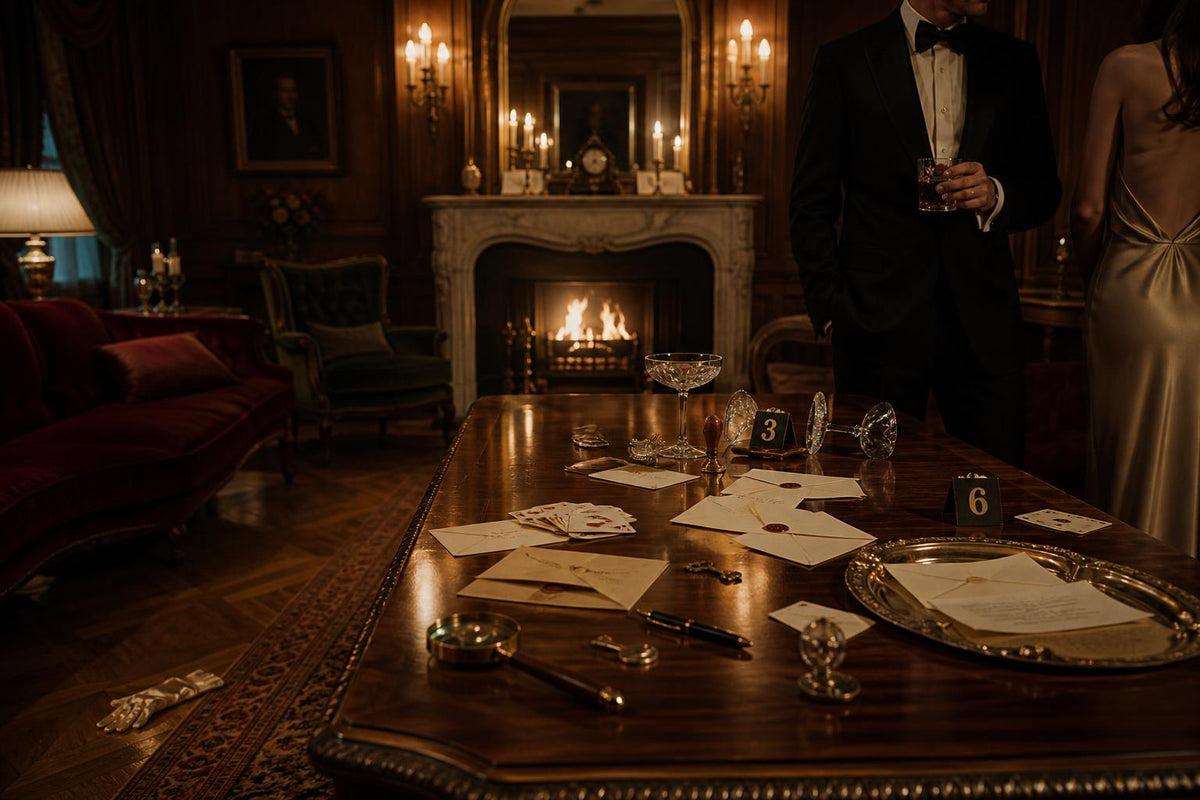
A memorable murder mystery party begins long before the first clue is discovered. Atmosphere is everything, and the right decor can transform an ordinary living room, dining area, or basement into a setting that feels lifted from a detective novel. Whether you want a glamorous 1920s whodunit, a Victorian manor investigation, or a modern true-crime inspired evening, your decor choices establish the mood, guide guest expectations, and make the experience feel immersive from the moment people arrive.
Why the Setting Matters
In themed entertaining, visual storytelling plays a powerful role. Research in event design consistently shows that guests respond more strongly to environments that engage multiple senses, especially sight, sound, and texture. In a murder mystery setting, this means more than simply hanging caution tape or scattering fake evidence. The goal is to create tension, curiosity, and theatrical charm without making the space feel cluttered or confusing.
A well-designed scene also helps guests step into character faster. If they walk into dim lighting, see handwritten suspect files on a side table, and hear low jazz or suspenseful instrumental music in the background, they immediately understand the tone of the evening. That instant immersion can make party games, scripted interactions, and clue reveals feel far more natural.
Building the Right Mood
Choose a Clear Theme
Before buying props or rearranging furniture, decide on the specific mystery world you want to create. A haunted mansion calls for candlelight, antique frames, and dark fabrics, while a noir detective setup may lean on black-and-white accents, trench-coat silhouettes, and vintage barware. A focused theme keeps every decorative choice intentional and prevents the room from feeling like a mix of unrelated Halloween items.
Balance Drama and Function
Decor should look striking, but it also needs to support the flow of the event. Guests need places to sit, mingle, examine clues, and eat comfortably. For example, a dining table can double as an evidence station, while a mantel can display framed “victim” portraits, old clocks, or cryptic notes. Strategic details like these make the room feel interactive rather than merely decorated.
First Impressions Count
The entryway is your first opportunity to set expectations. A faux police report on the door, a flickering lantern in the hallway, or a welcome sign naming the estate, hotel, or crime scene instantly signals that guests are entering a story. From there, each room can reveal another layer of suspense, intrigue, and carefully staged mystery.
Choose Your Mystery Theme
Selecting the right mystery theme is the creative foundation of any unforgettable murder mystery setup. It shapes your decor choices, color palette, props, music, and guest experience. Rather than scattering generic clues around a room, a strong theme gives your event a believable world. Whether you want elegant suspense or campy detective fun, the theme should match your space, budget, and the mood you want guests to feel from the moment they walk in.
Why Theme Matters
A clear theme helps every decorative element feel intentional. According to event planning professionals, immersive environments increase guest engagement because people respond more strongly to spaces with a consistent visual story. In a murder mystery setting, that means your furniture, lighting, table styling, and wall accents should all support the same narrative. The more cohesive the theme, the more convincing the “crime scene” becomes.
Themes also help narrow decisions. Instead of wondering which props to buy, you can ask whether an item fits a 1920s speakeasy, a Victorian manor, or a modern detective thriller. This makes decorating more efficient and often more affordable.
Popular Mystery Themes for Home Decor
Classic Victorian Manor
A Victorian manor theme creates an atmosphere of old-world suspense. Think dark wood, candlesticks, velvet textures, antique books, and framed portraits. Deep burgundy, forest green, and gold work especially well here. This style suits dining rooms and living rooms with traditional furniture, and it instantly suggests hidden motives, inheritance disputes, and long-buried secrets.
Roaring Twenties Speakeasy
A 1920s mystery theme brings glamour and danger together. Use black, gold, and white as your primary palette, then add feathers, pearls, vintage glassware, and art deco patterns. Jazz playing softly in the background can strengthen the illusion. This theme is especially effective for evening parties because low lighting and metallic accents create dramatic visual contrast.
Modern Crime Investigation
For a more contemporary approach, style your home like an active investigation scene. Yellow caution tape, evidence markers, monochrome prints, clipboards, and stark lighting can transform an ordinary room into a detective’s workspace. This theme works well in minimalist homes because clean lines and uncluttered surfaces already resemble procedural drama aesthetics.
Matching Theme to Your Space
Not every mystery theme fits every home, and that is perfectly fine. A small apartment may feel more convincing as a detective office or urban crime scene than a sprawling country estate. Likewise, a home with ornate molding and vintage furniture can naturally support a period mystery. Use your existing architecture as an advantage rather than fighting against it.
Budget and Visual Impact
A good theme does not require expensive purchases. In fact, many high-impact mystery decorations come from thrifted or repurposed items. A white sheet can become a ghostly cover for furniture in a haunted manor theme, while old bottles and dim lamps can suggest a hidden speakeasy. The key is choosing a theme with recognizable visual cues so guests understand the setting immediately.
Creating Emotional Tone
Beyond appearance, your theme should guide emotion. A noir-inspired mystery feels tense and stylish, while a haunted mansion feels eerie and theatrical. If your guests enjoy humor, a campy detective theme may work better than a grim forensic setup. Choosing the right mystery theme ensures every decorative decision supports the kind of suspenseful experience you want to build.
Plan the Room Layout
A convincing murder mystery setting starts with intentional room layout. Before adding props, decide how guests will move through the space and where the story’s key moments will unfold. A well-planned layout does more than look dramatic; it controls pacing, builds suspense, and helps every decorative element feel purposeful. Even in a modest living room or dining area, smart arrangement can create the atmosphere of a private investigator’s office, a grand manor, or a sealed crime scene.
Map the Guest Journey
Think first about the path guests will take from the entrance to the main gathering area. The entry should immediately establish the theme, perhaps with dim lighting, a warning sign, or a “case file” station. From there, the room should guide people naturally toward focal points without feeling crowded. Event planners often recommend allowing at least 24 to 36 inches of walking space between furniture pieces so guests can circulate comfortably, especially during interactive games or dinner service.
A successful mystery layout usually includes three zones: a welcome area, a central action space, and a clue or conversation zone. The welcome area sets expectations. The central space supports the main activity, whether that is dining, mingling, or solving clues. The clue zone can be a side table, bookshelf, or corner vignette where evidence is displayed. Separating these functions visually makes the room easier to navigate and keeps the theme immersive rather than chaotic.
Create Strong Focal Points
Every mystery-themed room benefits from one or two dramatic focal points. In many homes, the dining table becomes the “crime scene,” while a mantel, bar cart, or console table serves as an evidence display. Position your strongest visual feature where guests will notice it quickly upon entering. This could be an outlined body silhouette rug, a candelabra centerpiece, or a cluster of framed suspect portraits.
Use Furniture to Support the Story
Furniture placement should reinforce the narrative. Pull seating slightly inward to encourage conversation and suspicion between guests. If the party includes clue-hunting, avoid pushing all furniture against the walls, since that can make the room feel flat and overly open. Instead, use chairs, side tables, and screens to create smaller pockets of intrigue. Layered arrangement adds tension, making the environment feel curated and cinematic.
Balance Atmosphere and Function
Mood matters, but practicality matters just as much. Keep food, drinks, and game materials accessible without breaking the illusion. If lighting is low, ensure important areas such as steps, serving stations, and clue tables remain visible. Battery candles, floor lamps with warm bulbs, and directed spot lighting can help define areas while preserving a shadowy effect.
Small Spaces Can Still Feel Dramatic
In smaller rooms, scale down rather than overcrowd. Choose one statement area and let negative space work in your favor. A compact apartment can still feel like a detective novel setting when the layout is deliberate, the pathways are clear, and each decorative zone contributes to the unfolding mystery.
Create a Crime Scene Entry
Set the Scene at the Front Door
A convincing crime scene begins before guests step fully inside. The entryway should immediately signal that they are stepping into an unfolding mystery, not an ordinary gathering. First impressions matter, and in themed entertaining, the opening visual cue shapes the entire experience. By transforming your front door, porch, or hallway into an “active investigation” zone, you create suspense that carries through the rest of the decor.
Use classic crime scene markers such as yellow caution tape, evidence tags, and warning signs. Stretch tape across the doorway, stair rail, or coat rack, but keep walkways safe and accessible. A printed sign reading “Do Not Cross” or “Under Investigation” adds instant theatrical impact. For extra realism, place a clipboard near the entrance with a mock detective report or guest sign-in sheet labeled as a witness statement log.
Build Atmosphere with Lighting and Props
Lighting plays a major role in making the entry feel dramatic. Dim overhead lights and replace them with targeted, low-level illumination from battery candles, red-toned bulbs, or a flickering lantern. This creates shadows and visual tension without making the area too dark to navigate. According to event design best practices, layered lighting improves immersion because it directs attention to focal props while maintaining comfort and safety.
High-Impact Entry Props
A few carefully chosen props can make the scene feel believable rather than cluttered. Consider using a small table or console to display staged evidence. Effective options include the following:
| Prop | Purpose |
|---|---|
| Evidence markers | Suggest an active investigation |
| Fake fingerprints on glass | Add forensic detail |
| Bloody handprint decals | Create shock value |
| Old photographs | Hint at victim backstory |
| Detective notebook | Encourage guest interaction |
Keep the props cohesive in color and style. Red, black, white, and yellow work especially well for a murder mystery theme because they echo police tape, case files, and dramatic cinematic visuals.
Add Interactive Story Elements
An entry scene becomes even stronger when it introduces the plot. Instead of relying only on decoration, use the space to deliver narrative clues. A framed newspaper headline about a suspicious death, a torn invitation on the floor, or a voice note playing softly nearby can all suggest motive and tension. These details help guests feel like participants rather than spectators.
Practical Styling Tips
Balance realism with hospitality. Leave enough room for coats, shoes, or drinks if guests arrive carrying items. Use removable adhesive for decals and tape to avoid damage. If children or older adults are attending, avoid tripping hazards and overly graphic imagery. The goal is to create intrigue, not discomfort, so the entry should feel thrilling, polished, and easy to understand at a glance.
Use Lighting for Suspense
Lighting is one of the most powerful tools for transforming an ordinary room into a convincing murder mystery setting. In interior design, light shapes mood, directs attention, and alters how people interpret space. For a themed event, suspenseful lighting can make guests feel as though they have stepped into a detective novel, where every shadow seems to hide a clue and every corner invites suspicion.
Why Lighting Matters in Mystery Decor
Bright, even lighting tends to make spaces feel safe and predictable. By contrast, lower light levels create uncertainty, which is essential for suspense. Studies in environmental psychology have shown that dim lighting can increase feelings of privacy, secrecy, and emotional intensity. In a murder mystery setting, this effect helps guests become more immersed in the story.
A carefully lit room also controls pacing. If everything is fully visible, the environment loses intrigue. When parts of the room are softly obscured, guests are encouraged to move slowly, observe details, and engage more deeply with the decor. Lighting does not just illuminate the scene; it becomes part of the narrative itself.
Choosing the Right Light Sources
Candles, LED flameless candles, table lamps, and wall sconces are especially effective for creating a dramatic atmosphere. Flameless candles are often the safest option, while still delivering the flickering effect associated with old mansions, secret meetings, and late-night investigations. Warm bulbs in the range of 2200K to 2700K are ideal because they cast a golden glow that feels intimate rather than clinical.
Layering Light for Depth
The most convincing suspense lighting uses layers instead of a single overhead fixture. Start by reducing or turning off bright ceiling lights. Then introduce smaller pools of light around the room. A lamp on a side table, a candle cluster near a “crime scene,” or a spotlight over key evidence can create visual hierarchy. This approach mirrors theatrical staging, where light guides the audience toward important details without revealing everything at once.
Using Shadows to Build Tension
Shadows are essential in mystery decor because they add ambiguity. Position lights behind furniture, near curtains, or beside decorative objects to cast elongated shapes across walls and floors. This technique makes the room feel more dynamic and slightly unsettling. For example, a candelabra placed near a mirror can multiply reflections and deepen the sense of unease.
Highlighting Clues and Focal Points
Strategic lighting can also support gameplay. If your party includes hidden notes, fingerprints, or staged evidence, use a narrow beam lamp or subtle accent light to draw attention without making the clue too obvious. Guests will feel rewarded when they notice these details on their own. The goal is to create discovery, not confusion.
Color Effects for a Cinematic Feel
Colored lighting can heighten the drama when used sparingly. Deep red suggests danger, blue evokes coldness and isolation, and green can create an eerie, vintage atmosphere. Small LED uplights or smart bulbs make these effects easy to control. Rather than flooding the entire room with color, use it selectively to enhance specific scenes, such as a library, dining room, or hallway where the “crime” occurred.
Color Palette and Mood
Setting the Emotional Tone
In murder mystery decor, color is the fastest way to shape atmosphere. Before guests notice props, furniture, or themed food, they register the room’s visual temperature. Dark, muted palettes immediately suggest secrecy, tension, and old-world drama, making them ideal for a crime-scene-inspired gathering. Shades such as burgundy, charcoal, deep plum, forest green, and midnight blue create a cinematic backdrop that feels both elegant and unsettling.
These colors work because they absorb light rather than reflect it. In interior design psychology, darker tones are often associated with introspection, seriousness, and suspense. A living room styled in layered blacks and reds can feel reminiscent of a Victorian parlor, while navy and silver may evoke a detective’s study or a noir-inspired mansion setting. The goal is not to make the space gloomy, but intriguingly shadowy.
Building a Cohesive Palette
A successful mystery theme usually relies on a dominant dark base, a secondary accent, and one striking highlight. This approach keeps the room dramatic without becoming visually chaotic.
| Palette Role | Suggested Colors | Mood Effect |
|---|---|---|
| Base | Charcoal, black, espresso brown | Depth, secrecy, tension |
| Accent | Burgundy, deep green, plum | Luxury, intrigue, period drama |
| Highlight | Gold, silver, crimson | Clues, glamour, theatrical focus |
Using metallics sparingly is especially effective. Gold candleholders, silver trays, or brass frames can suggest wealth, motive, and hidden history. Crimson details, meanwhile, subtly reference danger without becoming overly literal.
Balancing Drama With Realism
Too much black can flatten a room, so contrast matters. Cream paper, aged ivory linens, or smoky gray textiles help preserve detail and prevent the decor from feeling one-dimensional. This balance is useful if you want the setting to resemble a believable manor house, library, or drawing room rather than a haunted-house attraction.
Lighting and Color Interaction
Lighting changes how every shade performs. Warm bulbs intensify reds, browns, and golds, giving the room a candlelit, conspiratorial quality. Cooler lighting sharpens blues and grays, which can make the setting feel more forensic and modern. Pairing your palette with dim, directional lighting enhances shadows and draws attention to key areas such as evidence tables, framed suspect photos, or staged clue displays.
Small Details That Strengthen Mood
Even minor color choices reinforce immersion. Black napkins, wine-stained tones, antique white stationery, and dark floral arrangements all contribute to a layered narrative. When every hue supports the same emotional world, the decor feels intentional, polished, and convincingly mysterious.
Evidence Markers and Props
Why These Details Sell the Scene
When guests walk into a murder mystery party, evidence markers and props are often the first elements that transform ordinary décor into an immersive crime scene. Yellow numbered tents, chalk outlines, scattered clues, and sealed “evidence” bags instantly signal that something dramatic has happened. These visual cues work because they borrow from familiar crime dramas and real investigative procedures, giving your setup a sense of authenticity without requiring a huge budget.
In real forensic work, evidence markers are used to identify and document the location of items before they are collected. At home, you can recreate that effect with cardstock tents, printable marker templates, or small plastic number signs. Placing them beside a tipped-over glass, a handwritten note, or a suspicious object helps direct attention and encourages guests to start investigating the moment they arrive.
Choosing Props That Feel Believable
The most effective props are those that look plausible within the story of your party. A 1920s mansion mystery might feature a pearl necklace, a fountain pen, and a torn invitation, while a modern detective theme could include a smartphone, fake security badge, or printed text messages. Matching props to the setting makes the experience feel intentional rather than random.
Everyday Objects with Dramatic Impact
Many convincing crime scene props come from items you already own. A wine glass with lipstick on the rim, a broken watch stopped at a suspicious time, or a chair knocked slightly out of place can suggest a struggle without becoming overly graphic. Even a simple notebook opened to a cryptic page can become a focal point when paired with an evidence marker.
Adding small narrative details makes each prop stronger. Instead of placing a generic envelope on a table, label it with a character’s name and seal it with red wax. Instead of using plain paper, create a faux police report or witness statement. These touches invite closer inspection and reward curious guests.
Creating a Layered Evidence Display
A strong display usually combines several types of props so the scene feels active and textured. Evidence markers work best when they guide the eye through the room, almost like a visual trail. Marker 1 might identify a spilled drink near the sofa, marker 2 a torn photograph on the floor, and marker 3 a set of muddy footprints leading toward the hallway. This arrangement creates movement and encourages guests to explore.
Using Labels, Bags, and Documents
Printed labels can elevate even inexpensive props. Clear zip bags become instant evidence pouches when marked with dates, case numbers, and item descriptions. You can also place “collected” items on a side table to mimic an active investigation area. For added realism, include clipboards, suspect files, or a timeline board with photos and red string. While red-string boards are more theatrical than standard police practice, they remain a recognizable and popular visual shorthand.
Balancing Realism with Party Style
The goal is to create suspense, not discomfort. Props should feel intriguing rather than disturbing, especially if children or sensitive guests are attending. Fake blood, for example, can be used sparingly on a napkin or letter opener, but it is not necessary for a convincing setup. In many cases, suggestion is more powerful than spectacle.
Color coordination also matters. Black, white, red, and yellow are classic choices because they echo detective fiction and caution tape aesthetics. Consistent styling helps all your props feel connected, even when they come from different sources. With thoughtful placement and believable details, evidence markers and props turn decorative objects into story-driven clues that keep guests engaged and eager to uncover what happened next.
Bloody Details Without the Mess
Creating the Illusion of a Crime Scene
The most convincing murder mystery decor relies on suggestion rather than shock. Instead of using anything graphic, create the impression of a dramatic scene with washable, reusable materials. Red acrylic paint, vinyl decals, and themed fabric can mimic splatters or trails without damaging floors, walls, or furniture. This approach keeps the atmosphere playful and party-friendly while still delivering the suspense guests expect.
A well-placed “blood” trail can guide visitors from the entryway to the main party space. For example, removable floor decals shaped like footprints or droplets instantly establish the theme and help direct traffic. On tabletops, a red satin runner or gauze stained with fabric dye can evoke the right mood while remaining elegant enough for indoor entertaining.
Safe Materials That Look Convincing
Best Options for Temporary Effects
Choosing the right materials matters if you want realism without cleanup headaches. Washable theatrical blood is a popular option because it photographs well and usually removes easily from sealed surfaces. However, for most home setups, non-liquid alternatives are even smarter. Gel window clings, printed placards, and peel-and-stick decals offer strong visual impact with almost no risk.
According to event styling trends, reusable decor has become increasingly popular because hosts want immersive themes without single-use waste. Felt cutouts, laminated evidence tags, and polyester cloths with printed stains can be stored and reused for future Halloween parties, mystery dinners, or escape-room nights.
Styling Bloody Details with Taste
Balancing Drama and Design
The key is to make the decor feel intentional, not chaotic. Use bloody accents sparingly so they stand out. A mirror with a faux handprint, a bar cart with labeled “poison” bottles, or a white tablecloth marked with a single dramatic stain often works better than covering every surface in red. This restraint creates tension and keeps the room visually polished.
Lighting also changes how these details are perceived. Under dim amber or red bulbs, even simple decorations appear more cinematic. Pair the bloody elements with classic mystery props such as candlesticks, vintage frames, and evidence markers to create a layered scene that feels theatrical rather than messy.
Practical Placement Tips
Keep faux blood effects away from food service areas, upholstered antiques, and high-traffic spill zones. Entry tables, photo backdrops, bathroom mirrors, and mantel displays are ideal spots because they maximize visibility while minimizing accidental contact. That way, guests get all the crime-scene drama they came for, and you avoid spending the next morning scrubbing your home like a forensic cleanup crew.
Walls, Floors, and Backdrops
Setting the Scene from the Ground Up
In a murder mystery party, walls, floors, and backdrops do more than fill space; they establish the story before a single guest speaks. A well-dressed room can instantly suggest a Victorian manor, a smoky 1920s speakeasy, or a modern crime lab. According to event design research, guests form first impressions of a space within seconds, which makes visual staging one of the most effective tools for immersion. By treating your home as a theatrical set, you can create suspense without needing expensive props or professional installation.
Transforming Walls into Evidence-Rich Surfaces
Walls offer the largest visual canvas, so they should carry much of the narrative weight. Crime boards are especially effective because they communicate investigation, motive, and tension at a glance. Use corkboards, poster boards, or even kraft paper taped neatly to the wall to display suspect photos, red string, newspaper clippings, and handwritten notes. If your theme leans classic, add faux aged documents and black-and-white portraits. For a contemporary detective setting, print case files with barcodes, timelines, and forensic labels.
Using Color and Texture for Mood
Color dramatically affects atmosphere. Deep burgundy, charcoal, and forest green create a moody, old-world tone, while stark white and metallic accents feel clinical and procedural. Temporary wallpaper, peel-and-stick decals, or fabric draping can shift a room’s identity in under an hour. Velvet curtains suggest wealth and secrecy, while torn gauze or plastic sheeting introduces unease. Lighting against these surfaces matters just as much; uplighting can cast ominous shadows that make ordinary walls feel cinematic.
Floors That Guide Attention
Floors are often overlooked, yet they can subtly direct movement and reinforce the illusion. A strategically placed rug can define the “crime scene,” while removable vinyl footprints can lead guests toward clues. For dramatic effect, use painter’s tape to outline a body shape, then surround it with numbered evidence markers. If you want realism without mess, choose washable red fabric or printed decals instead of liquid effects. This approach keeps the decor striking but practical for indoor entertaining.
Layering Details Without Creating Clutter
The best floor styling balances storytelling with safety. Guests need clear walking paths, especially if lighting is dim. Place visual details near room edges or under key tables rather than across major traffic areas. In smaller homes, a single high-impact zone usually works better than decorating every inch. Focused staging feels intentional, whereas overcrowding can weaken the mystery by making the room look chaotic instead of curated.
Backdrops for Photos and Key Revelations
A dedicated backdrop gives guests a place to gather, take photos, and interact with the theme. Consider a “suspect lineup” wall with height markers, a grand mansion fireplace scene printed on vinyl, or a police interrogation setup with a metal chair and harsh lamp. These backdrops also serve practical purposes during the party, functioning as a reveal area for accusations, dramatic entrances, or clue announcements. When designed thoughtfully, they turn ordinary rooms into memorable, story-driven environments.
Table Decor for Interrogation Vibes
Setting the Scene with Stark Surfaces
A convincing interrogation-inspired table starts with intentional simplicity. Unlike elegant dinner styling, this look relies on hard lines, sparse placement, and a slightly uncomfortable sense of order. Choose a metal, dark wood, or matte black table if possible, since these materials instantly suggest institutional spaces often seen in police dramas. If your existing table is lighter or more decorative, cover it with a charcoal or gray cloth to mute warmth and create a colder visual tone.
Lighting matters just as much as the tabletop itself. A single overhead lamp or focused pendant can mimic the classic interrogation-room effect, especially when the surrounding room is kept dimmer. According to interior lighting guidance, lower ambient light paired with one direct source increases contrast and draws attention to the center of the table, making every object feel more significant.
Props That Create Investigative Tension
The most effective table decor uses story-driven objects rather than random spooky accessories. Scatter a few manila folders, faux case files, black-and-white “evidence” photos, and handwritten notes across the surface. A vintage tape recorder, old telephone, or metal desk lamp can strengthen the detective atmosphere without overwhelming the setup. If you want guests to interact with the decor, place sealed envelopes labeled with suspect names at each seat.
Functional Decor with Thematic Impact
Practical items can also support the theme. Water glasses, plain ceramic mugs, and simple metal trays feel authentic to an interrogation setting while still serving party needs. Napkins folded into neat rectangles look more believable than elaborate decorative folds. Even place cards can be reimagined as suspect ID badges or evidence tags, helping guests step into character as soon as they sit down.
Color Palette and Texture Choices
An interrogation-style table works best with a restrained palette. Focus on gray, black, white, muted brown, and deep green. These shades echo official offices, file rooms, and procedural crime shows. Avoid bright colors unless used sparingly as accents, such as red string, stamped “CONFIDENTIAL” marks, or faux blood evidence labels. The contrast makes those details stand out more dramatically.
Layering Without Losing Minimalism
Texture should feel utilitarian rather than luxurious. Use wrinkled paper, brushed metal, glass, and worn leather details to create realism. A table can still feel visually rich without becoming cluttered. For example, pairing a rough folder, a polished lamp base, and a clear evidence bag creates variation while preserving the controlled severity that defines interrogation decor.
Small Details That Sell the Illusion
Authenticity often comes from subtle finishing touches. Add a visible timestamp on printed documents, use typewriter-style fonts, or place a single pen beside each file as if testimony is about to begin. These details transform a themed table from simple party decor into an immersive crime-scene experience, keeping guests alert, curious, and ready to investigate.
Victorian and Noir Styling Ideas
Building a Victorian Foundation
Victorian style is the perfect starting point for murder mystery decor because it instantly suggests secrecy, wealth, and hidden motives. The period, spanning roughly 1837 to 1901, favored layered interiors filled with carved wood, patterned wallpaper, velvet upholstery, and ornate accessories. To recreate that atmosphere at home, focus on depth and richness rather than clutter alone. Dark mahogany, walnut, and black-painted furniture establish a serious mood, while fabrics such as burgundy velvet, forest green brocade, and heavy lace curtains add theatrical texture.
Lighting matters just as much as furniture. In authentic Victorian homes, gaslight and candlelight created a dim, flickering ambiance that naturally produced shadows. You can echo that effect with warm bulbs in antique-style lamps, wall sconces, or candelabras. Low, golden lighting makes every room feel more dramatic and immediately supports a crime scene narrative. A bright overhead fixture, by contrast, can flatten the mood and weaken the illusion.
Patterns, Textures, and Decorative Details
Victorian interiors were known for visual abundance, so surfaces should feel layered and intentional. Floral wallpaper, damask prints, Persian-style rugs, and tasseled textiles all contribute to a setting that feels old-world and slightly oppressive in the best possible way. Mirrors with gilded frames, framed silhouettes, antique books, and porcelain objects help tell a story without needing explicit props. A study lined with weathered volumes or a parlor with lace and silver trays can suggest that something unsettling happened beneath a polished surface.
Introducing Noir Atmosphere
While Victorian decor provides historical richness, noir styling adds tension, mystery, and cinematic cool. Noir is less about decoration and more about contrast. Inspired by 1940s and 1950s crime films, it relies on shadow, restraint, and sharp visual drama. Black, charcoal, cream, and deep red form an effective palette. If Victorian rooms are dense and ornate, noir spaces should feel edited, with carefully chosen details that create suspense.
A noir-inspired corner might include a leather armchair, a small drinks cart, a vintage telephone, and a desk lamp casting a narrow pool of light. Venetian blinds are especially effective because they create the striped shadows associated with classic detective films. Even in a Victorian room, adding these visual cues can shift the mood from historical elegance to active investigation.
Blending Victorian and Noir Successfully
The strongest murder mystery interiors combine both styles rather than choosing one exclusively. Victorian elements provide the setting, while noir accents sharpen the emotional tone. For example, a formal dining room with dark wallpaper and crystal glassware becomes more intriguing when paired with moody spotlighting and a single red accent, such as a napkin or flower. That contrast guides the eye and suggests significance.
Room-by-Room Styling Approach
In living rooms, use tufted seating, dark curtains, and antique side tables, then introduce noir through selective lighting and monochrome framed art. In bedrooms, iron bed frames, embroidered linens, and vintage trunks create period character, while smoky mirrors and shadowy bedside lamps add unease. Entryways benefit from umbrella stands, coat hooks, and narrow console tables, especially when styled with gloves, letters, or a pocket watch that imply a story is already unfolding.
Small Touches That Sell the Illusion
The most convincing spaces often depend on subtle details. A half-open journal, a stopped clock, or a decanter beside two glasses can imply conflict without appearing theatrical. Atmosphere works best when it feels discovered rather than staged, allowing guests to step naturally into the mystery.
DIY Decor on a Budget
Creating a convincing murder mystery atmosphere does not require a Hollywood-sized budget. In fact, resourceful DIY decor often feels more authentic because it adds personality, imperfection, and surprise. With a few inexpensive materials, you can transform ordinary rooms into dramatic spaces that suggest intrigue, suspense, and a story waiting to be solved.
Start With Low-Cost Scene Setting
The most effective budget decor begins with the overall mood. Lighting, fabric, and sound can change a room faster than expensive props. Dim overhead lights and use battery-powered candles, thrifted lamps, or red-toned bulbs to create a shadowy effect. According to home staging experts, lighting is one of the most influential elements in shaping how a space feels, making it a smart place to spend very little for maximum impact.
Old sheets, black tablecloths, and secondhand curtains can instantly disguise modern furniture and bright surfaces. A white sheet with diluted red paint can become a dramatic “evidence” piece, while dark fabric draped over shelves or walls helps create a moody Victorian or noir-inspired setting.
Make Props From Everyday Items
Many memorable murder mystery decorations can be made from things already in your home. Glass bottles become “poison” containers with printed labels. Cardboard can be turned into framed suspect boards, faux tombstones, or directional signs pointing guests toward the library, study, or crime scene. Printed paper details such as newspaper clippings, fake police reports, and handwritten notes add depth at almost no cost.
Easy High-Impact DIY Ideas
A few simple projects can deliver strong visual results without requiring crafting expertise. For example, string and pushpins can create an investigation wall, especially when paired with black-and-white photos. Old costume jewelry, gloves, or hats from thrift stores can suggest character backstories. Even a cheap plastic tray can look like a forensic display when covered with labeled objects and a few staged clues.
Use Thrift Stores and Dollar Shops Strategically
Budget decorating works best when you shop with a clear theme. Thrift stores often carry vintage frames, candlesticks, books, and serving pieces that suit a mystery setting. Dollar stores are useful for candles, caution tape, plastic goblets, and disposable tableware that can be customized. In many U.S. cities, thrifted home items cost 70 to 90 percent less than buying new, which makes them ideal for one-night event styling.
Prioritize What Guests Notice First
Focus your effort on entryways, dining tables, and the main party area. Guests remember the first impression and the spaces where they spend the most time. A dramatic doorway sign, a clue-filled centerpiece, and a small staged crime scene in one corner will do more than decorating every inch of the house.
Add Personal Touches for Immersion
The best DIY decor feels interactive. Place personalized suspect files at each seat, create framed family portraits with fictional identities, or label rooms with thematic names. Budget-friendly decor becomes unforgettable when it helps guests feel like active participants rather than observers, setting up the next layer of the mystery perfectly.
Sound, Scent, and Atmosphere
Building Suspense Through Sound
In a murder mystery setting, sound is one of the fastest ways to shape emotion. Guests may notice visual details first, but audio controls the room’s rhythm and tension. A carefully chosen soundtrack can make an ordinary dining room feel like a manor house hiding secrets. Low instrumental jazz, distant thunder, ticking clocks, or soft piano all work well because they add unease without overpowering conversation.
Layering Audio for Realism
The most effective approach is to layer background music with subtle effects. For example, a playlist might include rain, creaking floorboards, or a faint crackling fireplace between songs. Smart speakers make this easy, and many streaming platforms offer prebuilt ambient tracks. Keep volume moderate so clues, dialogue, and character interactions remain clear. Atmosphere should support the game, not distract from it.
Using Scent to Deepen the Scene
Scent is often overlooked, yet it strongly influences memory and mood. Research shows smell is closely linked to the brain’s limbic system, which governs emotion and recall. For a vintage mansion theme, choose notes like sandalwood, old books, cedar, or amber. For a noir-inspired crime scene, tobacco-inspired candles, leather scents, or smoky incense can create a darker tone.
Matching Fragrance to Theme
Use one or two scents only, since too many competing aromas can feel artificial or overwhelming. A library-style mystery might benefit from warm vanilla and wood, while a winter estate setting could feature pine and clove. Consistency matters more than intensity, so keep fragrance subtle and place candles or diffusers in key areas rather than every room.
Creating a Cohesive Atmosphere
Atmosphere emerges when sound, scent, and decor reinforce one another. Dim lighting, shadowy corners, and period-appropriate music combined with a signature fragrance can make guests feel as though they have stepped into another era. Even small touches, such as a record player effect or the smell of polished wood near the entryway, help establish immersion. When these sensory details align, the mystery feels richer, more believable, and far more memorable for every guest involved that night.
Photo Booth and Guest Interaction
Turn Decor into Participation
A murder mystery party feels most memorable when guests do more than admire the room. A themed photo booth transforms decor into an interactive experience, giving everyone a reason to mingle, improvise, and step deeper into character. In event planning surveys, photo opportunities consistently rank among the most shared party features because they create both entertainment and instant keepsakes. For a murder mystery setting, the booth should feel like part of the investigation rather than a separate attraction.
Designing a Crime Scene Photo Booth
Use a backdrop that matches the party’s visual story, such as vintage wallpaper, dim lighting, faux evidence boards, or black-and-white “mugshot” stripes. Add props that encourage roleplay, including detective hats, magnifying glasses, gloves, suspect placards, pearls, fake newspapers, and sealed “evidence” bags. Small details matter here, because they help guests pose naturally instead of awkwardly smiling at the camera. A chalk outline floor mat or a framed “wanted” poster station can make the setup feel especially immersive without requiring a large budget.
Lighting and Placement
Place the booth in a high-traffic area, but not where it blocks food, drinks, or game clues. Soft ring lighting or warm LED lamps usually work better than overhead lighting, which can create harsh shadows. If possible, keep at least 5 to 6 feet of open space in front of the backdrop so small groups can fit comfortably. This is especially useful since group photos often become the most entertaining images of the night.
Encouraging Guest Interaction
A photo booth also works as a social icebreaker. Guests who do not know each other can bond while choosing props, comparing costumes, or inventing alibis for the camera. To deepen interaction, tie the booth into the mystery itself. Ask guests to take a “suspect booking photo” upon arrival or leave behind a Polaroid for an evidence wall. Interactive prompts such as “pose like you found the body” or “show your innocent face” can spark laughter and keep the energy high between major game moments.
Making It Shareable
If you want modern convenience, use a phone tripod and remote shutter. For a more authentic noir mood, instant film adds tactile charm and doubles as decor throughout the evening.
Safety and Cleanup Tips
Keep the Atmosphere Thrilling, Not Hazardous
A convincing murder mystery setup should feel dramatic, but guest safety must come first. Low lighting, fake evidence markers, and scattered props can create suspense, yet they also increase the risk of trips and spills. Keep walkways clear, secure extension cords with tape, and avoid placing décor in doorways or on stairs. If you use candles, choose LED flameless versions instead. According to the National Fire Protection Association, candles cause thousands of home fires each year, making battery-powered alternatives the smarter choice for themed entertaining.
Choose Props with Care
Select materials that look realistic without introducing danger. Fake glass should be made from plastic or resin, and prop knives should be clearly theatrical, lightweight, and stored away from children when not in use. If you are using red liquids to mimic blood, test them first on fabric and flooring, since food coloring and syrup can stain quickly. A washable mixture or removable gel product is often the safest option for indoor use.
Protect Surfaces During the Party
Messy scenes can be fun, but cleanup becomes much easier when you prepare in advance. Cover tables with disposable liners beneath decorative cloths, and place coasters near drinks to prevent rings on wood furniture. For carpets, keep any “crime scene” effects contained to trays, mats, or hard flooring. Preparation reduces both damage and stress.
Fast Post-Party Cleanup
Once the event ends, collect props room by room so nothing sharp, sticky, or fragile gets overlooked. Wipe surfaces immediately, launder stained textiles promptly, and vacuum glitter, paper scraps, or costume debris before they spread through the house. Opening windows can also help clear fog machine residue or strong party scents quickly.
Conclusion: Bring the Mystery Home
Style, Story, and Suspense in Every Room
Transforming your space with murder mystery decor is about more than novelty. It blends atmosphere, storytelling, and design into an experience guests remember. From vintage evidence boards and dim, dramatic lighting to typewriter accents and cryptic wall art, each element helps create a home that feels immersive rather than gimmicky. The most effective rooms balance theatrical intrigue with everyday comfort, allowing the theme to feel curated and stylish.
Designing for Impact Without Overdoing It
A strong mystery-inspired interior works best when details feel intentional. Rich colors such as burgundy, charcoal, and deep green can establish mood, while antique furniture, framed newspaper clippings, and faux case files add narrative depth. Even small touches, like labeled apothecary bottles or a magnifying glass on a side table, can suggest a larger story. According to color psychology research, darker tones often evoke sophistication and tension, making them especially effective in suspense-driven spaces.
Make Guests Part of the Scene
The real charm of this theme lies in participation. A hallway can become a trail of clues, a dining room can host a detective dinner, and a living room can spark conversation through layered visual details. With the right decor choices, your home does not just reference a mystery; it invites people to step inside one, explore it, and imagine what happened next.
FAQ: Common Murder Mystery Decor Questions
How do you create a murder mystery atmosphere without making the space feel cheap?
The key is balancing theatrical detail with thoughtful styling. A convincing murder mystery setting does not require turning every corner into a horror prop display. Instead, focus on a few high-impact elements such as dim lighting, vintage-style signage, faux evidence markers, and a restrained color palette built around black, burgundy, ivory, and metallic accents. This approach helps the room feel immersive rather than cluttered.
Texture also matters. Velvet table runners, aged paper invitations, candlesticks, and antique-look frames instantly elevate the scene. In event design, layered materials often create a more premium impression than simply adding more decorations. For example, a dining table with stained “case file” folders, brass candleholders, and folded newspaper-style menus will usually look more sophisticated than one covered in novelty props alone.
What are the best budget-friendly murder mystery decor ideas?
A strong theme can be built on a modest budget if you prioritize items with visual impact. Printed clues, “wanted” posters, chalkboard signs, and DIY evidence bags are inexpensive but highly effective. Battery-operated candles are another affordable option and can transform a room for a fraction of the cost of specialty lighting. Many hosts also repurpose household items such as old books, mirrors, trunks, and glass bottles to create a detective-era atmosphere.
Low-cost items that make a big difference
| Decor Item | Typical Budget Range | Effect |
|---|---|---|
| Printable clue cards | $5–$15 | Builds story immersion |
| Battery candles | $10–$25 | Creates dramatic lighting |
| Evidence markers | $8–$20 | Adds crime scene realism |
| Red fabric or ribbon | $5–$12 | Suggests suspense visually |
Even one or two of these details can anchor the entire room and make the theme feel intentional.
How much decor is too much?
A common mistake is overdecorating every surface. Guests need room to move, eat, and interact with clues. As a rule, keep major decor concentrated in three focal zones: the entrance, the dining or gathering table, and one dedicated “crime scene” area. This structure gives the event visual rhythm and prevents sensory overload.
How to keep the setup functional
If the party includes dinner, leave at least 18 to 24 inches of usable table space per guest. If games or clue-solving are involved, ensure lighting is bright enough in key areas for reading. Atmospheric darkness works best when paired with practical visibility.
Can murder mystery decor work for different age groups?
Absolutely. The decor should simply match the audience. For adults, you can lean into noir styling, vintage detective themes, or glamorous 1920s crime aesthetics. For teens, interactive props and dramatic signage usually work well. For children, the theme should stay playful rather than graphic, using cartoon clues, magnifying glasses, and “whodunit” puzzles instead of anything disturbing.
Should decor match the story exactly?
It helps, but it is not essential. The strongest setups support the narrative through mood, color, and a few recognizable props. A mansion mystery might feature candelabras and portraits, while a modern detective party could use police tape and case boards. Consistency matters more than perfection, especially when guests are focused on solving the mystery rather than inspecting every decorative detail.


