

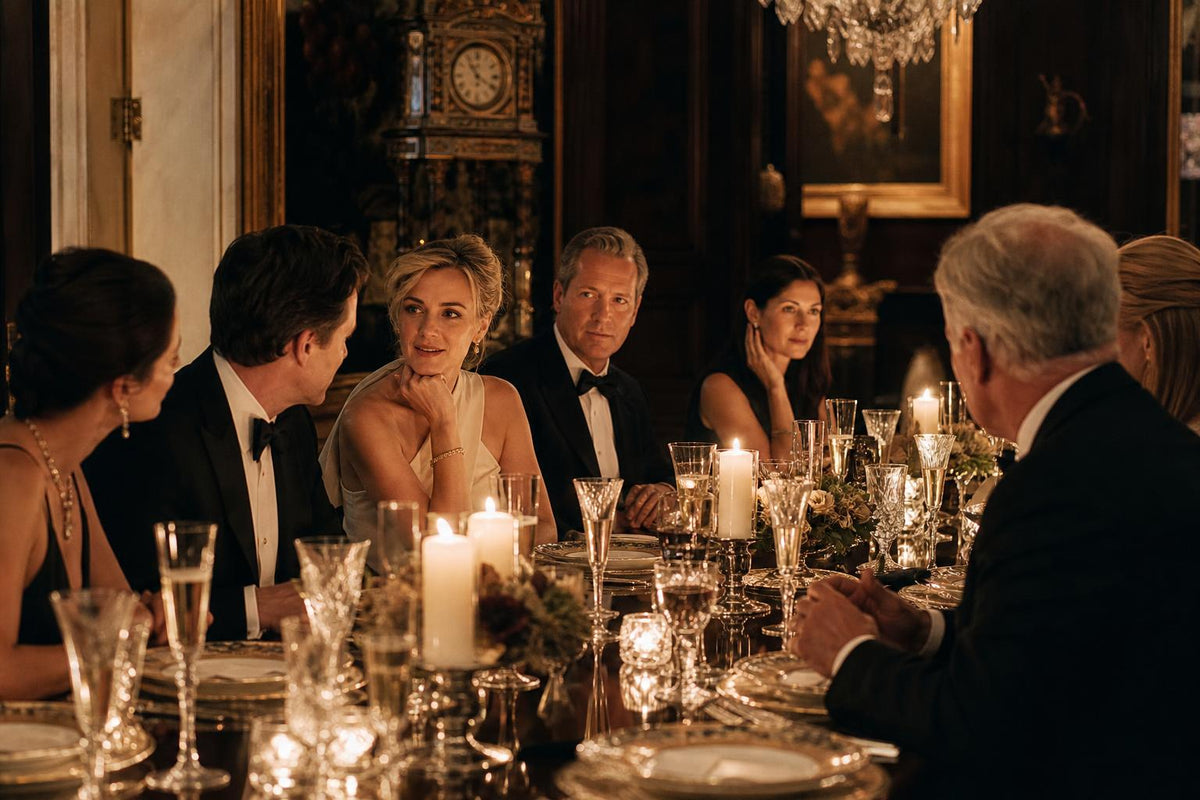
Introduction: How Long a Murder Mystery Dinner Takes
A murder mystery dinner is more than a meal with a theme; it is an interactive event that blends dining, theater, and social play into one experience. For hosts and guests alike, the most common planning question is simple: how long does a murder mystery dinner take? In most cases, the full event lasts between 2.5 and 4 hours, depending on the number of guests, the complexity of the storyline, and whether the dinner is hosted at home, in a restaurant, or as part of a corporate function.
Typical Time Range for a Murder Mystery Dinner
Most standard murder mystery dinner parties are designed around a multi-course meal and a structured sequence of clues, character interactions, and reveals. A smaller home gathering with a simple script may wrap up in about 150 minutes, while a larger or more theatrical production can easily extend to 240 minutes or more. Commercial murder mystery venues often schedule around the 3-hour mark, which gives enough time for guest arrival, introductions, food service, investigation, and the final solution.
Why Timing Varies So Much
The biggest reason for variation is that murder mystery dinners are partly scripted and partly social. Guests need time to read character materials, question one another, react to clues, and stay engaged with the unfolding plot. If the group is energetic and talkative, scenes may run longer than expected. By contrast, a tightly managed event with clear pacing can move efficiently from one stage to the next.
Main Factors That Affect Duration
Several practical elements shape the timeline. Guest count matters because larger groups naturally take longer to settle in and interact. Meal format also plays a major role; a plated three-course dinner usually takes longer than a buffet or cocktail-style setup. In addition, some mystery kits include multiple rounds, hidden objectives, or costume contests, all of which add time. Events with inexperienced players may need extra explanation at the start, while returning participants often move through the game more smoothly.
A Quick Planning Benchmark
As a general rule, hosts should allow about 30 minutes for arrival and setup, 90 to 120 minutes for dining and clue rounds, and 30 to 45 minutes for the accusation and reveal. Adding a small buffer helps prevent the evening from feeling rushed. This timing framework makes it easier to plan food service, invitations, and entertainment flow before moving into the more detailed scheduling considerations that follow.
Typical Event Length at a Glance
Understanding the typical length of a murder mystery dinner helps hosts set expectations, coordinate vendors, and keep guests engaged from the opening clue to the final reveal. In most cases, a standard event lasts between 2.5 and 4 hours, though the exact timing depends on group size, meal service, and how interactive the format is. For planners, this range is the practical sweet spot: long enough to build suspense, but short enough to maintain energy.
Standard Time Range for Most Events
A traditional murder mystery dinner with a full meal usually runs about 3 hours. This often includes guest arrival, character introductions, multiple rounds of clues, dining service, and the final accusation scene. Many commercial mystery dinner packages are designed around this timeframe because it fits comfortably into an evening schedule and aligns with restaurant or venue booking windows.
For smaller private gatherings, the event may wrap up closer to 2 to 2.5 hours, especially if the host uses a simplified script or serves food buffet-style. By contrast, larger corporate or fundraising events often stretch toward 3.5 to 4 hours due to longer check-in periods, speeches, auctions, or slower table service.
How the Evening Usually Breaks Down
Arrival and Mingling
The first 20 to 30 minutes are typically reserved for guest arrival, costume appreciation, drinks, and early roleplay. This opening period matters because it allows attendees to settle in and begin interacting in character before the main plot intensifies.
Meal and Mystery Progression
The core of the event generally takes 90 to 150 minutes. During this stage, clues are revealed between courses or activities. A plated three-course dinner naturally extends the timeline, while appetizers or a single-course meal can shorten it. If guests are highly engaged and ask questions, interrogate suspects, or improvise dialogue, this portion may run longer.
Final Reveal and Wrap-Up
The ending usually takes 20 to 30 minutes. This includes final guesses, the dramatic solution, prize announcements, and informal conversation afterward. In some events, the reveal is quick and theatrical; in others, hosts allow each table or team to present its theory, adding extra time.
Factors That Can Change the Total Duration
Guest Count and Format
A party of 8 to 12 guests moves faster than one with 30 or more attendees. More people mean more introductions, more discussion, and often more logistical pauses. Interactive formats also tend to last longer than scripted ones because players shape the pace through conversation and investigation.
Venue and Food Service Style
Restaurant service can add unpredictability. Delays between courses may extend the event by 15 to 45 minutes. At home, hosts have more control, but preparation and serving transitions still affect flow. A cocktail-style mystery is usually shorter than a formal seated dinner.
Quick Planning Benchmark
For most hosts, a safe planning estimate is 3 hours total, with a buffer of 30 extra minutes. That benchmark works well for birthdays, team events, and weekend dinner parties, while still leaving room for a more elaborate experience in the sections ahead.
Standard Timeline From Arrival to Reveal
A murder mystery dinner feels effortless when guests are immersed in the story, but behind that experience is a carefully paced schedule. For most events, the standard timeline runs between 2.5 and 4 hours, depending on group size, meal service, and how interactive the format is. A compact home party may finish in about 150 minutes, while a corporate or venue-based production with multiple courses often stretches closer to 240 minutes. Understanding the flow from arrival to final reveal helps hosts set expectations, coordinate vendors, and keep energy high throughout the evening.
Guest Arrival and Check-In
The first stage usually lasts 15 to 30 minutes. During this window, guests arrive, check in, receive character materials if roles are assigned in advance, and begin settling into the setting. This period matters more than many hosts expect because it creates the first impression of the event’s organization and tone. If guests are confused about where to go or what to do, the momentum can stall before the mystery even begins.
Why This Opening Window Matters
A structured arrival period gives people time to transition from ordinary conversation into the fictional world of the evening. At a private party, this may simply mean grabbing a drink and reading a character card. At a larger event, it can include coat check, seating assignments, and introductions from the host or actors. For groups of 8 to 12 guests, 15 minutes is often enough. For groups over 20 people, 25 to 30 minutes is more realistic.
Introduction and Scene Setting
Once everyone has arrived, the event usually moves into a 10 to 20 minute introduction. This is where the host, game master, or cast explains the premise, outlines the rules, and establishes the setting. In some formats, this opening includes a scripted performance that introduces suspects and motives. In others, it is more practical, covering how clues will be distributed and when guests should stay in character.
This section is essential because it aligns everyone on expectations. If players know whether they are solving collaboratively, competing individually, or simply enjoying a theatrical performance, the rest of the evening flows more smoothly. A rushed briefing often leads to repeated questions later, which can interrupt immersion and extend the total event length.
First Course and Early Clues
The next phase generally lasts 30 to 45 minutes and often overlaps with the first course or appetizer service. This is where guests begin interacting, trading information, and noticing suspicious details. In many professionally designed games, the murder itself occurs shortly after this stage begins, giving the group a clear turning point from social gathering to active investigation.
Balancing Dining and Gameplay
The most successful events do not force guests to choose between eating and participating. Instead, clues are introduced in manageable bursts while people are seated and attentive. For example, a host may reveal a key piece of evidence between courses, or an actor may interrupt dinner with a dramatic accusation. This pacing keeps the mystery moving without making the meal feel secondary.
Investigation and Mid-Event Development
The investigation phase is usually the longest part of the evening, taking 45 to 90 minutes. During this period, guests question one another, compare notes, uncover secrets, and test theories. The exact duration depends heavily on format. A boxed party game for friends may move quickly, while a live-actor production with hidden agendas can take much longer.
Typical Timing by Event Style
| Event style | Average total time | Investigation portion |
|---|---|---|
| Small home party | 2.5 hours | 45–60 minutes |
| Hosted restaurant event | 3 hours | 60–75 minutes |
| Corporate or theatrical production | 3.5–4 hours | 75–90 minutes |
For larger groups, this stage often needs more structure. Without clear transitions, side conversations can multiply and slow progress. Skilled hosts use timed clue drops, scene breaks, or guided announcements to keep everyone focused.
Final Accusations and Reveal
The closing phase typically takes 20 to 30 minutes. Guests submit their guesses, discuss motives, and hear the official solution. In some games, points are awarded for identifying the killer, motive, or method. In others, the reveal is fully theatrical, with a final monologue or dramatic confession.
Ending on Time Without Feeling Rushed
A strong reveal depends on preserving enough time at the end. If earlier sections run long, the solution can feel abrupt, which weakens the payoff. Hosts often avoid this by setting a firm cutoff for investigation and giving a five- or ten-minute warning before final accusations begin. That simple step helps maintain suspense while protecting the schedule.
A Sample End-to-End Schedule
A practical timeline for a three-hour murder mystery dinner might look like this. Guests arrive from 6:30 to 6:50 p.m., the introduction runs until 7:05, the first gameplay and dining segment continues until 7:45, the main investigation unfolds from 7:45 to 8:35, and final accusations plus the reveal finish by 9:00. This structure works well because it alternates social time, meal service, and story progression in a way that feels natural rather than mechanical.
The exact timing can shift, but most successful events follow this same rhythm: arrival, orientation, early clues, deeper investigation, and a clearly staged reveal.
What Affects the Total Duration
The length of a murder mystery dinner is shaped by far more than the script alone. While many events are advertised as lasting two to four hours, the real total depends on how the evening is structured, how many guests attend, and how much interaction the format requires. For hosts planning a private party or venue managers scheduling a ticketed event, understanding these variables helps prevent rushed scenes, awkward delays, or a finale that lands too late for the audience to stay engaged.
Guest Count and Group Dynamics
One of the biggest factors is the number of participants. A smaller gathering of eight to twelve guests usually moves faster because introductions are shorter, clues circulate more easily, and everyone has more chances to speak without waiting long turns. By contrast, a party of twenty or more often needs extra time for character interaction, movement between tables, and group discussions before accusations begin.
Group personality matters just as much as headcount. An outgoing crowd that enjoys improvisation may extend the experience naturally because players ask more questions, perform their roles enthusiastically, and build side conversations into the mystery. A quieter group may progress faster through the formal structure but sometimes needs prompting from the host to keep momentum going. Energy level directly affects pacing, especially in games where the mystery unfolds through conversation rather than fixed performances.
Format of the Mystery
Not all murder mystery dinners follow the same model, and format can change the timeline significantly. Some are tightly scripted with scheduled reveals between courses, while others are open-ended roleplaying experiences where guests control the pace. A boxed party game for home use may run about two hours, but a theatrical production with actors, audience participation, and multiple staged scenes can easily stretch beyond three hours.
Scripted vs. Improvised Play
A scripted event tends to be more predictable. Hosts can estimate how long each act will take because dialogue, clue drops, and transitions are planned in advance. Improvised formats are more flexible, but they also create timing uncertainty. If guests become deeply invested in interrogating one another, a section expected to last fifteen minutes may take thirty.
In-Person Cast Performances
Professional murder mystery dinners often include actors who guide the story. This can improve flow, but it also adds staged entrances, dramatic pauses, and audience management. In hospitality settings, these productions commonly run 2.5 to 3.5 hours, partly because entertainment value is prioritized alongside the meal.
Meal Service and Venue Logistics
Food service is another major timing variable. A three-course plated dinner naturally creates pauses between scenes, and each course may require fifteen to thirty minutes depending on kitchen speed and table service efficiency. Buffet service can move faster in some venues, but only if lines are short and guests return promptly. If drinks, dessert, or coffee service are folded into the event, total duration increases further.
Course Structure and Scene Breaks
Many murder mystery dinners are intentionally built around the meal. The introduction may happen before appetizers, the crime may occur before the main course, and the final accusation may arrive after dessert. This structure works well, but it means the mystery cannot move faster than the catering timeline. A slow kitchen can slow the entire experience, even when the game itself is simple.
Complexity of the Plot
A straightforward mystery with a small suspect pool is usually resolved more quickly than a layered story with hidden motives, red herrings, and multiple clue rounds. Games designed for beginners often simplify objectives so players can focus on participation rather than rule interpretation. More advanced mysteries may include secret tasks, evidence cards, timed reveals, or competing agendas, all of which add minutes to the schedule.
Learning Curve for New Players
If guests have never attended a murder mystery dinner before, expect extra time for explanation. Hosts may need to clarify character sheets, rules of engagement, clue handling, and the order of events. Even a ten-minute briefing can expand if players ask questions or need help understanding their roles. Experienced groups usually transition into play much faster.
Host Experience and Event Management
A confident host can keep the evening on track by making announcements clearly, signaling scene changes, and redirecting guests when conversations drift too far off course. First-time hosts often underestimate how long setup, role assignment, and troubleshooting will take. Printed materials, seating charts, costume accessories, and music cues all contribute to immersion, but they also require coordination.
Common Timing Add-Ons
Several small elements can quietly lengthen the event. These often include:
- Guest arrival and mingling before the game officially starts
- Late arrivals who need catch-up instructions
- Costume photos and social media moments
- Prize voting for best actor, best costume, or correct guess
- Cleanup and post-reveal discussion
Individually, each may add only five to fifteen minutes, but together they can extend the evening by thirty minutes or more.
Audience Type and Occasion
The purpose of the gathering also affects duration. Corporate team-building events may keep a tighter schedule because they are tied to venue bookings or workday limits. Birthday parties and holiday gatherings often allow more flexibility, encouraging guests to linger over food and conversation. Public ticketed events may need stricter timing to align with staffing, bar service, and transportation expectations.
Practical Planning Window
For most hosts, a realistic planning window is about three hours total from guest arrival to final reveal, even if the mystery itself is advertised as shorter. That estimate gives enough room for welcome time, meal service, gameplay, and unexpected delays without making the night feel overlong. When the guest list is large, the plot is complex, or dinner service is formal, adding another thirty to sixty minutes is often the safest approach.
Timing by Event Type and Group Size
How long a murder mystery dinner takes depends heavily on the kind of event you are hosting and how many people are involved. While many planners hope for a single standard answer, the reality is more flexible. A private birthday party with ten guests moves at a very different pace than a corporate team-building event with fifty attendees. In most cases, murder mystery dinners last between two and four hours, but format, meal service, audience participation, and venue logistics all influence the final timeline.
How Event Type Changes the Schedule
Different event types create different expectations for pacing. A casual home gathering usually runs faster because guests are already comfortable with one another, the setting is familiar, and transitions between dinner and gameplay are less formal. In that environment, a mystery dinner often fits neatly into two to two and a half hours, especially if the host uses a simplified script or a ready-made game kit.
Corporate events typically take longer. Teams often need extra time for check-in, introductions, icebreakers, and explanation of rules. If the event is tied to employee engagement or client entertainment, organizers also tend to build in time for speeches, awards, or networking. That can push the total experience to three to four hours, even when the mystery itself is not especially complex.
Fundraisers, public ticketed events, and charity galas may extend even further. These events frequently include auctions, sponsor recognition, staged performances, or photo opportunities. In those cases, the murder mystery becomes one part of a broader evening program rather than the entire event.
Typical Timing by Event Format
The structure of the mystery also matters. A fully interactive event, where guests question one another and improvise, naturally takes longer than a scripted performance with limited audience involvement.
| Event format | Typical duration | Why timing varies |
|---|---|---|
| Home party | 2 to 2.5 hours | Informal pacing, simpler meal service |
| Restaurant-hosted dinner | 2.5 to 3 hours | Courses are timed by kitchen staff |
| Corporate event | 3 to 4 hours | Introductions, team activities, larger groups |
| Fundraiser or gala | 3.5 to 4.5 hours | Extra programming beyond the mystery |
| Virtual or hybrid event | 1.5 to 2.5 hours | Less dining time, but tech setup may slow flow |
Group Size and Its Direct Impact
Group size is one of the strongest predictors of event length. Smaller groups make decisions faster, ask fewer repetitive questions, and move through clue-sharing with less delay. A party of 8 to 12 guests can often complete a mystery efficiently because everyone stays engaged and it is easier for the host to manage the flow.
Once attendance rises to 15 to 25 people, timing usually stretches. More guests means more introductions, more side conversations, and more time needed for everyone to absorb clues. If several attendees have active character roles, each scene may take longer simply because more people need opportunities to participate.
For groups above 30 guests, organizers should expect a slower pace unless the event is tightly moderated. Large groups often require microphones, assigned seating, printed instructions, and stronger facilitation. Without that structure, the mystery can lose momentum.
Estimated Timing by Group Size
A small gathering of under twelve people may finish in about two hours if dinner service is simple. A medium-sized group of twelve to twenty guests often needs closer to two and a half or three hours. A large event of twenty-five or more guests frequently reaches the three-hour mark, and with formal dining or entertainment elements, it may exceed four hours.
Meal Service Makes a Major Difference
Food service can either support the mystery or slow it down. A buffet is usually faster because guests serve themselves and return to the action quickly. A plated three-course dinner, by contrast, adds natural pauses between scenes. Those pauses can be useful for dramatic effect, but they also lengthen the event.
Best Timing Pairings
A lighter meal or cocktail-style service works well for shorter mysteries. A multi-course dinner suits a longer, more theatrical experience. If the host wants to keep the total event under three hours, it helps to align clue reveals with courses so guests are never waiting without direction.
Planning for Realistic Timing
A smart planner builds in a time buffer. Even well-run events encounter delays from late arrivals, drink orders, costume photos, or guests needing extra explanation. Adding 15 to 30 minutes of flexibility prevents the evening from feeling rushed.
Signs Your Event May Need More Time
If your guest list includes many first-time players, if the script relies on improvisation, or if the venue has slow meal service, the event will likely run longer than the package description suggests. By contrast, experienced players in a private setting can often move briskly through the same material.
The most accurate approach is to match the mystery format to the audience size and occasion. When hosts do that well, the evening feels immersive rather than overlong, and guests stay engaged from the opening clue to the final accusation.
Planning the Schedule Step by Step
A murder mystery dinner feels effortless to guests when the schedule has been carefully built in advance. Timing is the hidden structure that keeps the evening immersive, social, and manageable. For most home or venue-based events, the full experience lasts between 2.5 and 4 hours, depending on guest count, meal format, and how interactive the game is. A smaller gathering of 8 to 10 people may move quickly, while a party of 20 or more usually needs extra time for arrivals, clue sharing, and discussion.
Start With the Total Event Window
Before assigning minutes to each activity, define the total time available. If guests are arriving on a weeknight, a 3-hour schedule is often ideal because it feels substantial without becoming tiring. Weekend events can stretch closer to 3.5 or 4 hours, especially if the dinner is a centerpiece social occasion. The key is to match the mystery format to the attention span and energy of your group.
A practical planning method is to divide the event into five blocks: arrival, introduction, meal service, investigation rounds, and reveal. This approach prevents one part of the evening from consuming too much time. For example, if dinner service runs long, you can shorten a discussion round without harming the overall experience. By contrast, if you leave the schedule too open, guests may spend 45 minutes chatting before the mystery truly begins.
Build the Arrival and Welcome Period
The first 20 to 30 minutes should be reserved for arrivals, drinks, and casual mingling. This buffer matters more than many hosts expect. In social events, late arrivals are common, and starting the scripted portion too early can create confusion. Guests need time to settle in, find their seats, and get comfortable with their character materials if roles are assigned.
Recommended timing for arrivals
For a group of up to 12 guests, 20 minutes is usually enough. For larger groups, 30 minutes is safer. If costumes are encouraged, allow a little extra time because guests often want to admire each other’s outfits and take photos. That social energy is useful, but it should be contained within the welcome window so it does not delay the game itself.
Plan the Introduction and Rules
Once everyone has arrived, move into a structured introduction lasting about 10 to 15 minutes. This is where you explain the premise, review any rules, and set expectations for how the evening will unfold. Clarity at this stage saves time later. If guests do not understand when to reveal clues, how accusations work, or whether they should stay in character, the mystery can lose momentum.
Use this segment to establish the tone. A comedic mystery may encourage playful improvisation, while a more dramatic scenario benefits from a tighter explanation. If some guests are new to murder mystery dinners, reassure them that they do not need acting experience. Most games work best when participants simply engage, ask questions, and follow the prompts.
Coordinate Dinner With Game Rounds
The meal is not separate from the mystery; it is part of the pacing. In many successful events, dinner is served in courses between investigation rounds. This structure naturally creates pauses for clue reading, private conversations, and group debate. A typical schedule might assign 60 to 90 minutes to the meal itself, depending on whether you are serving buffet-style, plated courses, or a simple one-course dinner.
Matching meal style to timing
A buffet is flexible and works well for informal groups, but it can slow the flow if everyone lines up at once. A plated meal feels polished and keeps guests seated, which often helps the mystery stay focused. Family-style service encourages interaction, though it can create side conversations that extend each round. If timing is your top priority, a pre-prepared menu with minimal kitchen interruption is usually the best choice.
Schedule the Investigation Phases
Most murder mystery games unfold across two to four rounds. Each round generally needs 15 to 25 minutes, depending on complexity. During this time, guests read new information, question one another, and compare theories. For a standard party, three rounds of 20 minutes each creates a strong rhythm without making the game feel repetitive.
Keeping rounds on track
Announce clear transitions between rounds. A simple verbal cue such as “Round two begins now” helps guests refocus. If one table or group becomes deeply absorbed, that is a good sign, but the host still needs to protect the schedule. Consider using a visible timer or subtle music cue to signal that the next phase is approaching. This keeps the evening moving while preserving immersion.
Leave Room for the Big Reveal
The final reveal deserves more time than hosts sometimes allow. Plan 20 to 30 minutes for final accusations, solution reading, and reactions. Guests usually want to explain their reasoning, defend their suspicions, and laugh over misleading clues. Rushing this section can make the entire evening feel abrupt, even if the earlier pacing was excellent.
Add Buffer Time for Real-World Delays
Even the best schedule benefits from a buffer of 15 to 20 minutes. Food may come out late, a guest may need extra help understanding their role, or conversations may run longer than expected. That does not mean the event is off track; it means the plan is realistic. Professional event planners often build in contingency time because social gatherings rarely run with exact precision.
Sample three-hour schedule
| Event segment | Suggested time |
|---|---|
| Arrival and mingling | 0:00–0:30 |
| Introduction and rules | 0:30–0:45 |
| First course and round one | 0:45–1:20 |
| Main course and round two | 1:20–2:00 |
| Dessert and round three | 2:00–2:30 |
| Final accusations and reveal | 2:30–3:00 |
This kind of framework gives the night structure while still allowing flexibility. A well-planned schedule supports both the meal and the mystery, helping guests stay engaged from the first arrival to the final accusation. If your group is especially talkative or your menu is elaborate, extending each dining block slightly can create a smoother experience without sacrificing suspense.
Dinner Service and Game Pacing Tips
Aligning the Meal With the Mystery
A murder mystery dinner works best when food service and gameplay support each other instead of competing for attention. In most home and hosted events, the full experience lasts between 2.5 and 4 hours, and dinner service typically accounts for 60 to 90 minutes of that window. The key is to avoid long pauses that drain energy or rushed transitions that confuse guests. When the meal is paced intentionally, players stay immersed in the story while still having enough time to eat, talk, and gather clues.
For most groups, the smoothest structure is to pair each course with a natural phase of the game. A welcome drink or appetizer fits well with character introductions and light mingling. The main course usually works best after the first major reveal, when guests already understand their roles and are ready to question one another. Dessert is ideal for final accusations, evidence review, or the detective’s summary. This structure gives the evening a rhythm that feels social and theatrical at the same time.
Timing Each Stage of Service
A practical pacing plan often divides the evening into manageable segments. Hosts who use a three-course meal can usually expect the following timing:
| Stage | Typical Time |
|---|---|
| Guest arrival and introductions | 20–30 minutes |
| Appetizer and opening scene | 20–30 minutes |
| Main course and clue gathering | 30–45 minutes |
| Dessert and final theories | 20–30 minutes |
| Solution reveal and wrap-up | 15–20 minutes |
This format totals roughly 105 to 155 minutes, not including setup, late arrivals, or extra socializing. For larger groups of 10 to 16 guests, add another 15 to 30 minutes, since serving food, managing conversation, and rotating spotlight moments naturally takes longer.
Avoiding Service Bottlenecks
The biggest pacing problems usually happen in the kitchen, not in the script. If the host disappears for twenty minutes to plate dinner, the game stalls and guests lose momentum. That is why make-ahead dishes, buffet service, or plated meals prepared in advance are often better choices than recipes requiring last-minute attention. Pasta bakes, carved roasts, stews, and composed salads are easier to manage than anything that must be cooked to order.
If you want a more formal dinner, consider serving one course family-style. This reduces interruptions and keeps guests seated in character. Even at elegant events, convenience matters. A mystery game depends on interaction, and every extra minute spent waiting for food is a minute not spent building suspense.
Keeping Energy High Between Courses
Good pacing is not just about speed; it is about maintaining engagement. Guests need something to do whenever plates are being cleared or drinks are being refreshed. Short prompts can help, such as asking players to share an alibi, reveal a secret, or question the person to their left. These mini-interactions fill transitional moments without overwhelming the meal.
Matching Complexity to Your Crowd
Not every group handles the same pace equally well. Families, mixed-age groups, and first-time players usually do better with a simpler structure and clearer breaks. Corporate teams or experienced mystery fans may enjoy denser clue drops and faster scene changes. As a rule, if guests need frequent rules clarification, the game should move more slowly. If conversation is lively and players are improvising confidently, you can tighten the schedule and let scenes overlap with service.
When to Pause the Story
Strategic pauses are useful, especially before the main reveal or accusation round. A brief reset of 5 to 10 minutes gives guests time to eat, compare notes, and refocus. Without these pauses, important clues can get lost in side conversations. The best hosts know when to let the room breathe and when to bring attention back to the plot.
Practical Host Cues for Smooth Flow
A simple script for the host can keep the evening on track. Announce transitions clearly, give time warnings before each new round, and avoid explaining too much at once. Guests respond well to short, confident cues. If one table or player dominates, gently redirect attention so everyone stays involved. Balanced participation improves both the dinner atmosphere and the mystery itself.
Food should feel like part of the entertainment, not an obstacle to it. When service is organized and the game advances in steady beats, the evening feels polished, immersive, and far less stressful for everyone involved.
Common Timing Mistakes to Avoid
Underestimating Arrival and Settling Time
One of the most common planning errors is assuming guests will be ready to play the moment they walk in. In reality, most murder mystery dinners need at least 20 to 30 minutes for arrivals, coat storage, drinks, and casual conversation before the structured experience begins. If the event starts too abruptly, late arrivals can disrupt clues, introductions, and character assignments. This is especially important for groups larger than 10, where even small delays multiply quickly.
Why Early Buffer Time Matters
A short buffer protects the pacing of the entire evening. Hosts who skip this step often find that dinner service, scripted scenes, and reveal moments all start running behind. In restaurants or rented venues, this can create pressure if the space is booked in timed slots. Building in extra time at the front end helps the event feel polished rather than rushed.
Rushing the Meal Service
Another major mistake is treating the dinner portion as a background activity instead of a core part of the experience. A plated three-course meal typically takes 60 to 90 minutes, while buffet or family-style service may move faster but still requires time for guests to serve themselves and return to character. If clues are delivered too quickly during eating, players may miss important details.
Matching Gameplay to Dining Pace
The best events align clue drops, interrogations, and dramatic reveals with natural meal breaks. For example, introductions may happen before appetizers, key evidence can appear between courses, and final accusations often work best after dessert or coffee. This structure prevents cognitive overload and gives guests time to socialize, which is often one of the most enjoyable parts of the evening.
Forgetting Transition Time Between Segments
Many hosts plan only the major activities and ignore the minutes needed to shift between them. Moving from mingling to character briefing, from dinner to clue review, or from investigation to final reveal usually takes longer than expected. Even a 5 to 10 minute transition between segments can keep the schedule realistic.
Overpacking the Agenda
Trying to squeeze in too many games, speeches, or side activities can weaken the mystery itself. A well-paced murder mystery dinner usually lasts 2.5 to 4 hours, and exceeding that window may reduce energy and attention. Leaving breathing room in the schedule allows guests to stay engaged, ask questions, and fully enjoy the unfolding story.
Conclusion: Build a Smooth and Fun Timeline
A well-planned murder mystery dinner succeeds when timing supports the experience rather than controlling it. For most events, the full evening lasts between 2.5 and 4 hours, with shorter formats working for casual gatherings and longer timelines fitting larger groups or more theatrical productions. The key is matching the structure to your guest count, meal style, and level of interaction so the night feels lively instead of rushed.
Balance Pacing With Participation
Strong pacing gives guests enough time to eat, socialize, and investigate clues without long pauses that drain energy. In many home-hosted events, 30 to 45 minutes for arrival and introductions, 60 to 90 minutes for dinner and clue reveals, and 30 to 45 minutes for final accusations creates a dependable rhythm. If your group is especially talkative or new to the format, adding a small buffer can prevent the schedule from slipping.
Plan for Real-World Delays
Even the best outline should allow flexibility. Food service often takes longer than expected, and guests may need extra time to understand character roles or game rules. Building in 15 to 20 minutes of cushion time helps the evening stay relaxed. This is especially useful for parties of 8 to 12 guests, where conversation naturally expands and side interactions become part of the fun.
Make the Experience Feel Effortless
A smooth timeline is not just about minutes on a clock. It depends on clear hosting, organized materials, and transitions that feel natural. When invitations explain the expected duration and the host guides each phase confidently, guests stay engaged and know what to expect. With the right pacing, your murder mystery dinner becomes more than a game; it turns into an immersive social event that feels polished, memorable, and easy to enjoy.
FAQ: Murder Mystery Dinner Timing Questions
How long does a typical murder mystery dinner last?
Most murder mystery dinners run between two and four hours, depending on the format, guest count, and how much structure the host provides. A streamlined home game with preassigned roles and simple clues may wrap up in about two hours, while a fully immersive event with costumes, multiple rounds, and a plated meal often stretches closer to three or four. Commercial venues frequently schedule events at around 2.5 to 3 hours, which balances dining, performance, and audience participation.
Does dinner service affect the timeline?
Yes, food service has a major impact on pacing. A buffet usually moves faster because guests can serve themselves within a defined window, while a multi-course plated meal adds pauses between scenes. Those breaks can help build suspense, but they also extend the total event length. If timing matters, hosts should coordinate clue reveals with each course so the story continues moving rather than stalling between dishes.
What if guests arrive late?
Late arrivals are one of the most common reasons an event runs over schedule. Even a 15 to 20 minute delay at the start can affect every later segment, especially if character introductions or opening evidence are essential to gameplay. Many hosts build in a short welcome period to absorb minor delays without disrupting the mystery.
How much time should be planned for each phase?
A practical schedule often includes 20 to 30 minutes for arrival and introductions, 60 to 90 minutes for the main investigation, and 30 to 45 minutes for accusations, reveals, and prizes. Larger groups may need extra discussion time because more players means more cross-questioning and side conversations.
Is a shorter version possible?
Absolutely. Some hosts create a compact 90-minute version for office parties, team events, or weeknight gatherings. This usually requires simplified rules, fewer suspects, and tighter scene transitions. Shorter games work best when guests receive character details in advance, reducing explanation time and helping the evening start smoothly.


