

Introduction to Murder Mystery Games
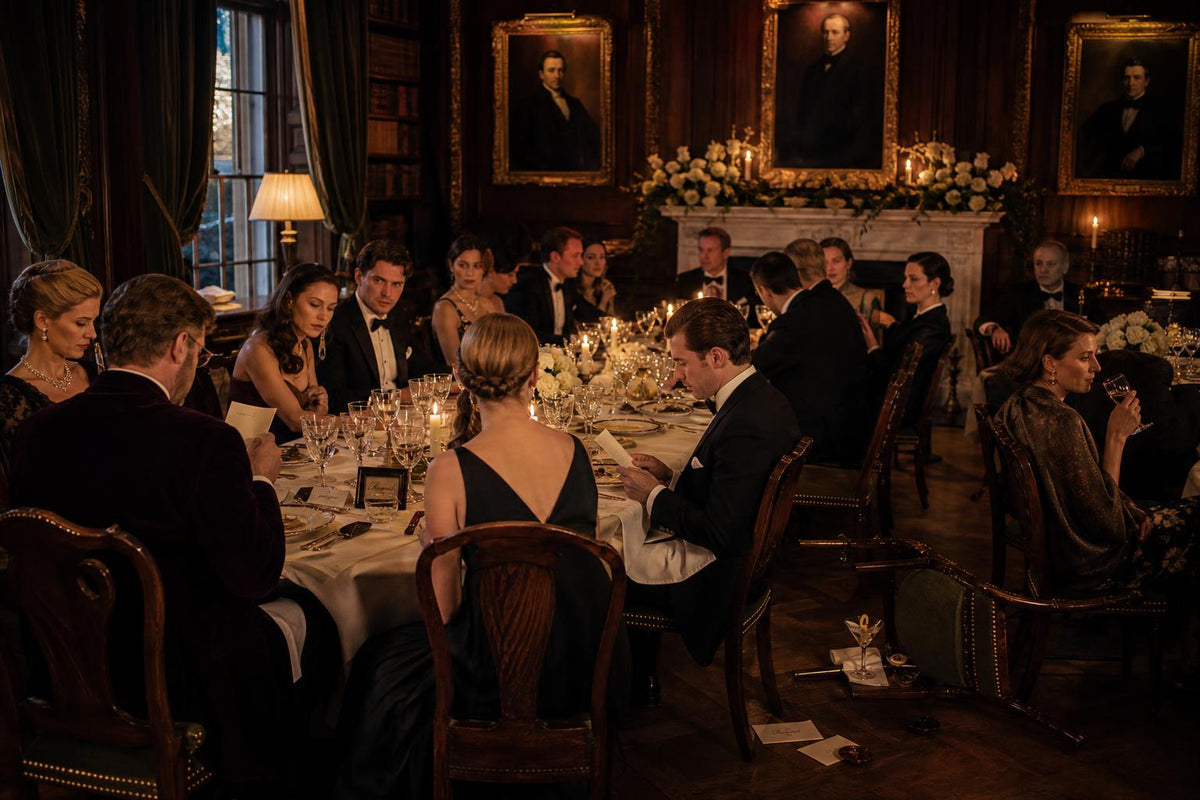
Murder mystery games turn a gathering into an interactive story where every guest becomes part of the plot. Instead of simply watching events unfold, players question suspects, uncover motives, and piece together clues to solve a fictional crime. For large groups, this format works especially well because it gives everyone a role, a reason to participate, and a shared objective that keeps energy high throughout the event.
Why These Games Work So Well for Large Groups
One of the biggest strengths of murder mystery games is their ability to engage 10 or more players at once without feeling chaotic. Each participant usually receives a character with a backstory, secrets, and relationships to other guests. That structure naturally sparks conversation, side alliances, and dramatic reveals. In many cases, the host only needs to guide the flow while the game itself creates the entertainment.
Large-group party games often struggle with downtime, but murder mystery formats reduce that problem by keeping multiple conversations happening simultaneously. According to event industry surveys, interactive entertainment consistently ranks among the most memorable group activities because it encourages participation rather than passive observation. That makes these games a smart choice for birthdays, team-building events, holiday parties, and family reunions.
What Players Can Expect
Roles, Clues, and Suspense
Most murder mystery games follow a simple framework. Players are assigned characters, a crime is introduced, and clues are revealed over several rounds. Some games are highly scripted, while others allow more improvisation. The best versions balance structure with freedom, giving guests enough information to stay involved while leaving room for creativity.
A typical session can last anywhere from 60 minutes to three hours, depending on complexity and group size. Some games include costumes, evidence cards, secret objectives, or digital components that add depth. For larger parties, this variety is especially useful because it helps different personality types participate comfortably, whether they enjoy acting dramatically or solving puzzles quietly.
Choosing the Right Style of Mystery
Not every murder mystery game feels the same. Some lean into comedy, others focus on serious detective work, and some are designed specifically for dinner parties. The ideal choice depends on your group’s size, experience level, and comfort with roleplay. A well-matched game can transform a room full of guests into a lively cast of suspects, detectives, and hidden masterminds, setting the stage for the standout options featured next.
How to Choose a Game for 10+ Players
Choosing a murder mystery game for a large group of 10 or more players requires more than simply picking the highest-rated title. As group size increases, the game must handle more personalities, more side conversations, and a wider range of attention spans. A game that feels thrilling with eight players can become chaotic with twelve if the structure is too loose or the roles are too uneven.
Match the Game to Your Exact Group Size
The first factor to check is the game’s supported player count. Some titles advertise “large group” play but only work smoothly at 10 to 12 participants, while others scale comfortably to 20 or more. This matters because murder mystery games are usually written with a fixed number of suspects, motives, and clue pathways. If extra players are added without meaningful roles, they may feel like spectators instead of active participants.
A well-designed game gives every player a reason to speak, question others, and defend themselves. Balanced participation is especially important in larger groups, where quieter guests can otherwise disappear into the background.
Consider Experience Level and Play Style
Not every group wants the same kind of evening. Some players love improvisation and theatrical roleplay, while others prefer a more guided format with clear instructions. For mixed groups, especially at parties, a beginner-friendly game often works best. It reduces confusion and helps the event maintain momentum.
Structured vs. Open-Ended Games
Structured games usually provide scripted prompts, timed rounds, and clear objectives. These are ideal for hosts managing 10+ players because they keep the story moving. Open-ended games can feel more immersive, but they demand confident players who are comfortable inventing dialogue and following subtle clues.
If your group includes first-time players, choose a game with simple role sheets, clear timelines, and host support materials. That can dramatically improve engagement.
Evaluate Hosting Requirements
Large-group games often place extra pressure on the host. Some require pre-assigned characters, costume suggestions, printed clues, or a moderator who is not actively playing. Before choosing a game, consider how much preparation time is realistic. A game that takes three hours to organize may not be practical for a casual gathering.
What to Check Before Buying
Review the game materials carefully. Look for details such as setup time, average play length, and whether the game includes invitations, evidence cards, and host instructions. A 2023 consumer trend report from the tabletop gaming market noted that ease of setup is one of the top factors influencing player satisfaction in social party games, especially for groups larger than eight.
Think About Theme, Tone, and Replay Value
Theme can make or break the experience. A 1920s speakeasy mystery may delight one crowd, while another group may prefer a modern crime story or a comedic whodunit. Tone matters just as much as mechanics, particularly for birthdays, corporate events, or family gatherings.
Replay Potential for Frequent Hosts
If you host often, replay value becomes important. Some murder mystery games are one-and-done experiences because the solution is fixed. Others offer variable endings, secret objectives, or expandable character packs. Choosing a flexible game can provide better long-term value and keep future events feeling fresh.
The best choice is ultimately the one that fits your group’s size, energy, and expectations, while giving every player a meaningful role in the unfolding mystery.
What Makes a Great Large-Group Mystery Night
Balancing Structure and Freedom
A great large-group mystery night succeeds when it combines clear structure with enough freedom for players to improvise. In groups of 10 or more, the biggest challenge is keeping everyone involved without making the experience feel rigid. The best games solve this by giving each participant a defined role, personal objectives, and clues that naturally push conversations forward. When every guest has a reason to mingle, question others, and protect their own secrets, the event feels lively rather than scripted.
Why Scale Changes the Experience
Smaller mystery games can rely on intimate dialogue and detailed deduction, but large-group events need stronger pacing. With 10 to 20 players, side conversations multiply quickly, and quieter guests can easily fade into the background. That is why strong large-group designs often include timed rounds, guided reveals, or event cards that keep the story moving. Momentum matters more at scale because attention is divided across the room.
The Importance of Role Design
Well-written characters are essential. In an effective large-group mystery, roles should vary in personality, status, and motivation so players immediately understand how to engage. A suspicious business partner, a nervous assistant, and a glamorous socialite all create different social dynamics. The strongest games also avoid making only one or two characters central to the plot. Instead, they distribute meaningful information widely, so more players feel important.
Accessibility and Hosting Practicality
A memorable mystery night is not just fun for players; it must also be manageable for the host. Games with straightforward setup, printable materials, and simple instructions are usually more successful than overly complicated formats. According to event industry surveys, hosts consistently rank ease of organization as one of the top factors in party satisfaction, especially for gatherings above 12 guests. If rules take 30 minutes to explain, energy can drop before the mystery even begins.
Replay Value and Theme
Theme also plays a major role. Settings like 1920s speakeasies, masquerade balls, or haunted manor houses give guests an instant framework for costumes and roleplay. A strong theme increases immersion and helps break the ice, particularly for players who are new to interactive party games. Replay value improves when the mystery includes layered motives, red herrings, and multiple memorable character interactions rather than a single obvious solution.
Social Energy and Guest Engagement
Ultimately, the best large-group mystery nights create shared participation. They encourage laughter, suspicion, negotiation, and surprise while ensuring that no one feels like a spectator. When the game supports active involvement from nearly every guest, the night becomes less about solving a puzzle alone and more about creating a dramatic, social experience together.
Game 1: Night of Mystery
Why It Works So Well for Large Groups
Night of Mystery has become one of the most recognizable names in murder mystery entertainment, especially for hosts planning events for 10 or more players. Unlike many boxed party games that feel limited once the guest list grows, this format is specifically designed to support larger gatherings with structured character assignments, themed storylines, and host materials that reduce planning stress. For groups that want a polished experience without inventing everything from scratch, it offers a practical middle ground between a casual party game and a fully staged interactive event.
A major strength of Night of Mystery is its flexibility. The company offers downloadable mystery party kits built around distinct themes, from high school reunions and 1980s prom nights to holiday parties and glamorous galas. That variety matters because theme strongly influences guest participation. When players can dress for a specific setting and immediately understand the social dynamics of their character, engagement tends to rise. In large groups, that extra immersion helps prevent quieter guests from fading into the background.
What Players Can Expect
Structured Roles and Guided Interaction
Each guest typically receives a character packet with background information, objectives, and clues. This structure is especially useful in bigger groups because it gives everyone a reason to mingle and ask questions. Rather than waiting for turns, players are constantly exchanging information, forming suspicions, and uncovering motives. That free-flowing interaction is one of the biggest advantages over traditional board-style mystery games, which can become slow or repetitive with many participants.
The host also benefits from a more organized framework. Most Night of Mystery kits include invitations, costume suggestions, printable evidence, and step-by-step instructions. For a party of 10 to 20 people, those materials can save hours of preparation. Hosts still need to manage logistics, such as assigning roles early and encouraging guests to arrive in character, but the overall workload is far lighter than building a mystery night independently.
Best Features for a Memorable Event
Theme Variety and Replay Value
One reason Night of Mystery stands out on lists of top large-group murder mystery games is its strong replay potential. Because each kit uses a different setting, hosts can run multiple events without them feeling repetitive. A corporate team-building night might work well with a polished, contemporary theme, while a birthday party may benefit from something more theatrical and humorous.
The game also scales well socially. In a group of 12, conversations feel intimate and clue-sharing can be more deliberate. In a group of 20 or more, the event becomes livelier and more chaotic in a good way, resembling an interactive theater experience. That adaptability makes it appealing for family celebrations, friend groups, community organizations, and workplace parties.
Things to Consider Before Hosting
Preparation and Guest Buy-In
Night of Mystery works best when guests are willing to participate actively. If attendees ignore their character details or avoid costume elements entirely, some of the magic disappears. The host should set expectations early, explain the tone of the event, and distribute materials well in advance. Player commitment is often the difference between an average mystery party and an unforgettable one.
Pricing can also vary depending on the kit and group size, but compared with hiring live actors or attending a commercial mystery dinner, it is generally a cost-effective option. For hosts seeking a themed, interactive game that can comfortably entertain a crowd, Night of Mystery earns its place among the strongest choices available.
Game 2: Freeform Games
What Makes Freeform Games Stand Out
Freeform Games is one of the most respected names in the murder mystery genre, particularly for large gatherings that need flexibility without sacrificing depth. Founded in the United Kingdom, the company has built a strong reputation for producing downloadable mystery party scripts designed for adults, teens, corporate teams, and mixed social groups. Its biggest strength is the way it blends structure with improvisation. Players receive detailed character backgrounds, objectives, and secrets, but they are not forced to follow a rigid script line by line. That design creates a more natural experience, where conversations feel spontaneous rather than staged.
For groups of 10 or more players, this format is especially effective. Traditional boxed murder mystery games often become awkward at higher player counts because some guests end up with very little to do. Freeform Games addresses that problem by giving each participant meaningful motivations and multiple interactions throughout the event. In many of its titles, every character has information that matters, which helps maintain engagement across the room.
Why It Works for Large Groups
One reason Freeform Games performs so well with bigger parties is its broad catalog. The publisher offers mysteries for player counts ranging from around 8 to more than 200, making it a practical option for birthday parties, school events, office socials, and fundraising dinners. Hosts can usually choose between fixed and expandable casts, which makes planning easier when guest numbers shift at the last minute.
Flexible Hosting and Replay Value
Another major advantage is the hosting model. Most games are sold as downloadable PDFs, which means there is no waiting for shipping and no dependence on a physical box set. Hosts can print only what they need, assign roles in advance, and review the moderator instructions before the event. This is particularly useful for large groups, where organization can determine whether the evening feels polished or chaotic.
The replay value is also stronger than many competitors. Because the games rely heavily on player interaction, bluffing, and negotiation, the same title can feel different depending on the personalities involved. A confident cast may turn the event into a dramatic social showdown, while a quieter group may lean into clue-sharing and deduction.
Best Fit for Different Audiences
Freeform Games offers themes that go far beyond the standard country manor murder. Its catalog includes historical settings, fantasy adventures, school reunions, holiday parties, and lighthearted comedic mysteries. That variety helps hosts match the tone of the game to the audience. A corporate team-building event may benefit from a less intense, more humorous title, while an experienced roleplaying group may enjoy a denser plot with layered secrets.
Ease of Play Versus Complexity
The games are generally best suited to players who enjoy social interaction and light improvisation. They are not difficult in the sense of requiring acting talent, but they do ask guests to participate actively. For that reason, Freeform Games tends to work best when the group is willing to mingle, question each other, and stay in character at least loosely. Hosts with shy or first-time players can still succeed by choosing one of the simpler titles and providing clear pre-game guidance.
Key Strengths at a Glance
| Feature | Why It Matters |
|---|---|
| Large player support | Many titles comfortably handle 10+ guests |
| Downloadable format | Fast access and easy preparation |
| Flexible scripts | Encourages natural conversation |
| Wide theme selection | Fits different ages and event styles |
| Strong character design | Helps keep all players involved |
For hosts seeking a scalable, engaging, and conversation-driven murder mystery experience, Freeform Games remains one of the strongest options available in this category.
Game 3: My Mystery Party
A Flexible Classic for Large Gatherings
My Mystery Party has become a familiar name in the murder mystery genre because it offers a broad catalog of downloadable party kits designed for different group sizes, themes, and age ranges. For hosts planning an event for 10 or more players, that flexibility is a major advantage. Instead of forcing a one-size-fits-all structure, the game line includes scenarios built for teen parties, adult dinners, holiday events, and even workplace-friendly gatherings.
One of its strongest features is accessibility. Most kits are designed so a host can purchase, download, and print materials without needing elaborate props or a professional game master. That makes it especially appealing for large groups where logistics can quickly become complicated. In practical terms, a host can organize invitations, character sheets, evidence, and solution documents from a single package, reducing preparation time while still delivering a structured experience.
How the Format Works
Printable Kits and Guided Hosting
The typical My Mystery Party package includes character descriptions, party rules, nametags, optional clues, and a final solution. Many versions are arranged in rounds, allowing players to reveal information gradually rather than all at once. This pacing helps larger groups stay engaged, since participants are not overwhelmed with every detail at the beginning.
For a party of 10 to 20 guests, that round-based format matters. In large-group social games, attention often drifts when players are unsure when to speak or what to do next. By giving each guest a role with staged prompts, the game creates a clearer rhythm. Guests mingle, exchange secrets, gather clues, and build accusations over time, which keeps the energy moving across the room.
Why It Works for 10+ Players
A major challenge in large murder mystery games is balancing participation. Some titles work well for eight players but become chaotic when expanded. My Mystery Party handles this better than many competitors because its scenarios are written with scalable casts. Core characters usually drive the plot, while additional roles still receive enough backstory and motivation to feel involved.
The game also suits mixed-experience groups. If half the guests have never played a murder mystery before, the written instructions provide enough structure to lower the learning curve. At the same time, experienced players can still enjoy bluffing, improvisation, and deduction. This balance is valuable for birthdays, family reunions, church socials, and corporate team events where player familiarity varies widely.
Theme Variety and Replay Value
A Scenario for Nearly Any Crowd
Another reason this title stands out is its theme selection. Hosts can choose from masquerade balls, high school reunions, 1980s parties, weddings, and seasonal mysteries. That variety supports replay value, especially for groups that host recurring events. According to the tabletop market research firm ICv2, social and party games have remained one of the most resilient hobby categories in recent years, largely because they are easy to replay with new combinations of people and themes.
For large groups, theme matters because it helps guests step into character quickly. A recognizable setting gives even shy players something to latch onto. When someone knows they are playing a celebrity, a detective, or a suspicious wedding guest, conversation starts more naturally.
Best Fit for Hosts
My Mystery Party is best for hosts who want a low-barrier, high-structure mystery game that can scale to a crowd without demanding theatrical expertise. It is less about intricate mechanical gameplay and more about social interaction, guided roleplay, and easy event planning, making it a dependable option for casual but memorable group entertainment.
Game 4: Masters of Mystery
A Flexible Murder Mystery for Big Gatherings
Masters of Mystery stands out as one of the most accessible options for large groups because it combines a polished story with a format that feels easy to run at home. Designed as a downloadable party game, it gives hosts a ready-made mystery with character guides, clues, and structured rounds of play. For groups of 10 or more players, that convenience matters. Instead of spending hours building a storyline from scratch, the organizer can focus on setting the mood, assigning roles, and keeping the energy high throughout the evening.
What makes this game especially appealing is its balance between structure and freedom. Players receive enough information to understand their motives, secrets, and relationships, but they are not locked into rigid scripts. That creates room for improvisation, which is often where the funniest accusations and most memorable reveals happen. In a large group, that flexibility helps quieter guests participate without feeling overwhelmed, while more outgoing players can fully lean into their roles.
Why It Works for 10+ Players
Large-group murder mystery games often fail for one of two reasons: either they become too chaotic, or they leave several players with very little to do. Masters of Mystery handles this challenge well by giving each participant a meaningful role in the unfolding drama. Even when the cast grows, the game maintains a clear framework, so conversations feel purposeful rather than random.
Strong Character Design
One of the game’s biggest strengths is its character writing. Each role comes with personal objectives and background details that encourage interaction beyond simply solving the crime. That means players are not just hunting for the killer; they are also managing secrets, alliances, and suspicions. In practice, this creates multiple layers of engagement, which is crucial when hosting a party with a dozen or more people.
Host-Friendly Setup
Another advantage is the setup process. Because the materials are typically delivered in digital form, hosts can print only what they need and prepare according to the exact guest count. This makes the game more scalable than boxed mystery kits, which may be limited to a fixed number of roles. For busy hosts planning birthdays, holiday parties, or team events, that adaptability is a major benefit.
Best Occasions to Play
Masters of Mystery works particularly well for adult dinner parties, family celebrations with older teens, and office social events. The tone usually leans more toward clever fun than intense theatrical performance, making it approachable for mixed-experience groups. If half your guests love roleplay and the other half have never tried a murder mystery before, this game can bridge that gap effectively.
Atmosphere and Presentation
The experience becomes even stronger when paired with themed decorations, simple costumes, and background music. A mystery party does not require a huge budget to feel immersive. A few printed invitations, dim lighting, and character name tags can transform a living room into a convincing crime scene setting. Those small touches help players commit to the premise faster, which improves the pace of the game.
Things to Consider Before Hosting
While the game is beginner-friendly, hosts should still be prepared to guide the flow. In larger groups, people may split into side conversations, so occasional reminders help keep everyone aligned with the current round. It is also smart to send character materials in advance when possible. Giving players time to read their roles beforehand often leads to better improvisation, sharper questioning, and a more dynamic mystery experience.
Game 5: Shot In The Dark Mysteries
A Flexible Murder Mystery Format for Bigger Parties
Shot In The Dark Mysteries stands out for hosts who want a murder mystery game that feels lively, accessible, and easy to stage for a large crowd. For groups of 10 or more players, flexibility matters just as much as the storyline, and this format is designed with that reality in mind. Instead of demanding theatrical experience or complicated preparation, it gives players enough structure to stay engaged while leaving room for improvisation, conversation, and spontaneous suspicion.
That balance makes it especially appealing for mixed groups. At many large gatherings, some guests love roleplay while others feel hesitant about acting in character. Shot In The Dark Mysteries tends to work well because it does not force every participant into heavy performance. Players can contribute by asking questions, sharing clues, and reacting to unfolding twists, which keeps the energy inclusive rather than intimidating.
Why It Works for 10+ Players
Large-group mystery games often fail when they become too chaotic or too rigid. Shot In The Dark Mysteries avoids both extremes by offering clear character goals and manageable information flow. In a party of 10 to 16 people, that structure helps prevent quieter players from getting lost while still giving outspoken guests room to drive the action.
Built-In Social Momentum
One of the strongest features of this style is its emphasis on interaction. Players are usually given secrets, motives, and relationship details that encourage them to circulate and talk. That design naturally creates movement in the room, which is crucial for larger events. Instead of everyone sitting in one place waiting for turns, guests actively investigate, compare stories, and test alibis.
For example, in a 12-person party, several players may discover overlapping clues that point in different directions. That creates the kind of cross-conversation that makes murder mystery games memorable. The best large-group games generate discussion faster than the host has to manage it, and this format often succeeds on that front.
Hosting Experience and Setup
From a host’s perspective, convenience is a major advantage. Many mystery party kits require extensive printing, prop gathering, or pre-event coordination. Shot In The Dark Mysteries is generally appreciated because the setup is comparatively straightforward. Character packets, clue distribution, and event pacing are usually organized in a way that reduces confusion.
Best Occasion Types
This makes the game a strong fit for several settings:
| Occasion | Why it fits |
|---|---|
| Birthday parties | Social and playful atmosphere |
| Team-building events | Encourages communication and deduction |
| Holiday gatherings | Works well with varied personalities |
| Dinner parties | Blends naturally with food and conversation |
Because the format is adaptable, hosts can lean formal or casual. A themed dinner with costumes can make the experience more immersive, but a relaxed living-room setup can still be successful. That versatility is valuable when planning for larger groups, where logistics often matter more than elaborate staging.
Player Appeal and Replay Value
Another reason this game style earns attention is its broad appeal. Not every murder mystery game scales gracefully, but this one tends to remain entertaining because each player has a defined role in the unfolding drama. Even guests who are not trying to solve the case aggressively can enjoy uncovering secrets and watching accusations escalate.
What Players Typically Enjoy Most
The strongest reactions usually come from the surprise factor. Hidden motives, misleading evidence, and shifting alliances keep the game from feeling predictable. In larger groups, that unpredictability becomes even more effective, because more players mean more possible suspects, more conflicting testimonies, and more opportunities for dramatic reveals.
For hosts seeking a mystery game that is social, manageable, and well suited to double-digit attendance, Shot In The Dark Mysteries offers a dependable middle ground between deep theatrical roleplay and casual party entertainment.
Game 6: Murder Mystery Flexi Party
A flexible format built for larger groups
Murder Mystery Flexi Party stands out because it is designed to adapt to different group sizes, making it especially useful for gatherings of 10 or more players. In large-group party planning, flexibility matters. Some mystery games work brilliantly with exactly eight or twelve guests, but become awkward when attendance changes at the last minute. This format solves that problem by allowing hosts to scale roles and participation without breaking the story.
For big family celebrations, office socials, birthday parties, or holiday events, that adaptability can make the difference between a stressful setup and a smooth, entertaining evening. Instead of forcing every guest into a rigid script, the game structure typically gives players room to interact, question one another, and develop suspicion naturally. That makes it approachable for both experienced mystery fans and first-time players.
Why it works well for 10+ players
Large groups often create two common problems in party games: people waiting too long for their turn, and quieter guests getting lost in the crowd. Murder Mystery Flexi Party helps reduce both issues by encouraging simultaneous interaction. Rather than relying on a single sequence of actions, the game usually unfolds through open conversation, clue sharing, and rotating discussions.
Stronger engagement through open play
This style keeps energy levels high because multiple conversations can happen at once. In a group of 10 to 16 players, that matters. According to event industry surveys, interactive entertainment consistently ranks among the most memorable elements of group gatherings, especially when guests are encouraged to participate directly rather than watch passively. A flexible murder mystery taps into that preference by making nearly everyone part of the investigation.
Hosting experience and atmosphere
From a host’s perspective, one of the biggest advantages is ease of management. A game with flexible character assignments can absorb unexpected changes, such as one guest arriving late or another canceling. That is particularly valuable for large events, where attendance fluctuations are common. The host can focus more on setting the mood with themed décor, lighting, and music instead of worrying that the entire game will collapse if numbers shift.
Best settings for this game
This game format works especially well in casual venues where guests can move around freely. A living room, rented party space, or office break area can all support the experience. The social design also makes it a strong option for mixed-age adult groups, where some players want deep roleplay and others prefer light participation.
What players can expect
Players should expect a balance of improvisation, deduction, and social interaction. Some will lean into character performance, while others will focus on solving the crime through observation and questioning. That mix gives the game broad appeal. It is less intimidating than highly scripted mystery dinners, yet still structured enough to create suspense and momentum.
For hosts seeking a murder mystery game that can handle a crowd without feeling chaotic, Murder Mystery Flexi Party earns its place on this list through adaptability, accessibility, and strong group engagement.
Game 7: Red Herring Games
A Flexible Choice for Bigger Parties
Red Herring Games has become a popular option for hosts who want a murder mystery experience that feels polished without becoming overly complicated for a large group. For parties of 10 or more players, flexibility matters, and this publisher is known for offering downloadable mystery party kits that can accommodate different group sizes, themes, and hosting styles. That makes it especially useful for birthdays, team events, holiday gatherings, and dinner parties where not every guest arrives with the same level of enthusiasm for roleplay.
One of the strongest advantages of Red Herring Games is its balance between structure and accessibility. Some murder mystery games can feel intimidating because they demand heavy improvisation or extensive preparation. In contrast, these games usually provide hosts with clear instructions, character packets, evidence, and event flow, helping the evening stay organized. That ease of use is a major benefit when managing a room full of guests, particularly once the player count moves beyond ten.
What Makes It Work for Large Groups
Large-group murder mystery games succeed when they keep everyone engaged, and Red Herring Games generally performs well in that area. The character materials are designed so that each participant has a reason to interact, share clues, and question others. Instead of allowing only a few dominant personalities to drive the story, the format encourages broader participation, which is essential in groups where some players may be quieter.
Scalable Party Design
A key strength is scalability. Many hosts struggle to find games that do not break down when attendance changes at the last minute. Red Herring Games often addresses this by offering adjustable character counts or versions tailored to different party sizes. For example, if a host expects 12 guests but ends up with 14, a scalable design can prevent awkward rewrites or the need to cut roles. That adaptability reduces stress and improves the guest experience.
Theme Variety
Another appealing feature is theme selection. Red Herring Games offers mysteries across multiple settings, which can help match the tone of the event. A glamorous 1920s party, a spooky Halloween gathering, or a lighthearted modern mystery each creates a different social atmosphere. Theme matters because immersion often determines how willing guests are to participate. When the setting feels fun and approachable, even first-time players tend to engage more fully.
Best Fit for Hosts and Players
Red Herring Games is particularly well suited to hosts who want a ready-to-run experience without sacrificing entertainment value. The downloadable format also means there is no shipping delay, which is useful for last-minute planners. In practical terms, printable kits can save money compared with boxed games, especially for larger groups, where per-player cost becomes an important factor.
For players, the appeal lies in the mix of guided storytelling and social deduction. Guests can step into character, trade information, and test theories without needing advanced acting skills. That makes the experience inclusive, which is one of the most important qualities in any murder mystery game designed for a crowd.
Game 8: Playing With Murder
A flexible mystery built for energetic groups
Playing With Murder stands out because it is designed to handle the unpredictability of larger parties without losing momentum. For groups of 10 or more players, that flexibility matters. Some murder mystery games feel rigid, especially when attendance changes at the last minute, but this title is often praised for being easier to adapt. That makes it a practical option for birthday parties, team events, family reunions, or holiday gatherings where guest counts can shift.
The premise delivers the classic appeal players expect from the genre: hidden motives, suspicious relationships, and a central crime that everyone is trying to untangle. What helps this game shine in a large-group setting is the way it encourages participation from nearly everyone, rather than allowing only the loudest personalities to dominate the evening. In a group of 10 to 20, that balance can make the difference between a memorable event and a chaotic one.
Why it works well for 10+ players
Large-group murder mystery games need structure, but they also need room for improvisation. Playing With Murder tends to offer both. Players usually receive character backgrounds, secrets, and objectives that give them enough direction to stay engaged while still leaving space for spontaneous roleplay. That combination is especially useful when guests have mixed experience levels. Some may fully commit to accents and dramatic reveals, while others prefer a lighter, more casual approach.
Strong character interaction
One of the biggest strengths of this game is its emphasis on conversation. Instead of relying heavily on complicated mechanics, it pushes players to trade information, question one another, and piece together conflicting stories. In practice, that means the game can feel lively even in a crowded room. A host does not need to constantly manage every exchange, which reduces pressure and keeps the event moving.
Host-friendly setup
For organizers, preparation time is an important factor. Many large-group mystery games require extensive planning, costume coordination, or rule explanation. Playing With Murder is often considered more approachable, which makes it appealing for first-time hosts. A smoother setup also helps maintain player enthusiasm, especially when guests want to start socializing quickly rather than sit through a long briefing.
Best setting and player experience
This game generally works best with a group willing to talk, mingle, and lean into suspicion. It is less about solving a puzzle in silence and more about creating a social experience where clues emerge through interaction. That makes it particularly effective for adult parties and mixed social circles.
Ideal use cases
A good example would be a corporate team-building night with 14 participants. The game gives each person a reason to engage, while the mystery framework creates natural conversation starters. It can also work well for a dinner party where guests rotate between casual eating and active investigation.
Because the format supports both structured clues and improvisation, Playing With Murder offers a strong balance of accessibility, drama, and group participation that fits comfortably within a list of the best murder mystery games for large gatherings.
Game 9: University Games Murder Mystery Party
A classic boxed experience for larger gatherings
University Games Murder Mystery Party is one of the most recognizable names in the genre, especially for hosts who want a structured, ready-to-run experience without building a game from scratch. Designed as a boxed party game line, it typically includes character booklets, invitations, name tags, and clue materials that help players step into their roles quickly. For large groups of 10 or more players, that convenience can make a major difference, particularly when the host is coordinating food, seating, and timing alongside the game itself.
What makes this series appealing is its balance between accessibility and theatrical fun. Players do not need advanced roleplaying skills to participate, yet there is enough character detail to encourage lively accusations, secret alliances, and dramatic reveals. In many editions, each guest receives motives, background information, and conversation prompts, which keeps the mystery moving even if some attendees are new to party games.
Why it works for 10+ players
Large-group murder mystery games often fail when too many guests are left waiting for their turn to matter. University Games avoids that problem by giving nearly every character a reason to speak, suspect, or deflect suspicion. That built-in distribution of information helps maintain engagement across the room. Instead of one or two dominant players controlling the narrative, the format encourages broader participation.
Structured rounds keep momentum high
Many party hosts appreciate the way these games are divided into manageable segments. That structure is especially useful in groups above 10, where unmoderated conversation can become chaotic. Players usually move through introductions, evidence sharing, and accusation phases in a clear sequence, making it easier to sustain energy over 1.5 to 3 hours, which is a common length for boxed mystery party experiences.
Best fit for themed social events
This game line is particularly effective for birthdays, campus-themed parties, reunion nights, and casual corporate socials. Because the materials are prewritten, the host can focus more on presentation than game design. A themed dinner, simple decorations, and costume suggestions are often enough to elevate the experience. That low-prep, high-atmosphere combination is a major advantage for anyone planning entertainment for a mixed group of outgoing and reserved guests.
Practical considerations before you buy
Not every box in the series supports the same player count, so checking the specific edition matters. Some titles are optimized for 8 players, while others scale better for 10 to 16. Hosts should also know that replay value is limited once the solution is revealed, which is standard for most scripted mystery games. Even so, the per-person cost can be reasonable compared with other group entertainment options.
| Feature | Typical Experience |
|---|---|
| Player count | Usually 8 to 16, depending on edition |
| Setup difficulty | Low to moderate |
| Host involvement | Moderate |
| Replayability | Low for the same group |
| Best for | First-time hosts and social groups |
Ideal audience and overall appeal
For readers looking for a dependable, easy-to-host option in a roundup of the best murder mystery games for large groups, University Games earns its place through familiarity, structure, and social accessibility. It may not be the most improvisational or deeply immersive choice on the market, but it consistently delivers a fun, organized mystery night that works well when the priority is getting a big group involved quickly and confidently.
How to Host a Smooth Murder Mystery Event
Plan the Experience Around Your Group
Hosting a successful murder mystery event starts with matching the game to your guests. For large groups of 10 or more players, structure matters more than complexity. Choose a game with clearly defined roles, simple objectives, and built-in guidance for the host. A cast list that balances outgoing guests with quieter participants helps keep everyone involved, while flexible character assignments reduce last-minute stress if someone cancels.
The setting also shapes the experience. A seated dinner works well for story-heavy games, while cocktail-style events suit more mobile, clue-driven formats. In either case, allow enough physical space for players to mingle, hold side conversations, and review their materials without feeling crowded. If possible, plan for at least two to three hours, since most large-group mystery games need time for introductions, clue reveals, and final accusations.
Prepare Materials Before Guests Arrive
Smooth events rarely happen by accident. The best hosts prepare every essential item in advance, including character packets, name tags, clue cards, pens, and any props that support the theme. If the game includes rounds, organize each set of materials in labeled envelopes so distribution is quick and orderly. This small step can save valuable time and prevent confusion once the event begins.
Create a Clear Host Timeline
A written timeline keeps the evening moving. Break the event into arrival, character introduction, first round, meal or intermission, second round, accusation phase, and solution reveal. Many hosts find that guests engage more confidently when they know what happens next. Even a simple printed agenda can reduce repeated questions and let players focus on the mystery instead of logistics.
Guide the Energy Without Taking Over
A murder mystery host should act more like a facilitator than a performer. Your role is to explain rules, maintain pacing, and gently draw quieter players into the action. If one or two guests dominate every conversation, redirect attention by asking others what their characters know or suspect. Balanced participation is often the difference between a fun event and a frustrating one.
Keep Rules Simple and Visible
For large groups, overexplaining can slow momentum. Give concise instructions at the start, then display key rules where everyone can see them. A small sign or printed sheet covering movement, clue sharing, and accusation timing helps prevent misunderstandings. If your game includes secret objectives, remind players privately that staying in character adds to the atmosphere without requiring theatrical skill.
Use Theme and Atmosphere Strategically
Decor, music, and lighting should support the mystery, not overwhelm it. A few well-chosen details, such as jazz for a 1920s setting or formal place cards for a manor-house plot, create immersion efficiently. Atmosphere works best when it reinforces clarity, helping guests understand the world of the game while keeping the evening organized and enjoyable.
Best Tips for Large Groups
Plan for Scale and Simplicity
Running a murder mystery for 10 or more players works best when the structure is easy to follow. Large groups can lose momentum if rules are too detailed or if every player must absorb long backstories before the game begins. Choose a format with clear objectives, short role briefs, and a host guide that explains each phase in plain language. In many party settings, attention spans drop after the first 15 to 20 minutes, so a streamlined setup helps everyone stay engaged.
Match Roles to Player Energy
Not every guest wants the spotlight, and that matters even more in bigger groups. A strong game includes a mix of outgoing suspects, quieter supporting roles, and flexible characters who can interact without memorizing pages of dialogue. Balanced role design keeps confident players from dominating while giving shy participants a way to contribute naturally through clues, alliances, or private information.
Keep the Group Moving
Pacing is one of the biggest challenges in large-group games. With 12, 15, or even 20 players, conversations can splinter quickly. Break the event into timed rounds so guests know when to mingle, question others, and regroup for major reveals. Many successful hosts use rounds of 10 to 15 minutes, which creates urgency without making the experience feel rushed.
Use Space, Sound, and Host Cues
Physical setup has a major impact on gameplay. If possible, give players enough room to form smaller discussion circles without drowning each other out. Background music should stay low, since poor audio can weaken clue sharing and dramatic reveals. A visible host or moderator is also essential. Clear cues for scene changes, evidence drops, or accusation rounds prevent confusion and help the game feel organized rather than chaotic.
Prioritize Inclusion and Fun
For large groups, the best sessions are not always the most complex; they are the most inclusive. Encourage costumes, name tags, and simple character goals to help players immerse themselves quickly. When everyone understands their role and has a chance to participate, the mystery becomes more memorable, social, and entertaining for the entire room.
Conclusion: Choosing the Right Murder Mystery Game
Selecting the best murder mystery game for a group of 10 or more depends on player preferences, event style, and hosting goals. Some groups thrive on theatrical roleplay and improvised dialogue, while others prefer structured clues, clear objectives, and easier rules. Matching the game’s complexity to your guests’ experience level can make the difference between mild participation and full engagement.
Balancing Group Size, Theme, and Difficulty
For large gatherings, the strongest options are games designed with scalability and flexibility in mind. A 2023 Eventbrite trends report noted that immersive social events continue to grow in popularity, reflecting demand for interactive group entertainment. Themes also matter: a 1920s mansion mystery creates a very different atmosphere than a modern crime investigation or comedy-driven whodunit. Choosing a tone that fits the occasion helps guests feel comfortable joining in.
Practical Factors Before You Buy
Budget, prep time, and replay value should also guide your decision. Some kits include printable materials and host instructions, while others offer premium boxed components or digital support for smoother facilitation.
FAQ: Murder Mystery Games for Large Groups
How many players work best?
Most murder mystery games labeled for large groups are designed for 10 to 20 players, though some flexible kits can stretch to 30 or more with optional characters. For the smoothest experience, choose a game with a player count close to your actual guest list so everyone has an active role.
How long do these games usually take?
A typical session lasts 1.5 to 3 hours, depending on complexity, reading time, and how much guests lean into roleplay. Simpler party-style mysteries move faster, while story-heavy games with clues, motives, and multiple rounds take longer.
Are they good for beginners?
Yes. Many modern murder mystery games include host guides, character sheets, scripted prompts, and clue cards, making them accessible even for first-time players. If your group is mixed, pick a game with straightforward rules and a light tone.
Do you need a host?
Usually, yes. A host keeps the pacing on track, explains rules, and manages reveals. Some boxed or downloadable games are host-free, but large groups often benefit from one person coordinating the experience.


