

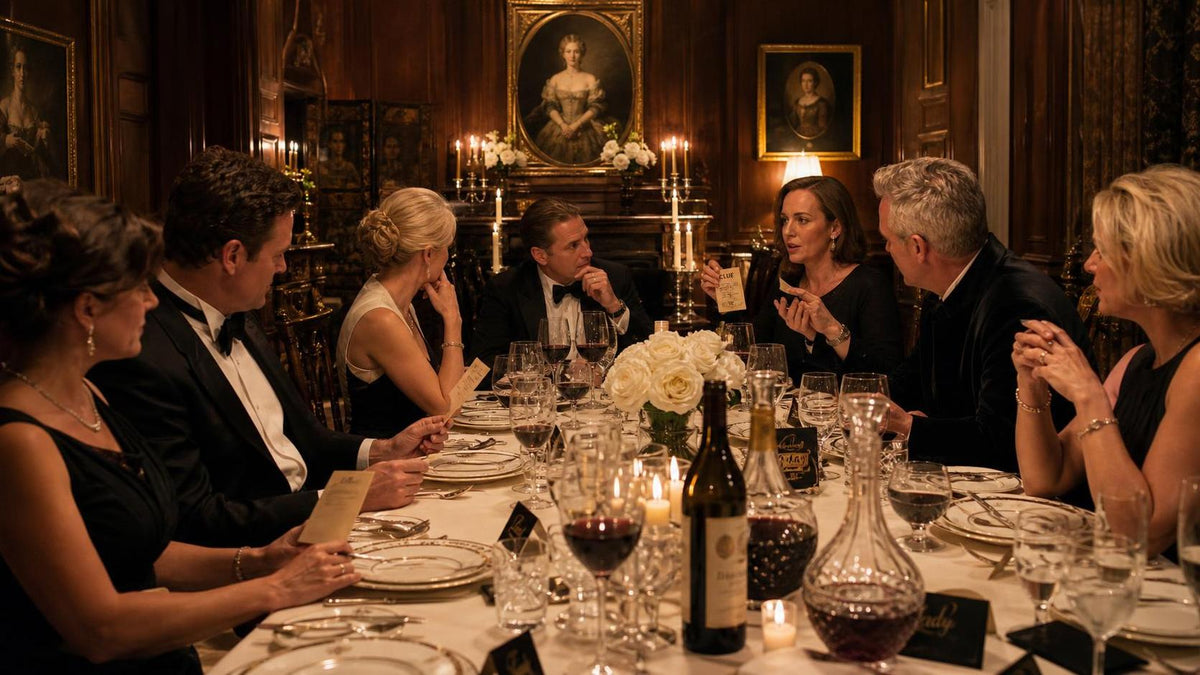
Introduction to a Murder Mystery Dinner Timeline
A murder mystery dinner works best when the evening follows a clear, well-paced structure. A thoughtful timeline keeps guests engaged, prevents confusion, and helps the host balance food, storytelling, and gameplay without making the night feel rushed. Whether the event lasts two hours or stretches across an entire evening, understanding the typical flow can turn a simple dinner party into an immersive experience.
Why the Timeline Matters
Unlike casual party games, a murder mystery dinner depends on timing. Guests are not only eating and socializing, but also gathering clues, questioning one another, and gradually uncovering the fictional crime. If key moments happen too early, the mystery can feel flat. If they happen too late, players may lose momentum. A well-designed schedule creates rising tension and steady participation from the opening introductions to the final accusation.
Most murder mystery dinners run between 2.5 and 4 hours, depending on group size and complexity. Smaller groups of six to eight players often move faster because conversations are easier to manage. Larger groups, especially those with 10 to 20 participants, usually need more time for character interaction, clue distribution, and dramatic reveals.
The Typical Flow of the Evening
In most cases, the night begins with guest arrival and character introductions. This opening phase usually lasts 20 to 30 minutes and gives everyone time to settle in, review their roles, and start forming suspicions. After that, the first major story beat introduces the crime or reveals the victim, setting the central mystery in motion.
Building the Investigation
Once the murder has occurred, the game shifts into its investigative phase. This is often the longest portion of the evening, commonly lasting 60 to 90 minutes. During this time, guests exchange secrets, examine evidence, and test alibis. This middle section is where the energy of the party is won or lost, so pacing matters. Many hosts divide it across dinner courses, using each course as a natural break for new clues or scripted developments.
What Readers Can Expect Next
A step-by-step timeline helps hosts understand not just what happens, but when and why each stage matters. From pre-party setup to the final reveal, each part of the evening serves a purpose in keeping players immersed. The following sections break down that progression in detail, making it easier to plan a smooth, memorable, and entertaining murder mystery dinner experience.
Why a Clear Timeline Makes the Night Better
Structure Reduces Stress for Hosts and Guests
A murder mystery dinner feels most exciting when the evening appears effortless, but that smooth experience usually comes from a clear, well-planned timeline. When hosts know exactly when to welcome guests, serve food, introduce clues, and guide the final accusation, they can focus less on logistics and more on creating atmosphere. Guests benefit too, because they understand the pace of the night and can settle into the game without confusion.
In event planning, timing strongly affects satisfaction. Research from hospitality and live-event management consistently shows that attendees respond better when transitions are predictable and delays are minimized. A mystery dinner is no different. If the first clue arrives too late, energy drops. If accusations begin before everyone has enough information, players may feel rushed rather than intrigued.
Pacing Keeps the Story Engaging
A strong timeline helps the game unfold like a good novel. Each stage should build naturally on the last, giving players time to eat, socialize, question one another, and absorb new details. Pacing is what turns a themed dinner into an immersive experience instead of a disorganized party with costumes.
Balancing Food, Conversation, and Gameplay
Most successful murder mystery dinners run between two and four hours. That window works well because it gives enough time for character interaction without exhausting guests. For example, a host might allow 20 to 30 minutes for arrivals, 30 minutes for the first course, and another 15 to 20 minutes for clue reveals between courses. This rhythm keeps the evening active while still feeling relaxed.
A Timeline Prevents Common Problems
Without a timeline, small issues can quickly grow. Dinner may be served too early, key players may miss important reveals, or quieter guests may never get a chance to participate. A visible sequence of events creates fairness, ensuring everyone receives the same opportunities to gather evidence and contribute theories.
Better Momentum, Better Memories
When the night moves with purpose, guests remember the suspense, laughter, and dramatic reveals rather than awkward pauses or confusion. A clear timeline supports momentum, protects immersion, and helps every part of the mystery land at the right moment.
Choosing the Game Format and Theme
Selecting the right format and theme shapes the entire experience of a murder mystery dinner. This decision influences pacing, guest participation, costume expectations, and the overall mood of the night. Before sending invitations or planning the menu, it helps to match the game structure to your group’s size, comfort level, and interests.
Matching the Format to Your Guest List
A murder mystery dinner can be highly scripted, loosely guided, or fully improvised. Scripted games work especially well for first-time hosts because they provide clear character backgrounds, scene order, and clue distribution. Guests who are shy or unfamiliar with roleplay often feel more comfortable when they know exactly what to say and when to say it. In contrast, flexible or improvised formats suit outgoing groups who enjoy spontaneous interaction and creative storytelling.
Group size matters just as much as personality. Many commercial mystery kits are designed for 8 to 12 players, though some can stretch to 20 or more with optional characters. If your guest count is uncertain, choose a format that allows for easy additions or removals. A rigid script can become awkward if two guests cancel at the last minute, while modular formats are more forgiving.
Seated Dinner vs. Party-Style Play
The physical structure of the evening also affects the format. A seated dinner mystery creates a more theatrical, chapter-based experience, with clues revealed between courses. This works well for formal gatherings and smaller spaces. A party-style mystery, where guests mingle and investigate freely, tends to feel more energetic and social. It is often better for larger groups because conversations can happen simultaneously instead of one scene at a time.
Choosing a Theme That Guests Will Enjoy
The theme gives the event its personality. Classic manor-house mysteries remain popular because they are instantly recognizable and easy to decorate. However, many hosts now choose themes like 1920s speakeasy, Hollywood scandal, masquerade ball, or spooky Victorian séance. A strong theme makes costumes easier, decorations more cohesive, and guest immersion much deeper.
When choosing, think about what your guests will actually embrace. A niche historical setting may sound clever, but it can fall flat if people do not understand the references. Familiar themes usually generate better participation because guests can quickly imagine their roles. For example, a Roaring Twenties mystery often inspires enthusiastic outfits, jazz-era playlists, and dramatic character names without requiring much explanation.
Balancing Complexity and Fun
A good theme should enhance the mystery, not overwhelm it. If the backstory is too dense, guests may spend more time decoding the setting than solving the crime. Aim for a concept that is vivid but accessible. The best murder mystery themes create instant atmosphere while leaving room for playful suspicion, secrets, and surprise reveals.
Practical Considerations Before You Commit
Theme and format should also align with your budget, venue, and preparation time. A glamorous casino-night mystery may sound exciting, but it may require more props and visual detail than a simple dinner-party whodunit. Likewise, an elaborate multi-round script demands more host coordination than a downloadable game with prewritten prompts. Choosing realistically at this stage makes every later step smoother.
Setting the Date, Budget, and Guest Count
Choosing a Date That Maximizes Attendance
The success of a murder mystery dinner often starts with one practical decision: picking the right date. Because this type of event usually requires guests to play assigned roles, dress for a theme, and arrive on time, scheduling matters more than it does for a casual dinner party. Weekends, especially Saturday evenings, tend to work best because they give guests time to prepare and stay for the full experience without rushing.
It helps to begin planning four to eight weeks in advance. That window gives people enough notice to save the date, arrange childcare if needed, and coordinate costumes. If your group includes busy professionals or families, sending a quick availability poll can reduce scheduling conflicts. Digital tools such as Doodle or group chats make this easy and can quickly reveal the strongest date options.
Building a Budget That Matches Your Vision
A clear budget keeps the evening fun rather than stressful. Murder mystery dinners can range from modest gatherings to highly styled productions, so defining your spending limit early helps shape every later choice. In most cases, hosts divide costs into four categories: the game kit, food and drinks, decorations, and optional extras such as prizes or printed invitations.
Typical Cost Ranges
A downloadable mystery game may cost $20 to $50, while boxed kits or premium hosted experiences can run $50 to $150 or more. Food costs vary widely, but a home-cooked meal often averages $15 to $30 per guest, depending on the menu. Decorations, candles, themed props, and simple table styling may add another $30 to $100. If you are hosting 10 guests, a comfortable midrange budget often lands between $250 and $500.
That number is not a rule, but it is a useful benchmark. A potluck format, digital invitations, and DIY décor can lower costs significantly, while catered food and elaborate costumes will raise them. The key is to decide where the experience matters most to your group.
Deciding on the Right Guest Count
Guest count affects nearly every part of the night, from the game format to the dining setup. Most murder mystery kits are designed for a specific number of players, often between 6 and 12 guests, though some support larger groups. Before inviting anyone, confirm the minimum and maximum player count required by your chosen game.
Balancing Energy and Manageability
Smaller groups usually create deeper roleplay and easier conversation, while larger groups bring more unpredictability and excitement. For first-time hosts, 8 to 10 guests is often the sweet spot. It is large enough for dramatic interaction but still manageable for seating, serving, and clue distribution.
If your expected attendance is uncertain, choose a flexible game or keep a short backup guest list. That way, you can adapt smoothly without disrupting the structure of the mystery.
Inviting Players and Assigning Characters
Building the Guest List Around the Game
A murder mystery dinner works best when the guest list matches the structure of the story. Most kits are designed for a fixed number of players, often between 6 and 12, with each guest receiving a character who has motives, secrets, and relationships tied to the plot. Before sending invitations, confirm the exact player count your game supports and whether it allows flexible roles. Some hosts intentionally invite one or two extra people as observers or last-minute substitutes, which can reduce cancellations from disrupting the evening.
The tone of the event should also shape who you invite. A highly theatrical group may enjoy accents, costumes, and dramatic reveals, while a quieter crowd may prefer a lighter, conversation-driven mystery. Choosing the right mix of personalities matters as much as choosing the right number of players, because the game depends on participation. If one guest dominates every exchange or several guests dislike roleplay, the pacing can suffer.
Sending Invitations That Set Expectations
Invitations should do more than announce the date and time. They need to communicate that this is an interactive event, not a standard dinner party. Guests should know whether costumes are required, how long the game will last, and whether they will receive character materials in advance. For most murder mystery dinners, a realistic schedule is around 3 to 4 hours, including food service, clue rounds, and the final accusation.
Digital invitations are often the easiest option because they allow quick updates if roles change. Include practical details such as arrival time, dress code, and whether guests should stay in character from the moment they enter. If your mystery has a specific setting, such as a 1920s speakeasy or a glamorous Hollywood gala, mention it early so guests can prepare appropriately. Clear expectations increase participation and reduce awkwardness on the night.
What to Include in the Invitation
A strong invitation usually covers the event format, the theme, and the level of commitment expected. It should also tell guests when they will receive their character packet and whether they need to memorize anything. In most cases, players do not need to study extensively, but they should read their role before arriving.
Assigning Characters Strategically
Character assignment is one of the most important planning decisions. Rather than distributing roles randomly, match characters to guests based on comfort level, personality, and enthusiasm. A confident improviser may thrive in a role with hidden agendas and frequent dialogue, while a more reserved guest may enjoy a simpler part with clear objectives. Thoughtful casting helps every player contribute without feeling overwhelmed.
Balance is especially important when assigning characters with strong connections, such as rivals, spouses, business partners, or suspects with major secrets. If possible, avoid assigning the most complex roles to guests who are likely to arrive late or who rarely engage in group activities. Some hosts even keep a simple chart to track role difficulty and social fit.
Handling Sensitive Role Details
Review character descriptions before sending them out. Some mysteries include flirtation, deception, blackmail, or family conflict. While these are fictional devices, they can feel uncomfortable if assigned carelessly. Adjusting roles in advance helps maintain a fun, inclusive atmosphere while preserving the integrity of the mystery.
Planning Costumes, Props, and Decor
Building the Visual World of the Night
A murder mystery dinner feels far more immersive when the costumes, props, and decor support the story. These elements do not need a theatrical budget to be effective. What matters most is consistency with the setting, whether the game takes place in a 1920s speakeasy, a glamorous Hollywood mansion, or a modern corporate retreat gone wrong. When guests can see the theme the moment they arrive, they step into character faster and engage more naturally with clues, motives, and dramatic reveals.
Start planning these details at least two to three weeks before the event. This gives guests enough time to assemble outfits and gives the host time to source or make simple props. According to event planning surveys, themed visual details are among the strongest contributors to guest satisfaction because they create memorable photo opportunities and improve participation. In a murder mystery format, they also help players distinguish characters and remember key story details.
Choosing Costumes That Encourage Participation
Costumes should feel fun, accessible, and low-pressure. Many guests enjoy dressing up, but some may hesitate if expectations seem too elaborate. The best approach is to provide each player with a short costume guide tied to their role. A jazz singer might need a feathered headband and dark gloves, while a detective could wear a trench coat and carry a notebook. These suggestions give direction without making anyone feel they must spend heavily.
Keeping Costumes Practical
Encourage guests to build looks from items they already own or can borrow. Accessories often do more than full outfits. A fake pearl necklace, pocket watch, costume glasses, or dramatic scarf can instantly signal character. If the dinner includes movement between rooms or interactive clue hunts, remind guests to wear comfortable shoes and avoid anything that limits mobility.
Using Props to Support the Story
Props work best when they are both decorative and functional. A sealed envelope, an old photograph, a suspicious glass vial, or a handwritten note can deepen the mystery while serving as actual game material. Story-linked props are more effective than random themed objects because they reinforce plot points and give players tangible evidence to discuss.
Organizing Prop Priorities
Separate props into three categories: essential game items, character accessories, and atmospheric extras. Essential items include clue cards, invitations, name tags, and evidence pieces. Character accessories help guests stay in role. Atmospheric extras, such as candlesticks or vintage books, enrich the setting without affecting gameplay. This system prevents overspending and keeps preparation focused.
Decorating the Space for Atmosphere
Decor should frame the experience without overwhelming the dining area. Lighting is especially powerful. Dim lamps, LED candles, or string lights can instantly create suspense. Table settings can also reinforce the era or tone through printed menus, themed place cards, and colored napkins. If budget is limited, focus on one high-impact area, such as the entryway or dining table, where guests will spend the most time.
Balancing Style and Function
Always leave enough space for plates, drinks, clue packets, and note-taking. A beautifully decorated table loses value if players cannot comfortably eat or examine evidence. The strongest setup blends visual drama with usability, making every object feel like part of the mystery rather than simple background decoration.
Designing the Menu and Dinner Schedule
Build the meal around the game’s rhythm
A successful murder mystery dinner depends on timing as much as taste. Guests need enough food to stay comfortable and energized, but not so much interruption that the story loses momentum. The best approach is to match each course to a natural break in the game. In most mystery dinner formats, the evening runs between 2.5 and 4 hours, which makes a three-course meal or a buffet with staged service ideal.
Start by reviewing the structure of your chosen game. Many kits divide the night into introductions, clue rounds, accusation periods, and the final reveal. These moments create built-in opportunities for serving drinks, appetizers, the main course, and dessert. A well-planned menu supports the pacing rather than competing with it.
Choose practical, guest-friendly dishes
The menu should feel festive, but it also needs to be easy to serve and eat. Complicated dishes that require carving, constant reheating, or messy plating can slow the evening down. Instead, choose foods that can be prepared ahead and held at serving temperature without losing quality.
Best formats for mystery dinners
Buffets work especially well for larger groups because they reduce formal service time and let guests move naturally between scenes. For smaller gatherings, plated meals can feel more immersive and elegant. In either case, prioritize dishes that are easy to manage while guests remain in character.
Good options include roasted chicken, pasta bakes, grain salads, stuffed mushrooms, mashed potatoes, and sheet-pan vegetables. Desserts such as cheesecake bars, chocolate mousse cups, or mini tarts are simple to portion and serve. Finger foods and one-handed appetizers are especially useful during opening mingling and character introductions.
Plan for dietary needs early
Food restrictions should be handled before finalizing the menu. According to the FDA’s food allergen guidance, the nine major allergens in the United States include milk, eggs, fish, crustacean shellfish, tree nuts, peanuts, wheat, soy, and sesame. Asking guests about allergies and preferences at least one to two weeks in advance helps prevent last-minute stress.
Labeling and substitutions
If you are serving buffet-style, small labels can make a big difference. Mark vegetarian, gluten-free, dairy-free, or nut-free dishes clearly. When possible, design a menu where one or two substitutions cover multiple needs, such as a vegetable pasta alongside a meat option.
Create a realistic dinner timeline
A smooth schedule keeps the night feeling intentional. Many hosts allow 30 minutes for arrival and drinks, 20 to 30 minutes for appetizers and introductions, 45 minutes for the main course, and 20 minutes for dessert before the final reveal. Build in a small buffer, since guests often talk longer than expected.
Sample flow
Serve drinks and light bites as guests arrive, begin the first scripted round before everyone sits, bring out dinner during an investigation break, and save dessert for the final theory-sharing phase. This structure keeps energy high while ensuring the meal feels like part of the entertainment.
Preparing Clues, Rules, and Host Materials
Building a clue set that drives the evening
A murder mystery dinner succeeds when clues feel purposeful, paced, and easy to use. Before guests arrive, the host should assemble every clue in the order it will appear, then confirm that each one answers a specific question or deepens suspicion. Strong clue design usually balances three functions: revealing motive, narrowing opportunity, and challenging alibis. If all clues only expose one type of information, players can feel stuck or overwhelmed.
A practical approach is to divide clues into rounds. In a typical two- to three-hour mystery, hosts often prepare three to five clue releases, with each round adding a new layer of tension. Early clues should be broad and accessible, such as a threatening note or a financial dispute. Midgame clues can become more pointed, including witness statements, timeline inconsistencies, or hidden relationships. Final clues should help players connect the evidence rather than introduce entirely new confusion.
Matching clues to player experience
The complexity of your clue pack should reflect the group. First-time players usually do better with direct evidence and fewer red herrings. Experienced groups often enjoy misleading details, secret alliances, and conflicting testimonies. As a rule, if more than 20 percent of your clues require lengthy explanation from the host, the material may be too complicated for a social dinner setting.
Writing rules guests can actually follow
Even the most creative mystery can stall if the rules are unclear. Host materials should explain the game in plain language, ideally on one page for quick reference and a longer version for the organizer. Players need to know when they may accuse, whether they can trade information freely, and how secret objectives work. If the event includes acting, costume prompts, or scripted reveals, those expectations should be stated early.
A useful rules sheet often covers timing, clue distribution, character behavior, and winning conditions. For example, some games award victory to the person who identifies the killer, motive, and method correctly, while others also reward best performance or most entertaining detective work. Clarifying this in advance prevents disputes later.
Organizing host materials for smooth delivery
What the host should have ready
The host’s packet should contain a master timeline, guest list, character assignments, clue envelopes, answer key, and emergency notes. Keeping these items in one binder or digital folder reduces stress during the event. Many experienced hosts also prepare a quick-reference sheet summarizing each character’s secrets, relationships, and likely talking points. This becomes invaluable when a guest asks a question midgame.
Tables can help organize the flow:
| Material | Purpose | Best Format |
|---|---|---|
| Character sheets | Explain roles and motives | Printed packet |
| Clue cards | Reveal evidence by round | Labeled envelopes |
| Host timeline | Tracks dinner and game beats | One-page checklist |
| Solution sheet | Confirms final answer | Private host copy |
Testing before game night
A final review is essential because small preparation errors can break immersion quickly. Check that every envelope is labeled correctly, every character has enough information to participate, and the solution matches the clues provided. Reading the materials aloud can reveal awkward wording or accidental contradictions. If possible, ask one friend to test the logic beforehand. Even a 15-minute review can catch missing pages, duplicate names, or clues that point to the wrong suspect.
Well-prepared materials allow the host to focus less on troubleshooting and more on guiding energy, pacing reveals, and keeping every guest involved throughout the night.
The Pre-Guest Setup Timeline
Building the Foundation Before Arrival
A smooth murder mystery dinner depends on careful preparation in the final hours before guests arrive. This setup window is where atmosphere, logistics, and gameplay support come together. Most hosts benefit from starting at least three to four hours in advance, especially if food, décor, and printed materials all need attention. According to event planning best practices, building in a 20 percent time buffer helps absorb delays without creating stress.
Three to Four Hours Before
At this stage, focus on the physical space. Arrange tables and seating so guests can easily talk, move, and form small discussion groups during clue-sharing moments. If the game includes assigned roles, place character cards, name tags, or prop items in a clearly organized area. Lighting matters more than many hosts expect. Dim, warm lighting can create suspense, but it should still be bright enough for players to read clues comfortably.
Setting the Scene
Music, themed decorations, and table settings should be completed early. This prevents last-minute scrambling and allows you to evaluate whether the room feels immersive rather than cluttered. For example, a 1920s mystery might use jazz, candle-style lighting, and vintage-style place cards to reinforce the setting.
Two Hours Before
This is the ideal time to review the game materials in full. Double-check envelopes, clue sequences, and any scripted announcements. Many hosting issues come from simple ordering mistakes, so verifying the flow of information is essential. If food is being served in courses, align each course with the planned game beats so interruptions feel intentional rather than disruptive.
Testing Practical Details
Walk through the evening from a guest’s perspective. Check where coats will go, where drinks will be served, and whether bathrooms are stocked and easy to find. If you are using a speaker for music or a microphone for a large group, test volume levels now. Small technical checks can prevent momentum-breaking interruptions later.
Thirty to Sixty Minutes Before
In the final stretch, shift from setup to presentation. Put out appetizers, chill drinks, and place any final props. This is also the moment to change into costume or themed attire if the event includes one. Your energy sets the tone, so being ready before the first knock at the door helps you greet guests calmly and confidently.
Final Readiness Check
Take five quiet minutes to review the opening script, confirm the first activity, and reset the room visually. When guests enter, everything should feel deliberate, polished, and ready for intrigue.
Guest Arrival and Character Introductions
Setting the Tone at the Door
The guest arrival window is where a murder mystery dinner truly begins to feel like an event rather than an ordinary party. From the moment players step through the door, they should sense that the evening has a structure, a mood, and a purpose. Hosts can reinforce this by greeting each person in character, offering a themed drink, and directing them toward name tags, costume accessories, or character packets. This opening phase usually lasts 20 to 30 minutes, which is enough time for guests to settle in without losing momentum.
A well-managed arrival period also reduces confusion later. Instead of handing out all instructions at once, the host can introduce the basic premise first, then let guests absorb details naturally through conversation. This keeps the atmosphere lively and prevents the common problem of players feeling overwhelmed before the game has properly started.
Distributing Character Materials
Each guest should receive their assigned role as soon as they arrive, ideally in a clearly labeled envelope. These packets often include background information, relationships, secrets, and objectives for the night. Strong character introductions are essential because they give players immediate direction. When guests know who they are, what they want, and whom they should watch, they engage faster and contribute more confidently to the unfolding story.
What a Character Packet Should Include
A useful packet typically contains several core elements presented in a simple format.
| Element | Purpose |
|---|---|
| Character bio | Explains identity, personality, and history |
| Relationship notes | Clarifies ties to other guests |
| Secret information | Adds tension and private motivation |
| Goals or tasks | Encourages active participation |
| Costume guidance | Helps players embody the role |
This structure works because it balances clarity with intrigue. Guests receive enough information to begin roleplaying, but not so much that the mystery feels predetermined.
Helping Guests Break the Ice
Once materials are distributed, the next step is encouraging interaction. Some players arrive ready to perform, while others need a few minutes to warm up. The host can bridge that gap by prompting short introductions in character, such as asking each guest to share their name, occupation, and reason for attending the fictional event. These mini-introductions create instant story hooks and help everyone remember who is who.
Encouraging Early Suspicion
The best introductions do more than share names; they plant questions. A wealthy heir who seems nervous, a business partner who avoids eye contact, or a glamorous guest with a vague backstory can all spark immediate speculation. In many successful mystery dinners, this early mingling period becomes one of the most memorable parts of the night because players begin forming alliances and suspicions before the first major clue appears.
By the end of guest arrival and introductions, the room should feel energized, slightly theatrical, and ready for the first scripted turn in the timeline.
Opening Scene and Game Kickoff
Setting the Tone From the First Minute
The opening scene is where a murder mystery dinner shifts from a simple meal into an immersive event. In most successful game nights, the first 10 to 15 minutes determine how quickly guests suspend disbelief and engage with their roles. A strong kickoff should introduce the setting, establish the mood, and make the central conflict feel immediate. Whether the story takes place in a 1920s speakeasy, a glamorous mansion, or a corporate retreat gone wrong, the host’s first words matter. They frame the evening as more than entertainment; they signal that every guest is now part of the plot.
Introducing Characters and Stakes
At kickoff, each player should already know their character’s name, background, and basic motivation. This preparation prevents awkward delays and helps the story begin with momentum. The host or game master typically welcomes everyone in character, then gives a short narrative introduction explaining why the group has gathered. Clarity is essential here. Guests need enough information to understand the situation, but not so much that the mystery loses tension.
Making the First Reveal Count
The best opening scenes include an early dramatic beat, such as a public argument, a shocking announcement, or the discovery of a missing item. This moment creates immediate suspicion and gives players something concrete to react to. For example, if a wealthy host announces a last-minute change to their will, every guest instantly has a reason to pay attention. That kind of reveal works because it introduces motive before the crime even occurs.
Managing Energy at the Table
A smooth kickoff also depends on pacing. If the introduction runs too long, guests may lose focus before the action starts. If it is too brief, players can feel uncertain about what to do next. In practice, many hosts aim for an opening script of 3 to 5 minutes, followed by a short round of in-character mingling. This structure allows quieter guests to ease into participation while giving more outgoing players room to build tension through conversation.
Helping Guests Enter Character
Some players jump into roleplay immediately, while others need prompting. Simple questions from the host, such as asking where each character was before dinner or how they know the victim, can unlock natural interaction. Early guidance reduces hesitation and helps the room feel lively rather than staged. By the end of the kickoff, guests should understand the setting, recognize the major tensions, and feel ready for the first major twist.
Serving Dinner Between Game Rounds
Timing the Meal for Maximum Momentum
Serving dinner between game rounds keeps the evening structured while giving guests a natural pause to relax, compare notes, and prepare for the next phase of the mystery. In most murder mystery dinner formats, the best time to serve the main meal is after the opening introductions and first clue round, when everyone understands their character and the central conflict has been established. This placement prevents early interruptions and avoids the energy dip that often happens if guests are asked to sit through too much gameplay before eating.
For a typical event lasting three to four hours, dinner usually works best about 45 to 60 minutes after guests arrive. That window gives players enough time to settle in without becoming distracted by hunger. It also helps the host maintain pacing, since the meal becomes part of the experience rather than a logistical break that feels separate from the game.
Choosing the Right Style of Service
The way food is served matters almost as much as the menu itself. A plated meal creates a polished atmosphere and minimizes congestion, which is especially useful if clues, props, or character envelopes are arranged around the room. Buffet service can work well for larger groups, but it should be organized efficiently so guests are not away from the action for too long. In many home-hosted events, a self-serve buffet with dishes prepared in advance offers the best balance of elegance and practicality.
Foods That Support Gameplay
The ideal dinner menu is easy to eat, not overly messy, and simple to serve quickly. Pasta bakes, roasted chicken, grain salads, and vegetable sides are reliable choices because they hold temperature well and do not require last-minute assembly. Finger foods with heavy sauces, shell-on seafood, or anything needing constant cutting can slow conversation and distract from clue-sharing. Clean, manageable dishes help guests stay engaged while still enjoying the meal.
Keeping the Mystery Alive During Dinner
Dinner should not feel like the game has stopped. It is often the perfect time to encourage in-character conversation, quiet alliances, and subtle accusation-building. Hosts can place a new clue card at each setting, reveal a short scripted announcement before guests eat, or prompt table discussion with a question tied to the plot. These small touches keep immersion high without forcing players to solve major developments while balancing plates.
Practical Hosting Tips
A smooth dinner service depends on preparation. Drinks should already be available, place settings arranged in advance, and hot food timed so it is ready exactly when the round ends. If possible, recruit one helper to manage refills or clear plates. That support allows the host to focus on guiding the mystery and reading the room, which is essential for keeping the night moving naturally into the next round.
Clue Drops, Interrogations, and Plot Twists
Timing Clues for Maximum Impact
In a murder mystery dinner, clue timing shapes the entire guest experience. If clues arrive too early, players may solve the case before the final act. If they come too late, the game can feel random or frustrating. A strong timeline usually spaces clue drops across the evening, often every 20 to 30 minutes, so guests have time to discuss theories, compare notes, and revise suspicions. This pacing mirrors live event design principles used in interactive theater, where structured reveals maintain attention and momentum.
A practical approach is to divide clues into layers. Early clues establish motive, relationships, and opportunity. Midgame clues challenge first impressions by exposing contradictions or hidden alliances. Late clues narrow the suspect pool and introduce urgency. For example, a missing will discovered during appetizers may suggest financial motive, while a torn receipt revealed after the main course could place a suspect at a key location. By the time dessert arrives, guests should feel that the answer is within reach, but not obvious.
Balancing Obvious and Subtle Evidence
The best clue sets mix clear evidence with interpretive details. A lipstick-stained glass, a threatening text, or a key found in the victim’s pocket gives players something concrete to debate. More subtle clues, such as a character’s inconsistent timeline or unusual reaction during questioning, reward attentive guests. This balance helps both casual players and competitive sleuths stay engaged without making the mystery feel either simplistic or impossible.
Running Interrogations Without Losing Energy
Interrogations are where the dinner shifts from passive entertainment to active investigation. Rather than letting one loud guest dominate, hosts should create moments where multiple players can ask questions or present accusations. In many successful game formats, each round of questioning focuses on a specific event, such as where each suspect was between 7:00 and 7:30 p.m. This structure keeps conversations focused and prevents the discussion from drifting.
Encouraging Character-Driven Responses
Interrogations work best when answers reveal personality as well as facts. A nervous suspect might overexplain. A confident one may deflect with humor. A manipulative character could answer truthfully while omitting crucial context. These differences make the interaction memorable and help players read not just statements, but behavior. Social deduction becomes as important as physical evidence, which is why murder mystery dinners often feel more immersive than standard party games.
Using Plot Twists to Reignite Suspicion
A well-placed twist can transform the room. Common examples include a secret inheritance, a fake alibi, a second crime, or the revelation that the victim was blackmailing several guests. The key is that the twist must deepen the logic of the story rather than replace it. Surprising players is valuable, but surprising them in a way that still makes sense is what creates satisfaction.
Making Twists Feel Earned
An effective twist is usually foreshadowed by earlier details. If a guest learns that the victim recently changed a legal document, a later reveal about disinheritance feels justified. If a suspect seemed too helpful from the start, discovering they planted evidence becomes believable. This technique prevents the ending from feeling arbitrary and rewards players who paid close attention throughout the night.
Keeping the Mystery Coherent
Even with dramatic reveals, the timeline must remain internally consistent. Every clue, interrogation answer, and twist should support the central question of who had motive, means, and opportunity. When that structure holds, guests stay invested, theories evolve naturally, and the evening maintains suspense from the first reveal to the final accusation.
Guiding the Mid-Game Energy and Pacing
Keeping Momentum After the Opening Reveal
The mid-game is where a murder mystery dinner either locks guests into the story or begins to lose steam. After introductions, clues, and the first wave of accusations, players need a steady rhythm that keeps attention high without making the evening feel rushed. A useful benchmark is to devote roughly 40 to 50 percent of the total event time to this section, since it usually contains the richest interactions, side conversations, and theory-building.
Hosts should watch the room closely during this phase. If guests are leaning in, comparing notes, and questioning one another, the pacing is working. If conversations drift toward unrelated topics for more than a few minutes, that often signals the need for a structured prompt. A timed clue drop, a dramatic announcement, or a character objective can quickly restore focus while preserving immersion.
Balancing Clues, Conversation, and Character Play
A strong mid-game pace depends on balancing three elements: information, social exchange, and performance. Too many clues delivered too quickly can make the mystery feel mechanical. Too few can leave players confused or passive. In many commercial mystery kits, clues are released every 15 to 20 minutes, which tends to match the natural attention span of a dinner party environment.
Using Food Service to Support the Story
Meal timing can become a pacing tool rather than an interruption. Serving the main course just after a major reveal gives guests something to discuss while they eat, and it prevents long silent gaps. Dessert often works best after suspicions have intensified, when players are eager to compare theories. This approach helps the evening feel seamless instead of split between “game time” and “dinner time.”
Reading the Room and Adjusting in Real Time
Not every group plays at the same speed. Some guests immediately embrace dramatic roleplay, while others prefer quiet deduction. The host’s job is to adjust without breaking the illusion. If energy dips, introduce a secret note, a missing item, or a surprise witness statement. If the group becomes chaotic, briefly narrow the focus by asking everyone to respond to one new piece of evidence.
Preventing One Player From Dominating
Mid-game pacing also means protecting participation. If one guest controls every conversation, others may disengage. Directing questions toward quieter players and spacing out major reveals ensures more balanced involvement, which usually leads to sharper theories and a more memorable mystery experience overall.
The Final Accusations and Big Reveal
Tension Peaks as the Timeline Converges
By the time the game reaches its final accusation phase, every clue, alibi, and contradiction should be pointing players toward a narrow set of possibilities. This is the moment when the murder mystery dinner timeline shifts from playful investigation to dramatic resolution. Guests are no longer simply collecting information; they are testing theories against the full chain of events. A well-run reveal works because the host has paced earlier scenes carefully, allowing motives, opportunities, and hidden relationships to surface in stages rather than all at once.
In most structured mystery games, this stage begins after the final round of evidence is shared. Players typically compare notes, revisit suspicious statements, and identify where testimonies no longer align. The strongest accusations usually connect motive, means, and opportunity in one coherent explanation. For example, if one suspect had access to the victim, a financial dispute, and a false alibi during the estimated time of death, that combination naturally draws attention.
How Players Make Their Final Accusations
The accusation round is often most effective when each guest or team must commit to a single theory. This prevents endless hedging and gives the scene a satisfying sense of risk. Some hosts ask players to write down the killer’s name, while others invite dramatic verbal accusations in character. Either approach works, provided the rules are clear and everyone has had equal access to the evidence.
What a Strong Accusation Includes
A compelling final accusation does more than name a suspect. It explains why the crime happened, how it was carried out, and which clues prove it. Players often perform best here when they organize their thinking chronologically. If they can reconstruct the evening from the victim’s last conversation to the discovery of the body, they are far more likely to spot the decisive inconsistency.
The Big Reveal and Why It Matters
The reveal is the emotional payoff of the entire night. Once accusations are locked in, the host or game materials disclose the truth, usually through a scripted confession, sealed envelope, or final narrative reading. This moment should answer lingering questions with precision. If the solution is fair, players will recognize that the truth was hidden in plain sight through earlier clues, red herrings, and character behavior.
Turning the Reveal Into a Memorable Scene
A memorable reveal does not rely only on surprise. It succeeds when the explanation feels earned. The best endings clarify not just who committed the murder, but also why other suspects seemed guilty. Red herrings should make sense in hindsight, whether they involved secret affairs, stolen money, or personal grudges unrelated to the crime itself. When handled well, the final reveal transforms scattered details into one complete story, setting up the post-game reactions, debates, and scorekeeping that naturally follow.
Post-Game Awards, Photos, and Wrap-Up
Celebrate the Best Moments
Once the mystery is solved, shift the energy from suspense to celebration. A short awards segment gives guests a final chance to laugh, compare theories, and recognize standout performances. Post-game awards do not need to be elaborate, but they add structure to the ending and help everyone feel included. Popular categories include Best Detective, Best Actor, Most Convincing Alibi, and Wildest Accusation. If your group enjoys humor, add playful titles based on memorable moments from the night.
Keep Awards Fast and Personal
Aim to keep this portion to about 10 to 15 minutes. That is usually enough time to announce winners, hand out simple prizes, and share a quick comment about why each person stood out. Small rewards such as themed candies, mini trophies, or printable certificates work well. The real value comes from personal recognition, especially when guests have stayed in character or contributed to the atmosphere.
Capture Photos Before Everyone Leaves
Photos are easiest to organize immediately after the awards, while costumes, props, and excitement are still fresh. Group shots should come first, followed by smaller character pairings, “suspect lineup” poses, and candid reactions. If the party included 8 to 12 players, plan at least 10 minutes for photos so no one feels rushed.
Create a Simple Photo Plan
A quick sequence helps. Start with the full cast, then photograph the winner, the murderer reveal, and any guests who earned awards. If lighting is limited, move near a window or use a ring light. Consistent framing and clear backgrounds make the photos more useful later for sharing or scrapbooking.
End with a Smooth Wrap-Up
The final wrap-up should feel relaxed rather than abrupt. Thank guests for participating, return borrowed props, and confirm how photos will be shared. If you plan to host again, this is the perfect moment to ask what theme people would enjoy next. A thoughtful ending leaves guests with a strong final impression and makes the entire game night feel polished, memorable, and worth repeating.
Common Timeline Mistakes to Avoid
A murder mystery dinner thrives on pacing. Even with a strong script, timeline mistakes can flatten suspense, confuse guests, and create awkward downtime. The most successful game nights usually run between 2.5 and 4 hours, which means every phase needs enough structure to keep momentum without making the evening feel rushed.
Starting Too Slowly
One of the most common problems is spending too long on setup, introductions, or rule explanations. If guests sit for 30 to 45 minutes before the mystery truly begins, energy can drop before the first clue appears. A better approach is to keep the welcome brief, assign characters quickly, and move into the opening scene within the first 15 to 20 minutes. Early engagement helps players settle into their roles and signals that the night has officially started.
Delaying the First Clue
When the first major clue arrives too late, guests may treat the event like a standard dinner party instead of an interactive game. Introducing a suspicious detail, secret note, or dramatic reveal early gives everyone a reason to pay attention. Immediate stakes create investment, especially for players who are new to role-based games.
Overloading the Middle of the Evening
The middle portion of the timeline often becomes crowded with clue drops, side conversations, and meal service. If too many important developments happen at once, players miss details or struggle to connect evidence. This is especially true in groups larger than 8 to 10 guests, where conversation naturally splits into smaller circles. Spacing revelations between courses keeps the mystery manageable and allows guests time to react.
Ignoring Meal-Service Timing
Food timing matters more than many hosts expect. Serving a main course during a critical accusation scene divides attention immediately. Guests focus on plates, refills, and practical interruptions rather than the story. Aligning quieter game moments with active serving periods helps preserve dramatic scenes for when everyone is seated and attentive.
Rushing the Ending
A weak ending often comes from leaving too little time for final theories and accusations. If the solution is revealed abruptly, guests lose the satisfaction of testing their deductions. Reserve at least 20 to 30 minutes for the final round of discussion, character defense, and the official reveal. This closing stretch is where tension peaks, and a well-paced finish makes the entire evening feel polished and memorable.
Forgetting Buffer Time
Even well-planned events run slightly long. Guests arrive late, conversations expand, and clue interpretation takes longer than expected. Adding 10 to 15 minutes of buffer time prevents the schedule from collapsing and keeps the night enjoyable rather than stressful.
Sample 3-Hour Murder Mystery Dinner Schedule
A well-planned murder mystery dinner moves best when the evening feels structured without seeming rigid. In a three-hour format, hosts can balance food, character play, clue reveals, and final accusations so guests stay engaged from arrival to solution. This sample schedule is designed for a typical home gathering of 8 to 12 players, though it can be adapted for larger groups by slightly extending discussion windows.
First 30 Minutes: Arrival and Character Immersion
The opening half hour sets the tone for the entire event. As guests arrive, offer drinks and light appetizers while encouraging everyone to settle into character. This is the ideal time for distributing name tags, secret objectives, and background sheets if they were not sent in advance. A short welcome from the host helps explain the rules, especially for first-time players who may not know when to improvise and when to follow scripted prompts.
Host Setup During Arrival
During this period, the host should quietly confirm that each guest understands their role and any special instructions. Clear onboarding reduces confusion later, which is important because early uncertainty can slow the pace of the game. Soft thematic music and simple décor can reinforce the atmosphere without distracting from conversation.
Minutes 30 to 75: Opening Scene and First Course
Once everyone is seated, begin the first official scene. This is where the central conflict, suspicious relationships, and initial secrets emerge. If dinner is served in courses, the first course fits naturally here because guests can talk while eating and begin testing each other’s stories. Around the 45-minute mark, introduce the murder or major reveal if it has not already occurred in the opening script.
Minutes 75 to 120: Investigation and Clue Development
The middle hour is the heart of the evening. Guests compare alibis, question motives, and uncover hidden evidence. This phase works best when the host releases clues in stages rather than all at once. For example, a written note, a missing object, or a witness statement can be introduced every 15 to 20 minutes to maintain momentum.
Keeping Energy High
If conversation begins to stall, prompt the group with a timed event such as a surprise confession or a newly discovered piece of evidence. Pacing matters more than complexity, and even a simple mystery feels compelling when revelations arrive consistently.
Final 60 Minutes: Accusations, Reveal, and Dessert
The last hour should narrow the focus. Serve dessert while guests make final arguments and challenge contradictions. By the 150-minute mark, ask each player to submit or announce their accusation. This formal deadline prevents the ending from dragging and creates a satisfying sense of urgency.
The Big Reveal
After accusations are made, the host or designated script reader reveals the killer, motive, and overlooked clues. Allow a few minutes for reactions, photos, and post-game discussion, since this is often when guests compare theories and favorite moments before transitioning into the next part of the evening.
Conclusion: Building a Smooth and Memorable Game Night
Bringing the Timeline Together
A successful murder mystery dinner works best when every stage of the evening feels intentional, paced, and easy for guests to follow. From invitations and character assignments to clue reveals and the final accusation, the timeline is what turns a simple gathering into an immersive experience. When hosts prepare each step in advance, they reduce confusion, keep energy high, and make sure players stay engaged rather than distracted by logistics.
Why Structure Creates Better Fun
A clear schedule does more than keep the night organized. It helps guests settle into their roles, understand when key moments will happen, and enjoy the balance between dining, socializing, and solving the mystery. In many hosted events, the most memorable moments come from well-timed transitions rather than elaborate props. For example, allowing 15 to 20 minutes for introductions, 30 to 45 minutes for each major round of clues, and short breaks for food service can prevent the game from feeling rushed or overly long.
Small Details That Elevate the Experience
The strongest game nights often rely on practical touches such as labeled materials, clear host instructions, and a backup plan for late arrivals. Even simple choices, like dimmed lighting or themed music, can strengthen immersion without increasing complexity. Consistency matters more than extravagance, especially when guests have different levels of experience with roleplay or party games.
Setting Up Future Gatherings
Once you understand the rhythm of a murder mystery dinner, it becomes easier to adapt the format for different group sizes, themes, and occasions. A thoughtful timeline not only supports the current event but also creates a repeatable framework for even smoother, more memorable game nights in the future.
FAQ: Murder Mystery Dinner Timeline Questions
How long does a murder mystery dinner usually take?
Most murder mystery dinners last two to four hours, depending on guest count, meal structure, and game complexity. A simple hosted game with prewritten clues may move quickly, while a theatrical event with multiple rounds, costume changes, and character reveals can take longer. For a typical home party of eight to twelve guests, three hours is a practical average. That usually allows time for introductions, clue distribution, dining, interrogation, and the final accusation.
When should guests arrive and start playing?
Guests should usually arrive 15 to 30 minutes before the official start of gameplay. This buffer helps everyone settle in, review character cards, and get comfortable with the setting. If costumes or props are involved, early arrival also supports photos and light mingling. In most cases, active gameplay begins once all players understand the premise and the host has explained the rules.
Is dinner served before or during the game?
In many formats, dinner is woven into the timeline rather than separated from it. The opening scene often happens before the first course, followed by clue rounds between courses. This pacing keeps energy high and prevents long pauses. For example, appetizers may accompany introductions, the main course may follow the discovery of the crime, and dessert may lead into final theories.
What if the game is running behind schedule?
A delayed timeline is common, especially when guests enjoy improvising. Hosts can shorten transitions, reduce side conversations, or set firmer time limits for questioning rounds. If needed, some clue packets can be combined so the story still makes sense without feeling rushed. Good pacing matters more than strict timing, because the goal is immersion and fun.
How much time should be left for the ending?
Plan at least 20 to 30 minutes for final accusations and the reveal. This section is often the most memorable part of the night, since players compare theories and discover hidden motives. Rushing the ending can weaken the payoff, especially in mystery games built around suspense, secrets, and dramatic character twists.


