

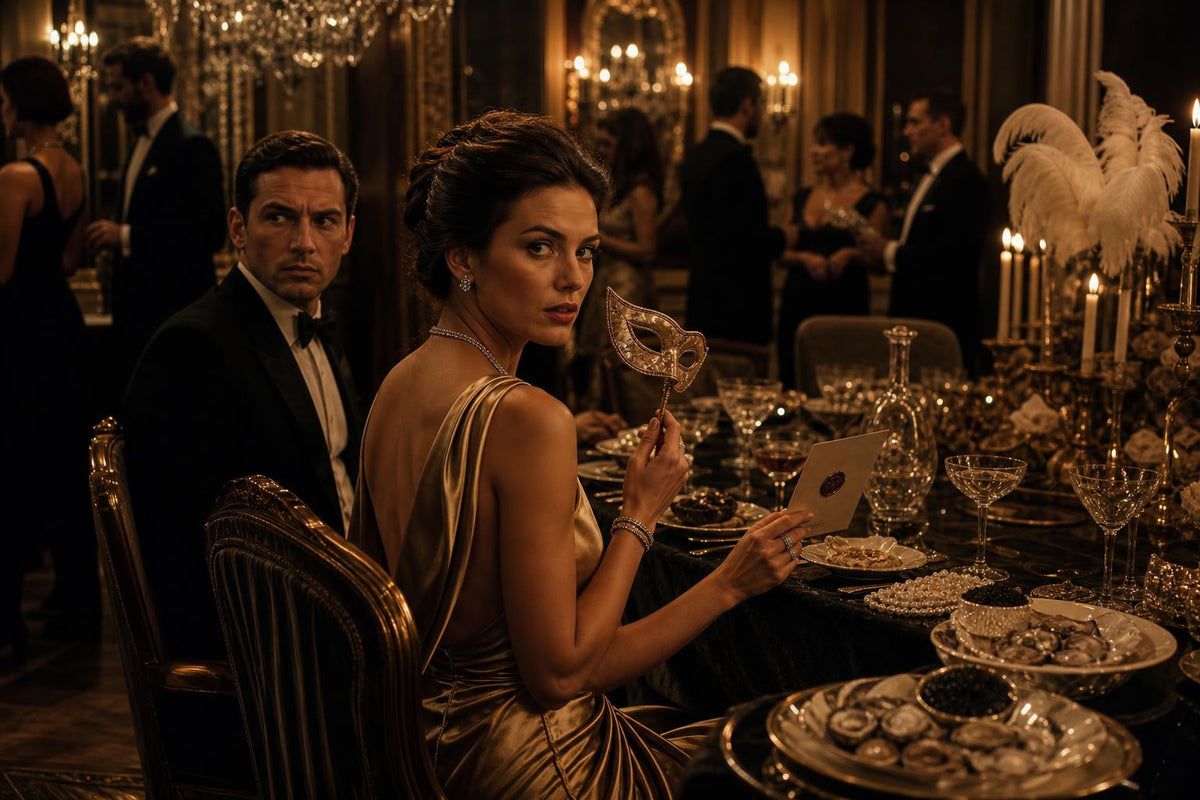
Introduction: Ring in the New Year with Mystery
New Year’s Eve parties often follow a familiar script: sparkling drinks, countdown clocks, and a midnight toast. A murder mystery party transforms that tradition into something far more memorable by adding suspense, laughter, and interactive storytelling. Instead of simply waiting for the ball to drop, guests become suspects, detectives, and co-conspirators in an evening built around clues, motives, and dramatic reveals. It is a format that turns passive entertainment into a shared experience, making the celebration feel fresh and unforgettable.
Why a Murder Mystery Fits New Year’s Eve
New Year’s Eve is naturally theatrical. People dress up, stay out late, and expect a sense of occasion, which makes it the perfect backdrop for a mystery-driven event. The holiday already carries themes of reflection, secrets, and new beginnings, all of which pair well with a plot full of hidden agendas and surprise twists. A well-planned mystery party gives guests a reason to mingle, sparks conversation instantly, and removes the awkwardness that can sometimes settle over larger gatherings.
In recent years, immersive social events have grown in popularity because people increasingly value experiences over routine entertainment. According to Eventbrite research on experiential gatherings, a large majority of millennials prefer spending money on live experiences rather than physical items. That same preference extends across age groups when hosts create an event that feels participatory and personal. A New Year’s Eve murder mystery delivers exactly that kind of engagement.
What Makes the Evening So Entertaining
Built-In Interaction
Unlike a standard dinner party, a mystery format encourages every guest to take part. Each person may receive a character, a backstory, or secret objectives that shape how they interact throughout the night. This structure creates natural energy in the room, because conversations are no longer small talk alone; they become part of the game. Every exchange can reveal a clue or deepen suspicion.
A Perfect Balance of Glamour and Play
The theme also blends beautifully with the festive spirit of the holiday. Guests can arrive in cocktail attire, masquerade looks, vintage glamour, or themed costumes that match the storyline. The result is an event that feels elevated without becoming stiff. One moment guests may be enjoying appetizers and champagne, and the next they may be interrogating a “suspect” beside the dessert table.
Setting the Stage for a Deadly Twist
A successful New Year’s Eve mystery party is not only about solving a fictional crime. It is about creating atmosphere, encouraging connection, and giving the night a strong narrative arc from arrival to midnight. With the right setup, your celebration can feel cinematic, social, and deliciously suspenseful, setting the tone for a party guests will talk about long after the new year begins.
Why a Murder Mystery Party Fits New Year’s Eve
New Year’s Eve is built around anticipation, spectacle, and shared experience, which makes it an ideal setting for a murder mystery party. Unlike many holiday gatherings that rely on passive entertainment, a mystery party gives guests a reason to participate from the moment they arrive. Everyone has a role, a motive, or a secret, turning the evening into something far more memorable than simply watching the clock approach midnight.
A Natural Match for Drama and Celebration
The atmosphere of New Year’s Eve already feels theatrical. People dress up, venues sparkle, and there is a sense that anything could happen before the year ends. A murder mystery uses that energy perfectly by adding a storyline full of twists, suspicion, and surprise. The built-in glamour of the holiday enhances the game, whether the theme is a 1920s speakeasy, a masquerade ball, or a modern VIP countdown party.
Because the night is associated with reflection and reinvention, guests are often more willing to step into character. Someone who might hesitate at a costume party in March may happily embrace a dramatic persona on December 31. That openness helps the event feel immersive rather than awkward.
It Keeps Guests Engaged All Night
One challenge of New Year’s Eve hosting is maintaining momentum for several hours. Dinner alone may not fill the evening, and background music can only do so much before conversation starts to fade. A murder mystery solves that problem by creating a structured but flexible experience. Guests are not just attending; they are investigating, questioning, and piecing together clues.
Better Than Passive Entertainment
Traditional party formats often split attention. Some guests gather around the television, others stay near the food, and quieter attendees can drift to the edges. In contrast, a mystery encourages interaction across the room. According to event industry surveys, interactive entertainment consistently ranks higher in guest recall than passive formats because people remember what they actively helped create. That makes the night feel fuller and more connected.
It Encourages Social Mixing
New Year’s Eve parties often bring together different circles of friends, relatives, coworkers, or neighbors. That can be fun, but it can also create social pockets. A murder mystery naturally breaks those barriers. Guests need to ask questions, compare stories, and test suspicions, so conversations happen between people who might not otherwise interact.
A Strong Icebreaker for Mixed Groups
This format is especially useful for hosts managing a varied guest list. Instead of relying on small talk, the storyline gives everyone an immediate topic. Even introverted guests often find it easier to speak in character, which lowers social pressure and increases participation.
The Countdown Becomes Part of the Story
Few party themes work as well with a midnight climax. New Year’s Eve already builds toward a dramatic final moment, and a murder mystery can mirror that pacing. The reveal of the culprit can happen just before midnight, or the countdown itself can be woven into the final act. That synchronization makes the celebration feel intentional, polished, and far more immersive than a standard party schedule.
Choosing Your Party Style and Theme
Match the Mystery to Your Guest List
The most memorable New Year’s Eve murder mystery parties begin with a clear style and theme. Before choosing decorations or costumes, think about who is attending and how they like to socialize. A group of close friends who enjoy improv may love a dramatic, character-driven evening, while a mixed crowd of coworkers and neighbors may respond better to a lighter, more structured format. The average home party host invites between 8 and 20 guests, which is an ideal range for most murder mystery kits because it allows enough suspects to create tension without overwhelming the room.
A good theme should feel exciting but also easy to understand at a glance. Guests should immediately know the tone from the invitation. If the event is described as a glamorous 1920s speakeasy mystery, they can picture sequins, jazz, and secret motives. If it is framed as a modern celebrity scandal at a New Year’s gala, the atmosphere becomes more playful and contemporary. Clarity helps participation, especially for guests who have never attended a murder mystery party before.
Popular New Year’s Eve Theme Directions
New Year’s Eve naturally lends itself to themes built around celebration, countdowns, and high drama. A black-tie masquerade is one of the strongest options because it combines elegance with secrecy. Masks add visual intrigue, and formalwear makes the evening feel special without requiring highly specific costumes. Another strong choice is a vintage Hollywood party, where guests can play actors, directors, gossip columnists, and studio executives gathered before midnight.
Glamour, Comedy, or Suspense
The best party style depends on the emotional experience you want to create. A suspense-heavy mystery works well if your guests enjoy puzzles, hidden clues, and serious roleplay. A comedic mystery is often better for larger or more casual groups because it reduces pressure and encourages laughter. According to event planning surveys, themed parties with interactive elements often generate higher guest engagement than standard dinner parties, largely because people have a shared activity to focus on.
For New Year’s Eve, glamour is especially effective because it matches the occasion. Metallic décor, champagne towers, and dramatic lighting can support almost any mystery plot. Even a simple living room can feel immersive with gold accents, candles, and a curated playlist.
Build a Cohesive Experience
Once you choose the theme, every detail should reinforce it. Invitations, dress code, menu names, music, and props should all feel connected. If your mystery is set at a billionaire’s penthouse countdown, serve polished hors d’oeuvres and use sleek décor. If it takes place at a retro casino party, incorporate card tables, velvet textures, and playful signage. Consistency makes the story believable and helps guests stay immersed throughout the night.
Keep Practicality in Mind
A creative theme should still be manageable. Costumes should be achievable, the setting should fit your space, and the rules should be easy to explain in under ten minutes. If guests spend too much time figuring out who they are supposed to be, momentum fades quickly. Choose a theme that balances style with accessibility so everyone can participate comfortably.
Let the Theme Shape the Energy
Your party style sets expectations for pacing, conversation, and interaction. A formal mystery dinner encourages slower reveals and theatrical scenes, while a cocktail-style event allows guests to mingle freely and uncover clues organically. The right theme does more than decorate the room; it guides how people move, speak, and engage, turning an ordinary New Year’s gathering into an experience that feels immersive from the first toast onward.
Planning Timeline and Guest List
Build a Timeline That Protects the Experience
A successful New Year’s Eve murder mystery party depends on early, structured planning. Because guests often travel, juggle holiday commitments, and book events weeks ahead, it is wise to begin preparations six to eight weeks in advance. This window gives you enough time to choose a theme, confirm your cast, and coordinate food, costumes, and game materials without rushing the process.
At the six-week mark, finalize the mystery format and estimate your ideal group size. Most hosted mystery games work best with 8 to 16 players, though some kits can scale beyond 20. Check whether your chosen game requires exact character counts or allows flexible roles. This detail matters, because a mismatch between available guests and required characters can weaken the flow of clues and interactions.
What to Do at Each Stage
Six to Eight Weeks Before
Start by selecting your venue and setting a firm date and start time. New Year’s Eve events typically begin between 7:00 and 9:00 p.m., leaving room for dinner, gameplay, and a midnight countdown. Once the date is fixed, send invitations early. Holiday calendars fill quickly, and according to general event planning trends, response rates improve when invitations are sent at least a month ahead.
Four Weeks Before
By this stage, you should begin tracking RSVPs and assigning tentative roles. If your mystery includes secret motives, relationship dynamics, or costume prompts, guests need time to prepare. Share only the information each person needs. Preserving surprise is part of the entertainment, so avoid overexplaining the plot in advance.
Two Weeks Before
Confirm attendance, review dietary needs, and identify any last-minute gaps in the cast. This is also the ideal time to prepare printed materials, evidence cards, name tags, and décor. If someone cancels, you still have enough time to reassign roles or invite a replacement.
Final Week
Use the last few days for reminders and logistics. Reconfirm arrival time, dress code, parking details, and whether guests should stay in character from the moment they enter. A clear final message reduces confusion and helps the evening begin smoothly.
Creating a Guest List That Works
Balance Personality and Participation
A strong guest list is not just about numbers; it is about group chemistry. Invite people who enjoy conversation, improvisation, and light roleplay. You do not need trained performers, but you do want guests willing to engage. Mixing highly outgoing players with quieter but enthusiastic participants often creates the best dynamic, as long as no one dominates the room.
Match Guests to the Mystery Style
Consider the tone of your event when choosing attendees. A glamorous 1920s whodunit may suit guests who love costumes, while a modern crime thriller may appeal to those who prefer minimal preparation. If you expect couples, decide whether partners should play allied characters or separate suspects. That choice can shape alliances, suspicion, and pacing throughout the night.
Plan for Absences and Flexibility
Even well-planned holiday parties face cancellations. Build a small buffer by inviting one or two alternate guests or choosing a mystery kit with expandable roles. Flexibility keeps the story intact and prevents the host from scrambling hours before guests arrive.
Invitations, Character Roles, and Pre-Party Setup
Crafting Invitations That Set the Tone
A murder mystery party begins long before guests arrive. The invitation is the first clue, and for a New Year’s Eve event, it should blend glamour, suspense, and celebration. Digital invitations work well for convenience, but printed cards often feel more immersive, especially when styled like confidential dossiers, VIP gala passes, or newspaper clippings. Including the party’s theme, dress code, arrival time, and a brief teaser about the fictional setting helps guests understand that this is more than a standard countdown gathering.
Strong invitations also improve participation rates. Event planning surveys consistently show that themed invitations increase guest engagement because they create anticipation and clarify expectations. For a murder mystery format, it is especially useful to tell guests whether they will receive assigned roles in advance or at the door. This prevents confusion and gives everyone time to prepare costumes, accents, or backstories that make the evening more entertaining.
Assigning Character Roles Effectively
Character roles are the engine of the entire experience. A successful cast includes a mix of personalities, motives, and social dynamics that naturally generate suspicion. For example, a New Year’s Eve mystery might feature a wealthy host, a disgraced business partner, a glamorous singer, a gossip columnist, and a mysterious stranger with a hidden connection to the victim. The more distinct the roles, the easier it becomes for guests to stay in character and interact confidently.
Matching Roles to Guests
When assigning roles, consider your guests’ comfort levels. Outgoing attendees often enjoy dramatic or highly visible characters, while quieter guests may prefer roles that are observant, witty, or strategically important without requiring constant performance. A balanced approach keeps the game inclusive. If your party has 8 to 12 guests, which is a common size for home mystery events, assigning each person a clear objective and at least one secret creates enough complexity without becoming overwhelming.
It also helps to distribute role packets several days before the event. Each packet should include the character’s name, background, relationship to other guests, possible motives, and any special instructions. This preparation gives players time to absorb details and arrive ready to participate, which can significantly improve the flow of the night.
Building the Pre-Party Experience
The setup phase shapes how believable and enjoyable the mystery feels. Decorations should support the story while still honoring the New Year’s Eve atmosphere. Think metallic accents, champagne flutes, clocks, black-and-gold table settings, and evidence cards placed discreetly around the room. Atmosphere matters because guests are more likely to commit to the game when the environment feels intentional.
Organizing Space, Props, and Timing
A practical layout makes the evening easier to manage. Create separate areas for mingling, dining, clue discovery, and the final accusation scene. If possible, use soft lighting and a curated playlist of jazz, lounge, or cinematic music to maintain tension without overpowering conversation. Props such as sealed envelopes, fake police reports, name tags, and suspect boards can elevate even a modest gathering.
Timing is equally important. Hosts should prepare a loose schedule that includes guest arrival, character introductions, clue rounds, food service, and the midnight countdown. Leaving room for improvisation keeps the event lively, but structure prevents the mystery from stalling. A host who knows when to reveal information, redirect conversation, or introduce a dramatic twist can keep energy high and ensure every guest has a role in the unfolding drama.
Host Preparation Behind the Scenes
Before the party begins, the host should review every character sheet, clue, and reveal in detail. Preparation is what turns a fun idea into a seamless experience. Keeping extra printed materials on hand, labeling props clearly, and rehearsing key announcements can prevent small issues from disrupting immersion. Food and drinks should also be chosen with convenience in mind, since easy-to-serve appetizers and self-serve beverage stations allow guests to stay engaged in the mystery rather than pausing the action repeatedly.
Decor, Atmosphere, and Midnight Glam
Setting the Scene for Suspense
A memorable New Year’s Eve murder mystery party begins with immersive decor that instantly signals elegance, intrigue, and a hint of danger. Because guests are stepping into a story as much as a celebration, every visual detail should support the mood. Start with a color palette that feels dramatic and festive, such as black, gold, silver, deep burgundy, or midnight blue. These shades photograph beautifully under evening lighting and naturally evoke the glamour associated with New Year’s Eve.
Textures matter just as much as color. Velvet table runners, satin napkins, mirrored trays, and metallic candleholders create a layered look that feels luxurious without requiring an extravagant budget. Even simple additions, such as pearl strands draped across a bar cart or vintage-style frames holding character clues, can transform an ordinary room into a cinematic setting. The goal is not clutter, but cohesion, where every object appears chosen to support the mystery.
Lighting That Builds Tension
Lighting is one of the most effective tools for shaping atmosphere. Bright overhead bulbs can flatten the mood, while softer, strategic lighting creates intimacy and suspense. Warm white string lights, flameless candles, and dimmable lamps help produce a glow that flatters guests and enhances the dramatic tone. In event design research, ambient lighting is consistently linked to stronger emotional engagement, making it especially valuable for interactive parties.
Balancing Glamour and Visibility
While a shadowy room may seem fitting, guests still need enough light to read clues, recognize faces, and move comfortably. Place brighter accent lighting near key areas such as the drinks station, dining table, and evidence displays. If your mystery includes written materials, spotlight those spaces subtly so the game remains smooth and enjoyable. A successful atmosphere feels mysterious, not inconvenient.
Tablescapes with a Theatrical Edge
The dining or buffet table often becomes the visual centerpiece of the evening. A polished tablescape can reinforce the story while elevating the party’s sense of occasion. Consider using place cards styled as “suspect files,” napkin rings with faux gemstones, or menu cards printed in an Art Deco font. These details nod to classic glamour while deepening the narrative.
| Element | Style Idea | Effect |
|---|---|---|
| Centerpiece | Black feathers, candles, metallic accents | Adds drama and height |
| Glassware | Champagne flutes with gold rims | Enhances festive elegance |
| Printed details | Clue cards, suspect names, secret notes | Supports immersion |
Midnight Glam Through Dress and Styling
Encouraging guests to dress for the occasion strengthens the overall experience. A theme such as black-tie noir, Roaring Twenties, or Hollywood scandal gives attendees a clear style direction while keeping the event visually unified. Sequins, tuxedos, velvet blazers, long gloves, and statement jewelry all contribute to the midnight glam aesthetic.
Interactive Decor Details
Small interactive touches can make the environment feel alive. A photo backdrop with masquerade props, a “crime board” wall, or a signature cocktail station named after the victim adds personality and encourages participation. According to event planners, interactive installations often increase guest engagement because they invite people to explore rather than simply observe. That sense of discovery is perfect for a murder mystery, where every corner should feel like it might hold a secret.
Sound, Scent, and Finishing Touches
Atmosphere extends beyond what guests see. A curated playlist of jazz, lounge classics, or cinematic instrumentals can subtly guide the energy of the night. Light scenting, such as vanilla, cedar, or amber candles, can also make the space feel richer and more memorable, provided it remains gentle enough for comfort. When decor, lighting, fashion, and sensory details work together, the party becomes an experience rather than just an event.
Food, Drinks, and Themed Menu Ideas
Build a Menu That Feels Part of the Mystery
Food and drinks should do more than satisfy hungry guests; they should reinforce the atmosphere of your New Year’s Eve murder mystery party. A themed menu helps transform an ordinary gathering into an immersive event, giving every course a role in the story. Because New Year’s Eve celebrations often last several hours, plan for a mix of substantial bites, easy finger foods, and festive beverages that guests can enjoy without interrupting gameplay.
A practical approach is to serve items that are elegant but simple to eat while mingling. Mini beef Wellingtons, stuffed mushrooms, smoked salmon crostini, and baked brie bites all feel upscale enough for the occasion. If you want a 1920s speakeasy vibe, classic hors d’oeuvres such as deviled eggs, shrimp cocktail, and cheese straws fit beautifully. For a glamorous masquerade theme, richer options like truffle arancini or prosciutto-wrapped asparagus can add drama to the table.
Name Dishes to Match the Plot
One of the easiest ways to make the menu memorable is by giving dishes playful, mystery-inspired names. Guests are far more likely to remember “Midnight Murder Meatballs” than standard cocktail meatballs. A charcuterie board becomes “The Suspect’s Selection,” while a dark chocolate cake can be introduced as “Death by Dessert.” These small touches create conversation starters and deepen the theatrical mood without requiring expensive ingredients or professional catering.
Sample Themed Menu Structure
A balanced party menu often works best when divided into courses or stations. Consider the following setup:
| Course | Themed Idea | Example Dishes |
|---|---|---|
| Appetizers | Clues and Canapés | Crostini, stuffed mushrooms, shrimp cocktail |
| Main Bites | Midnight Supper | Sliders, pasta cups, savory tarts |
| Desserts | Sweet but Suspicious | Red velvet cupcakes, chocolate mousse, macarons |
| Drinks | Deadly Toasts | Champagne cocktails, mocktails, sparkling punch |
This format keeps service organized and allows guests to graze naturally throughout the evening.
Drinks That Add Celebration and Suspense
No New Year’s Eve party feels complete without a signature toast. Champagne remains the classic choice, with global consumption peaking during year-end holidays, but themed cocktails can make the bar feel like part of the entertainment. A “Poisoned Pear Martini,” “Midnight Alibi,” or “Killer Kir Royale” instantly adds flair. For nonalcoholic options, sparkling cranberry spritzers, rosemary citrus mocktails, and blackberry lemonade provide the same festive look.
Presentation Matters
Presentation can elevate even simple recipes. Use black, gold, silver, or deep red serving pieces to echo the dramatic tone of the evening. Label dishes with tent cards, garnish desserts with edible glitter, and serve drinks in coupe glasses for vintage glamour. Visual storytelling matters just as much as flavor, especially at themed events where guests are already primed to notice details.
Keep It Guest-Friendly
A successful menu also accounts for dietary needs. Include at least one vegetarian option, one gluten-free choice, and clearly marked alcohol-free drinks. This thoughtful planning ensures everyone can participate fully in the celebration while staying focused on solving the crime before midnight strikes.
Game Structure: Rules, Clues, and Pacing
A memorable New Year’s Eve murder mystery party depends on more than a clever premise. The structure of the game determines whether guests feel immersed, confused, energized, or left behind. When rules are clear, clues are distributed thoughtfully, and pacing matches the rhythm of the evening, the experience feels polished and exciting. For a holiday gathering, this matters even more because players are balancing socializing, food, drinks, and the countdown to midnight.
Establishing Clear Rules
The first step is setting expectations before the mystery begins. Guests should understand the basic objective, whether they are trying to identify the killer, protect their own secrets, complete side missions, or simply stay in character. A short briefing at the start prevents repeated interruptions later and helps less experienced players feel comfortable participating.
In most successful party mysteries, the host explains the game in five to ten minutes. That introduction should cover character roles, how and when clues will be revealed, whether guests may accuse freely or only during designated rounds, and how the final solution will be presented. If alcohol is part of the celebration, concise instructions become even more important, since attention spans may shorten as the night progresses.
Creating Rules That Encourage Play
Rules should support interaction rather than restrict it. Guests need enough freedom to question one another, form alliances, and share suspicions, but they also need boundaries that keep the game fair. For example, players should not be allowed to hide written clues, invent evidence that does not exist, or reveal private character information too early if the format depends on staged disclosures.
Practical Rule Design
A strong rule set usually includes a few essentials. Players should remain “in character” as much as possible, but the host can allow short out-of-character clarifications to reduce confusion. Time limits for each round help maintain momentum. It is also useful to establish how accusations work, because unlimited accusations can derail the mystery and make quieter guests withdraw from the action.
If children or mixed-age groups are attending, adjust the complexity. Adult-focused mystery kits often include layered motives and misleading testimony, while family-friendly versions work better with simpler evidence chains and more obvious prompts. Accessibility is part of good game design, not an afterthought.
Designing Effective Clues
Clues are the engine of the mystery. They should reveal information gradually, reward attention, and create multiple plausible theories before the truth emerges. A good clue does not simply hand over the answer. Instead, it shifts suspicion, deepens motive, or exposes contradictions in a suspect’s story.
A balanced mystery often uses three clue types: physical evidence, witness statements, and secret personal information. Physical evidence might include a torn note, a missing champagne glass, or a lipstick mark on a cufflink. Witness statements add interpretation, which can be honest, mistaken, or deliberately misleading. Secret information gives characters private stakes that make conversations richer, even when those secrets are unrelated to the murder itself.
Avoiding Common Clue Problems
The biggest mistake is making the solution depend on one obscure clue that most guests will miss. Another is flooding players with too much information at once. Studies on group engagement in live events consistently show that participants retain information better when it is delivered in stages rather than in a single dense briefing. For a party setting, that means spacing clue reveals across the evening.
Pacing the Mystery Through the Night
Pacing should align with the natural flow of New Year’s Eve. Early in the evening, guests are arriving, getting drinks, and settling in, so the first phase should be light and social. This is the ideal time for introductions, character packets, and easy conversation prompts. The murder or major reveal should happen only after everyone has had time to engage.
Structuring the Evening
A practical format is to divide the game into three or four rounds. Round one introduces characters and motives. Round two reveals the crime and the first wave of evidence. Round three intensifies suspicion with stronger clues and private objectives. If desired, a final round can lead directly into accusations shortly before midnight, creating a dramatic build.
Timing Around Midnight
For New Year’s Eve specifically, the best pacing often reserves the final accusation window for 30 to 45 minutes before midnight. That leaves enough time for discussion, the reveal, and a transition into the countdown. If the solution is delayed until exactly midnight, guests may feel torn between the game and the celebration. A well-timed reveal keeps both experiences satisfying while preserving the party’s festive energy.
Hosting Tips to Keep Guests Engaged
Set the Pace Early
A murder mystery party succeeds when guests feel involved from the moment they arrive. For a New Year’s Eve event, that first impression matters even more because attention is split between socializing, celebrating, and following the plot. Start with a clear opening scene within the first 15 to 20 minutes. This gives everyone a shared focus and prevents the energy from drifting into separate conversations too soon.
A host should also explain the structure briefly and confidently. Guests do not need a long rules speech, but they do need to know how clues will appear, when accusations can be made, and how the evening connects to the midnight countdown. When expectations are clear, participation usually rises because people feel comfortable jumping in.
Give Every Guest a Reason to Participate
Engagement drops quickly if only a few outspoken players dominate the story. The best hosts design moments that draw in quieter guests as well. Character cards should include specific motives, secrets, and conversation prompts so every person has something meaningful to reveal or protect. Even a shy guest is more likely to contribute when they have a concrete role to play.
Build Interaction Into the Game
Instead of relying only on free-form acting, create structured interaction points throughout the night. A timed clue reveal every 30 to 45 minutes works well for most groups. Research on event attention spans often shows that adults respond better when activities shift regularly rather than staying static for long periods. These intervals help reset focus and keep momentum high.
You can also assign mini-objectives between major scenes. One guest may need to recover a missing note, while another must convince three people of an alibi. These smaller missions create movement and keep the room buzzing with purpose.
Use Food, Drinks, and Atmosphere Strategically
Refreshments should support the experience rather than interrupt it. Serve easy-to-handle appetizers and drinks that guests can enjoy while mingling, since complicated meals can stall the action. If dinner is part of the evening, place it between major plot points so the story has natural pauses.
Keep Energy Levels Varied
A strong party has rhythm. Alternate intense clue-solving with lighter social moments, especially on New Year’s Eve when guests want both entertainment and celebration. Music can help signal these transitions. Low background jazz or cinematic instrumentals during investigation scenes can heighten suspense, while upbeat tracks can lift the mood before the countdown.
Watch the Room in Real Time
Great hosting requires observation. If conversations are fading, introduce a surprise clue. If one group seems confused, offer an in-character hint. If energy is peaking, let the scene breathe a little longer. Responsive hosting is often the difference between a good party and a memorable one.
Tie the Mystery to the Midnight Moment
Because this theme centers on New Year’s Eve, the timeline should build toward midnight. Reveal a major twist around 11:30 p.m., then let final accusations unfold close to the countdown. This creates urgency and gives the celebration a dramatic arc. When guests feel the mystery and the holiday are moving together, the entire event becomes more immersive, festive, and unforgettable for everyone involved that night.
Costumes, Props, and Photo Moments
Dressing the Part for a Glamorous Mystery
Costumes set the tone for a memorable New Year’s Eve murder mystery party, turning guests from passive attendees into active suspects, detectives, and socialites. Encourage outfits that match the evening’s setting, whether that means 1920s speakeasy glamour, black-tie elegance, or a masquerade-inspired celebration. A clear dress code helps guests prepare confidently and adds visual cohesion to the event. For example, sequined dresses, velvet jackets, faux fur wraps, and dramatic accessories instantly create a cinematic atmosphere that supports the story.
Easy Costume Guidance for Guests
Not every guest wants to assemble an elaborate look, so provide simple suggestions that feel accessible. A black dress with pearls, a white dinner jacket, or a metallic mask can be enough to capture the mood. Hosts can also assign character types in advance, such as heiress, journalist, magician, or retired detective, giving attendees a starting point without requiring expensive purchases. According to consumer spending surveys from the National Retail Federation, Americans regularly spend billions on seasonal celebrations, showing that themed accessories and party attire are already a familiar part of holiday entertaining.
Props That Deepen Immersion
Props make the mystery feel tangible. Evidence cards, fake champagne labels, vintage-style invitations, clue envelopes, and prop jewelry all help transform a living room or rented venue into an interactive crime scene. Even small details, such as a handwritten note tucked beside a glass or a toy revolver displayed safely as décor, can heighten suspense. When props are tied directly to the storyline, guests engage more naturally because the environment reinforces every twist.
Balancing Style and Practicality
Choose props that are visually striking but easy to manage throughout the night. Oversized clocks, countdown signage, feather centerpieces, and labeled suspect folders look impressive without disrupting dinner service or conversation. If space allows, dedicate one table to “case files” so clues remain organized and accessible.
Creating Shareable Photo Moments
A murder mystery party is also a visual event, and planned photo opportunities ensure guests capture the experience. Set up a backdrop with metallic fringe, clock motifs, or “midnight crime scene” signage to reflect the New Year’s theme. Add handheld props like masquerade masks, detective badges, and faux microphones so guests can pose in character. Good lighting matters as much as décor, so use ring lights, candles, or warm string lights to flatter costumes and create drama. These photo stations not only entertain guests between scenes but also generate memorable images that extend the party’s impact beyond midnight.
Music, Entertainment, and Countdown Integration
Setting the Mood with Music
Music shapes the emotional rhythm of a New Year’s Eve murder mystery party, turning ordinary transitions into cinematic moments. A carefully planned playlist should begin with sophisticated background tracks during guest arrivals, using jazz, lounge, or instrumental pop to encourage conversation without overpowering clues or character introductions. As the evening progresses, the soundtrack can shift toward upbeat dance classics and suspenseful interludes that mirror the story’s rising tension. Research from event industry surveys consistently shows that music is one of the strongest drivers of guest immersion, often ranking above décor in perceived atmosphere.
Matching Sound to Story Beats
To make the experience feel seamless, align songs with major plot points. A dramatic reveal benefits from a sudden musical pause or a sharp orchestral cue, while interrogation rounds work best with low-volume ambient tracks that maintain focus. If the mystery has a glamorous 1920s, Hollywood, or masquerade theme, matching the genre of music to the setting strengthens the illusion and helps guests stay in character.
Interactive Entertainment Between Clues
Entertainment should do more than fill silence; it should support pacing and keep energy high between scripted moments. Short activities such as themed trivia, a “best suspect” costume contest, or improvised award categories can maintain engagement while giving hosts time to reset props or prepare the next reveal. Photo booths with suspect placards or faux evidence boards also create memorable, shareable moments and encourage guests to interact beyond their assigned roles.
Balancing Play and Flow
The most successful parties avoid overloading the schedule. A good rule is to alternate mystery segments with five- to ten-minute entertainment breaks, ensuring the story remains central while guests still enjoy the festive atmosphere.
Countdown Integration for a Seamless Midnight Moment
The midnight countdown should feel like the climactic final act, not a disruption. Ideally, the last major accusation or reveal happens 15 to 20 minutes before midnight, giving guests time to celebrate the solution, refresh drinks, and gather for the countdown. Hosts can then transition from mystery soundtrack to high-energy party anthems, creating a natural bridge from suspense to celebration. Confetti, sparkling cider, and a synchronized countdown display help merge the murder mystery finale with the excitement of welcoming the new year.
How to Handle Different Group Sizes and Guest Types
Adapting the Mystery to Your Headcount
A successful New Year’s Eve murder mystery party works best when the game structure matches the number of guests in the room. Small groups of six to eight people usually benefit from tighter plots, fewer side characters, and more direct interaction, because every guest will need a meaningful role in moving the story forward. With medium-sized groups of 10 to 16, you can introduce secret alliances, red herrings, and layered motives that create stronger suspense without overwhelming players.
Scaling for Larger Celebrations
For parties of 20 or more guests, the key is to avoid confusion. Divide attendees into teams, assign co-hosts or facilitators, and use clear printed character guides. Larger games often work better with a central crime and several mini-objectives, so guests stay engaged even when they are not speaking in every scene. In event planning, structured participation consistently improves guest satisfaction, especially in interactive formats where unclear rules can reduce involvement.
Managing Different Guest Personalities
Not every guest approaches a murder mystery in the same way, so balancing personality types is essential. Outgoing guests often enjoy dramatic suspects, investigators, or hosts with public speaking moments. Meanwhile, quieter attendees may prefer roles with written clues, private objectives, or one-on-one interactions. Matching roles to comfort levels helps prevent awkwardness and encourages more natural participation throughout the evening.
Mixing Experience Levels
If some guests are experienced with role-playing games and others are complete beginners, keep the instructions simple and accessible. Provide a short overview before the game begins, including the setting, rules, and expected tone. New players often feel more confident when they know they do not need acting skills to participate successfully. Pairing first-timers with enthusiastic returning players can also create a more welcoming dynamic.
Planning for Special Guest Types
Consider practical needs as well as personality. Couples may enjoy interconnected roles, while competitive friends often thrive on rival objectives. If older relatives or mixed-age adults are attending, choose a storyline with easy-to-follow clues and moderate pacing. A well-designed party feels inclusive, organized, and entertaining for everyone in the room.
Common Mistakes to Avoid
Overcomplicating the Mystery
One of the most common mistakes hosts make is creating a plot that is too complicated for guests to follow. A New Year’s Eve murder mystery party should feel intriguing, not exhausting. If the storyline includes too many suspects, hidden motives, or last-minute twists, players may lose interest. A smoother experience usually comes from a clear structure, simple clues, and character goals that are easy to understand within the first 20 to 30 minutes.
Keeping Rules and Roles Manageable
Another frequent issue is giving guests overly detailed character sheets. While backstory adds flavor, several pages of information can overwhelm players, especially those new to interactive party games. Instead, provide concise role descriptions with a few secrets, motivations, and conversation prompts. This helps guests stay engaged without spending the entire evening reading.
Ignoring Party Flow and Timing
Poor pacing can quickly weaken the atmosphere. If dinner, clue reveals, and group activities are not timed well, the event may feel disorganized. For example, long gaps between major plot points often cause energy to drop. A well-planned party typically includes scheduled moments for mingling, evidence sharing, and the final accusation, allowing the mystery to unfold naturally alongside the New Year’s celebration.
Forgetting Guest Comfort
Some hosts focus so heavily on the theme that they overlook practical details. Music that is too loud, cramped seating, or unclear instructions can frustrate guests more than any fictional crime. Make sure everyone knows how the game works, has space to interact, and can participate comfortably. When the environment feels welcoming and the mystery remains accessible, guests are far more likely to stay immersed and enjoy the suspense.
Conclusion: End the Year with a Deadly Twist
Why This Celebration Leaves a Lasting Impression
A New Year’s Eve murder mystery party transforms a familiar celebration into an experience guests will remember long after midnight. Instead of relying only on music, drinks, and a countdown, it adds suspense, laughter, and shared problem-solving. That combination creates stronger engagement, especially for groups who want something more interactive than a traditional gathering. With themed décor, character roles, and carefully timed clues, the evening becomes both entertainment and conversation starter.
Bringing Theme, Energy, and Connection Together
What makes this format especially effective is its ability to balance structure with spontaneity. Hosts can plan the storyline, menu, and setting in advance, while guests bring the unpredictable energy that makes every mystery unique. A well-run party encourages participation from both outgoing and quieter attendees, giving everyone a role in the unfolding drama. According to event industry trend reports, interactive experiences continue to outperform passive entertainment because they increase guest involvement and memorability.
A Memorable Way to Welcome the New Year
Whether you host an elegant 1920s whodunit or a modern crime scene countdown, the result is a celebration filled with intrigue and personality. As the clock approaches midnight, the final reveal adds one more thrilling moment to an already unforgettable night.
FAQ: New Year’s Eve Murder Mystery Party
What is a New Year’s Eve murder mystery party?
A New Year’s Eve murder mystery party is an interactive celebration where guests become characters in a fictional crime story and work together to uncover the culprit before midnight. Unlike a standard dinner party, the event combines roleplay, problem-solving, and themed entertainment into one memorable experience. Guests receive character backgrounds, clues, and objectives, then spend the evening questioning one another, revealing secrets, and piecing together evidence.
This format works especially well on New Year’s Eve because the holiday already carries a sense of anticipation and drama. Adding a mystery gives the night structure and keeps energy high between dinner, drinks, and the countdown. Many hosts choose glamorous themes such as a 1920s speakeasy, a masquerade ball, or a black-tie gala to match the festive atmosphere.
How many guests do you need?
Most murder mystery party kits are designed for 8 to 20 players, although some can accommodate larger groups with optional characters. For a smaller gathering, choose a story written specifically for fewer participants so every guest has a meaningful role. If your party includes more than 20 people, consider assigning some attendees as investigators, reporters, or spectators who still participate in solving the case.
A balanced guest list matters more than sheer size. The best games include a mix of outgoing guests who enjoy performing and quieter guests who prefer observing and analyzing clues. In practice, a group of 10 to 12 often creates the ideal dynamic because it is large enough for complex interactions but small enough for everyone to stay engaged.
How far in advance should you plan?
For a smooth event, begin planning three to six weeks ahead. This gives you enough time to select a mystery kit, send invitations, assign characters, and coordinate costumes or menu details. If your party falls on December 31, early planning is especially important because guests often juggle multiple holiday commitments.
What should guests receive beforehand?
Send each guest their character description at least one to two weeks before the party. Include costume suggestions, personality traits, and any special instructions that help them prepare. When guests arrive already familiar with their roles, the game starts faster and feels more immersive. You can also share practical details such as arrival time, parking information, and whether dinner will be served.
Do guests have to dress up?
Costumes are not mandatory, but they significantly enhance the experience. Even simple accessories such as feather headbands, bow ties, masquerade masks, or sequined jackets can help guests feel part of the story. A themed dress code also makes photos more striking and encourages people to stay in character throughout the evening.
If some guests feel hesitant, reassure them that participation can be as dramatic or as low-key as they like. The goal is fun, not theatrical perfection. Providing a few backup props at the door is a practical way to help everyone join in without pressure.
How long does the party last?
A typical murder mystery party lasts two to four hours, depending on the complexity of the game and whether you include a full meal. On New Year’s Eve, many hosts stretch the format across the evening by blending the mystery with cocktails, dinner, and the midnight countdown. For example, introductions and the first round of clues might begin at 8:00 p.m., dinner could be served at 9:00, the accusation phase might happen around 11:00, and the culprit could be revealed just before midnight.
What food and drinks work best?
Choose menu items that are easy to serve and eat without interrupting gameplay. Finger foods, buffet stations, and make-ahead dishes are usually better than elaborate plated meals. Popular options include sliders, stuffed mushrooms, charcuterie boards, mini desserts, and sparkling cocktails. On average, party planners recommend budgeting 6 to 8 appetizer pieces per person per hour for events centered on mingling.
Should the menu match the theme?
Yes, themed food and drinks can deepen immersion. A 1920s mystery might feature champagne coupes and deviled eggs, while a Hollywood-themed case could include elegant canapés and gold-dusted desserts. Small details make the evening feel cohesive without requiring an extravagant budget.
Is hosting difficult for beginners?
Not at all. Many downloadable kits include scripts, clue cards, host guides, and timelines that simplify the process. The key is staying organized and reading through the materials in advance. Set up clearly labeled spaces for clues, food, and seating so guests can move easily between socializing and investigating.
Even first-time hosts can create a polished event by focusing on atmosphere, pacing, and communication. Background music, dim lighting, and a few dramatic decorations often have more impact than expensive extras. With the right preparation, the mystery becomes the entertainment engine that keeps the celebration lively well into the new year.


