

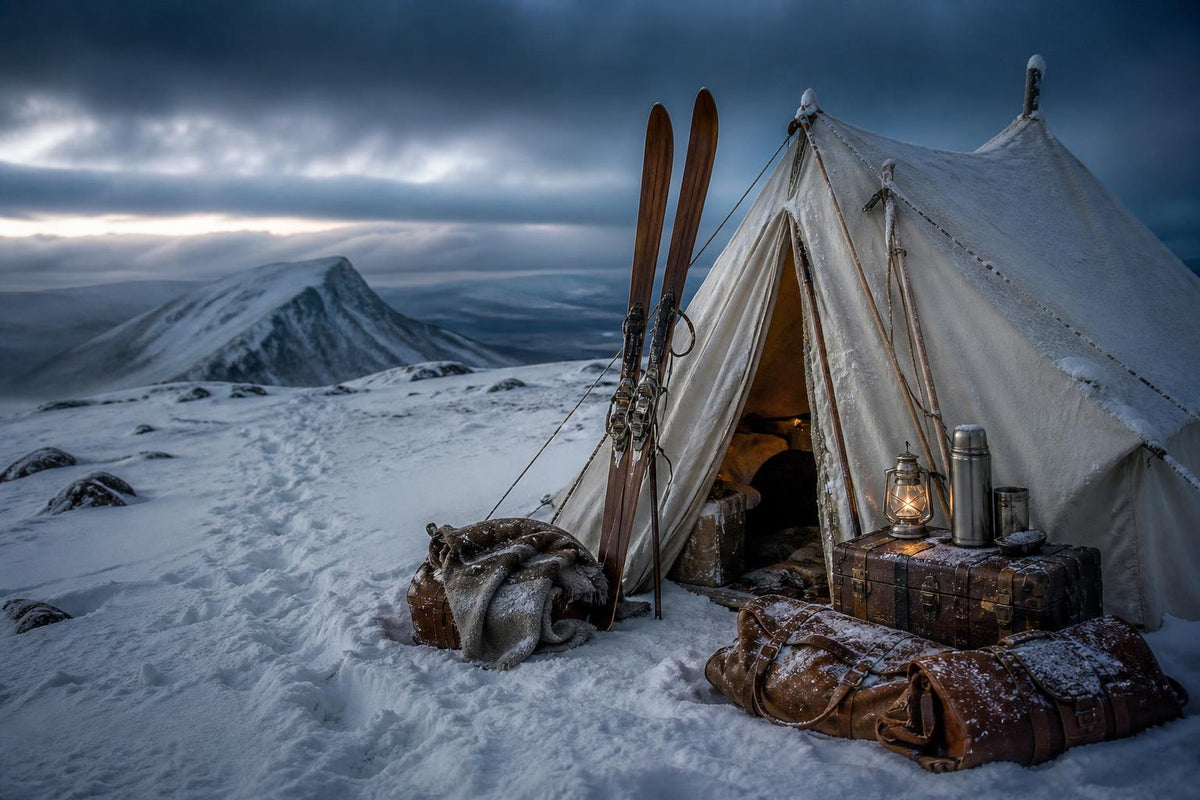
Introduction to the Dyatlov Pass Mystery
Few unsolved cases have gripped the public imagination like the Dyatlov Pass Mystery, a 1959 tragedy in the northern Ural Mountains of the former Soviet Union. What began as a demanding winter expedition by a group of skilled young hikers ended in one of the twentieth century’s most debated wilderness deaths. The case combines harsh terrain, puzzling physical evidence, and decades of speculation, making it a lasting subject of interest for historians, investigators, and outdoor enthusiasts alike.
The Expedition and Its Members
The group was led by Igor Dyatlov, a 23-year-old radio engineering student at the Ural Polytechnic Institute. He and his companions were not casual tourists. Most were experienced Grade II hikers working toward the more advanced Grade III certification, the highest trekking qualification in the Soviet system at the time. Their route aimed to cover roughly 300 kilometers across difficult winter conditions near Otorten Mountain.
Originally, the team included ten members, but one, Yuri Yudin, turned back early because of illness. That decision likely saved his life. The remaining nine hikers continued into increasingly severe weather. They were young, disciplined, and familiar with snow travel, which is one reason their deaths seemed so difficult to explain.
Discovery of the Campsite
When the group failed to return on schedule, search efforts began in late February 1959. Rescuers discovered the hikers’ tent on the eastern slope of Kholat Syakhl, a name often translated from the local Mansi language as “Dead Mountain.” The tent had been cut open from the inside, suggesting the occupants left in extreme haste.
A Disturbing Scene
Tracks in the snow indicated that several members had walked away from the tent, some apparently barefoot or wearing only socks. This detail immediately raised questions. In subzero temperatures that likely fell below -25°C, abandoning shelter without proper clothing would have been extraordinarily dangerous. Investigators later found the first bodies under a cedar tree about 1.5 kilometers from the campsite, while others were located at varying distances between the tree and the tent.
Why the Mystery Endures
The official Soviet investigation concluded that the hikers died because of an “unknown compelling force.” That vague phrase fueled decades of theories. Some proposed an avalanche, while others suggested military testing, infrasound, violent weather events, or even paranormal causes. The injuries deepened the uncertainty. While several victims showed signs consistent with hypothermia, others suffered severe chest and skull trauma without obvious external wounds.
Fact, Speculation, and Modern Interest
In the decades since, the Dyatlov case has been revisited through books, documentaries, forensic reviews, and government reexaminations. A 2020 Russian inquiry favored a slab avalanche combined with disorientation in blizzard conditions, yet debate continues because not every detail appears fully resolved. That tension between plausible science and lingering unanswered questions is exactly what keeps the Dyatlov Pass Mystery alive in public memory and central to any discussion of what may have happened on that frozen mountainside.
Who Were the Nine Hikers
The Group Behind the Dyatlov Pass Mystery
The nine hikers at the center of the Dyatlov Pass mystery were not reckless amateurs wandering into danger. They were young, capable, and highly experienced Soviet trekkers who had trained for demanding winter expeditions. Most were students or graduates of the Ural Polytechnic Institute in Sverdlovsk, now Yekaterinburg, and several had completed difficult backcountry routes before setting out in January 1959. Their journey was intended to qualify for a Category III hiking certification, the highest level available in the Soviet Union at the time, which already signals the seriousness of the team’s skill and preparation.
The expedition was led by Igor Dyatlov, a 23-year-old radio engineering student whose name would later become permanently attached to the pass where the tragedy unfolded. Dyatlov had a reputation for being methodical, inventive, and calm under pressure. He designed equipment, kept detailed route plans, and was trusted by peers to lead in harsh winter conditions. His leadership was one reason the group was considered well suited for a difficult trek across the northern Urals.
Students, Graduates, and Skilled Adventurers
Several members shared similar academic and outdoor backgrounds. Zinaida Kolmogorova, 22, was known for her energy, resilience, and strong personality. She had extensive hiking experience and was regarded as physically tough. Yuri Doroshenko, 21, was another seasoned trekker, remembered as determined and dependable. Accounts from friends describe him as someone who could endure severe cold and stress without panic.
Rustem Slobodin, 23, had a background in engineering and was considered athletic and disciplined. He had completed challenging routes before and was seen as one of the stronger men in the party. Lyudmila Dubinina, 20, stood out for her determination. Despite her age, she had already taken part in serious expeditions and had a reputation for persistence even after injury or hardship.
Older and More Experienced Members
Not all members were in their early twenties. Semyon Zolotaryov, 38, was the oldest of the group and brought a different kind of experience. A war veteran and outdoor instructor, he joined shortly before departure. His age and background have fueled later speculation, but in practical terms he added maturity and survival knowledge to the team. Alexander Kolevatov, 24, studied nuclear physics and was known as intelligent, quiet, and reliable. He had also participated in previous expeditions.
The Final Three in the Party
The remaining members were Nikolai Thibeaux-Brignolle, 23, and Yuri Krivonischenko, 23. Thibeaux-Brignolle, often described as physically strong and cheerful, came from an engineering background and had solid trekking credentials. Krivonischenko was an engineering student with prior outdoor experience and a reputation for humor and sociability, qualities valuable during long winter travel in isolation.
A tenth member, Yuri Yudin, began the expedition but turned back early because of illness and joint pain, a decision that ultimately saved his life. His later testimony became crucial because he was the only survivor who personally knew the group’s mood, equipment, and plans before disaster struck.
Why Their Identities Matter
Understanding who these hikers were is essential because it challenges simplistic explanations. This was not a group likely to make basic survival mistakes. They were educated, physically conditioned, and familiar with snow, tents, navigation, and subzero camping. Their deaths remain so compelling precisely because competent people, following a planned route, still met an end that investigators and researchers continue to debate. Their biographies transform the incident from a cold case into a human story shaped by ambition, friendship, and the confidence of youth.
The 1959 Expedition Plan
A Demanding Winter Trek Takes Shape
In late January 1959, ten young Soviet hikers set out to complete a Category III winter trek, one of the most demanding civilian hiking certifications in the USSR at the time. Their route was designed to cross the northern Ural Mountains in Sverdlovsk Oblast, a region known for severe winds, deep snow, and rapidly changing weather. The group was led by Igor Dyatlov, a 23-year-old radio engineering student at the Ural Polytechnic Institute, who had already built a reputation for competence and calm leadership in difficult conditions.
The expedition was not a reckless adventure. It was a carefully organized journey intended to demonstrate endurance, navigation skill, and winter survival ability. Soviet hiking clubs treated such trips seriously, requiring route approvals, equipment planning, and documented objectives. The team’s goal was to travel roughly 300 kilometers on skis and reach Mount Otorten, a peak whose name is often translated from the local Mansi language as something close to “Don’t Go There,” though that interpretation remains debated.
Who Joined the Team
The original group consisted of ten members, most of them students or recent graduates with significant outdoor experience. Alongside Dyatlov were Zinaida Kolmogorova, Rustem Slobodin, Yuri Doroshenko, Lyudmila Dubinina, Alexander Kolevatov, Nikolai Thibeaux-Brignolle, Semyon Zolotaryov, Yuri Krivonischenko, and Yuri Yudin. Nearly all were experienced skiers and hikers who had previously completed challenging expeditions in winter terrain.
The Importance of Experience
This level of experience matters because it shapes how historians and investigators interpret later events. These were not untrained tourists making basic mistakes. Several members had engineering backgrounds, strong physical conditioning, and practical knowledge of campcraft. Their confidence in attempting the route reflected the standards of the era, when Soviet outdoor culture strongly emphasized discipline, resilience, and technical skill.
The Planned Route and Timeline
The expedition began by train and truck, moving north from Sverdlovsk toward the last inhabited settlements before the wilderness. From there, the hikers planned to ski through forested valleys and exposed mountain slopes before reaching Otorten and returning by a circular route. Dyatlov told sports officials that the group would send a telegram upon their return, expected around 12 February 1959, though delays of several days were considered normal in winter expeditions.
A Change Before the Ascent
One important alteration occurred early in the trip. Yuri Yudin developed health problems, including joint pain and sciatica, and turned back on 28 January. That decision left nine hikers to continue. Yudin later became the only member of the original party to survive, making his recollections especially valuable to researchers.
Conditions They Expected to Face
The northern Urals in winter routinely experience temperatures below -20°C, with wind chill making exposure even more dangerous. Snowpack can obscure landmarks, while tree line transitions create sudden vulnerability to open-slope weather. The team expected hardship, but they also believed they had prepared for it. Their route books, diaries, and photographs show a group that remained organized, purposeful, and outwardly optimistic as they moved toward the pass where the mystery would unfold.
Timeline of the Final Days
Setting Out Across the Northern Urals
The final journey of Igor Dyatlov’s group began in late January 1959, when ten young hikers set out on a demanding ski expedition in the northern Ural Mountains. Most were students or graduates of the Ural Polytechnic Institute, and several held advanced hiking certifications, making them far from reckless amateurs. Their goal was to reach Otorten, a remote peak whose name is often translated from the local Mansi language as “Don’t Go There,” though that dramatic phrasing has likely been overstated over time. The route was considered difficult, but well within the group’s abilities.
On January 23, the team departed Sverdlovsk, now Yekaterinburg, by train. Over the next several days, they traveled north through Ivdel and then to the settlement of Vizhay, one of the last inhabited points before the wilderness. From there, they arranged truck transport deeper into the region. These early stages of the trip were routine, and surviving diaries and photographs show a group in good spirits, joking, posing for pictures, and preparing methodically for the harsher terrain ahead.
The First Major Change in the Expedition
A crucial turning point came on January 28, when one member, Yuri Yudin, turned back due to worsening health problems, including joint pain and sciatica. His decision likely saved his life. Yudin was the only member of the expedition to return alive, and his later testimony became essential in reconstructing the group’s plans, equipment, and morale. At that point, the remaining nine hikers continued onward: Igor Dyatlov, Zinaida Kolmogorova, Lyudmila Dubinina, Rustem Slobodin, Alexander Kolevatov, Semyon Zolotaryov, Yuri Krivonischenko, Yuri Doroshenko, and Nikolai Thibeaux-Brignolle.
Conditions on the Route
By the end of January, the group had entered increasingly severe winter conditions. Temperatures in the area are believed to have fallen to around -25°C to -30°C, with strong winds and deep snow adding to the danger. In such an environment, even a minor navigational error or delay could become serious. Still, the hikers continued to document their progress carefully, leaving behind film rolls and diary entries that later helped investigators establish a rough chronology.
January 31 to February 1: Approaching Kholat Syakhl
On January 31, the group reached the edge of a highland area and prepared to ascend toward Kholat Syakhl, the mountain on whose eastern slope their tent would later be found. They appear to have cached some supplies in a wooded valley, likely intending to retrieve them on the return leg. This was a common strategy for reducing load before a summit approach or traverse.
On February 1, the group moved toward the pass. Evidence suggests they may have drifted off their intended course in worsening visibility, possibly due to snow and wind. Rather than descending into the shelter of the forest, they pitched their tent on the exposed slope of Kholat Syakhl. This decision has been debated for decades. Some researchers argue they intended to practice camping on open terrain for experience. Others believe deteriorating weather made further travel impractical. Either explanation fits the behavior of disciplined hikers making a difficult but not irrational choice.
The Night of the Incident
What happened later that night remains the central mystery. Investigators determined that the tent was cut open from the inside, indicating the hikers left in extreme haste. Footprints preserved in the snow suggested that several members walked, rather than ran, down the slope toward the tree line about 1.5 kilometers away. Many were inadequately dressed for the cold, some without boots or outer layers, implying they left the tent suddenly and expected to return quickly.
Evidence at the Cedar Tree
The first bodies discovered, Yuri Doroshenko and Yuri Krivonischenko, were found near a large cedar tree at the forest edge. Investigators noted signs of a small fire there, along with broken branches high in the tree, suggesting one or both men may have climbed it to look back toward the tent or gather wood. Both showed indications of severe hypothermia. Nearby, searchers later found the bodies of Dyatlov, Kolmogorova, and Slobodin positioned between the cedar and the tent, as if they had attempted to return uphill.
Discovery of the Remaining Four
The last four hikers were not found until May 1959, after snowmelt exposed a ravine roughly 75 meters from the cedar. These were Dubinina, Kolevatov, Zolotaryov, and Thibeaux-Brignolle. Their bodies were better clothed, likely wearing garments removed from those who had died earlier, a grim but rational survival measure in extreme cold. However, these four also had the most severe injuries. Dubinina and Zolotaryov suffered major chest trauma, and Thibeaux-Brignolle had significant skull damage. Soviet forensic reports stated that some injuries resembled the force of a car crash, yet showed limited external soft-tissue damage.
Why the Timeline Matters
This sequence of events is critical because it narrows the possibilities. The group was functioning normally until the evening of February 1. Their camp was established, their equipment remained largely in place, and there was no clear evidence of prolonged internal conflict. The timeline instead points to a sudden, destabilizing event that forced experienced hikers out of shelter and into lethal conditions, setting the stage for one of the twentieth century’s most enduring cold-case mysteries.
Discovery of the Campsite
The Search Begins
When the nine hikers failed to return on schedule in late February 1959, concern quickly spread among relatives and officials in Sverdlovsk. The group, led by Igor Dyatlov, had been expected to send a telegram upon reaching their final destination, but days passed with no word. At first, the delay did not seem extraordinary. Winter expeditions in the northern Urals were difficult, and experienced trekkers often faced setbacks caused by weather, terrain, or exhaustion. Still, as silence continued, anxiety deepened, and a formal search effort was finally organized.
The first search teams were made up largely of volunteer students and teachers familiar with winter travel. They were later joined by military personnel, local guides, and aviation support. This combination reflected the seriousness of the situation. The hikers were not amateurs; they were skilled, disciplined, and equipped for a demanding route. Their unexplained disappearance therefore suggested that something highly unusual had occurred.
A Harsh and Isolated Landscape
The search unfolded across one of the most unforgiving environments in the Soviet Union. The eastern slopes of Kholat Syakhl, a mountain whose name is often translated from the Mansi language as “Dead Mountain,” were swept by fierce winds and buried under deep snow. Temperatures in the region during winter commonly dropped below -20°C, and wind chill could make conditions far deadlier. Visibility changed rapidly, and even a short distance could become treacherous in a blizzard.
Why the Terrain Mattered
The geography of the area shaped both the hikers’ final decisions and the investigators’ later theories. Open slopes offered little shelter, while nearby forested sections provided some protection from wind but were harder to reach in severe weather. This contrast became crucial once the campsite was located, because its position raised immediate questions. Why had an experienced group chosen to pitch a tent on an exposed incline rather than descend to safer ground below?
The Tent on the Slope
On February 26, 1959, searchers made the breakthrough that would define the mystery. They discovered the group’s tent partially buried in snow on the eastern shoulder of Kholat Syakhl. The scene was disturbing from the first glance. The tent was still standing in part, but it appeared abandoned in haste. Investigators soon found that the fabric had been cut open from the inside, suggesting the occupants had forced their way out rather than leaving through the entrance.
Inside the tent were many of the hikers’ essential belongings. Boots, warm clothing, and personal gear had been left behind, a detail that immediately alarmed rescuers. In subzero conditions, no experienced mountaineer would willingly leave shelter without proper winter protection unless confronted by an urgent and terrifying threat. Food supplies, cameras, and other equipment also remained, reinforcing the impression of a sudden emergency.
The Significance of the Footprints
Perhaps the most haunting evidence lay just beyond the tent. Searchers identified tracks leading away from the campsite and down toward the forest edge, roughly 1.5 kilometers away. Reports described footprints made by people wearing socks, a single shoe, or no footwear at all. Some prints appeared orderly rather than chaotic, which complicated the picture. The hikers did not seem to have scattered wildly in panic, yet they had clearly left under conditions that made survival unlikely.
Early Clues in the Snow
The trail from the tent became the investigators’ first narrative thread. It suggested that the group had exited together, or at least in close succession, and moved downhill through the snow. At the forest line, searchers found the remains of a small fire beneath a cedar tree. Nearby lay the first two bodies, dressed only in underwear and showing signs of exposure. Broken branches high in the tree hinted that someone had climbed it, possibly to look back toward the tent or search for companions.
A Discovery That Deepened the Mystery
What made the campsite discovery so powerful was not simply that the hikers had died, but that the physical evidence resisted easy explanation. Every major clue seemed to point in a different direction. The abandoned tent implied sudden danger. The missing clothing suggested desperate flight. The footprints indicated some degree of order. The distance to the forest showed purposeful movement, yet the lack of adequate gear made that movement almost incomprehensible.
Investigators Confront an Unusual Scene
As more bodies were found over the following weeks and months, the campsite remained the central puzzle. It was the starting point from which all later theories emerged, whether based on avalanche dynamics, military testing, infrasound, or human conflict. The discovery on Kholat Syakhl transformed a delayed hiking party into one of the twentieth century’s most enduring unsolved cases, because the tent revealed not just death in the mountains, but behavior that seemed to defy survival instinct itself.
Autopsy Findings and Physical Evidence
What the Examinations Revealed
The official autopsies on the nine Dyatlov Pass victims remain central to any serious explanation of the tragedy. Conducted in early 1959, the examinations divided the dead into two broad groups: those who appeared to have died primarily from hypothermia, and those who suffered severe traumatic injuries inconsistent with a simple cold-weather accident. This split is one reason the case has endured for decades. The bodies did not all tell the same story.
Five hikers were found earlier on the slope and near the cedar tree. Their injuries were comparatively limited. Investigators reported abrasions, minor cuts, frost damage, and signs consistent with prolonged exposure to extreme cold. In these cases, the medical conclusion was largely straightforward: they succumbed to freezing temperatures after leaving the tent inadequately dressed. Several were barefoot or wearing only partial clothing, a critical detail given that winter temperatures in the northern Urals can fall below -25°C to -30°C overnight.
The Most Disturbing Injuries
The remaining four bodies, discovered months later in a ravine under deep snow, presented far more troubling findings. These victims had been better insulated with clothing taken from the dead, suggesting a longer survival period. Yet they also showed catastrophic trauma. One had a major skull fracture, while two others suffered multiple broken ribs and massive chest injuries. According to the forensic reports, the force involved was compared to that seen in a high-impact car crash. Importantly, doctors noted that the injuries were severe but often accompanied by little external soft-tissue damage, which fueled speculation about unusual causes.
This combination matters. In ordinary assaults, blunt-force trauma usually leaves visible bruising, tearing, or defensive wounds. Here, the internal damage seemed disproportionate to the surface evidence. That led some later commentators to imagine military weapons, pressure waves, or other extraordinary mechanisms. However, modern forensic interpretation often points out that compression under heavy snow, a fall into a ravine, or impact against hard ice can produce significant internal injury without dramatic external mutilation.
Rib Fractures, Skull Trauma, and Force
The chest injuries to Lyudmila Dubinina and Semyon Zolotaryov were especially severe. Multiple ribs were broken on both sides in patterns suggesting intense compression. Nikolai Thibeaux-Brignolle’s skull fracture was also substantial, though some experts have argued it may not have caused immediate death. These findings imply that at least part of the group encountered a violent physical event after leaving the tent.
What remains debated is timing. If the hikers fled first because of a perceived avalanche risk, collapsing snow in the ravine could explain the later trauma. If they fell while moving in darkness over uneven terrain, the ravine itself becomes a plausible injury site. The autopsies do not definitively identify the trigger, but they strongly suggest that exposure alone did not kill all nine victims.
Missing Soft Tissue and the “Mutilation” Claims
Some of the most sensational claims involve missing eyes, a missing tongue, and facial damage. These details are real in the record, but context is essential. Several bodies lay for weeks or months in snow, meltwater, and open environmental conditions before recovery. Forensic specialists note that postmortem decomposition, scavenger activity, and water erosion can remove soft tissues from the face and mouth in highly irregular ways.
Dubinina’s missing tongue became one of the case’s most cited mysteries. Yet there is no strong forensic basis to treat it automatically as evidence of torture or deliberate mutilation. The same applies to missing eyes in some victims. In cold, exposed environments, protruding soft tissues are among the first areas altered after death.
Clothing, Radiation, and Scene Evidence
Physical evidence from the clothing added another layer of intrigue. Investigators detected low levels of radioactive contamination on some garments. This finding has often been exaggerated. The recorded levels were not universally extreme, and there are plausible non-mysterious explanations, including prior occupational exposure, since at least one member had worked in environments connected to radioactive materials.
The tent itself also mattered. It had been cut open from the inside, strongly indicating the hikers made a rapid exit rather than being attacked from outside first. Footprints leading away from the tent showed that they descended the slope in a relatively orderly manner, at least initially. That detail complicates theories involving immediate panic from a direct assault, because the evidence suggests controlled movement rather than chaotic flight.
Why the Evidence Supports Multiple Stages
Taken together, the autopsies and physical evidence suggest a multi-stage survival crisis. First came the abrupt abandonment of shelter. Then came exposure, attempts to build fire and redistribute clothing, and finally fatal trauma for some members in or near the ravine. The forensic record does not solve every question, but it narrows the possibilities. Any credible theory must explain not just one death mechanism, but the coexistence of hypothermia, delayed survival behavior, and devastating blunt-force injuries within the same event.
The Main Theories Explained
More than six decades after the Dyatlov Pass incident, the case remains compelling because the known facts support several plausible explanations without fully confirming any single one. In February 1959, nine experienced hikers died in the northern Ural Mountains under circumstances that seemed to defy ordinary survival logic. Their tent had been cut open from the inside, several victims were found inadequately dressed for subzero temperatures, and some bodies showed severe internal trauma without obvious external wounds. Investigators at the time concluded only that the group died because of an “unknown compelling force,” a phrase that helped transform a tragic accident into one of the twentieth century’s most enduring mysteries.
The Avalanche and Slab Snow Theory
Among modern researchers, the most widely accepted explanation is some form of avalanche or slab snow collapse. For years, critics dismissed this theory because the slope where the tent stood did not appear steep enough for a classic avalanche, and because rescuers did not report dramatic avalanche debris. However, later studies suggested that a smaller, delayed slab avalanche could account for the evidence more effectively than a massive snow slide.
How a Slab Event Could Have Happened
A slab avalanche occurs when a cohesive layer of snow breaks away from weaker layers beneath it. If the hikers cut into the slope to pitch their tent, they may have destabilized the snowpack. Strong katabatic winds, which can move dense cold air rapidly downhill, may have added stress over several hours. Researchers publishing in 2021 in Communications Earth & Environment argued that even a relatively small slab could have struck the tent with enough force to cause panic and serious injury.
This theory helps explain why the group left the tent quickly, even cutting their way out rather than using the entrance. If they believed more snow might collapse onto them, immediate evacuation would have seemed rational. It also aligns with the severe chest injuries found in some victims, which forensic experts compared to trauma seen in high-force impacts.
Strengths and Weaknesses
The avalanche theory is persuasive because it relies on known mountain hazards rather than extraordinary speculation. It explains the hurried exit, the movement downhill toward the tree line, and the possibility that the group intended to return once the danger passed. Yet questions remain. Some investigators still argue that the visible terrain did not show enough evidence of a destructive slide, and the spacing of the bodies suggests a prolonged survival struggle rather than a single catastrophic event.
Hypothermia and Paradoxical Behavior
Even if an avalanche or snow collapse triggered the crisis, hypothermia almost certainly played a central role in the deaths. Nighttime temperatures in the area likely fell below minus 25 degrees Celsius, with wind chill making conditions even more dangerous. In such an environment, a person without proper insulation can lose functional capacity in a short period.
Why They Were Poorly Dressed
One of the most disturbing details is that several hikers were found wearing little clothing, while others had garments taken from dead companions. This pattern is consistent with survival behavior in extreme cold. Some may have fled the tent in whatever they were wearing at the moment. Later, survivors likely redistributed clothing from those who had already died in an attempt to stay alive longer.
Paradoxical Undressing and Confusion
Advanced hypothermia can produce confusion, impaired judgment, and in some cases paradoxical undressing, a phenomenon in which victims feel an intense sensation of heat and remove clothing. While not every body showed signs of this, the broader pattern of disorganized movement and incomplete dress fits a hypothermic decline. This theory does not explain the initial trigger, but it strongly explains why the group’s decisions became increasingly desperate and fragmented.
Violent Weather and Infrasound
Another theory focuses on extreme wind conditions rather than moving snow. Some researchers have proposed that unusual wind patterns around the mountain created a Kármán vortex street, producing low-frequency sound known as infrasound. Although humans cannot hear infrasound clearly, exposure has been linked in some studies to anxiety, dread, and physiological stress.
Could Wind Alone Cause Panic?
Supporters argue that powerful winds, darkness, and infrasound may have convinced the hikers that remaining in the tent was unsafe. In a state of fear or disorientation, they may have evacuated quickly and then become unable to relocate the tent in blizzard conditions. This idea has appeal because it explains the lack of obvious avalanche debris while still accounting for sudden panic.
However, the evidence is limited. Infrasound remains difficult to prove in this specific case, and it does not adequately explain the most severe injuries on its own. At best, violent weather may have been a contributing factor that worsened an already dangerous situation.
Military Testing and Secret Weapons
No theory has captured the public imagination more than the idea that the hikers were killed by secret Soviet military activity. The Cold War setting makes this scenario emotionally compelling. Witnesses reportedly described glowing orange spheres in the sky around the same period, and some clothing was later found to contain elevated radiation levels.
Why This Theory Persists
The Soviet Union was secretive, and official records from the era often left gaps that encouraged suspicion. If the hikers had accidentally entered a testing zone for parachute mines, rockets, or other weapons, it could explain panic, blast injuries, and the authorities’ reluctance to provide a clear account. Some have suggested that airburst explosions might produce internal trauma without extensive external damage.
Problems With the Evidence
Despite its popularity, the military theory remains largely circumstantial. The radiation detected was not uniformly high and may have come from prior occupational exposure, since at least one hiker had worked in environments involving radioactive materials. No verified documents have surfaced proving a weapons test at the exact site and time. While Soviet secrecy fueled the theory, secrecy alone is not proof.
Attack by Indigenous Mansi or Other People
Early suspicion briefly fell on the local Mansi people, an Indigenous group native to the region. Investigators considered whether territorial conflict or robbery might have led to violence. This theory has since been widely rejected.
Why Most Historians Dismiss It
There was no convincing evidence of struggle near the tent, no signs of theft, and no footprints indicating a hostile group approached the camp. The Mansi were known to be familiar with the terrain and reportedly assisted search efforts. Modern assessments generally view this theory as an example of investigators reaching for a human enemy when the physical evidence pointed elsewhere.
The Most Balanced Interpretation
Today, the strongest explanations are often hybrid theories rather than single-cause answers. A destabilized snow slab, severe wind, darkness, and extreme cold may have combined into a cascading survival disaster. In that reading, the hikers were not killed by one mysterious force but by a chain of rational decisions made under rapidly worsening conditions, with each step narrowing their chances of survival until the mountain left no room for recovery
Avalanche and Snow Slab Theory
Why an Avalanche Became the Leading Explanation
Among all proposed answers to the Dyatlov Pass mystery, the avalanche and snow slab theory remains the most widely discussed by scientists and investigators. It offers a natural explanation for several puzzling details: the hikers’ sudden exit from the tent, the severe chest and skull injuries suffered by some victims, and the apparent lack of immediate external wounds. In simple terms, a snow slab avalanche occurs when a cohesive layer of snow breaks loose and slides over a weaker layer beneath it. Unlike the towering avalanches often shown in films, these events can be relatively small yet still extremely dangerous.
The group had pitched their tent on a slope of roughly 20 to 30 degrees, which is within the range where slab avalanches can occur under the right conditions. Researchers have argued that by cutting into the snowpack to level their campsite, the hikers may have unintentionally weakened the slope above them. Combined with strong katabatic winds, fresh snow deposition, and freezing temperatures, the conditions could have created delayed instability.
How a Snow Slab Could Have Triggered Panic
The Mechanics of a Delayed Release
One reason the avalanche theory was long dismissed is that rescuers did not find obvious avalanche debris covering the tent. However, modern studies suggest that a small slab release may have struck the tent hours after it was set up, then been partially erased by wind and later snowfall. In 2021, a peer-reviewed study published in Communications Earth & Environment used physical modeling to show that even a compact slab of dense snow could generate enough force to cause crushing injuries similar to those documented in the autopsies.
This matters because the injuries of victims like Lyudmila Dubinina and Semyon Zolotaryov were compared by Soviet examiners to the effects of a car crash. A heavy snow slab pressing bodies against hard ground could plausibly create such trauma without producing many visible cuts. If the tent was partially collapsed at night, in darkness and subzero conditions, the hikers may have believed a larger slide was imminent and fled immediately.
Strengths and Weaknesses of the Theory
What the Avalanche Theory Explains Well
The theory aligns with the group’s urgent behavior. Cutting their way out of the tent rather than using the entrance suggests they were reacting to immediate danger. It also explains why they moved downslope toward the forest, where trees offered shelter from wind and potential further snow movement. Their later attempt to return to the tent fits a scenario in which they escaped quickly without adequate clothing, then tried to recover supplies after the threat seemed to pass.
What Still Raises Questions
Critics note that some physical evidence remains difficult to reconcile fully. The slope was not especially steep compared with classic avalanche terrain, and several bodies were found far from the tent, indicating a prolonged survival struggle rather than instant burial. There is also debate over whether all injuries can be attributed to snow impact alone. Even so, the avalanche and snow slab theory has gained credibility because it relies on known mountain hazards, not speculation about secret weapons, attacks, or paranormal forces.
Why This Theory Endures
What makes this explanation compelling is its balance of drama and realism. It does not require a massive avalanche, only a localized snow failure, confusion in darkness, and the deadly compounding effects of hypothermia, trauma, and disorientation in one of the harshest environments on Earth.
Military Testing and Secret Weapons Claims
Why the theory gained traction
Among the many explanations for the Dyatlov Pass tragedy, military testing and secret weapons claims remain some of the most persistent. The idea emerged partly because the Soviet Union in 1959 maintained strict secrecy around weapons development, missile programs, and Arctic military activity. When investigators reported unusual injuries, missing soft tissue, and traces of radiation on some clothing, many observers saw signs of a cover-up rather than a straightforward mountain accident.
The region itself helped fuel suspicion. Northern Ural areas were remote, sparsely populated, and suitable for tests that required isolation. In the late 1950s, the Soviet military was actively developing parachute mines, rockets, and aerial devices. Witness reports of glowing orange spheres in the sky, recorded by several groups in the broader area around the same time, added another layer of intrigue. To many, these lights suggested experimental aircraft or weapons tests that may have frightened or harmed the hikers.
Evidence often cited by supporters
Radiation and unexplained injuries
Supporters of the military theory frequently point to the small amount of radiation found on some garments. While this detail sounds alarming, it is not definitive proof of a weapons incident. Some of the hikers had previously worked in environments where radioactive contamination was possible, which offers a less dramatic explanation. Still, in a Cold War context, any mention of radiation naturally encouraged speculation.
The injuries also seemed unusual. Several victims suffered severe chest and skull trauma without obvious external wounds. This pattern led some writers to suggest blast pressure from explosives. However, later forensic analysis argued that avalanche-like compression forces or falls into a ravine could create similar damage, weakening the need for a military explanation.
Problems with the secret weapons hypothesis
Lack of direct proof
Despite decades of interest, no verified documents have surfaced showing that a weapons test directly caused the deaths. No confirmed blast debris, military hardware, or official orders tie the hikers to a classified operation. Historians also note that Soviet secrecy, while real, can encourage theories that rely more on absence of evidence than evidence itself.
A more measured view is that military activity in the region may have existed without being the direct cause of the tragedy. The theory remains compelling because it fits the era’s atmosphere of secrecy, but it has never been conclusively demonstrated and continues to compete with natural explanations supported by modern research.
Paranormal and Fringe Explanations
Why Extraordinary Theories Persist
Few historical mysteries attract paranormal speculation as intensely as the Dyatlov Pass incident. Because the hikers were experienced, the tent was cut open from within, and several bodies showed unusual injuries, many readers have looked beyond conventional explanations. Over the decades, theories involving UFOs, secret weapons, cryptids, and even supernatural forces have flourished, especially in popular media.
UFO Sightings and Strange Lights
One of the most repeated fringe claims centers on orange spheres reportedly seen in the sky around the time of the tragedy. Supporters argue these lights suggest extraterrestrial activity or experimental aircraft. However, unusual aerial lights in remote Soviet regions were not unheard of. They may have been linked to military tests, atmospheric effects, or distant rocket activity. While intriguing, no verified physical evidence from the site directly connects the hikers’ deaths to UFOs.
The Appeal of the Unknown
The UFO theory remains popular largely because it offers a dramatic answer to otherwise baffling details. Yet dramatic explanations are not necessarily stronger ones. In historical investigations, lack of evidence is not evidence of the extraordinary.
Cryptids, Radiation, and Secret Experiments
Other fringe explanations include an attack by a Yeti-like creature, infrasound-induced panic, or exposure to covert Soviet weapons testing. The so-called Yeti theory gained attention after references to a humorous diary entry were taken too seriously. Radiation traces found on some clothing also fueled suspicion, though later analysis suggested limited contamination with more ordinary explanations.
Why Fringe Theories Fall Short
What these theories share is an attempt to explain every anomaly at once. The problem is that they often rely on speculation rather than documented proof. Modern reviews generally favor a combination of environmental danger, trauma, and human decision-making under extreme stress, leaving paranormal explanations compelling as folklore, but weak as evidence-based history.
Why the Mystery Endures
A Case Built on Gaps and Contradictions
The Dyatlov Pass incident continues to fascinate because the known facts are dramatic, but the full sequence of events remains uncertain. In February 1959, nine experienced hikers died in the northern Ural Mountains under conditions that still seem deeply abnormal. Investigators found their tent cut open from the inside, several bodies inadequately clothed for subzero temperatures, and injuries in some victims that appeared unusually severe. Yet no single explanation accounts neatly for every detail.
Part of the mystery’s staying power comes from the limitations of the original Soviet investigation. Records were incomplete, some witness statements were inconsistent, and the final official explanation referred vaguely to an “unknown compelling force.” That phrase has become one of the most quoted elements of the case because it sounds authoritative while explaining almost nothing. Ambiguity invites speculation, and the Dyatlov case has had decades to accumulate it.
Science, Myth, and Public Imagination
Why theories keep multiplying
Modern researchers have proposed avalanches, katabatic winds, infrasound, military testing, and human conflict. A 2021 study supported a delayed slab avalanche scenario, arguing that terrain and snow conditions could have triggered panic. However, critics note that some physical evidence, including the hikers’ scattered movements and certain injuries, still leaves room for debate. Because each theory explains some facts but not all, the case remains open in the public mind even when officials consider it largely settled.
The setting also matters. Remote mountains, freezing darkness, and a group of skilled young adventurers create a story with powerful emotional and narrative force. Unlike many historical tragedies, this one feels both documented and unfinished.
The Role of Media and Memory
A mystery shaped by retelling
Books, documentaries, podcasts, and online forums have transformed Dyatlov Pass from a regional Soviet tragedy into a global mystery. Each retelling highlights different clues, often emphasizing the strangest details. As long as evidence remains interpretable rather than definitive, the story will continue to invite new generations of investigators, skeptics, and believers alike.
Conclusion: What Most Likely Happened
After decades of speculation, the most plausible explanation for the Dyatlov Pass tragedy is not aliens, secret weapons, or a supernatural force, but a rare combination of environmental hazards, darkness, and human survival decisions under extreme stress. The evidence points most strongly toward a sudden snow-related event that convinced the hikers they had to leave their tent immediately, followed by fatal exposure in brutal winter conditions.
The Most Credible Reconstruction
The group appears to have cut their way out of the tent from the inside after perceiving an urgent threat. Later forensic and terrain studies, including modern avalanche and slab-release modeling, suggest that a small slab avalanche or delayed snow collapse could have struck or destabilized the campsite. Even a limited snow movement would have been enough to injure some members, damage the tent’s usability, and create panic in near-zero visibility.
Crucially, this theory fits several known facts. The hikers left in an organized manner, many without adequate footwear, implying they expected to return soon. Their path down the slope indicates purposeful movement rather than chaotic flight. Once in the forest, they attempted survival measures by lighting a fire and sheltering behind trees, which is consistent with experienced trekkers trying to regroup after abandoning a dangerous campsite.
Why the Injuries Seemed So Mysterious
Some of the victims suffered severe chest and skull trauma, injuries that long fueled conspiracy theories. However, later analysis has shown that such damage can result from intense compressive force, similar to what occurs in snow burial or a fall into a ravine. The four bodies found in the stream ravine were located under deep snow, and the terrain there could have amplified impact injuries. This explanation is far more grounded than claims of military attacks or unknown assailants, especially since there was no reliable evidence of a struggle with other people.
Exposure Was Likely the Final Killer
Whatever triggered the initial evacuation, hypothermia was almost certainly the main cause of death for most of the group. Temperatures that night likely dropped below -20°C, with severe wind chill making survival without shelter nearly impossible. In such conditions, judgment deteriorates quickly, coordination fails, and even trained hikers can make fatal choices.
The Mystery That Still Endures
What remains unresolved is not the broad outline, but the exact sequence of seconds and decisions on that mountainside. The Dyatlov Pass case endures because it sits at the intersection of science, fear, and the limits of human certainty, where a largely explainable disaster still leaves just enough ambiguity to haunt history.
FAQ About the Dyatlov Pass Case
What happened at Dyatlov Pass?
The Dyatlov Pass incident refers to the deaths of nine Soviet hikers in the northern Ural Mountains in February 1959. Led by Igor Dyatlov, the group was undertaking a demanding ski trek when something caused them to cut their way out of their tent during the night. Investigators later found the tent abandoned on the slope of Kholat Syakhl, with many belongings, boots, and winter clothing left behind despite extreme subzero temperatures.
Why is the case considered mysterious?
The mystery comes from the unusual combination of evidence. Some hikers were found barefoot or lightly dressed in snow, suggesting a sudden evacuation. Several bodies showed traumatic injuries, including fractured ribs and skull damage, yet there were few obvious external wounds. One victim was missing her tongue, though many experts believe postmortem decomposition and scavenging likely explain that detail. The scene did not fit a simple accident, which fueled decades of speculation.
What are the main theories?
Avalanche and snow slab theory
For many researchers, the most credible explanation is a small slab avalanche or snowpack collapse. In 2020, Russian authorities concluded that an avalanche-like event forced the hikers to leave the tent and seek safety, after which they succumbed to hypothermia. Later modeling by scientists, including a 2021 study published in Communications Earth & Environment, supported the plausibility of a delayed slab release on the slope.
Other popular explanations
Alternative theories include katabatic winds, military testing, infrasound, and interpersonal conflict. Paranormal ideas such as UFOs or cryptids remain popular in media but lack reliable evidence. No verified records conclusively place secret weapons tests at the site that night.
Has the mystery been solved?
Officially, the most accepted answer is death by hypothermia following a snow-related emergency. However, debate continues because some details remain uncertain, including the exact trigger for the group’s flight and the sequence of decisions made in darkness, wind, and severe cold. That uncertainty keeps the Dyatlov Pass case one of history’s most enduring cold-weather mysteries.


