

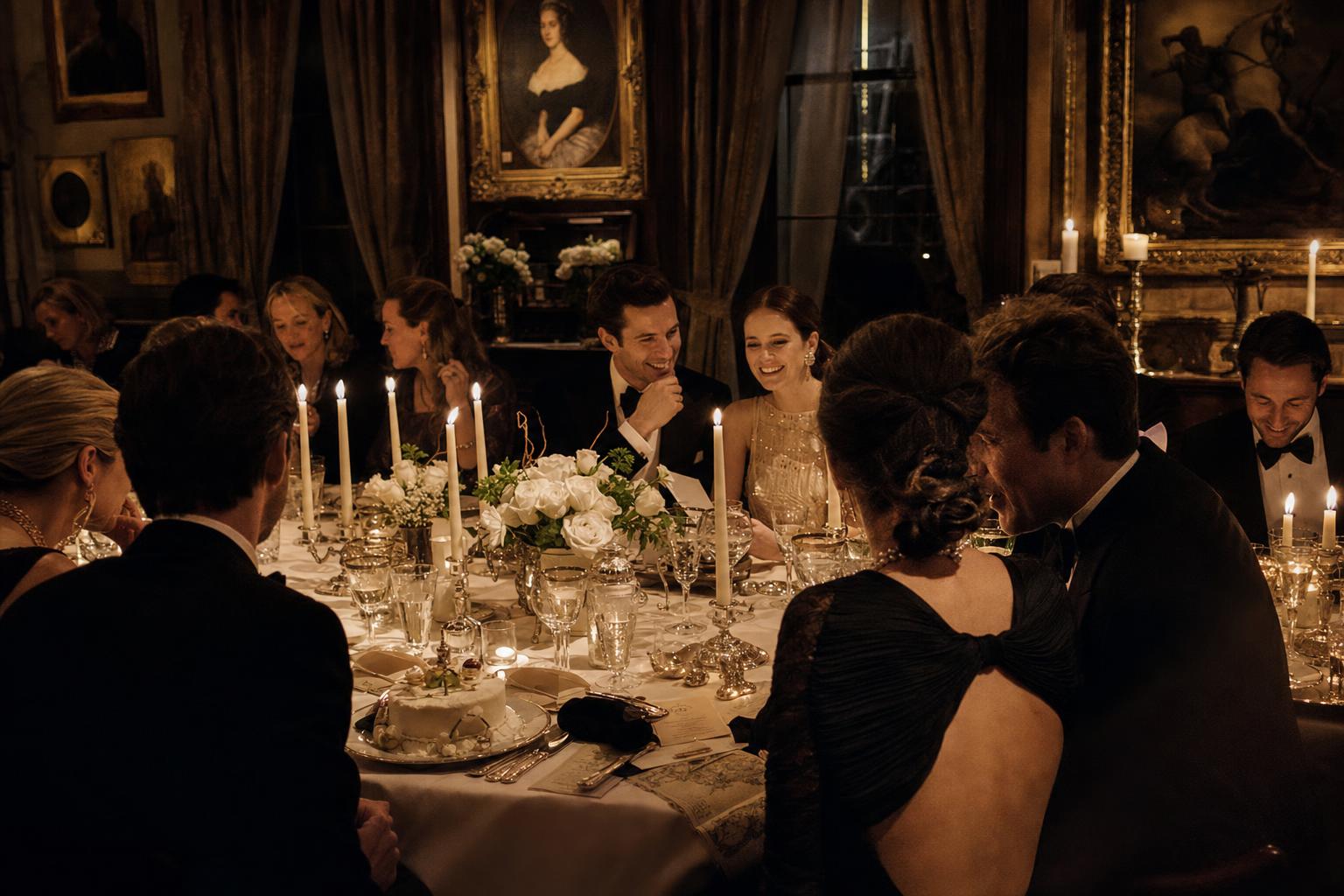
Introduction to a Murder Mystery Birthday Party
A murder mystery birthday party transforms an ordinary celebration into an interactive experience where guests become suspects, detectives, and storytellers at the same time. Instead of simply gathering for cake and conversation, everyone steps into a fictional case filled with clues, motives, and dramatic twists. This format has grown in popularity as hosts look for events that feel more memorable than traditional dinners or game nights, especially for milestone birthdays and adult parties.
What Makes This Party Idea So Memorable
The biggest appeal of a murder mystery birthday party is its ability to combine entertainment with social connection. Guests are not passive observers. They participate directly by questioning one another, uncovering evidence, and piecing together the story. According to event industry trend reports, immersive and experience-based celebrations have steadily gained attention because people increasingly value shared experiences over standard party formats.
A Blend of Theater and Celebration
This party style works because it merges the fun of roleplay with the warmth of a birthday gathering. Some guests may arrive in costume, others may receive character cards, and everyone becomes part of the unfolding plot. A well-designed mystery can suit many themes, from a glamorous 1920s speakeasy to a spooky Victorian manor or a modern crime scene. The birthday guest of honor can even be cast in a starring role, making the event feel highly personal.
Why It Works for Different Groups
A murder mystery party is flexible enough for many age groups and party sizes. Smaller gatherings of 8 to 12 people often create an intimate, dialogue-driven atmosphere, while larger groups can support more elaborate plots and side characters. For teens, the mystery can be lighthearted and simple. For adults, it can include richer backstories, red herrings, and more detailed clues.
Built-In Conversation and Engagement
One common challenge at parties is helping guests mingle naturally, especially when not everyone knows each other. A murder mystery solves that problem by giving every attendee a reason to interact. Instead of awkward small talk, guests immediately have something to discuss: alibis, secrets, and suspicious behavior. This structure keeps energy high and helps the party feel purposeful from start to finish.
Setting Expectations for the Experience
Hosts do not need professional acting skills or a huge budget to make the concept successful. With a clear storyline, themed décor, and thoughtful planning, a murder mystery birthday party can feel polished and exciting while remaining accessible. The result is a celebration that encourages laughter, creativity, and just enough suspense to keep everyone invested in what happens next.
Why This Party Theme Stands Out
It Turns Guests Into Participants
A murder mystery birthday party stands out because it transforms a typical celebration into an interactive experience. Instead of simply arriving, eating, and making small talk, guests become part of the entertainment. Each person has a role to play, clues to uncover, and motives to question. That level of involvement creates energy that many traditional party formats struggle to match.
This participation matters because shared activities help people connect faster. According to event industry research, immersive experiences consistently rank higher in guest satisfaction than passive entertainment. When people work together to solve a fictional crime, they naturally start conversations, laugh more freely, and remember who said what. The party becomes more than a social gathering; it becomes a story everyone helps create.
It Creates Built-In Conversation
One reason hosts love this theme is that it removes the awkwardness that can happen when guests do not know one another well. A murder mystery provides an immediate topic of discussion. People can ask about alibis, compare clues, and speculate about suspects without forcing casual conversation.
A Natural Icebreaker for Mixed Groups
This is especially valuable for birthday parties that bring together friends, family, coworkers, or neighbors from different parts of the celebrant’s life. In many settings, these groups might stay separate. With a mystery game, however, they have a shared objective, which encourages interaction across the room. Even quieter guests often feel more comfortable speaking when they are doing so in character or responding to the game.
It Blends Entertainment With Atmosphere
Another reason this party theme stands out is its ability to combine gameplay with visual style. A murder mystery can be tailored to many aesthetics, from a glamorous 1920s speakeasy to a spooky Victorian manor or a modern detective case. That flexibility allows the host to create a party that feels theatrical without becoming overly complicated.
Strong Theme, Flexible Execution
The theme can be scaled to suit different budgets and spaces. A host might use printed invitations, simple props, and curated music for a low-cost version, or invest in costumes, elaborate décor, and catered courses for a more dramatic event. Either way, the atmosphere supports the experience. Guests are not just attending a birthday party; they are stepping into a carefully designed setting that feels distinct from everyday celebrations.
It Leaves Guests With Lasting Memories
Memorable parties usually give people something specific to talk about afterward. A murder mystery does exactly that. Guests remember the surprise reveal, the funniest accusations, and the unexpected twists. They often continue discussing who guessed correctly and who gave the most convincing performance long after the event ends.
Because the experience is both social and story-driven, it tends to stand out in a crowded calendar of dinners, bar nights, and standard house parties. In a survey by Eventbrite, 78% of millennials said they would choose to spend money on a desirable experience over buying something desirable. That preference reflects a broader trend: people value moments they can share, retell, and revisit. A murder mystery birthday party fits that demand perfectly, offering entertainment, connection, and originality in one unforgettable format.
Choosing the Right Mystery Format
Selecting the best format for a murder mystery birthday party shapes everything from guest engagement to pacing. The right structure makes the experience feel immersive rather than awkward, especially when the group includes different ages, personalities, and comfort levels. A well-matched format helps guests participate naturally, whether they love theatrical roleplay or prefer solving clues from the sidelines.
Hosted, Self-Guided, and Boxed Experiences
Most mystery parties fall into three broad categories: hosted games, self-guided kits, and boxed experiences. A hosted mystery usually involves one person acting as organizer, narrator, or detective figure who keeps the story moving. This format works especially well for larger groups because it reduces confusion and ensures that key plot points are delivered on time. For parties with 10 to 20 guests, a host can maintain momentum and prevent quieter players from being overlooked.
Self-guided mysteries are more flexible. Guests receive character information, clues, and instructions, then move through the story with minimal intervention. This format is ideal for hosts who want a lower-pressure setup and for groups that enjoy independent interaction. It also works well in homes, where the atmosphere is naturally informal and players can settle into conversations at their own pace.
Boxed or downloadable mystery kits combine convenience with structure. Many include invitations, character booklets, evidence cards, and scripted reveals. These are popular because they reduce planning time while still offering a polished experience. According to event industry trend reports, ready-made party kits remain a strong segment of the home entertainment market because consumers increasingly value convenience and guided experiences.
Matching the Format to Your Guest List
The guest list should influence the format more than the host’s personal preference. A highly theatrical cast of friends may enjoy a role-heavy mystery where everyone speaks in character and hides secrets. In contrast, a mixed group of relatives, coworkers, or neighbors may respond better to a lighter format that emphasizes clue solving over performance.
Small Groups Versus Large Parties
Smaller groups, usually six to eight players, often benefit from deeper character development. Each guest gets more speaking time, and the mystery can include layered motives and stronger interpersonal drama. Larger parties need simpler mechanics. If too many guests are juggling complicated backstories, the game can slow down quickly. For big celebrations, streamlined roles and clear rounds of play are usually more effective.
Considering Age, Energy, and Party Style
Age range matters. Adult-only groups may enjoy darker themes, red herrings, and more complex narratives, while family-friendly parties should keep the tone playful and accessible. Teen groups often respond well to formats inspired by school settings, social media drama, or pop culture references because the story feels familiar.
Sit-Down Dinner or Free-Flowing Event
A formal dinner mystery suits guests who are happy to stay seated and follow a sequence of reveals between courses. A mingling mystery is better for cocktail-style parties, backyard gatherings, or open-house celebrations. In those settings, guests can circulate, gather clues, and interact more casually. Choosing a format that fits the event’s natural rhythm makes participation feel effortless, which is often the difference between a party that merely entertains and one guests talk about long after the candles are blown out.
Picking a Theme and Setting
Choosing the right theme and setting is what transforms a simple gathering into a memorable murder mystery birthday party. The strongest parties feel cohesive from the first invitation to the final accusation, and that starts with a clear creative direction. A well-chosen theme helps guests understand how to dress, how to act, and what kind of atmosphere to expect. It also makes planning easier, because decisions about decorations, food, music, and props all flow from one central idea.
Start With a Theme That Matches Your Guests
The best murder mystery theme is one your guests can immediately enjoy and understand. If your group loves glamour and drama, a 1920s speakeasy or Hollywood scandal theme works beautifully. If they prefer something playful, a masquerade ball, haunted manor, or cruise ship mystery can feel more accessible. For a younger crowd or mixed-age party, themes inspired by detectives, school reunions, or family estates often strike the right balance between intrigue and comfort.
A practical rule is to match the complexity of the theme to the personalities in the room. According to event planning surveys, interactive experiences are most successful when guests feel confident participating rather than intimidated by unfamiliar roles. That means a theme should be exciting, but not so niche that people spend the night confused about the setting.
Popular Murder Mystery Settings
Some settings consistently work well because they are easy to visualize and decorate. A few timeless options stand out for their flexibility and strong storytelling potential.
Classic Mansion Mystery
This is one of the most popular choices because it instantly suggests secrets, wealth, and hidden motives. A mansion setting works in almost any home, especially if you use dim lighting, candles, vintage frames, and formal table settings to create atmosphere.
Roaring Twenties Speakeasy
A speakeasy theme brings energy, style, and recognizable fashion. Guests can wear flapper dresses, suspenders, pearls, and fedoras, while jazz music and mocktail bars reinforce the mood. This setting is especially effective for adult birthday parties because it feels festive without requiring elaborate staging.
Masquerade Ball
A masquerade setting adds elegance and mystery at the same time. Masks become both costume pieces and story devices, which makes the party feel immersive from the moment guests arrive. Even a simple living room can feel transformed with rich fabrics, candles, and metallic accents.
Match the Setting to Your Space
Your venue should support the story rather than fight against it. A small apartment can still host an excellent mystery if the theme fits the layout. For example, a dinner-party investigation or private club setting works better in compact spaces than a sprawling country estate storyline. If you have a backyard, a garden gala or outdoor estate mystery can make excellent use of natural scenery.
Budget matters here as well. You do not need expensive décor to create impact. Lighting, music, and a few strong visual details often do more than a room full of random props. Black tablecloths, printed clues, themed name cards, and background sound effects can establish the setting quickly and convincingly.
Build Immersion Through Details
Once the theme is chosen, every element should reinforce it. Invitations should hint at the plot, costumes should reflect the era or location, and food should feel connected to the setting. A 1920s party might feature sparkling drinks and jazz, while a manor mystery could include formal dinner service and antique-style clues. These details help guests suspend disbelief and engage more fully with the game.
The goal is not perfection but consistency. A clear, immersive setting makes guests feel like they have stepped into a story, which is exactly what turns a birthday party into an unforgettable experience.
Planning the Guest List and Roles
A murder mystery party succeeds or fails on guest fit and role design. Unlike a standard birthday gathering, this format depends on participation, conversation, and a willingness to improvise. That means the guest list should be built with the experience in mind, not just the number of seats available. For most home parties, 8 to 16 guests is a practical range. It is large enough to create layered motives and alliances, yet small enough for everyone to stay involved in the plot.
Choosing the Right Mix of Guests
When planning your list, think about personality balance as much as headcount. A strong group usually includes a mix of outgoing guests who enjoy performing and quieter guests who prefer solving clues or observing details. If everyone is highly competitive, the evening can feel chaotic. If everyone is reserved, the mystery may lose momentum. Variety creates energy, and that balance often matters more than whether every guest already knows one another.
Age range also matters. If the birthday party includes teens or adults of different generations, choose a storyline that feels accessible to all. A 2023 Eventbrite trend report noted that immersive and interactive gatherings continue to grow in popularity because guests want experiences rather than passive entertainment. That makes role assignment especially important, since the right part can help even a hesitant guest feel included quickly.
Matching Roles to Personalities
Assigning roles thoughtfully can dramatically improve the party. The best hosts do not distribute characters randomly unless the group specifically wants surprise. Instead, they match each guest with a role that suits their comfort level. A naturally theatrical friend may thrive as a suspicious celebrity, politician, or dramatic ex-partner. A more analytical guest may enjoy being a detective, journalist, lawyer, or doctor who uncovers evidence through careful questioning.
Lead Roles and Supporting Roles
Not every character should carry the same weight. A good mystery includes a few central figures with strong motives and several supporting characters who add information, red herrings, or comic relief. This structure prevents overwhelm. Lead roles should go to guests who are likely to arrive on time, stay engaged, and read their character materials in advance. Supporting roles are ideal for guests who want to participate without feeling pressure to dominate the room.
Deciding Whether to Reveal Roles Early
Some hosts send character packets one to two weeks before the event. This gives guests time to prepare costumes, accents, and backstory details. Early role sharing often leads to better immersion because people arrive ready to play. However, if your group prefers spontaneity, you can reveal roles at the party. In that case, keep the first round simple and allow time for everyone to read their objectives.
Practical Planning Details
Track RSVPs carefully, because murder mystery games are less flexible than casual parties. If one person cancels, an essential clue path can disappear. It helps to prepare one or two backup roles or choose a kit designed for expandable numbers. You should also note dietary needs, accessibility concerns, and relationship dynamics. Avoid assigning romantic rival roles to guests who may find that awkward, and make sure every participant has a clear reason to interact with others.
A well-planned guest list and smart role assignment turn the party from a themed dinner into a memorable interactive event where every guest has a reason to speak, suspect, and sleuth.
Invitations and Pre-Party Build-Up
Set the Tone Before Guests Arrive
A memorable murder mystery birthday party begins long before the first guest walks through the door. The invitation is not just a practical notice; it is the opening scene of the experience. When designed thoughtfully, it creates suspense, sparks curiosity, and encourages guests to commit to the theme. Instead of sending a standard birthday invite, frame it as a mysterious summons, a secret case file, or an elegant dinner invitation with a troubling twist. This approach immediately signals that the event will be immersive rather than ordinary.
The most effective invitations balance style with clarity. Guests should know the date, time, location, dress expectations, and whether they will be assigned a character in advance. According to event planning surveys, themed parties often see stronger engagement when guests receive role-related information early, because it gives them time to prepare costumes and get into character. That extra preparation often translates into better participation on the day of the event.
What to Include in the Invitation
A strong invitation should establish both practical details and narrative intrigue. If your party has a 1920s speakeasy, glamorous Hollywood, or haunted manor setting, reflect that theme in the wording and design. Rich language helps build anticipation. For example, rather than saying, “Please come to my birthday party,” you might write, “Your presence is requested at an evening of celebration, scandal, and suspicious circumstances.”
Character Assignments and Guest Preparation
If each guest will play a role, include a short character description with the invitation or send it shortly afterward. Keep descriptions engaging but manageable, giving enough detail to inspire costume choices without overwhelming players. A guest might be described as a wealthy heiress with a secret debt, or a charming detective with something to hide. These small details help guests arrive ready to participate.
It also helps to set expectations about effort. Let guests know whether costumes are essential, optional, or encouraged. If some attendees are new to roleplay, reassuring them that the event is designed to be fun rather than theatrical can reduce hesitation and improve attendance.
Building Excitement in the Days Before
The pre-party period is a powerful opportunity to deepen immersion. A few days before the event, send follow-up messages that act as story clues or dramatic updates. A note revealing a missing necklace, a suspicious phone call, or a last-minute guest list change can make the mystery feel alive before the party even begins. Digital invitations make this especially easy, allowing hosts to combine convenience with creative storytelling.
Using Visuals and Presentation
Presentation matters. Printed invitations on textured paper can feel luxurious, while digital invites can include vintage fonts, wax-seal graphics, or dossier-style layouts. Even simple design choices can elevate anticipation and make guests feel they are stepping into a carefully crafted world rather than attending just another birthday gathering.
Decor, Costumes, and Atmosphere
Setting the Scene for Suspense
The success of a murder mystery birthday party depends heavily on how the space feels the moment guests arrive. Decor, costumes, and atmosphere work together to transform an ordinary gathering into an immersive experience. Even a modest living room can become a glamorous manor, smoky jazz club, or vintage train carriage with the right visual cues. The goal is not perfection, but consistency. When every detail supports the story, guests are more willing to step into character and play along.
A strong theme should guide every design choice. If the mystery is set in the 1920s, think art deco accents, gold and black color palettes, pearls, feathers, and candlelight-inspired lighting. For a Victorian setting, richer fabrics, ornate frames, handwritten notes, and antique-looking props help establish the period. According to event industry surveys, themed parties with coordinated decor and dress elements are often rated as more memorable by attendees because they create a fuller sensory experience rather than relying on activities alone.
Choosing Decor That Supports the Story
Decor should do more than make the room look attractive. It should also reinforce clues, relationships, and the mood of the mystery. Functional decor is especially effective because it blends style with storytelling. A framed family portrait can hint at motives, a place card arrangement can suggest alliances, and a locked box on a side table can become a conversation piece before the game even begins.
High-Impact Elements
Focus first on the details guests notice immediately. Lighting has one of the biggest effects on atmosphere. Warm lamps, flameless candles, string lights, or dimmed overhead fixtures create a sense of intrigue without requiring a large budget. Table settings also matter. Black tablecloths, metallic chargers, vintage glassware, and folded name cards instantly make the event feel more intentional.
Props can elevate the environment further. Consider faux newspapers with scandalous headlines, evidence boards, old letters, costume jewelry, or labeled “case files” placed around the room. These items encourage curiosity and help guests feel like participants rather than observers. If space allows, designate one corner as the detective station with notebooks, magnifying glasses, and clue envelopes.
Encouraging Guests to Dress the Part
Costumes are often what turn a fun party into a truly unforgettable one. When guests arrive dressed as socialites, detectives, suspects, or mysterious strangers, the party gains energy before the first clue is revealed. Clear costume guidance makes participation easier. Instead of simply naming the theme, provide examples of outfits, colors, and accessories guests can use from their own closets.
Some hosts worry that costumes may intimidate guests, but flexibility solves this problem. Encourage a “dress inspired by” approach rather than requiring theatrical accuracy. A simple black dress with pearls can fit a roaring twenties character, while a blazer and fedora can suggest a private investigator. Small accessories such as gloves, brooches, pocket watches, or masquerade masks can help even reluctant guests feel included.
Making Character Assignments Feel Personal
If the party includes assigned roles, send character descriptions in advance with wardrobe suggestions. This helps guests connect with their part and arrive ready to engage. A glamorous heiress might wear satin and diamonds, while a suspicious business partner could appear in darker, sharper tailoring. Matching costume ideas to personality types also increases comfort and confidence during roleplay.
Building Atmosphere Beyond Visuals
Atmosphere is created not only by what guests see, but also by what they hear and experience. Music is essential. A jazz playlist suits a speakeasy mystery, while classical strings or moody instrumental tracks work well for manor-house settings. Keep volume low enough for conversation, since dialogue drives the game.
Scent and food presentation can also support immersion. Fresh flowers, polished serving trays, labeled cocktails, and dramatic dessert displays add sophistication. Even simple snacks feel more thematic when renamed to fit the plot. A cheese board becomes the “evidence platter,” and a signature drink can be tied to the victim or prime suspect.
Keeping the Mood Consistent
Consistency matters more than extravagance. Avoid mixing too many styles or modern distractions that break immersion. Hide everyday clutter, silence televisions, and use printed signs instead of casual handwritten scraps where possible. A cohesive atmosphere helps guests suspend disbelief, making every accusation, reveal, and twist feel more exciting as the mystery unfolds.
Food, Drinks, and Themed Menu Ideas
A murder mystery birthday party becomes far more immersive when the menu feels like part of the plot. Food and drinks should do more than satisfy guests; they should reinforce the atmosphere, spark conversation, and make the event memorable. Whether the party leans elegant, spooky, or playful, a themed spread helps transform an ordinary gathering into a fully realized experience.
Matching the Menu to the Mystery Theme
The best party menus reflect the setting of the story. If the mystery takes place in a 1920s speakeasy, think classic hors d’oeuvres, sparkling drinks, and rich desserts. For a Victorian manor theme, tea sandwiches, roast bites, and formal pastries fit naturally. A modern detective party may work better with stylish finger foods, mini sliders, and dramatic cocktails or mocktails.
Presentation matters just as much as the food itself. Simple labels can turn familiar dishes into clues or character references. A cheese board becomes “The Evidence Tray,” while stuffed mushrooms can be renamed “Suspicious Bites.” This approach adds personality without requiring complicated recipes or a large budget.
Crowd-Pleasing Food Ideas
Because murder mystery parties involve mingling, questioning, and moving between scenes, food should be easy to eat while standing or talking. Finger foods and small plates are usually the most practical choice. Mini quiches, skewers, bruschetta, deviled eggs, and bite-sized pastries all work well because they are neat, filling, and easy to serve in batches.
Balancing Style and Convenience
A smart menu includes a mix of savory and sweet options so guests can snack throughout the event. For example, a table might include charcuterie, meatballs, vegetable cups, and small desserts such as macarons or brownies. According to catering industry trends, bite-sized foods remain among the most popular event choices because they reduce mess, simplify portioning, and encourage social interaction.
If the party includes a seated dinner, keep courses manageable. A soup starter, a simple main such as pasta or roast chicken, and a dramatic dessert can feel special without slowing the pace of the game.
Signature Drinks and Dessert Drama
Drinks offer one of the easiest ways to deepen the theme. A signature cocktail with a clever name, such as “Poisoned Punch” or “The Last Alibi,” instantly adds flair. Nonalcoholic versions are equally important and can be just as theatrical, using sparkling water, fruit juice, herbs, and colored garnishes. A visually striking drink station often becomes a focal point for guests between rounds of gameplay.
Desserts That Steal the Scene
Dessert is a chance to be especially creative. A cake decorated like a case file, cupcakes topped with edible magnifying glasses, or cookies shaped like clues can all tie into the party concept. Even a simple red velvet cake can feel on-theme with the right styling. Small details, such as dark serving platters, vintage glassware, or handwritten menu cards, help every item feel intentional and connected to the mystery unfolding around the room.
How to Run the Game Smoothly
A murder mystery birthday party can feel effortlessly magical to guests, but that smooth experience usually comes from careful planning behind the scenes. Running the game well means balancing structure, pacing, and flexibility so everyone stays engaged without feeling confused or rushed. When hosts manage the flow properly, even first-time players quickly settle into their roles and enjoy the suspense, humor, and social interaction that make this party format so memorable.
Set Expectations Before the Game Begins
The easiest way to avoid confusion is to prepare guests before the first clue appears. Send character details, costume suggestions, and a short explanation of how the game works several days in advance. This gives players time to understand their roles and arrive ready to participate. If your group includes people who have never played before, keep instructions simple and avoid overloading them with too much backstory at once.
At the start of the party, gather everyone for a brief introduction. Explain the objective, the general timeline, and how clues will be revealed. Clear instructions at the beginning reduce interruptions later and help shy guests feel more comfortable joining in. A five- to ten-minute overview is usually enough to establish confidence without slowing the momentum.
Create a Strong Party Host Role
Even in a themed mystery, someone needs to guide the experience. The host acts as organizer, referee, and storyteller, keeping the game moving when conversations stall or players lose track of the plot. This role is especially important because social games often drift if no one manages transitions between scenes.
What the Host Should Do
A good host watches the room and adjusts pacing in real time. If one group dominates the conversation, the host can redirect attention by introducing a clue or prompting quieter guests with questions. If players solve a key twist too early, the host can slow the reveal by encouraging more interviews and speculation. The goal is not to control every moment, but to maintain energy and clarity.
Hosts should also keep practical details in mind. Food service, music volume, clue distribution, and timing all affect gameplay. For example, serving dinner during a major reveal can distract guests from important information. Many successful hosts schedule the mystery in phases, with food and breaks placed between investigative rounds rather than during them.
Pace the Game in Manageable Stages
Most murder mystery games work best when divided into clear sections. A simple structure might include introductions, clue round one, open questioning, clue round two, accusation time, and final reveal. This format helps guests understand where they are in the story and what they should be doing next.
Why Timing Matters
Attention spans vary, especially at parties where guests also want to eat, chat, and celebrate. In many home events, a full mystery runs best in 90 to 150 minutes, depending on group size and complexity. A shorter game can feel rushed, while a longer one may lose momentum unless the cast is highly enthusiastic. Keeping each stage time-limited encourages interaction and prevents a few players from monopolizing the mystery.
If the group is large, consider using written prompts or timed announcements every 15 to 20 minutes. These small checkpoints keep everyone aligned and reduce the chance that important clues get missed.
Make Participation Easy for Every Guest
Not every attendee will arrive ready to perform like an actor, and that is perfectly fine. The best parties make room for different comfort levels. Some guests love dramatic roleplay, while others prefer asking questions and piecing together evidence quietly. A smooth game welcomes both styles.
Use the Space and Materials Wisely
Physical setup can dramatically improve gameplay. Name tags, printed clue cards, and clearly labeled areas help guests stay oriented. If possible, arrange seating so people can move easily between conversations. Background music should support the atmosphere without making dialogue hard to hear.
Keep Clues Organized
Confusing clue delivery is one of the fastest ways to derail a mystery. Prepare envelopes, scripts, or cards in advance and label them by round. A simple table can help with organization:
| Game Element | Best Practice |
|---|---|
| Character sheets | Hand out before arrival |
| Clue cards | Sort by round and player |
| Evidence props | Place where all can access |
| Final accusation forms | Distribute near the end |
When materials are organized, the host can focus on guest experience instead of scrambling for missing papers. That calm, confident flow is what turns a fun idea into an unforgettable birthday event.
Tips for Hosts to Keep Guests Engaged
Set Expectations Before the Party Begins
Guest engagement starts well before anyone arrives. A successful murder mystery birthday party works best when attendees understand the tone, dress code, and level of participation expected. Sending invitations with clear character details, simple backstory notes, and timing information helps guests feel prepared rather than uncertain. When people know whether the event is comedic, dramatic, or family friendly, they are more likely to commit to the experience.
It also helps to share practical guidance in advance. Let guests know if they should memorize anything, bring props, or expect light improvisation. According to event industry surveys, attendees are significantly more comfortable participating when they receive structured information beforehand. That confidence often translates into stronger interaction once the game begins.
Create an Immersive Atmosphere
A themed setting keeps energy high and gives guests visual cues that encourage roleplay. Decorations, music, lighting, and table styling all contribute to immersion. Even simple touches such as labeled evidence cards, vintage-style invitations, or era-specific playlists can make the party feel more dynamic. Atmosphere matters because it reduces self-consciousness and invites guests to step into character more naturally.
Use Pacing to Maintain Momentum
One common reason party games lose attention is slow pacing. Hosts should plan the evening in stages, introducing clues, meals, and discussion periods at regular intervals. A good rhythm prevents long pauses and keeps everyone focused on the mystery. For example, revealing a new clue every 20 to 30 minutes gives guests enough time to speculate without letting conversations drift too far off track.
Encourage Every Guest to Participate
Not every attendee will have the same comfort level. Some guests will immediately take center stage, while others may need gentle encouragement. A strong host notices who is quieter and creates openings for them to contribute. Asking direct but friendly questions, pairing reserved guests with more outgoing players, or assigning manageable tasks can help balance participation.
Make Interaction Easy
The best mysteries include built-in reasons for guests to talk to one another. Secret objectives, hidden alliances, and clue exchanges naturally spark conversation. If the game relies only on a few outspoken players, others may disengage. Structured interaction keeps the whole room involved, especially in mixed groups where not everyone knows each other well.
Keep Food, Breaks, and Gameplay Aligned
Food service should support the flow of the event rather than interrupt it. Finger foods, buffet stations, or courses served between clue rounds work better than a formal meal that stops the action completely. Guests stay more engaged when they can eat, mingle, and continue discussing suspects at the same time.
Stay Flexible as the Host
Even well-planned parties can shift in unexpected ways. A clue may confuse guests, one player may dominate, or the group may solve the mystery too quickly. Effective hosts adapt by offering hints, redirecting attention, or extending character interactions. Flexibility is often what turns a good party into a memorable one, because guests feel guided without feeling controlled.
Budget-Friendly Planning Ideas
Set the Scene Without Overspending
A memorable murder mystery birthday party does not require a blockbuster budget. The most effective approach is to focus spending on elements guests will actually notice, such as atmosphere, food, and the game itself. Start with a clear guest count, because even a small increase can affect costs for invitations, seating, and refreshments. According to event planning averages, food and drinks often consume the largest share of a party budget, sometimes reaching 40 to 50 percent, so controlling that category first creates immediate savings.
Use Low-Cost Decor Strategically
Instead of filling the space with expensive themed decorations, choose a few high-impact details. Dim lighting, battery candles, printed suspect boards, and thrifted vintage props can create a dramatic setting for very little money. DIY decorations are especially useful for mystery themes because handwritten clues, faux newspaper headlines, and evidence tags often look more authentic than store-bought items. Printing black-and-white materials at home also keeps costs down while reinforcing the detective aesthetic.
Save Money on Food, Costumes, and Invitations
Food can stay affordable when the menu matches the theme but remains simple. Finger foods, pasta trays, and mocktails are usually cheaper than a full catered meal and easier to serve during interactive gameplay. If guests are assigned characters in advance, encourage them to build costumes from clothes they already own. A “1920s guest,” “detective,” or “socialite” can often be created with basic wardrobe pieces and inexpensive accessories.
Choose Digital Tools
Digital invitations are another easy way to reduce expenses. Free design platforms let hosts create polished invites, character cards, and clue sheets without paying for printing or postage. Shared online documents can also help organize RSVPs, menu planning, and role assignments. Free party planning tools save both time and money, which is especially helpful when managing multiple details at once.
Prioritize Experience Over Extras
Guests usually remember the laughs, surprises, and clever twists more than premium party favors. By investing in a strong storyline and thoughtful pacing, hosts can deliver an engaging experience without stretching the budget.
Mistakes to Avoid When Hosting
Overcomplicating the Experience
A murder mystery party should feel immersive, not exhausting. One of the biggest mistakes hosts make is choosing a storyline that is too complex for the group. If guests need constant explanations, the energy drops quickly. For a birthday party, the goal is entertainment and interaction, not confusion. A cast of eight to twelve players is often the sweet spot because it keeps the plot manageable while giving everyone a meaningful role.
Keep Rules and Roles Clear
Guests engage more confidently when they understand the format from the start. If character instructions are vague or distributed too late, people may arrive unprepared and hesitant to participate. Sending role details at least one week in advance gives guests time to plan costumes, learn motives, and feel part of the story. Clear guidance reduces awkwardness and increases participation, especially for first-time players.
Ignoring Guest Personalities
Not every guest enjoys acting, improvising, or being put on the spot. A common hosting error is assigning highly theatrical roles to shy attendees without considering comfort levels. Balance is essential. Some guests thrive as dramatic suspects, while others prefer smaller, clue-driven parts. Matching roles to personalities helps the evening feel inclusive rather than intimidating.
Avoid Forcing Participation
A successful host creates opportunities for involvement without pressure. If someone is reluctant, they can still enjoy solving clues, observing conversations, or helping track evidence. Flexibility keeps the atmosphere fun, which matters more than perfect performances. The best parties leave guests laughing and talking, not worrying about whether they acted well enough.
Poor Timing and Pacing
Another frequent mistake is underestimating how long each part of the event will take. A typical murder mystery party lasts between two and four hours, depending on the script and group size. If dinner service, clue reveals, and social breaks are not paced properly, the event can feel rushed or drag in the middle. Good hosting means guiding the night without making it feel rigid.
Neglecting Food, Space, and Atmosphere
Practical details matter just as much as the mystery itself. Messy foods can interfere with costumes and clue handling, while cramped seating makes mingling difficult. Finger foods, labeled drinks, and open gathering areas usually work better than a formal plated meal. Lighting, music, and themed decor also shape the mood. Atmosphere supports immersion, but it should never make conversation or clue reading difficult. Dim candlelight may look dramatic, yet guests still need to see their evidence clearly.
Conclusion: Why Guests Will Remember It
A murder mystery birthday party stands out because it transforms a familiar celebration into a shared story. Instead of simply attending, guests participate, question, improvise, and react in real time. That level of involvement creates stronger memories than passive entertainment. Research in event psychology consistently shows that interactive experiences are more memorable because people retain moments tied to emotion, surprise, and social connection.
The Power of Participation
What makes this party format so effective is that every guest has a role in the energy of the night. Some will fully embrace a character, while others will enjoy solving clues from the sidelines, yet both groups become part of the same unfolding experience. That sense of contribution matters. People are far more likely to remember an event when they feel they helped shape it rather than simply watched it happen.
A Celebration With Built-In Conversation
One reason many hosts choose this theme is that it naturally removes social awkwardness. Guests do not have to rely on small talk because the mystery gives them something immediate to discuss. Questions, theories, and unexpected twists keep conversations moving. For mixed groups of friends, family, or coworkers, this structure can be especially valuable because it encourages interaction across the room.
Details That Leave a Lasting Impression
Memorable parties are usually built on specific, vivid details, and a murder mystery provides plenty of them. Costumes, invitations, themed food, character reveals, and dramatic accusations all create moments guests can easily recall later. Even simple additions, such as dim lighting or evidence cards, can make the event feel immersive without requiring a large budget.
More Than a Standard Birthday Theme
Traditional birthday parties often blur together over time because they follow a predictable pattern. A murder mystery party feels different because it offers novelty and narrative. Guests leave not just remembering the cake or decorations, but remembering who lied convincingly, who solved the case, and which twist changed the evening. Those story-driven moments give the celebration replay value long after it ends.
An Experience Guests Talk About Later
The most successful parties continue beyond the event itself. Guests revisit funny scenes, debate clues, share photos, and retell standout moments. That ongoing conversation is a strong sign of impact. When a birthday becomes an experience people recount, rather than just another gathering they attended, it earns a lasting place in memory and sets a higher standard for every future celebration.
FAQ About Murder Mystery Birthday Parties
What makes a murder mystery birthday party different?
A murder mystery birthday party turns guests from passive attendees into active participants. Instead of simply eating cake and chatting, everyone plays a role in solving a fictional crime. That interactive format is the main reason these parties feel memorable. Guests receive character backgrounds, clues, and motives, then spend the event questioning one another and piecing together the story.
This format works especially well for milestone birthdays, adult gatherings, and teen celebrations because it creates natural conversation. According to event industry surveys, interactive entertainment consistently ranks higher in guest recall than standard party activities. In practical terms, that means people are more likely to remember a night spent accusing friends of fictional crimes than a typical dinner party.
How many guests do you need?
Most murder mystery party kits are designed for 8 to 20 players, although some can scale higher. Smaller groups often create a more intimate experience, while larger groups add energy and unpredictability. If your guest count is uneven, many hosts invite a few non-playing attendees or choose flexible scripts with expandable roles.
Can you host one with a small group?
Yes, but the story should match the size of the party. A compact guest list of six to eight people can still work beautifully if each person has a meaningful role. In smaller settings, players usually get more speaking time, which can make the mystery feel deeper and more immersive.
How much planning is involved?
Planning is usually easier than people expect. A ready-made kit often includes invitations, character descriptions, clue cards, and host instructions. For most hosts, preparation takes one to three weeks, depending on whether costumes, themed food, and decorations are included. A fully custom mystery requires more effort, but it also allows the birthday person’s interests to shape the story.
Do guests have to dress up?
Costumes are encouraged, not required. Many guests enjoy dressing for themes such as 1920s speakeasy, masquerade ball, or Hollywood scandal. Even simple accessories can boost immersion without making anyone uncomfortable. A feather headband, fake mustache, or vintage tie is often enough to help guests feel part of the game.
What if some guests are shy?
This is one of the most common concerns, but murder mystery parties can be surprisingly friendly for introverts. Because everyone has a character, the role itself gives people something to talk about. Instead of making small talk as themselves, they can ask questions in character, react to clues, and follow the script structure. Hosts can also assign simpler roles to quieter guests and more dramatic parts to outgoing personalities.
Are murder mystery parties expensive?
Costs vary widely. A downloadable game may cost $20 to $50, while premium hosted experiences can run several hundred dollars. Food, décor, and costumes affect the final budget more than the mystery itself. Many hosts keep costs manageable by using digital invitations, DIY decorations, and a menu built around the theme, such as cocktail-style appetizers or a formal dinner service.
How long should the party last?
Most murder mystery birthday parties run two to four hours. That gives enough time for arrivals, character introductions, clue reveals, food service, and the final accusation. If the party includes gifts, dancing, or a photo session, adding extra time helps the evening feel relaxed rather than rushed.


