

Murder Mystery Games Blog
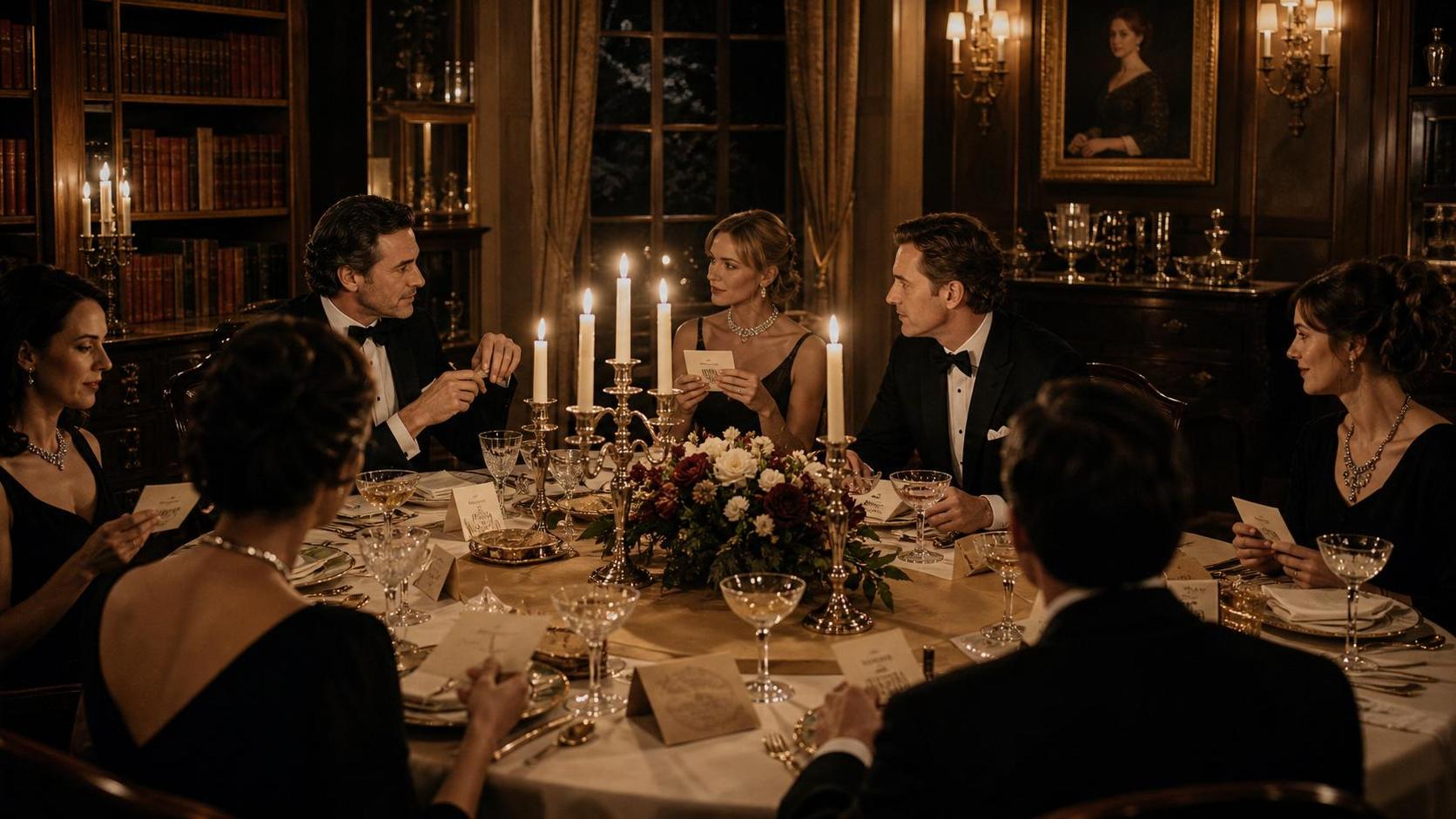

The 11 Days Agatha Christie Vanished Without a Trace
Introduction: The Mystery That Shocked Britain In December 1926, Agatha Christie, already a rising star in British crime fiction, disappeared in a way that seemed torn from the pages of her own novels. For 11 days, the author of The Murder of Roger Ackroyd vanished without explanation, leaving behind a crashed car, a deeply worried family, and a nation desperate for answers. What followed was one of the most sensational missing-person cases in modern British history, blending celebrity, grief, media frenzy, and enduring speculation. A Disappearance That Captivated the Nation Christie was 36 years old when she went missing on the evening of December 3, 1926. At the time, she was not yet the global literary icon she would become, but she was already well known, with several successful detective novels in print. Her sudden disappearance therefore carried unusual public weight. This was not merely a private family crisis; it quickly became a national obsession. Her car was discovered abandoned near Newlands Corner in Surrey, perched awkwardly by a chalk quarry. Inside were personal belongings, including clothes and an expired driving license, details that only deepened the mystery. To many observers, the scene suggested accident, suicide, or even foul play. Because there was no immediate sign of Christie herself, fear spread rapidly. Why the Case Felt So Unsettling The case struck a nerve in Britain for several reasons. First, Christie wrote mysteries centered on hidden motives, false identities, and shocking revelations. The irony of the country’s most promising crime novelist becoming the subject of a real-life mystery was irresistible to newspapers. Second, the disappearance unfolded during a period of intense public fascination with crime reporting. By the 1920s, mass-circulation papers were competing fiercely for dramatic stories, and Christie’s case offered exactly that. A Personal Crisis Behind the Headlines Behind the sensational coverage lay a painful personal backdrop. Earlier that year, Christie’s mother had died, a loss that affected her deeply. At the same time, her marriage to Archibald Christie was under severe strain. Archibald had confessed he was in love with another woman, Nancy Neele, and wanted a divorce. These emotional pressures have led many historians and biographers to view the disappearance not simply as a publicity event, but as the possible result of acute psychological distress. The Scale of the Search The search for Christie became enormous by the standards of the day. Reports indicate that more than 1,000 police officers, along with volunteers, combed the countryside. Bloodhounds were used, and airplanes joined the effort, a relatively novel tactic in 1926. Newspapers published daily updates, while members of the public offered theories ranging from kidnapping to carefully staged revenge. A Mystery That Still Resists Certainty Christie was eventually found alive at the Swan Hydropathic Hotel in Harrogate, registered under the surname Neele. Yet her reappearance solved surprisingly little. She gave no full public explanation, and debate has continued for nearly a century. Was it trauma, calculated disappearance, memory loss, or something in between? That unresolved tension is what transformed the episode from a news story into a lasting cultural mystery. Agatha Christie Before the Disappearance A Rising Literary Star in 1926 Before her mysterious disappearance in December 1926, Agatha Christie was already one of Britain’s most promising crime writers. Born Agatha Mary Clarissa Miller in 1890, she had built a reputation for clever plotting, sharp observation, and memorable detectives. Her first novel, The Mysterious Affair at Styles, was published in 1920 and introduced Hercule Poirot, a character who would become one of the most famous sleuths in literary history. By the mid-1920s, Christie was no longer an aspiring author but a commercially successful one whose books were reaching a wide readership. Her success was measurable as well as critical. The Murder of Roger Ackroyd, published in 1926, became a landmark detective novel and drew major attention for its innovative structure. Many critics still rank it among the greatest mystery novels ever written. At this stage, Christie had already published several novels and a collection of short stories, helping define what later became known as the Golden Age of Detective Fiction. Personal Life Behind the Public Image Despite her growing fame, Christie’s private life was under intense strain. She had married Archibald Christie, a Royal Flying Corps officer, in 1914, and for years they appeared to embody middle-class stability. They had one daughter, Rosalind, born in 1919, and outwardly maintained the image of a respectable English family. Yet by 1926, the marriage was deteriorating rapidly. Archibald had begun an affair with Nancy Neele, and the emotional impact on Christie was severe. This betrayal came during an already painful year. In April 1926, Christie’s mother, Clara Miller, died, and Agatha was deeply affected by the loss. She had been particularly close to her mother, and grief compounded the pressures already building in her domestic life. The combination of bereavement, marital collapse, and professional demands created an extraordinary emotional burden. The Pressure of Success Christie’s career, while flourishing, also brought expectations. Publishing schedules, public attention, and the need to produce more work could be exhausting. Unlike the polished certainty often associated with famous authors, her life at the time was marked by instability. She was balancing motherhood, emotional distress, and a rapidly expanding literary career in a society that offered women limited personal freedom despite changing social norms after World War I. England in the Interwar Years Understanding Christie before the disappearance also means understanding the world around her. Britain in the 1920s was a country recovering from war, adjusting to social change, and fascinated by crime reporting. Newspapers increasingly turned personal drama into national spectacle. Writers, especially successful ones, were becoming public figures in new ways. Christie’s celebrity was not yet at the level she would later achieve, but she was already recognizable enough for her personal troubles to attract attention. A Novelist Shaped by Observation Christie’s fiction reflected her acute awareness of human behavior. During World War I, she had worked as a nurse and later in a dispensary, where she gained knowledge of poisons that enriched her novels with unusual technical accuracy. This practical experience distinguished her from many contemporaries. Before vanishing, she was known not only as a storyteller but as a writer whose mysteries felt convincing because they were grounded in real detail, disciplined structure, and a deep understanding of motive. By late 1926, Agatha Christie stood at a crossroads: professionally triumphant, personally devastated, and living under pressures that would soon erupt into one of literature’s most enduring mysteries. The Troubled Days Leading Up to It A Life Under Pressure By late 1926, Agatha Christie was not simply a successful novelist enjoying the rewards of fame. She was a woman carrying multiple private burdens at once, and those pressures formed the emotional backdrop to her sudden disappearance. To the public, Christie appeared to be thriving. Her detective fiction was gaining a devoted readership, and she had already established herself as one of Britain’s most promising crime writers. Yet behind that growing reputation, her personal life was becoming increasingly strained. The months leading up to the event were marked by grief, exhaustion, and domestic instability. These factors did not exist in isolation. Rather, they compounded one another, creating a period of intense vulnerability. Understanding those troubled days is essential because they reveal that her disappearance did not emerge from nowhere; it came after a sequence of deeply unsettling experiences. The Death of Her Mother One of the most significant blows came earlier that year with the death of Christie’s mother, Clara Miller, in April 1926. Agatha had been deeply attached to her mother, and the loss affected her profoundly. Biographers frequently note that Christie’s grief was not brief or neatly contained. She was emotionally shaken and spent time at Ashfield, the family home in Torquay, sorting through belongings and confronting memories tied to childhood and family identity. Grief often disrupts concentration, sleep, and emotional resilience, and Christie was dealing with all of this while still trying to maintain her writing career and family responsibilities. The death also represented more than bereavement. It marked the end of a stabilizing presence in her life at a moment when other parts of that life were beginning to fracture. Trouble in Her Marriage Archie Christie’s Growing Distance At the same time, her marriage to Archibald Christie was deteriorating. Archie, a Royal Flying Corps veteran and businessman, had become increasingly detached. By 1926, the relationship was under obvious strain, and evidence suggests that he had fallen in love with another woman, Nancy Neele. This affair would become one of the most discussed elements in the story, not only because of its emotional impact on Agatha, but because it sharpened the sense of betrayal and instability surrounding her final days before vanishing. Accounts from the period indicate that arguments between the couple had become more frequent. Archie reportedly wanted a divorce, while Agatha was left to process the collapse of a marriage that had once seemed secure. For a woman already grieving her mother, this emotional upheaval was severe. The Emotional Weight of Public and Private Roles Christie was also navigating conflicting expectations. She was a mother to her young daughter, Rosalind, a public literary figure, and a wife trying to preserve dignity amid marital breakdown. In 1920s Britain, social expectations placed considerable pressure on women to maintain composure and domestic order, even in the face of personal crisis. That cultural context matters. It helps explain why emotional distress could become especially isolating, particularly for someone whose public image suggested control and intelligence. Professional Success, Personal Exhaustion Ironically, this difficult period coincided with professional momentum. Christie had published The Murder of Roger Ackroyd in 1926, a novel that would become one of her most famous works. The book was commercially successful and critically noticed, but literary achievement does not cancel personal suffering. Success can even intensify strain when deadlines, publicity, and expectations continue despite private turmoil. Writing itself may have offered some structure, yet it also demanded mental energy she may have struggled to sustain. Friends and later commentators have described her as tired and emotionally overextended. Modern discussions sometimes frame her condition in terms of a breakdown or dissociative episode, though precise retrospective diagnosis remains speculative. What is clear is that she was under extraordinary psychological pressure. The Final Days Before December 3, 1926 In the immediate lead-up to her disappearance, tensions appear to have reached a breaking point. On December 3, 1926, Archie told Agatha he was leaving for the weekend to spend time with friends, and the couple reportedly argued before he departed. That evening, Christie left her home in Berkshire. Soon afterward, her car was found abandoned near Newlands Corner in Surrey, an eerie discovery that triggered one of the most famous missing-person cases in British history. A Perfect Storm of Circumstances When viewed together, the elements are striking: recent bereavement, marital betrayal, emotional exhaustion, social pressure, and a demanding public career. None alone fully explains what happened next, but collectively they created a perfect storm of distress. The disappearance that followed would captivate newspapers, involve hundreds of police officers and volunteers, and leave behind questions that still fascinate readers and historians today. The Night She Vanished A Quiet Evening Before a National Mystery On the evening of December 3, 1926, Agatha Christie appeared to be living through a period of intense private strain. By then, she was already a successful novelist, yet her personal life had become deeply unsettled. Her mother had died earlier that year, and her husband, Archibald Christie, had told her he wanted a divorce. That combination of grief, exhaustion, and emotional shock formed the backdrop to one of the most famous disappearances in literary history. That night, at the couple’s home in Sunningdale, Berkshire, events unfolded with little sign that they would soon trigger a nationwide search. Accounts suggest there had been tension in the household, particularly over Archie’s relationship with another woman, Nancy Neele. Sometime later in the evening, Christie left the house. She kissed her sleeping daughter, Rosalind, goodbye, got into her car, and drove away into the dark. The Abandoned Car By the following morning, concern had escalated sharply. Christie’s car, a Morris Cowley, was discovered near Newlands Corner in Surrey, perched awkwardly near a chalk quarry. The scene was unsettling. The vehicle appeared abandoned, and inside were personal belongings that made the discovery even more troubling. To investigators and the public alike, the placement of the car suggested the possibility of an accident, suicide attempt, or foul play. The location mattered. Newlands Corner was a dramatic stretch of countryside, and the quarry edge gave the case an immediate air of danger. In the 1920s, when forensic methods were far less advanced than today, physical clues could only reveal so much. The abandoned car therefore became less a solution than a symbol of uncertainty. It was the first hard fact in a case that would quickly become clouded by rumor. A Search That Captivated Britain Public Fascination and Press Frenzy Once news spread that the famous crime writer had vanished, the story exploded across Britain. Newspapers covered every development, often with sensational speculation. Within days, hundreds of police officers, volunteers, and local residents were involved in the search. Reports from the time indicate that aircraft were used to scan the countryside, and search teams combed nearby woods and ponds. Bloodhounds were also brought in, reflecting the seriousness of the effort. The scale of the search was remarkable for the era. Estimates often place the number of people involved in some capacity at over 1,000, a striking figure in 1926. Christie was not yet the global icon she would later become, but she was already famous enough that her disappearance became front-page news. Readers who knew her as the architect of intricate fictional mysteries were suddenly confronted with a real-life puzzle no one could solve. Theories Begin to Multiply As the days passed, theories multiplied rapidly. Some believed Christie had taken her own life. Others suspected she had staged the disappearance to punish her husband or expose his affair. Still others imagined kidnapping or amnesia. The irony was impossible to ignore: the creator of Hercule Poirot had become the center of an investigation worthy of her own novels. What made that first night so haunting was not simply that she left, but that she left behind just enough evidence to provoke endless interpretation. A car near a quarry, a distressed marriage, a famous name, and no clear trail forward turned a private crisis into one of the most enduring literary mysteries of the twentieth century. The Nationwide Search Begins A disappearance that became national news When Agatha Christie vanished in December 1926, what might have remained a private family emergency quickly became a nationwide sensation. Christie was already a well-known author, and her sudden absence transformed the case into one of the most closely followed missing-person investigations in Britain. She left her home in Berkshire on the evening of 3 December, and by the next morning concern had escalated sharply. Her abandoned car, discovered near Newlands Corner in Surrey, suggested the possibility of an accident, suicide, or foul play. With few clear clues and a public figure at the center of the mystery, authorities faced intense pressure to act fast. The timing also helped fuel public fascination. Britain in the 1920s had a vigorous newspaper culture, and Christie’s fame meant editors recognized the story’s dramatic potential immediately. Reports spread rapidly across regional and national papers, turning the search into more than a police matter. It became a public event, discussed in homes, railway stations, and city streets. The fact that the missing woman was a novelist celebrated for plotting disappearances and murders only deepened the intrigue. Police, volunteers, and mounting urgency As the hours passed, the response widened dramatically. Local police began the formal investigation, but the scale of the operation soon expanded beyond routine procedure. Search teams combed the countryside around the abandoned vehicle, focusing on nearby chalk pits, ponds, woods, and footpaths. Officers questioned residents, checked travel routes, and tried to reconstruct Christie’s final known movements. Because her car appeared to have been left in suspicious circumstances, investigators could not rule out self-harm or criminal involvement. The scale of the search effort The search became one of the most remarkable manhunts of the era. Contemporary reports indicate that hundreds of police officers and volunteers joined the effort, while tracking dogs were brought in to examine the area. Aircraft were also used, a striking detail in 1926, when aviation was still relatively novel in policing. This made the operation feel modern, urgent, and unusually large for a missing-person case. Public participation added to the intensity, with civilians arriving to help scan open land and waterways. Newspapers described scenes of organized searching that resembled a military exercise. Lines of people moved across fields, while investigators examined discarded items and possible traces near the car. Yet despite the manpower and publicity, no decisive evidence emerged in those early days. That absence of progress only heightened anxiety. In many disappearances, a lack of clues narrows possibilities; in Christie’s case, it multiplied them. Media speculation and public imagination The press did not simply report the search; it actively shaped how the public understood it. Some papers treated the event as a tragedy in progress, while others leaned into sensationalism. Rumors circulated freely. Was Christie depressed after personal difficulties, including her mother’s death earlier that year and her husband Archie’s request for a divorce? Had she staged her disappearance deliberately? Or had someone taken advantage of her vulnerability? Why the case captivated Britain Several factors made the story irresistible. Christie was not merely famous; she was associated with mystery itself. Readers who knew her as the creator of intricate plots naturally searched for hidden meanings in every development. Her abandoned car seemed like a clue from one of her own novels. The public, primed by fiction and newspaper drama, began interpreting the real event through the lens of suspense. This fascination was reflected in the sheer breadth of coverage. National newspapers ran frequent updates, and the case became one of the dominant stories of the week. The search also attracted notable figures. Sir Arthur Conan Doyle, creator of Sherlock Holmes, reportedly became involved by taking one of Christie’s gloves to a spiritual medium in hopes of gaining insight. That extraordinary detail illustrates how uncertain and emotionally charged the situation had become. A mystery deepens before any answer appears As day followed day without resolution, the search entered a more troubling phase. Investigators had visibility, manpower, and public attention, yet still lacked a coherent explanation. Every new theory seemed plausible for a moment and then collapsed under scrutiny. The country watched as the case shifted from urgent search to enduring mystery. What made this stage so significant was not only the effort invested, but the way it exposed the limits of early twentieth-century investigation. Even with widespread publicity and substantial resources, a missing person could still seem to vanish completely. In Christie’s case, the nationwide search did more than try to find her; it created the legend of her disappearance, ensuring that the eleven missing days would be remembered not simply as an absence, but as one of Britain’s most baffling public mysteries. How the Press Turned It Into a Sensation A Missing Novelist Becomes Front-Page News When Agatha Christie disappeared in December 1926, the story might have remained a troubling private crisis. Instead, the press transformed it into a national obsession. Christie was already a recognized author, and her growing fame made her absence instantly newsworthy. Newspapers understood that a missing crime writer offered a perfect storm of intrigue: celebrity, mystery, domestic drama, and the unsettling possibility of real-life tragedy mirroring fiction. Britain’s newspaper industry in the 1920s was fiercely competitive, with mass-circulation dailies battling for readers through dramatic headlines and serialized updates. Christie’s disappearance unfolded in exactly the way editors prized. Her abandoned car was found near a chalk quarry in Surrey, her whereabouts were unknown, and no clear explanation emerged. That uncertainty gave journalists room to speculate, embellish, and sustain public fascination day after day. Why the Story Captivated Readers The press quickly recognized that this was not simply a missing-person case. It was the disappearance of the woman who wrote ingenious mysteries, which gave every development an irresistible layer of irony. Readers were invited to imagine that Christie had somehow staged her own vanishing, fallen victim to foul play, or become trapped in a melodrama worthy of one of her novels. Celebrity, Suspense, and Scandal Part of the story’s power came from Christie’s personal circumstances. Reports soon drew attention to her troubled marriage to Archie Christie, who had asked for a divorce and was involved with another woman, Nancy Neele. That detail shifted coverage from straightforward reporting into the realm of scandal. Newspapers increasingly framed the disappearance through emotional conflict, suggesting betrayal, heartbreak, and revenge. Even Christie’s registration at the Swan Hydropathic Hotel under the surname “Neele” seemed to confirm the press’s appetite for symbolic detail. This combination of celebrity status, marital distress, and unexplained absence made the case unusually marketable. The public was not only concerned; it was entertained, shocked, and invited to speculate. The Machinery of Sensational Coverage Newspapers amplified the event through repetition and escalation. Daily updates turned the search into a serialized drama. Reports described police efforts, volunteer search parties, and public sightings with breathless urgency. At one stage, hundreds of police officers and thousands of volunteers were said to be involved, while bloodhounds and even aircraft were used in the search, details that made the operation feel modern and cinematic. Speculation Outpaces Evidence Much of the coverage blurred the line between fact and conjecture. Some papers hinted at suicide. Others implied murder. Still others suggested a calculated publicity stunt. Because confirmed information was limited, speculation became a product in itself. Every rumor could be printed, discussed, and expanded into a fresh angle. The result was a feedback loop: intense coverage increased public curiosity, and public curiosity justified even more coverage. Christie’s disappearance became one of the first modern media frenzies surrounding an author, demonstrating how quickly a personal crisis could be reshaped into mass entertainment. Public Reaction and Cultural Impact The press did more than report the event; it helped create its mythology. Readers followed the case as though it were a serialized detective story, and that framing has endured for nearly a century. Even after Christie was found alive eleven days later, confusion over her motives ensured that the sensational narrative survived. The newspapers had already fixed the episode in the public imagination as one of literary history’s most extraordinary disappearances. Theories About Why She Disappeared Agatha Christie’s eleven-day disappearance in December 1926 remains one of literary history’s most debated mysteries. Because she was already a known novelist and because the circumstances were so dramatic, the case quickly inspired intense public speculation. Her abandoned car was found near Newlands Corner in Surrey, while Christie herself was later discovered staying at the Swan Hydropathic Hotel in Harrogate under the name Teresa Neele, the surname of her husband Archie Christie’s lover. That single detail fueled decades of argument about motive, memory, and intent. The Emotional Breakdown Theory One of the most widely accepted explanations is that Christie suffered a severe emotional and psychological collapse. In 1926, she endured a series of personal blows. Her mother, Clara Miller, had died earlier that year, and Christie was deeply affected by the loss. At the same time, her marriage was unraveling. Archie Christie had asked for a divorce and was involved with Nancy Neele. Friends and biographers have often pointed to this combination of grief, betrayal, and exhaustion as a plausible trigger. Grief, Stress, and Public Pressure By the mid-1920s, Christie was also managing the demands of literary fame. Although she had not yet become the global publishing phenomenon she would later be, she was already successful and working under pressure. Modern psychologists often note that acute stress can impair memory, judgment, and behavior, especially when layered on top of bereavement and marital trauma. In that context, her disappearance may have been less a calculated act and more a crisis point. Some scholars suggest she entered what would now be described as a dissociative state. Reports from the time indicated that when she was found, she appeared confused and claimed not to recognize herself in newspaper photographs. While retrospective diagnosis is always uncertain, the breakdown theory remains persuasive because it aligns with the known facts of her life in late 1926. The Dissociative Fugue Explanation A more specific version of the breakdown theory is the idea that Christie experienced a dissociative fugue, a rare condition involving sudden travel, confusion about identity, and partial or complete memory loss. This explanation gained traction because of the unusual details surrounding her stay in Harrogate. She checked into the hotel, participated in social activities, and seemed outwardly composed, yet later maintained she had no memory of the episode. What Makes the Fugue Theory Compelling The fugue theory helps explain the apparent contradiction between organized behavior and claimed amnesia. People in such states can appear functional while acting under severe psychological disturbance. Christie’s use of the name Neele complicates the picture, however. Critics argue that choosing the surname of her husband’s lover seems too pointed to be unconscious. Supporters counter that traumatic fixation can surface in fragmented, symbolic ways, making the name entirely consistent with mental distress rather than deliberate planning. Medical understanding in the 1920s was limited, and contemporary accounts were shaped by sensational journalism. Even so, the fugue explanation has endured because it offers a framework that is both medically plausible and emotionally coherent. The Publicity Stunt Theory Another long-standing theory is that Christie engineered the disappearance as a publicity stunt. The argument is straightforward: a famous crime writer vanishes, newspapers erupt, and book sales benefit. Given Christie’s profession, some observers found it irresistible to imagine that she had staged a real-life mystery worthy of her fiction. Why Many Historians Doubt It Despite its popularity, this theory has significant weaknesses. First, there is little evidence that Christie was the kind of self-promoter who would welcome such chaos. More importantly, the disappearance caused a massive police search involving hundreds of officers, volunteers, and even aircraft, an extraordinary measure for the era. The scandal also exposed her daughter Rosalind to distress and damaged Christie’s privacy. These consequences seem disproportionate if the goal was merely publicity. Biographers have also noted that Christie rarely discussed the incident afterward and omitted it from her autobiography. That silence suggests shame, pain, or confusion more than satisfaction with a successful publicity scheme. The Revenge Against Archie Theory Some commentators believe the disappearance was a deliberate act aimed at punishing Archie Christie. By vanishing and leaving behind an abandoned car, she may have intended to create suspicion, guilt, or public embarrassment for her husband. The use of the surname Neele appears central to this interpretation, as if she were forcing Archie’s affair into the spotlight. Circumstantial Support for Revenge This theory has emotional logic. Archie had told her he wanted to spend the weekend with Nancy Neele, and Christie disappeared shortly afterward. In a society deeply concerned with reputation, any implication that a husband’s infidelity had driven his wife to harm herself could be socially devastating. Some researchers therefore see the disappearance as a dramatic, if reckless, gesture of retaliation. Yet the revenge theory also raises questions. If Christie’s goal was to frame or humiliate Archie, she chose a method that endangered herself and invited uncontrolled consequences. That makes pure revenge seem too simple, though it may still have been one element within a larger emotional crisis. The Suicidal Intent Theory A darker interpretation holds that Christie initially intended self-harm. Her abandoned car near a chalk quarry and the emotional turmoil of the period have led some to suspect suicidal thoughts. In this reading, the disappearance began as an act of despair but shifted when she survived, changed course, or entered a dissociative state. There is no definitive proof of suicidal intent, and many historians treat this theory cautiously. Still, it persists because the physical setting and timing were so ominous. Rather than standing alone, it is often considered alongside the breakdown or fugue explanations, reflecting how overlapping motives may have shaped one of the twentieth century’s most enduring literary mysteries. Where Christie Was Found The Discovery at the Swan Hydropathic Hotel After 11 days of intense public anxiety, Agatha Christie was finally found on 14 December 1926 at the Swan Hydropathic Hotel in Harrogate, Yorkshire, a fashionable spa town known for its therapeutic waters and genteel atmosphere. She had checked in under the name Mrs. Teresa Neele, a surname that immediately drew later attention because it matched that of her husband Archie Christie’s romantic partner, Nancy Neele. At the time, however, hotel staff saw nothing especially suspicious in a quiet, well-dressed woman seeking rest. The discovery came after one of the largest missing-person searches Britain had yet seen. By then, thousands of volunteers, police officers, and journalists had become involved in the case. Her abandoned car had been found near Newlands Corner in Surrey, and speculation had ranged from accident and suicide to murder and deliberate disappearance. The fact that she was eventually located not in a remote hideaway but in a busy hotel dining, reading newspapers, and attending social activities made the revelation even more startling. How She Was Recognized Christie was not immediately identified by authorities. Instead, recognition came through ordinary observation. Reports indicate that musicians at the hotel, along with other guests, noticed that the woman called Mrs. Neele bore a striking resemblance to the famous novelist whose disappearance dominated national headlines. One hotel musician is often credited with alerting management after seeing her and connecting her face to newspaper photographs. Publicity Helped Solve the Mystery The case had received extraordinary media coverage, which played a direct role in her identification. Christie was already a successful crime writer in 1926, though not yet the global literary institution she would become. Even so, her name and image had circulated widely enough that members of the public could recognize her. This level of publicity was unusual for the period and demonstrated the growing power of mass newspapers in shaping national attention. When Archie Christie arrived at the hotel, he confirmed her identity. Accounts differ slightly on her demeanor, but many suggest she appeared detached or confused. Some later reports claimed she did not seem to recognize her husband immediately, a detail that fed theories of amnesia, emotional trauma, or psychological dissociation. What She Was Doing in Harrogate At Harrogate, Christie reportedly participated in hotel life with surprising normalcy. She took meals in the dining room, listened to music, read newspapers, and may even have danced. This behavior puzzled both investigators and the public because it contrasted sharply with the dramatic search underway elsewhere. To many observers, it seemed impossible that someone at the center of a national emergency could remain in such plain sight. A Setting of Comfort and Anonymity The Swan Hydropathic Hotel offered exactly the kind of environment where a distressed person might disappear socially without vanishing physically. Spa hotels attracted transient guests, and privacy was easier to maintain than in one’s home community. In that sense, Harrogate was not random. It was respectable, comfortable, and anonymous enough to shelter someone seeking escape from unbearable personal strain. Her discovery ended the search, but it did not end the questions. In many ways, finding Christie in Harrogate only deepened the mystery surrounding why she vanished in the first place. Her Silence and the Lasting Questions A Refusal That Shaped the Mystery One of the most enduring aspects of Agatha Christie’s 1926 disappearance is what she chose not to say afterward. When she was found after 11 days at the Swan Hydropathic Hotel in Harrogate, registered under the surname of her husband’s lover, many expected a clear explanation. Instead, Christie remained largely silent in public, and that silence transformed a strange personal crisis into one of literary history’s most debated mysteries. Her reluctance to discuss the episode was not a minor detail. It became central to the story itself. Public curiosity had already been intense during the search, which involved hundreds of police officers, volunteers, and widespread newspaper coverage. Some reports estimate that more than 1,000 police officers and 15,000 volunteers participated in the effort, showing just how extraordinary the case had become in Britain at the time. Why Her Silence Matters Christie’s refusal to provide a definitive account left room for multiple interpretations. Without a direct statement from the person at the center of the event, biographers, historians, and readers have had to rely on fragmented evidence, including witness accounts, medical opinions, family recollections, and press reports. That has kept the disappearance alive not simply as a historical incident, but as an unresolved puzzle. Competing Explanations Several theories continue to dominate discussion. One suggests Christie experienced dissociative amnesia, possibly triggered by severe emotional strain. In 1926, she had suffered the recent death of her mother and the collapse of her marriage to Archie Christie. Modern psychological perspectives often point to trauma as a possible factor in sudden memory disruption, though retrospective diagnosis is always uncertain. Another interpretation argues that the disappearance may have been a deliberate retreat, whether for emotional escape, private protest, or exhaustion. A more skeptical theory proposes that it was, at least in part, a calculated act. Yet this view is harder to prove, especially because no decisive evidence shows Christie orchestrated the enormous public response that followed. The Role of Reputation and Privacy Christie’s silence may also reflect the social pressures of her era. In the 1920s, public discussion of mental health, marital betrayal, and emotional breakdown was far more constrained than it is today. For a woman already becoming a prominent author, preserving dignity may have mattered as much as explaining facts. Silence, in that context, could be a form of self-protection. A Mystery That Mirrors Her Fiction There is a striking irony in the fact that the creator of intricate detective plots left behind a real-life mystery with no satisfying final reveal. Readers naturally search for clues, motives, and hidden meanings because Christie trained them to do exactly that in her fiction. Her disappearance invites the same habits of interpretation that made her novels famous. What Remains Unanswered The lasting questions are simple but powerful: Did she truly forget who she was? Did she intend to vanish, or only to flee unbearable circumstances for a short time? Did she later remain silent because she could not explain the episode, or because she would not? Those unanswered questions continue to give the case its haunting power, ensuring that Christie’s brief disappearance remains almost as compelling as the stories she wrote. How the Case Shaped Her Legacy A Mystery That Rewrote Public Perception Agatha Christie was already a successful novelist before her 1926 disappearance, but the case transformed her from a popular writer into a figure of near-mythic fascination. The eleven days during which she vanished without explanation created a real-life mystery that seemed to mirror the plots of her own fiction. Newspapers across Britain covered the story intensely, and the public followed every development with unusual emotional investment. At the time, Christie had published several detective novels, yet this episode attached her name not only to crime writing, but to mystery itself. The scale of the search was remarkable for the era. Hundreds of police officers, volunteers, and civilians joined efforts to locate her, while press coverage spread nationally and internationally. That level of attention helped cement Christie as more than an author on a bookshelf. She became a cultural subject, someone whose personal life was discussed almost as avidly as her novels. In modern terms, the disappearance functioned like a defining media event, one that permanently expanded her public profile. The Tension Between Privacy and Fame A Life Story She Refused to Fully Explain One reason the case endured in public memory is that Christie never offered a full, satisfying explanation. In her autobiography, she largely skipped over the disappearance, a silence that encouraged speculation for decades. Some biographers have pointed to emotional trauma, depression, and the collapse of her marriage to Archie Christie as likely contributing factors. Her mother had died earlier that year, and her husband had revealed he was in love with another woman. These details gave the event a human context, but not a definitive answer. That refusal, whether intentional or protective, shaped her legacy in a profound way. Christie preserved control over her narrative by withholding it. As a result, readers and scholars have continued to debate whether the disappearance was caused by psychological distress, dissociative amnesia, deliberate retreat, or some combination of pressures. The uncertainty kept the story alive and made Christie herself seem as elusive as any character she created. Influence on Her Literary Reputation The Author Who Lived a Puzzle The disappearance also influenced how audiences interpreted her work. Christie’s novels were admired for their precision, misdirection, and understanding of hidden motives. After 1926, many readers viewed those qualities through the lens of her own unexplained absence. Her life appeared to validate the atmosphere of secrecy and emotional complexity found in books like The Murder of Roger Ackroyd and later works featuring Hercule Poirot and Miss Marple. Importantly, the case did not damage her long-term reputation as some scandals might have. Instead, it deepened her mystique. Christie went on to become the best-selling novelist in history, with estimated sales of more than two billion copies worldwide. That extraordinary reach rests on literary achievement, but the disappearance added a layer of legend that few authors ever acquire. It ensured that Agatha Christie would be remembered not only as the Queen of Crime, but as one of literature’s most intriguing enigmas. Conclusion: A Mystery Christie Never Solved for the Public The Silence That Deepened the Legend Agatha Christie’s disappearance remains compelling not because it ended in permanent tragedy, but because it ended in silence. After eleven days missing in December 1926, she was found alive at the Swan Hydropathic Hotel in Harrogate, registered under the surname of her husband’s mistress. Newspapers had covered the case intensely, with thousands of volunteers searching and an estimated 1,000 police officers involved at various stages. Yet the woman at the center of the storm never offered the public a full, definitive explanation. A Case Closed Officially, but Not Emotionally Why the Questions Never Went Away Doctors suggested memory loss, while others suspected emotional shock brought on by grief, exhaustion, and the collapse of her marriage. Critics at the time accused Christie of staging the event, but no conclusive evidence ever proved deliberate deception. Her car, abandoned near a chalk quarry, only fueled speculation. Every known fact seemed to answer one question while creating another. What makes the episode endure is that Christie, a writer famous for constructing airtight endings, left this chapter of her own life unresolved. In her autobiography, she discussed difficult periods of her life but did not directly explain the disappearance in satisfying detail. That omission has invited nearly a century of theories, from fugue state to calculated retreat. The Public Mystery Versus the Private Pain For readers, historians, and biographers, the case stands at the intersection of celebrity, trauma, and media fascination. It reminds us that even one of the world’s greatest mystery writers could not control every narrative surrounding her life. The eleven missing days became part of the Christie mythos precisely because the final clue was never shared, and perhaps never fully understood even by Christie herself. FAQ: Common Questions About Agatha Christie's 11-Day Disappearance What happened when Agatha Christie disappeared? In December 1926, Agatha Christie vanished for 11 days, creating one of the most famous literary mysteries in modern history. On the evening of December 3, Christie left her home in Berkshire, England, after what biographers describe as a period of intense emotional strain. The next morning, her car, a Morris Cowley, was found abandoned near Newlands Corner in Surrey. Inside were personal belongings, which immediately raised fears of an accident, suicide, or foul play. At the time, Christie was already a successful crime writer, though she had not yet become the global icon she is today. Her disappearance quickly became front-page news across Britain. Newspapers followed every development, and the case drew extraordinary public attention. Reports from the period indicate that hundreds of police officers, volunteers, and local residents joined the search. Aircraft and search dogs were also used, making it one of the most high-profile missing-person investigations of the era. Why did her disappearance attract so much attention? The case fascinated the public for several reasons. First, Christie was a well-known novelist whose stories centered on secrets, deception, and sudden revelations. The irony that a mystery writer had herself become the subject of a real-life mystery was impossible for the press to ignore. Second, the circumstances were dramatic. An abandoned car near a chalk quarry suggested danger, and the lack of immediate clues encouraged widespread speculation. There was also a strong human-interest element. Christie’s personal life was under strain at the time. Her mother had died earlier in 1926, and her husband, Archie Christie, had asked for a divorce and was involved with another woman, Nancy Neele. These facts fueled public curiosity and gave the story emotional weight beyond a routine police case. Where was Agatha Christie found? Christie was eventually found on December 14, 1926, at the Swan Hydropathic Hotel in Harrogate, a spa town in North Yorkshire. She had checked in under the name “Mrs. Teresa Neele,” a detail that has generated decades of debate because Neele was the surname of her husband’s lover. Hotel staff and guests reportedly did not recognize her immediately, even though her disappearance was widely covered in newspapers. Her identification came after her husband was alerted and traveled to Harrogate. By then, Christie had been staying at the hotel for several days, reading newspapers, dining, and attending dances. This ordinary behavior only deepened the mystery, because it seemed at odds with the frantic national search taking place elsewhere. Did Agatha Christie really have amnesia? The most commonly cited explanation is that Christie experienced amnesia or a dissociative state brought on by severe emotional distress. Contemporary medical understanding was limited, and later interpretations vary. Some biographers accept that she suffered a genuine psychological episode, especially given the combined impact of grief, marital breakdown, and exhaustion. Others remain skeptical, arguing that the evidence is inconclusive. What is clear is that Christie herself never publicly offered a detailed account of those 11 days. Her autobiography, published decades later, does not explain the disappearance. That silence has allowed the amnesia theory to persist without definitive confirmation or rejection. How do historians interpret the evidence? Most modern scholars avoid absolute claims. Instead, they note that the disappearance likely reflected a complex mental and emotional crisis rather than a simple, calculated stunt. The fact that she traveled, registered at a hotel, and maintained a routine does not automatically disprove memory disturbance. Psychological responses to trauma can be inconsistent and difficult to reconstruct, especially from incomplete records. Was it a publicity stunt? This is one of the most frequently asked questions, but many experts consider a deliberate publicity stunt unlikely. Christie was known to be personally reserved, and the disappearance caused significant distress to her family and damaged her private life. While the event undeniably increased public awareness of her name, there is little strong evidence that she engineered it for promotion. Why does the theory persist? The theory survives because the story is so theatrical. A crime novelist disappears, leaves behind an abandoned car, and reappears in a hotel under a suspicious name. It resembles fiction so closely that many readers assume intentional design. Yet real life often appears dramatic in hindsight, especially when filtered through sensational press coverage. Did the disappearance affect her career? In the long term, Christie’s literary career not only survived but flourished. She went on to become one of the best-selling authors in history, with estimated sales of more than two billion copies worldwide. Her works, including Murder on the Orient Express, The Murder of Roger Ackroyd, and And Then There Were None, secured her lasting reputation. Still, the 1926 disappearance remained a defining part of her public image. It introduced a layer of mystery around Christie herself, ensuring that discussions of her life often extend beyond her novels and into the unresolved questions surrounding those 11 days.
Learn more
Murder Mystery Costume Ideas for Every Character
Introduction to Murder Mystery Costumes Murder mystery parties thrive on atmosphere, and costumes are one of the fastest ways to create it. Before a single clue is revealed, clothing signals status, motive, personality, and even possible guilt. A well-chosen outfit helps guests step into character, making the game more immersive and memorable. Whether the setting is a glamorous 1920s manor, a noir-inspired city lounge, or a Victorian estate, the right costume anchors the entire experience and gives every participant a stronger sense of role. Why Costumes Matter in a Murder Mystery Unlike ordinary party attire, murder mystery costumes do more than look stylish. They function as visual storytelling tools. A sharply tailored suit can suggest wealth or authority, while a feathered headband, long gloves, or antique brooch can instantly place a character in a specific era. According to event planners in themed entertainment, guests who dress in character are typically more engaged in roleplay because costumes reduce self-consciousness and encourage interaction. When people look the part, they are more likely to act the part. Balancing Theme, Character, and Comfort The best costume choices combine authenticity with practicality. Guests should aim for outfits that reflect the event’s setting while still allowing them to move, mingle, and participate comfortably for several hours. A detective might wear a trench coat and fedora, while a socialite could choose a satin gown with dramatic jewelry. These recognizable details make characters easier to identify and help the story unfold naturally. Small Details Make a Big Difference Accessories often carry as much impact as the main outfit. Pocket watches, gloves, canes, pearls, suspenders, and vintage-style shoes can transform simple clothing into a convincing ensemble. Even color choices matter. Dark tones may suggest secrecy or menace, while rich jewel tones can imply luxury and influence. A costume does not need to be expensive to be effective; thoughtful styling often creates a stronger impression than elaborate spending. Setting Expectations for the Rest of the Party An introduction to murder mystery costumes should also reassure readers that participation can be as simple or as theatrical as they prefer. Some guests enjoy full period dress, while others build a character with a few signature pieces. Both approaches work when they support the story. The goal is not perfection but immersion, helping every guest feel like an essential suspect, witness, or investigator in the unfolding drama. Choosing a Character and Theme Selecting the right persona is the foundation of a memorable murder mystery costume. Before thinking about fabrics, props, or makeup, it helps to decide who you want to be and what kind of mystery world you want to step into. A strong character choice makes every other costume decision easier, from color palette to accessories to the way you carry yourself throughout the event. Start With the Mystery Setting The first step is choosing a theme that matches the atmosphere of the party. Murder mystery events often revolve around a specific era or setting, and that context shapes the most convincing costume ideas. A 1920s speakeasy mystery calls for flapper dresses, pinstripe suits, feathered headbands, and polished shoes. By contrast, a Victorian manor storyline leans toward lace, waistcoats, brooches, gloves, and darker, more formal silhouettes. Theme matters because it creates visual consistency. According to event planning surveys, guests are more likely to participate fully when the dress code is clear and immersive. A cohesive theme helps everyone feel part of the same story, which improves the overall experience and makes group photos look far more dramatic and polished. Match the Character to Your Personality Once the setting is clear, choose a role that feels fun and natural to play. Some guests enjoy being the suspicious detective, while others prefer the glamorous socialite, mysterious widow, butler, mob boss, or eccentric inventor. Picking a character that suits your comfort level can make roleplaying much easier. If you like commanding attention, a wealthy host or theatrical villain may be ideal. If you prefer subtle interaction, a quiet witness or observant investigator can be just as effective. Balancing Style and Practicality A great costume should look impressive without becoming uncomfortable after an hour. Long capes, heavy wigs, or restrictive shoes may fit the character, but they can also limit movement and distract from the fun. The best murder mystery costumes combine visual impact with wearability. For example, a detective outfit can be as simple as a trench coat, tie, notebook, and hat, while still being instantly recognizable. Use Visual Clues to Define the Role Strong costume design relies on recognizable details. Color, texture, and accessories all communicate something about the character before you even speak. Dark tones often suggest secrecy or authority, while jewel tones can imply wealth and confidence. Props such as magnifying glasses, gloves, pearls, pocket watches, or faux dossiers add depth and help other guests identify your role quickly. Creating a Backstory Through Costume Even small details can suggest a larger narrative. A torn glove, a crooked tie, or a lipstick-stained handkerchief can hint at scandal, panic, or hidden motives. These visual clues are especially effective in murder mystery settings because they encourage conversation and speculation. A costume becomes more engaging when it tells part of the story, giving other players something to notice, question, and remember as the night unfolds. Classic Detective Costume Ideas The Enduring Appeal of the Detective Look A classic detective costume remains one of the most recognizable choices for a murder mystery party because it instantly signals curiosity, intelligence, and authority. Inspired by literary icons, film noir investigators, and vintage police sleuths, this style works across decades and settings. Whether the event is set in Victorian London, the roaring 1920s, or a smoky mid-century crime scene, a detective outfit can be adapted with only a few key pieces. That flexibility makes it especially useful for guests who want a costume that feels polished without being overly complicated. The most familiar version draws from Sherlock Holmes-inspired fashion. A tweed coat, structured cape, or long overcoat creates the right silhouette, while a deerstalker hat adds unmistakable character. Pairing these with neutral trousers, leather gloves, and sturdy boots gives the costume a practical, investigative feel. Texture matters as much as color, so wool, herringbone, plaid, and brushed cotton all help create an authentic period effect. Building the Signature Detective Style A strong detective costume usually starts with outerwear. Trench coats are especially effective because they are linked to generations of fictional investigators, from hard-boiled private eyes to modern crime solvers. Beige, charcoal, brown, and dark olive are dependable color choices because they look serious and photograph well in low light. Underneath, a crisp button-down shirt, waistcoat, or tie can sharpen the appearance and suggest a methodical personality. Accessories help transform basic clothing into a convincing character. A magnifying glass is the most iconic prop, though a notebook, pocket watch, or old-fashioned camera can also support the role. If the party encourages theatrical details, a pipe prop or leather satchel can reinforce the vintage atmosphere. Small additions often do more than expensive costume pieces, especially when they align with the detective’s backstory. Hair, Makeup, and Character Details Grooming can subtly define the type of detective being portrayed. Sleek hair and a neat mustache suggest a disciplined investigator, while tousled hair and faint under-eye shading create the impression of a brilliant but overworked sleuth. Makeup should remain understated unless the party has a dramatic noir theme. In that case, stronger contouring and darker eye definition can heighten the cinematic effect. Variations for Different Mystery Themes Not every detective costume needs to look identical. A Victorian detective benefits from layered tailoring, patterned fabrics, and antique-style accessories. A 1920s investigator may wear a fedora, suspenders, and a double-breasted coat, echoing the era’s urban sophistication. A 1940s noir detective often leans on a trench coat, muted tie, and polished shoes, creating a look associated with classic crime cinema. Making the Costume Feel Personal The best detective costumes include a hint of personality. A guest might play a meticulous inspector who labels every clue, a rebellious private investigator with a rumpled coat, or a glamorous sleuth with tailored gloves and sharp jewelry. According to the British Fashion Council, heritage fabrics like tweed and wool remain enduring staples in period-inspired styling, which explains why they continue to anchor detective costumes so effectively. By combining recognizable symbols with era-specific details, guests can create a detective look that feels both authentic and memorable. Suspect Costume Ideas Building a Believable Suspect Look A great suspect costume should do more than look stylish; it should instantly suggest motive, mystery, and personality. In a murder mystery party, suspects are often the most scrutinized characters, so their outfits need visual clues that spark conversation. The best suspect costumes balance theatrical flair with recognizable archetypes, making it easy for other guests to read the role at a glance. A polished look can also help players stay in character longer, which strengthens the overall experience of the game. When choosing a suspect costume, start by thinking about the character’s social position, era, and possible connection to the victim. A wealthy heir, a jealous spouse, and a shady business partner may all be suspects, but each should project a different kind of tension. Clothing color matters as well. Dark jewel tones, black, burgundy, emerald, and navy often create a dramatic effect, while sharp tailoring or vintage silhouettes can suggest status and hidden secrets. Accessories should never feel random; they should hint at a backstory. Classic Suspect Archetypes The Wealthy Socialite The wealthy socialite remains one of the most popular suspect types because the costume is both glamorous and suspicious. Think satin gowns, faux fur stoles, long gloves, pearls, and a carefully styled hairstyle. For men, a tuxedo, pocket square, polished shoes, and a signet ring create the same effect. This archetype works especially well in 1920s, 1930s, or modern high-society mystery themes. Luxury in costume design often implies power, and in mystery storytelling, power naturally raises suspicion. A socialite suspect should appear immaculate, but not approachable. The outfit should communicate that the character is used to privilege and may have much to lose. A champagne glass prop, dramatic red lipstick, or a jeweled brooch can become useful visual details that other players remember during the game. The Mysterious Stranger The mysterious stranger is effective because ambiguity creates instant intrigue. A trench coat, dark hat, leather gloves, and understated formalwear can turn a simple costume into a compelling suspect look. In period settings, a long wool coat and scarf can suggest someone who arrived unexpectedly with unfinished business. In contemporary settings, monochrome clothing and sleek accessories create a similarly guarded impression. This character benefits from restraint. Instead of overloading the costume, focus on silhouette and mood. Hidden eyes behind tinted glasses or a hat brim can make the suspect seem evasive. Guests often respond strongly to costumes that leave room for interpretation, and that uncertainty is ideal in a murder mystery setting. Details That Strengthen Suspicion Fabric, Color, and Texture Texture can subtly shape how a suspect is perceived. Velvet suggests old money and drama, lace can imply romance or manipulation, and leather often signals danger or rebellion. Combining textures adds depth without requiring a complicated costume. For example, a velvet blazer over a crisp white shirt creates a refined but slightly intimidating look. According to event styling trends, tactile fabrics consistently perform well in themed parties because they photograph better and help costumes feel more immersive. Color psychology also plays a role. Red may imply passion, anger, or scandal. Black often conveys secrecy and authority. Deep green can suggest greed, while white can be used ironically to make a suspect appear innocent. Strategic color choices help communicate character before a single word is spoken. Props and Character Signals Props can transform a standard outfit into a memorable suspect costume. A cane, vintage watch, sealed letter, opera gloves, cigarette holder, or monogrammed handkerchief can all suggest hidden relationships and possible motives. The key is to choose one or two props that support the role rather than distract from it. A suspect carrying too many items may look more comedic than convincing. Small details are often the most persuasive. A lipstick stain on a collar, a torn cuff, or a missing glove can imply recent conflict. These visual cues encourage interaction because other players notice them and begin asking questions. That makes the costume part of the gameplay, not just decoration. Adapting Suspect Costumes to Party Themes Different mystery themes call for different suspect styling. In a Roaring Twenties setting, fringe dresses, pinstripe suits, feathered headbands, and Art Deco jewelry fit naturally. In a Victorian mystery, high collars, brocade waistcoats, cameo brooches, and tailored coats create the right atmosphere. For a modern mansion mystery, sleek cocktail wear, designer-inspired accessories, and sharp evening suits feel appropriate. The most successful suspect costumes are those that match the event’s tone while still standing out. A suspect should look like they belong in the story, yet seem impossible to ignore. That combination keeps the character visually credible and dramatically compelling, giving every accusation, glance, and alibi more impact as the mystery unfolds. Victim Costume Ideas Creating a Memorable Victim Look In any murder mystery party, the victim is often the character that sets the entire plot in motion. A well-designed victim costume should feel believable, visually distinctive, and connected to the story’s setting. Whether the mystery takes place in a 1920s mansion, a modern corporate retreat, or a spooky Halloween gathering, the victim’s outfit should instantly communicate who they were before the dramatic downfall. Strong costume choices help guests understand the character’s role and make the mystery more immersive from the start. A victim costume does not need to be overly complicated. In fact, many effective looks are built from familiar clothing styles with a few carefully chosen details. A glamorous dress with a torn hem, a tuxedo with a suspicious stain, or a lab coat with dramatic accessories can all work well. The key is to balance theatrical flair with the tone of the event. Popular Victim Costume Themes One of the most common victim ideas is the wealthy socialite. This look works especially well for formal mystery dinners because it suggests status, secrets, and possible motives. Think elegant eveningwear, sparkling jewelry, and polished hair, paired with a detail that hints at the crime, such as a broken necklace or smudged makeup. This type of costume immediately creates intrigue and gives other characters plenty to react to. Classic Character Types Another strong option is the powerful business executive. A tailored suit, expensive watch, and sleek shoes create an image of authority, while a loosened tie or damaged briefcase can suggest the chaos surrounding the character’s final moments. This theme fits modern murder mystery settings and can be adapted for both men and women. The eccentric inventor is another favorite, especially in playful or theatrical mysteries. Goggles, a vest, unusual props, and slightly disheveled styling can make the character visually memorable. This kind of victim often adds humor and originality to the party while still serving the central plot. Details That Sell the Costume Makeup, Props, and Story Clues Small details often make the biggest impact. Makeup can be used to create a pale complexion, dramatic shadows, or subtle injury effects without becoming too graphic. Props such as a diary, champagne glass, invitation, or key can also reinforce the victim’s identity and suggest hidden relationships. According to event planners, themed accessories often improve guest engagement because they provide visual clues that spark conversation. When choosing a victim costume, it helps to consider the character’s backstory, social position, and connections to the suspects. The best victim costumes do more than look dramatic; they support storytelling and encourage guests to dive deeper into the mystery as the party unfolds. Host and Butler Costume Ideas Creating a Distinctive Host Look In a murder mystery party, the host character often sets the tone before the first clue is even revealed. A strong host costume should communicate authority, polish, and a touch of theatrical flair. Classic inspiration usually comes from wealthy estate owners, elegant dinner party organizers, or charismatic socialites from the 1920s through the 1950s. A well-tailored tuxedo, velvet smoking jacket, or dark formal suit instantly signals status and sophistication. Pairing this with a crisp white shirt, cufflinks, and polished dress shoes helps create a convincing period-inspired appearance. Accessories That Elevate the Role Small details make the host costume feel intentional rather than generic. A pocket watch, silk bow tie, signet ring, or folded pocket square can add visual richness without overwhelming the outfit. If the mystery has a vintage setting, a cane or cigarette holder can reinforce the era. For a modern wealthy host, sleek watches and minimalist formalwear may work better. Color also matters. Deep black, burgundy, navy, and emerald often project luxury, while gold accents suggest old-money elegance. Butler Costumes That Feel Authentic The butler is one of the most recognizable roles in any murder mystery, and the costume should reflect discipline, discretion, and professionalism. Traditionally, a butler outfit includes a black tailcoat or formal jacket, black trousers, a white dress shirt, and a black bow tie. In many classic depictions, the butler may also wear white gloves, which immediately make the role more visually identifiable. The goal is to create a look that appears neat, controlled, and slightly understated, since butlers are often written as observant characters who notice more than they say. Practical Styling for Comfort and Character Because murder mystery parties can last several hours, comfort is just as important as accuracy. Breathable fabrics and properly fitted shoes can make a major difference, especially if the person playing the butler is serving drinks, greeting guests, or staying in character throughout the event. A serving tray, notepad, or faux silver platter can function as both prop and costume enhancer. These additions help guests recognize the role instantly and can even support interactive storytelling during the game. Matching the Costume to the Story Setting The best host and butler costumes reflect the event’s setting. A Victorian manor mystery calls for more formal, old-fashioned attire, while a roaring twenties party may favor tuxedos with satin lapels and art deco accessories. In a contemporary mansion mystery, the host might wear designer eveningwear, while the butler could appear in a streamlined hospitality uniform. According to event planning surveys, themed costumes can increase guest participation by over 60%, largely because clothing helps players step into character faster and interact more confidently. Balancing Stereotype and Originality While familiar costume cues are useful, adding a unique twist makes the character memorable. A host with dramatic jewelry or a butler with an impeccably pressed red vest can stand out without breaking the theme. The most effective costumes combine recognizable archetypes with personal details that invite suspicion, curiosity, and conversation. Glamorous Socialite Looks Defining the Glamorous Socialite Aesthetic A glamorous socialite costume captures the polished confidence of someone who lives at the center of every party, charity gala, and whispered scandal. In a murder mystery setting, this character instantly adds intrigue because their appearance suggests wealth, influence, and carefully curated charm. The look should feel luxurious without becoming costume-shop generic. Think of old Hollywood elegance blended with modern high-society polish, where every detail appears intentional and expensive. The foundation of this style usually begins with a dramatic evening outfit. A floor-length satin gown, a sleek cocktail dress, or a fitted velvet ensemble can all work beautifully depending on the tone of the event. Rich colors such as black, emerald, ruby, champagne, and navy tend to communicate sophistication more effectively than neon shades. Fabrics matter just as much as color, since satin, silk, sequins, and velvet reflect light in a way that immediately signals glamour. Signature Fashion Elements Accessories are what transform a nice formal outfit into a believable socialite costume. Statement jewelry is essential, whether that means chandelier earrings, layered pearl strands, a sparkling cuff bracelet, or an oversized cocktail ring. Faux diamonds photograph especially well under party lighting, making them a practical choice for themed events. A structured clutch, long gloves, or a faux fur stole can add even more drama and help establish the character before they say a word. Hair, Makeup, and Presence Hair and makeup should look refined rather than casual. Soft waves, a sleek bun, or a glossy blowout all fit the role. Makeup can lean bold, with red lipstick, winged eyeliner, highlighted cheekbones, and defined brows creating a camera-ready finish. The goal is to appear as though the character expects attention at all times. Confidence is part of the costume, so posture, poise, and deliberate gestures help sell the illusion. Building Character Through Details A glamorous socialite becomes even more compelling when the outfit hints at personality. A vintage brooch might suggest old money, while a trend-forward metallic dress could imply a younger, publicity-savvy heiress. If the murder mystery has a 1920s theme, add Art Deco jewelry and a beaded gown. For a 1950s setting, consider a cinched-waist dress with opera gloves. In a contemporary storyline, a designer-inspired jumpsuit paired with oversized sunglasses can feel equally convincing. Props That Elevate the Look Props can deepen the character without overwhelming the costume. A champagne flute, invitation card, silk scarf, or monogrammed clutch suggests someone accustomed to exclusive spaces. Even a fake tabloid clipping or dramatic pair of sunglasses can imply hidden secrets beneath the polished exterior. These additions work especially well in murder mystery games, where visual storytelling helps other guests immediately understand the role and suspect motives. The best glamorous socialite looks balance elegance, theatricality, and character-driven detail, making them ideal for players who want to stand out while staying perfectly in theme. Gangster and Noir Character Outfits Defining the Noir Look Gangster and noir costumes remain popular in murder mystery parties because they instantly signal danger, glamour, and secrecy. Rooted in 1920s through 1950s crime films, these outfits blend sharp tailoring with dramatic accessories, helping guests step into roles that feel cinematic and easy to recognize. A well-built noir costume does more than look stylish; it establishes status, motive, and personality before a single line of dialogue is spoken. For men, the classic gangster silhouette usually starts with a dark or pinstripe suit, often in black, charcoal, or deep navy. Wide lapels, suspenders, polished dress shoes, and a crisp white shirt create the foundation. A fedora is almost essential, since it became one of the most enduring visual markers of organized crime characters in American pop culture. Adding a pocket watch, tie bar, or leather gloves can make the outfit feel more authentic without becoming overly theatrical. Building a Female Noir Ensemble Women’s gangster and noir-inspired outfits often combine elegance with an undercurrent of menace. A satin dress, fitted pencil skirt, or tailored jumpsuit in black, burgundy, emerald, or silver can evoke the smoky atmosphere of classic detective films. Faux fur stoles, elbow-length gloves, and vintage-inspired heels add sophistication, while a small clutch or cigarette holder prop reinforces the period mood. Hair, Makeup, and Attitude Hair and makeup are crucial to selling the noir aesthetic. Finger waves, victory rolls, or sleek side parts work especially well, depending on the era being referenced. Makeup should feel dramatic but controlled, with defined brows, winged eyeliner, and deep red lipstick being reliable choices. The goal is not simply to look glamorous, but to project mystery and confidence, which are central to many femme fatale and nightclub singer characters. Accessories That Tell a Story The best gangster and noir costumes use accessories to suggest a backstory. A detective-style trench coat may imply surveillance or hidden loyalties, while a violin case, fake stack of cash, or costume jewelry can hint at criminal dealings. Props should remain lightweight and party-safe, but they can still communicate a lot about a character’s role in the mystery. Below is a quick reference for pairing costume elements with common archetypes: Character Type Key Clothing Pieces Signature Accessories Mob Boss Pinstripe suit, vest, fedora Pocket watch, cigar prop, cane Femme Fatale Satin dress, gloves, heels Clutch, pearls, faux fur stole Private Detective Trench coat, suit, tie Notebook, hat, magnifying glass Nightclub Singer Sequined gown, shawl Long necklace, microphone prop Balancing Style and Practicality A successful outfit should be visually striking while still comfortable enough for several hours of socializing, dining, and clue-solving. Breathable fabrics, secure footwear, and layers that can be removed are practical choices, especially for indoor events. Thrift stores and vintage-inspired retailers are excellent sources, and many effective looks can be assembled without high cost. In fact, combining modern basics with a few period-defining accessories often creates a more believable costume than relying on a single novelty set. Making the Character Memorable To stand out, guests should align clothing with behavior. A mob enforcer in a neat double-breasted suit may speak little but command attention, while a jazz club owner in a shimmering dress may appear charming yet unreadable. Costume becomes most effective when it supports performance, helping every entrance, glance, and accusation feel more immersive for everyone involved. Historical Murder Mystery Costumes Why historical settings elevate the mystery A historical murder mystery instantly adds atmosphere, intrigue, and visual richness to any party. Costumes inspired by past eras help guests step into character more easily, whether they are portraying a suspicious Victorian widow, a sharp-tongued 1920s socialite, or a brooding aristocrat from the Edwardian period. The appeal lies in the details: structured silhouettes, dramatic accessories, and fabrics that signal status, profession, or hidden motives. Because murder mystery games rely on storytelling, historical clothing becomes more than decoration; it acts as a clue to personality, class, and possible secrets. From a practical standpoint, historical themes are also popular because they are recognizable. According to museum and fashion archive references, the Victorian era spanned 1837 to 1901, while the Edwardian period followed from 1901 to 1910, and the Roaring Twenties covered the decade after World War I. Each era offers a distinct look, making it easier for guests to identify roles and immerse themselves in the setting. Victorian costumes: drama and suspicion Victorian murder mystery costumes are especially effective because the era itself is associated with foggy streets, candlelit estates, and strict social rules. Women’s outfits often feature long skirts, high necklines, lace gloves, cameo brooches, and fitted bodices. Men can wear waistcoats, frock coats, pocket watches, and polished boots. Dark jewel tones, black velvet, and deep burgundy work particularly well for creating a moody, suspicious appearance. Character ideas within the Victorian theme A governess costume can suggest quiet intelligence and hidden knowledge, while a wealthy heiress in satin and pearls may appear glamorous but guarded. A detective-inspired look, complete with a tailored coat and notebook, gives a guest a built-in role in the unfolding mystery. Historical accuracy does not need to be perfect, but a few signature pieces can make the costume convincing and memorable. Edwardian elegance with underlying tension Edwardian fashion softens some of the heaviness of the Victorian period while maintaining a refined, upper-class image. This makes it ideal for manor-house murder mysteries or train-based plots. Women’s costumes may include flowing skirts, elaborate hats, and delicate blouses, while men can wear morning suits, cravats, or military-inspired formalwear. The result is polished and elegant, yet still full of dramatic potential. Using accessories to signal character Accessories are often what transform a generic period outfit into a compelling murder mystery costume. A monocle may hint at arrogance, a lace parasol can suggest social status, and a pair of leather gloves might imply secrecy. Small visual cues help other players read the character instantly, which strengthens the game experience. 1920s historical mystery style The 1920s remain one of the most requested murder mystery themes, largely because the fashion is both iconic and accessible. Flapper dresses, feathered headbands, tuxedos, suspenders, and two-tone shoes immediately evoke jazz-age glamour. This era also suits a wide range of character types, from nightclub singers to bootleggers and ambitious detectives. Blending authenticity with comfort For modern parties, comfort matters. Choosing lightweight fabrics, low-heeled period shoes, and simplified layers allows guests to stay in character without feeling restricted. A historically inspired costume should feel expressive rather than theatrical, helping every guest participate fully in the mystery. Funny and Lighthearted Character Ideas Not every murder mystery party needs a cast filled with brooding detectives and sinister aristocrats. Funny and lighthearted characters can energize the room, break tension, and make guests more comfortable improvising. In fact, party planners often find that comedic roles help quieter attendees participate, because humor lowers the pressure to perform perfectly. Within a murder mystery costume lineup, these characters add color, unpredictability, and memorable interactions. Why Comedic Characters Work So Well A well-placed humorous role creates contrast. When every guest is overly serious, the event can feel stiff. By comparison, a flamboyant gossip, an overly dramatic psychic, or a clueless socialite gives the story texture. Comedy also encourages conversation, which is essential in a mystery format where clues, motives, and suspicions need to circulate naturally. Hosts can use these roles to balance darker themes. For example, a bumbling magician who insists every problem can be solved with a card trick offers comic relief while still fitting the theatrical atmosphere. Likewise, a self-proclaimed inventor wearing mismatched gadgets can become an instant talking point. Costume Ideas That Instantly Signal Humor The Overconfident Amateur Detective This character works especially well because they believe they are the smartest person in the room while missing obvious clues. A trench coat, oversized magnifying glass, notebook, and exaggerated mustache immediately communicate the joke. The humor comes from attitude as much as costume, so dramatic accusations and wild theories complete the look. The Eccentric Fortune Teller Flowing scarves, costume jewelry, layered fabrics, and a crystal ball prop make this role visually striking. The character can deliver absurd predictions, hint at secrets, and misread nearly every situation. This type of role is useful because it blends comedy with plot development. The Chaotic Party Host A frazzled host character in an overly formal outfit can be hilarious, especially if they are constantly trying to maintain elegance while everything falls apart. Stained gloves, crooked bow ties, or a sash that reads “Perfect Host” can heighten the effect. Keeping the Tone Playful Without Losing the Mystery The best funny characters still serve the story. Their costumes should be amusing, but not so distracting that they derail the game. A strong comedic character supports the mystery through interaction, whether by spreading rumors, misdirecting suspicion, or revealing clues in ridiculous ways. When chosen carefully, these roles make the party feel lively, approachable, and far more entertaining for every guest. Group Costume Coordination Tips Start with the Story and Cast A memorable group look begins with a shared narrative. In a murder mystery setting, costumes work best when every outfit clearly supports a role, such as detective, heiress, butler, jazz singer, mob boss, or suspicious guest. Before anyone shops, define the event’s era and tone. A 1920s speakeasy mystery calls for fringe, pinstripes, pearls, and fedoras, while a Victorian manor theme leans toward lace, waistcoats, gloves, and darker palettes. When the group agrees on a time period first, the costumes feel intentional rather than random. Build Visual Cohesion Without Looking Identical Coordination does not mean matching exactly. The strongest group costumes usually share two or three unifying elements, such as color palette, fabric texture, or accessory style. For example, one group might use black, burgundy, and gold across every character, while another may tie everyone together with vintage hats or dramatic gloves. This approach keeps each person distinct while making the ensemble look polished in photos. Use Character Hierarchy Wisely Not every costume should demand equal attention. Main characters, such as the detective or victim, can wear more visually striking pieces, while supporting roles use subtler styling. This creates balance and helps guests quickly understand who is who. In themed events, visual clarity matters because people often make first impressions in under seven seconds, so recognizable costume cues are especially useful. Plan Practical Details Early Comfort and logistics are often overlooked, yet they strongly affect how successful a group costume feels throughout the event. Make sure footwear suits the venue, layers work for the temperature, and props are easy to carry. A cane, notebook, magnifying glass, or faux jewelry can elevate a look, but oversized props may become inconvenient after an hour. If the party includes dinner, dancing, or games, costumes should allow people to sit, move, and interact naturally. Coordinate Through a Shared Reference Board A simple digital mood board can prevent mismatched interpretations. Collect reference images, fabric ideas, and accessory examples in one place so everyone understands the target aesthetic. This is especially helpful for larger groups, where small inconsistencies can weaken the overall effect. Assigning one person to review final outfit photos before the event can also improve consistency without making the process complicated. Balance Budget, Creativity, and Accuracy Great group costumes do not require expensive purchases. Thrifted blazers, costume jewelry, suspenders, and vintage-inspired dresses can create convincing results at a fraction of retail cost. Focus spending on high-visibility details like hats, wigs, makeup, or statement accessories, since these elements often communicate character fastest. DIY Costume Accessories and Props Why Accessories Matter In a murder mystery ensemble, accessories and props often define the character more clearly than the clothing itself. A simple black dress can become a 1920s socialite look with a beaded headband, long gloves, and a faux pearl necklace. Likewise, a plain suit transforms into a detective costume when paired with a fedora, notebook, and magnifying glass. These details help guests recognize roles instantly and make the overall presentation feel intentional rather than improvised. Budget-Friendly DIY Ideas Creating memorable costume pieces does not require expensive materials. Many effective props can be made from household items, thrifted finds, or craft store basics. Cardboard, spray paint, felt, ribbon, and costume jewelry are especially versatile. For example, a “vintage” cigarette holder can be crafted from a paper straw painted black and tipped with silver tape, while an old brooch can add authenticity to an aristocratic or theatrical character. Character-Specific Prop Inspiration For detective characters, focus on practical-looking items. A small notepad, toy badge, or folded newspaper instantly suggests investigation. For glamorous suspects, consider feather boas, costume rings, and embellished clutch bags. Villainous or mysterious characters benefit from props such as lace masks, dark gloves, or ornate canes. If the theme leans historical, details like pocket watches or cameo-style jewelry can reinforce the era. Props should support the story without overwhelming the costume. Making Props Look Convincing The most successful DIY accessories share one trait: visual consistency. If your murder mystery party has a Victorian setting, bright plastic pieces can break the illusion. Painting modern items in metallic gold, matte black, or antique bronze helps them appear more believable. Fabric trims, faux gems, and weathering techniques using diluted brown paint can also create an aged effect. Even inexpensive materials can look polished when colors and textures match the character’s world. Safety and Practicality Props should be lightweight, easy to carry, and safe in crowded party spaces. Avoid sharp edges, heavy materials, or anything that could stain clothing. Toy weapons, if used, should be clearly fake and party-appropriate. Comfort matters too, especially for events lasting several hours. A prop that is easy to hold and instantly recognizable will always be more effective than one that is elaborate but awkward. Finishing Touches That Elevate the Look Small finishing touches often make the strongest impression. A handwritten invitation tucked into a pocket, a monogrammed handkerchief, or a fake clue card can add personality and encourage roleplay. These subtle DIY additions help transform a costume from decorative to immersive, making each character feel like part of a living mystery. Budget-Friendly Costume Planning Start with the Character, Not the Shopping Cart A convincing murder mystery look does not require a premium budget. The smartest approach is to define the character’s role, era, and personality before buying anything. A strict detective, glamorous heiress, shady bartender, or eccentric inventor can each be built from everyday basics when the visual cues are clear. This prevents overspending on random accessories that do not strengthen the costume. Build Around Closet Staples Most budget-friendly costumes begin with clothing already on hand. A black blazer can become a detective’s jacket, a white button-down can suit a butler or suspect, and a long dress can transform into vintage evening wear with the right styling. According to consumer spending surveys, seasonal costume purchases often rise because shoppers buy complete outfits instead of adapting existing pieces. Repurposing what you own first is usually the biggest money saver. Use Accessories for Instant Character Signals Accessories do the heavy lifting. A thrifted brooch, costume pearls, suspenders, gloves, or a pocket watch can quickly communicate status and backstory. Even low-cost props such as a notebook, magnifying glass, feathered headband, or faux cigar can make a simple outfit feel intentional. Focus on one or two recognizable details rather than buying a full set of themed items. Shop Strategically Thrift stores, resale apps, discount retailers, and party supply shops are often better sources than specialty costume stores. Prices for secondhand blazers, vests, and hats are frequently far lower, especially outside October. If planning for a group, coordinate a shared color palette or era so everyone looks cohesive without matching exactly. Prioritize Fit and Presentation Even inexpensive costumes look polished when they fit well and are neatly styled. Steam wrinkled fabrics, polish shoes, and use simple makeup or hairstyling to complete the illusion. Presentation often matters more than price, especially in character-driven events like murder mystery parties. Conclusion: Bringing the Mystery to Life Turning Costumes into Character A great murder mystery party succeeds when costumes do more than look stylish; they communicate personality, motive, and era at a glance. Whether guests arrive as a sharp-eyed detective, a glamorous heiress, a suspicious butler, or a shadowy villain, the right outfit helps everyone step confidently into the story. Clothing choices, accessories, and small theatrical details can transform a simple gathering into an immersive experience that feels far more memorable than an ordinary themed event. Why Details Matter The most effective costume ideas balance creativity with recognizability. A trench coat and notebook instantly suggest an investigator, while pearls, velvet gloves, or a dramatic cape can establish status, secrecy, or danger. According to event planners, themed parties with strong visual participation often generate higher guest engagement because attendees feel more involved in the narrative. Even modest additions, such as vintage hats, costume jewelry, fake mustaches, or prop magnifying glasses, can create a stronger sense of play without requiring a large budget. Creating a Cohesive Mystery Atmosphere When every character has a distinct look, the entire party setting becomes richer and more believable. Coordinated costumes help guests interact more naturally, spark conversation, and support the suspense that makes murder mystery events so entertaining. From classic noir to roaring twenties drama, the best costume choices set the stage for unforgettable accusations, clever alibis, and surprising reveals. FAQ: Murder Mystery Costume Questions How accurate should a murder mystery costume be? A strong costume should be recognizable, comfortable, and appropriate for the event’s setting. Absolute historical accuracy is not always necessary unless the party has a strict theme, such as a 1920s speakeasy or Victorian manor. In most cases, guests respond best to outfits that clearly signal character type through silhouette, color, and accessories. For example, a detective often reads instantly with a trench coat, notebook, and polished shoes, even without museum-level period detail. Can you build a great look on a budget? Yes, and many memorable costumes are assembled from existing wardrobe pieces. Thrift stores, costume rental shops, and simple accessory upgrades can create a polished result for far less than buying a full outfit. Accessories do much of the storytelling. A string of pearls, leather gloves, pocket watch, feathered headband, or faux magnifying glass can transform basic clothing into a character-driven ensemble. What if you do not want to dress in full costume? A subtle approach works well, especially for first-time players or workplace events. Choose one or two signature elements that suggest the role without becoming theatrical. A dark suit with a vintage tie can imply a suspicious heir, while a sleek black dress with dramatic jewelry can suggest a glamorous socialite. The goal is to support immersion while still feeling confident and comfortable throughout the evening.
Learn more
Murder Mystery Dinner in a Castle: Nobility, Secrets and a Deadly Plot
Introduction to a Castle Murder Mystery Dinner A murder mystery dinner in a castle combines immersive theater, social gaming, and fine dining into one unforgettable evening. Set against stone halls, candlelit chambers, and centuries-old architecture, the experience invites guests to step into a world of aristocratic intrigue where every glance, whisper, and toast may hide a clue. Unlike a standard dinner party, this format turns attendees into active participants in a dramatic storyline shaped by secrets, motives, and a carefully timed fictional crime. Why the Castle Setting Changes Everything The setting is more than decoration. A castle naturally creates atmosphere through its scale, history, and sense of isolation. Research in event psychology consistently shows that environment strongly influences emotional engagement, and themed venues can significantly increase participant immersion. In a murder mystery dinner, that immersion matters because guests are not simply watching events unfold; they are helping drive them. High ceilings, echoing corridors, and historic dining rooms make the narrative feel immediate and believable in ways a conventional venue rarely can. A Perfect Match for Nobility and Suspicion Castle murder mysteries often draw on themes of inheritance, political rivalry, forbidden romance, and family scandal. These elements fit seamlessly with the image of nobility, where power and reputation carry enormous weight. A missing will, a disputed title, or a hidden betrayal becomes more compelling when staged in a grand ancestral home. The result is a setting where elegance and danger coexist, giving every interaction dramatic tension. What Guests Can Expect Most castle murder mystery dinners begin with character introductions, either assigned in advance or revealed on arrival. Guests may play nobles, servants, investigators, or outsiders with questionable intentions. Over several courses, the plot unfolds through scripted scenes, improvised conversations, planted evidence, and surprise revelations. Some events are highly structured, while others allow broader roleplay and deduction. Dining, Drama, and Participation Food remains an essential part of the experience, but it supports the story rather than interrupting it. A formal banquet can become the stage for accusations, alliances, and shocking discoveries. In many professionally produced events, groups receive clue packets, private objectives, or hidden background details that shape how they interact. This blend of performance and participation is what makes the format so memorable: every guest has the chance to influence the evening while trying to uncover who committed the crime, why it happened, and which secrets are still waiting to surface. Why Castles Make the Perfect Setting Atmosphere Built for Suspense A castle offers something few modern venues can match: instant atmosphere. Thick stone walls, echoing corridors, candlelit chambers, and towering gates create a setting that feels naturally dramatic before a single character speaks. For a murder mystery dinner, that atmosphere matters because the environment shapes how guests feel. In a castle, every creak of a floorboard and flicker of torchlight can heighten tension and make even ordinary interactions seem loaded with meaning. Historically, castles were designed for defense, privacy, and displays of power. Many European castles date from the 11th to the 16th centuries, and their architecture reflects a world of political intrigue, shifting alliances, and guarded secrets. That historical reality makes the setting especially believable for a plot involving betrayal, inheritance disputes, hidden motives, and suspicious deaths. Guests do not need to stretch their imagination very far; the location already suggests danger and deception. A Natural Home for Noble Characters Status, hierarchy, and conflict Castles are inseparable from ideas of rank and privilege, which makes them ideal for stories centered on nobles, servants, and ambitious outsiders. A murder mystery thrives on conflicting interests, and a castle naturally brings those interests together under one roof. A lord may be protecting a title, a widow may be guarding a family secret, and a guest may be seeking influence or revenge. The social structure of castle life gives every character a plausible reason to hide information or manipulate others. This setting also supports richer roleplay. Guests can easily step into the identities of dukes, ladies, advisors, heirs, or household staff because the castle provides visual and historical cues that reinforce those roles. Costumes, formal dining traditions, and ceremonial spaces all help participants feel immersed in the story rather than merely observing it. Architecture That Supports the Plot Rooms with storytelling power A castle is not just visually impressive; it is structurally useful for mystery writing. Great halls, private chambers, towers, libraries, kitchens, and hidden passages allow scenes to unfold in varied and memorable ways. A confrontation in a banquet hall feels very different from a whispered confession in a chapel corridor. That variety keeps the narrative dynamic and gives hosts multiple opportunities to stage clues, red herrings, and dramatic reveals. Many castles also contain genuine historical features that enhance authenticity. Spiral staircases, enclosed courtyards, and restricted servant routes can all be woven into the logic of the crime. If a suspect claims they could not have reached a chamber in time, the layout itself becomes part of the investigation. The Emotional Impact on Guests More than almost any other venue, a castle creates immersive emotional stakes. Guests feel transported into another era, and that sense of removal from everyday life encourages participation. Instead of simply attending dinner, they enter a world where etiquette, suspicion, and survival matter. That transformation is what makes a castle setting so powerful for a murder mystery: it turns the evening into an experience that feels grand, intimate, and deliciously dangerous at once. The Noble World of Lords and Ladies Rank, Title, and Social Power In a castle-set murder mystery, the world of lords and ladies provides more than elegant costumes and refined manners; it creates a social structure packed with tension, privilege, and hidden rivalry. Historically, the British peerage was divided into five principal ranks: duke, marquess, earl, viscount, and baron. Below them stood the landed gentry, knights, clergy, military officers, and influential merchants, all of whom might appear at a noble household for dinner, negotiation, or scandal. Each title carried expectations about wealth, land, marriage, and loyalty, making every introduction politically charged. A lord was not simply a wealthy man. He was often a landholder with legal influence, tenant relationships, and family obligations stretching back generations. A lady, likewise, was not merely decorative. Noblewomen managed estates, arranged alliances, supervised servants, and protected family reputation. In many periods, especially when husbands were absent due to war, politics, or travel, women of rank exercised substantial practical authority within the household. Life Inside the Castle Ceremony and Routine Daily life among the nobility balanced luxury with strict order. Meals were formal, seating reflected status, and even conversation followed unwritten rules. In great houses and castles, the noble family occupied private chambers, while servants worked through corridors, kitchens, and back staircases largely unseen. This separation of spaces created ideal conditions for secrecy, overheard conversations, and carefully concealed movements. A medieval or aristocratic household could include dozens of servants, from stewards and housekeepers to valets, maids, cooks, and footmen. By the 19th century, some major aristocratic homes employed 20 to 40 indoor servants, while the largest estates had far more when outdoor staff were included. Such a hierarchy meant that power did not rest only with titled figures. A butler who knew everyone’s habits or a lady’s maid who handled private letters could become crucial to any mystery. Appearance and Expectation Clothing signaled rank immediately. Fine fabrics, jewelry, gloves, and tailored evening dress marked wealth, but they also acted as armor in a world obsessed with appearances. Nobility were expected to remain composed, even under pressure. A trembling hand at dinner or a delayed reply to a direct question could attract dangerous attention. Secrets Beneath the Polished Surface The noble world was built on reputation, and reputation was fragile. Marriages often involved property, inheritance, and political advantage as much as affection. A hidden debt, an illegitimate heir, a forged will, or a forbidden romance could threaten an entire family line. Under systems of primogeniture, estates frequently passed to the eldest son, leaving younger siblings dependent on marriage, military careers, or family favor. That pressure naturally bred jealousy. Why Nobility Fits a Murder Mystery Motive in Every Chamber A castle full of aristocrats is the perfect setting because everyone has something to protect. One guest may fear social ruin, another financial collapse, and another exposure of a decades-old betrayal. Status raises the stakes. When power, inheritance, and public honor are on the line, even a polite dinner conversation can feel like a duel. The result is a setting where elegance and danger exist side by side. Behind every toast, title, and practiced smile lies the possibility that someone in the great hall has far more to lose than they admit. Building the Deadly Plot Designing a Mystery That Feels Inevitable A memorable murder mystery dinner in a castle depends on a plot that is both surprising and believable. Guests should feel, by the final reveal, that the crime could only have unfolded this way. In a noble setting filled with inherited titles, rival estates, and whispered scandals, the strongest plots grow from motive rather than spectacle. A poisoned goblet, a missing signet ring, or a locked tower chamber can create drama, but these devices matter only when tied to human ambition, fear, jealousy, or revenge. In historical-style mysteries, the most effective structure often follows a classic three-layer design. The first layer is the public story, such as a celebration, engagement banquet, or inheritance announcement. The second layer is the hidden conflict, perhaps a disputed lineage, unpaid wartime debt, or secret political alliance. The third layer is the murder itself, which erupts when the hidden conflict threatens to become public. This layered approach gives every conversation weight, because even casual remarks may conceal dangerous stakes. Establishing Motive in a Noble Household In a castle setting, motive should emerge naturally from the pressures of rank and reputation. Aristocratic families were historically shaped by property law, arranged marriages, and succession disputes, making them ideal foundations for fictional intrigue. Before the murder occurs, the host should establish what each major character stands to gain or lose. A widowed duchess may fear financial ruin. A younger son may resent being excluded from inheritance. A steward may know enough secrets to destroy the family name. The Most Effective Motive Types The most compelling motives usually combine personal emotion with material consequence. Jealousy alone can feel thin, but jealousy tied to a title, estate, or political advantage becomes far more convincing. Revenge is similarly stronger when rooted in a specific injustice, such as a ruined marriage contract or a false accusation years earlier. Greed, blackmail, and self-preservation also work well because they create urgency. In interactive dinner mysteries, urgency is essential; if characters can simply wait until tomorrow, the plot loses tension. A useful benchmark is to ensure that at least three suspects have credible motives. This prevents the mystery from feeling predetermined. Readers and players engage more deeply when suspicion can move logically from one person to another as new information appears. Planting Clues Without Revealing Too Much A deadly plot succeeds when clues are visible in hindsight but not obvious in the moment. This balance is difficult, yet it is what separates a satisfying mystery from a random twist. Studies of reader engagement in crime fiction consistently show that audiences value fair-play clues, meaning the solution is discoverable from information already presented. For a dinner event, that means clues should be woven into dialogue, props, seating arrangements, and character behavior. Using the Castle as an Active Part of the Plot The castle should function as more than a backdrop. Its architecture can shape the investigation and deepen suspense. A medieval fortress may contain narrow staircases, servant passages, private chapels, and drafty galleries where overheard conversations become plausible. A Victorian castle-inspired manor might feature libraries, conservatories, and portrait halls that hide letters or coded messages. Physical space creates opportunity: who had access to the tower, who knew the hidden corridor, and who could move unseen during the feast? Environmental Clues That Strengthen Suspense Weather and isolation can heighten the plot without overwhelming it. A storm that cuts off the road, a failed lantern in the west wing, or a locked gate after midnight all increase pressure. These details work because they limit escape and force confrontation. They also reinforce one of the genre’s most effective principles: the suspects must remain together long enough for secrets to surface. Balancing Red Herrings and Real Evidence Red herrings are essential, but they must arise from character truth. A countess hiding love letters, a chaplain concealing gambling debts, or a captain lying about his whereabouts can all appear guilty without being the killer. The key is that false leads should reveal meaningful information, not waste attention. Even when a clue misdirects, it should deepen the world, expose relationships, or sharpen motive. A well-built deadly plot turns every secret into pressure. By the time the murder is uncovered, guests should feel that the castle was never merely hosting a dinner; it was containing an explosion waiting for a single fatal spark. Creating Unforgettable Characters A murder mystery dinner set in a castle lives or dies by its cast. Atmosphere may draw guests in, but characters make them care. In a story built on suspicion, shifting loyalties, and hidden motives, memorable personalities turn a simple whodunit into an immersive experience. When every guest suspects the countess, fears the steward, or pities the disgraced heir, the evening gains emotional texture that lingers long after dessert. Why Character Matters in a Castle Mystery In a noble setting, characters carry the weight of tradition, status, and scandal. A castle is never just a backdrop; it is a machine that amplifies personality. The lord of the estate may feel entitled to obedience, while a lady’s maid may know more than anyone because she moves unseen through private chambers. Social hierarchy creates instant tension, and tension is the engine of mystery. Strong characters also help players navigate the plot. Research in interactive storytelling consistently shows that audiences remember motives and relationships more clearly than isolated clues. If guests understand who resented the victim, who stood to inherit land, and who feared exposure, they become more invested in solving the crime. Character, then, is not decoration. It is structure. Building Distinct Roles The most effective mystery casts balance recognizable archetypes with surprising depth. Guests enjoy stepping into roles they can quickly understand, but they remember the ones that reveal unexpected layers. A duke can begin as arrogant and end up heartbreakingly protective. A quiet librarian can appear harmless yet hold the key to a decades-old betrayal. Give Every Character Three Essential Elements Each role should have a visible identity, a private desire, and a dangerous secret. The visible identity is what everyone sees at first glance: the ambitious nephew, the stern housekeeper, the charming military officer. The private desire gives the character momentum, whether that is love, revenge, money, or freedom. The dangerous secret raises the stakes and gives the player something to protect. For example, a bishop attending the dinner may appear morally upright, privately crave political influence, and secretly know that the victim forged family records. That combination creates conflict without requiring pages of exposition. Players can perform the role immediately while still discovering complexity as the night unfolds. Using Noble Tropes Without Becoming Predictable Castle mysteries benefit from familiar figures such as heirs, widows, servants, and visiting dignitaries. These roles fit the setting and help guests enter the story quickly. However, predictability weakens suspense. The answer is not to avoid tropes, but to twist them intelligently. Add Contradictions That Feel Human An unforgettable character contains friction. The feared baron might be deeply superstitious. The glamorous widow may be drowning in debt. The loyal butler could despise the family he serves. Contradictions make characters believable because real people are rarely consistent. They also create excellent red herrings, since guests often misread behavior that does not fit a stereotype. Historical inspiration can help here. In aristocratic households of the 18th and 19th centuries, inheritance disputes, arranged marriages, and political alliances often shaped private life as much as affection did. Bringing those pressures into character design makes motives feel grounded rather than melodramatic. Writing Dialogue That Reveals Character Dialogue should do more than deliver clues. It should express rank, education, temperament, and emotional control. A countess may speak in polished, indirect phrases, while a stable master is blunt and observant. Distinct voices help guests remember who is who, especially in larger groups of 8 to 20 players, a common size for hosted mystery dinners. Let Information Hide Inside Personality Instead of having a character plainly announce facts, let those facts emerge through attitude. A jealous cousin does not say, “I was excluded from the will.” He says, “My uncle always preferred prettier, weaker people.” The information is there, but it arrives wrapped in resentment. That emotional framing makes the clue more memorable and the character more vivid. Connecting Characters Through Secrets The best mystery ensembles are webs, not lines. Every major character should connect to at least two others through history, obligation, romance, rivalry, or blackmail. This creates a living social map that players can explore. If the chef once served in the army with the colonel, and the colonel knows the maid is the earl’s illegitimate daughter, the story gains momentum through revelation. A useful design principle is to ensure that no secret exists in isolation. Every hidden truth should threaten someone else. That is how a deadly plot feels inevitable rather than accidental, and how a castle full of nobles becomes a stage for unforgettable suspicion. Secrets, Motives and Hidden Agendas Why every suspect has something to lose In a castle-set murder mystery dinner, secrets are the engine of suspense. A noble household appears polished on the surface, yet beneath the etiquette, alliances and whispered promises shape every conversation. Guests are not simply present to enjoy a feast; they arrive carrying debts, grudges, ambitions, and fears. This layered social world is what makes the investigation compelling. In classic mystery structure, a believable crime rarely emerges from nowhere. It grows from pressure, and pressure is created when characters have something valuable to protect. Within an aristocratic setting, motives often become sharper because status determines survival. A damaged reputation could end a marriage negotiation, weaken a political alliance, or expose financial ruin. Historically, noble families depended on inheritance, land income, and advantageous unions to preserve influence. Even in fictionalized castle dramas, these realities give motives weight. A baron may conceal bankruptcy, a lady may hide an illegitimate heir, and a trusted steward may know enough to destroy the family name. The murder matters because the truth threatens more than one life; it threatens an entire order. The most effective hidden agendas in a castle mystery Power disguised as loyalty One of the strongest hidden agendas is the pursuit of power under the appearance of service. A chamberlain, advisor, or younger sibling may present as loyal while quietly manipulating events to gain control. This works especially well in noble settings because hierarchy encourages deference. Characters can hide ambition behind protocol, making betrayal more shocking when it is revealed. A useful example is the heir who seems dutiful but desperately needs the patriarch removed before a scandal changes the will. Another is the family confidante who has spent years gathering private information, waiting for the right moment to exchange silence for influence. In both cases, the agenda remains hidden because the character understands how to perform obedience. Romance, revenge, and social risk Love and resentment are equally potent motives, especially when class expectations restrict personal freedom. Secret affairs, broken engagements, and politically arranged marriages create emotional stakes that feel immediate. In nineteenth-century Britain, for instance, marriage among the upper classes often carried economic and strategic importance beyond affection. That historical reality translates perfectly into fictional intrigue. A guest may be protecting a forbidden relationship with a servant. A widow may seek revenge for a duel covered up years earlier. A cousin may sabotage an engagement to secure property or title. These motives resonate because they combine private pain with public consequence, ensuring that every revelation changes the social balance in the room. How secrets should unfold during the dinner Layering suspicion without revealing too much The best mysteries do not expose every secret at once. Instead, they release information in stages, allowing each discovery to reframe earlier scenes. A missing letter, a contradictory alibi, or a locked study can suggest one motive while concealing another. This structure keeps guests engaged because they are constantly revising their theories. A strong pacing method is to separate secrets into levels of importance. Minor secrets add texture, such as gambling debts or petty rivalries. Mid-level secrets deepen suspicion, such as forged correspondence or blackmail. Major secrets connect directly to the murder, revealing who had means, motive, and opportunity. By staggering these disclosures, the host creates momentum without confusion. Red herrings that still feel credible A red herring should never feel random. It must arise naturally from a character’s hidden agenda. If a duchess lies about where she was during the murder, the lie should protect something meaningful, perhaps a clandestine meeting or stolen document, rather than exist only to mislead. Credible deception is what makes the final reveal satisfying, because guests can look back and see that every false lead still belonged to a coherent human story. When secrets, motives, and hidden agendas are carefully intertwined, the castle becomes more than a backdrop. It turns into a pressure chamber where etiquette masks danger, every smile conceals calculation, and every suspect has a reason to fear the truth. Designing the Dinner Experience Setting the Scene for Immersion A murder mystery dinner in a castle succeeds or fails on one essential factor: immersion. Guests should feel as though they have stepped into a world of candlelight, whispered alliances, and aristocratic danger the moment they arrive. Designing the dinner experience means aligning food, pacing, décor, and interaction so every element supports the story. In a castle setting, that atmosphere comes naturally, but it still requires careful orchestration to transform a beautiful venue into a believable stage for intrigue. The physical environment should reinforce the theme at every turn. Long banquet tables, heavy fabrics, antique-style candelabras, and handwritten place cards immediately evoke nobility and tradition. Even small visual details matter. Wax seals on menus, goblets instead of standard glassware, and dim, warm lighting can elevate the mood without overwhelming the dining space. According to hospitality design research, ambient lighting significantly affects emotional perception, with lower, warmer light often increasing feelings of intimacy and suspense, both ideal for a mystery-driven evening. Building the Menu Around the Story Food should do more than satisfy hunger; it should deepen the narrative. A castle murder mystery dinner benefits from a menu that feels noble, indulgent, and slightly theatrical. Roasted meats, root vegetables, rich sauces, artisan breads, and elegant desserts all fit naturally within the setting. The goal is not strict historical accuracy, but thematic consistency. Guests are more likely to remain engaged when the meal appears to belong to the world they are inhabiting. Balancing Authenticity and Modern Expectations While period-inspired dishes add charm, modern dietary needs must remain a priority. Offering vegetarian, vegan, gluten-free, and allergy-conscious alternatives ensures inclusivity without breaking immersion. For example, a wild mushroom tart can stand in seamlessly beside a traditional meat course, while a berry compote with dairy-free cream can preserve elegance at dessert. Event planners consistently report that flexible menus improve guest satisfaction, especially in interactive events where comfort and pacing influence participation. Beverages can also become part of the storytelling. A signature cocktail named after a suspect, a deep red wine served during a dramatic revelation, or a nonalcoholic spiced cordial can all contribute to the atmosphere. When drinks are tied to characters or plot points, they become memorable details rather than simple refreshments. Timing the Meal With the Mystery The most effective dinner experiences are carefully paced. Courses should align with narrative beats so that guests are neither distracted by food during key revelations nor left waiting too long between scenes. A common and effective structure is shown below. Course Story Function Guest Experience Welcome drink Introduce setting and characters Curiosity and anticipation Starter Establish motives and tensions Light conversation and observation Main course Reveal clues or conflicts Deeper engagement Dessert Deliver twist or accusation Heightened suspense This structure works because dining naturally creates pauses, and those pauses can be used to build tension. Well-timed interruptions, such as a servant delivering shocking news between courses, keep energy high without making the evening feel chaotic. Encouraging Guest Participation A dinner mystery becomes far more memorable when guests are not passive observers. Seating arrangements should encourage interaction, ideally mixing personalities and placing outspoken participants near quieter ones. Hosts or actors can prompt discussion by asking pointed questions, sharing rumors, or introducing conflicting testimony. These moments help guests feel involved in the investigation rather than merely watching it unfold. Designing Social Dynamics Character cards, secret objectives, and table-specific clues can all enrich the dinner without disrupting service. For instance, one guest may be instructed to protect a family secret, while another is told to publicly challenge the host’s version of events. These subtle roles create organic conversation and often lead to the most entertaining moments of the night. In experiential events, participation increases emotional investment, and emotional investment is what turns a themed dinner into a story guests talk about long after the final course. Sensory Details That Heighten Suspense Sound, scent, and service style all shape perception. Soft chamber music, the faint crackle of a fireplace, and the aroma of roasted herbs can make the castle feel alive with history. Staff should remain in character where appropriate, using formal language and composed service to maintain tone. Consistency across sensory details is what makes the illusion believable, allowing every course and every conversation to feel like part of a deadly noble game. Costumes, Decor and Atmosphere Dressing the Part A murder mystery dinner in a castle becomes far more immersive when guests look like they belong to another era. Costumes do more than add visual flair; they help people step into character, loosen social inhibitions, and engage more confidently with the unfolding plot. For a castle setting, the strongest choices usually draw from aristocratic fashion, formal eveningwear, military dress, and servant attire, depending on the story’s period. Velvet jackets, long gowns, gloves, brooches, pocket watches, and jeweled hairpieces instantly signal status and intrigue. Hosts do not need to demand historical perfection. In fact, a flexible dress code often works better than strict reenactment standards. Guests can be encouraged to aim for “castle elegance with a suspicious edge,” which allows a mix of authentic pieces, rented garments, and modern formalwear styled with period accessories. This approach keeps participation high while preserving the illusion. Even simple additions such as a masquerade mask, cape, or signet ring can transform an ordinary outfit into something theatrical. Costume Details That Deepen Character The most effective costumes also reveal personality. A stern duchess might wear structured black satin, while a charming heir could appear in deep burgundy with polished boots and a family crest. These visual cues help guests identify social roles before a single line of dialogue is spoken. Costume becomes storytelling, especially in a mystery where every impression matters. Building a Convincing Castle Setting Decor should create the sense that guests have entered a place shaped by wealth, history, and hidden tensions. Rich fabrics, candlelight-style illumination, antique-looking frames, and dark wood textures all contribute to that mood. Even if the venue is not a real castle, strategic design can suggest one. Long banquet tables, high-backed chairs, candelabras, and dramatic centerpieces establish grandeur, while faded portraits, sealed letters, and old books hint at buried secrets. A useful design principle is layering. Instead of relying on one dramatic prop, combine several smaller elements that reinforce the same world. Stone-effect backdrops, heraldic banners, goblets, and vintage tableware create depth. Sound matters too. Soft classical music, distant thunder effects, or the crackle of a fireplace soundtrack can make a room feel larger and older than it is. Table Styling and Visual Drama Dining tables deserve special attention because they remain the visual center of the evening. Deep red, gold, navy, or emerald linens evoke nobility, while silver serving pieces and handwritten place cards add refinement. According to event design research, lighting influences emotional perception more strongly than color alone, which is why warm, low lighting is so effective for mystery-themed dinners. It softens the room, flatters costumes, and creates shadows that naturally heighten suspense. Creating an Atmosphere of Suspicion and Elegance Atmosphere emerges when costumes, decor, and performance work together. Guests should feel both welcomed and slightly uneasy, as though every toast conceals a motive. Staff or actors can reinforce this by maintaining formal language, measured pacing, and subtle glances that suggest private alliances. A grand entrance, a sudden interruption, or the discovery of a cryptic note can shift the room from festive to tense within seconds. Sensory Consistency The strongest events maintain sensory consistency. If the room looks aristocratic but the music, props, or dialogue feel modern and casual, immersion weakens. When every detail supports the same world, the mystery feels richer, and guests become active participants rather than passive observers. That seamless atmosphere is what turns a themed dinner into a memorable castle intrigue. Games, Clues and Guest Participation Turning Dinner Into an Interactive Investigation A murder mystery dinner in a castle works best when guests feel like they have stepped inside a living story rather than simply attending a themed meal. Games, clues and active participation are what transform the evening from decorative entertainment into a memorable shared experience. In a castle setting, every corridor, candlelit chamber and grand dining table can become part of the investigation, giving guests the sense that they are navigating a world of privilege, deception and danger. The strongest events balance structure with freedom. Guests should have enough guidance to understand their role, but also enough independence to question suspects, compare notes and test theories. Research from the event industry consistently shows that immersive experiences increase engagement because participants are not passive observers. Instead, they become collaborators in the unfolding drama, which often leads to longer attention spans, stronger emotional investment and better recall of the event afterward. Designing Games That Fit the Castle Theme The most effective mystery games are tied closely to the setting and narrative. In a castle, that means building activities around noble rivalries, inheritance disputes, secret alliances and hidden passages. A coded letter found beneath a silver goblet feels far more compelling than a generic puzzle card because it belongs naturally within the world of the story. Thematic consistency helps guests suspend disbelief and encourages them to treat every object and conversation as potentially important. Role-Based Challenges One useful approach is to assign each guest a private objective in addition to the main murder investigation. A duchess may need to protect a family scandal, while a military officer may be searching for a missing treaty. These smaller missions create layers of tension and ensure that participation extends beyond guessing the killer. Even quieter guests often become more involved when they have a specific secret to manage or reveal at the right moment. Timed Revelations Timed clue drops keep momentum strong throughout the evening. For example, a new witness statement might appear between courses, or a servant could interrupt dinner with news of a discovered key. This pacing prevents the mystery from stalling and gives the host control over the energy of the room. In many successful interactive events, new information is introduced every 20 to 30 minutes to maintain curiosity without overwhelming participants. Making Clues Feel Rewarding Clues should be varied in both format and difficulty. Physical evidence such as torn fabric, wax seals or handwritten invitations can appeal to visual thinkers, while spoken testimony rewards attentive listeners. A good mystery usually includes three types of clues: direct evidence, misleading information and interpretive hints. This mix allows guests to debate possibilities rather than solving everything instantly. Encouraging Full Guest Participation Participation improves when guests feel safe taking part. Hosts can support this by opening with a brief explanation of the rules, tone and expectations. Some guests will eagerly perform in character, while others prefer to observe before joining in. Both styles can be accommodated by designing moments that invite contribution without forcing theatrical performance. Host and Facilitator Support A strong host acts as both narrator and guide. They can redirect conversations, help confused players and subtly draw quieter attendees into the action. In larger groups, adding one or two facilitators dressed as castle staff can make the experience smoother. Their presence keeps the mystery moving while preserving the illusion that every whisper, accusation and discovery belongs to the world of the castle itself. Hosting Tips for a Seamless Night Set the Stage Early A successful murder mystery dinner in a castle depends on careful preparation before guests arrive. Begin by confirming the timeline for cocktails, the first course, clue reveals, and the final accusation. A clear schedule keeps the evening moving and prevents awkward pauses. For themed events, hosts often find that allowing 15 to 20 minutes for guest arrival and character introductions creates a smoother start than launching directly into gameplay. The setting should feel immersive from the first moment. Soft candlelight, period-inspired music, and assigned seating cards can instantly reinforce the atmosphere of nobility and intrigue. If the venue is a real castle or historic property, highlight its architectural features, such as stone halls or grand fireplaces, to strengthen the illusion. Small sensory details often make the biggest impact. Keep Guests Engaged Balance Structure and Flexibility Not every guest will participate at the same level, so the host should guide the experience without over-controlling it. Offer concise instructions at the beginning, then let conversations unfold naturally. If energy drops, introduce a clue, a dramatic announcement, or a timed challenge to refocus attention. In interactive dinners, pacing matters as much as plot. A good rule is to divide the mystery into manageable segments between courses. This approach gives guests time to eat, socialize, and absorb new information. According to event planning best practices, structured intervals reduce confusion and help larger groups stay synchronized. Guests enjoy the night more when they know what is happening next. Prepare for Practical Details Food, Staffing, and Contingencies Menu planning should support the experience rather than compete with it. Choose dishes that are elegant yet easy to serve, since overly complicated plating can delay the program. If possible, brief servers on the storyline so they can move discreetly and avoid interrupting key scenes. It is also wise to prepare for common disruptions. Keep extra printed character sheets, pens, and name cards on hand. Test microphones, speakers, and lighting in advance, especially in older venues where acoustics and power access may vary. A backup plan for dietary restrictions, late arrivals, or missing props can save the evening. Host as Master of Atmosphere Throughout the night, the host sets the tone. Stay calm, observant, and ready to adapt. A seamless event rarely feels rigid; it feels effortless because the host has planned for every possibility. Conclusion: A Night of Nobility and Murder The Lasting Appeal of a Castle Mystery Dinner A murder mystery dinner in a castle delivers more than themed entertainment; it creates an immersive experience where setting, story, and social interaction work together. Historic architecture, candlelit halls, and aristocratic intrigue naturally heighten suspense, making every accusation feel dramatic and every revelation memorable. This combination explains why immersive dining events have grown in popularity, with experience-led hospitality continuing to outperform standard event formats in guest engagement. Where Atmosphere Meets Storytelling What makes this format especially compelling is the way the environment supports the narrative. A castle already suggests power, lineage, betrayal, and hidden motives, so the mystery feels believable from the moment guests arrive. Characters become more vivid, clues feel more significant, and participation becomes effortless because the backdrop does much of the storytelling before the first course is even served. An Experience Guests Remember For hosts, the value lies in creating an event that feels distinctive and shareable. For guests, the appeal comes from active involvement, collaborative deduction, and the thrill of uncovering secrets behind noble titles and polished manners. When carefully planned, a night of nobility and murder becomes not just a dinner, but a richly staged encounter with suspense, performance, and unforgettable intrigue. FAQ: Murder Mystery Dinner in a Castle What happens at a murder mystery dinner in a castle? A murder mystery dinner in a castle combines immersive theater, dining, and interactive gameplay in a historic setting. Guests typically receive character roles, clues, and motives, then work through conversations and staged revelations to identify the culprit. The castle backdrop adds atmosphere that modern venues rarely match, with grand halls, candlelit rooms, and centuries-old architecture heightening suspense. How long does the experience usually last? Most events run between three and four hours, depending on the number of courses, cast interactions, and complexity of the plot. Some premium castle experiences extend to five hours when they include welcome drinks, costume judging, or post-dinner entertainment. This pacing allows enough time for both socializing and investigation without feeling rushed. Do guests need to dress in costume? Costumes are often encouraged rather than required, though many attendees enjoy dressing in Victorian, Edwardian, or aristocratic-inspired attire to match the setting. Organizers usually provide guidance so guests can participate comfortably at any level, from simple accessories to full formal wear. Is it suitable for private groups or corporate events? Yes. Castle-based murder mystery dinners are popular for birthdays, anniversaries, team-building events, and client entertainment. Many venues can accommodate groups from 20 to over 100 guests, with tailored scripts, private dining spaces, and themed menus that enhance the overall experience.
Learn more
The 7 Creepiest Unsolved Mysteries in Europe
Introduction to Europe’s Darkest Mysteries Europe is often celebrated for its grand cathedrals, royal palaces, and centuries of artistic achievement, yet beneath that polished surface lies a darker inheritance. Across the continent, unsolved mysteries continue to unsettle historians, investigators, and curious travelers alike. From vanished nobles and unexplained deaths to eerie disappearances and baffling crimes, these cases have endured not only because they remain unresolved, but because they reveal how fragile certainty can be. Why Europe’s Unsolved Cases Still Fascinate What makes Europe especially compelling in the world of mystery is the sheer depth of its recorded history. Many of its strangest cases are preserved in court archives, newspaper reports, church records, and police files stretching back hundreds of years. This creates a rare combination of historical detail and lingering ambiguity. In some cases, there is enough evidence to build convincing theories, yet never enough to deliver a final answer. The fascination is also cultural. A mystery in Europe often unfolds against a backdrop of medieval castles, isolated villages, war-torn cities, or aristocratic estates, giving each case a haunting atmosphere that feels almost literary. Yet these are not fictional tales. Many involved real victims, real suspects, and investigations that stalled despite intense public attention. The passage of time has only deepened their power, turning local tragedies into enduring legends. The Line Between History and Legend One reason these mysteries persist is that fact and folklore frequently become intertwined. A suspicious death in a remote manor may, over decades, gather rumors of curses, secret societies, or supernatural intervention. Historians must then separate documented evidence from embellishment, a task made harder when witnesses are long gone and original records are incomplete. This tension between proof and myth is central to Europe’s darkest unsolved stories. When Evidence Fades but Questions Remain Before modern forensic science, investigators relied heavily on testimony, confessions, and circumstantial clues. Fingerprint analysis only became widely used in the early 20th century, while DNA profiling did not emerge until the 1980s. As a result, many older European cases were limited by the tools of their time. Even in more recent mysteries, political pressure, media sensationalism, or cross-border jurisdiction issues have complicated the search for truth. A Continent of Shadows and Secrets Europe contains more than 40 countries, each with its own legal traditions, languages, and historical upheavals. That diversity has produced a wide range of mysteries, from royal scandals in Britain to unexplained disappearances in Scandinavia and chilling murders in Central Europe. Some cases sparked national panic. Others were quietly buried, only to be revived decades later by journalists or amateur sleuths. In every instance, the unresolved nature of the story keeps it alive. The seven cases ahead are among the continent’s most chilling because they resist easy explanation. They are unsettling not simply for their darkness, but for the uncomfortable possibility that the truth may have been lost forever, hidden somewhere between official record, human error, and silence. How Unsolved Mysteries Become Legends From Uncertainty to Folklore An unsolved mystery rarely stays a simple unanswered question. Over time, gaps in evidence invite imagination, and imagination is often more memorable than fact. In Europe, where many towns preserve centuries of oral tradition, disappearances, strange deaths, and unexplained sightings can evolve into stories repeated across generations. What begins as a police file or a local rumor may eventually become part of regional identity. The transformation happens because people naturally seek patterns and meaning. When no clear explanation exists, communities create narratives that feel emotionally satisfying. A vanished traveler becomes a ghostly warning. An unidentified figure becomes a symbol of danger, betrayal, or the supernatural. Mystery thrives where certainty fails, and that tension gives a story unusual staying power. Why Legends Endure The Power of Retelling Legends survive because they are retold in ways that fit the fears of each era. A medieval mystery might once have been blamed on witchcraft, while the same tale today may be linked to secret societies or government cover-ups. The core event remains unresolved, but its interpretation shifts with culture. This flexibility helps a mystery remain relevant long after witnesses, records, and physical evidence have disappeared. Media also accelerates the process. Newspapers did this in the nineteenth century, radio and television expanded it in the twentieth, and social platforms now spread theories globally within hours. According to cultural heritage researchers, repeated public exposure strongly increases belief persistence, even when supporting evidence is weak. In that sense, public fascination becomes part of the legend itself. Europe’s Perfect Setting for Mythmaking Europe offers an especially fertile backdrop for legendary mysteries because history is layered so densely. Castles, forests, abandoned villages, and ancient roads already carry symbolic weight. When an unexplained event occurs in such places, the setting amplifies the story. A mystery in a modern office building may intrigue people briefly; a mystery in a centuries-old abbey can endure for hundreds of years. That is why the creepiest unsolved mysteries in Europe are not remembered only for what happened, but for what people still believe might have happened. The Hinterkaifeck Murders A remote Bavarian farm with a terrifying legacy In March 1922, on an isolated farmstead called Hinterkaifeck in Bavaria, Germany, six people were murdered in one of Europe’s most chilling unsolved crimes. The victims were Andreas Gruber, his wife Cäzilia, their widowed daughter Viktoria Gabriel, Viktoria’s two children, Cäzilia and Josef, and the family’s new maid, Maria Baumgartner. More than a century later, the case remains infamous not only because of its brutality, but because of the deeply unsettling events reported in the days before the killings. Hinterkaifeck stood between the towns of Ingolstadt and Schrobenhausen, separated from neighbors by fields and woodland. That isolation shaped both the crime and its mythology. At the time, rural Bavaria was a place where gossip traveled quickly, yet police methods were still limited by the era. Investigators had no forensic DNA testing, no modern crime-scene preservation standards, and only fragmentary witness accounts to rely on. As a result, the murders quickly became a breeding ground for rumor, suspicion, and enduring speculation. The strange warnings before the attack Several details from the days leading up to the murders have made the case especially eerie. Andreas Gruber reportedly found footprints in the snow leading from the forest to the farm, but none leading away. He also heard unexplained noises in the attic and discovered a newspaper on the property that no one in the household recognized. Most disturbingly, the family’s previous maid had quit months earlier, allegedly claiming the house was haunted. These accounts cannot all be verified with complete certainty, but they have become central to the case’s legend because they suggest the killer may have been watching the family in advance. Some reports even claim house keys went missing shortly before the murders. Whether these incidents were connected or later exaggerated, they contributed to the impression that something was deeply wrong at Hinterkaifeck before the violence began. A killer who may have stayed on the farm The murders are believed to have occurred on the evening of March 31, 1922. Investigators concluded that four victims were lured individually into the barn or stable area, where they were killed with a mattock, a farming tool similar to a pickaxe. The maid and young Josef were then murdered inside the house. This sequence suggested planning, control, and a familiarity with the property. What shocked investigators further was evidence that the killer may have remained at the farm for days after the murders. Neighbors noticed smoke rising from the chimney, indicating someone had tended the fire. The cattle had been fed, and meals may have been prepared in the kitchen. This detail transformed the crime from horrific to almost incomprehensible. The idea that the murderer lived among the bodies, carrying out routine farm tasks, remains one of the most disturbing aspects of the case. Investigation, suspects, and dead ends The bodies were discovered on April 4, after neighbors became concerned that the family had not appeared in public and young Cäzilia had missed school. Police soon launched an investigation, but the crime scene was compromised almost immediately. Curious locals entered the property, and even the victims’ bodies were moved before a full forensic examination could be completed. In modern terms, this severely damaged the evidentiary value of the scene. Over the years, more than 100 suspects were considered. One recurring theory involved Karl Gabriel, Viktoria’s husband, who had reportedly died in World War I. Some speculated he had survived and returned, though no credible proof ever supported that claim. Other suspects included neighbors, drifters, and men with personal ties to the family. Andreas and Viktoria were known to have a troubled and controversial household; allegations of incest were widely discussed and may have created motives rooted in resentment, shame, or inheritance disputes. Why the case still fascinates historians Part of the enduring fascination lies in the combination of ordinary rural life and almost gothic dread. Hinterkaifeck was not a grand castle or an urban alleyway; it was a working farm, the kind of place associated with routine and family life. That contrast makes the crime feel especially intimate and unnatural. Historians and criminologists continue to revisit the case because it sits at the intersection of documented fact and folklore. The surviving records suggest a crime that was both personal and methodical. The victims appear to have known or at least not immediately feared their killer. Yet no single suspect has ever been conclusively linked to the murders. In 2007, German police academy students reexamined the case using modern profiling methods and reportedly identified a likely suspect, but the name was never publicly released out of consideration for surviving relatives. That decision only deepened the mystery, leaving Hinterkaifeck suspended between investigation and legend. A case preserved in Europe’s dark memory Today, the original farm no longer stands; it was demolished in 1923. Even so, the name Hinterkaifeck has endured as shorthand for one of Europe’s most haunting unsolved crimes. The sparse facts, the ominous warnings, and the possibility that the killer lingered in the house have ensured that this case remains more than a historical footnote. It continues to unsettle because, despite decades of scrutiny, the central question has never been answered: who walked out of Hinterkaifeck unseen? The Isdal Woman A Body in the Valley of Death On 29 November 1970, hikers in Isdalen, a steep valley near Bergen, Norway, discovered one of Europe’s most haunting unidentified dead. The body of a woman lay among rocks, partially burned, with signs suggesting a deliberate attempt to destroy evidence. Police found a fur hat, an umbrella, rubber boots, and several melted objects nearby, including plastic bottles that smelled of petrol. The scene quickly raised suspicions that this was not an accident, and the woman soon became known as the Isdal Woman, named after the valley where she was found. The autopsy deepened the mystery. Investigators concluded that she had died from a combination of burn injuries and carbon monoxide poisoning, while toxicology tests revealed a large quantity of sleeping pills in her system. Bruising on her neck suggested a possible struggle, though authorities never established with certainty whether she had been murdered, had taken her own life, or had died during some covert operation gone wrong. From the beginning, nearly every fact uncovered seemed to generate even more questions. The Trail of False Identities What made the case extraordinary was not only the strange death itself, but the elaborate web of identities surrounding the woman. Police eventually traced her movements across Norway and Europe through hotel records, luggage, and witness statements. She had checked into multiple hotels using at least eight different aliases, each supported by false passports or fabricated personal details. Her registration cards listed various nationalities, including Belgian, Swiss, and German, though none could be verified. Suitcases Full of Clues At Bergen railway station, police found two suitcases linked to her. Inside were wigs, cosmetics, clothing with all labels removed, maps, a notepad, and a coded record of her travels. Investigators also discovered spoons, currency from several countries, and prescription glasses without fingerprints. The removal of labels from her clothes became one of the most discussed details in the case, because it suggested a careful effort to prevent identification. This was not ordinary behavior for a tourist, and it pushed speculation toward espionage. Witnesses described her as elegant, well dressed, and fluent in several languages. Some said she spoke German, others heard French or English with an accent they could not place. She often asked for rooms with specific views and appeared highly attentive to her surroundings. In one hotel, staff recalled that she seemed guarded and private, avoiding unnecessary conversation while maintaining a polished, almost rehearsed demeanor. Spy Theory and Cold War Shadows The timing of the case fueled intense speculation. In 1970, Europe was still deeply shaped by the Cold War, and Norway held strategic importance as a NATO member bordering the Soviet sphere. Bergen itself was home to naval activity, and some researchers later noted that the woman had stayed near military sites. Witnesses also reported seeing her with unidentified men, including one described as dark-haired and southern European in appearance. Encoded Notes and Secretive Travel Among the strongest reasons for the spy theory were the coded notes found in her luggage. Investigators eventually interpreted them as a record of hotel stays and movements, but the very existence of coded travel logs seemed unusual. Former intelligence officials and independent researchers have suggested she may have been conducting surveillance, courier work, or liaison duties. Others argue that these details can be overstated, and that the aliases and coded notes may reflect criminal activity, psychological instability, or a personal attempt to hide from someone. Still, several facts remain difficult to dismiss. She traveled frequently, changed identities with confidence, and appeared to know how to avoid leaving a trace. Even decades later, those patterns resemble the tradecraft associated with intelligence work more than the habits of an ordinary traveler. Modern Reinvestigation For years, the Isdal Woman was buried in anonymity, but renewed interest in the case brought modern forensic methods into play. In 2016, Norwegian journalists and international researchers helped reopen public discussion. Isotope analysis of her teeth suggested she may have grown up in or near southern Germany, possibly close to the French border, and that her childhood had been affected by wartime hardship, consistent with someone born in the early 1930s. A Face Without a Name Facial reconstruction and advanced DNA work offered hope, but no definitive identification followed. In 2023, Norwegian police announced that genetic genealogy had narrowed possible family origins, yet her name still remained unknown. More than half a century after her death, the Isdal Woman stands as one of Europe’s most unsettling cold cases: a woman with many names, no confirmed past, and a death staged in fire and silence. Her story persists because it sits at the intersection of forensic science, Cold War paranoia, and the enduring terror of a life that can vanish almost completely, leaving behind only fragments. The Sodder Children of Italy’s Shadow A Christmas Eve Disappearance Although the Sodder family lived in West Virginia, their story carried a distinctly European shadow because George Sodder was born in Sardinia, Italy, and many rumors, threats, and theories around the case pointed back to his immigrant roots. On Christmas Eve in 1945, a fire consumed the Sodder home in Fayetteville. By morning, five of the ten Sodder children were missing: Maurice, Martha, Louis, Jennie, and Betty. Officials quickly assumed the children had died in the blaze, yet no identifiable remains were ever recovered. That absence became the central mystery. House fires burning at ordinary temperatures typically leave bones and other evidence behind, especially when five bodies are supposedly present. The Sodders found this explanation impossible to accept. Their grief turned into a decades-long investigation, fueled by inconsistencies that made the official account feel deeply inadequate. Why the Fire Never Made Sense Missing Evidence and Strange Circumstances Several details from that night raised immediate suspicion. The family’s telephone line had been cut, and witnesses later claimed they saw a man near the house tampering with utility poles. The Sodders’ ladder, usually kept at the side of the home, was missing. Even more troubling, both of George’s coal trucks, which might have been used to reach the upper floor and rescue the children, failed to start despite working earlier. Investigators initially ruled the fire accidental, blaming faulty wiring. Yet the Sodders insisted the house had recently been inspected and found safe. A bus driver and other witnesses also reported seeing a strange object thrown onto the roof that night. One of the surviving children recalled hearing a loud bang before the flames spread. The Italian Connection Threats, Politics, and Fear George Sodder had been outspoken in his criticism of Benito Mussolini, a dangerous stance among some Italian immigrant circles during the 1930s and 1940s. According to family accounts, he had received threats linked to his political views. One man allegedly warned that his house would go up in smoke and his children would be destroyed. This is where the case takes on its eerie continental dimension. Some believed the children were abducted in retaliation, perhaps by people connected to old-world loyalties or organized networks within immigrant communities. While no hard evidence proved an Italian conspiracy, the theory persisted because the alternative explanation remained so weak. The Photograph That Kept Hope Alive Years later, the family received a photograph in the mail showing a young man who resembled one of the missing boys, Louis. On the back was a cryptic message suggesting he was alive. The image was postmarked from Kentucky, but it only deepened the mystery rather than resolving it. A Case That Refused to Die The Sodders erected a billboard along Route 16 displaying the children’s faces and offering a reward for information. It stood for years, turning private loss into a public appeal. Few unsolved cases have endured so powerfully in American memory while carrying such a strong European undertone, where migration, identity, and political bitterness may have shaped a family’s fate. The Lead Masks Case A Brazilian Mystery with Global Fascination Among Europe-focused lists of unsolved mysteries, the Lead Masks Case stands out because it unfolded in Brazil yet achieved worldwide notoriety through its eerie blend of science, secrecy, and unexplained death. On August 20, 1966, two electronics technicians, Miguel José Viana and Manoel Pereira da Cruz, were found dead on Vintém Hill near Niterói, outside Rio de Janeiro. Their bodies showed no visible signs of violence, yet the circumstances surrounding their deaths were so strange that the case quickly became one of the twentieth century’s most discussed enigmas. The men were discovered lying side by side in formal suits and waterproof coats. Most unsettling of all, each wore a homemade lead eye mask, apparently designed to shield the eyes while leaving the rest of the face exposed. Nearby investigators found a notebook containing cryptic instructions: “16:30 be at the specified place. 18:30 ingest capsules, after effect protect metals await signal mask.” That note, brief and fragmented, became the central clue in a case that has never been satisfactorily resolved. The Final Journey Evidence showed that Viana and da Cruz had traveled from Campos dos Goytacazes to Niterói earlier that day. Witnesses reported that they purchased raincoats despite clear weather, a detail that later deepened suspicions. A waitress at a local bar also recalled seeing the pair looking nervous while buying bottled water. According to family members, the men had left home claiming they needed to buy electronic materials for work, which was plausible given their profession. However, no such materials were ever found with them. The Cryptic Note and the Capsules The notebook message suggested a planned ritual or experiment rather than a spontaneous act. The reference to capsules led investigators to suspect poisoning, but no capsules were recovered at the scene. Compounding the problem, the autopsy was delayed because of bureaucratic issues and a lack of forensic resources. By the time toxicological testing was attempted, decomposition had advanced too far for reliable results. This failure remains one of the most frustrating aspects of the investigation, because a definitive cause of death might have transformed the entire case. Theories Behind the Deaths Several explanations have been proposed over the decades, ranging from the plausible to the extraordinary. One theory holds that the men were involved in a form of spiritualist experimentation. In 1960s Brazil, Spiritism and related esoteric practices had a notable cultural presence, and some reports suggested the technicians had previously attempted to contact extraterrestrials or spirits using homemade electronic devices. Under this interpretation, the lead masks may have been intended as protection from a bright light or radiation associated with an expected supernatural event. Crime, Fraud, or Misadventure? Another theory suggests criminal involvement. Because the men carried a significant sum of money before leaving home, some investigators wondered whether they had been lured into a robbery or fraudulent scheme. Yet valuables were reportedly still present when the bodies were found, weakening the robbery hypothesis. Others have argued that the pair may have voluntarily taken hallucinogenic or toxic substances as part of an experiment and died accidentally. This would fit the note’s instruction to ingest capsules, though the missing capsules remain unexplained. UFO Speculation and Public Imagination The case became deeply entangled with UFO lore, partly because Vintém Hill already had a reputation for reported strange lights. Some witnesses claimed to have seen unusual luminous objects in the sky around the time of the deaths. While such reports are impossible to verify conclusively, they helped transform a puzzling forensic case into a legend. The lead masks themselves contributed enormously to that image, giving the mystery a visual symbol as memorable as any in unsolved-crime history. Why the Case Endures What keeps the Lead Masks Case alive is not merely its oddity, but the combination of missing evidence, failed forensic opportunities, and ambiguous intent. The men may have been seekers, victims, or both. Without a confirmed cause of death, every theory remains partly speculative. More than half a century later, the case still fascinates readers because it sits at the crossroads of crime investigation, occult belief, and human vulnerability, making it one of the most haunting unsolved mysteries ever recorded. The YOGTZE Case A West German Mystery That Defies Easy Explanation Among Europe’s strangest unsolved cases, the YOGTZE case remains uniquely unsettling because it combines apparent paranoia, cryptic clues, and a violent death with no clear motive. The case centers on Günther Stoll, a 34-year-old food engineer from Anzhausen, near Siegen in West Germany, whose final hours in October 1984 produced one of the continent’s most baffling mystery narratives. Unlike many unsolved crimes that hinge on a missing suspect or a single overlooked piece of evidence, this case is disturbing precisely because investigators had many fragments but no coherent picture. The name “YOGTZE” comes from a strange note Stoll reportedly wrote shortly before leaving home. According to accounts from his wife, he had been acting anxiously for some time and repeatedly claimed that “they” were after him, though he never clearly identified who “they” were. On the evening of 25 October 1984, he suddenly exclaimed that he now understood something, wrote the six-letter sequence YOGTZE on a piece of paper, and then crossed it out. That odd combination of letters would later become the defining symbol of the case. The Final Hours of Günther Stoll After writing the note, Stoll left his home and went to a local pub. Witnesses there reported that he seemed distracted and uneasy. At one point, he fell from his chair and injured his face. Some believed he had been drunk, but others suggested the fall may have been caused by shock or a sudden physical episode. Importantly, he left the pub soon afterward and continued driving through the night, beginning a sequence of movements that investigators were never able to fully reconstruct. A Disturbing Discovery on the Autobahn In the early hours of 26 October 1984, truck drivers discovered Stoll seriously injured near his Volkswagen Golf on the A45 autobahn near Hagen. He was naked, badly hurt, and still alive for a short time. Investigators determined that he had not crashed in the conventional sense. Instead, evidence suggested he had already been injured elsewhere and was then either placed in or run over by his own vehicle. Before dying, Stoll reportedly told witnesses that four men had been with him in the car, but that they had fled. That statement should have given police a concrete lead, yet it only deepened the mystery. No confirmed identities for the four men were ever established, and no persuasive explanation emerged for why Stoll was naked, how he received his injuries, or why he had traveled the route he did. Forensic analysis indicated he had likely been struck by a vehicle, but the exact sequence of events remained uncertain. Theories, Clues, and Dead Ends The YOGTZE note has inspired decades of speculation. Some have argued it may have been a code, a license plate fragment, or an acronym. Others think Stoll may have intended to write a different word entirely, perhaps while in a confused mental state. One recurring theory is that he meant “YO6TZE” or another similar combination, which could have pointed to a radio call sign or registration marker. However, no interpretation has ever been verified. Mental Health or Genuine Threat? A major question in the case is whether Stoll’s fear was the product of mental illness, especially paranoid delusions, or whether he was genuinely in danger. His repeated references to unnamed persecutors suggest paranoia, yet his final statement about four men appears to support the possibility that other people were indeed involved. This ambiguity is what makes the case so enduring. If Stoll suffered a psychological crisis, it could explain the bizarre note and erratic behavior, but it does not fully explain the physical evidence surrounding his death. Investigators also examined whether Stoll had enemies through work or personal relationships. He had reportedly visited a woman in Haigerseelbach that night, though the significance of that stop remains unclear. No obvious financial motive, organized criminal connection, or personal feud was ever publicly established. In a country with generally high investigative standards, the absence of a clear suspect profile has made the case especially haunting. Why the Case Still Resonates The YOGTZE case has remained in public memory partly because it was featured on Aktenzeichen XY… ungelöst, Germany’s long-running crime program that has helped solve numerous real cases. Yet even national exposure failed to produce a breakthrough. The mystery persists because every central element feels unresolved: the meaning of the note, the identity of the four men, the reason for Stoll’s terror, and the exact mechanics of his death. More than 40 years later, the case still stands as one of Germany’s eeriest unsolved mysteries. It sits at the intersection of crime, psychology, and coincidence, where each clue seems to point somewhere important before dissolving into uncertainty. In a list of Europe’s creepiest mysteries, the YOGTZE case earns its place not through folklore or legend, but through the chilling fact that a real man appeared to sense approaching danger, left behind a cryptic message, and died without ever revealing what he knew. The Monster of Florence A Killer Who Haunted Tuscany Between 1968 and 1985, the countryside around Florence became the setting for one of Europe’s most chilling unsolved murder cases. The figure known as the Monster of Florence is believed to have killed 16 people, mostly young couples, in a series of brutal attacks carried out in secluded rural areas. The crimes shocked Italy not only because of their savagery, but because they continued for years despite intense police investigations, media scrutiny, and public fear. The killer typically targeted couples parked in cars along isolated roads or hidden lanes in the Tuscan hills. In most cases, the victims were shot with a .22 caliber Beretta pistol, a weapon that became one of the central forensic links between the murders. Investigators concluded that the same gun was used in multiple attacks, tying the crimes together into a single horrifying pattern. After the shootings, the murderer often mutilated the female victims, adding a deeply disturbing ritualistic element that made the case even more infamous. The Timeline of the Murders The first double murder connected to the case occurred in 1968, when a couple was found dead near Signa. At the time, the crime did not immediately appear to be part of a larger series. Years later, however, ballistic evidence suggested that the same firearm had been used again. This discovery transformed what had seemed like isolated killings into the beginning of a long and terrifying sequence. Escalation in the 1970s and 1980s The murders resumed in 1974 and continued intermittently through the early 1980s. Attacks took place in areas such as Borgo San Lorenzo, Scandicci, and Vicchio, all within the wider Florentine region. The killer appeared to know the landscape well, choosing locations that offered privacy, darkness, and easy escape routes. These were not impulsive crimes. They suggested planning, patience, and familiarity with the habits of young couples seeking secluded places. By the early 1980s, the case had become a national obsession. Newspapers covered every development, and fear spread across Tuscany. Couples changed their routines, and local communities became wary of isolated roads after dark. The murders damaged the romantic image of the Florentine countryside, replacing it with anxiety and suspicion. The Investigation and Its Failures Italian authorities launched one of the country’s most extensive criminal investigations, yet the case became notorious for confusion, false leads, and controversial prosecutions. Thousands of people were questioned, and several suspects were arrested over the years. One early suspect, Stefano Mele, was convicted in connection with the 1968 murders, but his involvement did not explain the later killings in a convincing way. His testimony also shifted repeatedly, drawing in relatives and creating a tangled legal mess. The “Snack Companions” Theory In the 1990s, investigators focused on a group of men from rural Tuscany, sometimes referred to as the “Compagni di Merende,” or “Snack Companions.” The most famous among them was Pietro Pacciani, a farmer whose trial drew enormous media attention. Prosecutors argued that he and his associates committed the murders together. Pacciani was convicted in 1994, then acquitted on appeal in 1996, before a retrial could be completed. He died in 1998, still publicly linked to the crimes but never definitively established as the Monster. The theory remains highly disputed. Critics argued that the evidence was inconsistent and that investigators, under immense pressure, may have forced the case to fit unreliable suspects. Some believed the murders were the work of a lone killer, while others suspected a wider network. The lack of a final, universally accepted resolution has kept the mystery alive. Why the Case Still Fascinates Part of the enduring power of the Monster of Florence case lies in its contradictions. There was strong forensic linkage through the murder weapon, yet no conclusive identification of the killer. There were suspects, trials, and convictions, yet none brought lasting certainty. The setting also contributed to the case’s mythology: Florence is globally associated with Renaissance beauty, art, and culture, making the brutality of the crimes feel especially jarring. International Attention The case gained wider international recognition through books, documentaries, and journalistic investigations. American writer Douglas Preston, who researched the murders while living in Florence, later described how deeply the case had embedded itself in local memory. His work helped introduce the mystery to readers outside Italy, turning it into one of the most discussed unsolved crimes in Europe. Even today, criminologists and amateur investigators revisit the evidence, debating whether police focused too narrowly on flawed suspects or missed critical forensic opportunities. Advances in DNA analysis have raised periodic hopes that the case could still be solved, though no breakthrough has yet delivered a definitive answer. A Legacy of Fear and Uncertainty The Monster of Florence remains more than a serial killer story. It reflects the limits of criminal investigation in an era before modern forensic methods were fully developed, and it shows how public panic can complicate justice. More than four decades after the last confirmed murders, the case still occupies a dark place in Italian history, suspended between evidence and rumor, courtroom drama and unresolved horror. The Disappearance of Ben Needham A Holiday That Turned Into a Nightmare The disappearance of Ben Needham remains one of Europe’s most haunting unsolved child cases. On July 24, 1991, Ben, a 21-month-old boy from Sheffield, England, vanished while on the Greek island of Kos. His mother, Kerry Needham, had taken him to a farmhouse in the village of Iraklis, where relatives were working. What began as an ordinary summer day quickly became a nightmare that would stretch across decades. Ben was last seen playing near the farmhouse shortly after lunch. Family members believed he was safe in the immediate area, but within a short time, he was gone. The rural setting, with open land, farm equipment, and passing vehicles, created a confusing search environment. Despite frantic efforts by relatives and locals, no trace of the toddler was found. The Initial Investigation From the beginning, the case was marked by uncertainty and missed opportunities. Greek police launched a local search, and residents joined in, combing nearby fields, wells, and buildings. However, critics later argued that the early investigation lacked the urgency and coordination expected in a child disappearance. In cases involving missing children, experts often stress that the first 24 to 48 hours are crucial, yet the response in 1991 was limited by local resources and communication barriers. Competing Theories Over the years, several theories emerged. One suggested that Ben had been abducted and taken from Kos, possibly by a passing stranger or traveling group. Another proposed that he may have wandered off and suffered a fatal accident that went unnoticed. Reports occasionally surfaced claiming sightings of a boy resembling Ben in Greece or elsewhere in Europe, but none were ever verified. The abduction theory gained public attention partly because child disappearances often invite speculation about trafficking or illegal adoption. However, investigators never found solid evidence to support such claims. As the years passed, the case became a painful mix of rumor, hope, and dead ends. Renewed Searches and New Evidence Interest in the case intensified again in 2016, when British and Greek authorities carried out a major excavation near the farmhouse. Investigators focused on the possibility that Ben had been accidentally killed by a digger operated close to the site on the day he disappeared. This theory was supported by witness statements and by the recollections of a man who had driven machinery there at the time. What Investigators Found During the search, officers uncovered a small sandal believed to have belonged to Ben. The find was significant because it placed attention firmly back on the original location. Yet no human remains were discovered, and forensic evidence was insufficient to provide certainty. South Yorkshire Police later stated that the most likely explanation was that Ben died in a tragic accident and was unknowingly buried by earth-moving equipment. Even so, the case has never been formally solved. Ben’s mother has continued to challenge aspects of the investigation, maintaining that other possibilities should not be dismissed entirely. Her persistence has kept the case in public memory, alongside age-progressed images showing what Ben might have looked like as a teenager and adult. Why the Case Still Resonates The disappearance of Ben Needham continues to resonate because it combines every element of a deeply unsettling mystery: a very young child, a foreign setting, conflicting theories, and the absence of definitive proof. More than three decades later, the unanswered questions remain as disturbing as ever. Why These Cases Still Haunt Europe More Than Old Crimes Europe’s most chilling unsolved mysteries continue to grip the public because they are not simply historical curiosities. They sit at the intersection of fear, memory, and unanswered human tragedy. Whether it is the disappearance of children, unidentified killers, or baffling deaths in isolated places, these cases endure because they deny people the closure they instinctively seek. A solved case becomes part of history; an unsolved one remains emotionally alive. The Power of Unanswered Questions What makes these mysteries especially haunting is the sheer persistence of uncertainty. In many of Europe’s best-known cold cases, investigators uncovered fragments of truth but never enough to build a complete picture. That gap invites speculation, folklore, and sometimes conspiracy. The unknown is often more disturbing than the known, because it allows every possibility, including the worst ones, to remain on the table. When Evidence Fades but Fear Remains Time should weaken a mystery, yet it often does the opposite. Witness memories fade, physical evidence deteriorates, and official records become harder to verify. At the same time, public fascination grows through documentaries, books, podcasts, and online forums. In some cases, renewed forensic methods such as DNA analysis have solved decades-old crimes across Europe, proving that old investigations are not always beyond recovery. That possibility keeps hope alive, but it also sharpens the pain when answers still fail to emerge. A Mirror of Social Anxiety These cases also haunt Europe because they reflect broader cultural fears. A vanished traveler can symbolize vulnerability in unfamiliar places. An unidentified victim can expose failures in policing, border systems, or social care. In this way, each mystery becomes larger than the individuals involved. They linger because they challenge the idea that modern societies are fully knowable or controllable. Why the Stories Endure People return to these cases not only for shock, but for meaning. They want justice, explanation, and reassurance that even the darkest puzzles can eventually be solved. Until then, these mysteries remain embedded in Europe’s imagination, unsettling precisely because they still resist certainty. Conclusion: Fear, Folklore, and the Unknown Why Unsolved Mysteries Endure Across Europe, unsolved mysteries persist not simply because evidence is missing, but because human imagination fills every gap. From vanished travelers to strange lights, cursed villages, and unexplained deaths, each case survives through a blend of documented fact and retold legend. Historians may preserve dates, locations, and witness accounts, yet folklore gives these events emotional force, turning isolated incidents into stories that outlive generations. The Power of Folklore When Facts Meet Belief Folklore thrives where certainty ends. In many European regions, local traditions have long interpreted the unknown through spirits, omens, witches, or divine punishment. That cultural lens matters. A disappearance in a remote forest may become more than a criminal puzzle; it becomes a warning. A ruined castle linked to unexplained sounds becomes a symbol of unfinished history. Fear transforms mystery into memory, and memory keeps the mystery alive. Why the Unknown Still Fascinates Us Modern readers have access to forensic science, digitized archives, and cross-border investigations, yet many of these mysteries remain unresolved. That tension between rational inquiry and lingering uncertainty is exactly what makes them compelling. According to heritage and tourism studies, dark tourism continues to grow across Europe, with visitors drawn to sites associated with tragedy, hauntings, and unexplained events. These places offer more than thrills; they invite people to confront how little can truly be known. Between History and Imagination Europe’s creepiest unsolved mysteries endure because they exist in a space between record and rumor, science and superstition. They remind us that even in an age of information, some questions resist answers, and it is often that resistance that makes them impossible to forget. FAQ: Europe’s Creepiest Unsolved Mysteries Why do Europe’s unsolved mysteries remain so compelling? Europe’s strangest cold cases continue to fascinate because they combine documented history, folklore, and missing answers. Unlike fictional horror, many of these mysteries are tied to real places, police files, witness statements, and centuries of rumor. From unidentified killers to vanished colonies and cursed artifacts, the uncertainty keeps each story alive. Researchers, tourists, and amateur sleuths are drawn to cases where evidence exists, yet no final explanation has ever been universally accepted. Which mystery is often considered the creepiest? That depends on what unsettles a reader most. For many, Jack the Ripper remains the most chilling because the murders occurred in densely populated Victorian London, yet the killer was never definitively identified. Others point to the Dyatlov Pass incident in Russia, where nine hikers died in 1959 under bizarre circumstances. Their tent was cut open from the inside, and early reports described unusual injuries, fueling decades of speculation. Official reviews have favored a natural cause, but debate still persists. Are these mysteries based on fact or legend? Most are rooted in verifiable events, though legends often grow around them over time. The Princes in the Tower, for example, are a genuine historical mystery dating to 1483. Edward V and his brother Richard disappeared while lodged in the Tower of London, and historians still debate whether they were murdered. Similarly, the Somerton Man case is Australian rather than European, but Europe has comparable identity mysteries involving unknown bodies, coded messages, and incomplete records. Facts usually form the core, while myth expands the atmosphere. How much do modern investigations help? Modern forensic science has reopened several old cases. DNA testing, isotope analysis, and digital archive research have improved investigators’ ability to identify remains and reassess evidence. In some historical mysteries, however, records are incomplete, contaminated, or lost. That means science can narrow possibilities without fully solving the puzzle. In medieval or early modern cases, the passage of hundreds of years makes certainty especially difficult. Why do some cases attract paranormal theories? When evidence is sparse, people often fill gaps with supernatural explanations. The Mary Celeste, though linked to the Atlantic rather than Europe alone, inspired theories involving sea monsters, curses, and ghostly intervention after the ship was found abandoned in 1872. In reality, most historians favor more practical explanations. Paranormal theories endure because they offer emotionally satisfying answers where official ones remain frustratingly incomplete. Can any of these mysteries still be solved? Yes, especially cases from the nineteenth and twentieth centuries. Newly digitized records, private letters, and forensic breakthroughs continue to produce leads. Even when a full solution never emerges, each new discovery helps separate historical fact from sensational storytelling, making these mysteries even more intriguing for modern readers.
Learn more
Murder Mystery Game Review: How to Spot a Truly Great Game
Introduction: Why Murder Mystery Games Deserve a Closer Look More Than a Party Gimmick Murder mystery games are often dismissed as novelty entertainment, something pulled out for a themed dinner or a rainy evening with friends. That reputation misses what makes the best titles so compelling. A truly great murder mystery game combines storytelling, deduction, social interaction, and design craft in a way few other genres can match. It asks players not only to solve a puzzle, but to read motives, track contradictions, and engage with a fictional world that feels alive. The genre has also grown far beyond simple boxed party kits. Today, players can choose from tabletop investigations, app-assisted cases, escape-room hybrids, and narrative-rich digital experiences. According to entertainment industry trend reports, mystery and crime remain among the most popular fiction categories worldwide, and that popularity has naturally expanded into interactive gaming. The appeal is easy to understand: people enjoy the challenge of piecing together incomplete information and testing their instincts against a carefully built case. What Sets the Genre Apart A Unique Blend of Logic and Emotion Unlike many competitive games that focus mainly on strategy or speed, murder mystery games succeed by balancing intellect with atmosphere. Players are not just calculating moves; they are interpreting clues, questioning suspects, and noticing emotional details that may matter as much as physical evidence. That blend creates a deeper form of engagement, because the experience feels personal as well as cerebral. A well-designed mystery also rewards attention in satisfying ways. A throwaway line in the opening scene may become critical later. A suspicious alibi may collapse under scrutiny. When the structure is strong, the final reveal feels earned rather than random, giving players the rare pleasure of seeing how every piece fits together. Why Quality Matters Not every murder mystery game delivers on that promise. Some rely on shock twists instead of fair clues, while others confuse complexity with depth. Weak writing, inconsistent logic, or poor pacing can quickly turn intrigue into frustration. That is why these games deserve closer evaluation. The difference between an average mystery and an excellent one is enormous: one feels like a scripted activity, while the other creates genuine suspense and memorable discovery. For reviewers and players alike, looking closely at design choices helps reveal what separates clever construction from superficial theatrics. That deeper look is essential before judging whether a game is truly worth your time. What Defines a Murder Mystery Game A murder mystery game is defined by its ability to turn players into active investigators within a structured fictional crime. Unlike traditional board games that focus mainly on resource management or direct competition, this genre centers on deduction, narrative tension, and player interpretation of evidence. The core premise is simple: a murder has occurred, suspects have motives, and players must uncover the truth through clues, questioning, and logical reasoning. Core Elements of the Genre At the heart of any murder mystery game is a carefully designed case. This usually includes a victim, a cast of suspects, a timeline, and a set of clues that gradually reveal what happened. The strongest games ensure that every detail serves a purpose. A missing letter, an inconsistent alibi, or a suspicious financial record can all become meaningful when players connect the dots. What separates a murder mystery game from a generic detective-themed activity is the presence of interactive problem-solving. Players are not just reading a story; they are expected to analyze evidence, test theories, and often debate conclusions with others. In many modern titles, this interaction may include physical documents, digital clues, recorded interviews, or hidden information that unfolds over time. The Role of Narrative Narrative is essential because the mystery only works if players care about the people and circumstances involved. A compelling backstory gives emotional weight to the investigation and makes each revelation more satisfying. For example, a suspect with a strong motive but a believable emotional conflict is far more engaging than a flat character included only to mislead players. Well-written murder mystery games also balance realism with accessibility. Real homicide investigations can take months and involve highly technical forensic work, but games condense that process into a format that remains understandable and entertaining. According to market trend reports on tabletop gaming, narrative-driven and escape-room-style games have seen strong growth over the past decade, showing that players increasingly value immersive storytelling combined with puzzle-solving. Mechanics That Shape the Experience The mechanics of a murder mystery game determine how players engage with the case. Some games are fully cooperative, where everyone works together to identify the killer. Others assign secret roles, allowing one player to conceal guilt while others investigate. This difference dramatically changes the tone, from collaborative deduction to social deception. Clues, Red Herrings, and Fairness A defining feature is the balance between genuine clues and red herrings. Good design misdirects players without making the solution feel random or unfair. If the final answer depends on information players could not reasonably discover, the experience becomes frustrating rather than clever. The best murder mystery games follow an unwritten contract: the truth is hidden, but it is always there. Why Definition Matters in Reviews Understanding what defines a murder mystery game helps reviewers judge quality more accurately. A great game is not simply one with a shocking ending; it must deliver coherent clues, satisfying deduction, and an engaging investigative journey that rewards attention from start to finish. Core Elements of a Great Mystery Experience A truly memorable murder mystery game does more than present a crime and ask players to solve it. It creates a complete experience in which story, structure, pacing, and player agency work together. The best games make participants feel like active investigators rather than passive readers following a script. Whether the game is hosted at home, played online, or staged as an immersive event, several core elements consistently separate an average mystery from an exceptional one. A Strong and Coherent Narrative At the heart of every great mystery experience is a plot that feels both intriguing and logically constructed. The central crime must matter within the world of the game, and the motives, relationships, and timeline should hold up under scrutiny. Players quickly notice when a mystery relies on random twists instead of careful setup. A well-designed game plants clues early, builds suspicion naturally, and rewards attention to detail. The strongest narratives also balance complexity with clarity. If the story is too simple, players solve it too quickly and lose interest. If it is too convoluted, they become confused rather than challenged. Many successful mystery games use a structure similar to classic detective fiction, where each revelation raises the stakes while narrowing the field of suspects. This approach keeps players engaged without overwhelming them. Why internal logic matters Internal consistency is essential because players are actively testing the story. They compare alibis, examine motives, and look for contradictions. If the solution depends on information that was never available, the experience feels unfair. By contrast, a mystery that can be solved through observation and reasoning creates a satisfying sense of achievement. Fair play design is one of the clearest signs of quality. Distinctive and Believable Characters Characters are often what players remember most. In a murder mystery game, each suspect should feel like a real person with a recognizable voice, believable motive, and meaningful connection to the crime. Flat or interchangeable roles weaken immersion, while distinctive personalities encourage roleplay and lively interaction. A great mystery experience gives players enough background to inhabit their roles confidently. This does not mean every character needs pages of biography. Instead, the best games provide concise but vivid details that explain how each person fits into the larger story. A jealous business partner, an ambitious heir, or a loyal friend hiding a secret can all become compelling if their goals are clear. The value of layered motives The most effective suspects are not suspicious for only one obvious reason. They should have multiple dimensions, including public behavior, private concerns, and hidden relationships. This layering creates richer conversations and prevents the game from becoming predictable. When every character has something to hide, players remain invested in every exchange. Clues That Encourage Real Deduction A mystery game lives or dies by its clues. Great clues do not merely decorate the story; they actively drive investigation. Physical evidence, witness statements, timelines, letters, and inconsistencies in testimony should all contribute to the solving process. The ideal clue system allows players to connect information across different scenes or documents. Well-crafted mysteries usually combine direct clues with interpretive ones. A direct clue may establish where a suspect was at a certain time, while an interpretive clue may suggest why that statement cannot be trusted. This mix supports different play styles. Some players excel at logic, while others notice emotional cues or social contradictions. A strong game gives both types of players meaningful ways to contribute. Pacing, Tension, and Player Engagement Even the best plot can fall flat if the pacing is poor. Great mystery experiences unfold in stages, with each phase introducing new information at the right moment. Early sections should establish the setting and characters, the middle should deepen suspicion and complexity, and later moments should accelerate toward confrontation and discovery. Managing momentum Pacing matters because attention naturally drops when players feel stuck or overloaded. Effective games avoid long stretches where nothing changes. Instead, they use timed reveals, secret objectives, or structured rounds of questioning to maintain momentum. In live event design, many hosts aim for sessions between 90 and 150 minutes, which is often long enough to build tension without causing fatigue. Immersion Through Setting and Presentation Presentation has a major impact on how memorable a mystery feels. Theme, visual design, props, music, and written materials all shape immersion. A 1920s manor mystery should sound and look different from a modern corporate thriller. Consistency in presentation helps players suspend disbelief and engage more fully with the scenario. Small details, big effect Often, the smallest touches make the biggest difference. A handwritten note, a newspaper clipping, or a character card with a distinct tone can elevate the entire experience. Atmosphere supports emotion, and emotion makes the mystery more compelling. When players feel the world around them, they care more about uncovering its secrets. Meaningful Player Agency A great mystery game allows players to influence the experience through their choices, questions, and interpretations. While the underlying solution may be fixed, the path toward discovering it should feel open. Players should be able to pursue leads, challenge assumptions, and form theories without being forced down a single rigid route. This sense of agency is especially important in group settings. The best games ensure that no single participant dominates all the important discoveries. Instead, information is distributed in a way that encourages collaboration, debate, and surprise. That shared process is often what transforms a simple puzzle into a genuinely outstanding mystery experience. Story Quality: Plot, Motive, and Twists A murder mystery game can have beautiful components and clever mechanics, but story quality is what makes players care. The best games do more than present a crime and ask participants to solve it. They build a believable world, give every suspect a reason to matter, and reveal information at a pace that keeps tension high. In a genre built on deduction, the narrative is not decoration. It is the framework that makes every clue, contradiction, and accusation feel meaningful. Why Plot Matters in a Murder Mystery Game A strong plot gives the investigation direction. Players should understand the central conflict early, even if they do not yet know the truth. The murder must feel like the result of real events rather than a random setup created only to launch gameplay. When the victim has relationships, secrets, and influence over the suspects, the case gains emotional and logical weight. In high-quality mystery design, the plot usually follows a clear internal logic. The timeline of events should hold together under scrutiny, and each new discovery should deepen the mystery instead of confusing it unnecessarily. For example, if a suspect claims to have been in the library at 9 p.m., later evidence should either support that alibi or expose a reason it was false. Consistency is essential, because players quickly notice when a game relies on coincidence instead of causation. The Role of Motive in Believability Motive is often the difference between a puzzle and a story. A suspect may have had the opportunity to commit the crime, but without a convincing reason, the solution can feel hollow. Great murder mystery games give multiple characters plausible motives, creating uncertainty without sacrificing realism. Financial gain, revenge, jealousy, blackmail, fear of exposure, or protection of a loved one are common motives because they reflect recognizable human behavior. Layered Motives Create Better Suspects The most memorable mysteries rarely rely on a single obvious motive. Instead, they present layered personal stakes. A business partner may appear motivated by inheritance, while deeper investigation reveals resentment over years of manipulation. A spouse may seem jealous, but the real issue could be hidden debt or a forged will. These layers make suspects feel like people rather than archetypes. Games with weak writing often assign motives too broadly, making every character equally suspicious in a shallow way. Stronger games distinguish between surface motive and true motive. That distinction encourages players to interpret evidence, not just collect it. What Makes a Twist Effective A twist should surprise players, but it must also feel earned. The classic rule is simple: the truth should be unexpected in the moment and obvious in hindsight. If the final reveal depends on information never available to players, the game feels unfair. If the answer is too predictable from the beginning, the ending loses impact. Fairness and Foreshadowing The best twists are supported by subtle foreshadowing. A throwaway line in an interview, a discrepancy in a medical report, or a missing object mentioned early can later become crucial. This technique rewards attentive players and increases replay value, because they can look back and see how the game prepared them all along. According to narrative design research in interactive fiction, player satisfaction rises when revelations are both surprising and logically supported. In practical terms, that means a game should hide the truth in plain sight. Misdirection works best when it redirects attention, not when it withholds necessary facts. Balancing Complexity and Clarity A common mistake in murder mystery games is assuming that more twists automatically mean better storytelling. In reality, too many reversals can weaken the experience. If every suspect has three aliases, four secret affairs, and a fake death certificate, players may stop reasoning and start guessing. Complexity should serve clarity, not replace it. Signs of Strong Narrative Design A well-written mystery usually shows several qualities: Element What to Look For Why It Matters Plot structure Clear timeline and causal events Helps players test theories Motive Distinct, believable reasons for each suspect Makes accusations meaningful Twists Surprising but foreshadowed reveals Creates satisfaction instead of frustration Clue integration Evidence tied directly to story events Prevents random-feeling puzzles When these elements work together, the game feels cohesive. Players are not just solving a mechanical challenge; they are uncovering a human drama shaped by secrets, pressure, and consequence. That is the mark of a truly great murder mystery game, and it often separates a forgettable evening from one players discuss long after the case is closed. Characters, Roles, and Player Immersion Why character design shapes the entire experience In any murder mystery game, characters are the engine of immersion. A clever plot may attract players initially, but memorable suspects, secrets, and motives are what keep them engaged from the opening briefing to the final accusation. When a game assigns each participant a distinct identity with believable goals, players stop feeling like observers and start behaving like active figures inside the story. That shift is crucial, because immersion depends less on complicated rules and more on whether players feel they have a reason to speak, suspect, defend, and deceive. Strong character writing also helps solve one of the biggest challenges in social deduction entertainment: uneven participation. In weaker games, one or two confident players dominate while quieter guests drift into the background. Well-built roles reduce that risk by giving everyone meaningful information, personal stakes, and conversational leverage. If each player holds a secret, relationship, or clue that matters, the game naturally invites broader involvement. What makes a role feel meaningful A role becomes compelling when it offers more than a costume or a job title. The best murder mystery games provide motivation, relationships, and tension. A character should not simply be “the butler” or “the business partner.” They should be the butler who overheard a damaging confession, or the business partner who stands to lose millions if the victim’s will is revealed. Specificity creates drama, and drama creates memorable play. Depth over stereotypes Many classic mystery themes rely on familiar archetypes, but great games avoid making them feel flat. A jealous spouse, ambitious heir, or disgraced colleague can still work well if the writing adds contradictions and nuance. For example, a suspect may appear greedy while secretly trying to protect another guest. Another may seem innocent but be hiding a scandal unrelated to the murder. These layered details give players room to improvise naturally rather than recite obvious lines. Balanced information distribution Immersion improves when information is distributed carefully. If one player knows everything and others know very little, the mystery becomes passive for most of the group. High-quality games spread clues across the cast so that each participant controls part of the narrative. This design mirrors successful party game principles seen in modern tabletop publishing, where engagement rises when every player has agency in the outcome. How roles influence social interaction The most effective murder mystery games understand that player immersion is social before it is theatrical. People become invested when roles create reasons to question each other, form temporary alliances, and reinterpret earlier statements. Characters with intersecting histories are especially useful here. If two guests share a past betrayal, hidden romance, or financial dispute, conversation gains momentum without requiring the host to force it. Accessibility and comfort matter too Immersive roles should challenge players, but they should not intimidate them. A truly great game accommodates different comfort levels by offering clear character briefs, manageable objectives, and enough guidance for newcomers to participate confidently. According to entertainment psychology research, players engage more deeply when expectations are understandable and social risk feels manageable. That means the best role sheets are concise, vivid, and actionable. Flexibility for different play styles Some players love dramatic performance, while others prefer careful deduction. Strong character design supports both. A well-written role gives extroverted guests material to perform and gives analytical players clues to investigate. When a game respects both styles, immersion becomes more inclusive, and the overall mystery feels richer, more dynamic, and far more convincing. Clue Design and Puzzle Fairness A murder mystery game can have a brilliant setting, memorable suspects, and polished components, yet still disappoint if its clues feel sloppy or its puzzles feel unfair. Clue design and puzzle fairness are often the clearest markers of overall quality because they determine whether players feel clever, confused, or cheated. In a strong game, each discovery creates momentum. In a weak one, players spend time guessing what the designer meant rather than solving the case itself. What Good Clue Design Looks Like Effective clue design gives players information that is meaningful, interpretable, and connected to the central mystery. A good clue does not need to reveal the answer immediately, but it should move the investigation forward. For example, a witness statement that places a suspect near the scene at 9:15 p.m. becomes valuable when paired with a train ticket timestamp or a phone record. The best clues gain strength through combination, allowing players to build certainty from multiple sources rather than relying on one dramatic reveal. Well-designed clues also vary in type. Physical evidence, alibis, timelines, motives, and contradictions all engage different styles of reasoning. This variety matters because it prevents the experience from becoming repetitive. A review-worthy game usually offers a mix of direct clues and interpretive clues. Direct clues establish facts, while interpretive clues ask players to infer meaning from patterns, omissions, or inconsistencies. The Difference Between Challenging and Unfair A fair puzzle can be difficult. An unfair puzzle is difficult for the wrong reasons. The distinction matters. Challenge should come from reasoning, not from missing information or arbitrary logic. If players fail because they overlooked a subtle contradiction in two testimonies, that can feel satisfying. If they fail because a critical clue was hidden behind an obscure assumption the game never taught them to make, frustration replaces enjoyment. Signs of Fair Puzzle Design Fair mystery puzzles usually share a few traits. The necessary information is available before the solution is expected. The wording is precise enough to avoid multiple equally valid interpretations. The answer follows from evidence, not from designer trickery. In many highly rated detective games, players may not solve every detail immediately, but once the solution is explained, they can see how the clues supported it all along. This sense of retrospective clarity is essential. According to user feedback trends across board game and escape-style review platforms, players consistently rate games higher when solutions feel “earned” rather than “random.” That emotional payoff is a direct result of fair construction. How Great Games Guide Without Hand-Holding The strongest murder mystery games understand that players need structure, but not constant instruction. They use clue sequencing to control difficulty. Early evidence often establishes the victim, setting, and timeline in simple terms. Midgame clues introduce contradictions, hidden relationships, or false assumptions. Later clues narrow the field and reward careful note-taking. Layered Hint Systems A modern sign of quality is a layered hint system. Instead of giving away the answer, a good hint system nudges players toward the next logical step. For instance, the first hint might tell players to compare two letters more closely, while the second points out a date discrepancy. This preserves agency while reducing dead ends. Hints should protect pacing, not replace deduction. Red Herrings, Ambiguity, and Player Trust Red herrings are a classic part of mystery design, but they must be used carefully. A strong red herring is plausible and eventually dismissible through evidence. A weak red herring wastes time without adding insight. Players should never feel punished for paying attention. If every clue seems equally unreliable, trust in the game collapses. Ambiguity can be useful when it reflects the uncertainty of an investigation, but ambiguity in wording is different from ambiguity in evidence. The first is often a flaw; the second can be a feature. Great games maintain player trust by making sure uncertainty comes from the case, not from poor writing. Questions to Ask in a Review When judging clue design and fairness, ask whether the mystery can be solved from the provided material alone. Consider whether multiple suspects remain viable for too long without meaningful differentiation. Notice whether the final reveal matches the evidence players actually had, not just hidden information introduced at the end. Also pay attention to whether the game respects different player types, including beginners who need clarity and experienced solvers who want depth. A truly great murder mystery game makes players feel observant, logical, and immersed at the same time. That balance is rarely accidental; it comes from disciplined clue writing, careful puzzle testing, and a clear respect for the player’s intelligence. Gameplay Flow, Rules, and Replay Value A murder mystery game can have a brilliant premise, memorable characters, and stylish components, yet still fall flat if the actual play experience feels clumsy. Gameplay flow is what turns a promising box into a compelling evening. It determines whether players stay immersed in the investigation or become distracted by rule lookups, awkward pauses, and unclear objectives. When reviewing a murder mystery game, this area deserves close attention because it directly shapes enjoyment for both first-time players and experienced groups. Why Gameplay Flow Matters Strong flow means the game moves forward with a clear rhythm. Players should understand what happens first, what information becomes available next, and how their decisions influence the unfolding case. In a well-designed mystery game, clues arrive at a pace that creates tension without causing confusion. If the game front-loads too much information, players may feel overwhelmed. If it withholds too much for too long, the experience can become stagnant. A good benchmark is whether players spend most of their time solving the mystery rather than managing the system. For example, hidden-role murder mystery games often work best when turns are short and structured, while case-file investigation games benefit from intuitive clue organization and minimal administrative overhead. The smoother the transitions between phases, the easier it is for players to stay emotionally invested. Evaluating the Rules Rules are the framework that supports the mystery. They should be easy to teach, internally consistent, and closely tied to the theme. A strong rulebook does more than explain mechanics; it anticipates common questions and prevents disputes. According to board game usability research and publisher testing practices, unclear rules are among the most common reasons players abandon otherwise promising titles after a single session. Signs of Well-Written Rules The best murder mystery games explain objectives early and clearly. Players should know whether they are trying to identify a killer, protect a secret identity, reconstruct a timeline, or persuade others through deduction. Ambiguity in the story can be exciting, but ambiguity in the rules rarely is. Clear examples, setup diagrams, and a logical sequence of explanations all improve accessibility. Rules should also support different group types. A game designed for six to eight players may technically function at four, but if the deduction becomes too obvious or social interaction weakens, the experience suffers. Good reviews note whether the player count genuinely matches the advertised range and whether session length remains reasonable. A 90-minute mystery that regularly stretches past two hours may test patience, especially for casual groups. Replay Value Beyond the First Case Replay value is one of the biggest differentiators between an average murder mystery game and a great one. Some games are intentionally one-and-done, particularly escape-room-style cases with fixed solutions. That is not automatically a flaw, but the price, production quality, and depth of experience should justify the limited lifespan. What Makes a Mystery Replayable Replayability often comes from variable roles, branching scenarios, modular clue decks, or multiple possible culprits. Social deduction titles naturally replay well because player behavior changes every session. Narrative investigation games can also offer replay value if they include alternate endings, optional side evidence, or scenario packs that expand the system. Consider how much of the game remains surprising after one play. If the central twist is the only major attraction, replay value may be low. If the enjoyment comes from discussion, accusation, bluffing, and interpretation, the game can stay fresh across many sessions. This is especially important for groups that host regular game nights and want a title that rewards repeated use. Value for Different Audiences Replay value also depends on who is playing. Families may revisit a lighter mystery because the social experience matters more than perfect deduction. Hobby gamers often expect deeper variability and sharper strategic tension. A truly great game understands its audience and delivers the right kind of longevity. In reviews, it helps to distinguish between replayability for the same group and replayability through passing the game to new players, since some case-based products excel in the latter category even if they cannot be fully reset. Social Dynamics: Group Size, Hosting, and Engagement A murder mystery game can have brilliant writing, clever clues, and memorable characters, yet still fall flat if the social dynamics are poorly matched to the group. In practice, the best games are designed not only as puzzles, but as structured social experiences. Group size, hosting style, and player engagement all shape whether the evening feels lively and immersive or awkward and fragmented. Why Group Size Changes Everything Group size affects pacing, participation, and the amount of spotlight each player receives. Smaller groups, typically six to eight players, often create a more intimate experience. Everyone has more time to speak, interrogations feel focused, and quieter players are less likely to disappear into the background. These games usually work best when each character has a strong narrative role and enough information to contribute meaningfully. Larger groups, often ten to twenty players, create a different energy. They can feel theatrical, chaotic, and highly entertaining, especially for parties. However, they also introduce a common problem: engagement dilution. If too many players are present without enough structured interaction, some participants may become passive observers rather than active detectives or suspects. A great murder mystery game avoids this by scaling clues, motives, and social prompts to the player count. Matching the Format to the Crowd Not every group wants the same experience. A family gathering may prefer lighter rules and broad humor, while a dedicated game night group may enjoy layered deduction and hidden agendas. The strongest games make their intended audience clear. If a title says it supports eight to twelve players, it should not feel thin at twelve or overcrowded at eight. Flexibility Versus Precision Some games advertise wide player ranges, but quality often depends on how that flexibility is handled. A game that genuinely supports multiple group sizes usually includes alternate roles, modular clue sets, or host instructions for scaling scenes. Without these adjustments, the experience can become uneven. Precision in player count often produces better balance than vague flexibility. The Role of the Host Hosting can determine whether the game feels seamless or stressful. In some murder mystery games, the host acts almost like a game master, guiding scenes, revealing evidence, and managing timing. In others, the host can participate fully because the materials are self-running. Neither model is automatically better, but the review should consider how much labor is required behind the scenes. A well-designed host packet reduces confusion and keeps momentum high. Clear timelines, scripted prompts, and troubleshooting advice are especially valuable for first-time organizers. According to event industry surveys, structured facilitation consistently improves participation in group activities, largely because people engage more confidently when expectations are clear. In a murder mystery setting, that translates into smoother accusations, better roleplay, and fewer stalled moments. Keeping Players Actively Engaged Engagement is not just about giving everyone a character sheet. It depends on whether players feel they have agency, relevance, and opportunities to interact. The best games create recurring reasons to speak, question, bluff, and react. A player should never feel that their only task is waiting for the final reveal. Signs of Strong Engagement Design Strong engagement often appears in subtle design choices. Timed evidence drops can refresh attention. Secret objectives can motivate roleplay beyond solving the crime. Character relationships can spark natural conversation. Even simple mechanics, such as assigning each player a rumor, alibi detail, or hidden incentive, can dramatically increase participation. Games that sustain energy usually understand one core truth: people remember how involved they felt more than how clever the solution was. That is why social design is one of the clearest markers of a truly great murder mystery game. Production Quality: Writing, Props, and Presentation Why production quality matters A murder mystery game can have a clever premise, but production quality determines whether players feel immersed or merely occupied. In this category, three elements matter most: the writing, the physical or digital props, and the overall presentation. Together, they shape pacing, clarity, and emotional engagement. A well-produced game helps players stay in character, follow the evidence, and enjoy the reveal without confusion. Industry trends in tabletop entertainment show that presentation increasingly influences buyer satisfaction. In consumer reviews across board game and party game marketplaces, comments about component quality and readability appear almost as often as comments about gameplay itself. That is especially true for mystery games, where atmosphere and information delivery are central to the experience. Writing that supports suspense Clarity, tone, and character voice Strong writing is the backbone of any great mystery game. Players need instructions that are easy to understand, character briefs that feel distinct, and clues that are intriguing without being misleading. Good writing creates tension while still being fair. If the wording is vague for the wrong reasons, players may feel tricked rather than challenged. Character voice also matters. In a polished game, each suspect sounds like a real person with motives, secrets, and relationships. For example, a 1920s manor-house mystery should not read like a generic office memo. The tone should match the setting, whether that means theatrical elegance, noir grit, or light comedy. When every handout feels consistent, the game world becomes more believable. Props that enhance, not distract Props should do more than look attractive. They should reinforce the mystery and make clues easier to process. Letters, maps, newspaper clippings, guest lists, and forensic reports can all deepen immersion when designed well. Useful props combine style with function. A beautiful handwritten note is less effective if players cannot read it under normal lighting. Premium editions sometimes include wax seals, evidence bags, or themed invitations, but expensive materials alone do not guarantee quality. What matters is whether each item serves a purpose. If a prop exists only as decoration and adds no clue, context, or dramatic value, it may feel gimmicky rather than memorable. Presentation and usability Layout, accessibility, and flow Presentation includes typography, color contrast, organization, and how information is revealed over time. A strong layout prevents accidental spoilers and reduces rule-checking. Players should know what to open, when to read, and how to track discoveries. Accessible design is a mark of real quality, especially for mixed-age groups or larger parties. Digital presentation deserves the same scrutiny. If an online mystery uses audio, video, or printable files, those assets should load quickly and be labeled clearly. Smooth presentation keeps attention on deduction and roleplay, not on technical frustration. How to Review a Murder Mystery Game Before Buying Start with the Game’s Core Format Before buying, review the basic structure of the murder mystery game. Some games are designed for dinner parties, others for boxed at-home play, and some are fully digital. That format affects everything from setup time to player involvement. A party-hosted game may require one person to prepare invitations, assign roles, and guide the evening, while a boxed mystery often offers a more self-contained experience. You should also check the intended player count. Many murder mystery games work best within a narrow range, such as six to eight players. Buying a game for ten people when it only meaningfully supports six can lead to weak participation and uneven pacing. Evaluate Writing, Difficulty, and Replay Value Why the Script Matters The quality of the writing is often the difference between a forgettable evening and a standout event. Strong games feature distinct characters, believable motives, and clear clues. Reviews that mention awkward dialogue, plot holes, or confusing instructions are important warning signs. If multiple buyers say the solution feels random rather than earned, the mystery may not be well designed. Matching Difficulty to Your Group Difficulty is another key factor. A good review should tell you whether the game suits beginners, experienced puzzle solvers, or highly theatrical groups. According to entertainment market reports, social deduction and mystery-style tabletop games have grown steadily in popularity over the past decade, partly because they appeal to mixed-experience groups. That makes accessibility especially important. If your group prefers light roleplay, a heavily scripted and complex mystery may feel more stressful than fun. Check Components and Practical Value What You Actually Get Look closely at what is included in the box or download. A worthwhile review should mention the quality of the materials, such as suspect booklets, clue cards, host guides, and costume suggestions. If the game costs more than similar titles, the components should justify that price through better production or deeper content. A useful way to compare options is to focus on practical buying criteria. Factor What to Check Player count Minimum and maximum supported players Setup time Host preparation and play length Writing quality Character depth and clue clarity Replay value Whether the mystery can be reused Component quality Printed materials, props, and organization Read Reviews for Real Play Experience The best reviews describe how the game felt in action, not just what came in the package. Look for comments about pacing, laughter, confusion, and whether every player had something meaningful to do. Best Fit by Occasion: Parties, Families, Teams, and Date Nights Choosing the right murder mystery game depends heavily on who is playing and why they are gathering. A title that shines at a lively birthday party may feel too chaotic for a family evening, while a deeply strategic game might be perfect for coworkers during a team-building event. Matching the game’s structure, tone, and complexity to the occasion is often the difference between a memorable night and a frustrating one. Best for Parties For parties, the strongest games are usually easy to teach, quick to start, and highly social. Large-group titles work best when they minimize downtime and encourage everyone to participate, even if some guests are less experienced. Games with flexible player counts, simple role descriptions, and dramatic reveals tend to perform especially well. In many successful party-style mystery games, setup takes under 15 minutes and rounds can be completed in 45 to 90 minutes, which helps maintain energy in a crowded room. What Makes a Party Game Work A good party mystery should prioritize laughter, suspicion, and interaction over dense rules. If guests need to study long instruction sheets, momentum drops fast. Accessibility matters more than complexity in this setting. Best for Families Family game nights benefit from mysteries that balance intrigue with age-appropriate content. The best options often feature lighter themes, cooperative elements, and clear objectives. For mixed-age groups, games rated for ages 10 or 12 and up are often ideal because they reduce confusion while still offering satisfying deduction. A family-friendly mystery should make younger players feel included rather than overwhelmed. Best for Teams In workplace or organized group settings, murder mystery games can be surprisingly effective for collaboration. Team-oriented versions often encourage players to share clues, debate theories, and divide responsibilities. This format supports communication skills and group problem-solving, which is why many companies use structured games during retreats or training sessions. A strong team game rewards discussion, not just individual performance. Why Teams Need Structure For professional groups, clear facilitation is essential. Games with guided rounds, printed evidence, and defined roles help avoid awkwardness and keep everyone engaged. Best for Date Nights For couples, the ideal mystery game is intimate, immersive, and not overly complicated. Two-player or duet-style games are especially well suited here, often blending storytelling with puzzle solving. A well-designed date-night mystery creates shared tension and discovery, giving both players equal opportunities to contribute without turning the experience into a competition dominated by one person. Common Red Flags That Signal a Weak Game Thin Writing and Predictable Plotting One of the clearest signs of a weak murder mystery game is shallow writing. If the backstory feels rushed, character motives are vague, or the final reveal seems obvious too early, the experience loses tension. Strong mystery games rely on layered storytelling, where clues, red herrings, and suspect behavior work together to build suspense. By contrast, weak games often depend on clichés, such as the jealous spouse or greedy business partner, without adding fresh context or complexity. When Twists Feel Unearned A bad twist is not simply surprising; it is illogical in hindsight. Players should be able to look back and see how the solution fits the evidence. If the culprit is revealed through information no one had access to, the game can feel unfair rather than clever. This is a common complaint in poorly designed mystery experiences, especially in lower-budget party kits. Confusing Rules and Poor Structure Another major red flag is unclear gameplay structure. Players should understand their roles, objectives, and the flow of the event within the first few minutes. If instructions are inconsistent or overly complicated, momentum quickly disappears. In social deduction and mystery formats, confusion often leads to disengagement, with some players dominating while others withdraw. Lack of Player Balance Weak games also fail to distribute information evenly. If one participant receives all the useful clues while others have little to contribute, the group dynamic suffers. The best murder mystery games create meaningful involvement for everyone, whether there are six players or twenty. Low Replay Value and Minimal Immersion A final warning sign is limited immersion. Generic character sheets, repetitive dialogue prompts, and sparse setting details make the game feel mechanical. According to consumer trend reports in tabletop entertainment, replayability and thematic depth are two of the strongest drivers of positive reviews. If a game offers only one obvious path and little room for roleplay, players are less likely to recommend it or return for another session. Conclusion: How to Spot a Truly Great Game The Marks of an Exceptional Murder Mystery A truly great murder mystery game does more than present a clever crime. It creates an experience where story, structure, and player engagement work together seamlessly. The best titles balance intrigue with clarity, giving players enough information to feel challenged without becoming frustrated. Strong writing, believable suspects, and well-paced revelations are often the clearest signs that a game has been designed with care rather than relying on shock value alone. Why Design Quality Matters Great games also respect the player’s time and intelligence. Whether the format is a boxed party game, a downloadable case file, or a digital detective experience, the strongest entries provide intuitive rules, logical clue progression, and satisfying payoffs. According to entertainment industry research, players consistently rate immersion and replay value among the most important factors in mystery and narrative-driven games. That means quality design is not only about solving the case, but about making every interaction feel meaningful. What Players Should Look For When evaluating a murder mystery game, pay attention to how naturally the evidence unfolds, whether each participant has a meaningful role, and how effectively the game maintains tension from beginning to end. A memorable game usually offers a sense of discovery, encourages discussion, and rewards close observation. If the solution feels earned rather than arbitrary, that is a strong indicator of quality. Choosing With Confidence By focusing on writing, mechanics, fairness, atmosphere, and replay potential, players can separate average mystery games from outstanding ones. With those standards in mind, it becomes much easier to choose an experience that delivers suspense, satisfaction, and a night worth talking about long after the final reveal. FAQ: Common Questions About Murder Mystery Games What exactly is a murder mystery game? A murder mystery game is an interactive experience in which players investigate a fictional crime, question suspects, interpret clues, and try to identify the culprit. Some games are hosted at dinner parties, while others come in boxed formats, printable kits, or digital versions. The core appeal is active participation: instead of watching a mystery unfold, players help create it. Depending on the design, one person may act as host, or everyone may receive a character with motives, secrets, and scripted prompts. How many people do you need to play? Most murder mystery games are designed for 6 to 12 players, though some support as few as four and others scale to more than 20. The ideal number depends on how tightly the story is written. Smaller games often allow deeper character development, while larger games can create a lively party atmosphere. Before buying, check whether the game can accommodate optional roles, because flexibility matters if guests cancel at the last minute. Are murder mystery games difficult for beginners? Not usually. Many modern titles are built for first-time players and include clear instructions, round-by-round guidance, and character sheets that explain goals. A well-designed beginner game balances structure with freedom, giving players enough information to roleplay without feeling overwhelmed. The best games reduce confusion, especially in the opening phase, by explaining how clues are revealed and how accusations work. What if players are shy? Shy players can still enjoy the format. Not every game requires theatrical acting or improvised accents. Some focus more on deduction than performance, allowing quieter participants to contribute through observation, note-taking, and careful questioning. Games with written prompts are especially helpful because they remove pressure and keep everyone involved. How long does a typical game last? A standard murder mystery game usually lasts 90 minutes to three hours. Simpler party versions may finish in under an hour, while immersive games with multiple acts can take an entire evening. Duration often depends on player count, discussion style, and whether food is served alongside the event. If you are planning for a mixed group, a two-hour format is often the safest choice. Are replayable games worth it? Replayability depends on the format. Story-based games with one fixed solution are usually best played once, because the mystery cannot be unknown a second time. However, some titles add value through alternate endings, rotating character assignments, or expandable cases. If price matters, compare cost per player. A $30 game for 10 guests costs only $3 per person, which is often cheaper than many other group entertainment options. What makes one murder mystery game better than another? Quality usually comes down to writing, structure, and player experience. Strong games feature believable motives, clues that feel fair, and characters with distinct personalities. They also avoid common frustrations, such as plot holes or a solution that appears without evidence. These are the details that separate a merely playable mystery from one guests talk about long after the night ends.
Learn more
Murder Mystery Party Games Explained: How to Host the Perfect Whodunit
Introduction to Murder Mystery Parties What Makes a Murder Mystery Party So Appealing? A murder mystery party is an interactive social event where guests become characters in a fictional crime story and work together to uncover the culprit. Unlike traditional party games, it blends theater, problem-solving, and conversation into one experience. Players receive roles, motives, and clues, then spend the event questioning one another, sharing information, and piecing together the narrative. The result is a party format that feels immersive rather than passive. Part of the appeal lies in how accessible the concept is. Guests do not need acting experience to participate, yet even light roleplay can make the evening memorable. A well-designed mystery gives every attendee a reason to engage, whether they enjoy dramatic performances, logical deduction, or simply the fun of watching secrets unfold. This balance makes murder mystery parties popular for birthdays, holiday gatherings, team-building events, and dinner parties. A Brief Look at Their Popularity Murder mystery entertainment has roots in classic detective fiction, drawing inspiration from writers such as Agatha Christie and Arthur Conan Doyle. Over time, the format evolved from parlor games into boxed kits, downloadable scripts, and professionally hosted events. Today, the global board game and party game market continues to grow, and mystery-based experiences remain a strong niche because they encourage active participation rather than spectatorship. Why They Work So Well in Group Settings These parties succeed because they create a shared objective. Instead of splitting into smaller conversations, guests are naturally pulled into the same storyline. One person may be hiding an alibi, another may possess a crucial clue, and someone else may be misleading the room entirely. This structure helps break the ice, especially among people who do not know each other well. A murder mystery party also offers flexibility in tone. Some hosts prefer elegant, suspenseful evenings with candlelit dinners and period costumes, while others lean into comedy and exaggerated characters. That range allows the format to suit different ages, venues, and budgets. The Core Experience Guests Can Expect Most games unfold over several rounds, with new evidence revealed as the story progresses. Guests typically receive character backgrounds in advance, then interact during the event to solve the case. By the end, everyone makes an accusation before the true murderer is revealed. The excitement comes from suspicion, surprise, and storytelling, which is exactly why murder mystery parties remain such a compelling way to entertain a crowd. What a Murder Mystery Game Is A murder mystery game is an interactive social experience in which players step into fictional roles and work together, or sometimes against one another, to solve a staged crime. Most often, the central question is who committed the murder, but the appeal goes beyond simply naming the culprit. These games combine storytelling, improvisation, deduction, and light performance, turning an ordinary gathering into a structured but playful investigation. The Core Idea Behind the Game At its heart, a murder mystery game gives each participant a character, a backstory, and a set of objectives. One player may secretly be the killer, while others portray suspects, witnesses, detectives, or guests with hidden motives. As the game unfolds, players reveal clues, question one another, and piece together timelines. The result feels part board game, part theater, and part puzzle. Unlike passive entertainment, this format depends on active participation. Guests are not just watching events happen; they are shaping them through conversation and decision-making. That interactivity is a major reason murder mystery parties remain popular for birthdays, corporate events, dinner parties, and holiday gatherings. How a Typical Murder Mystery Game Works Most games begin with a setup that introduces the setting and the victim. The story might take place at a 1920s speakeasy, a glamorous manor, a high school reunion, or even a futuristic space station. Once the premise is established, each player receives information that only their character knows. Some details are innocent, while others are suspicious enough to mislead the group. Clues, Secrets, and Accusations As rounds progress, players share selected information, conceal embarrassing facts, and investigate inconsistencies in other characters’ stories. A well-designed game balances clear evidence with red herrings, ensuring that the mystery is challenging without becoming frustrating. For example, a missing will, a broken watch, or conflicting alibis can all point suspicion in different directions before the truth emerges. In many commercial party kits, the structure is divided into acts, with new evidence introduced at each stage. This pacing keeps the game moving and helps quieter guests participate because everyone receives prompts and moments to contribute. Why People Enjoy Murder Mystery Games Part of the appeal lies in the blend of competition and creativity. Players enjoy solving puzzles, but they also enjoy performing a character in a low-pressure setting. Research on social play consistently shows that interactive group activities can improve engagement and memory more effectively than passive forms of entertainment, which helps explain why guests often remember a murder mystery party long after it ends. More Than Just a Guessing Game A murder mystery game is not only about identifying the killer. It is also about reading social cues, spotting contradictions, and enjoying dramatic reveals. The best games create suspense, laughter, and conversation at the same time, making them especially effective for groups that want an event with structure but still plenty of room for personality. Why These Parties Are So Popular A Social Experience That Feels Fresh Murder mystery parties have become a favorite form of entertainment because they combine storytelling, social interaction, and gameplay in a way few other party formats can match. Instead of simply attending an event, guests become active participants in a shared narrative. That sense of involvement makes the experience feel more memorable than a standard dinner party or game night. Part of the appeal is that these parties create instant conversation. Even guests who do not know one another well are given roles, motives, and clues to discuss, which removes much of the awkwardness that can happen at social gatherings. In practice, this makes murder mystery games especially effective for birthdays, team-building events, holiday celebrations, and adult gatherings where hosts want a structured but lively atmosphere. The Appeal of Interactive Entertainment Modern audiences increasingly value experiences over passive entertainment. A murder mystery party fits that preference perfectly because everyone has a reason to pay attention, ask questions, and contribute to the unfolding plot. According to event industry trend reports, immersive and interactive experiences have seen strong growth over the past decade, particularly among millennials and Gen Z consumers who often prioritize unique, shareable events. Built-In Drama and Humor Another reason these parties are so popular is their natural mix of suspense and comedy. A well-designed mystery creates tension as guests try to identify the culprit, but it also encourages theatrical performances, playful accusations, and unexpected twists. That balance keeps the mood exciting without becoming too serious. Even players who are not usually confident performers often enjoy stepping into character when the setting feels playful and low-pressure. Flexible for Different Groups and Occasions Hosts also appreciate how adaptable murder mystery party games can be. Themes range from 1920s speakeasies and masquerade balls to haunted mansions and modern corporate scandals, allowing the event to match different tastes and age groups. Some games are designed for small groups of six to eight players, while others can accommodate twenty or more, making them practical for both intimate gatherings and larger celebrations. Easy to Personalize Customization adds another layer of popularity. Hosts can tailor decorations, costumes, food, and music to fit the storyline, turning the party into a fully immersive event. This creative freedom helps guests feel that they are attending something special rather than a generic get-together, which is a major reason murder mystery parties continue to attract enthusiastic fans. Choosing the Right Game Format Selecting the best format for a murder mystery party shapes everything from pacing to guest engagement. The right structure makes the evening feel immersive rather than awkward, especially when the host is balancing story, food, and social dynamics. A well-matched format also reduces confusion, which is important because most guests are not experienced role-players. When people understand how the game works, they participate more confidently and the mystery becomes far more entertaining. Scripted, Semi-Scripted, and Improvised Formats Most murder mystery games fall into three broad categories. Scripted games provide each player with detailed dialogue, scene prompts, and clear objectives. These are ideal for beginners because they reduce pressure and keep the plot moving. Semi-scripted formats offer character backgrounds and clues but allow guests to choose their own wording. This creates a more natural atmosphere while still preserving structure. Improvised games give players the most freedom, often requiring them to invent conversations and reactions in real time. While highly dynamic, they work best with outgoing groups comfortable with spontaneous performance. Matching Format to Guest Personality Guest temperament matters as much as theme. A reserved group may enjoy a scripted game because it removes the fear of “doing it wrong.” In contrast, extroverted guests often thrive in semi-scripted or improvised settings where they can embellish their roles. Choosing a format that fits social comfort levels is often more important than choosing the most elaborate storyline. In-Person, Virtual, and Hybrid Experiences The setting also influences format. In-person games remain the most popular because physical presence encourages side conversations, costume play, and clue discovery. Virtual murder mystery games became especially common during the early 2020s, when online social events surged. They work well for long-distance groups and can be surprisingly effective if the platform supports breakout rooms and private messaging. Hybrid formats combine local and remote players, but they require careful planning to ensure online participants are not sidelined. Practical Considerations for Each Setup An in-person game benefits from props, printed evidence, and room design. Virtual formats depend more heavily on digital materials, strong moderation, and concise rules. Hybrid events demand the most technical coordination, including audio quality, camera placement, and balanced clue delivery. If ease of hosting is the priority, in-person or fully virtual formats are usually simpler than hybrid models. Competitive vs. Cooperative Play Another key decision is whether the game emphasizes competition or collaboration. In competitive formats, players may hide secrets, mislead others, and pursue individual victory conditions. This can heighten suspense and replay value. Cooperative formats focus on solving the crime together, making them more accessible for families, mixed-age groups, or corporate team-building events. According to event industry surveys, collaborative party games often produce higher participation rates because they lower the risk of social discomfort. Choosing Based on Event Goals If the goal is laughter and dramatic reveals, a competitive game can be excellent. If the aim is connection, conversation, and inclusive fun, a cooperative structure may be the better fit. The strongest hosts choose a format not just for the mystery itself, but for the experience they want guests to remember long after the culprit is revealed. Picking a Theme and Setting Choosing the right theme and setting is one of the most important steps in planning a memorable murder mystery party. The theme shapes everything from invitations and costumes to dialogue, food, and pacing. A strong setting gives guests an immediate sense of place and helps even first-time players feel comfortable stepping into character. When the world of the game feels vivid, participation tends to rise, and the mystery becomes far more immersive. Why theme matters A murder mystery works best when the setting is easy to understand and rich with possibilities. Familiar themes such as a 1920s speakeasy, a glamorous Hollywood awards night, a Victorian manor, or a modern corporate retreat give players instant reference points. That matters because guests usually need to absorb character details quickly. If the premise is too obscure, players may spend more time figuring out the world than enjoying the investigation. In practice, accessible themes often lead to better engagement. For example, a masquerade ball naturally encourages secrets, disguises, and dramatic reveals, while a haunted mansion creates tension and atmosphere without requiring complicated backstory. The best choice is one that matches your guest list’s personality and comfort level. Matching the setting to your group Before selecting a theme, consider the size and style of your event. A smaller gathering of six to eight players often suits an intimate setting like a dinner party in a country house. Larger groups may benefit from broader scenarios such as a cruise ship, casino night, or high school reunion, where many characters can plausibly interact. Experience level and tone Think about whether your guests prefer comedy, suspense, or theatrical drama. A lighthearted mystery set at a wedding gone wrong may work well for mixed-age groups, while a noir detective setting might appeal to guests who enjoy roleplay and improvisation. Tone should feel inviting, not intimidating. If most attendees are new to murder mystery games, choose a scenario with clear motivations and recognizable archetypes. Using your venue to strengthen the story Your location should support the illusion of the chosen setting. A home with separate rooms can easily become a manor house, private club, or museum after hours. Even a small apartment can feel thematic with thoughtful staging, lighting, and music. Candles, jazz playlists, vintage props, and printed clues can transform an ordinary room at relatively low cost. Here is a simple guide to pairing themes with venues: Theme Best Venue Type Atmosphere 1920s Speakeasy Dining room or basement Stylish and secretive Victorian Manor Large home Elegant and suspenseful Hollywood Premiere Open-plan space Glamorous and dramatic Train Journey Narrow room layout Claustrophobic and tense Practical details that support immersion A good setting is not only imaginative but manageable. Costumes should be easy to source, and decorations should fit your budget and timeline. According to event planning surveys, hosts who simplify logistics are more likely to report lower stress and stronger guest participation. Practicality improves the experience because it lets you focus on storytelling, character interaction, and the unfolding mystery itself. Planning Your Guest List Start with the Ideal Group Size A successful murder mystery party begins with a carefully planned guest list, because the number and mix of attendees directly affect gameplay. Most murder mystery party games are designed for a specific range, often between 6 and 12 players, though larger kits can support 20 or more. Before inviting anyone, check the game’s player requirements and whether every role is essential. Some games allow flexible character counts, while others depend on each participant receiving a scripted part. Matching your guest list to the structure of the game prevents awkward gaps and keeps the mystery moving smoothly. Choose Guests Who Will Enjoy Participation The best guest list is not always the biggest one. A murder mystery party works best when attendees are willing to interact, improvise, and stay engaged for the full event. Think about personalities as much as numbers. Guests who enjoy themed gatherings, light roleplay, or party games usually contribute more energy than people who prefer passive entertainment. That does not mean everyone must be theatrical. In fact, a balanced group often creates the best atmosphere, with a few outgoing players helping quieter guests feel comfortable joining in. Balancing Experience Levels If some guests have played murder mystery games before and others are completely new, try to create a mix. Experienced players can help set the tone, but too many can unintentionally dominate the evening. New players often bring spontaneity and fresh reactions that make the story more entertaining. A thoughtful balance keeps the game accessible without losing momentum. Consider Character Assignments Early Many hosts make the mistake of inviting guests first and assigning roles later. In practice, it is often smarter to review the character list early. Some roles may suit specific friends better based on confidence, humor, or willingness to dress up. For example, if one character is written as a dramatic socialite and another as a reserved detective, assigning those parts with your guests’ personalities in mind can improve immersion. This also helps avoid last-minute confusion if a guest drops out and a key role needs replacing. Plan for Cancellations and Flexibility Even well-organized events face cancellations, so build a little flexibility into your guest list. If your game requires exactly eight players, inviting one or two backup guests can be helpful, or choosing a game that includes optional characters. According to event planning surveys, last-minute cancellations affect roughly 20% of private gatherings, making contingency planning practical rather than pessimistic. If your group is larger than the game allows, consider inviting additional people as spectators, judges, or themed dinner guests, provided the format supports it. Keep the Social Dynamic in Mind A strong guest list also considers relationships between attendees. Aim for a group that will mingle comfortably and stay cooperative, even while accusing one another in character. The goal is playful suspense, not real tension, so a socially compatible mix helps the evening feel lively, funny, and immersive from the first clue onward. Assigning Characters and Roles A successful murder mystery party depends on thoughtful character assignment. The right mix of personalities, motives, and secrets turns a simple gathering into an immersive whodunit. When guests feel connected to their roles, they participate more confidently, ask sharper questions, and help create the suspense that makes the game memorable. Matching Roles to Your Guests Start by reviewing the cast list provided with your game. Most murder mystery kits include character summaries, relationship notes, and personality traits. Use these details to match roles with your guests’ comfort levels and social styles. Outgoing guests often thrive in dramatic or suspicious roles, while quieter attendees may prefer characters with fewer speeches but important clues. A group of eight to twelve players is common for home mystery games, though many commercial kits support anywhere from six to twenty or more. In smaller groups, each role usually carries more narrative weight, so assigning carefully becomes even more important. Balance is key: if every guest receives a loud, theatrical role, the evening can feel chaotic; if everyone gets a reserved character, the energy may stall. Balancing Complexity and Engagement Not every player wants the same level of involvement. Some guests enjoy memorizing backstories and improvising in character for hours, while others prefer a lighter experience. Assigning a mix of complex and simple roles helps maintain momentum without overwhelming anyone. Core Suspects and Supporting Characters Core suspects typically have stronger motives, more connections, and more information to reveal. These roles work best for guests who enjoy active participation. Supporting characters may have fewer secrets, but they still contribute essential context, alibis, or red herrings. In well-designed games, even a seemingly minor role can shift suspicion dramatically at the right moment. If possible, avoid assigning the murderer to someone likely to arrive late or disengage early. Since the culprit often drives much of the tension, that player should be dependable and comfortable staying involved throughout the event. Sharing Character Information Effectively Distribute roles at least one week in advance when possible. This gives guests time to review their character descriptions, choose simple costume pieces, and get excited about the event. According to event planning surveys, guests are more likely to participate fully when they receive clear expectations beforehand, especially for themed gatherings. What to Send Before the Party A strong pre-party message should include the character name, a short backstory, costume suggestions, and any special instructions. Keep spoilers limited. Guests need enough information to play convincingly, but not so much that key twists lose impact. Clarity reduces anxiety, particularly for first-time players who may worry about improvising. Handling Special Considerations Be mindful of guest preferences, accessibility needs, and interpersonal dynamics. Avoid assigning roles that could make someone uncomfortable, especially if the character involves flirting, deception, or conflict-heavy interactions. Gender-flexible casting can make hosting easier and more inclusive, and many modern mystery games are written with this adaptability in mind. Last-Minute Changes Always prepare for cancellations. Keep one or two backup roles, or choose a game designed to scale if attendance changes. A flexible host can reassign characters quickly without disrupting the mystery’s structure, preserving both pacing and player enjoyment. Invitations and Pre-Party Briefs Setting the Tone Before Guests Arrive A successful murder mystery party begins well before the first guest walks through the door. Invitations and pre-party briefs do more than share the date and time; they establish atmosphere, build anticipation, and help players arrive ready to participate. Unlike a standard dinner invitation, a whodunit invite should immediately signal that the event is interactive, themed, and story-driven. Even a simple digital invitation can hint at intrigue through dramatic wording, period-inspired design, or a fictional news headline tied to the case. What to Include in the Invitation At minimum, the invitation should clearly state the event format, start time, expected duration, dress code, and whether guests will receive assigned characters. This matters because murder mystery games often require advance preparation, especially if players need to adopt accents, costumes, or backstories. If the game is designed for eight to twelve participants, for example, each person should know whether attendance is flexible or essential, since missing characters can disrupt the plot. Essential Guest Information The most effective invitations answer practical questions before guests need to ask them. Include whether dinner is served before or during gameplay, whether guests should stay in character upon arrival, and how much acting experience is expected. Reassure first-time players that enthusiasm matters more than performance. That small note can significantly improve response rates, particularly among guests who may feel intimidated by improvisation. Crafting Effective Pre-Party Briefs Pre-party briefs are where the real immersion begins. These documents usually contain each guest’s character name, role in the story, personality traits, objectives, and any secret information they should protect until the game unfolds. A strong brief gives enough detail to spark roleplay without overwhelming the player. In many commercial kits, character sheets range from 150 to 500 words, which is often enough to create motivation and suspicion without revealing too much. Timing and Delivery Send invitations two to three weeks in advance, then distribute character briefs about seven to ten days before the event. This schedule gives guests time to plan outfits and absorb the premise while keeping the details fresh. If your group is highly engaged, you can also include a teaser clue, mock police report, or suspect dossier to deepen excitement and encourage early speculation. Matching Briefs to Your Audience For mixed groups, keep briefs clear, concise, and easy to follow. Experienced players may enjoy layered motives and hidden alliances, while casual guests usually respond better to straightforward objectives and memorable character hooks. The goal is confidence, not confusion, so every guest arrives prepared to contribute to the mystery. Costumes, Props, and Decor Why visual details matter In a murder mystery party, costumes, props, and decor do more than make the room look festive. They create instant immersion, helping guests step into character and engage more confidently with the story. Research in event psychology consistently shows that themed environments increase participation because people respond more readily to visual cues than written instructions alone. When a guest puts on a feathered headband for a 1920s speakeasy or a detective badge for a noir-inspired case, they are far more likely to speak, improvise, and interact in character. A strong visual theme also helps guests understand the setting without lengthy explanation. If the party space includes vintage-style signage, dim lighting, and carefully chosen table pieces, the mystery feels more believable from the moment guests arrive. Atmosphere reduces awkwardness and encourages roleplay naturally. Choosing costumes that guests will actually wear The best costume guidance is specific enough to inspire but flexible enough to avoid stress. Many hosts make the mistake of requiring elaborate outfits, which can discourage attendance. Instead, provide a simple dress code tied to the story. For example, a masquerade mystery may only require formal black attire and a mask, while a haunted manor setting might suggest Victorian-inspired clothing in dark colors. Practical costume planning When assigning characters, include a short costume note with each invitation. Mention one or two recognizable elements, such as a pearl necklace, suspenders, a trench coat, or a dramatic brooch. This keeps expectations manageable and affordable. In practice, guests are much more likely to participate when they can assemble a look from items they already own or can purchase inexpensively. According to consumer spending surveys around Halloween and themed events, accessories are often the most common costume purchase because they offer high impact at low cost. Props that support gameplay Props work best when they are both decorative and functional. A sealed envelope marked “confidential,” a suspect notebook, fake newspaper clippings, or labeled evidence bags can all reinforce the plot while giving players something tangible to examine. Interactive props deepen engagement because they turn clues into physical experiences rather than abstract information. Balancing realism and simplicity Not every prop needs to be elaborate. A printed will, a broken-looking watch, or a coded message can be just as effective as expensive specialty items. The key is clarity. Guests should understand whether a prop is simply decorative or contains useful information. If an item matters to the mystery, make sure it is introduced intentionally so it does not get overlooked among the party decorations. Decor that transforms the space Decor should match the tone of the mystery and the size of the venue. Lighting is often the most powerful tool. Warm lamps, LED candles, and colored bulbs can dramatically shift the mood at a relatively low cost. Table settings, framed portraits, themed music, and era-appropriate objects add depth without overcrowding the room. Budget-friendly styling ideas Hosts do not need professional event design to create a convincing scene. Printable signs, thrifted frames, fabric table runners, and repurposed household items can deliver impressive results. A simple approach is often the smartest: choose three consistent visual motifs and repeat them throughout the space. For a detective theme, that might mean case files, magnifying glasses, and monochrome decor. For a glamorous Hollywood mystery, it could be gold accents, faux film reels, and red carpet touches. When costumes, props, and decor all align with the story, the party feels cohesive, polished, and far more memorable for every guest. Food, Drinks, and Atmosphere Designing a Menu That Fits the Mystery Food should do more than satisfy hungry guests; it should reinforce the theme of the evening. For a murder mystery party, the best menu is usually elegant, easy to eat, and low-mess, since players will be mingling, reading clues, and staying in character. Finger foods such as stuffed mushrooms, mini quiches, crostini, and skewers work especially well because they let guests move freely without balancing full dinner plates. If your game is set in the 1920s, a manor house, or a glamorous gala, classic canapés and desserts instantly support the setting. A practical host also considers timing. Serving food before the main investigation begins helps avoid interruptions later. In many home events, guests spend two to three hours actively playing, so having substantial appetizers or a buffet available early keeps energy levels up without slowing the pace. Drinks That Add Character Drinks can become part of the storytelling. A signature cocktail or mocktail with a dramatic name, such as “Poisoned Punch” or “The Detective’s Elixir,” adds flair without requiring complicated preparation. Offering both alcoholic and nonalcoholic options is important, especially since mixed groups often include non-drinkers or designated drivers. In the United States, surveys consistently show that a significant share of adults either rarely drink or avoid alcohol entirely, so a thoughtful beverage station makes the party more inclusive. Presentation Matters Glassware, labels, and serving trays all contribute to immersion. Even simple drinks feel more special when presented with themed garnishes, vintage-style cups, or handwritten menu cards. Visual details help guests suspend disbelief and step more fully into the fictional world. Creating the Right Atmosphere Atmosphere is what transforms a standard gathering into a memorable whodunit. Lighting should be warm and slightly dim, but still bright enough for guests to read clue cards. Candles, LED lanterns, and table lamps are often more effective than harsh overhead lighting. Background music should match the era or mood, whether that means jazz, orchestral suspense, or old Hollywood instrumentals. Small Details, Big Impact Decor does not need to be expensive to be effective. A few well-chosen props, such as faux evidence markers, framed portraits, old books, or black-and-gold table settings, can establish tone immediately. Scent, sound, and space layout also matter. A crowded room can make clue exchanges difficult, while a thoughtfully arranged space encourages conversation, suspicion, and dramatic reveals. How to Host and Guide the Game Set the Stage Before Guests Arrive Hosting a murder mystery party works best when the game feels organized from the first minute. Preparation is what turns a simple gathering into an immersive whodunit. Before guests arrive, assign characters, send role descriptions early, and make sure each player understands the tone of the event. Some games are comedic, while others lean into classic detective drama. When players know what kind of experience to expect, they participate more confidently. The physical setup matters as well. Arrange the room so guests can mingle easily, because conversation drives the investigation. Place clues, props, and printed materials in clearly labeled areas. If your game includes evidence cards, suspect sheets, or secret objectives, sort them in advance to avoid confusion. A host should also keep a master copy of the solution and timeline nearby, but out of sight. That allows you to answer questions without accidentally revealing key information. Introduce the Rules Clearly Once everyone has arrived, begin with a short but structured introduction. Explain the premise, the victim, and the general objective. Most players need to know three things immediately: who they are, what they are trying to discover, and how the rounds will progress. A clear opening prevents awkward pauses and keeps energy high. What Players Need to Understand Players should know whether they are allowed to accuse freely, trade clues, conceal information, or speak privately. In many commercial murder mystery kits, the game unfolds in rounds, with new evidence revealed after each stage. Tell guests when they should stay in character and when they can ask out-of-character questions. This is especially helpful for first-time players, who may otherwise hesitate. A useful rule is to keep explanations under ten minutes. According to event planning best practices, attention drops quickly during long verbal briefings, especially in social settings. A concise overview followed by active play is usually more effective than a detailed lecture. Guide the Flow Without Taking Over The best host acts like a director rather than a lead performer. Your role is to keep the pace moving, clarify confusion, and encourage quieter guests to join discussions. If one player dominates every conversation, gently redirect attention by asking others what their characters noticed. Balanced participation makes the mystery more satisfying for everyone. Managing Each Round At the start of each round, announce what has changed. This could be a newly discovered clue, a witness statement, or a secret revealed by the storyline. Give players enough time to react, but avoid letting any phase drag on too long. In most groups, 15 to 25 minutes per round works well, depending on complexity and guest count. If the game stalls, introduce a prompt. Ask questions such as who had the strongest motive, who lacks an alibi, or what evidence seems inconsistent. These nudges help players think critically without handing them the answer. Keep the Experience Fun and Flexible Not every group approaches mystery games in the same way. Some guests love theatrical roleplay, while others prefer puzzle-solving. A skilled host makes room for both styles. Encourage accents, costumes, and dramatic accusations, but never force performance. The goal is engagement, not pressure. Handling Common Problems If someone misses an important clue, repeat it naturally through another character or announcement. If a guest arrives late, give them a quick summary and a simple way to reenter the story. If rules disputes arise, make a fast ruling and move forward. Momentum matters more than perfection in live party games. For larger groups, consider appointing a co-host. One person can manage logistics while the other stays immersed in the narrative. This approach is especially useful for parties of more than 12 players, where questions and side conversations increase significantly. Reveal Information with Timing A strong mystery depends on pacing. Reveal too much too early, and suspense disappears. Reveal too little, and players become frustrated. The host’s timing shapes the entire experience. Space out major clues so each round feels meaningful, and save the final accusation phase for when enough evidence has surfaced to support real debate. When players feel challenged but capable, the game becomes memorable rather than confusing. Keeping Players Engaged Build Momentum From the Start Player engagement begins long before the final accusation. In a murder mystery party, early momentum is critical because the first 15 to 20 minutes often determine whether guests fully commit to their roles. A strong opening briefing, clear character goals, and an intriguing first clue help players feel involved immediately. When guests understand both the story and their personal motivations, they are far more likely to participate actively rather than wait for others to lead. Hosts should also pay attention to pacing. If too much information is delivered at once, players can feel overwhelmed. If too little happens, energy drops. A practical approach is to reveal clues in stages, giving guests time to discuss theories before introducing a new twist. This structure keeps curiosity high and prevents the game from stalling. Encourage Interaction Naturally Give Every Player a Reason to Speak One of the most effective ways to sustain interest is to ensure that every guest has a purpose in the story. Characters with secrets, alliances, rivalries, or hidden objectives naturally create conversation. Engagement rises when players feel necessary to the outcome, not merely present for the event. Even quieter guests often become more involved when they hold a clue that others need. A good host can also prompt interaction without dominating the game. Asking a leading question, redirecting attention to an overlooked clue, or inviting a quieter player to share their theory can revive the room. In many successful party formats, hosts introduce a new revelation every 30 minutes or so, which helps maintain focus and gives conversations fresh material. Use Atmosphere to Sustain Energy Blend Gameplay With Entertainment Atmosphere has a measurable effect on participation. Music, themed lighting, costumes, and props all reinforce immersion, making players more willing to stay in character. According to event industry surveys, interactive entertainment consistently ranks higher in guest satisfaction than passive activities because it creates shared experiences rather than simple observation. In a murder mystery setting, that shared experience is what transforms a dinner party into a memorable event. Food and breaks should also support the flow of the game. Serving courses between clue rounds creates natural pauses without losing attention. Short transitions allow players to reset, compare notes, and return energized for the next development. When the environment, pacing, and storytelling work together, players remain invested, curious, and eager to solve the crime. Solving Common Party Problems Keeping Guests Engaged From Start to Finish Even the best-planned murder mystery can lose momentum if guests feel unsure, distracted, or left out. Engagement is the single biggest factor in whether a party feels immersive or awkward. A strong host prevents this by setting expectations early, explaining the rules clearly, and giving every guest a reason to participate. When players understand their character goals and how clues will unfold, they are far more likely to stay involved. Pacing also matters. Most successful mystery parties run between 2 and 3 hours, which is long enough for investigation and roleplay without causing fatigue. If energy dips, the host can introduce a timed clue reveal, a dramatic announcement, or a short regrouping moment to refocus attention. These small interventions help maintain suspense and keep conversations moving. Managing Different Personality Types Not every guest approaches party games the same way. Some people love performing, while others prefer observing before speaking. A common problem arises when highly outgoing players dominate the story and quieter guests struggle to contribute. To solve this, assign characters thoughtfully. Guests who enjoy attention can handle dramatic suspects, while more reserved players often do well with roles that involve secret information, written clues, or one-on-one interactions. Helping Shy Players Participate Shy guests usually engage more comfortably when they receive clear prompts. A character card with specific objectives, relationships, and secrets gives them something concrete to discuss. Structured interaction reduces social pressure and makes participation feel natural rather than forced. Pairing quieter players with supportive, enthusiastic guests can also help them enter the game gradually. Handling Confusion About Rules or Clues Confusion can quickly weaken immersion, especially if players do not know when to reveal information or how to accuse a suspect. The easiest fix is to provide a brief rules overview before the game begins and keep printed instructions accessible throughout the event. Hosts should explain the game structure, clue timing, and victory conditions in simple language. If the mystery itself feels too complex, break it into stages. For example, reveal evidence in rounds instead of all at once. This approach mirrors how many commercial mystery kits are designed and helps guests process information more easily. Clarity creates confidence, and confident players are more likely to roleplay, question others, and enjoy the experience. Preventing Logistical Issues Practical problems can disrupt even a clever storyline. Late arrivals, missing props, or food service interruptions often break the atmosphere. A host should prepare character packets in advance, label important materials, and build in a short buffer before gameplay starts. Serving easy finger foods instead of a full plated meal also keeps the evening flowing smoothly. Creating a Flexible Backup Plan Unexpected issues are normal, so flexibility is essential. If one guest cancels, the host can convert that character into a non-player suspect or redistribute key clues. If conversation stalls, a surprise twist can restore momentum quickly. Preparation does not mean rigidity; it means being ready to adapt without losing the mystery’s excitement. Tips for Different Group Types Families and Mixed Ages A murder mystery party can work beautifully for families, but the tone and complexity should match the age range. For groups with children or teens, choose a lighthearted storyline with clear motives, simple clues, and minimal dark themes. A case built around a stolen trophy, missing heirloom, or comic “crime” often keeps the atmosphere fun while still delivering the thrill of deduction. In mixed-age groups, assign roles carefully so younger players get active, memorable parts rather than passive observers. Keeping Everyone Involved Pacing matters more in family settings. Shorter rounds, obvious clue reveals, and guided prompts help maintain attention. If your group includes grandparents, parents, and kids, consider pairing younger players with adults as detective teams. This approach reduces pressure and encourages collaboration. Accessible rules and flexible participation are often more important than intricate plotting. Adult Friend Groups Adult groups usually enjoy deeper roleplay, sharper twists, and more competitive gameplay. This is where you can introduce layered secrets, red herrings, and stronger character motivations. For a gathering of close friends, inside jokes and themed costumes can elevate the experience, but the mystery itself should still remain structured. According to event industry surveys, interactive entertainment tends to perform best when guests understand their objectives within the first 10 to 15 minutes. Balancing Drama and Structure Some adult groups dive into improvisation, while others prefer clear instructions. A good host reads the room early. If guests are outgoing, leave space for accusations, alliances, and theatrical reveals. If they are more reserved, provide written prompts, clue cards, and scheduled moments for discussion. The best mystery parties balance freedom with direction, so no one feels lost. Coworkers and Team Events For workplace groups, professionalism should shape the game design. Avoid themes involving graphic violence, romance-heavy plots, or jokes that could make participants uncomfortable. Instead, use a polished mystery with broad appeal, such as a gala sabotage case or corporate espionage scenario. These formats encourage teamwork, observation, and communication without crossing boundaries. Encouraging Participation Without Pressure Not every coworker wants to perform. Offer a mix of speaking roles and quieter investigator roles so different personalities can contribute. In team-building settings, mysteries often work best with shared problem-solving rather than intense individual competition. A host can also assign tables or departments to collaborate, which helps break the ice while keeping the event inclusive and engaging. DIY vs Boxed Mystery Games Choosing the Right Format for Your Party When planning a whodunit, one of the biggest decisions is whether to create a DIY mystery game or buy a boxed mystery game. Both options can deliver an entertaining evening, but they suit different hosts, budgets, and time commitments. The right choice depends on how much preparation you want to handle and how customized you want the experience to feel. The Appeal of DIY Mystery Games A DIY mystery game gives you maximum creative control. You can tailor the plot, characters, clues, and setting to match your guests’ interests, party size, or theme. For example, a 1920s speakeasy mystery or a corporate office whodunit can feel far more personal when written specifically for the group. DIY formats can also be cost-effective, since printable materials and homemade props often cost less than commercial kits. Time and Skill Considerations The trade-off is that DIY games require more effort. Writing a coherent mystery involves balancing clues, motives, and reveals so the solution feels challenging but fair. Hosts also need time to prepare invitations, character sheets, and evidence. For first-time hosts, this can mean several hours of planning, especially if they want polished results. Why Boxed Mystery Games Stay Popular Boxed mystery games are popular because they offer convenience and structure. Most kits include scripted character backgrounds, clue cards, host instructions, and sometimes themed decorations or recipes. This makes them ideal for busy hosts or anyone new to running interactive party games. Many commercial sets are designed for 6 to 12 players, a common range for home gatherings. Reliability and Ease of Use A well-reviewed boxed game has usually been playtested, which reduces the risk of plot holes or confusing instructions. Prices often range from $20 to $50, making them a practical option for many households. While they may feel less personalized than DIY versions, they often provide a smoother experience with less stress. Matching the Game to Your Hosting Style If you enjoy crafting details and want a highly customized event, DIY may be the better fit. If you value simplicity, speed, and dependable structure, a boxed game is often the smarter choice. Many hosts even blend both approaches by starting with a boxed kit and adding homemade props, themed music, or personalized character touches. Budgeting for the Perfect Whodunit Setting a Realistic Party Budget A memorable murder mystery party does not require extravagant spending, but it does benefit from careful budgeting. Start by dividing costs into core categories: invitations, costumes, decorations, food and drinks, prizes, and the game kit itself. For most home-hosted events, a practical budget ranges from $100 to $500, depending on guest count and how elaborate the experience will be. A party for eight guests may stay near the lower end, while a themed evening with custom props and a full dinner can climb higher. Prioritizing What Matters Most The smartest hosts spend first on elements that shape the guest experience. The murder mystery game package is usually the foundation, often costing between $20 and $60 for downloadable or boxed versions. Food is another major expense, especially if the event lasts several hours. A simple buffet or themed finger foods can feel immersive without matching restaurant prices. Saving Without Sacrificing Atmosphere Decor and costumes can look impressive on a modest budget. Thrift stores, printable props, and items already at home often work beautifully for vintage, noir, or manor-house themes. Instead of buying full outfits, encourage guests to assemble looks from their own wardrobes. This reduces costs while increasing participation. Tracking Costs as You Plan Use a simple spreadsheet to monitor spending before purchases add up. Even small items, such as candles, name cards, or fake evidence props, can quietly stretch the budget. Setting a 10% contingency fund helps cover last-minute needs, such as extra snacks or replacement materials. With thoughtful planning, hosts can create an engaging, polished whodunit that feels luxurious without overspending. Conclusion: Hosting a Memorable Whodunit Bringing Every Element Together A successful murder mystery party blends planning, atmosphere, and participation into one seamless experience. From selecting a theme and assigning characters to preparing clues and pacing reveals, each detail shapes how immersed guests feel. The most memorable events are not necessarily the most expensive; they are the ones where players feel involved, comfortable, and eager to solve the case. In practice, that means balancing structure with flexibility so the game can adapt to different personalities and group sizes. The Real Secret to a Great Mystery Night What makes a whodunit stand out is the host’s ability to create momentum. A well-timed clue, a dramatic accusation, or a surprising twist can keep energy high for hours. Research from event industry surveys consistently shows that interactive experiences are more memorable than passive entertainment, which helps explain why murder mystery parties remain popular for birthdays, holidays, and team-building gatherings. When guests are encouraged to improvise, question one another, and stay in character, the evening becomes more than a game; it becomes a shared story. Setting the Stage for Your Own Event With the right preparation, hosting the perfect whodunit becomes far less intimidating and far more rewarding. Whether your gathering is elegant, comedic, or suspenseful, the goal is simple: give guests a night they will still be talking about long after the culprit is revealed. FAQ: Murder Mystery Party Games What is a murder mystery party game? A murder mystery party game is an interactive social experience in which guests take on fictional roles and work together to solve a staged crime. Most games include character backgrounds, clues, secret objectives, and scripted story beats. The goal is not only to identify the culprit, but also to enjoy roleplay, conversation, and deduction. These games have grown in popularity because they combine elements of theater, board games, and dinner parties into one memorable event. How many players do you need? Most commercially available murder mystery party games are designed for 6 to 12 players, although some larger kits support 20 or more. Smaller groups often create a more focused experience, while bigger groups add energy and unpredictability. If your guest count changes, choose a flexible game format with expandable characters or optional roles so the story still works smoothly. How long does a typical game last? A standard murder mystery party usually lasts two to four hours, depending on the complexity of the plot and whether food is served during the event. Simpler games with prewritten clues may finish in under two hours, while immersive games with multiple rounds, costumes, and side objectives can take an entire evening. Planning a realistic timeline helps keep guests engaged without making the experience feel rushed. Do guests need acting experience? Not at all. Most games are written for beginners and provide enough guidance for players to participate comfortably. Enthusiasm matters more than performance skill. Hosts can encourage shy guests by assigning straightforward characters and explaining that playful participation is more important than dramatic talent. Are murder mystery party games suitable for all ages? That depends on the theme and writing style. Many games are designed for adults because they include mature humor, romance, or darker crime elements. However, family-friendly and teen-appropriate versions are widely available. Always check the recommended age range before buying a kit, especially if younger players will attend. Do you need costumes and props? Costumes and props are optional, but they significantly enhance immersion. Even simple accessories, such as hats, gloves, or themed name tags, help guests step into character and make the event feel more theatrical.
Learn more
What Is a Murder Mystery Dinner? Rules, Setup and How It Works
Introduction to Murder Mystery Dinners A murder mystery dinner is an interactive social event that combines a shared meal with a fictional crime story. Guests do not simply watch the action unfold; they become part of it. Depending on the format, attendees may play assigned characters, question suspects, interpret clues, and work together to identify the culprit before the evening ends. The concept blends elements of theater, party gaming, and detective fiction into a single experience that is both entertaining and highly participatory. What Makes the Format Unique Unlike a traditional dinner party, a murder mystery dinner is structured around a narrative. A host or organizer introduces a scenario, often involving a suspicious death, hidden motives, and a cast of colorful personalities. As courses are served, new information is revealed. This pacing keeps guests engaged throughout the event and encourages conversation beyond ordinary small talk. The format has grown steadily in popularity because it appeals to a wide range of audiences. Private hosts use it for birthdays, holiday gatherings, and family celebrations, while restaurants, event venues, and corporate teams use it for public entertainment and team-building. In the United States, immersive dining and interactive theater events have expanded significantly over the past decade, reflecting a broader interest in experience-based entertainment rather than passive activities. Core Elements of the Experience Story, Characters, and Clues At the center of every murder mystery dinner is a fictional case. Most games include a setting, such as a 1920s mansion, a glamorous awards banquet, or a train journey, along with character profiles that explain relationships, secrets, and possible motives. Guests receive information gradually, which creates suspense and gives everyone a reason to pay attention. Clues may be delivered through scripted announcements, written evidence, or improvised dialogue between players. In some versions, one guest is secretly the murderer; in others, all participants are trying to solve a professionally written mystery. This flexibility makes the format suitable for both beginners and experienced players. Why People Enjoy It A murder mystery dinner offers more than a game. It creates a setting where people can socialize with purpose, step into a role, and enjoy a memorable shared story. Because guests are encouraged to ask questions, observe behavior, and piece together evidence, the event feels active rather than passive. That combination of dining, performance, and problem-solving is what makes murder mystery dinners such a distinctive form of entertainment. What a Murder Mystery Dinner Is A murder mystery dinner is an interactive social event that combines a shared meal with a live fictional investigation. Guests do more than eat and watch; they become part of the story. Depending on the format, attendees may play assigned characters, question suspects, interpret clues, and work together to identify the “killer” before the evening ends. The concept blends elements of theater, party gaming, and puzzle solving, making it popular for birthdays, corporate events, fundraisers, and private gatherings. The Core Idea Behind the Experience At its heart, a murder mystery dinner is built around a staged crime, usually a fictional murder that occurs before or during the meal. One guest, host, or hired actor may portray the victim, while others take on roles connected to the case. The objective is to uncover who committed the crime, how they did it, and why. Unlike a traditional dinner party, the entertainment is woven directly into the event, so conversation, observation, and participation all matter. The format has broad appeal because it turns guests into active participants rather than passive spectators. Research on event engagement consistently shows that interactive experiences are more memorable than standard social gatherings, and murder mystery dinners capitalize on that by encouraging improvisation, collaboration, and friendly competition. Even guests who are not naturally theatrical can contribute by listening carefully, spotting inconsistencies, and asking strategic questions. How It Differs From a Standard Dinner Party A standard dinner party focuses on food, conversation, and atmosphere. A murder mystery dinner adds a structured narrative with goals, secrets, and timed reveals. Instead of simply socializing, guests are given a reason to interact. One person may be hiding a motive, another may have a false alibi, and someone else may hold a clue that changes the direction of the investigation. A Blend of Entertainment Formats What makes the concept distinctive is its hybrid nature. It borrows from: Element Role in the event Theater Characters, scripted scenes, dramatic reveals Games Objectives, rules, clues, winning outcomes Dining Shared meal that sets the pace and social tone Mystery fiction Suspense, deduction, motives, red herrings This combination creates an experience that feels immersive without requiring a full stage production. Some events are highly scripted, while others are loose and conversational, allowing the host to match the tone to the audience. Common Formats You May Encounter Not every murder mystery dinner works the same way. In a home setting, guests often receive character packets in advance with background information, costume suggestions, and private objectives. During the dinner, they reveal details gradually while staying in character. In professionally hosted events, actors may lead the story while diners observe and participate by questioning suspects between courses. In-Person and Virtual Variations Although the classic version takes place around a dining table, virtual murder mystery dinners have also grown in popularity. Video platforms allow remote participants to receive digital clues, interact in breakout rooms, and solve the case together. This flexibility has made the format accessible for distributed teams and long-distance friend groups. Why People Enjoy It The appeal lies in the balance of structure and spontaneity. Guests know there is a mystery to solve, but the path to the answer depends on how people interact. A well-designed murder mystery dinner creates suspense, laughter, and social energy at the same time. It gives people an easy conversation starter, encourages creative participation, and transforms an ordinary meal into a shared story that unfolds course by course. How the Experience Works A murder mystery dinner blends interactive theater, social gaming, and dining into one structured experience. Guests do not simply watch a story unfold; they help shape it. Over the course of an evening, participants receive information, question one another, uncover motives, and gradually assemble the facts behind a fictional crime. The result is part party, part puzzle, and part performance, which is why the format remains popular for birthdays, corporate events, fundraisers, and private celebrations. The Basic Flow of the Evening Most murder mystery dinners follow a recognizable sequence, even though themes and scripts vary. The event usually begins with a welcome period in which guests arrive, settle in, and learn the setting. Depending on the format, they may already know their character roles or receive them at check-in. This opening matters because it establishes the tone, whether the story is set in a 1920s speakeasy, a glamorous manor house, or a modern corporate gala. After introductions, the host or game facilitator explains the ground rules. Guests are told how much they should stay in character, when clues will be distributed, and how accusations or guesses will be handled. In many professionally hosted events, the “murder” does not happen immediately. Instead, the first act allows players to mingle and gather background information before the central crime interrupts the evening. What Happens During Each Stage Character introductions and early clues In the first stage, participants meet one another and begin sharing selective information. Each character typically has a backstory, a relationship to other guests, and at least one secret. Some guests may know more than they reveal, while others are intentionally misleading. This creates the social tension that drives the game forward. The crime and investigation At a planned moment, the fictional victim is “killed,” or the mystery is announced if the death occurred before the event began. From there, the dinner shifts into investigation mode. Guests compare timelines, ask questions, and examine clues. These clues may include written notes, witness statements, physical props, or staged revelations from the host. A well-designed mystery introduces information in waves so that no one can solve everything too early. Guessing the culprit Near the end, players submit their final theories. In some formats, they identify only the killer. In others, they also answer related questions, such as motive, method, or accomplices. The winner is often the guest who solves the most details correctly, not just the person who makes a lucky guess. How Dinner Fits Into the Experience Food is not separate from the game; it helps pace the event. A typical murder mystery dinner lasts two to three hours, with courses served between major story beats. This structure gives guests natural breaks to talk privately, compare suspicions, and absorb new information. In restaurant-based productions, the kitchen and performance schedule are tightly coordinated so that dramatic moments do not interrupt service. In home-hosted versions, simpler menus often work best because the host needs time to manage both food and gameplay. Different Ways the Format Can Be Run Hosted theatrical events In a commercial production, professional actors usually lead the story. Guests may play supporting roles or simply act as investigators. This format is ideal for people who want immersion without the pressure of performing heavily. Party-kit or home versions At-home games are more flexible. Every guest may receive a character packet, and the host acts as organizer rather than performer. These versions are often more affordable and can be tailored to group size, which commonly ranges from 6 to 20 players. Virtual and hybrid experiences Online murder mystery events became especially popular during the early 2020s, when remote entertainment expanded rapidly. In virtual formats, clues are shared digitally and breakout rooms replace table conversations. While less tactile, these games still preserve the core appeal of deduction and roleplay. Why It Feels So Engaging The experience works because it gives guests a reason to interact beyond ordinary small talk. Instead of asking routine party questions, players discuss alibis, hidden rivalries, and suspicious behavior. Even quieter guests often find it easier to participate when they have a role to play. At the same time, the scripted framework prevents the evening from feeling chaotic. Everyone knows there is a mystery to solve, but no one knows exactly how the social dynamics will unfold. A strong murder mystery dinner also balances structure with spontaneity. The script provides the crime, clues, and character goals, yet the conversations are created live by the guests themselves. That combination is what makes each event feel unique, even when the same mystery is performed more than once. Core Rules Players Should Know Stay in Character Without Dominating the Room A murder mystery dinner works best when every guest treats the evening like a shared performance rather than a competition for attention. Players are usually assigned a character with a background, motives, relationships, and secrets. The first core rule is to stay in character as consistently as possible. That does not mean delivering theatrical monologues all night, but it does mean speaking, reacting, and questioning others in ways that fit the role. At the same time, strong participation should never become disruption. A good player helps move the story forward by engaging others, not by overpowering every conversation. In most games, there are between 6 and 20 participants, so balanced interaction matters. If one person dominates, important clues can be missed and quieter guests may struggle to contribute. Follow the Clue Structure Share Information at the Right Time Most murder mystery dinner games are designed in rounds. New evidence, private instructions, or character revelations are often released at specific moments, such as between courses or after a scripted event. One of the most important rules is to follow the timing of clue distribution. Reading ahead or revealing hidden information too early can damage the pacing and spoil major twists. For example, a player may receive a card stating that their character secretly argued with the victim before the murder. If that information is meant for round two, exposing it in the opening introductions can undermine the investigation. The structure exists to create suspense, encourage deduction, and keep all players aligned with the same narrative rhythm. Do Not Invent Game-Changing Facts Improvisation is encouraged, but only within the boundaries of the scenario. Players can expand on personality, tone, and harmless details, yet they should not create new evidence, secret weapons, or fictional alibis that are not supported by the game materials. The mystery is built around a solvable framework, and unauthorized inventions can make the solution unfair. Ask Questions, But Respect the Game Limits Questioning other characters is central to the experience. Players should ask about timelines, motives, relationships, and suspicious behavior. In well-designed games, this process mirrors classic detective fiction, where contradictions and omissions reveal the truth. However, players must also respect limits set by the host or kit. Some information is intentionally restricted until later rounds, and some characters are instructed to evade certain topics early on. A useful rule of thumb is that players should be curious, but not combative. The goal is collaborative entertainment, not interrogation pressure. This keeps the evening fun for first-time guests as well as experienced players. Accuse Carefully and Listen Closely Pay Attention to Details Winning often depends less on dramatic intuition and more on careful listening. Small details, such as where a character claimed to be at 8:15 p.m. or whether two stories conflict, can matter more than obvious suspicious behavior. Many commercial mystery kits are written so that the most theatrical suspect is not always the killer. Because of that, accusations should be based on evidence, motive, and consistency. Players who listen actively tend to perform better than those who focus only on defending themselves. In many formats, guests submit a final guess individually, so every conversation can influence the outcome and the score. Common Game Formats and Styles Murder mystery dinners come in several formats, and choosing the right one shapes the entire guest experience. Game style affects pacing, complexity, and how much participation is expected, so hosts should match the format to the group’s size, confidence level, and occasion. Some games feel like interactive theater, while others resemble clue-solving party games with a social twist. Scripted Character-Driven Games One of the most popular formats is the scripted character game. In this style, each guest receives a role with a backstory, motives, secrets, and suggested dialogue. Players stay in character throughout the evening, revealing information gradually as the story unfolds. This format works especially well for themed parties because costumes, accents, and dramatic interactions add energy to the event. Scripted games often include rounds, with new evidence or instructions distributed between courses. A host may guide the action, but the guests themselves drive much of the entertainment. This style is ideal for groups that enjoy roleplay and improvisation, though it can feel intimidating for quieter participants if the character materials are too demanding. Best Fit for Social and Theatrical Groups For birthdays, holiday gatherings, and adult dinner parties, scripted formats are often the most memorable. A group of eight to twelve players usually provides enough interaction without becoming chaotic. Commercial murder mystery kits frequently use this structure because it balances storytelling with manageable rules. Clue-Based Investigation Games Another common style focuses less on acting and more on deduction. In clue-based games, players examine witness statements, physical evidence, timelines, and hidden motives to identify the killer. Guests may still have assigned roles, but the emphasis is on solving the case rather than performing a character. This format appeals to players who enjoy puzzles, logic, and collaborative problem-solving. It also tends to be more accessible for mixed groups, since guests can participate by asking questions and analyzing evidence without needing to improvise heavily. Many family-friendly murder mystery dinners use this approach because it keeps the tone engaging without requiring full theatrical commitment. Structured Rounds and Evidence Reveals A typical investigation game unfolds in stages. Early rounds introduce suspects and establish the crime, while later rounds reveal contradictions, alibis, and forensic-style clues. By the final phase, players usually submit accusations individually or as teams. This creates suspense and encourages everyone to stay attentive. Host-Led Versus Self-Guided Styles Some murder mystery dinners rely on an active host, while others are designed to run with minimal supervision. In host-led games, one person manages timing, distributes clues, answers rules questions, and keeps the evening moving. This can improve flow, especially for first-time groups. Self-guided games, by contrast, use written instructions or digital prompts so the party can progress more independently. In-Person and Virtual Variations Modern murder mystery formats also include virtual and hybrid versions. Online games became especially popular during the early 2020s, when remote social events increased sharply. Video-call mysteries often use digital character sheets, breakout rooms, and downloadable evidence files. While they lack the atmosphere of a shared dinner table, they make it easier for distant friends or coworkers to participate together. Whether the game is theatrical, investigative, host-led, or virtual, the format should support the group’s comfort level and the event’s overall mood. How to Set Up a Murder Mystery Dinner Start With the Format and Guest Experience Setting up a murder mystery dinner begins with one central decision: what kind of experience you want guests to have. Some hosts prefer a theatrical evening where every attendee plays a named character with secrets, motives, and scripted clues. Others choose a lighter format in which a few people perform key roles while the rest of the group participates as investigators. Both approaches work well, but the structure affects everything from invitations to seating to timing. For most home events, a guest list of 8 to 12 people is ideal. That size is large enough to create intrigue and varied suspect dynamics, yet small enough for conversation to stay manageable around a dinner table. Larger groups can work, especially for milestone birthdays or holiday parties, but they usually require stronger facilitation and clearer printed materials. If the group exceeds 16, many hosts split guests into teams so everyone stays engaged. The setting should support both dining and discussion. A dining room, open-plan living area, or rented private room can all work, provided guests can hear one another and move around comfortably. Murder mystery games often unfold over two to three hours, so the environment should feel social rather than formal. Good lighting matters more than many hosts expect, because players need to read clue cards, observe reactions, and sometimes inspect props. Choose a Theme, Script, and Difficulty Level The next step is selecting the mystery itself. Themes help shape the mood and make the event memorable. Popular options include a 1920s speakeasy, a glamorous Hollywood awards night, a Victorian manor, a masquerade ball, or a modern corporate retreat gone wrong. A clear theme gives guests an immediate sense of character and encourages costumes without requiring professional acting. When evaluating a murder mystery kit, look at three practical factors: player count, complexity, and host workload. Some kits are highly scripted, with scene-by-scene instructions and dialogue prompts. Others are more flexible and rely on improvisation. If your guests are new to this type of event, a beginner-friendly mystery with simple objectives is usually the best choice. More experienced groups may enjoy layered plots, hidden alliances, and misleading evidence. A good script should include character backgrounds, clues, event timing, and a final reveal mechanism. Many commercial kits also provide invitation templates, name tags, and printable evidence. If you are writing your own mystery, make sure each guest has a reason to participate. The strongest games avoid passive roles by giving every character a secret, a relationship, or a suspicious detail that can influence the investigation. Match the Mystery to Your Audience Audience fit is essential. A family gathering may call for a playful, low-intensity mystery with humor and minimal violence. An adult dinner party may welcome darker themes, sharper motives, or more competitive gameplay. According to event industry surveys on interactive entertainment, themed participation increases guest engagement significantly, especially when expectations are communicated in advance. In practice, that means guests are more likely to dress up and stay involved when they know the tone before they arrive. Plan Invitations, Roles, and Pre-Event Materials Once the mystery is chosen, assign roles early. Sending character information two to three weeks ahead gives guests time to understand their part and prepare a costume. Invitations should include the date, arrival time, theme, dress guidance, and a short explanation of how the evening works. If guests need to stay in character, say so clearly. If improvisation is optional, mention that too, since reassurance helps less confident participants relax. Character assignments should balance personalities. Outgoing guests often enjoy dramatic suspects, social manipulators, or comic roles, while quieter guests may prefer observant characters with strong clue cards rather than performance-heavy scenes. It is also wise to keep one or two backup plans in case someone cancels. Flexible host notes can allow a missing character to become “unexpectedly absent” without breaking the story. Printed materials make the event smoother. Prepare envelopes, clue sheets, accusation forms, menus, and place cards in advance. If the game includes evidence such as letters, photographs, or maps, print them on heavier paper for a more immersive feel. Small details like wax seals, vintage fonts, or themed stationery can elevate the atmosphere without adding much cost. Design the Menu Around the Flow of the Game Food should support the mystery, not interrupt it. The best murder mystery dinners use a menu that is easy to serve and easy to eat. Courses can align with story beats, with new clues introduced between appetizer, main course, and dessert. This pacing creates natural breaks for reading evidence and discussing theories. A practical menu often includes dishes that can be prepared ahead, such as roasted chicken, pasta bakes, risotto, stew, or buffet-style sides. Finger foods are useful for the opening mingling period, but the main meal should not require guests to leave the table repeatedly. Complicated plating can slow the game and pull the host away from facilitation. Drinks, Dietary Needs, and Timing Offer drinks that fit the theme, but keep service simple. A signature cocktail or mocktail adds flair, while water and wine on the table reduce interruptions. Ask about dietary restrictions in advance and label dishes clearly. Since many dinner parties now include vegetarian, gluten-free, or alcohol-free preferences, thoughtful planning helps every guest feel included. Set the Scene and Run the Evening Smoothly Decor should create mood without overwhelming the table. Candles, framed portraits, evidence props, themed music, and subtle color palettes can transform an ordinary room. Background music works best at low volume so conversation remains easy. Seating should encourage interaction, and the host should avoid placing highly connected characters too far apart if the script depends on their exchanges. On the night itself, begin with a short welcome. Explain the rules, the schedule, and how accusations will work. Then guide guests through each round confidently. A successful host acts as both organizer and referee, keeping the pace lively while making sure clues are distributed fairly. If energy dips, introduce a timed reveal, a dramatic announcement, or a fresh piece of evidence to refocus attention. Roles, Characters and Host Duties A murder mystery dinner works best when every participant understands who they are, what they know, and how they should interact. The format blends light roleplay, social deduction, and guided storytelling, so the cast of characters is not just decorative. Each role helps move the plot forward, reveal clues, and create the tension that makes the evening memorable. Whether the game is played with six guests or twenty, clear character design and confident hosting are what turn a simple dinner into an immersive event. How character roles shape the experience In most murder mystery dinners, each guest receives a character profile before the event or at the start of the evening. That profile usually includes a name, background, personality traits, relationships with other guests, and a few secrets. Some games also assign objectives, such as protecting a reputation, hiding a financial motive, or exposing another guest’s lie. These details give players enough structure to participate without requiring acting experience. A well-designed cast usually includes a mix of personalities. There may be a wealthy host, a suspicious business partner, a jealous ex-lover, a family member with something to gain, or an outsider who knows more than they first admit. Strong contrast between characters creates better conversations because guests immediately have reasons to question one another. In commercially produced mystery kits, characters are often written to ensure that every player has at least one connection to the victim or the crime. Common character types in a mystery dinner Although every story is different, certain roles appear often because they support the structure of the mystery. The victim, for example, is central to the plot even if they are only present in backstory or appear briefly before the murder occurs. The murderer is typically assigned secretly and given motives that can withstand scrutiny until the final reveal. Suspects fill out the rest of the cast, each carrying suspicious behavior, incomplete alibis, or hidden agendas. Investigators, suspects, and wildcard roles Some games include a detective, inspector, or journalist who helps organize information and ask direct questions. This role can be useful in groups where guests are shy, because it naturally encourages discussion. Other games avoid giving one player too much authority and instead let everyone investigate equally. Wildcard roles, such as a psychic, lawyer, rival heir, or blackmailer, often add humor and unpredictability while still serving the central mystery. The best mysteries balance playability and plausibility. If every guest seems equally suspicious, the game feels engaging. If one character is obviously guilty from the beginning, the suspense fades too quickly. What the host is responsible for The host acts as both organizer and referee. Before the event, they choose the mystery, match characters to guests, prepare invitations, and decide whether costumes or themed décor will be included. They also manage practical details such as seating, timing, food service, music, and clue distribution. In home games, the host may participate as a character, but many experienced organizers prefer to remain outside the main suspect pool so they can answer questions and keep the evening on track. Managing pacing and guest engagement Pacing is one of the host’s most important duties. A typical murder mystery dinner lasts between 2.5 and 4 hours, depending on group size and complexity. The host needs to introduce each phase clearly, whether that means a welcome period, the first round of mingling, the murder announcement, clue reveals, accusation time, or the final solution. If the game stalls, the host can prompt discussion by reminding players of objectives or encouraging quieter guests to share what they know. Good hosts also protect the social atmosphere. They make sure dominant players do not overwhelm others, clarify rules when confusion arises, and keep the tone aligned with the group. A corporate team-building mystery may emphasize collaboration, while a birthday party might lean more theatrical and comedic. Matching roles to players Assigning the right character to the right guest improves the experience significantly. Outgoing guests often enjoy dramatic or deceptive roles, while reserved players may prefer characters with clear prompts and fewer improvisational demands. Some hosts send materials several days in advance so players can prepare accents, costumes, or backstories. Others distribute simplified role cards at the door for a more casual style. A practical rule is to ensure that every guest has a reason to speak and a reason to listen. When characters have meaningful motives, secrets, and relationships, the mystery becomes more than a guessing game. It becomes a shared performance in which dinner, conversation, and suspense all work together seamlessly. Planning Food, Drinks and Atmosphere A murder mystery dinner works best when the menu and setting feel like part of the story rather than separate party details. Food, drinks, and atmosphere shape immersion, helping guests stay in character and making clues, motives, and dramatic reveals feel more believable. Whether you are hosting a formal 1920s manor mystery or a lighthearted detective night, thoughtful planning turns a simple meal into an experience. Matching the Menu to the Theme The most effective approach is to choose dishes that reflect the setting, era, or tone of the mystery. A Victorian-inspired event might feature roast chicken, potatoes, and classic puddings, while a speakeasy-themed game could include small plates, sliders, and elegant desserts. The food does not need to be elaborate, but it should feel intentional. Guests notice when the meal supports the narrative. Practicality matters just as much as creativity. Finger foods and easy-to-serve courses often work better than messy meals, because players need to read clues, question suspects, and move around the room. Pasta with heavy sauce or complicated shellfish can distract from gameplay. In many home-hosted events, a buffet or plated main course followed by simple dessert keeps the evening moving smoothly. Timing Food Service with Gameplay Serving food in stages can help structure the event. Many hosts begin with appetizers during introductions, then serve the main course once characters have settled into conversation. Dessert often pairs well with the final accusation or reveal. This pacing gives guests natural breaks and prevents long interruptions. For a three-hour party, many hosts divide the evening into welcome drinks, one main dining period, and a final dessert or coffee segment. Choosing Drinks for the Experience Drinks can reinforce the theme just as strongly as food. Signature cocktails, mocktails, or wine selections can reflect the setting or even reference characters in the game. A detective-themed party might offer a “Smoked Alibi” cocktail or a “Poisoned Punch” mocktail. Nonalcoholic options should always be available, both for inclusivity and for keeping guests engaged throughout the evening. If you expect active roleplay, avoid overcomplicating drink service. A self-serve station often works better than mixing individual drinks all night. Water, soft drinks, and one or two themed specialty options are usually enough. Creating the Right Atmosphere Atmosphere is where the event becomes memorable. Lighting, music, table settings, and props all influence how seriously guests embrace the mystery. Dim lighting, candles, jazz, or classical background music can instantly establish mood, though the room should remain bright enough for reading clue cards. Small visual details often have the biggest impact, such as labeled evidence envelopes, vintage-style place cards, or a dramatic centerpiece. Balancing Style and Comfort An immersive setting should still be functional. Guests need comfortable seating, enough table space, and room to interact. If costumes are encouraged, mention that in advance so players can dress appropriately without feeling pressured. The goal is not theatrical perfection, but a setting that supports conversation, suspense, and fun while making every guest feel part of the unfolding case. Solving the Mystery and Ending the Game How the Final Reveal Usually Works As a murder mystery dinner moves into its last phase, the energy at the table typically shifts from playful suspicion to focused deduction. Players begin comparing notes, revisiting earlier conversations, and testing whether each clue fits a believable timeline. In most games, the host announces a final investigation period, giving guests one last chance to question suspects and organize their theories before accusations are made. This stage is important because the ending depends on how well players connect motive, means, and opportunity. Turning Clues Into a Solution A strong solution rarely comes from one dramatic clue alone. Instead, players usually solve the case by combining several smaller details. A missing item, an inconsistent alibi, or a contradiction in a character’s story can become decisive when viewed alongside physical evidence or witness statements. In well-designed mystery dinner games, clues are structured so that attentive players can logically identify the culprit rather than guess at random. Common Elements Players Must Prove To solve the mystery convincingly, guests generally need to answer three core questions. First, who had a credible motive? Second, who had the practical ability to commit the crime? Third, whose timeline does not hold up under scrutiny? The best accusations are evidence-based, not simply based on who seems suspicious or dramatic. Voting, Accusations, and Scoring Many murder mystery dinners end with each guest or team submitting a written accusation. Some versions also ask players to name the murderer, explain the motive, and identify key supporting clues. Hosts may then score answers using a simple system, awarding points for correct deductions and bonus points for identifying hidden secrets, side objectives, or red herrings. In commercial party kits, scoring often helps determine not only who solved the crime, but also who gave the best performance in character. Why Some Players Still Get Surprised Even when clues are fair, surprise remains part of the fun. Good mystery design uses misdirection carefully, encouraging players to suspect multiple people without making the ending feel unfair. According to party game publishers, most successful groups solve only part of the case before the reveal, which keeps the final announcement satisfying and memorable. The Host’s Role in Ending Smoothly The host usually closes the game by reading the official solution, explaining the sequence of events, and clarifying any confusing clues. This final explanation matters because a clear reveal turns scattered information into a coherent story, helping every guest understand not just who did it, but how and why the crime unfolded. Tips for a Smooth and Fun Event Plan the Experience Around Your Guests A successful murder mystery dinner feels effortless to guests, but that usually comes from careful planning behind the scenes. Start by matching the game’s complexity to the group. For a first-time crowd, a simpler storyline with clear character goals works better than a heavily layered mystery. If you are hosting 8 to 12 people, which is a common range for home kits, make sure every guest has a meaningful role so no one feels left out. Set Expectations Early Before the event, share the theme, dress code, start time, and whether guests should stay in character. This helps everyone arrive prepared and willing to participate. Clear communication reduces confusion and keeps the evening moving at a steady pace. Sending character details a few days in advance also gives guests time to learn their roles and think creatively. Keep Food and Timing Manageable The best dinner events balance gameplay with practical hosting. Choose a menu that can be prepared ahead of time, such as pasta bakes, roasted vegetables, or plated desserts. Complicated last-minute cooking can pull the host away from the action. In many home events, pacing matters more than formality, so serving courses between clue rounds often works well. Build in Breathing Room Even well-organized groups need flexibility. Add short breaks for refilling drinks, reviewing clues, and casual conversation. A typical event lasts 2 to 4 hours, depending on group size and script length, so a little buffer time prevents the evening from feeling rushed. If children or mixed-age guests are attending, shorter rounds usually maintain energy better. Encourage Participation Without Pressure Not every guest will be a natural performer, and that is perfectly fine. A smooth event creates room for both dramatic players and quieter thinkers. Encourage guests to ask questions, form theories, and interact, but avoid forcing anyone into theatrical improvisation. Often, the most memorable moments come from a mix of humor, suspicion, and unexpected deductions. Prepare for Small Surprises Have extra pens, printed clues, name tags, and simple prizes ready. These small details make the event feel polished and help the mystery unfold without unnecessary interruptions. Conclusion A murder mystery dinner blends interactive theater, social gaming, and shared dining into one memorable event. Guests do more than eat; they question suspects, interpret clues, and help drive the story forward. That mix of structure and spontaneity is what makes the format so appealing for birthdays, team-building events, holiday parties, and private gatherings. Why It Works So Well The experience succeeds because it gives every attendee a role in the evening. A clear setup, simple rules, and well-timed reveals keep the game accessible, while character secrets and red herrings add suspense. In many hosted events, groups of 8 to 20 players create the ideal balance between participation and manageability, though larger formats also work with moderators. What Guests Can Expect From invitations and costumes to clue rounds and final accusations, each stage builds immersion. Whether the tone is comedic, dramatic, or themed around a specific era, the goal remains the same: create a lively, collaborative mystery that turns dinner into entertainment. With the right planning, the result is an event guests discuss long after the final reveal. FAQ How long does a murder mystery dinner usually last? Most events run between 2 and 4 hours, depending on the number of guests, the complexity of the storyline, and whether the mystery is played over multiple courses. A casual home version may finish in about two hours, while a fully themed party with costumes, scripted scenes, and dinner service often takes longer. Do guests need acting experience? Not at all. Most murder mystery dinners are designed for complete beginners. Players usually receive character backgrounds, objectives, and prompts that make participation easy. Some guests enjoy dramatic performances, while others prefer simply asking questions and solving clues. How many people are needed? Many kits are written for 6 to 20 players, though some can support larger groups. Smaller gatherings tend to feel more intimate, while bigger groups create more suspects, side conversations, and red herrings. Is the murderer always one of the guests? In most traditional formats, yes. One participant is secretly assigned the role, though some games use a host-controlled suspect or a surprise ending to keep everyone guessing.
Learn more
Murder Mystery Dinner at Home: The Ultimate Game Night Guide
Introduction to a Murder Mystery Dinner A murder mystery dinner combines the warmth of a shared meal with the suspense of an interactive whodunit. Instead of simply serving food and conversation, the host creates an evening where guests become suspects, investigators, and storytellers. The result is a game night that feels immersive, theatrical, and surprisingly easy to tailor to different group sizes, budgets, and experience levels. What Makes a Murder Mystery Dinner So Engaging At its core, this format turns passive entertainment into active participation. Guests are not just watching a story unfold; they are helping shape it through questions, clues, and character interactions. That sense of involvement is a major reason mystery-themed events remain popular. According to industry reports from the escape room and tabletop gaming sectors, interactive social entertainment has grown steadily as people look for memorable at-home experiences that go beyond traditional parties. A Blend of Storytelling and Social Play A murder mystery dinner works because it appeals to several interests at once. It offers the structure of a game, the creativity of roleplay, and the comfort of a dinner party. Some guests enjoy solving puzzles and spotting inconsistencies, while others love dressing in character and improvising dramatic scenes. This flexibility makes the format accessible even when attendees have different personalities or gaming backgrounds. Why It Works So Well at Home Hosting at home gives you full control over the atmosphere. Lighting, music, table settings, and menu choices can all reinforce the chosen theme, whether that means a glamorous 1920s soirée, a Victorian manor gathering, or a modern crime investigation. A home setting also keeps costs lower than booking an external venue, making it easier to invest in details that elevate the experience, such as printed invitations, themed props, or simple costume accessories. Suitable for Many Occasions A murder mystery dinner can fit birthdays, holiday gatherings, couples’ nights, or team-building events. Most games work best with 6 to 12 players, though some can scale larger. The format is especially effective for groups who want conversation starters built into the evening, since every clue and accusation naturally keeps discussion flowing. What Readers Can Expect Next Planning a successful mystery night involves more than choosing a script. The best events balance pacing, food service, guest comfort, and clue distribution so the evening feels exciting rather than confusing. From selecting the right theme to assigning characters and designing a menu that supports the action, each element contributes to a seamless and entertaining night for everyone involved. Why Host One at Home A More Immersive, Personal Experience Hosting a murder mystery dinner at home turns an ordinary evening into a fully interactive event. Unlike going to a restaurant or booking a venue, a home setting gives you complete control over the atmosphere, pacing, and guest experience. You can tailor the theme, menu, music, and decorations to match the story, whether that means a glamorous 1920s speakeasy or a modern whodunit. That personalization often makes the night feel more memorable because guests are not just attending an event, they are stepping into a world you created. Comfort Encourages Participation A familiar environment also helps guests relax and get into character more easily. People tend to be more willing to dress up, improvise, and engage in playful accusations when they are surrounded by friends in a comfortable space. According to event industry surveys, interactive social gatherings consistently rank higher in guest satisfaction than passive entertainment because they encourage connection and participation rather than simple observation. Cost-Effective Entertainment Hosting at home can also be surprisingly budget-friendly. Renting a private event space can cost anywhere from $200 to over $1,000 depending on location, while a home-based gathering lets you focus your budget on food, props, and printable game materials. Many murder mystery kits are available for under $50, making the overall cost per guest significantly lower than a night out. For households looking to entertain eight to twelve people, that value is hard to beat. Flexible for Different Budgets You can scale the experience up or down without losing the fun. A simple pasta dinner and homemade clues can be just as engaging as a multi-course themed feast with elaborate costumes. The key advantage is flexibility. You decide where to splurge and where to save. Built-In Social Connection At-home murder mystery dinners naturally create conversation. Instead of guests splitting into small groups or defaulting to their phones, the game gives everyone a shared purpose. That structure is especially useful for mixed friend groups, family gatherings, or celebrations where not everyone already knows each other well. The result is an evening that feels lively, collaborative, and far more distinctive than a standard dinner party. Choosing Your Mystery Theme Selecting the right theme is the foundation of a memorable murder mystery dinner at home. A strong theme shapes the story, costumes, menu, decorations, and guest expectations, making the evening feel cohesive rather than improvised. Because most home mystery parties last between two and four hours, the theme should be easy for guests to understand quickly while still offering enough intrigue to sustain the plot. The best choice balances atmosphere with practicality, especially if your group includes first-time players. Match the Theme to Your Guest List Before choosing a setting, consider who will be attending. A group of close friends who enjoy roleplay may love a dramatic 1920s speakeasy mystery, while a mixed-age family gathering may respond better to a lighter mansion whodunit with humorous characters. Guest comfort matters as much as creativity. If people feel intimidated by complicated backstories or obscure historical references, they may participate less enthusiastically. Themes also work best when they reflect the size of the group. A small dinner of six to eight guests suits an intimate country house murder, where every character can have a strong motive. Larger groups of ten to twelve often benefit from broader settings such as a masquerade ball, Hollywood premiere, or luxury train, where multiple suspects naturally fit into the narrative. In commercially available mystery kits, eight to ten players is one of the most common formats because it allows enough interaction without becoming chaotic. Popular Mystery Themes That Always Work Some themes remain popular because they are instantly recognizable and easy to execute at home. A classic Victorian or manor-house mystery delivers the familiar appeal of secret wills, family scandals, and suspicious servants. A Roaring Twenties theme adds glamour, jazz, and prohibition-era intrigue, giving guests plenty of costume inspiration. A 1980s high school reunion mystery introduces humor and nostalgia, often making it ideal for casual groups. Modern and Niche Options Contemporary settings can feel more accessible for guests who do not enjoy period costumes. A corporate retreat gone wrong, an upscale wedding reception, or a true-crime podcast launch can all create compelling modern mysteries. Seasonal themes also work well. During autumn, a haunted estate or Halloween séance mystery can heighten suspense, while winter holidays pair naturally with a snowed-in lodge scenario. The easier it is for guests to imagine themselves in the world, the stronger their engagement will be. Consider Your Budget and Setup A theme should fit your available space, decor resources, and food plans. A glamorous casino night may sound exciting, but it often requires more visual detail to feel convincing than a rustic cabin mystery. If your dining room already has vintage touches, a historical theme may require minimal extra effort. If you want a simpler setup, choose a modern dinner-party mystery where everyday clothing and household items can support the setting. Align Theme With Menu and Atmosphere Food can reinforce immersion. An Italian villa mystery pairs well with antipasti and pasta, while a 1920s party might feature canapés and sparkling drinks. Music also matters. Studies in event psychology consistently show that sensory consistency improves guest immersion, so matching sound, lighting, and table styling to the theme can significantly enhance the experience. Even small details, such as printed place cards or themed invitations, help transform a standard dinner into an interactive event. Choose a Theme With Clear Character Potential The strongest mystery themes generate distinct roles. Guests should immediately understand who they are and why they matter to the story. A good theme creates room for rivalries, secrets, alliances, and believable motives, ensuring that conversation flows naturally from the moment everyone arrives. Setting the Guest List and Roles Match the Guest List to the Mystery Format A successful murder mystery dinner starts with a well-planned guest list. Most home mystery kits are designed for a fixed number of players, often between 6 and 12 guests, so your first step is choosing a game that fits the size of your gathering. If too few people attend, important characters may be missing. If too many arrive, some guests can feel like spectators instead of active suspects. When deciding who to invite, think beyond numbers. The best groups usually include people who enjoy conversation, light improvisation, and collaborative problem-solving. A murder mystery does not require acting talent, but it does work best when guests are willing to stay engaged with the storyline. For example, a mix of outgoing personalities and quieter analytical guests often creates a balanced dynamic, because some players drive the dialogue while others focus on clues and motives. Consider Group Chemistry Group chemistry matters as much as headcount. Friends who already know each other may jump into character more quickly, while mixed groups can bring fresh energy and surprise alliances. If you are inviting couples, decide whether they should play on the same side socially or be assigned roles that deliberately create tension. That contrast can make the evening more entertaining. Assign Roles with Intention Once the guest list is set, assign roles in a way that supports both the story and your guests’ comfort levels. Many hosts make the mistake of distributing characters randomly without considering personality fit. A confident guest may thrive as a dramatic suspect with secrets to reveal, while a more reserved attendee may prefer a role centered on observation, clue-sharing, or subtle humor. In many mystery games, each character has a backstory, objectives, and relationships with other guests. Sending roles out one to two weeks in advance gives players time to prepare a costume, understand their motives, and arrive ready to participate. This small step often improves engagement significantly, because guests feel less put on the spot. Balance Complexity and Confidence Not every role should carry the same level of difficulty. If your game includes a host character, detective figure, or highly theatrical suspect, assign those parts to guests who are comfortable speaking often. Simpler roles are ideal for first-time players. This balance helps the evening feel inclusive rather than intimidating. Plan for No-Shows and Flexible Casting Even carefully planned events can change at the last minute, so build flexibility into your casting. Some hosts choose mystery kits with expandable characters or optional roles. Others keep one or two adaptable parts in reserve. This is especially useful because social events commonly experience last-minute cancellations, and losing a central character can disrupt the plot. If needed, you can also adjust by pairing two minor roles into one or allowing the host to absorb missing information into the narration. The goal is to protect the flow of the game without making guests feel that the structure is falling apart. Help Guests Step Into Character A short character email with costume ideas, relationship notes, and tone guidance can make a major difference. When guests understand not just who they are, but also how they should play the part, the mystery becomes more immersive from the moment the first accusation begins. Planning the Story and Game Format A memorable murder mystery dinner begins long before guests arrive. The story and game format shape the entire experience, influencing pacing, participation, and how immersed everyone feels. When planning your evening, think of the mystery as both a narrative and a social activity. The strongest home games balance suspense, structure, and flexibility so players can enjoy solving the crime without feeling overwhelmed by rules. Choosing the Right Mystery Style Start by deciding what kind of atmosphere you want. A classic manor-house whodunit creates a very different mood from a 1920s speakeasy scandal or a modern celebrity murder. Theme matters because it affects costumes, menu choices, decorations, and even the language guests use in character. A clear, recognizable setting helps players engage faster and reduces the amount of explanation needed. The complexity of the mystery should also match your group. For first-time players, a straightforward case with obvious motives and a limited suspect pool works best. A group of six to eight players is often ideal because everyone has enough involvement without the plot becoming difficult to track. Larger groups can work well too, but they usually require side plots or team-based investigation to keep all guests active. Matching the Format to Your Guests Not every murder mystery dinner follows the same structure. Some are heavily scripted, with each guest receiving dialogue prompts and timed reveals. Others are open-ended, allowing players to improvise conversations and uncover clues naturally. Scripted formats are excellent for beginners, while freer formats appeal to confident, theatrical groups. Structured vs. Flexible Play A structured game usually unfolds in rounds. For example, guests may receive character information before dinner, then new clues between courses. This format keeps the evening organized and prevents key details from being missed. Flexible play, by contrast, feels more organic. Guests mingle, question one another, and build suspicions in real time. While this can be highly entertaining, it demands stronger facilitation from the host. A practical benchmark is timing. Most home murder mystery dinners last between 2.5 and 4 hours, including food service. If your group enjoys conversation and roleplay, plan for the longer end of that range. If guests are new to interactive games, a shorter format often keeps energy high. Building a Strong Story Framework Every good mystery needs a believable victim, a compelling motive, and a satisfying trail of clues. The central crime should be easy to understand, even if the solution is not immediately obvious. Give each suspect a reason to be investigated, but avoid making the answer so obscure that players feel tricked. Fair mysteries are more enjoyable than impossible ones. Designing Clues and Character Roles Clues should emerge gradually and point in multiple directions. A handwritten note, a missing inheritance document, or a contradictory alibi can all deepen intrigue. Try to include a mix of public clues that everyone hears and private secrets known only to certain characters. This creates tension and encourages conversation. Keeping Everyone Involved Character design is just as important as plot design. Every guest should have a purpose beyond simply being present. Even non-murderer roles need secrets, relationships, or objectives. In successful party games, players are not only solving a crime but also protecting reputations, forming alliances, or revealing hidden agendas. That layered approach keeps the room lively and ensures the mystery unfolds through interaction rather than exposition alone. Pacing the Revelations Plan major reveals at natural moments, such as before the main course or after dessert. Well-timed twists maintain momentum and give quieter guests fresh opportunities to participate. Invitations and Pre-Game Setup Set the Tone Before Guests Arrive A memorable murder mystery dinner begins long before the first clue is revealed. Invitations are your first chance to build suspense, establish the theme, and help guests understand what kind of evening to expect. Whether you send printed cards, themed emails, or digital invites through a platform like Canva or Evite, include the essentials: date, time, location, dress code, and a short teaser about the fictional setting. A 1920s speakeasy mystery, for example, instantly gives guests a visual style and mood to prepare for. Share Character Details Early For the game to run smoothly, send character assignments at least one to two weeks in advance. This gives everyone enough time to plan costumes, learn their backstory, and feel comfortable stepping into role. Early preparation often leads to stronger participation, especially for guests who are new to role-playing games. Include a brief character summary, personality traits, relationships to other suspects, and any secrets they should keep hidden until the right moment. Make Preparation Simple Not every guest wants to assemble an elaborate costume, so provide easy suggestions. A few accessories, color cues, or thrifted pieces are often enough to create the right effect. If your group includes both enthusiastic performers and more reserved players, reassure everyone that full acting skills are not required. The goal is engagement, not perfection. Organize the Space for Gameplay Your setup should support both dining and investigation. Arrange seating so guests can easily talk, observe reactions, and move around when needed. Good lighting matters; dim ambiance may feel dramatic, but players still need to read clue cards and notes. Background music can enhance immersion, especially if matched to the theme, but keep volume low enough for conversation. Prepare Materials in Advance Print all clues, name cards, and instruction sheets before guests arrive. Place important items in labeled envelopes so the game unfolds in the correct order. If the mystery kit includes multiple rounds, organize each stage separately to avoid confusion. A well-prepared host keeps the evening flowing smoothly, which helps maintain momentum and keeps players focused on solving the crime. Plan Timing Carefully Most home murder mystery dinners last between two and four hours, depending on group size and complexity. Build in time for arrivals, character introductions, meal service, and clue reveals so the night never feels rushed. Decor, Lighting, and Atmosphere Setting the Scene for Suspense A memorable murder mystery dinner depends as much on atmosphere as it does on the script, costumes, or menu. The right decor instantly signals to guests that this is not an ordinary dinner party, but an immersive experience where every detail matters. Whether your theme is a 1920s speakeasy, a Victorian manor, or a glamorous Hollywood gala, visual consistency helps guests step into character faster and stay engaged longer. Start by choosing a clear color palette that matches the setting. Deep reds, black, gold, silver, and ivory often work well because they suggest elegance and intrigue. Table linens, napkins, candles, and serving pieces should support that palette rather than compete with it. Even inexpensive items can look dramatic when coordinated thoughtfully. A simple dining room can feel transformed with dark fabric, vintage-style frames, and a few carefully placed props. Using Decor to Build Immersion Decor should do more than make the room look attractive; it should reinforce the story. Framed “family portraits,” faux newspaper clippings, handwritten invitations, and labeled evidence envelopes can all become part of the environment. If the mystery involves a wealthy host, polished glassware and formal place cards add credibility. If the setting is more rustic or eerie, distressed wood accents and antique-looking objects can create tension. Small Details That Make a Big Difference Guests often remember the subtle touches most vividly. A clock stopped at a suspicious hour, a wilted flower arrangement, or a sealed letter at one place setting can quietly deepen the mood. Sensory layering is especially effective because it makes the setting feel lived in rather than staged. According to event design professionals, cohesive environmental details increase guest engagement because they provide constant visual cues that support participation and roleplay. Lighting as a Storytelling Tool Lighting is one of the most powerful ways to shape emotion during a murder mystery dinner. Bright overhead lighting tends to flatten the mood, while softer, directional lighting creates intimacy and suspense. Candles, flameless LED tapers, string lights, and shaded lamps can all help produce a dramatic glow without making the room too dark for dining or clue reading. Use lighting zones if possible. Keep the dining table warmly lit so guests can comfortably eat and examine materials, while corners of the room remain dimmer to suggest mystery. If you have smart bulbs, shifting from warm amber during dinner to a slightly cooler tone during clue reveals can subtly signal a change in pace. Good lighting should support gameplay, not distract from it. Sound, Scent, and Overall Mood Atmosphere extends beyond what guests see. Background music should match the era and remain low enough for conversation. Jazz, classical piano, or cinematic instrumental tracks often work well because they add tension without overpowering dialogue. Scent can also influence perception, though it should be used carefully around food. Mild notes like cedar, vanilla, or smoke-inspired candles can enhance the environment if they do not interfere with the meal. Balancing Drama with Comfort The most successful setup feels theatrical yet functional. Chairs should remain comfortable, pathways clear, and table decor low enough for eye contact. A crowded table may look impressive in photos, but it can hinder serving and clue exchange. Aim for a room that feels intentional, elegant, and slightly unsettling, where guests can relax enough to have fun while still sensing that something is wonderfully off. Menu Planning and Themed Drinks Building a Dinner Menu That Supports the Story A memorable murder mystery dinner begins with a menu that feels like part of the plot, not an afterthought. Food helps establish time period, setting, and mood, whether your game is set in a 1920s speakeasy, a glamorous Hollywood mansion, or a foggy Victorian estate. When planning dishes, start with the theme and choose items that reinforce it. A jazz-age party might feature shrimp cocktail, deviled eggs, and mini cheesecakes, while an Italian villa mystery could include baked pasta, bruschetta, and tiramisu. The most successful menus are also practical. Since hosts are usually managing clues, character questions, and pacing, recipes should be easy to prepare ahead of time. Dishes that can be assembled earlier in the day reduce stress and keep the evening moving smoothly. Buffet-style service or plated courses prepared in advance often work better than meals requiring constant attention at the stove. Balancing Simplicity, Variety, and Dietary Needs A good menu should feel generous without becoming overwhelming. Aim for a balanced selection of one main dish, two sides, and one dessert, or three simple courses if you want a more formal structure. Research from event planners consistently shows that guests remember smooth pacing more than elaborate food, so reliability matters more than complexity. Smart Choices for Hosting Choose foods that are easy to eat while talking, mingling, and examining evidence. Saucy, messy, or highly fragrant dishes can distract from gameplay. Finger foods, casseroles, roasted vegetables, and composed salads are often ideal. If your guest list includes different dietary needs, build flexibility into the menu from the start. Offering a vegetarian main or gluten-free side ensures everyone can participate comfortably without drawing attention to special accommodations. A simple way to organize choices is shown below: Course Easy Option Themed Upgrade Starter Mixed greens salad “Garden of Secrets” salad Main Baked chicken or pasta “Last Supper” lasagna Dessert Chocolate cake “Death by Chocolate” torte Creating Themed Drinks That Add Atmosphere Drinks are one of the easiest ways to make the evening feel immersive. Signature beverages can reinforce the mystery’s tone and become conversation starters before the first clue appears. Rename familiar cocktails and mocktails to match the story, such as “Poisoned Pear Fizz,” “The Alibi,” or “Crimson Evidence.” Even sparkling water with fruit garnish can feel special when presented with a dramatic title. Presentation Matters Glassware, garnishes, and serving style all contribute to the effect. Dark berries, rosemary sprigs, edible glitter, or colored sugar rims can transform simple drinks into theatrical props. For nonalcoholic options, consider a punch bowl, spiced cider, or citrus spritzer so every guest has something festive. In home entertaining surveys, hosts regularly report that a single signature drink plus one alcohol-free option is easier and more appreciated than a full bar, especially when the focus is on interaction rather than mixology. Matching Food Service to Game Flow Timing matters as much as taste. Serve appetizers during character introductions, the main course after the first major reveal, and dessert as tensions rise. This structure keeps guests engaged while giving natural pauses for scripted events, accusations, and unexpected twists. Costumes, Props, and Printables Why Visual Details Matter Costumes, props, and printables turn a simple dinner party into an immersive murder mystery experience. While the script and gameplay drive the plot, visual details help guests step into character faster and stay engaged longer. Research in event psychology consistently shows that themed environments increase participation and memory retention, which is why even small additions, such as name cards or suspect files, can make the evening feel far more polished. A strong costume plan does not need to be expensive. In fact, some of the best murder mystery parties rely on suggestive styling rather than full theatrical outfits. A 1920s theme might only require pearls, suspenders, a fedora, or a vintage-style dress. For a modern detective setting, trench coats, dark blazers, and notebooks instantly communicate character. Giving guests a short costume brief in advance helps them prepare without feeling overwhelmed. Choosing Practical Costumes Keep It Simple and Character-Driven The most effective costumes are easy to recognize and comfortable enough to wear through dinner, conversation, and clue-solving. Encourage guests to focus on one or two defining elements. A glamorous socialite could wear bold jewelry and satin gloves, while a suspicious professor might carry glasses, tweed, and a stack of papers. Comfort matters as much as appearance, especially for parties lasting two to four hours. Hosts can also prepare backup accessories for guests who arrive underdressed. A small costume station with hats, boas, fake mustaches, costume jewelry, or pocket squares can quickly solve the problem and maintain the atmosphere. Props That Enhance Gameplay Props work best when they support the story rather than clutter the table. A sealed envelope marked “confidential,” a toy magnifying glass, labeled evidence bags, or a vintage-style key can all reinforce the mystery. If your game includes hidden motives, physical clue cards feel more dramatic than reading everything aloud. Tactile items create suspense and give players something memorable to interact with. Table Setup and Printable Materials Printables are especially useful because they combine decoration with function. Character sheets, menus, invitations, clue logs, and accusation forms help organize the night while strengthening the theme. A printed seating chart can guide guests into role immediately, and themed place cards make introductions smoother. Printable Item Purpose Best Time to Use Invitations Set expectations and theme Before the event Character cards Explain roles and motives Arrival Clue sheets Track evidence During gameplay Accusation forms Record final guesses End of mystery For the best results, print materials on heavier paper or lightly aged cardstock for a more authentic look. Even at home, these details can make the party feel professionally produced, setting up the next step: creating the right atmosphere with food, lighting, and music. How to Host and Keep the Game Moving Hosting a murder mystery dinner at home is equal parts storytelling, time management, and hospitality. The best hosts do more than hand out character cards and serve food. They create momentum, maintain energy, and make sure every guest feels involved. A smooth pace is what turns a fun idea into a memorable event, especially when players have different comfort levels with roleplay, deduction, and social interaction. Set Expectations Before Guests Arrive A successful evening usually starts before the first drink is poured. Send guests the basic premise, costume guidance, and arrival time several days in advance so they can prepare without feeling overwhelmed. If your game includes character secrets or objectives, distribute them early enough for players to read them, but not so early that details are forgotten. For most home games, a guest list of 6 to 10 players works especially well because it allows enough interaction without becoming difficult to manage. It also helps to clarify the tone. Some murder mystery dinners are theatrical and humorous, while others lean toward suspense and deduction. When guests know whether to expect campy fun or a more serious mystery, they participate more confidently. Clear expectations reduce awkwardness and speed up the opening phase, which is often where home-hosted games lose momentum. Open the Night with Structure The first 15 to 20 minutes set the rhythm for the entire event. Greet guests in character if that fits the theme, but also give practical instructions plainly. Explain how the game works, when clues will be revealed, and whether players should stay in character throughout dinner. This short orientation prevents repeated questions later and keeps the mystery from stalling. Introduce Rules Without Overloading Players Keep the rules simple and verbal, even if printed instructions are available. Focus on what players need immediately: how to mingle, how to share information, and when accusations can be made. If the game has rounds, announce them clearly. Most players absorb information better in stages than all at once, particularly in a social setting with food, music, and conversation happening at the same time. Use Food and Timing as Part of the Game Dinner should support the mystery rather than interrupt it. A practical approach is to serve courses between major clue drops or interrogation rounds. For example, appetizers can accompany introductions, the main course can follow the first major reveal, and dessert can arrive as guests finalize theories. This creates natural transitions and gives quieter players time to think. Keep Service Simple Complicated hosting tasks can pull you away from the table and slow the action. Buffet-style service, make-ahead dishes, or a menu that needs minimal last-minute attention helps you stay present. According to event planning best practices, hosts who reduce active kitchen time generally create a more cohesive guest experience because they can focus on facilitation instead of logistics. If the host disappears for 20 minutes, the game often loses urgency. Guide Energy Without Dominating A good host nudges rather than controls. Watch for players who are talking too much, players who seem lost, or side conversations that drift away from the mystery. If energy dips, introduce a new clue, announce a timed round, or ask a direct question to the group. If one guest is dominating, redirect attention by inviting another player to share what they have learned. Help Shy Guests Participate Not everyone is comfortable improvising. Give quieter guests easy entry points by asking specific, low-pressure questions about their character, alibi, or suspicions. This keeps the game inclusive and often surfaces useful clues. Balanced participation makes the mystery feel richer, because players are responding to one another rather than waiting for the loudest person to lead every scene. Keep the Ending Focused As the final round approaches, signal it clearly. Tell guests when they have ten minutes left to investigate and when it is time to make accusations. A visible countdown can help maintain urgency. Once theories are shared, reveal the solution with a bit of drama, but avoid dragging out the explanation. The most satisfying endings are clear, energetic, and organized, leaving guests excited to compare notes and revisit their favorite moments Clues, Twists, and Player Engagement Designing Clues That Feel Fair A great murder mystery dinner lives or dies by its clues. Players should feel challenged, not tricked, which means every important revelation needs a logical trail. The best clues work on two levels: they move the plot forward and deepen suspicion around multiple characters. A handwritten note, a missing glass, or a contradictory alibi can all point toward the truth while still allowing room for debate. Balance is essential. If clues are too obvious, the mystery collapses early; if they are too vague, guests become frustrated. A useful rule is to make each major clue interpretable in at least two ways when first discovered. For example, a receipt showing a late-night purchase could suggest poison, but it might also support an innocent explanation until more evidence appears. This layered approach keeps conversation active and encourages players to revisit earlier assumptions. Physical and Verbal Clue Types Mixing clue formats increases immersion. Physical props such as letters, photographs, place cards, or labeled objects create a tactile experience that helps guests stay engaged. Verbal clues, delivered through scripted character dialogue or host announcements, add momentum and can redirect attention at key moments. Studies on interactive play consistently show that multisensory participation improves memory and involvement, which is why tangible evidence often becomes the centerpiece of discussion. Using Twists Without Breaking the Story A twist should surprise players while still feeling earned. The strongest twists do not appear from nowhere; they reframe information that was already present. Perhaps the victim was blackmailing more than one guest, or the apparent motive was staged to hide a financial crime. In well-structured mysteries, the reveal makes earlier scenes more meaningful rather than less believable. Timing the Reveal Timing matters as much as the twist itself. Introduce smaller surprises throughout the evening so the final reveal does not carry all the dramatic weight. A hidden relationship exposed midway through dinner can revive energy if conversation slows. Later, a second twist, such as a forged confession or switched inheritance document, can sharpen the stakes. This pacing mirrors classic mystery fiction, where tension rises through successive revelations instead of a single last-minute shock. Keeping Every Player Invested Player engagement depends on participation, not just plot. Each guest should have a reason to speak, suspect, defend, or investigate. Characters with secrets, conflicting goals, and social connections naturally generate discussion. Even shy players become more active when they hold a clue that others need or possess information that changes the group’s theory. Encouraging Interaction at the Table The host can sustain momentum by prompting discovery in stages. Releasing clues between courses works especially well because it creates natural discussion breaks. In many home-hosted games, three to five clue rounds are enough to maintain focus over two to three hours. Short accusation moments, private note exchanges, and timed reveals all help prevent dominant players from controlling the narrative, ensuring the mystery remains collaborative, lively, and suspenseful. Tips for Different Group Types Families with Mixed Ages A home mystery party works best when the difficulty matches the youngest and oldest players at the table. For family groups, choose a storyline with simple motives, clear clues, and lighthearted themes rather than complex criminal plots. Children and teens usually stay engaged when they have active roles, short turns, and visible props such as invitation cards, suspect notes, or costume accessories. Adults can help guide the investigation without taking over, which keeps the experience collaborative instead of competitive. Keeping Everyone Involved Pacing matters. Research on group activities consistently shows attention drops when participants wait too long between interactions, so rotate clues frequently and give every guest at least one meaningful reveal. A grandparent might read a witness statement, while a child discovers a hidden clue under a plate. Shared participation creates stronger engagement than assigning all major deductions to one confident player. Friends Who Love Competition For highly competitive groups, lean into strategy and secrecy. These players often enjoy red herrings, private objectives, and hidden alliances that make the evening feel more like a social game than a scripted performance. A slightly more advanced mystery with layered evidence can increase excitement, especially when guests are encouraged to challenge alibis and defend their own stories. Introverts, New Guests, and Casual Players Not every group wants theatrical roleplay. If your guest list includes introverts or people meeting for the first time, reduce pressure by offering low-performance character cards with a few conversation prompts instead of long monologues. This approach lowers social friction while still giving everyone a reason to participate. Hosting experts often recommend starting with a warm-up question or short icebreaker before the first clue appears, because familiar conversation makes later improvisation feel easier. Adjusting the Atmosphere Music volume, seating layout, and lighting all affect comfort. A quieter room with smaller conversation clusters helps reserved guests contribute naturally. For larger gatherings of eight to twelve people, assign teams so no one feels isolated. The best murder mystery format is the one your group will actually enjoy, even if that means simplifying rules, shortening scenes, or focusing more on dinner than deduction. Common Mistakes to Avoid Overcomplicating the Experience One of the most common mistakes when hosting a murder mystery dinner is trying to do too much at once. A packed script, elaborate decorations, complex rules, and a full multi-course meal can overwhelm both the host and the guests. The best events balance atmosphere with simplicity. If players spend more time asking how the game works than actually enjoying it, engagement drops quickly. A home gathering should feel immersive, not exhausting. Choosing a Mystery That Does Not Fit the Group A mismatch between the game and the guest list can derail the evening. For example, a mystery designed for 12 highly theatrical players may fall flat with a quieter group of 8. Some kits also require strong improvisation, while others are more structured. Selecting a format that matches your guests’ personalities, group size, and comfort level makes participation far more natural and enjoyable. Neglecting Preparation Poor preparation is another major issue. Hosts often underestimate how much time is needed to assign characters, explain rules, prepare food, and organize clues. Sending character details only a few hours before the party leaves guests unprepared and less confident in roleplay. In many successful game-night formats, hosts share materials at least one week in advance, giving everyone time to understand their role. Letting Food or Timing Interrupt the Game Serving dishes that require constant kitchen attention can break momentum. A murder mystery works best when the flow feels continuous, so choose meals that can be prepared ahead. Timing matters just as much. Long gaps between scenes, clue reveals, or courses can weaken suspense, while a steady pace keeps guests curious, involved, and ready to accuse the next suspect. Conclusion: Create a Night to Remember A murder mystery dinner at home is more than a party theme; it is an experience that blends storytelling, food, and social play into one memorable evening. When planned thoughtfully, it can turn an ordinary gathering into an event guests talk about long after the final clue is revealed. From selecting the right storyline to setting the atmosphere with music, lighting, and themed décor, every detail helps build immersion and excitement. Bringing Every Element Together The most successful mystery dinners balance structure and spontaneity. A clear timeline keeps the night moving, while room for improvisation allows guests to fully inhabit their roles. Serving a manageable menu, preparing clues in advance, and giving each participant a character with purpose all contribute to a smoother experience. Even simple additions, such as printed invitations or evidence cards, can elevate the evening and make it feel polished. Why It Works So Well Part of the appeal lies in how interactive the format is. Unlike passive entertainment, a murder mystery encourages conversation, collaboration, and playful suspicion. According to event industry surveys, immersive social experiences consistently rank among the most engaging forms of home entertainment because they create shared memories rather than just filling time. That makes this style of game night ideal for birthdays, holidays, dinner parties, or casual weekend gatherings. Make It Your Own Whether you host a glamorous 1920s whodunit or a lighthearted family-friendly case, the key is tailoring the evening to your guests. Focus on fun over perfection, stay flexible if the story takes unexpected turns, and let the energy in the room guide the pace. With the right preparation and a little creativity, you can create a night that feels cinematic, personal, and unforgettable. FAQ How many guests work best for a murder mystery dinner at home? Most home murder mystery games run best with 6 to 10 guests, because that range gives every player a meaningful role without making the evening feel crowded or hard to manage. Some kits support as few as four players, while larger party editions can handle 12 or more, but the sweet spot for conversation, clue sharing, and dramatic reveals is usually around eight. If your group size changes at the last minute, choose a flexible game that allows extra characters to be added as observers, investigators, or secondary suspects. How long should the evening last? A typical murder mystery dinner lasts two to four hours, depending on the complexity of the story, the number of courses, and how much your guests enjoy improvising in character. A simpler game with light roleplay may wrap up in about two hours, while a themed dinner with costumes, cocktails, and multiple clue rounds can easily fill an entire evening. Planning a clear timeline helps keep energy high and prevents the mystery from dragging. Is a full dinner necessary? Not at all. While a sit-down meal creates a classic atmosphere, many hosts succeed with appetizers, desserts, or a buffet. The key is serving food that is easy to eat between scenes and does not interrupt gameplay. Finger foods, make-ahead dishes, and themed drinks usually work better than anything overly messy or time-sensitive. Do guests need acting experience? Absolutely not. The best murder mystery parties are designed for regular people, not performers. Most guests only need a character brief, a few secrets, and a willingness to participate. Encourage everyone to have fun rather than “perform perfectly.” Even shy players often become more engaged once the first clues are revealed and accusations begin. What if someone cancels at the last minute? Last-minute cancellations are common, so it is smart to prepare for them. Some games include expandable or removable roles, which makes adjustments easier. If not, the host can reassign key information, combine characters, or briefly rewrite the setup. Flexibility matters more than perfection, and most guests will never notice a few behind-the-scenes changes if the pacing stays smooth and the atmosphere remains immersive.
Learn more
How to Host a Murder Mystery Dinner: The Complete Step-by-Step Guide
Introduction and What to Expect Hosting a murder mystery dinner blends interactive entertainment, storytelling, and dinner-party hospitality into one memorable event. Unlike a standard gathering, guests do more than eat and chat; they step into character, follow clues, question motives, and help unravel a fictional crime. The result is an evening that feels part theater, part game, and part social experience, making it especially popular for birthdays, holidays, team events, and themed celebrations. Why This Guide Matters A successful murder mystery dinner depends on more than a clever plot. The host must balance invitations, character assignments, food timing, décor, pacing, and guest engagement. According to event industry surveys, immersive experiences continue to outperform passive entertainment because they encourage participation and create stronger memories. That is exactly why murder mystery dinners remain such a reliable choice for groups that want something more dynamic than a traditional meal. What You’ll Learn This guide walks you through the full planning process, from choosing the right mystery format to preparing your space and keeping the evening running smoothly. You can expect practical advice on selecting a theme, matching roles to personalities, organizing clues, and setting expectations for guests who may be new to roleplay. A Step-by-Step Approach You will also find tips for managing common challenges, such as shy participants, uneven group sizes, and last-minute cancellations. Whether you are hosting for six close friends or a larger party of twelve or more, the goal is to help you create an event that feels polished without becoming stressful. By the end, you will understand how to design an evening that is immersive, organized, and genuinely fun for everyone involved. What Is a Murder Mystery Dinner A murder mystery dinner is an interactive social event that blends a shared meal with a live, unfolding whodunit story. Guests do more than eat and chat; they become suspects, detectives, witnesses, or other characters in a fictional crime. Over the course of the evening, participants gather clues, question one another, and try to identify the culprit before the final reveal. It combines the structure of a dinner party with the suspense of a mystery novel and the spontaneity of improvisational theater. How the Experience Works In most murder mystery dinners, the host follows a prepared script or party kit that assigns each guest a role. Some characters know important secrets, while others are tasked with misleading the group or revealing information at specific moments. A “murder” usually occurs early in the event, after which the investigation begins. As dinner courses are served, players interact in character, exchange evidence, and piece together motives, alibis, and opportunities. A Blend of Game and Performance What makes this format especially engaging is its balance of gameplay and storytelling. Unlike a traditional board game, the action unfolds through conversation and performance. Unlike a stage play, everyone participates. This creates a lively atmosphere where even simple details, such as costume choices or character accents, can deepen immersion and make the evening more memorable. Why It Appeals to Hosts and Guests Murder mystery dinners have grown popular because they offer a structured yet highly entertaining way to bring people together. They work well for birthdays, holiday gatherings, team-building events, and adult dinner parties. According to the U.S. Bureau of Labor Statistics, Americans continue to spend significant leisure time on socializing and entertainment, which helps explain the appeal of experiences that combine both. More Than Just Dinner A successful event is not only about solving the crime. It is also about creating interaction, encouraging laughter, and giving guests a reason to engage beyond small talk. For hosts, this format turns an ordinary meal into a themed experience with built-in conversation, suspense, and energy that naturally sets up the planning steps ahead. Choose Your Party Style and Theme Selecting the right style and theme is one of the most important decisions when planning a murder mystery dinner. It shapes the guest experience, influences your menu, guides costume choices, and determines how formal or playful the evening feels. A well-matched theme also makes planning easier, because every later decision, from invitations to music, can follow a clear creative direction. Match the Theme to Your Guests Before choosing a dramatic setting, think about who will attend. A group of close friends who enjoy improvisation may love a theatrical 1920s speakeasy mystery, while a mixed-age family gathering may respond better to a lighter, more accessible storyline. According to event planning surveys, guest engagement rises significantly when activities feel tailored to the audience rather than imposed on them. In practical terms, that means selecting a mystery style your guests will feel comfortable participating in. If your group includes first-time players, avoid themes that require heavy roleplay or complex backstories. A simple country manor murder or glamorous Hollywood whodunit often works well because the characters are familiar and easy to understand. For more experienced guests, you can choose a deeper narrative with hidden motives, alliances, and red herrings. Popular Murder Mystery Styles The tone of your event matters just as much as the setting. Some murder mystery dinners are suspenseful and elegant, while others are intentionally campy and comedic. Choosing the style early helps set expectations and prevents confusion later. Classic and Formal A traditional mystery often takes place in a mansion, on a train, or at an upscale dinner party. This style suits hosts who want a polished evening with candlelight, formal attire, and structured gameplay. It often feels inspired by Agatha Christie, which remains one of the most recognizable influences in the genre. Fun and Theatrical A more playful style can include themes like prom night, a masquerade ball, or a wedding gone wrong. These settings encourage humor, exaggerated characters, and lively interaction. They are especially effective for birthdays, holiday gatherings, and groups that enjoy performance. Era-Based Themes Historical settings give guests a strong visual reference point. Popular options include the Roaring Twenties, the 1950s, the disco era, or Victorian London. These themes work well because costumes, music, and decor are easy to source, making the event feel immersive without requiring a large budget. Build a Cohesive Theme Once you choose the setting, make sure every element supports it. Invitations should hint at the story, food should reflect the atmosphere, and decorations should reinforce the world you are creating. A 1920s mystery, for example, might feature jazz music, gold accents, and vintage-style cocktails. A rustic lodge mystery could include warm lighting, hearty comfort food, and cozy table settings. Keep Practicality in Mind The best theme is not always the most elaborate one. Consider your space, budget, and preparation time. If guests need complicated costumes or detailed character study, participation may drop. A strong theme should feel exciting but manageable, giving guests enough structure to have fun without feeling overwhelmed. Set Your Budget and Guest Count Start with the Numbers That Shape Everything Before choosing a theme, menu, or character list, define your budget and guest count. These two decisions influence nearly every part of a murder mystery dinner, from food costs to seating space and the complexity of the game. A clear budget helps you avoid overspending, while a realistic guest count ensures the evening feels lively without becoming chaotic. For most home-hosted murder mystery dinners, costs typically fall between $20 and $75 per guest, depending on how elaborate the event is. A simple gathering with homemade food, printable invitations, and a downloadable game kit will sit at the lower end. A more polished event with catered dishes, themed décor, costumes, and premium game materials can rise quickly in price. Build a Practical Budget Break Expenses into Categories The easiest way to plan is to divide spending into a few core categories: the game kit, food and drinks, decorations, costumes or props, and small extras such as prizes or printed materials. If you are hosting 8 to 12 guests, food often becomes the largest expense, usually accounting for 40% to 50% of the total budget. Game kits may range from $20 for printable versions to over $100 for boxed or custom experiences. It also helps to set aside a contingency amount. Even a modest 10% buffer can cover last-minute grocery runs, replacement props, or unexpected dietary accommodations. That small cushion prevents stress later in the planning process. Choose the Right Guest Count A murder mystery dinner works best when the group is large enough to create intrigue but small enough for everyone to participate. In most cases, 6 to 12 players is the ideal range. Fewer than six can limit the number of suspects and reduce dramatic tension. More than twelve can make it harder for each guest to stay engaged, especially in a home setting. Match the Guest List to the Game Format Some mystery kits are written for exact numbers, while others allow flexible roles. Always check the game requirements before inviting people. If a kit supports ten characters and twelve guests attend, you may need observer roles or side characters. If only eight arrive, key plot points may be lost. Balance Ambition with Comfort Think honestly about your space, cooking capacity, and social dynamics. A packed dining room, long serving delays, or too many shy guests can weaken the experience. A slightly smaller, well-managed party usually feels more immersive than a larger event that strains your budget and attention. Once your numbers are fixed, the rest of the planning becomes far more manageable. Pick a Date and Send Invitations Choose a date that maximizes attendance Selecting the right date is one of the most important planning decisions for a murder mystery dinner. Because these events depend on group participation and character interaction, even a few absences can affect the experience. For most hosts, weekends work best, especially Friday or Saturday evenings, when guests are less likely to be rushed by work the next morning. If your group includes parents, shift workers, or frequent travelers, sending a quick availability poll two to four weeks in advance can significantly improve turnout. A good target is to lock in the date at least three to six weeks ahead. That window gives guests enough time to reserve the evening, arrange childcare if needed, and prepare costumes or character details. During busy seasons such as December, Halloween week, or summer holidays, even more notice is helpful. Decide how formal the invitation should be The style of your invitation should match the tone of the event. A casual game night can be announced through email or a group message, while a more immersive dinner benefits from a themed digital invitation or printed card. The key is clarity. Guests should immediately understand that this is not an ordinary dinner party but an interactive mystery experience where participation matters. What to include in every invitation Every invitation should clearly state the date, start time, location, expected end time, and whether dinner is included. It should also explain the theme, dress expectations, and whether guests will receive assigned characters in advance. If your mystery kit requires a specific number of players, mention that prompt RSVPs are essential. Send invitations with enough detail When sending invitations, balance excitement with practical information. For example, you might tease the setting by saying guests are invited to an elegant 1920s estate where a shocking crime will unfold over dinner. Then follow with useful details such as parking instructions, dietary request deadlines, and RSVP dates. According to event planning best practices, response rates improve when invitations include a clear deadline and direct call to action. That makes it easier to finalize roles, seating, and menu planning before moving on to character assignments. Select a Murder Mystery Format Choosing the right format is one of the most important decisions when planning a murder mystery dinner. The structure you select shapes the guest experience, determines how much preparation is required, and influences everything from costumes to pacing. A well-matched format helps guests feel comfortable participating while keeping the evening entertaining rather than confusing. Scripted vs. Improvised Formats A scripted murder mystery provides each guest with a defined character, background details, and specific lines or prompts. This format works especially well for groups that are new to interactive parties because it reduces uncertainty and gives everyone a clear role. Commercial kits often use this model, and many are designed for groups of 8 to 20 players, making them practical for standard dinner parties. An improvised format gives players character goals and clues but allows them to decide how to speak and act. This approach feels more natural and dynamic, especially for outgoing guests who enjoy roleplay. However, it can be harder to manage if attendees are shy or unfamiliar with one another. In those cases, too much freedom may lead to awkward pauses or uneven participation. Which Option Fits Your Group? If your guests prefer structure, a scripted game is usually the safer choice. If they enjoy theater, party games, or collaborative storytelling, an improvised mystery can create a more memorable atmosphere. The best host considers personality mix, not just group size. In-Person, Virtual, or Hybrid Experiences Most murder mystery dinners are hosted in person, which allows for stronger interaction, easier clue distribution, and a more immersive setting. Guests can read body language, examine props, and engage in side conversations that deepen the mystery. For a dinner-centered event, this remains the most popular format. Virtual murder mysteries became especially common during the early 2020s, when online social events surged. They remain useful for long-distance friend groups, remote teams, or family gatherings across multiple locations. A hybrid format, combining in-person and remote players, can work, but it requires careful planning to ensure online participants are not sidelined. Theme-Based Formats Themed mysteries add another layer of excitement by placing the crime in a distinct setting. Popular options include 1920s speakeasies, masquerade balls, Victorian manor houses, and Hollywood award nights. A strong theme makes costume choices easier and helps guests step into character more quickly. It also simplifies decoration, menu planning, and music selection. Matching Theme to Occasion A birthday party may suit a glamorous or humorous mystery, while a corporate event often benefits from a lighter, less intense storyline. Holiday gatherings can also pair well with seasonal themes, such as a winter lodge mystery. Freeform Kits vs. Hosted Packages Freeform downloadable kits are budget-friendly and widely available, often costing far less than professionally hosted events. Hosted packages, whether in person or online, usually provide actors or facilitators who guide the story and keep the pace moving. If you are hosting for the first time, a guided format can reduce stress significantly while helping the evening stay organized and engaging for every guest. Build the Story and Character List A memorable murder mystery dinner lives or dies on its story framework. Before you think about decorations, menus, or costumes, you need a plot that gives guests a reason to talk, suspect, and investigate. The best mysteries are easy to follow on the surface but layered enough to keep everyone guessing. For a dinner party, that usually means creating a central crime, a believable setting, and a cast of characters with overlapping motives. Start With a Simple, Playable Premise The strongest party mysteries use a premise guests can understand quickly. A 1920s speakeasy, a glamorous Hollywood awards night, a country manor weekend, or a corporate gala all work because they instantly suggest relationships, secrets, and social tension. Clarity matters more than complexity. Guests should be able to grasp the world of the story within a few minutes of arriving. A practical structure is to define three essentials: who was murdered, why the death matters, and what secrets connect the suspects. For example, if the victim is a wealthy art collector, the suspects might include a jealous heir, a rival dealer, a disgraced curator, and a former partner. Each person should have a plausible reason to lie, even if they are innocent. That keeps the game active and prevents the solution from feeling obvious. Create a Timeline of Events Once you have the premise, build a short timeline leading up to the murder. This helps you stay consistent when writing clues and character backgrounds. Most successful home mysteries only need five to seven major events before the crime. These might include an argument, a stolen object, a financial threat, a romantic betrayal, and a last sighting of the victim. Why the Timeline Matters A timeline gives structure to improvisation. If one guest asks another where they were at 8:30 p.m., both players need enough context to answer in character. Internal logic makes the evening feel immersive, even when guests are inventing dialogue on the spot. Design Characters With Purpose Your character list should match your guest count as closely as possible. For most dinner parties, eight to twelve characters is ideal because it creates variety without becoming hard to manage. Every character needs a role in the story, a public identity, and a private secret. The public identity is what everyone knows, while the secret gives the player something to protect or reveal strategically. Balance Personalities and Motives Try to vary the cast. Include a mix of authority figures, social outsiders, close friends, rivals, and people with hidden connections. If every suspect has the same type of motive, such as money, the story can feel flat. A stronger cast includes motives like revenge, fear, ambition, jealousy, and self-preservation. Write Character Briefs Guests Can Use Each guest should receive a short character sheet with background, relationships, objectives, and suggested behavior. Keep it concise. Around 150 to 300 words is usually enough for a home game. According to event planners and commercial mystery kit formats, shorter briefs lead to better participation because guests actually read and remember them. Include Actionable Information A useful brief tells the player what to do, not just who they are. Give them one or two facts to reveal, one secret to hide, and one person they should question during dinner. Action creates interaction, and interaction is what turns a scripted premise into a lively mystery. Assign Roles and Brief Your Guests Match characters to personalities A successful murder mystery dinner depends on smart role assignment. The goal is not to give every guest the most dramatic part, but to match each character’s energy, confidence level, and social style to the person playing them. Outgoing guests often thrive in roles with secrets, accusations, and theatrical reveals, while quieter attendees may enjoy characters that contribute clues without requiring constant attention. When hosts assign roles thoughtfully, the game feels more natural and participation rises. Consider the size and dynamics of your group before sending invitations. Most commercial murder mystery kits are designed for 6 to 12 players, though some can scale higher with optional suspects or supporting characters. If your guest list includes couples, close friends, or coworkers, think about how existing relationships may shape gameplay. For example, assigning rival characters to people who enjoy playful banter can create memorable scenes, while giving a shy first-time player a highly confrontational role may cause discomfort rather than fun. Balance complexity and confidence Not every guest wants the same level of involvement. Some roles require memorizing backstory, improvising motives, and steering conversations, while others are lighter and easier to manage. Balancing complex and simple roles helps maintain momentum throughout the evening. If possible, identify one or two confident guests who can carry pivotal scenes and keep the mystery moving. Send role briefs early Guests should receive their character information well before the event, ideally one to two weeks in advance. This gives them time to read the brief, understand their objectives, and prepare a costume or accessories. Early preparation also reduces confusion on the night itself. A good role brief usually includes the character’s name, background, relationship to other suspects, possible motives, and any special instructions for key moments. Encourage guests to keep their information private unless the game materials say otherwise. Part of the excitement comes from discovering hidden alliances, lies, and conflicting testimonies in real time. If your group is new to murder mystery parties, reassure them that they do not need acting experience. They only need a willingness to participate and stay in character when possible. Set expectations for the evening Explain tone, timing, and participation A clear briefing prevents awkwardness and helps everyone relax. Let guests know whether the event will be comedic, dramatic, or somewhere in between. Share the expected timeline, including arrival, dinner service, clue rounds, and the final accusation. Most murder mystery dinners last between 2.5 and 4 hours, depending on group size and format. It also helps to explain how interactive the evening will be. Some games involve scripted scenes, while others rely heavily on improvisation. By setting expectations in advance, you make it easier for every guest to arrive prepared, confident, and ready to contribute to the unfolding mystery. Plan the Menu and Drinks Match the Food to the Mystery Theme A murder mystery dinner feels more immersive when the menu reflects the setting, era, or tone of the story. If your game is set in a 1920s speakeasy, think elegant hors d’oeuvres, roast chicken, and classic cocktails. For a Victorian manor theme, richer comfort dishes and traditional desserts work well. The goal is not to create a restaurant-level production, but to make the food part of the experience without overwhelming the host. When planning, start with practicality. Most murder mystery parties last three to four hours, so guests need enough food to stay comfortable and engaged. A three-course meal is often ideal because it creates natural breaks for clue reveals, character interactions, and dramatic announcements. A starter, main course, and dessert provide structure while keeping the evening moving at a steady pace. Choose Dishes You Can Prepare Ahead The best menu for this kind of event is one that minimizes last-minute cooking. Since you will already be managing guests, timing, and game materials, choose dishes that can be made in advance or kept warm without losing quality. Braised meats, pasta bakes, soups, stews, and composed salads are all reliable options. Stress-free hosting almost always depends on advance preparation. Build the Meal Around Easy Service Serving style matters as much as the dishes themselves. Plated meals feel formal and theatrical, but buffet or family-style service can be easier for larger groups. If you expect eight to twelve guests, buffet service often reduces pressure and allows players to continue conversations in character. For smaller groups, plated courses can heighten the sense of occasion and make the evening feel more cinematic. A smart approach is to avoid messy or noisy foods. Guests will be talking, reading clues, and sometimes taking notes, so choose dishes that are easy to eat neatly. Finger foods that crumble, overly sauced meals, or anything requiring complicated cutting can interrupt the flow of the game. Plan Drinks With Variety Drinks should support the theme while accommodating different preferences. Offer at least one signature beverage, whether alcoholic or nonalcoholic, to reinforce the atmosphere. A themed cocktail with a playful name can become part of the fun, while sparkling water, iced tea, or mocktails ensure everyone has options. A balanced drink menu makes guests feel considered and comfortable. Don’t Forget Dietary Needs Dietary planning is essential, especially when inviting a mixed group. Ask about allergies, vegetarian preferences, and alcohol restrictions in advance. According to food allergy research, roughly 1 in 10 adults lives with food allergies, so this step is not optional. Build flexibility into the menu by offering at least one dish most guests can enjoy safely. Sample Menu Structure A practical murder mystery menu might begin with a simple soup or salad, move to a hearty main such as baked chicken, mushroom risotto, or lasagna, and finish with an easy dessert like chocolate mousse or berry tart. This kind of menu feels special, photographs well, and lets the host stay focused on the mystery rather than trapped in the kitchen. Decorations, Music, and Atmosphere Setting the Scene for Suspense A memorable murder mystery dinner depends on more than a clever script. Decorations, music, and atmosphere shape how guests feel the moment they arrive, turning an ordinary dining room into a believable world of secrets, motives, and intrigue. The goal is not necessarily expensive styling, but a cohesive environment that supports the story and encourages guests to stay in character. Choosing a Visual Theme Start by matching your decor to the mystery’s setting. A 1920s speakeasy calls for velvet textures, gold accents, and dim lighting, while a Victorian manor benefits from candlesticks, lace, and antique-looking frames. Even a modern crime theme can feel immersive with police tape, evidence markers, and monochrome table settings. Consistency matters more than complexity, so repeating a few visual motifs often works better than overcrowding the space with unrelated props. Table Styling That Supports the Story The dining table is the focal point, so it should reinforce the tone. Dark tablecloths, folded napkins, vintage glassware, and handwritten place cards can immediately elevate the experience. If the mystery includes clues, incorporate them subtly into the table design through sealed envelopes, newspaper clippings, or labeled objects. This approach makes the decor functional as well as decorative. Using Lighting and Sound Effectively Lighting has a direct effect on mood. Soft, warm light creates intimacy and tension, while harsh overhead lighting can flatten the atmosphere. Candles, battery-operated lanterns, and shaded lamps are effective choices, especially since studies in hospitality design show lower lighting levels often encourage longer, more engaged social interaction. Keep the room dim enough to feel dramatic, but bright enough for guests to read clues and menus comfortably. Music as an Invisible Host Music should support the evening without overpowering conversation. Instrumental jazz works well for glamorous mysteries, classical strings suit period settings, and subtle cinematic soundtracks can heighten suspense in contemporary plots. A playlist of 2 to 3 hours usually prevents awkward repetition. Volume control is essential; guests should notice the mood, not struggle to hear each other. Creating an Immersive Atmosphere Atmosphere comes from the combination of sensory details. A signature scent, such as cedar, vanilla, or old-book-inspired fragrance, can deepen immersion if used lightly. Staff or hosts in costume, a themed welcome drink, and in-character signage all strengthen the illusion. When every element feels intentional, guests become more willing to participate fully, making the mystery more dynamic, theatrical, and entertaining for everyone involved. Prepare Props, Clues, and Printables Build an Immersive Evidence Set Props, clues, and printables are the physical backbone of a murder mystery dinner. They turn a simple dinner party into an interactive experience by giving guests something to examine, question, and discuss. Well-prepared materials also reduce confusion, because players can refer back to written details instead of relying only on memory. For most home-hosted games, you do not need expensive theatrical items. A mix of printed documents, labeled envelopes, place cards, and a few visual props is usually enough to create atmosphere and structure. Start by matching every prop to a specific purpose in the story. A torn letter might reveal motive, a fake receipt could establish a timeline, and a monogrammed handkerchief may point suspicion toward the wrong guest. Every clue should either advance the plot, deepen character relationships, or create misdirection. If an item looks interesting but does not serve the mystery, it can distract players rather than help them. Organize Clues by Timing and Difficulty The best murder mystery events reveal information in stages. Divide your clues into rounds, such as pre-dinner, first course, main course, and final accusation. This pacing keeps guests engaged and prevents the solution from becoming obvious too early. A useful rule is to include a balance of direct evidence, character secrets, and red herrings. For example, if you prepare 12 total clues, around 7 or 8 should genuinely support the final solution, while 4 or 5 can complicate the investigation without making it unfair. Use Envelopes and Labels Place each round’s materials in clearly marked envelopes or folders. Label them by time, table, or character name so you can distribute them quickly. Good organization behind the scenes makes the event feel seamless to guests. Color-coding also helps. Red envelopes may contain dramatic reveals, while black folders can hold forensic-style evidence. Design Printables Guests Will Actually Use Printables should be attractive, readable, and easy to handle during dinner. Use large fonts, strong contrast, and concise wording. Character sheets should include background, objectives, relationships, and any private knowledge. Clue cards should be short enough to read in under a minute. If you create menus, invitations, or newspaper front pages, keep the design consistent so the whole event feels polished. Essential Printable Materials A typical host packet often includes the following items: Printable Purpose Character sheets Explain roles, motives, and secrets Name cards Help guests stay in character Clue cards Reveal evidence gradually Timeline sheet Tracks key events Accusation form Lets players submit final guesses Add Simple Props for Atmosphere Atmosphere matters, but practicality matters more. Candlesticks, sealed letters, costume accessories, and faux evidence bags can dramatically improve immersion without increasing cost much. Many hosts can assemble effective props for under $30 to $50, especially by using home printers and dollar-store supplies. Focus on tactile items guests can pass around easily, since interactive objects naturally spark conversation and suspicion. Create the Event Timeline A well-built timeline is the backbone of a successful murder mystery dinner. It keeps the evening moving, prevents awkward pauses, and ensures every clue, reveal, and character interaction lands at the right moment. For most home events, a total runtime of 2.5 to 4 hours works best, giving guests enough time to socialize, eat, and investigate without losing momentum. Start With the Big Milestones Begin by mapping the major phases of the night. Most murder mystery dinners follow a predictable structure: guest arrival, character introductions, the inciting incident, clue discovery, investigation rounds, accusation, and final reveal. Assigning approximate times to each stage helps you balance entertainment with practical hosting needs such as serving food and clearing dishes. For example, if guests arrive at 7:00 p.m., introductions might run until 7:30, dinner service could begin at 7:35, and the “murder” might occur around 8:00. This pacing gives everyone time to settle in before the central mystery begins. Early structure reduces confusion and helps guests understand when they should stay in character or pay close attention. Match the Timeline to the Meal Food service should support the story rather than interrupt it. A three-course dinner naturally creates breaks for clue distribution and private conversations. The appetizer course can accompany introductions, the main course can overlap with the investigation, and dessert can lead into final accusations. This approach keeps the evening immersive while making the event feel seamless. Build in Flexible Time Buffers Even the best-planned party rarely runs exactly on schedule. Guests may arrive late, conversations may run long, or a key player may need extra prompting. Add 10 to 15 minute buffers between major moments so the evening feels relaxed instead of rushed. These small cushions are especially helpful if you are both host and game facilitator. Plan the Investigation Flow A strong timeline also controls how information is released. Instead of giving out every clue at once, divide evidence into rounds. This keeps suspense high and encourages guests to keep participating. In many commercial murder mystery kits, clues are revealed in three distinct phases, which is an effective model for home hosts as well. Keep the Finale Focused The accusation and solution should feel exciting, not chaotic. Reserve at least 20 to 30 minutes for final theories, dramatic speeches, and the reveal. If prizes are involved, include a few extra minutes for awards such as best costume, best performance, or closest guess. A clear ending window ensures the night closes on a high note while preserving the story’s dramatic payoff. How to Host and Keep the Game Moving Set the Pace Before Guests Arrive A smooth murder mystery dinner depends less on theatrical talent and more on clear hosting structure. Before anyone rings the doorbell, prepare a simple timeline for the evening, including arrival, introductions, the first clue drop, meal service, accusation rounds, and the final reveal. Most home murder mystery parties run best in 2.5 to 4 hours, depending on group size and complexity. If guests are unclear about what happens next, energy drops quickly, so the host should always know the next beat. It also helps to review every character sheet, clue card, and scripted event in advance. Even if you are not playing a major role, you are effectively the game’s director. Mark important transitions on a printed checklist or in a notes app. That way, if conversation drifts or a scene ends early, you can confidently guide everyone forward without breaking immersion. Open with Clear, Confident Instructions The first ten minutes shape the entire night. Once guests have settled in, explain the rules in a way that feels welcoming rather than overly technical. Tell players what they need to do, when they will receive clues, whether they should stay in character, and how accusations will work. Simple instructions reduce hesitation and help quieter guests participate sooner. What Players Need to Know Guests usually need answers to a few practical questions before the mystery begins. Explain whether they can reveal all information immediately or must wait for certain rounds. Clarify if secret objectives matter as much as solving the murder. If your game includes hidden evidence, tell players whether they are allowed to search rooms or only question each other. These details prevent confusion later and keep the story moving at a steady pace. Manage Energy Throughout the Evening Hosting well means watching the room as much as following the script. If one guest dominates every conversation, gently redirect attention by asking another player what their character was doing before the crime. If the group becomes too quiet, introduce a fresh clue, a timed challenge, or a dramatic announcement. Momentum comes from interaction, not from reading long blocks of text. Meal timing matters too. Serve food during natural pauses rather than in the middle of major revelations. Many hosts find that a three-course structure works well, with one game phase between each course. This creates built-in rhythm and gives guests time to compare theories. If dinner service is casual, announce when the next round begins so players know when to refocus. Keep Everyone Involved Encourage Participation Without Pressure Not every guest will perform like an actor, and that is perfectly fine. A good host creates space for different play styles. Some players love dramatic accusations, while others prefer careful observation and private deduction. Invite quieter guests into the action with direct but low-pressure prompts such as asking whom they trust least or whether they noticed a contradiction. For larger groups, brief one-on-one check-ins can help. If someone looks lost, quietly remind them of their motive or suggest a person to question next. This kind of support keeps the experience inclusive and prevents disengagement. Handle Delays and Unexpected Moments Even well-planned parties hit small snags. Someone may arrive late, miss a clue, or forget their character background. Stay flexible. Summarize missed information quickly and move on. The goal is not perfect performance but sustained fun. When the host remains calm, guests follow that energy, and the mystery keeps unfolding naturally. Tips for Shy Guests and Common Problems Helping Shy Guests Feel Comfortable At almost every murder mystery dinner, at least one guest arrives excited but hesitant about performing in character. The best way to support shy guests is to reduce pressure early. Give them a role with clear motivations, simple clues, and fewer dramatic demands. A guest who does not enjoy improvisation can still contribute meaningfully by asking prepared questions, reading clue cards, and reacting to discoveries. Before the event begins, send character details in advance so quieter players have time to prepare. Research on social confidence consistently shows that familiarity lowers anxiety in group settings. When guests know their role beforehand, they are more likely to participate naturally. During the dinner, encourage them with direct but gentle prompts such as asking what their character noticed or whom they suspect. Pairing and Pacing Strategies Another effective approach is to pair reserved guests with more outgoing players. Strong social hosts often help quieter participants enter conversations without feeling exposed. Keep early rounds structured, since open-ended scenes can overwhelm less confident guests. A simple first activity, such as sharing alibis one by one, gives everyone an easy starting point. Solving Common Hosting Problems Even well-planned parties can run into issues. The most common problem is confusion about rules or objectives. Prevent this by explaining the game flow clearly at the start and repeating key instructions between rounds. If guests seem lost, pause briefly and summarize what has happened so far. Managing Late Arrivals and Uneven Energy Late arrivals can disrupt momentum, especially in games built around secrets. If possible, assign them a flexible character or introduce them as a dramatic new witness. When energy drops, bring in a timed clue reveal or a short accusation round. According to event planners, structured interaction often restores attention faster than unplanned conversation. Handling Dominant Players Sometimes one guest takes over every exchange. In that case, redirect the spotlight by asking quieter players specific questions. Balanced participation makes the mystery more enjoyable and keeps the evening collaborative rather than competitive. After the Reveal: Awards and Photos Celebrate the Best Moments Once the murderer is revealed, keep the energy high by turning the ending into a short awards ceremony. This gives every guest a final spotlight and helps the evening feel complete. Recognize categories such as best detective, most convincing suspect, best costume, and most dramatic performance. Small prizes like themed candles, chocolate bars, or mini trophies work well because they are memorable without adding much cost. In many home-hosted parties, hosts spend between $20 and $50 total on prizes, which is enough to create excitement without stretching the budget. Make Recognition Personal Tailor each award to what actually happened during the game. If one guest stayed in character all night, acknowledge that specifically. If another solved the case early, highlight their sharp attention to detail. Personalized praise makes the experience feel more meaningful than generic prizes alone. Capture Photos Before Guests Leave Photos are easiest to organize immediately after the reveal, while costumes, props, and reactions are still fresh. Start with a full group shot, then take smaller photos by character teams, suspects, or award winners. Good lighting matters more than expensive equipment, and most modern smartphones can produce excellent results. Create Shareable Memories If you plan to share pictures afterward, ask guests in advance about posting preferences. A shared album lets everyone relive the funniest accusations, dramatic poses, and final reveal together later. Conclusion Hosting a murder mystery dinner is part performance, part party planning, and part problem-solving, which is exactly what makes it so memorable. When you combine a strong theme, well-matched characters, thoughtful pacing, and immersive details, you create an experience guests talk about long after dessert is served. The most successful events are not necessarily the most expensive; they are the ones where the host stays organized, keeps the energy moving, and makes every guest feel included in the story. Bringing It All Together From invitations and menu planning to clue distribution and final reveals, each step builds momentum. A group of eight to twelve guests often works especially well because it balances interaction with manageability, though larger parties can succeed with clear structure and support. Preparation is the key advantage that turns potential chaos into suspenseful fun. Your Next Move Start with a manageable guest list, choose a theme that fits your crowd, and focus on creating an atmosphere that encourages participation, laughter, and a little dramatic suspicion. FAQ How many guests should you invite? A murder mystery dinner works best when the guest count matches the structure of the game. Most boxed kits and downloadable scripts are designed for 6 to 12 players, which is the sweet spot for keeping the story manageable while giving everyone a meaningful role. Smaller groups can feel intense and highly interactive, while larger groups often create more energy and laughter. If you want to host more than 12 people, look for a game specifically written for bigger parties, or assign some guests as investigators, journalists, or spectators with side objectives so nobody feels left out. How long does a murder mystery dinner usually last? For most home hosts, the full event takes about 3 to 4 hours. That usually includes guest arrival, character introductions, the staged “murder,” clue reveals, dinner service, discussion, and the final accusation. If you are serving multiple courses, expect the evening to run longer, especially if guests enjoy roleplaying. A shorter format of around 2 hours can work for casual gatherings, but it helps to simplify the menu and choose a beginner-friendly script. What if guests are new to roleplaying? That is extremely common, and it should not stop you from hosting. In fact, many first-time players enjoy murder mystery dinners because the format gives them a clear framework for participation. To make beginners comfortable, send character details in advance, keep costumes optional rather than mandatory, and explain that guests do not need acting experience. The goal is participation, not performance. A host who models enthusiasm and keeps the tone light can help even shy guests relax quickly. Do you need to cook an elaborate meal? Not at all. A successful murder mystery dinner depends more on pacing and atmosphere than on restaurant-level food. Many hosts choose dishes they can prepare ahead of time, such as baked pasta, stew, roasted chicken, or buffet-style platters. This reduces stress and allows the host to stay engaged with the game. If your budget allows, catering or a potluck format can also work well. The key is selecting food that is easy to serve without interrupting major plot moments. How much does it cost to host? The total cost varies widely, but a home murder mystery dinner can be surprisingly affordable. A downloadable game may cost $20 to $50, while printed kits often range from $30 to $100 depending on complexity and player count. Food, drinks, decorations, and optional prizes usually make up the biggest share of the budget. For a group of eight, many hosts spend somewhere between $15 and $40 per guest, though a themed luxury version can cost much more. What if someone cancels at the last minute? Last-minute cancellations are one of the most common hosting concerns. The easiest solution is to choose a game with flexible character assignments or a script that allows the host to merge roles if needed. You can also keep one or two nonessential characters in reserve when planning. If the missing guest had a major role, consider reassigning that character to a confident attendee who can handle extra information. Preparation matters more than perfection, and most guests will not notice small adjustments if the evening keeps moving smoothly. Can you host a murder mystery dinner virtually? Yes, and virtual versions became especially popular in recent years. Video platforms make it possible to assign characters, share clues digitally, and guide players through timed rounds. While in-person events usually create stronger atmosphere, virtual games offer convenience, lower costs, and easier scheduling for long-distance groups. The strongest online experiences use shorter scripts, clear moderator instructions, and digital handouts that keep everyone engaged without technical confusion.
Learn more
Is a Murder Mystery Dinner Enough for a Full Evening? Timing Explained
Introduction: Can a Murder Mystery Dinner Fill the Night? A murder mystery dinner is designed to be more than a meal. It blends live entertainment, social interaction, and structured pacing into a single event, which is why many people wonder whether it can truly carry an entire evening on its own. In most cases, the answer is yes, but the experience depends on the format, venue, and how the night is organized. What a Typical Evening Includes Most murder mystery dinners run between 2.5 and 4 hours, according to common event formats used by restaurants, private hosts, and theater companies. That timing usually covers guest arrival, seating, introductions, multiple food courses, clue reveals, character interactions, and the final solution. Because the event unfolds in stages, it naturally fills time in a way that feels more dynamic than a standard dinner reservation. More Than Just Dinner Service Unlike a traditional night out, guests are not simply eating and leaving. They are listening for hints, questioning suspects, comparing theories, and reacting to twists as the story develops. This creates a sense of momentum throughout the evening. Even pauses between courses often serve a purpose, giving participants time to discuss motives or build suspense before the next reveal. Why the Night Often Feels Longer A key reason murder mystery dinners can satisfy a full evening is active participation. Research on immersive entertainment consistently shows that people perceive time differently when they are engaged in problem-solving and social play. A three-hour event can feel substantial because it combines several experiences at once: dining, theater, conversation, and game mechanics. The Role of Group Energy The atmosphere also matters. A lively group that embraces costumes, roleplay, or table discussion will usually experience a fuller, richer night than a quieter crowd. For example, a private party with assigned characters may feel closer to an interactive theater production, while a public restaurant event may lean more toward casual entertainment during dinner. Setting Expectations Before You Book Whether a murder mystery dinner is enough for the whole night depends on what guests want. If the goal is a complete social outing, it often delivers. If someone expects a late-night event lasting five or six hours, they may want to pair it with drinks before the show or conversation afterward. Understanding the expected runtime, meal pacing, and participation level helps set realistic expectations from the start. What a Murder Mystery Dinner Includes A murder mystery dinner is designed to be more than a meal. It combines dining, live entertainment, social interaction, and a structured storyline into one event, which is why it often fills an entire evening. While formats vary by venue and company, most experiences include several core elements that work together to create a complete night out. A Multi-Course Meal and Themed Service At its foundation, a murder mystery dinner includes food service, usually spread across multiple courses. In many venues, guests receive appetizers, a main course, dessert, and drinks over the course of two to four hours. This pacing matters because the meal is not separate from the show. Instead, the dining schedule is woven into the plot, with scenes unfolding between courses or during service breaks. Themed menus are also common. A 1920s speakeasy mystery, for example, may feature classic cocktails and vintage-inspired dishes, while a manor-house whodunit may lean into formal dining. This detail helps create immersion and makes the event feel more substantial than a standard restaurant visit. A Structured Interactive Story The defining feature is the mystery itself. Guests are not simply watching actors perform; they are usually invited to observe clues, question suspects, and form theories before the final reveal. In some productions, attendees remain audience members, while in others they are assigned characters and become part of the action. How the Plot Typically Unfolds Most murder mystery dinners follow a staged sequence. The opening introduces the setting, characters, and conflict. A dramatic incident, usually the “murder,” occurs early enough to drive the evening forward. After that, clues, interrogations, red herrings, and unexpected twists are revealed in segments. This structure keeps attention high and gives the event momentum beyond the meal itself. Because the mystery is broken into acts, guests stay engaged throughout the evening rather than experiencing one short performance and then idle time. Live Performers, Hosting, and Audience Participation Professional actors or trained hosts are another major part of the package. Their role is not only to perform but also to guide the room, manage pacing, and encourage participation. A strong host can keep energy levels up, explain rules clearly, and help hesitant guests feel comfortable joining in. Participation Can Range from Light to Full Immersion Some events ask guests only to guess the killer by the end of the night. Others involve improvisation, secret objectives, costume suggestions, or direct conversations with suspects. This flexibility is one reason murder mystery dinners appeal to such a wide audience, from couples seeking a unique date night to corporate groups planning team-building events. Extras That Extend the Evening Many murder mystery dinners also include added features that make the experience feel complete. These may include welcome drinks, photo opportunities, costume contests, prize giveaways, or post-show mingling. In private or premium events, organizers may add personalized roles, upgraded menus, or exclusive rooms. A typical dinner service alone may last 90 minutes, but when combined with check-in, introductions, multiple performance segments, audience interaction, and the final solution, the total event often reaches three hours or more. That length is why many people find it sufficient for a full evening without needing additional entertainment plans afterward. Typical Event Length and Format A murder mystery dinner is usually designed to fill an entire evening, not simply provide a short after-dinner activity. In most cases, the full experience lasts between 2.5 and 4 hours, depending on the size of the group, the complexity of the script, and whether the event is hosted at home, in a private venue, or as part of a restaurant package. For many hosts wondering whether the format feels substantial enough, the answer is generally yes: the structure naturally combines dining, social interaction, entertainment, and problem-solving into one continuous experience. Standard Duration for Most Events For a typical private or corporate murder mystery dinner, three hours is a common benchmark. That timeframe allows enough room for guest arrival, character introductions, meal service, clue distribution, improvisation, and the final reveal. Commercial murder mystery venues often advertise events in the 2.5 to 3-hour range, while larger or more theatrical productions may stretch closer to four hours. The pacing matters because the evening is not meant to feel rushed. Guests need time to settle in, understand their roles, and engage with the unfolding story. If the mystery is compressed too tightly, participants may miss clues or feel pressured rather than entertained. On the other hand, if it runs too long without structure, energy can dip. A well-planned format balances momentum with breathing room. How the Evening Is Usually Structured Most murder mystery dinners follow a recognizable sequence. While details vary by provider or host, the format tends to move through several stages that make the evening feel complete and immersive rather than fragmented. Arrival and Character Setup The first 20 to 30 minutes are often reserved for arrival, drinks, and introductions. During this period, guests receive character information, costume prompts if applicable, and a basic explanation of the rules. This opening is important because it eases people into the experience, especially first-time players who may feel unsure about roleplay. In hosted home events, this stage can also include informal mingling in character. That social warm-up helps guests become comfortable before the central plot begins. Dinner Service and Story Progression The main body of the event usually unfolds over two to three courses. Between courses, the host or game materials introduce plot developments, secret motives, witness statements, or new evidence. This approach works well because it breaks the mystery into manageable segments and gives players natural pauses to discuss theories. A common structure looks like this: Event Segment Typical Length Arrival and introductions 20–30 minutes First course and opening clues 30–45 minutes Main course and investigation 45–60 minutes Final clues and accusations 30–45 minutes Reveal and wrap-up 15–30 minutes This format shows why the event often feels like a full night out. The dinner is not separate from the entertainment; it is woven directly into the story. Factors That Affect Total Running Time Not every murder mystery dinner lasts the same amount of time. Group size is one major factor. A party of 8 to 10 guests can move through conversations and accusations faster than a group of 20 or more, where everyone needs more time to speak and interact. Larger groups often produce richer discussion, but they also extend transitions and clue-sharing. Another factor is the level of audience participation. Some games are lightly scripted and easy to follow, while others rely heavily on improvisation. Highly interactive formats can be incredibly engaging, but they may also run longer because guests spend more time questioning one another and developing theories. Formal Versus Casual Formats The overall feel of the event also shapes how long it seems to guests. A formal venue-based murder mystery dinner may include professional actors, timed service, and tightly managed scenes, creating a polished experience that stays close to schedule. By contrast, a home-hosted version often feels more relaxed and flexible. Guests may linger over food, chat out of character, or spend extra time debating suspects. When It Feels Like a Full Evening A murder mystery dinner usually feels substantial when the host allows enough time for both the meal and the mystery to breathe. If guests arrive around 6:30 p.m. and the reveal happens near 9:30 or 10:00 p.m., the event comfortably occupies the same space as a dinner party, small celebration, or night out. That makes it especially appealing for birthdays, team-building events, anniversaries, and holiday gatherings where people want more than just a meal but do not necessarily want to plan multiple separate activities. Because the format combines entertainment with dining, it often delivers more perceived value than a standard dinner reservation alone. Guests are not only eating; they are participating, observing, guessing, and reacting throughout the night, which keeps engagement high across the full schedule. How Dinner Service Affects Timing The Meal Is More Than a Break Dinner service plays a major role in determining whether a murder mystery dinner feels like a quick activity or a full evening out. While guests often focus on the performance, the pacing of food and drink service can add anywhere from 60 to 120 minutes to the total experience. In many venues, the meal is not separate from the entertainment. Instead, it becomes part of the structure that controls how quickly clues are delivered, how often actors interact with tables, and how much time guests have to discuss theories. A standard three-course dinner usually includes seating, drink orders, appetizer service, entrée delivery, plate clearing, dessert, and final checks. Even in efficient restaurants, each stage takes time. Industry averages suggest that a casual-to-upscale dinner service commonly lasts 90 minutes or more, especially for groups. When that meal is paired with interactive theater, the evening naturally stretches further. How Courses Shape the Event Timeline The number of courses served has a direct effect on pacing. A buffet may move faster because guests serve themselves, often reducing dining time by 20 to 30 minutes compared with plated service. By contrast, a formal plated meal creates pauses between courses, and those pauses are often used for scripted scenes, interrogations, or clue reveals. Plated Service vs. Buffet Timing With plated service, the kitchen and waitstaff must coordinate delivery across multiple tables. If an event has 50 to 100 guests, serving all entrées at roughly the same time can take several minutes on its own. During that window, performers may need to pause major scenes so guests are not distracted while receiving food. This creates a stop-and-start rhythm that lengthens the event but can also make it feel more immersive and relaxed. A buffet changes that dynamic. Guests move at different speeds, which can shorten formal pauses but may also scatter attention. In some productions, this means the mystery is simplified or spaced out differently to avoid missing key moments while people are away from their tables. Service Speed and Guest Experience The speed of dinner service does not just affect the clock; it shapes the overall mood. If courses arrive too slowly, guests may become restless and feel the event is dragging. If service is too fast, they may feel rushed and have less time to socialize, compare notes, or enjoy the theatrical elements. The best murder mystery dinners usually aim for a balanced cadence, where each course creates a natural transition between scenes. Venue Logistics Matter Different venues produce very different timelines. Hotels, banquet halls, and dedicated event spaces often handle large-group service more smoothly than small independent restaurants. A venue with an experienced banquet team may serve a room of 80 guests far faster than a standard dining room can. Staffing levels also matter. More servers generally mean quicker clearing, faster drink refills, and fewer delays between story beats. Drinks, Desserts, and Extra Time Beverage service is another hidden factor. A cash bar, wine pairings, or specialty cocktails can extend the evening because guests continue ordering between scenes. Dessert and coffee service often add 15 to 30 minutes, particularly when guests linger to discuss the solution or wait for the final reveal. For audiences wondering whether a murder mystery dinner is enough for a full night out, these small service elements often make the difference between a two-hour event and a three-hour experience. Why Timing Feels Longer Than the Clock Shows Interestingly, a well-paced dinner service can make the evening feel fuller without feeling slow. Because guests alternate between eating, watching, participating, and talking, the experience has more variety than a standard dinner reservation. That variety creates the sense of a complete night’s entertainment, even when the actual runtime is only modestly longer than a typical restaurant meal. Pacing of the Mystery Game Why pacing determines the success of the evening The pacing of a murder mystery game is often the difference between an event that feels immersive and one that feels rushed or sluggish. For a full evening, the game must create a steady rhythm of discovery, discussion, and revelation. Most murder mystery dinner experiences last between 2.5 and 4 hours, which places pacing at the center of the guest experience. If clues arrive too quickly, players may solve the case before the meal or social interaction has fully unfolded. If the action drags, attention drops and the energy in the room fades. A well-paced mystery game supports the broader structure of the night rather than competing with it. Guests are not only solving a fictional crime; they are also eating, talking, moving between conversations, and absorbing character details. That means the game should feel like a sequence of engaging beats instead of one continuous burst of information. Good pacing gives guests time to think, compare theories, and enjoy the dinner itself without feeling that they are missing critical developments. How a mystery game typically unfolds over an evening Most mystery dinner formats are designed in stages, and this structure naturally helps fill an evening. The opening 20 to 30 minutes usually focus on introductions, character setup, and the initial crime reveal. This period is important because it establishes motives, relationships, and tone. Guests need enough context to begin participating confidently, especially if some attendees are new to interactive games. The middle portion often lasts 60 to 120 minutes and carries the bulk of the investigation. During this phase, players question one another, uncover hidden information, and test assumptions. This is where pacing must be handled carefully. Too many clues delivered at once can overwhelm players, while long gaps without new developments can make the experience feel repetitive. Strong game design spaces out revelations so that each round of discussion leads naturally into the next. The final segment, usually 30 to 45 minutes, centers on accusation and resolution. This ending works best when the game has built enough momentum that guests feel invested in making a final guess. A satisfying resolution depends on the earlier pacing being balanced; players should feel challenged, but not confused or exhausted. The role of clue timing Clue timing is one of the most practical pacing tools. In many hosted games, clues are released between courses or at fixed intervals of around 15 to 25 minutes. This approach keeps the evening moving while allowing guests to eat and socialize. It also creates anticipation, since each new clue changes the direction of the investigation. When clue drops are synchronized with the meal, the event feels more cohesive. For example, an appetizer course may accompany the crime reveal, the main course may align with deeper interrogations, and dessert may lead into final accusations. This structure helps the mystery feel substantial enough for a full evening rather than like a short activity inserted into dinner. Matching pacing to guest expectations Not every group responds to the same tempo. A highly theatrical group may enjoy rapid exchanges and dramatic reveals, while a mixed-age family gathering may need a slower, clearer structure. Audience familiarity matters as well. Experienced players can handle denser information and more red herrings, whereas first-time participants often benefit from extra breathing room between major developments. Hosts should also consider group size. A table of six can move through discussions faster than a party of twenty, where every interaction takes longer. Larger groups generally need more structured pacing to ensure everyone stays involved. Without that structure, quieter guests may disengage while more vocal players dominate the investigation. Signs the pacing is working A well-paced mystery game keeps guests actively speculating throughout the night. People continue discussing motives between courses, revising their theories after each reveal, and staying curious about what comes next. The room should feel animated rather than chaotic, and the game should leave enough space for natural conversation. When the pacing is right, the mystery becomes the framework for the evening instead of a distraction from it. That is why, for many hosts, the game itself can comfortably anchor the bulk of the event, especially when combined with dinner service, character interaction, and staged reveals that maintain interest from arrival through the final accusation. What Happens Before the Show Starts Arrival, Seating, and First Impressions Before the scripted mystery begins, most murder mystery dinners ease guests into the evening with a structured pre-show period. In many venues, this lasts between 30 and 60 minutes, depending on group size, meal service style, and whether the event is private or public. During this time, guests check in, find their tables, order drinks, and settle into the atmosphere. That early window matters because it prevents the event from feeling rushed and helps the evening feel like a complete night out rather than a short performance attached to dinner. For first-time attendees, this stage often answers an important question: will there be enough to do before the action starts? In practice, yes. Staff usually use this period to manage logistics smoothly, while performers may already be in character, creating light interaction from the moment guests arrive. Character Introductions and Early Clues Interactive moments before dinner service A strong pre-show experience often includes informal character mingling. Actors may circulate through the room, introduce themselves with suspiciously dramatic backstories, or drop small hints that become relevant later. These early exchanges are not filler. They help guests learn names, understand relationships, and feel more comfortable participating once the mystery officially unfolds. In some productions, guests also receive materials such as clue sheets, name badges, or role cards. If the event includes audience participation, these items can shape how involved each table becomes. Even simple introductions can improve engagement, especially in groups where some people are naturally quieter at first. Food, Drinks, and Pacing Why the pre-show affects the full evening The time before the main plot starts also supports the overall pacing of the night. A dinner event is not only about solving a crime; it is also about enjoying a meal at a relaxed tempo. Venues often begin with cocktails, appetizers, or bread service before the first major scene. That means the evening already feels active well before the central mystery is underway. The table below shows a common pre-show timeline: Pre-show element Typical time Guest arrival and check-in 10–15 minutes Seating and drink orders 10–20 minutes Actor mingling or introductions 10–20 minutes Opening announcements 5 minutes Because of these layers, the pre-show period contributes significantly to the sense that a murder mystery dinner can comfortably fill an evening, especially when combined with multiple courses, scene breaks, and post-show conversation. What Guests Usually Do After the Mystery Ends The Shift From Structured Entertainment to Social Time Once the final accusation is made and the culprit is revealed, most murder mystery dinners do not end abruptly. In practice, guests usually move into a more relaxed social phase that can last anywhere from 30 minutes to two hours, depending on the venue, group size, and event format. This matters when judging whether a murder mystery dinner fills an entire evening, because the formal game may end before the night itself feels finished. For many groups, the reveal creates a natural burst of conversation. Guests compare notes, laugh about missed clues, and explain why they suspected the wrong person. That post-show discussion is often one of the most enjoyable parts of the event, especially for first-time attendees who want to revisit the twists and red herrings while the details are still fresh. Dining, Drinks, and Photos In restaurant-based events, guests often remain at their tables to finish dessert, order another drink, or continue chatting with the people around them. Industry event schedules commonly place the mystery portion at roughly 90 to 150 minutes, while food service can extend the total booking closer to three hours. The extra dining time is what often makes the evening feel complete rather than rushed. Why the Atmosphere Stays Active Even after the scripted portion ends, the room rarely goes quiet immediately. Cast members may stay in character for a short time, mingle with attendees, or pose for photos. In themed events, guests frequently take pictures in costume or with props, which adds another layer of entertainment beyond the core mystery. For birthday parties, corporate outings, and group celebrations, this photo-and-chat period can be especially valuable because it turns the event into a shared memory rather than just a performance. Common Post-Event Patterns What happens next often depends on the type of audience. Couples may head to a nearby bar, friends may keep talking in the parking lot or lobby, and corporate groups may use the ending as a transition into informal networking. At private events hosted in homes, guests often linger significantly longer than they would at a ticketed public show, simply because there is no pressure to clear the venue. Public Events Versus Private Parties At public ticketed dinners, venues usually operate on a tighter timetable, so guests tend to leave within 15 to 45 minutes after the reveal. At private parties, the timeline is more flexible, and the mystery may serve as the centerpiece of a broader evening that includes cocktails, music, or additional games. That distinction is important when estimating total event length, because the same mystery format can feel short in one setting and like a full night out in another. What This Means for Evening Planning For most attendees, the mystery ending is not the exact moment the evening ends. It is usually the point where structured entertainment gives way to unstructured socializing, which is why many guests leave feeling they had a full night’s experience. When the Dinner Is Enough on Its Own Understanding the Standalone Appeal A murder mystery dinner can absolutely be enough for a full evening, but that depends on pace, structure, and guest expectations. In many cases, the event is designed to function as both dinner and entertainment, combining a multi-course meal with an unfolding story, character interaction, and audience participation. When those elements are balanced well, guests rarely feel that they need an additional activity afterward. Most professionally hosted murder mystery dinners run between 2.5 and 4 hours, which places them in the same time range as a theater performance plus dinner. That duration is often ideal for birthdays, date nights, team outings, and small celebrations because it fills the prime social window of the evening without becoming exhausting. If guests arrive around 6:30 p.m. and the event ends near 9:30 or 10:00 p.m., many will consider the night complete. What Makes Dinner Feel Sufficient The dinner feels substantial when the event offers more than simply eating between scenes. A strong format spaces out clues, interrogations, and reveals so that the meal becomes part of the experience rather than a pause in it. Engagement is the deciding factor. If guests are actively listening, questioning suspects, comparing theories, and reacting to twists, the evening gains the momentum of a live show. The Role of Meal Service Food service has a direct impact on whether the event feels complete. A plated three-course meal naturally extends the timeline and creates rhythm, while a buffet can shorten the evening if guests move through it too quickly. Venues that coordinate scene changes with appetizer, entrée, and dessert service often create the most satisfying flow. In hospitality settings, diners typically spend 90 to 120 minutes at a standard full-service restaurant meal, so adding interactive entertainment can easily turn dinner into a full-night program. Energy and Immersion Immersion also matters. If guests are encouraged to dress in theme, play roles, or participate in solving the crime, they become emotionally invested. That investment makes the event feel larger than its schedule suggests. Even a three-hour experience can feel rich when it includes laughter, suspense, and social interaction. When It Works Best as the Entire Evening A murder mystery dinner is often enough on its own when the guest list includes people who enjoy conversation and shared experiences. Couples, friend groups, and corporate teams often appreciate an event that gives them a clear beginning, middle, and end. It is especially effective on weeknights or for groups that prefer one well-planned activity over bar hopping or multiple venue changes. Ideal Occasions Some occasions are particularly well suited to a standalone dinner experience. These include: Occasion Why It Works Well Date night Combines dining, entertainment, and conversation Birthday celebration Feels special without requiring extra logistics Team event Encourages collaboration and lighthearted interaction Family gathering Offers structure that keeps everyone engaged Signs You May Not Need Anything Afterward If the event includes a full meal, lasts at least three hours, and ends with a memorable final reveal, it will usually satisfy most guests. Add in a strong host, smooth pacing, and opportunities for participation, and the dinner becomes the evening itself, not just the opening act. In those cases, any post-event plans are more of a bonus than a necessity. When to Add More Evening Activities A murder mystery dinner often feels substantial because it combines dining, social interaction, and live entertainment in one package. In most cases, these events last between two and four hours, depending on the venue, group size, and how interactive the format is. That range is enough for many guests, especially on a weeknight, but it may not always create the sense of a complete night out that some hosts or attendees expect. Knowing when to add more evening activities depends on timing, audience energy, and the overall purpose of the gathering. Consider the Total Event Length The first factor is simple: how long the dinner actually runs. If the event lasts closer to two hours, guests may leave feeling entertained but not fully immersed in an evening experience. By contrast, a three-and-a-half-hour production with multiple courses, clue reveals, and audience participation usually feels complete on its own. Duration shapes perception, and even a difference of 45 minutes can affect whether the night feels brief or satisfying. A useful benchmark is the average length of a traditional dinner outing. In many restaurants, a full-service meal lasts around 90 minutes to two hours. If your murder mystery dinner only slightly exceeds that, adding another activity can help distinguish it from a standard meal and make the occasion feel more memorable. Match the Plan to the Occasion The reason people are attending matters just as much as the clock. For a casual weekday outing, guests often prefer a self-contained event that ends at a reasonable hour. In that setting, adding more activities may feel unnecessary or even tiring. For birthdays, anniversaries, corporate celebrations, or destination weekends, however, attendees often expect a broader itinerary. Special Events Often Need More Structure When guests have dressed up, traveled across town, or booked childcare, they may want the evening to feel worth the effort. In those cases, a post-dinner lounge visit, dessert stop, or themed after-party can extend the momentum naturally. The more significant the occasion, the more valuable a layered evening becomes. Watch Guest Energy and Group Dynamics Not every group responds the same way to an interactive dinner. Some guests leave energized and eager to keep socializing, while others feel mentally full after solving clues, following the plot, and engaging with performers. This is especially true for larger groups, where conversation and participation can already be intense. Signs You Should Add Something Else If the dinner ends early, the group is still lively, and people are asking, “What’s next?” that is a strong indicator more activity would be welcome. On the other hand, if the event ends after 9:30 p.m. and guests are already winding down, extending the night may reduce enjoyment rather than increase it. Choose Low-Pressure Add-Ons The best extra activities do not compete with the main event. A quiet cocktail bar, scenic walk, late-night coffee, or dessert reservation works better than something demanding another major time commitment. Add-ons should complement the murder mystery, not overshadow it. This approach keeps the evening flexible while giving guests the option to continue socializing if the dinner itself ends sooner than expected. Planning for Different Group Types Corporate Teams and Professional Mixes When deciding whether a murder mystery dinner can carry an entire evening, group type matters as much as event length. Corporate teams often need a structure that balances entertainment with comfort, especially when attendees include executives, new hires, and clients. In these settings, a typical event runs between 2.5 and 4 hours, which usually fits well into an after-work schedule. The dinner service creates natural pauses, while the mystery gives people a shared objective that reduces awkward small talk. Pacing for Networking and Participation For professional groups, pacing should leave room for conversation rather than forcing constant performance. A heavily interactive script may energize outgoing participants, but quieter guests often engage better when clues are delivered in stages. This format keeps the evening inclusive and prevents the experience from feeling like an improv exercise. If the goal is team bonding, adding a short reception before the first scene can make the night feel fuller without stretching the mystery itself too thin. Family Gatherings and Mixed Ages Family groups bring a different rhythm. When multiple generations attend, the event needs to account for attention spans, meal timing, and content suitability. A murder mystery dinner for families often works best at around 2 to 3 hours, particularly if children or older relatives are present. The appeal comes from collaborative problem-solving, but the tone should stay light enough to remain fun rather than intense. Keeping Everyone Involved A family event feels more complete when each age group has a role in the experience. Younger guests may enjoy simple clue tracking, while adults can handle more detailed deductions. Hosts should also consider practical factors such as earlier start times and shorter scene transitions. These adjustments help the evening feel satisfying instead of overlong, which is important because mixed-age groups tend to lose momentum faster than adult-only parties. Friends, Celebrations, and Highly Social Groups For birthdays, reunions, or friend groups, a murder mystery dinner can easily become the centerpiece of the night. These groups usually tolerate longer runtimes, especially when the event includes cocktails, themed costumes, or post-dinner socializing. In practice, 3 to 5 hours is often realistic because the mystery blends with the broader celebration rather than standing alone as a tightly timed program. Matching Energy to Expectations Social groups often want a more theatrical experience, but expectations should still be managed. If guests assume the mystery is only one part of a larger night, adding music, photos, or awards can extend the entertainment value. If they expect a compact dinner event, a streamlined mystery may feel more polished. The best evening length depends on how the group naturally interacts, not just on the script or menu. Venue, Travel, and Schedule Factors How the Venue Shapes the Evening Whether a murder mystery dinner feels like a complete night out often depends on where it is hosted. A private dining room in an upscale restaurant creates a different rhythm than a hotel ballroom, community hall, or home setting. Restaurants usually keep service moving in coordinated courses, which helps the event maintain momentum over two to three hours. Larger venues may allow more elaborate staging, but they can also introduce pauses between scenes, meal service, and guest movement. Space, Comfort, and Pacing The physical layout matters more than many hosts expect. If guests are crowded, cannot hear key clues, or must frequently relocate, the experience can feel longer in a tiring way rather than fuller in an entertaining one. By contrast, a well-designed room with clear sightlines, comfortable seating, and enough space for performers or participant interaction makes the evening feel polished. Good pacing is often a venue issue as much as a script issue. Travel Time Changes Perceived Event Length A three-hour dinner event may feel like a five-hour commitment once travel is included. In urban areas, average evening travel can easily add 30 to 60 minutes each way depending on traffic, parking, or public transport schedules. For suburban or destination venues, the total commitment may be even greater. That matters because guests usually judge whether an event is “enough” based on the full block of time it occupies, not only the runtime of the performance itself. Arrival Windows and Buffer Time Most successful events build in a 15 to 30 minute arrival window before the mystery formally begins. This allows for check-in, drinks, seating, and late arrivals without disrupting the opening scene. If the venue has difficult parking or a complex entrance, hosts should extend that buffer. A realistic schedule prevents stress and improves immersion, especially for guests who are new to interactive entertainment. Coordinating the Rest of the Night Schedule factors also include what happens before and after the dinner. A start time of 7:00 p.m. often means guests begin getting ready by 5:30 or 6:00, and many will not return home until 10:30 or later. In practical terms, that already fills a standard evening. If the event is scheduled on a weekday, tighter timing becomes even more important, while weekend bookings allow more flexibility for cocktails, photos, or post-show conversation that extends the experience naturally. How to Build a Full Evening Timeline Start with Arrival and Atmosphere A murder mystery dinner can absolutely anchor an entire night, but the key is building a well-paced timeline around it. Most successful events last between 3.5 and 5 hours, depending on group size, meal format, and how interactive the mystery is. Rather than treating the game as a single activity, think of the evening as a sequence of experiences that gradually raise energy, deepen engagement, and keep guests comfortably occupied. The first 30 to 45 minutes should focus on arrival, drinks, and social settling-in. This window matters more than many hosts expect. Guests need time to check in, find seats, meet other players, and absorb the setting before the mystery begins. If costumes or character cards are involved, this period also allows everyone to transition into the theme naturally. A rushed opening can make the event feel fragmented, while a relaxed start creates anticipation. Sample opening schedule A practical example is guest arrival at 6:30 p.m., with light drinks and introductions until 7:00 p.m. By that point, most attendees are present, conversations are flowing, and the host can explain the rules without interrupting late arrivals. This simple structure helps the evening feel intentional from the beginning. Divide the Mystery Across the Meal For most groups, the strongest format is to spread the mystery across dinner rather than isolating it before or after eating. A typical dinner service with three courses works especially well because each course can support a different phase of the game. This creates natural pacing breaks and prevents cognitive fatigue. From roughly 7:00 to 7:20 p.m., the host can introduce the scenario, assign roles, and present the inciting incident. The first course then begins, giving guests time to discuss motives and clues. Between 7:45 and 8:15 p.m., the second phase can reveal new evidence, secret information, or witness statements. The main course keeps people engaged while also giving them time to process developments. Dessert, served around 8:30 p.m., pairs well with final accusations and theory-building. Why pacing matters If the mystery runs continuously for two straight hours, attention often drops. By contrast, alternating food service and gameplay maintains momentum. Event planners frequently use this rhythm because structured pauses improve participation, especially in groups where some guests are naturally quieter than others. Leave Room for the Ending and Social Time The final 30 to 45 minutes should cover the solution, awards, and post-game conversation. If the reveal happens around 9:00 p.m., guests still have time to compare suspicions, take photos, and enjoy a final drink. That social decompression is part of what makes the evening feel complete rather than abruptly finished. Adjust for Group Size and Style Smaller groups of 6 to 8 people may move faster and finish in about 3 hours, while larger groups of 12 or more often need closer to 4.5 hours. Cocktail-style service also changes timing, since plated dinners provide clearer transitions. When the schedule includes arrival time, staged reveals, meal intervals, and a relaxed ending, the event feels like a full night out rather than a single themed activity. Conclusion: Is It Enough for a Full Evening? For most groups, a murder mystery dinner is absolutely enough for a full evening. A typical event lasts between 2.5 and 4 hours, which places it comfortably alongside other night-out experiences such as dinner service, live theater, or a feature film with drinks afterward. Because the format combines a meal, interactive entertainment, conversation, and a structured storyline, it often feels fuller than a standard dinner reservation. Why the Timing Works The evening naturally unfolds in stages, from arrival and introductions to clue gathering, character interaction, meal courses, and the final reveal. That pacing helps guests stay engaged without feeling rushed. In many cases, venues also build in time for cocktails, photos, or post-show discussion, extending the experience further. Best Fit for Different Plans If your goal is a complete social night, the format usually delivers on its own. If you want a longer celebration, it also pairs easily with drinks before the event or a casual stop afterward. The real answer depends less on the clock and more on how interactive, theatrical, and leisurely you want your evening to feel. FAQ: Common Questions About Murder Mystery Dinner Timing How long does a murder mystery dinner usually last? Most murder mystery dinners run between 2.5 and 4 hours, depending on the format, guest count, and whether a full meal is served in multiple courses. Restaurant-hosted events often follow a tighter schedule, while private parties may stretch longer because of socializing and slower pacing. Is it enough for a full evening out? Yes, in most cases it is. A standard evening event that starts around 6:30 or 7:00 p.m. often keeps guests engaged until 9:30 or 10:30 p.m. That places it firmly in the range of a typical dinner-and-entertainment night. What can make it feel shorter or longer? The biggest factors are meal service speed, the complexity of the mystery, and audience participation. If guests love improvising, questioning suspects, and discussing clues between courses, the experience feels fuller and more immersive. Should guests arrive early? Arriving 15 to 30 minutes early is usually smart. Early arrival allows time for seating, drinks, character introductions, and any pre-show instructions, helping the mystery begin on schedule without rushed transitions.
Learn more
Beginner Murder Mystery Games: 7 Cases You Can Play Right Away
Introduction to Beginner Murder Mystery Games Murder mystery games turn players into detectives, suspects, and storytellers all at once. For beginners, they offer a low-pressure way to enjoy problem-solving without needing advanced rules knowledge or a long time commitment. Whether played around a dining table, over video chat, or through a downloadable case file, these games combine clues, motives, and deduction into an experience that feels both social and suspenseful. Why These Games Appeal to New Players One reason beginner-friendly murder mystery games are so popular is their accessibility. Unlike complex tabletop role-playing games that may require hours of preparation, many starter mystery games can be set up in 15 to 30 minutes. Players usually receive character backgrounds, evidence cards, or a short case summary, then work through the mystery by asking questions, comparing details, and spotting contradictions. The appeal also comes from the balance between structure and creativity. A good beginner game provides enough guidance to keep players moving, while still allowing room for improvisation and discussion. This makes the format ideal for mixed groups, including people who may not usually play board games. In fact, the global board game market was valued at over $13 billion in 2023, and social deduction and narrative mystery titles continue to grow as part of that demand. What Makes a Murder Mystery Game Beginner-Friendly Simple Rules and Clear Objectives A beginner murder mystery game should explain its goal quickly: identify the killer, understand the motive, and piece together how the crime happened. The best entry-level titles avoid overwhelming players with too many mechanics. Instead, they focus on clear clue progression, manageable character roles, and straightforward evidence. Flexible Play Styles Some new players prefer scripted experiences with assigned dialogue prompts, while others enjoy open-ended investigation. Beginner games often support both styles. A hosted party mystery may guide each participant through scenes, while a case-file game lets one or two players solve the crime at their own pace. This flexibility helps newcomers find a format that matches their comfort level. Common Formats You Can Try Party Mysteries Party-style mysteries are designed for groups, often ranging from six to ten players. Each person takes on a role and uncovers secrets throughout the evening. These games work well for birthdays, dinner parties, or team events because they emphasize interaction as much as deduction. Case-File and Boxed Investigations Boxed mystery games usually include witness statements, maps, photographs, and physical clues. This format is especially welcoming for beginners who enjoy examining evidence in detail. It creates a more focused detective experience and often works well for solo players or pairs. What to Expect From the Cases Ahead The seven games in this guide are chosen for easy setup, engaging stories, and approachable mechanics. Some lean toward theatrical roleplay, while others feel closer to a puzzle or escape-room investigation. Together, they show that beginner murder mystery games do not need to be complicated to be memorable, and that even a first case can deliver real suspense, lively conversation, and satisfying detective work for almost any kind of player. What Makes a Mystery Game Beginner-Friendly Clear Rules and a Gentle Learning Curve A beginner-friendly mystery game starts with simple, clearly explained rules. New players should not have to spend an hour decoding mechanics before they can enjoy the investigation. The best entry-level titles introduce actions, clues, and objectives in a way that feels intuitive from the first few minutes. Instead of overwhelming players with dozens of systems, they focus on a small set of core interactions such as examining evidence, questioning suspects, and connecting facts. This matters because complexity can quickly discourage first-time players. According to game usability research, players are far more likely to continue when they understand the main goal early and receive feedback on their progress. In a mystery game, that means knowing what to look for, how to record discoveries, and when to make deductions. A well-designed tutorial or a guided first case can make the difference between curiosity and frustration. Why onboarding matters Good onboarding does not mean making the game too easy. It means teaching players how to think like investigators without punishing them for inexperience. For example, a beginner-friendly case may start with only three suspects instead of ten, or provide a journal that automatically tracks key evidence. These features reduce mental overload while preserving the satisfaction of solving the puzzle. Fair Clues and Logical Progression A strong mystery game feels challenging but fair. Beginners need clues that are discoverable, relevant, and logically connected to the final solution. If the answer depends on obscure information or random guessing, new players may feel cheated rather than clever. The most welcoming games reward observation and reasoning, not trial and error. A fair progression usually means each clue opens the door to the next step. A footprint might lead to a location, a letter might reveal a motive, and a contradiction in testimony might expose the liar. This structure helps players build confidence because every discovery feels meaningful. In many successful beginner mystery games, early puzzles establish a pattern, teaching players how evidence works before introducing more layered deductions. The role of hint systems Modern mystery games often include optional hint systems, and these are especially useful for beginners. A good hint system should nudge rather than spoil. Instead of revealing the culprit immediately, it might remind the player to recheck a witness statement or inspect an overlooked object. This keeps momentum alive while preserving the joy of solving the case independently. Accessible Presentation and Manageable Scope Presentation plays a major role in accessibility. Beginner-friendly mystery games often use clean interfaces, readable text, and organized clue logs. If players cannot easily review evidence, they are more likely to lose track of important details. Voice acting, highlighted interactable objects, and map markers can also help reduce friction, especially for players unfamiliar with the genre. Equally important is scope. A shorter case with a playtime of one to three hours is often more inviting than a sprawling investigation that demands ten or more. Smaller mysteries let players experience the full arc of discovery, deduction, and resolution without fatigue. That sense of completion is important because it builds confidence for tackling harder cases later. Engaging Themes That Invite Participation Theme can make a mystery game feel more approachable. Familiar settings such as a manor house, a train, or a small town are easier for beginners to understand than highly abstract worlds with dense lore. When the setting is recognizable, players can focus on the investigation itself rather than learning an entirely new universe. Emotional payoff for new players Beginner-friendly mystery games also create a strong emotional reward. Solving even a small case can make players feel observant, smart, and involved in the story. That payoff is what turns a first-time player into a fan of the genre, especially when the game balances challenge with clarity and keeps every revelation satisfying. How to Choose Your First Case Choosing your first murder mystery case can shape your entire experience with the genre. A well-matched case feels exciting, solvable, and immersive, while the wrong one can feel confusing or overly demanding. For beginners, the best approach is to focus less on finding the “hardest” or “most famous” case and more on selecting one that matches your time, attention span, and preferred style of play. Start With Difficulty and Structure Most beginner-friendly murder mystery games are designed to teach players how to gather clues, test theories, and eliminate suspects without overwhelming them. Look for cases labeled introductory, easy, or for first-time players. These usually provide clearer evidence trails, fewer red herrings, and more guidance on what to examine first. A good first case often has a straightforward structure. Instead of juggling ten suspects and multiple timelines, you may only need to track a small cast of characters and a single central crime. That narrower focus helps new players learn the logic of deduction before tackling more layered investigations. Why Simplicity Matters Early On Research on game onboarding consistently shows that players are more likely to stay engaged when early challenges build confidence rather than create frustration. In mystery games, that means your first case should reward observation and reasoning without requiring expert-level note taking. A solvable case is more satisfying than an intimidating one. Match the Case to Your Play Style Not every beginner enjoys the same kind of mystery. Some players love reading witness statements and piecing together motives, while others prefer searching digital files, decoding messages, or analyzing maps and timelines. Before choosing a case, think about whether you want a story-heavy experience or one that feels more like a puzzle box. If you are playing solo, choose a case with enough written detail to keep you immersed. If you are playing with friends, a case with multiple evidence types can encourage discussion and collaboration. Many entry-level games are designed for one to five players, making them flexible for either format. Consider Time Commitment and Replay Value Your first case should fit comfortably into your schedule. Many beginner cases take between 60 and 120 minutes, which is long enough to feel substantial but short enough to finish in one sitting. Longer cases can be rewarding, but they may also lead to fatigue if you are still learning how to organize clues. Check the Format Before You Buy Some cases are fully physical, with printed documents, photos, and maps. Others are app-based or browser-based, sometimes blending video, audio, and searchable databases. Format matters because it affects accessibility and immersion. A physical file can feel tactile and cinematic, while a digital case may be easier to manage and reset. Look for Clear Clue Design The best first cases give players meaningful evidence rather than random noise. Clues should connect logically, suspects should have believable motives, and the final solution should feel earned. Reviews can help here, especially when they mention fairness, pacing, and whether the ending makes sense based on the evidence provided. A strong beginner case does not just test intelligence; it teaches players how to think like investigators, setting up a smoother transition into more complex mysteries later in the list. Case 1: Hunt A Killer Starter Experience What Makes Hunt A Killer Beginner-Friendly For newcomers to tabletop mystery gaming, Hunt A Killer offers one of the most accessible entry points. The company built its reputation on delivering serialized murder mystery experiences by mail, but many of its starter products are now available as one-box cases that can be played in a single evening. That format is especially appealing for beginners who want the thrill of investigation without committing to a multi-month subscription. A typical starter case asks players to review evidence, identify inconsistencies, and determine who committed the crime. Unlike traditional board games, there is no complicated board setup, no miniature-heavy rules overhead, and no need to memorize a long rulebook. Instead, players open the box and begin examining realistic materials such as witness statements, newspaper clippings, photographs, maps, and forensic-style documents. The tactile design is a major part of the appeal, because it makes players feel less like game participants and more like actual investigators. How the Starter Experience Works Most Hunt A Killer starter sets are designed for one to five players, though larger groups can still participate by sharing documents and discussing theories together. Playtime generally falls between 45 and 90 minutes, depending on how carefully players read each clue and how much they debate possible suspects. That makes it a practical option for date nights, family game nights, or small gatherings with friends. Structure of the Investigation The experience usually follows a clear sequence. Players are introduced to the victim, the setting, and the pool of suspects. From there, they sort through evidence to establish motive, opportunity, and alibi. Some cases also include ciphers, hidden messages, or timeline reconstruction, but the puzzles are typically integrated into the story rather than feeling abstract. This balance matters for beginners, because it keeps the challenge engaging without becoming frustratingly obscure. In many starter cases, the final answer is submitted by naming the killer and explaining the reasoning. That emphasis on logic gives the game a satisfying payoff. Even when players guess incorrectly at first, the process of revisiting evidence often becomes the most memorable part of the night. What You Can Expect Inside the Box One reason Hunt A Killer stands out in the beginner category is production quality. The components are intentionally immersive, often printed on different paper stocks and styled to resemble authentic case files. A starter box may contain autopsy notes, handwritten letters, interview transcripts, receipts, or local news reports. These details are not just decorative. They function as the core gameplay system, replacing dice rolls or complex mechanics with direct evidence analysis. Difficulty, Challenge, and Accessibility For first-time players, the challenge level is usually moderate. Hunt A Killer cases are not simplistic, but they are generally more guided than advanced escape-room-style puzzle boxes. Important clues are present in the materials, and the mystery can usually be solved through attentive reading and group discussion rather than specialized knowledge. Players do not need expertise in criminology, literature, or cryptography to succeed. Best Fit for Different Players This style works particularly well for readers, true crime fans, and people who enjoy collaborative deduction. It may be less ideal for players who prefer fast-paced competition or highly replayable systems, since the mystery can only be solved once. Still, for a first murder mystery game, the one-time nature of the experience is often a strength rather than a weakness. It creates urgency, encourages note-taking, and gives the evening a distinct narrative arc. Strengths Compared With Other Beginner Mystery Games Compared with app-driven detective games, Hunt A Killer feels more physical and less screen-dependent. Compared with party-style murder mystery kits, it is usually more structured and evidence-based. Compared with expert-level puzzle mysteries, it is more approachable and less likely to stall new players. That middle ground explains why the brand has become so visible in the mystery game market. Industry interest in narrative tabletop gaming has grown steadily over the past decade, with hobby game analysts noting increased demand for cooperative and story-led experiences. Hunt A Killer benefited from that trend by packaging mystery solving in a format that feels premium but still approachable. For beginners, that combination of clarity, immersion, and manageable challenge is hard to beat. Practical Tips Before You Start A starter case is best enjoyed at a table with enough space to spread out documents. Good lighting helps, and many groups benefit from assigning one person to track names, times, and suspicious details. Taking notes may sound excessive, but it often turns a fun experience into a sharper investigation. Players should also resist the urge to rush. The strongest moments usually come from slowly connecting small clues that seemed unimportant at first. For anyone exploring beginner murder mystery games for the first time, Hunt A Killer offers a polished introduction that captures the fantasy of solving a crime while keeping the rules simple and the story front and center. Case 2: Unsolved Case Files for New Detectives Why This Case Format Works for Beginners Unsolved Case Files has become one of the most approachable entry points for players who want the thrill of a murder mystery without the complexity of a full role-playing game or an escape room. For new detectives, the format feels immediately familiar. You receive a packet of evidence, study witness statements, examine photographs, compare timelines, and gradually build a theory about what happened. That structure mirrors the logic of real investigative work, but it is presented in a way that remains accessible and entertaining. What makes this style especially beginner-friendly is its balance between challenge and clarity. Many first-time mystery players worry that they will miss a tiny clue and become stuck. In these case files, the evidence is usually layered so that multiple details point toward the same breakthrough. That means players can still make progress through observation, discussion, and deduction rather than relying on a single leap of intuition. The result is a satisfying sense of discovery without overwhelming frustration. What You Actually Get in the Box Most Unsolved Case Files products include a collection of physical materials designed to simulate an active investigation. Instead of reading a long rulebook, players begin by handling realistic documents and piecing together the story from the evidence itself. This tactile design is a major reason the game appeals to beginners and casual groups. Common Evidence Types A typical case may contain police reports, suspect interviews, crime scene photos, newspaper clippings, maps, handwritten notes, and timelines. Some editions also include online components that let players verify answers or unlock the next stage of the investigation. These digital checkpoints are useful because they confirm whether your reasoning is on track before you move deeper into the case. The physical presentation matters more than many players expect. Holding a witness statement in your hands and comparing it to a photo or timeline creates a stronger investigative atmosphere than simply reading text on a screen. For beginners, that tangible interaction helps organize information and keeps the experience engaging from the first minute. How the Investigation Typically Unfolds Unlike traditional board games with turns and strict phases, Unsolved Case Files tends to unfold in a more organic way. Players spread out the evidence, read through the initial materials, and start identifying inconsistencies. One person may focus on alibis, another on motive, and another on chronology. This naturally encourages teamwork, even among players who have never tried a deduction game before. The Three-Question Structure Many cases are built around solving a sequence of major questions, often beginning with a broad issue and narrowing toward the killer’s identity. For example, players may first need to prove that a convicted suspect was innocent, then identify who had the opportunity, and finally explain how the crime was committed. This structure is effective because it breaks a large mystery into manageable goals. Why This Helps New Players For beginners, smaller milestones are important. Solving one question creates momentum and builds confidence. Instead of feeling lost in a sea of documents, players can focus on one objective at a time. That step-by-step progression is one of the strongest design choices in the series, especially for groups who are still learning how to think like detectives. Difficulty, Play Time, and Group Appeal Most cases are designed to be completed in roughly 1.5 to 3 hours, depending on the group’s size and experience. That play time makes the game ideal for a single evening, and it is short enough to hold the attention of players who may not usually enjoy long tabletop sessions. In many households, that convenience is a deciding factor. The difficulty level is generally moderate. A 2023 consumer trend report from Circana noted that party and family-oriented tabletop experiences continue to perform strongly because players value easy onboarding and social interaction. Unsolved Case Files fits that demand well. It asks players to think critically, but it rarely requires specialized genre knowledge. Beginners can contribute meaningfully even if they have never played a mystery game before. Best Ways to Enjoy the Experience This case works particularly well with two to four players, though larger groups can still participate if they are comfortable sharing documents and discussing theories. In smaller groups, everyone has more direct access to the evidence, which often leads to better collaboration. With larger groups, assigning informal roles can help keep the investigation organized. Ideal Setting for Play A table with enough space to spread out documents is almost essential. Good lighting also helps, especially when players need to inspect photos or compare small details in written statements. Some groups enjoy adding a thematic soundtrack or dimming the room slightly to create a more immersive atmosphere, though the game does not require any elaborate setup. Because the game emphasizes discussion, it also works well for mixed-experience groups. A confident puzzle solver can guide the process, while newer players can still notice contradictions, ask useful questions, or connect pieces of evidence. That inclusiveness makes it one of the safest recommendations for first-time mystery gamers. Who Should Pick This Case First If you want a murder mystery game that feels smart, social, and manageable, this is an excellent choice. It is especially well suited to couples, families with teens, and friend groups looking for a one-night detective experience. Players who enjoy true crime documentaries, police procedurals, or logic puzzles will likely find the format immediately compelling, while those who prefer fast action or competitive play may want a different style of case next. Case 3: Cryptic Killers for Casual Groups A flexible mystery for first-time sleuths Cryptic Killers works especially well for casual groups because it delivers the feel of a murder investigation without demanding the time commitment or rules mastery of a traditional tabletop game. Instead of asking players to learn complex mechanics, it places the focus on reading evidence, discussing motives, and connecting clues. That makes it a strong fit for beginners who want something more interactive than a board game but less intimidating than a full roleplaying session. The structure is usually straightforward. Players receive a case file containing witness statements, timelines, suspect details, and physical evidence. From there, the group collaborates to answer core questions about the crime, typically identifying the killer, motive, and method. Because the challenge comes from interpretation rather than memorizing systems, new players can contribute immediately. In many groups, that accessibility is the difference between a mystery night that feels exciting and one that feels overwhelming. Why it suits casual groups so well One of the biggest strengths of Cryptic Killers is its social design. Casual groups often include mixed experience levels, with some players eager to analyze every clue and others simply looking for a fun evening. This format supports both styles. More detail-oriented players can dig into inconsistencies in alibis, while quieter participants can still help by spotting patterns or asking useful questions. The game naturally encourages conversation, which keeps everyone involved. Another advantage is pacing. Many beginner-friendly mystery experiences last around 60 to 120 minutes, a sweet spot for game nights where attention spans and schedules vary. That runtime is long enough to build suspense but short enough to avoid fatigue. For hosts, this matters. A game that can be started after dinner and finished in one sitting is much easier to recommend to friends who are unsure about trying something new. Low setup, high engagement Setup is generally minimal, which is ideal for informal gatherings. In most cases, the host only needs to print materials or open a digital file, distribute evidence, and explain the objective. There is no need to assign complicated character sheets or prepare a room with props unless the group wants extra atmosphere. This low barrier to entry makes the game approachable for apartment hangouts, family evenings, or last-minute get-togethers. Despite the simplicity, engagement stays high because the mystery unfolds through active reasoning. Players are not waiting for turns in the usual sense. They are constantly comparing notes, debating possibilities, and revisiting earlier assumptions. That shared momentum often creates the satisfying feeling that everyone is building the solution together. What beginners can expect during play A typical session begins with the discovery of the crime and a review of the suspect pool. Early clues often seem broad, which is helpful for beginners because it gives the group room to explore without feeling trapped by one correct path. As more evidence is examined, contradictions start to emerge. A witness statement may conflict with a timeline, or a suspect’s motive may look weaker once financial records are reviewed. These moments are where the game becomes memorable. For example, a casual group might initially focus on the most suspicious character, only to realize that the obvious suspect could not have been at the scene. That shift teaches an important lesson common to murder mystery games: the best answer is usually supported by multiple small clues, not one dramatic reveal. Beginners often find this rewarding because it makes the final solution feel earned rather than arbitrary. Best group size and atmosphere Most casual mystery cases play best with about two to six people. Fewer than that can still work, but a slightly larger group tends to generate better discussion. With too many players, however, some voices may get lost. For a relaxed experience, a table of four is often ideal, offering enough perspectives to challenge assumptions without creating chaos. Atmosphere also matters. Good lighting, enough table space for documents, and limited background distractions can noticeably improve the experience. Even simple touches, such as arranging evidence neatly or reading the case introduction aloud, can make the session feel more immersive. Tips for getting the most from the case Beginners usually enjoy Cryptic Killers more when they resist the urge to rush. Taking a few minutes to organize names, relationships, and timelines can prevent confusion later. It also helps to appoint one person to track major discoveries, especially when the group uncovers several linked clues at once. If the group gets stuck, the best approach is often to return to the basics. Re-read statements, compare times carefully, and ask which facts are confirmed versus assumed. Casual groups do not need to solve every detail instantly; much of the fun comes from testing theories and changing direction as new interpretations appear. That balance of accessibility, discussion, and genuine deduction is what makes this case such a reliable choice for newcomers exploring murder mystery games for the first time. Case 4: Murder Mystery Party Kits You Can Play Tonight Why party kits are the fastest way to start If you want a beginner-friendly murder mystery experience without spending hours learning rules or building characters from scratch, party kits are one of the easiest options available. These kits are designed to let a group open the materials, assign roles, and begin playing the same evening. For new hosts, that convenience matters. A well-made kit usually includes character sheets, a host guide, clues, invitations, and a structured sequence of reveals, which removes much of the planning pressure. Unlike open-ended roleplaying games, murder mystery party kits tend to be highly guided. That structure helps players who may feel nervous about improvising. Instead of asking everyone to invent motives and dialogue on the spot, the game provides enough background to keep the story moving. This lowers the barrier to entry and makes the format especially appealing for birthdays, dinner parties, family gatherings, and casual game nights. What comes in a typical kit Most modern kits, whether printable or digital, follow a familiar format. The host receives a setup document explaining the scenario, the victim, the suspects, and the order of play. Each participant gets a character profile with secrets, relationships, and objectives. Some kits also include evidence cards, scripted announcements, themed recipes, costume suggestions, or playlists to strengthen the atmosphere. Common components at a glance Component Purpose Host guide Explains setup, timing, and clue delivery Character sheets Gives each player a role, backstory, and goals Evidence or clue cards Reveals information gradually Invitations Helps organize the event and assign roles early Solution sheet Confirms the killer, motive, and method This format works well because it creates a clear rhythm. Players mingle, question one another, absorb new evidence, and make accusations. Even first-time participants can usually understand the flow within the first 15 to 20 minutes. Best settings for same-night play The strongest “play tonight” kits are usually those that require minimal prep and support small to medium groups. A six-to-eight-player mystery is often ideal because it gives everyone enough spotlight without becoming chaotic. Larger kits can be fun, but they demand more coordination and can overwhelm a new host. A dinner-table mystery is one of the most practical formats. Guests can stay seated for portions of the game, then break into short conversations between clue rounds. Another accessible option is a living-room mystery where players move freely and the host reads out developments. Digital kits also work well over video calls, especially when files can be emailed instantly and roles assigned in minutes. Themes that work especially well for beginners Certain themes are easier for new players to grasp because they rely on familiar story conventions. A 1920s manor house mystery, a Hollywood scandal, a masquerade ball, or a wealthy family inheritance dispute all give players an immediate sense of tone. Recognizable settings reduce confusion and encourage roleplay, even among shy participants. How to choose the right kit quickly When selecting a party kit for tonight, focus on three practical factors: player count, preparation time, and tone. A mismatch in any of these areas can weaken the experience. If your group has seven people, a kit written for ten may leave important roles empty. If the host needs two hours to cut, sort, and hide clues, it may not suit a spontaneous evening. Look for products that clearly state whether they are printable, downloadable, or fully online. Printable kits are popular because they can be purchased and used immediately, but they still require a working printer. Digital-only kits can be even faster if players are comfortable reading from phones or tablets. Reviews are also useful. Consistent praise for clarity, pacing, and easy hosting is often a better indicator of quality than elaborate artwork alone. Hosting tips for a smoother first session A successful murder mystery party depends less on theatrical perfection and more on clear facilitation. Before starting, explain the basic goal, how clue rounds work, and whether players are expected to stay in character throughout. This short briefing can prevent awkward pauses and repeated questions later. Keep the energy moving If conversation stalls, the host should introduce the next clue or remind players of their objectives. Most beginner groups benefit from gentle pacing. Allow enough time for discussion, but do not let one scene drag on too long. In many cases, a full mystery party lasts between 90 minutes and 2.5 hours, depending on group size and how much socializing happens around the game. Simple atmosphere also helps. Dim lighting, background jazz, or themed snacks can make the event feel special without adding complexity. Costumes are optional, but even one accessory per player can increase immersion. The goal is not to stage a professional production. It is to create a fun, low-pressure environment where everyone feels comfortable making accusations, defending alibis, and uncovering secrets as the mystery unfolds. Case 5: Free Printable Mystery Cases Why printable cases work so well for beginners Free printable mystery cases are one of the easiest entry points into murder mystery gaming because they remove two common barriers at once: cost and complexity. Instead of learning a large rulebook or buying a boxed experience, players can download a case, print the materials, and begin investigating within minutes. For new groups, that simplicity matters. A beginner-friendly mystery should feel approachable, not like homework, and printable formats usually focus on short evidence packets, suspect profiles, witness statements, and clue sheets. Another advantage is flexibility. Printable cases often work in classrooms, family game nights, office team-building sessions, or casual gatherings with friends. Because the host can control pacing, these mysteries adapt well to different attention spans and group sizes. Many free cases are designed for 2 to 8 players, though some can scale higher if participants work in teams. That makes them especially useful when you are not sure how many people will actually join. What to expect from a free printable case Most free printable mysteries are lighter than premium boxed games, but that does not mean they lack value. A well-designed case usually includes a short backstory, a victim profile, several suspects, and a set of clues that gradually point players toward motive, means, and opportunity. In many beginner cases, solving the mystery takes 30 to 90 minutes, which is ideal for first-time players who may not want a multi-hour commitment. Common materials included A typical printable mystery packet may contain character sheets, evidence summaries, timelines, maps, coded notes, and answer forms. Some creators also include host instructions and optional hints. These extras are important because beginners often need structure. Clear guidance keeps the experience fun rather than frustrating, especially when players are still learning how to organize clues and test theories. Where these cases shine Printable mysteries are particularly strong in low-pressure settings. A family can try one after dinner without rearranging the whole evening. Teachers can use them to encourage reading comprehension, inference, and collaboration. Workplace groups often choose them because printing a PDF is far cheaper than purchasing multiple commercial kits. In educational settings, mystery-based activities have been linked to stronger engagement because participants actively interpret information instead of passively receiving it. Best use cases for different groups Group Type Why Printables Fit Well Typical Session Length Families Easy setup and low cost 30–60 minutes Classrooms Supports critical thinking and discussion 45–90 minutes Friends Casual and replayable for themed nights 60–90 minutes Teams at work Encourages collaboration and communication 45–75 minutes Tips for choosing a good printable mystery Not all free cases are equally polished, so it helps to choose carefully. Look for mysteries with organized layouts, readable fonts, and clear instructions. If reviews are available, check whether players mention logical clue progression and satisfying solutions. A strong beginner case should make players feel clever, not confused by missing information or vague wording. Make the experience feel bigger Even a simple printable can feel immersive with a little effort. Use envelopes for evidence, assign one person as host, and reveal clues in stages rather than handing out everything at once. This creates momentum and helps players focus on each discovery. If the case includes suspect portraits or maps, printing them in color can also improve engagement. Because printable mysteries are inexpensive and accessible, they are perfect for experimenting with tone. Some are comedic, others more dramatic, and a few lean into detective realism. That variety lets beginners discover what style they enjoy before investing in larger, more elaborate murder mystery games. Case 6: App-Based Mystery Games for Solo Play Why app-based mysteries work for beginners For new players, app-based mystery games offer one of the easiest ways to enter the genre. They remove the pressure of hosting a group, learning complicated rules, or improvising in character. Instead, the app guides the experience step by step, presenting evidence, witness statements, timelines, and puzzles in a structured format. That design makes solo play especially approachable for anyone who enjoys crime fiction but feels unsure about traditional tabletop mystery formats. Many of these games are built around familiar mechanics. You might search a virtual crime scene, unlock suspect interviews, compare alibis, or solve phone passcodes to reveal hidden files. Because the app controls pacing, beginners can pause at any time and return later without losing track of the case. That flexibility is a major advantage over live mystery games, which often require a fixed schedule and multiple participants. What the solo experience usually includes A strong solo mystery app typically combines storytelling with interactive deduction. Rather than simply reading a case file, players actively test theories against evidence. In many titles, the app records your progress and gradually opens new leads after key discoveries. This creates a satisfying sense of momentum, similar to episodic detective television. Common features to expect Most beginner-friendly mystery apps include several core elements. Evidence boards help organize clues visually, while suspect profiles summarize motives and relationships. Some games add audio recordings, simulated text messages, or maps to deepen immersion. Others use timed reveals to mimic the feeling of a live investigation. These layered formats make the case feel dynamic, even when you are playing alone on a phone or tablet. Popular styles of app-based mystery games Not all solo mystery apps feel the same, and that variety helps beginners find a format that matches their preferences. Some focus on realistic police procedure, asking players to review forensic reports and contradictions in testimony. Others lean into escape-room logic, where solving one puzzle unlocks the next stage of the narrative. A third category blends detective work with found-media storytelling, using emails, social posts, and voice notes as evidence. Choosing the right difficulty level For first-time players, it helps to start with a case labeled beginner or casual. More advanced games may assume familiarity with cipher puzzles, non-linear clue analysis, or red-herring management. A shorter case, often lasting 60 to 120 minutes, is usually ideal for a first attempt. By comparison, premium multi-chapter mystery apps can stretch beyond five hours, which may feel overwhelming if you are still learning how to organize clues effectively. What makes a good solo case The best app-based mystery games balance challenge with clarity. A case should provide enough information to support logical deduction without making the solution obvious too early. Good design also avoids excessive randomness. If the answer depends on guessing rather than reasoning, beginners may feel frustrated instead of intrigued. Signs of quality design Look for games with clear interfaces, autosave support, and a hint system that nudges rather than spoils. User reviews often reveal whether a case feels fair, polished, and technically stable. Replayability is less important in solo mystery apps than narrative payoff, so a well-written one-time experience can still offer excellent value, especially for players who want a low-pressure way to practice observation, note-taking, and deductive thinking before trying more social mystery formats. Case 7: Co-op Detective Board Games for Beginners Why cooperative detective games are beginner-friendly For new players, cooperative detective board games offer an inviting way to enjoy mystery solving without the pressure of direct competition. Instead of trying to outsmart each other, everyone works together to examine clues, compare theories, and build a shared timeline of events. That structure makes these games especially approachable for groups that include first-time players, mixed ages, or people who are more interested in story than strategy. A major advantage is that the rules are usually easier to absorb in context. Players can discuss each step openly, which reduces the chance that someone feels lost or left behind. In many beginner-friendly titles, the game itself guides the investigation through cards, case files, maps, or short narrative prompts. This creates a smoother learning curve than more complex deduction games that rely on hidden information or advanced mechanics. What to expect from a first co-op case Most introductory detective board games ask players to solve a crime by gathering evidence and interpreting it correctly. A typical session may involve reading witness statements, checking alibis, identifying motives, and connecting physical clues to a suspect. Some games also include time limits or scoring systems, but these are often light enough that beginners can focus on the experience rather than optimization. Common gameplay elements Many beginner cases use familiar tools that make the mystery feel tangible. You may encounter a suspect list, location map, newspaper clipping, or evidence cards. These components help players organize information visually, which is useful because memory and communication are central to success. In practice, one player may notice an inconsistency in a testimony while another connects it to a clue found earlier, creating the satisfying feeling of solving the case together. Strong beginner examples A good starting point is a game like MicroMacro: Crime City, which combines visual investigation with simple rules. Players search a large illustrated map for movements, motives, and hidden details connected to a crime. Because each case is self-contained and the rules can be explained in minutes, it works well for casual groups. Another accessible option is Chronicles of Crime, which blends physical components with digital support. Players scan locations, question suspects, and review evidence through an app. This format lowers setup complexity and helps guide the investigation, making it easier for beginners to stay engaged. According to publisher materials, many cases are designed for sessions of roughly 60 to 90 minutes, a manageable length for new players. How to make the first session smoother Set expectations early Beginners enjoy these games more when they know that discussion matters as much as deduction. Encourage everyone to speak up, even if their theory seems uncertain. In cooperative mysteries, a small observation can unlock the whole case. Keep note-taking simple A shared notepad or phone document can help track names, times, and contradictions. This is especially helpful in games with several suspects or branching leads. Clear notes reduce repeated confusion and keep the group focused on interpreting clues rather than searching for forgotten details. Choosing the right game for your group If your group prefers quick play, choose a visually driven or card-based case. If they enjoy immersive storytelling, a narrative-heavy investigation may be the better fit. The best beginner co-op detective game is one that balances accessible rules with enough mystery to make every discovery feel earned, while still leaving room for conversation, surprise, and collaborative problem-solving. Tips for Solving Your First Mystery Start With the Facts, Not the Drama When you begin your first murder mystery game, the biggest mistake is chasing the most dramatic theory too early. Strong detectives build from facts first. Read the case file carefully, note the victim, timeline, location, and known relationships, then separate confirmed evidence from rumors or emotional testimony. In many beginner-friendly mystery games, the solution depends less on a shocking twist and more on noticing a contradiction that others ignore. A useful approach is to treat every clue as belonging to one of three categories: physical evidence, witness statements, or motive-related information. Physical evidence often carries the most weight because it is harder to fake. A muddy footprint, a missing key, or a phone record can narrow possibilities faster than a suspicious personality. Facts create the framework that makes later deductions reliable. Build a Simple Suspect Grid New players often keep everything in their heads, which leads to confusion once details pile up. Instead, create a basic suspect grid with names, motives, alibis, and inconsistencies. Even a rough table can help you spot patterns quickly. Suspect Motive Alibi Key Inconsistency Alex Financial debt Claims to be at home Neighbor saw car missing Jordan Personal grudge At dinner with friends Time gap in statement Casey Inheritance At work late Access to victim's office This method works because mystery design usually revolves around elimination. If one suspect has motive but no opportunity, and another has opportunity but no believable motive, the game pushes you to investigate what is missing. The absence of evidence can be as revealing as the evidence itself. Pay Attention to Timing Why timelines matter In classic detective fiction and modern mystery games alike, timing is often the deciding factor. If the victim died between 8:00 and 8:30 p.m., anyone verified elsewhere during that window becomes less likely. A 2023 survey by YouGov found that puzzle and mystery players ranked timeline reconstruction among the most satisfying parts of deduction gameplay, showing how central it is to solving cases. Look closely at travel times, message timestamps, and when each witness last saw the victim. Small details matter. If a suspect says they heard a scream after leaving the building, but the medical report suggests death occurred earlier, that statement deserves scrutiny. Question Assumptions, Then Revisit the Evidence Avoid locking onto one theory Beginners often fall in love with their first plausible suspect. That can blind you to better explanations. Good mystery solving requires flexibility. When a new clue appears, ask whether it supports your theory or forces you to revise it. Revisiting evidence is not backtracking; it is refinement. Many first-time players solve cases successfully by rereading early clues after learning one crucial later fact. Often, the answer was visible from the start, just not yet understandable. Conclusion: Start With the Case That Fits Your Style Choosing your first mystery matters more than choosing the “best” one. Beginner-friendly murder mystery games work best when their tone, complexity, and play style match what you already enjoy. If you like light party energy, a social deduction case with simple rules will feel inviting. If you prefer careful logic, a structured investigation with clear evidence and guided clues will be more satisfying. Match the Experience to the Group A great first case should fit the people at the table as much as the players’ skill level. A group of two to four may enjoy a slower, detail-focused investigation, while larger gatherings often benefit from games built around conversation, suspicion, and dramatic reveals. The right fit reduces friction and helps new players focus on having fun instead of learning complicated systems. That matters because many first-time players decide whether they like the genre within the first 20 to 30 minutes. Keep Setup and Rules Manageable For beginners, shorter setup time and clear instructions can make a major difference. Cases that can be opened and played quickly are often more approachable than sprawling experiences with dense manuals. Many accessible mystery games are designed to last between 60 and 120 minutes, which is long enough to build tension without overwhelming new players. Start Simple, Then Explore More Your first case does not need to be the most intricate one on the shelf. It only needs to create momentum. Once players enjoy solving one mystery, they are usually more willing to try harder cases, recurring detective systems, or narrative campaigns. Starting with the case that fits your style is the fastest way to turn curiosity into a lasting hobby, and it sets up the next mystery night to feel even more rewarding. FAQ: Beginner Murder Mystery Games What makes a murder mystery game beginner-friendly? A beginner-friendly title keeps the rules simple, the setup short, and the clues easy to track. Most accessible games can be learned in under 15 minutes and finished in 30 to 90 minutes. They usually avoid heavy deduction systems, complex role abilities, or long campaign bookkeeping, making them ideal for first-time players. Are these games better solo or with a group? That depends on the format. Many modern mystery games support solo play, which works well if you enjoy reading evidence, connecting details, and solving puzzles at your own pace. Group play can be even more engaging because players compare theories, debate suspects, and notice different clues. Party-style mystery games often work best with four or more people, while case-file games are flexible. How hard are beginner cases? Most starter cases are designed to feel challenging without becoming frustrating. Publishers often label difficulty levels, and entry cases usually include stronger hints, clearer suspect motives, and fewer misleading leads. A good beginner mystery should make you feel clever, not lost. Do I need special materials? Usually, no. Most games include everything required, such as suspect profiles, maps, witness statements, and evidence cards. Some digital titles may ask for a phone or laptop, but the barrier to entry is generally low and affordable.
Learn more
How Modern DNA Technology Solves 40-Year-Old Cold Cases
Introduction to Cold Cases Cold cases are criminal investigations that remain unsolved after all immediate leads have been exhausted. In practice, these cases often involve homicides, sexual assaults, or missing persons investigations that have gone unanswered for years, sometimes decades. In the United States, law enforcement agencies collectively manage hundreds of thousands of unsolved cases, including an estimated 250,000 unsolved homicides and many more unresolved sexual assault files. A case becomes “cold” not because it no longer matters, but because traditional investigative methods have failed to produce enough evidence for an arrest or conviction. Why Cases Go Cold Several factors can push an investigation into cold case status. Witness memories fade over time, physical evidence may be incomplete, and early forensic techniques may not have been advanced enough to detect useful clues. In cases from the 1970s and 1980s, investigators often collected biological evidence without the tools needed to analyze it fully. As a result, potentially critical samples were stored for years, waiting for science to catch up. The Human and Investigative Cost A cold case carries a heavy burden for everyone involved. Families are left without answers, communities may continue to fear an unidentified offender, and investigators must revisit old files that can span thousands of pages. The passage of time complicates every step. Suspects may move, die, or change identities, while records can be lost or degraded. Even when evidence exists, connecting it to a person once seemed nearly impossible. How Cold Cases Are Reopened Cold cases are often revived when new evidence emerges or when old evidence is reviewed with improved methods. A detective may reexamine archived reports, compare patterns across jurisdictions, or submit preserved biological samples for modern forensic testing. This renewed attention has become increasingly effective because today’s laboratories can recover DNA profiles from much smaller or more degraded samples than was possible decades ago. From Archived Evidence to New Leads Items such as clothing, fingernail scrapings, hair roots, or sexual assault kits may contain trace biological material that earlier investigators could not interpret. Modern DNA analysis transforms these overlooked fragments into actionable leads, sometimes identifying a suspect after 40 years of silence. This shift has changed the meaning of a cold case: it is no longer simply an old investigation, but a case with renewed potential through science, persistence, and the careful preservation of evidence. Why Cases Go Cold for Decades The Early Limits of Forensic Science Many cold cases remain unsolved for decades because the original investigation began with far fewer scientific tools than detectives have today. In the 1970s and 1980s, DNA profiling either did not exist or was too limited for routine casework. Investigators often relied on eyewitness accounts, blood typing, fingerprints, and circumstantial evidence. While useful, these methods could not always identify a specific offender with confidence. In homicide and sexual assault cases, biological evidence might have been collected but stored without a clear path to testing. A semen stain, hair fragment, or trace of skin cells could sit in an evidence locker for years because laboratories lacked the technology to extract a reliable profile. In some jurisdictions, even when testing became available in the late 1980s, backlogs slowed progress. According to the National Institute of Justice, evidence preservation and later reanalysis have become central to solving long-dormant crimes precisely because earlier methods were so limited. When Evidence Was Collected but Not Fully Understood A case can go cold even when police did many things right. Investigators may have preserved clothing, fingernail scrapings, or weapons, yet had no way to detect the significance of microscopic material. What once appeared unusable can later become critical. The science changed faster than the case files did, leaving many investigations suspended between careful evidence collection and insufficient analytical capability. Human and Investigative Barriers Cold cases also persist because criminal investigations depend heavily on people, and people are imperfect. Witnesses move away, die, forget details, or become afraid to speak. Memories degrade over time, and even sincere testimony can become less reliable after years or decades. If the original suspect pool was broad and no confession, strong physical evidence, or credible witness statement narrowed it, detectives often reached a dead end. Resource Constraints and Shifting Priorities Police departments must prioritize active threats, recent violent crimes, and emergencies. That reality means older cases may receive less attention, especially in smaller agencies with limited staff. A detective assigned dozens of current investigations may not have the time to revisit boxes of old reports, re-interview witnesses, or request new testing. A case does not need to be forgotten to become cold; it only needs to lose momentum. Recordkeeping, Storage, and Lost Connections Before digital databases became standard, records were often paper-based, fragmented, and difficult to search. Reports, lab notes, photographs, and interview transcripts might be stored in separate locations. That made pattern recognition harder. A suspect arrested in another state years later could remain unlinked to an older crime simply because systems did not communicate. The Importance of Preservation Evidence degradation, poor packaging, or chain-of-custody issues can also delay justice. Heat, moisture, and contamination may damage samples, while incomplete documentation can complicate later testing. Even so, many departments that preserved evidence carefully created the possibility for future breakthroughs. That is why modern DNA methods, combined with digitized records and national databases, have transformed cases once considered unsolvable. The Evolution of DNA Forensics From Blood Typing to Genetic Fingerprinting The history of DNA forensics reflects one of the most important transformations in modern criminal investigation. Before DNA analysis entered the courtroom, investigators relied on blood typing, fingerprints, hair comparison, and witness testimony. These methods could be useful, but they often lacked the precision needed to identify a single individual with high confidence. Blood typing, for example, could exclude suspects, yet it could not uniquely identify one person among millions because many people share the same blood group. That changed in 1984, when British geneticist Sir Alec Jeffreys discovered that certain regions of human DNA vary greatly between individuals. His breakthrough led to the first use of DNA fingerprinting, a method that compared patterns in genetic material to distinguish one person from another. By 1986, DNA evidence had already helped solve a double murder case in England, proving both guilt and innocence in the same investigation. This early success demonstrated that genetics could do what older forensic tools often could not: connect biological evidence to a specific person with extraordinary accuracy. The Rise of PCR and Modern Crime Lab Testing Early DNA testing was powerful but limited. It required relatively large, well-preserved samples, which meant many older crime scene materials could not be analyzed effectively. The development of the polymerase chain reaction, or PCR, changed that dramatically. PCR allows scientists to copy tiny amounts of DNA millions of times, making it possible to test degraded or minimal biological evidence such as a few skin cells, a rootless hair, or decades-old stains. Why PCR Changed Cold Case Work For cold cases, PCR was revolutionary because evidence collected years earlier was often small, damaged, or poorly stored. With amplification technology, labs could revisit items once considered unusable. This opened the door for police departments to reexamine rape kits, clothing, cigarette butts, and weapons from cases that had gone unsolved for decades. In the United States, the growing use of PCR during the 1990s helped transform forensic DNA from a specialized scientific tool into a standard investigative method. STR Analysis and Database Matching As forensic science advanced, laboratories moved toward short tandem repeat analysis, commonly called STR testing. STRs are repeating sequences in DNA that vary significantly from person to person. By examining multiple STR locations, analysts can create a profile with an extremely low probability of random match. Modern forensic systems often examine 20 core STR markers in the U.S., producing highly discriminating results suitable for court proceedings. The expansion of DNA databases made STR analysis even more effective. The FBI’s Combined DNA Index System, or CODIS, enables local, state, and federal agencies to compare crime scene profiles with profiles from convicted offenders, arrestees in some jurisdictions, and other unsolved cases. As of recent years, CODIS has assisted in hundreds of thousands of investigations, generating investigative leads that would have been impossible through manual comparison alone. This database-driven approach has been especially valuable in linking serial offenses committed across different places and time periods. New Frontiers: Y-STR, Mitochondrial DNA, and Genetic Genealogy Not all forensic samples are ideal for standard STR testing, so scientists developed specialized approaches. Y-STR analysis focuses on the Y chromosome and is useful in male-line identification, especially in sexual assault cases with mixed DNA samples. Mitochondrial DNA testing examines DNA passed through the maternal line and can be helpful when nuclear DNA is too degraded, such as in old bones, hair shafts, or historical remains. The Impact of Investigative Genetic Genealogy One of the most significant recent developments is investigative genetic genealogy. Instead of searching only law enforcement databases, this method compares crime scene DNA to profiles in public or consent-based genealogy databases to identify possible relatives of an unknown suspect. Investigators then build family trees to narrow candidates. This technique gained worldwide attention in 2018 with the identification of the Golden State Killer suspect, a breakthrough that showed how modern DNA tools could revive cases dormant for more than 40 years. Accuracy, Limits, and Ongoing Improvement Despite its power, DNA forensics is not infallible. Contamination, laboratory error, and misinterpretation can affect results, which is why strict chain-of-custody procedures and quality controls are essential. Still, when properly collected and analyzed, DNA remains one of the most reliable forms of forensic evidence available, and continuing advances in sequencing, preservation, and computational analysis are making it even more effective for aging evidence How Modern DNA Testing Works Modern DNA testing turns microscopic biological traces into high-confidence identity evidence. In cold case investigations, that matters because samples collected decades ago may be tiny, degraded, or mixed with material from several people. Today’s laboratories can often recover useful genetic information from a single hair root, old bloodstains, saliva on envelopes, or skin cells left on handled objects. The science rests on a simple fact: with the exception of identical twins, every person’s DNA profile is statistically unique, allowing investigators to compare crime scene evidence against known individuals or searchable databases. From Biological Sample to DNA Profile The process begins with careful evidence handling. Technicians document the item, preserve chain of custody, and use contamination controls such as gloves, masks, sterile tools, and negative controls. In older cases, these precautions are especially important because the original evidence may have been stored under less-than-ideal conditions. Heat, humidity, sunlight, and repeated handling can break DNA into smaller fragments, making analysis more difficult. Next comes extraction, where cells are broken open and DNA is separated from proteins, dyes, dirt, and other substances. Laboratories may use organic extraction, Chelex methods, or silica-based purification depending on the sample type. The goal is to isolate enough clean DNA for testing. After extraction, analysts quantify the DNA to measure how much is present and whether inhibitors could interfere with downstream analysis. Quantification helps labs choose the right testing strategy, especially when only trace amounts are available. The Role of PCR Amplification Most forensic DNA testing relies on polymerase chain reaction, or PCR. This technique acts like a molecular photocopier, making millions of copies of targeted DNA regions from even a very small starting sample. PCR transformed forensic science in the 1990s because it allowed useful testing from evidence that would have been impossible to analyze with earlier methods. Why STR Markers Matter For standard forensic identification, labs usually examine short tandem repeats, known as STRs. These are locations in the genome where short DNA sequences repeat a variable number of times. One person may have 10 repeats at a marker, while another has 14. By testing multiple STR markers together, analysts generate a profile with extremely strong discriminatory power. In the United States, the CODIS core system uses 20 STR loci for national database compatibility, creating a profile that can be searched for matches. Reading and Interpreting the Results After PCR, the amplified fragments are separated by size using capillary electrophoresis. A detector reads fluorescent tags attached to the DNA fragments, producing a graph called an electropherogram. Peaks on that graph correspond to genetic markers. Analysts review peak height, balance, and possible artifacts to determine whether the profile is complete, partial, or mixed. Mixtures, Degradation, and Partial Profiles Cold case evidence often contains DNA from more than one person. A weapon handle, for example, may carry DNA from the victim, the perpetrator, and later handlers. Interpreting these mixtures requires statistical modeling and strict laboratory thresholds. Degraded samples may also produce partial profiles, where some markers fail to appear because the DNA fragments are too damaged. Even partial profiles can still be valuable if they are compared carefully and supported by other evidence. Beyond STRs: Y-DNA, mtDNA, and Sequencing When standard autosomal STR testing is not enough, labs may use specialized methods. Y-STR testing focuses on the Y chromosome and can help isolate male DNA in sexual assault cases with overwhelming female DNA present. Mitochondrial DNA testing examines DNA passed through the maternal line and is useful for hair shafts, bones, and highly degraded remains. Although mtDNA is less individually specific than STR testing, it can still narrow identity significantly. Newer approaches include next-generation sequencing, which can read many genetic regions at once and perform better on damaged samples. Some labs also use SNP analysis, examining single nucleotide polymorphisms that support ancestry inference, phenotype prediction, or forensic genetic genealogy under legal and ethical controls. Database Matching and Investigative Leads Once a profile is developed, it may be compared against offender databases, arrestee databases where permitted, and forensic indexes containing profiles from unsolved crimes. CODIS has helped generate hundreds of thousands of investigative hits since its creation, linking suspects to cases and connecting crimes across jurisdictions. If no direct database hit appears, investigators may pursue forensic genetic genealogy, comparing crime scene DNA to public genealogy databases used by consenting participants. That method has been pivotal in several decades-old homicide identifications, especially when traditional leads were exhausted. Why Modern Testing Reopens Old Cases The biggest advantage of modern DNA technology is sensitivity combined with improved interpretation. Samples once labeled unusable can now yield profiles through better extraction chemistry, miniSTRs designed for fragmented DNA, and advanced software for mixture analysis. DNA does not solve a case by itself, but it can identify a suspect, exclude the innocent, and refocus an investigation with scientific precision. In 40-year-old cold cases, that capability often turns forgotten evidence into the strongest lead investigators have. Forensic Genetic Genealogy Explained What Forensic Genetic Genealogy Is Forensic genetic genealogy, often shortened to FGG, is an investigative method that combines DNA analysis with traditional family history research to identify unknown individuals. In cold case work, it is most often used to generate leads about a suspect or an unidentified victim when standard forensic DNA methods have failed to produce a match in law enforcement databases. Traditional forensic DNA profiling focuses on a small set of genetic markers, usually short tandem repeats, or STRs. These profiles are highly effective for direct comparison, but they only work when the person being sought is already in a criminal database or when a close family member’s DNA is available for comparison. FGG expands that reach by analyzing hundreds of thousands of single nucleotide polymorphisms, or SNPs, across the genome. This broader dataset can reveal distant biological relationships, sometimes as far back as third or fourth cousins. How the Process Works FGG begins with biological evidence collected from a crime scene, such as blood, semen, hair roots, or bone. If the sample contains enough usable DNA, a laboratory creates a SNP profile rather than relying only on the STR profile used in conventional forensics. That SNP profile is then uploaded, where legally permitted, to genealogy databases that allow law enforcement use under specific conditions. When potential relatives appear, the work shifts from genetics to genealogy. Researchers build family trees using public records, including census data, obituaries, birth certificates, marriage licenses, newspaper archives, and social media clues. By tracing shared ancestors forward through multiple generations, they narrow the field to people who fit the case facts, such as age, sex, location, and opportunity. From Distant Cousins to a Name A key strength of FGG is that it does not require a perfect match. Even a relatively distant match can be enough to start reconstructing a family network. For example, if investigators identify two second cousins who share DNA with the unknown sample, genealogists may be able to locate the common ancestral couple and map their descendants. From there, they can isolate branches that place a likely individual in the right place at the right time. This is why FGG is often described as a lead-generation tool, not a stand-alone proof of guilt. Once a likely suspect is identified, investigators still need independent evidence. They may collect discarded DNA from a coffee cup, tissue, or cigarette butt and compare it directly to the original crime scene sample using standard forensic methods. Why It Has Changed Cold Case Investigations The method gained widespread public attention in 2018 with the identification of the Golden State Killer suspect, a breakthrough that demonstrated the power of combining consumer-style genetic data with genealogical research. Since then, FGG has helped resolve hundreds of violent crime cases in the United States, including murders and sexual assaults that had remained unsolved for decades. What makes FGG especially valuable in older cases is the way it overcomes the limitations of time. Witness memories fade, physical evidence deteriorates, and suspects may have died or moved. DNA, however, can remain informative for decades if preserved properly. Even when no direct database hit exists, relatives of the unknown person may have voluntarily uploaded their DNA to genealogy platforms, creating a pathway investigators did not have twenty years ago. Success Rates and Practical Limits FGG is powerful, but it is not universal. Its success depends heavily on DNA quality, database participation, and the complexity of the family tree. Endogamy, adoption, misattributed parentage, and incomplete historical records can complicate analysis. In some populations, available reference matches are still limited, which can reduce effectiveness. Ethical and Legal Considerations Because FGG touches both criminal justice and personal privacy, it has sparked significant debate. Most genealogy databases do not automatically permit unrestricted police access. Instead, users must often opt in to law enforcement matching, and policies vary by platform. Investigators are also generally expected to reserve FGG for serious violent crimes or unidentified human remains cases. Balancing Privacy and Public Safety Supporters argue that FGG has delivered justice in cases where all other leads were exhausted, while critics warn that one person’s DNA submission can indirectly expose relatives who never consented. As a result, best practices increasingly emphasize judicial oversight, strict case criteria, documentation, and confirmation through conventional forensic testing before any arrest is made. In practical terms, forensic genetic genealogy is not replacing traditional detective work. It is strengthening it. The science provides a biological roadmap, but investigators still need records, timelines, interviews, and corroborating evidence to turn a genetic clue into a legally sound case. Reopening 40-Year-Old Investigations Why Old Cases Become Solvable Again Reopening a homicide or missing-person investigation after four decades is no longer an act of desperation; it is often a data-driven strategy. Cases from the 1970s and 1980s were built with the tools available at the time: eyewitness statements, fingerprint comparisons, blood typing, and paper case files. Those methods could be powerful, but they also left many investigations stalled when no suspect emerged. Today, modern DNA analysis allows investigators to revisit preserved evidence and extract information that was once scientifically unreachable. A major reason these cases can move forward is the survival of biological evidence. Hair roots, semen stains, blood spots, saliva on envelopes, skin cells on clothing, and fingernail scrapings may still exist in sealed property rooms. Even when samples are degraded, newer testing methods can often recover usable genetic profiles from material that earlier laboratories would have considered too limited or contaminated. What was once inconclusive can now become probative evidence. The First Step: Reexamining Archived Evidence Before any laboratory work begins, investigators typically conduct a full audit of the original case. They review reports, photographs, autopsy findings, interview notes, and chain-of-custody records. This process helps determine what evidence still exists and whether it was stored in conditions suitable for retesting. In many successful cold case breakthroughs, the turning point was not discovering new evidence, but recognizing the value of evidence collected decades earlier. What Investigators Look For Analysts focus on items most likely to contain offender DNA. Clothing worn during an assault, ligatures, cigarette butts, drinking containers, or letters sent to victims can all become critical. They also compare old suspect lists with modern databases and identify witnesses who may now be more willing to speak. In some jurisdictions, dedicated cold case units use digital case management systems to reorganize thousands of pages of records, making patterns easier to detect. How Modern DNA Methods Change the Equation The science itself has changed dramatically. In the late 1980s and early 1990s, forensic DNA testing often required larger, cleaner samples. Current methods, including short tandem repeat analysis, mitochondrial DNA testing, and advanced sequencing approaches, can work with much smaller quantities. Laboratories can also separate mixed DNA profiles more effectively than before, which matters in cases involving multiple contributors. Another transformative development is forensic genetic genealogy. When a direct match is not found in law enforcement databases, investigators may use a DNA profile to identify relatives in public genealogy databases, then build family trees to narrow possible suspects. This approach has helped solve numerous cold cases, including crimes unsolved for more than 40 years. Its success depends on both scientific precision and meticulous historical research. Practical Challenges in Reopening Long-Dormant Cases Despite the promise of technology, reopening an old investigation is complex. Evidence may have been lost, mislabeled, or degraded by heat and humidity. Witness memories fade, detectives retire, and some key individuals die before answers emerge. Legal standards also matter. Prosecutors must show that the evidence was handled properly and that new testing methods meet admissibility requirements in court. Balancing Science and Investigation DNA rarely solves a case in isolation. A genetic lead must be supported by timelines, location data, witness accounts, and corroborating physical evidence. The strongest reopened cases combine modern laboratory results with disciplined investigative follow-up, turning a decades-old file into a prosecutable narrative that can finally withstand scrutiny. Famous Cold Case Breakthroughs Landmark cases that changed public expectations Some of the most compelling proof of modern DNA technology’s power comes from famous cold case breakthroughs that once seemed impossible to solve. For decades, investigators relied on eyewitness accounts, confessions, fingerprints, and circumstantial evidence. While those methods remain important, they often failed in older cases where leads dried up, witnesses died, or physical evidence was too limited for earlier testing methods. Advances in forensic genetics have changed that reality, allowing law enforcement to revisit evidence collected 20, 30, or even 40 years ago. A major turning point came with the arrest of the Golden State Killer, Joseph James DeAngelo, in 2018. The crimes, committed across California during the 1970s and 1980s, included at least 13 murders and more than 50 rapes. Investigators had preserved biological evidence for decades, but the suspect remained unidentified despite extensive traditional police work. The breakthrough came when investigators used genetic genealogy, comparing crime scene DNA to profiles in public genealogy databases. By building family trees and narrowing possible relatives, they identified DeAngelo, whose direct DNA sample later confirmed the match. This case drew international attention because it demonstrated that distant familial DNA connections could solve crimes long considered unsolvable. The rise of forensic genealogy The Golden State Killer case was not an isolated success. It helped launch a new era in which forensic genealogy became a practical investigative tool. According to public reporting, hundreds of cases in the United States have since been advanced or solved using similar methods. The process usually begins with a DNA profile generated from preserved evidence. That profile is then converted into a format suitable for genealogical comparison, allowing experts to identify relatives who may share small segments of DNA with the unknown suspect. Why older evidence can still matter One reason these breakthroughs are so significant is that cold case evidence often survives better than expected. Hair roots, blood stains, semen samples, skin cells, and even saliva on envelopes can sometimes yield usable DNA decades later if stored properly. Improvements in extraction methods also mean forensic labs can now work with smaller, more degraded samples than was possible in the 1990s or early 2000s. The 1987 murder of Canadian schoolgirl Christine Jessop offers another striking example. In 2020, police announced that DNA testing had identified Calvin Hoover as the killer, nearly 36 years after the crime. Hoover had died in 2015, so he could not be prosecuted, but the identification finally answered a question that had haunted the victim’s family and the public for decades. The case also highlighted another value of DNA science: it can correct investigative errors and bring clarity even when a trial is no longer possible. Cases that also exposed wrongful convictions Cold case breakthroughs are not only about finding guilty parties. In some instances, modern DNA testing has exonerated innocent people who were convicted before advanced forensic methods existed. This has had a profound effect on public trust in the justice system. Organizations such as the Innocence Project have documented more than 375 DNA-based exonerations in the United States, many involving serious violent crimes. The importance of retesting old assumptions One well-known example is the case of Kirk Bloodsworth, the first person in the United States sentenced to death and later exonerated by DNA evidence. Convicted in 1985 for the murder of a nine-year-old girl in Maryland, Bloodsworth spent years in prison before DNA testing in the 1990s proved he was not the perpetrator. His case showed that preserved biological evidence could do more than identify suspects; it could also overturn deeply flawed verdicts. What these breakthroughs reveal about modern investigations These famous cases reveal a broader truth: time no longer protects offenders in the way it once did. As databases expand, laboratory techniques improve, and genealogical research becomes more refined, evidence that once sat untouched in storage can suddenly become decisive. Investigators now routinely review old files with fresh eyes, knowing that a partial profile or overlooked sample may hold the key to identification. In many departments, cold case units specifically prioritize evidence audits, because even a tiny biological trace can reopen an investigation that has been stalled for generations. Beyond identification The impact of these breakthroughs extends beyond arrests. They give families long-delayed answers, help clear the wrongly accused, and reshape how police preserve evidence today. Every high-profile success reinforces the importance of careful collection, long-term storage, and continued investment in forensic science, especially as newer techniques make yesterday’s unsolved cases newly vulnerable to discovery. Limits, Risks, and Ethical Questions Scientific limits of old DNA evidence Modern DNA technology has transformed cold case investigations, but it is not a magic key that unlocks every mystery. Biological evidence collected 40 years ago is often degraded by heat, moisture, sunlight, or poor storage. In many older cases, samples were handled before strict forensic standards became common, increasing the risk of contamination. Even when a usable profile is recovered, it may be partial rather than complete, which can limit how confidently investigators can identify or exclude a suspect. Another important limit is context. DNA can show that a person’s biological material was present, but it does not automatically explain when it was deposited, how it got there, or what role that person played. In a cold case, where witnesses may have died and memories have faded, that distinction matters. A profile linked to a crime scene can be powerful evidence, yet prosecutors still need surrounding facts to build a reliable narrative. Investigative and legal risks False confidence in advanced tools As forensic methods become more sophisticated, there is a danger that juries, investigators, or the public may place too much trust in scientific language. Techniques such as probabilistic genotyping can help interpret complex mixtures, but they rely on statistical models and assumptions. If those methods are poorly explained, they may appear more certain than they really are. Courts in several countries have wrestled with how to present such evidence clearly so that it informs rather than overwhelms legal judgment. Chain of custody also remains critical. If evidence has passed through many hands over decades, defense attorneys may challenge whether the sample tested today is truly the same material collected at the original scene. A breakthrough result can therefore reopen not only a case, but also disputes about procedure, preservation, and admissibility. Privacy and genetic genealogy The reach of family-based searching One of the most debated developments in cold case work is investigative genetic genealogy, which compares crime scene DNA with profiles in consumer genealogy databases. This method helped identify the Golden State Killer in 2018 and has since contributed to hundreds of leads in the United States. Its power comes from family connections: investigators may identify a suspect not because that person uploaded DNA, but because a distant relative did. That raises serious privacy questions. A person who consents to ancestry testing may not realize their data could indirectly assist a criminal investigation involving cousins, siblings, or parents. Policies differ across platforms, and opt-in rules have become more common, yet public understanding often lags behind the technology. Ethical questions about fairness and accountability Balancing justice with civil liberties Supporters argue that solving violent cold cases serves victims, deters offenders, and restores trust in justice systems. Critics respond that expanding genetic surveillance can erode civil liberties if oversight is weak. There are also concerns about bias. Communities already subject to heavier policing may face disproportionate scrutiny if forensic databases and investigative practices are not carefully regulated. Ethical use of DNA technology requires transparency, independent review, and limits on scope. Many experts recommend restricting genealogy searches to serious crimes such as homicide and sexual assault, requiring warrants or high-level approval, and documenting every step. Without those safeguards, a tool designed to correct historical injustice could create new forms of intrusion, error, and unequal treatment in the present. The Future of DNA in Cold Cases Rapid Advances in Sequencing and Analysis The next decade will likely transform cold case work through faster, cheaper, and more sensitive DNA tools. In the early 2000s, processing complex biological evidence could take weeks and require relatively large, intact samples. Today, next-generation sequencing can recover useful genetic information from highly degraded material, including old bones, hair shafts, and trace touch DNA. Costs have also fallen dramatically. Human genome sequencing once cost millions of dollars; now, targeted forensic analysis can be performed for a fraction of that, making broader case review more realistic for public agencies. Better Results From Smaller Samples One of the most important developments is the ability to generate profiles from evidence once considered unusable. A cigarette butt stored for decades, a partial bloodstain, or DNA mixed from multiple individuals may now yield leads with improved extraction chemistry and software interpretation. Probabilistic genotyping has already helped analysts evaluate complex mixtures more accurately, assigning statistical weight to profiles that older methods might have excluded. The Expanding Role of Investigative Genetic Genealogy Investigative genetic genealogy has already reshaped high-profile cold cases by identifying suspects through distant relatives in consumer DNA databases. Its future impact could be even greater as databases grow and analytical methods improve. Even when no exact match exists, second- or third-cousin connections can help investigators build family trees and narrow a suspect pool. This approach was central in the identification of the Golden State Killer in 2018, a case that demonstrated how decades-old investigations can be revived with modern science. Privacy, Policy, and Public Trust As this field expands, ethical safeguards will matter as much as technical progress. Agencies must follow clear rules on consent, database access, and the types of crimes eligible for genealogy searches. Public trust depends on transparency, especially because genetic data reveals family relationships as well as identity. Strong oversight can help ensure these methods remain focused on serious violent crimes and unidentified human remains. What Investigators May Soon Expect In the future, cold case units may combine DNA with artificial intelligence, digital record reconstruction, and national evidence audits to prioritize solvable cases. Laboratories may also automate more of the review process, reducing backlogs and speeding comparisons. As preservation methods improve and more historical evidence is retested, cases once thought permanently unsolved may continue moving back into active investigation. Conclusion: Science Meets Justice The Lasting Impact of Modern DNA Technology Modern DNA technology has transformed cold case investigations from exercises in fading memory into evidence-driven searches for truth. In cases that sat unresolved for 40 years or more, biological traces once considered too small, too degraded, or too old can now produce meaningful leads. Techniques such as advanced STR analysis, mitochondrial DNA testing, and forensic genetic genealogy have given investigators new ways to identify victims, exclude the innocent, and connect suspects to crimes long thought unsolvable. Why These Breakthroughs Matter The significance goes far beyond technical progress. Every solved cold case represents a restored name, an answered question, or a long-delayed measure of accountability. Families who spent decades living with uncertainty can finally receive verified information grounded in science rather than speculation. In the United States alone, hundreds of violent cold cases have been reopened through renewed forensic review, and a growing number have been solved because preserved evidence could be tested with methods unavailable at the time of the original investigation. Where Science and Justice Intersect What makes this era remarkable is the way scientific precision supports legal and moral responsibility. DNA does not replace detective work, witness interviews, or judicial process, but it strengthens them with objective data. When paired with careful chain-of-custody practices, database comparisons, and ethical oversight, modern forensic science becomes one of the most powerful tools available to the justice system. A Continuing Evolution As laboratories improve sensitivity, speed, and accuracy, more dormant cases will likely move toward resolution. The lesson is clear: time may weaken memories, but it does not always erase evidence. With the right technology, persistence, and safeguards, science continues to help justice catch up with the past. FAQ: Modern DNA and Cold Cases How can DNA still solve a case after 40 years? Yes, DNA can remain useful for decades if biological material was collected, preserved, and stored reasonably well. Even when samples are old, degraded, or extremely small, modern forensic methods can often recover enough genetic information to generate a profile. Techniques such as enhanced extraction, probabilistic genotyping, and next-generation sequencing have improved analysts’ ability to work with compromised evidence that would have been unusable in the 1980s or 1990s. Why older evidence matters now Many cold cases were investigated before today’s testing standards existed. Clothing, fingernail scrapings, cigarette butts, envelopes, and sexual assault kits may still contain recoverable DNA. In some jurisdictions, re-testing archived evidence has produced major breakthroughs, especially in homicide and sexual assault investigations where preserved items were never fully analyzed. What is investigative genetic genealogy? Investigative genetic genealogy, often called IGG, compares crime-scene DNA to profiles in approved genealogy databases to identify possible relatives of an unknown suspect or victim. Instead of looking for an exact match, analysts search for shared segments of DNA that suggest family connections, such as second or third cousins. Genealogists then build family trees to narrow the field. Is a genealogy match enough for an arrest? No. A genealogy lead is an investigative clue, not courtroom proof. Investigators must still confirm identity through traditional police work and direct forensic comparison, usually by collecting a legally obtained reference sample from the suspect. Only that confirmed match can support prosecution. How accurate is modern forensic DNA testing? When a clean sample produces a full profile, forensic DNA testing is extremely reliable. Random match probabilities can reach one in billions or trillions, depending on the number of markers tested. However, accuracy depends on sample quality, contamination controls, and proper interpretation. Mixed samples involving multiple contributors are more complex, which is why laboratories increasingly use validated statistical software. Are there privacy or legal concerns? Yes. The use of DNA in cold cases raises ongoing debates about consent, database access, and genetic privacy. Policies vary by country and state, and some genealogy platforms require users to opt in before law enforcement can view their data. Courts and lawmakers continue to balance public safety interests with civil liberties, especially as technology advances faster than regulation. Why do some cold cases still remain unsolved? Even with better science, not every case has testable evidence. Some samples were lost, contaminated, or never collected. In other cases, DNA may identify a person who cannot be linked to the crime without supporting evidence, witness testimony, or a clear timeline.
Learn more
Garden Murder Mystery Party: A Summer Night with a Deadly Secret
Introduction: A Summer Night with a Deadly Secret Setting the Scene A garden murder mystery party transforms an ordinary summer gathering into an immersive evening of suspense, performance, and social fun. As twilight settles and lanterns begin to glow, a familiar backyard can become the stage for whispered motives, hidden clues, and a crime that demands solving. The appeal lies in the contrast: a warm, beautiful night filled with laughter, paired with a storyline built on deception, rivalry, and intrigue. Unlike a standard dinner party, this format gives every guest a role in the unfolding drama. Some arrive with secrets to protect, others with accusations to make, and at least one with a carefully concealed connection to the victim. That interactive structure is a major reason mystery parties remain popular. According to event industry trend reports, experiential gatherings have grown steadily in demand as hosts look for more engaging alternatives to passive entertainment. Why a Summer Garden Makes the Perfect Stage Atmosphere, Mood, and Natural Drama An outdoor setting adds a cinematic quality that indoor venues often struggle to match. The fading light of a summer evening naturally builds tension, while garden paths, patios, and shadowed corners create ideal spaces for private conversations and suspicious behavior. The environment becomes part of the story, helping guests feel as though they have stepped into a live detective novel rather than a themed party. Seasonality also enhances the experience. Summer allows for longer evenings, comfortable mingling, and decorative flexibility, from candlelit tables to vintage props hidden among flowerbeds. A host can use sound, scent, and lighting to heighten immersion without needing elaborate staging. Crickets in the background, chilled drinks in hand, and a sudden revelation across the lawn can make the mystery feel surprisingly real. What Guests Can Expect More Than a Game At its best, a murder mystery party blends storytelling, light roleplay, and collaborative problem-solving. Guests are not expected to be professional actors. Instead, they are invited to participate at their own comfort level, whether that means dramatically interrogating suspects or quietly piecing together evidence. The goal is shared entertainment, where conversation becomes part of the plot and every interaction may reveal a clue. This kind of event works especially well for birthdays, anniversaries, and summer celebrations because it gives people a reason to connect beyond small talk. By the time the first accusation is made, the garden is no longer just a setting for a party. It is a scene of scandal, motive, and one deadly secret waiting to be uncovered. What Is a Garden Murder Mystery Party? A garden murder mystery party is an immersive social event that combines outdoor entertaining with interactive storytelling. Guests gather in a backyard, courtyard, or landscaped venue not simply to eat and chat, but to step into a fictional crime scenario where one “murder” has taken place and everyone has a role to play. The result is a party format that blends theater, game night, and elegant summer hosting into one memorable experience. The Core Idea Behind the Experience At its heart, a garden murder mystery party turns attendees into characters inside a scripted or semi-scripted plot. Each guest may receive a backstory, motives, secrets, and clues before the event or upon arrival. Over the course of the evening, they mingle, question one another, uncover evidence, and attempt to identify the culprit. The mystery becomes the engine of the party, giving structure to conversation and encouraging even shy guests to participate. Unlike a traditional dinner party, where entertainment may depend entirely on the guest list, this format creates built-in momentum. A 2023 Eventbrite trend report noted that interactive gatherings continue to rise in popularity as hosts look for experiences that feel more personal and memorable than standard celebrations. A murder mystery setting answers that demand by making every attendee part of the action. Why the Garden Setting Works So Well A garden provides a naturally atmospheric backdrop for suspense and drama. Twinkling lights, candlelit tables, hedges, flower beds, and winding paths can make the space feel both welcoming and mysterious. Outdoor settings heighten immersion because they allow clues to be hidden under planters, near fountains, or along stone walkways, turning the venue itself into part of the story. A Balance of Elegance and Play One reason this party style stands out is its ability to feel sophisticated without becoming stiff. Guests might arrive in floral cocktail attire, vintage summer looks, or costumes tied to the theme, such as a 1920s estate gathering or an English garden soirée. The combination of polished décor and playful investigation creates a tone that is festive, theatrical, and highly photogenic. What Typically Happens During the Party Most garden murder mystery parties follow a loose sequence. Guests are introduced to the setting and characters, then the fictional crime is revealed. As food and drinks are served, players circulate to exchange information, challenge alibis, and piece together clues. Some hosts include timed reveals, planted evidence, or a dramatic mid-evening twist to keep energy high. Hosted, DIY, or Hybrid Formats The event can be run in several ways. A professional host may guide the evening, which is ideal for larger groups or milestone celebrations. A DIY version gives the host more creative control and can be budget-friendly. Hybrid formats are also common, using downloadable kits with character guides, scripts, and clue cards while still allowing personal touches in décor and menu planning. More Than a Theme Party What sets this apart from an ordinary themed gathering is the level of participation. Guests are not just observing a story; they are actively shaping it through conversation, deduction, and performance. That shared involvement often leads to stronger interaction, more laughter, and a night people talk about long after the final accusation is made. Why This Theme Works for Summer Entertaining A Natural Fit for Warm Evenings A garden murder mystery party is uniquely suited to summer entertaining because it combines the season’s best qualities with built-in excitement. Long daylight hours, mild temperatures, and blooming outdoor spaces create an atmosphere that already feels cinematic. Instead of forcing entertainment into a formal indoor setting, this theme uses the garden as part of the story, turning hedges, patios, lanterns, and flowerbeds into immersive scenery. Summer gatherings also tend to be more relaxed and social than winter events. Guests are ready to mingle, move around, and spend several hours outdoors, which makes an interactive format especially effective. A murder mystery encourages conversation far more naturally than a standard dinner party, giving people a reason to speak with everyone rather than staying in familiar groups. The Garden Becomes Part of the Experience Built-In Ambience Without Excess Decoration One reason this theme works so well is that the setting does much of the work. Outdoor entertaining in summer already offers texture, color, and sensory appeal. Fragrant herbs, twilight skies, string lights, and the sound of evening insects create a layered backdrop that feels dramatic without requiring a large styling budget. Hosts can focus on a few intentional details, such as clue stations, vintage glassware, or labeled suspect cards, rather than transforming the entire space. This also makes the event highly adaptable. A compact courtyard can feel intimate and suspenseful, while a larger lawn allows for multiple scenes and character movement. In both cases, the environment supports the narrative. Interactive Entertainment Feels More Memorable Traditional summer parties often rely on food and music alone. While enjoyable, they can blur together. A murder mystery adds structure, participation, and surprise, which increases memorability. Guests are not just attending; they are investigating, performing, and reacting in real time. That sense of involvement often leads to stronger engagement and better conversation throughout the evening. Ideal for Mixed Guest Groups This format is especially useful when bringing together friends, family, neighbors, or colleagues who may not know one another well. A shared objective instantly breaks the ice. Instead of awkward small talk, guests can discuss motives, alibis, and clues. The theme gives everyone a role in the evening, helping the party feel lively from the start while leaving plenty of room for seasonal menus, signature cocktails, and stylish outdoor hosting details. Choosing the Perfect Garden Setting Matching the Space to the Mystery The setting shapes the entire mood of a garden murder mystery party, turning an ordinary gathering into an immersive summer experience. A well-chosen garden should feel inviting in daylight yet slightly theatrical after sunset. Look for a space with natural character, such as winding paths, mature trees, climbing roses, or a tucked-away patio. These features create atmosphere without requiring excessive decoration and help guests feel as though they have stepped into a story rather than a standard backyard event. Size matters just as much as style. A party for 8 to 12 guests can work beautifully in a compact courtyard or suburban garden, while larger groups need room to circulate, mingle, and investigate clues. Event planners often recommend allowing at least 1.5 to 2 square meters per guest for comfortable outdoor entertaining. That extra space becomes especially important when players are moving between conversation areas, food tables, and activity zones throughout the evening. Creating Distinct Investigation Zones A memorable mystery benefits from a layout that supports interaction. Instead of treating the garden as one open area, divide it into subtle sections with purpose. A dining terrace can serve as the central gathering point, while a shaded corner becomes the “scene of the crime,” and a lawn or pergola functions as the interview area. These natural transitions make the event easier to follow and encourage guests to explore. Using Existing Features for Drama Existing garden elements can do much of the storytelling work. A gazebo can become a secret meeting place, a pond can add tension, and a hedge-lined path can conceal clues or dramatic entrances. Even a simple bench under a tree can feel suspicious with the right lighting. Atmosphere comes from context, not just decoration, so choose a setting where ordinary features can be reimagined as part of the plot. Balancing Beauty with Practicality A picturesque garden is only effective if it also works logistically. Paths should be safe to walk on after dark, seating should be sufficient for dining and conversation, and there should be easy access to restrooms and refreshments. If the party extends into the evening, check power availability for lighting, speakers, or warming equipment. According to outdoor event safety guidance, well-lit walkways significantly reduce trip hazards, making illumination both a design choice and a practical necessity. Weather and Seasonal Considerations Summer gardens are ideal, but weather remains unpredictable. A perfect setting includes a backup option, such as a marquee, covered patio, or indoor room nearby. Shade is equally important in early evening, especially in warmer climates where temperatures can remain above 25°C (77°F) well into the night. Guests stay more engaged when they are comfortable, so the best garden setting is one that supports the theme while protecting the experience from heat, wind, or sudden rain. Choosing a Setting That Enhances the Story Ultimately, the perfect garden is one that feels believable for your chosen mystery. A formal estate-style garden suits a high-society scandal, while a wild, romantic space works better for secrets, betrayals, and hidden motives. When the environment aligns with the narrative, every corner becomes part of the suspense Building the Murder Mystery Story Establishing the Core Crime A memorable garden murder mystery begins with a clear central crime that feels dramatic, plausible, and socially explosive. In a party setting, the murder should be serious enough to create urgency, yet accessible enough that guests can understand the stakes within minutes. The victim might be a wealthy host, a blackmailing neighbor, a celebrated botanist, or a local politician unveiling a controversial development plan. What matters most is that the death instantly raises questions and gives every guest a reason to care. For a summer garden setting, the environment can shape the crime itself. A body discovered beside a rose arbor, near a koi pond, or under lantern-lit trees creates immediate atmosphere. The location should not be decorative alone; it should influence clues, timing, and witness testimony. For example, outdoor music may have masked a cry for help, while darkness in a hedge maze could have hidden a suspect’s movements. Setting and story should work together, making the garden feel like an active part of the mystery rather than a backdrop. Creating a Strong Victim Profile The victim is often the engine of the plot. Even though they are dead before the investigation truly begins, their relationships, secrets, and recent actions generate the entire web of suspicion. A compelling victim is rarely innocent in every respect. They may have betrayed a friend, manipulated a business partner, or threatened to expose a scandal. This does not mean they must be cruel, but they should be complex enough that multiple suspects could reasonably resent them. A useful approach is to give the victim three layers. Publicly, they appear charming or successful. Privately, they are under pressure from debts, affairs, or rivalries. Secretly, they know something dangerous. This layered design helps the host reveal information gradually, which keeps players engaged. In classic mystery fiction, from Agatha Christie to modern ensemble dramas, the victim’s hidden life often proves more important than the murder weapon itself. Designing Suspects with Motive and Opportunity A strong mystery usually includes between six and ten meaningful suspects, depending on party size. Each suspect should have a distinct motive, a believable connection to the victim, and some degree of opportunity. If everyone seems equally vague, the story feels random. If one person is obviously guilty from the start, the game loses tension. Balancing suspicion The best suspect pool includes a mix of emotional, financial, and reputational motives. One guest may stand to inherit money, another may fear public disgrace, and another may be acting out of jealousy. Opportunity should also vary. Some suspects may lack an alibi during the crucial ten-minute window, while others were seen nearby but deny direct contact. This balance creates productive uncertainty. Giving every character a role Even in a casual party game, each character should contribute information. A florist may notice disturbed soil, a caterer may remember a heated argument, and a journalist may possess incriminating letters. Every role should matter, because guests become more invested when their character holds a piece of the truth. Structuring Clues and Red Herrings Clues should guide players toward a logical solution, not a random reveal. A satisfying mystery typically combines physical evidence, witness statements, and hidden motives. In a garden party, clues might include muddy footprints, a torn glove caught on a trellis, a poisoned cocktail garnish, or a schedule showing who left the patio at a critical moment. The most effective clues can be interpreted in more than one way at first, then become clearer as additional evidence emerges. Red herrings are equally important, but they must be fair. A misleading clue should point to a believable alternative explanation rather than exist purely to confuse. For instance, a bloodstained pruning knife may seem decisive, yet later prove unrelated to the actual cause of death. Readers and players tend to enjoy mysteries more when false leads arise naturally from character behavior. According to audience research in interactive entertainment, players report higher satisfaction when solutions feel earned through pattern recognition rather than surprise alone. Pacing the Reveal for Maximum Engagement The story should unfold in stages. Begin with the discovery of the body and a short burst of immediate suspicion. Then introduce interviews, secrets, and contradictions. Midway through the party, reveal a major twist, such as a forged will, a secret engagement, or evidence that the victim planned to flee town. This keeps momentum high and prevents the investigation from becoming repetitive. Managing information flow A practical structure is to divide the mystery into rounds. In the first round, guests learn the victim’s public relationships. In the second, private conflicts emerge. In the third, hidden alliances and final clues appear. Layered revelation sustains curiosity and encourages conversation, accusation, and theory-building without overwhelming players all at once. Matching Tone to the Party Experience Because this is a social event, the tone should fit the audience. Some hosts prefer a glamorous, witty mystery with champagne, flirtation, and scandal. Others may want a darker, more suspenseful atmosphere. The key is consistency. If the opening feels comedic but the solution turns grim and violent, the experience can feel disjointed. A polished murder mystery story maintains one emotional register while still allowing moments of surprise, humor, and drama. For a summer garden party, elegance often works especially well. Moonlight, flowers, string lights, and whispered secrets naturally support a style that is intriguing rather than gruesome, helping guests immerse themselves in the story while still enjoying the celebration around them. Creating Memorable Characters Why character design drives the mystery In a garden murder mystery party, the setting may provide atmosphere, but memorable characters create the energy that keeps guests invested. A strong cast gives every conversation a purpose, every clue an emotional charge, and every accusation a personal edge. When players remember who flirted with the victim, who argued over inheritance, or who vanished during dessert, the game becomes far more immersive than a simple puzzle. The most effective mystery characters balance clarity, motive, and performance potential. Guests need to understand their role quickly, especially in a party environment where attention is divided between socializing, food, and gameplay. At the same time, each character should feel layered enough to invite suspicion. A one-note villain is easy to dismiss, while a character with charm, secrets, and conflicting loyalties becomes far more compelling. Building characters guests can play easily A practical party character should be recognizable within minutes. This means giving each role a distinct social identity, a relationship to the victim, and a reason to care about the evening’s events. For example, a celebrity gardener, a resentful sibling, a wealthy patron, or a rival event planner all suggest immediate personality and conflict. These archetypes help guests step into character without needing theatrical training. The three-part character formula One reliable approach is to build every role around three elements: public image, private secret, and personal objective. The public image is what everyone sees at first glance, such as the charming host or the stern groundskeeper. The private secret adds tension, perhaps hidden debt, an affair, or stolen documents. The personal objective gives the guest something active to pursue, like protecting a reputation, recovering evidence, or exposing a rival. This structure works because it supports both roleplay and investigation. According to event design best practices used in interactive theater, participants engage more deeply when they have both information to reveal and information to conceal. In party games, that duality keeps conversations dynamic and prevents characters from feeling passive. Matching characters to the garden setting The summer garden theme offers rich opportunities for character creation. Outdoor spaces naturally suggest elegance, secrecy, and contrast. A beautiful rose path can hide overheard arguments, while a lantern-lit gazebo can become the site of a clandestine meeting. Characters should reflect that environment so the setting and story feel unified. Seasonal and visual storytelling Names, costumes, and occupations can all reinforce the mood. A botanist with dirt on their gloves, a socialite in floral silk, or a chef obsessed with edible flowers immediately belongs in the world of the party. These visual cues matter because guests often make first judgments based on appearance. Research in social event psychology consistently shows that recognizable visual identity improves recall and participation, especially in group activities with eight or more people. Giving every character a reason to matter A common mistake is creating one central suspect and several decorative side roles. Instead, every character should influence the mystery. Even quieter roles need leverage, knowledge, or relationships that make them essential. One guest may know the victim changed a will that afternoon. Another may have seen muddy footprints near the fountain. A third may be hiding a scandal unrelated to the murder, creating believable misdirection. Balancing suspicion and sympathy The best characters are not simply suspicious; they are humanly contradictory. A grieving niece may also be financially desperate. A rude neighbor may actually be protecting someone else. A seemingly innocent florist may have lied about where they were at 9 p.m. These contradictions make accusations harder and more entertaining, because players must weigh emotion against evidence. Writing dialogue hooks and secrets Character sheets should include a few vivid talking points rather than long biographies. Guests are more likely to use short, memorable prompts in live conversation. A line such as “You know the victim betrayed you last spring, but no one else does” is more playable than a dense paragraph of exposition. Strong hooks encourage improvisation while keeping the story coherent. Keeping secrets playable Secrets should be discoverable through conversation, not impossible to access. If a clue depends on one shy guest delivering a five-minute monologue, it may never surface. Better design spreads information across multiple interactions, ensuring the mystery remains active throughout the evening. This also helps the host manage pacing as alliances shift, suspicions deepen, and the garden’s deadly secret begins to unravel. Invitations and Guest Prep Set the tone from the first envelope For a garden murder mystery party, the invitation does far more than share a date and time. It introduces the atmosphere, hints at the storyline, and signals that guests are stepping into an experience rather than attending a standard summer gathering. A well-designed invitation should include the party’s title, arrival time, dress expectations, and whether each guest will receive a character role in advance. Sending invitations three to four weeks ahead is ideal, giving attendees enough time to plan costumes and respond without losing momentum. Digital invitations work well for convenience, but printed cards often create a stronger sense of anticipation. Heavy paper, wax seals, botanical motifs, or cryptic wording can reinforce the mood. Phrases such as “secrets bloom after sunset” or “one guest will not survive the evening” immediately build intrigue while keeping the event playful. Share character details early Guest preparation becomes much easier when character information arrives at least two weeks before the party. Each guest should receive a short backstory, personality notes, possible motives, and any relationships relevant to the plot. This helps even first-time players feel confident. If the mystery format includes scripted clues, explain whether guests need to memorize anything or simply improvise within their role. Make participation feel accessible Not every guest will be a natural performer, so the instructions should reduce pressure. Let them know that enthusiasm matters more than acting skill. A brief note explaining the game flow, such as mingling, clue reveals, and a final accusation round, can remove uncertainty. Hosts who provide this context often see stronger participation because guests arrive knowing what to expect. Prepare guests for the garden setting Because the event takes place outdoors, practical guidance is just as important as dramatic flair. Encourage guests to wear footwear suitable for grass, gravel, or uneven paths. If the party runs into the evening, mention that temperatures may drop after sunset, even in midsummer. Suggest light layers, insect repellent, and attire that balances style with comfort. Include essential logistics Clear logistics prevent confusion on the night itself. Include parking instructions, gate access details, and the expected duration of the event. If dinner or drinks are served, note that in advance, and ask about dietary restrictions in the RSVP. According to event planning surveys, response rates improve when invitations include a specific RSVP deadline, typically 7 to 10 days before the event. Build excitement before guests arrive A final reminder sent 48 hours before the party keeps energy high. This message can include weather updates, a teaser clue, or a last-minute costume prompt. These small touches help guests arrive prepared, curious, and ready to play their part in an evening where every smile may hide a motive Decor, Lighting, and Atmosphere Setting the Scene for Suspense The success of a garden murder mystery party depends heavily on how the space feels the moment guests arrive. Decor, lighting, and atmosphere should work together to transform an ordinary backyard into a stage for intrigue. Because this party theme blends elegance with tension, the visual style should suggest both summer charm and hidden danger. Think of a setting that feels welcoming at first glance, yet layered with subtle clues that something is not quite right. Start with a cohesive color palette. Deep burgundy, black, ivory, and gold create a dramatic foundation, while touches of dark green help connect the design to the garden setting. Table linens, napkins, candles, and floral arrangements should reflect these tones without overwhelming the natural beauty of the outdoor space. In event design, limited palettes are often more effective than highly varied ones because they create visual unity and make themed details stand out more clearly. Decorative Elements That Build the Story Props are especially valuable in a murder mystery setting because they do more than decorate; they support the narrative. Vintage-style frames, sealed envelopes, old books, pocket watches, masquerade masks, and handwritten place cards can all suggest secrets, motives, and hidden relationships. Story-driven decor helps guests feel immersed before the first accusation is even made. Tablescapes with Character A well-designed table can act as both dining space and storytelling device. Use candelabras, antique-look glassware, and layered serving platters to create richness and depth. If the mystery includes specific characters, assign each place setting a subtle clue, such as a monogrammed note, a suspicious object, or a newspaper clipping tucked beneath the plate. This approach turns the decor into an interactive experience rather than a static backdrop. Fresh flowers should feel slightly dramatic rather than overly cheerful. Roses, dahlias, eucalyptus, and dark foliage work well, especially when arranged loosely to suggest romance mixed with disorder. According to floral trend reports from recent event seasons, moody arrangements remain popular because they photograph beautifully in low light and reinforce immersive themes. Lighting for Drama and Depth Lighting is one of the most important tools for shaping atmosphere. Studies in hospitality design consistently show that warm, low-level lighting encourages guests to linger and interact more comfortably. For a murder mystery party, it also adds suspense. Soft amber lighting is ideal because it flatters faces while casting enough shadow to make the setting feel mysterious. Layering Light Sources Use multiple types of lighting instead of relying on one bright source. String lights overhead can define the party area and provide a magical summer glow. Lanterns along pathways improve safety while maintaining mood. Candles, whether real or flameless, add flicker and movement that make the environment feel alive. Spotlights aimed at key areas such as the dining table, the “crime scene,” or a clue station can guide attention without breaking immersion. Sound, Texture, and Environmental Details Atmosphere extends beyond what guests see. Background music should remain low enough for conversation but present enough to shape emotion. Instrumental jazz, classical strings, or vintage-inspired soundtracks work particularly well. Natural textures such as linen, wood, stone, and wrought iron help the party feel grounded and refined. Small Touches That Elevate the Experience Scent can also influence mood. Light floral notes, herbs like rosemary or lavender, or even the smell of extinguished candles can deepen sensory memory. If the evening may attract insects, hide citronella discreetly inside decorative holders so practicality does not disrupt the illusion. The most memorable atmosphere feels intentional in every detail, allowing guests to step fully into a summer night filled with elegance, suspicion, and theatrical suspense. Food and Drinks for the Night Building a Menu That Fits the Mystery Food and drink do more than satisfy hungry guests; they help shape the atmosphere of a garden murder mystery party. For a summer evening event, the ideal menu should feel elegant, easy to serve outdoors, and practical enough that guests can eat while mingling, questioning suspects, and studying clues. A balanced spread usually includes light savory bites, one or two substantial options, and themed drinks that reinforce the story without slowing the pace of the game. Because outdoor temperatures can remain above 75°F on summer nights, choose dishes that hold well for up to two hours without losing texture or flavor. Items such as mini tartlets, skewers, tea sandwiches, and chilled pasta cups work especially well. According to food safety guidance from the USDA, perishable foods should not sit out for more than two hours, or one hour if temperatures exceed 90°F, so timing and serving trays matter as much as the recipes themselves. Savory Dishes with Dramatic Flair A murder mystery menu benefits from food that looks refined but is simple to eat. Finger foods are especially effective because they let guests continue interacting without needing a full seated dinner. Smoked salmon crostini, caprese skewers, herbed chicken bites, and mushroom puff pastry parcels all suit a garden setting and can be presented with dramatic labels tied to the plot. Themed Naming for Immersion Renaming dishes adds instant character. A tomato bruschetta can become “Bloodstain Toasts,” while deviled eggs might appear as “Poisoned Garden Eggs.” These details create a playful tone and help every table feel like part of the mystery. If the party includes several suspects from different social circles, dishes can even be assigned to fictional households or characters, giving guests more conversational hooks as they move through the evening. Sweet Treats and Late-Night Sips Desserts should be visually striking and easy to portion. Berry tarts, lemon bars, chocolate-dipped strawberries, and macarons all fit the romantic yet suspenseful mood of a summer garden gathering. Red fruit desserts are particularly effective because they subtly echo the crime theme without becoming overly theatrical. Drinks That Match the Setting Offer a mix of alcoholic and nonalcoholic choices so every guest feels included. A signature cocktail, such as a blackberry gin spritz or sparkling rosé punch, works well for the opening hour. For nonalcoholic options, elderflower lemonade, cucumber mint soda, or iced hibiscus tea provide color and freshness. Practical Beverage Service Use a simple drink station with labeled glass dispensers and plenty of ice. This reduces hosting pressure and keeps guests circulating. If you want an extra immersive touch, serve each drink under a themed title, such as “The Widow’s Fizz” or “Midnight Alibi.” Glassware, garnishes, and menu cards can then carry the same visual style as the invitations, helping the entire night feel intentional, polished, and intriguingly suspicious. Games, Clues, and Interactive Elements Designing the Core Mystery Experience The heart of a memorable garden murder mystery party is the way games, clues, and interactive moments work together to keep guests curious. A strong mystery should feel structured without becoming predictable. In practice, that means giving players a clear objective, such as identifying the murderer, motive, and method, while allowing discoveries to unfold gradually across the evening. Most successful party mysteries use a three-stage format: introduction, investigation, and accusation. This pacing helps guests settle into character before the stakes rise. To make the experience engaging, clues should be distributed in different forms rather than delivered all at once. A handwritten note hidden in a flowerpot, a torn receipt tucked beneath a lantern, or a suspicious voice message played during dinner can all create momentum. Variety is essential, because interactive storytelling becomes more immersive when players must observe, interpret, and discuss instead of simply reading a printed solution. Creating Clues That Feel Clever Good clues should challenge guests without frustrating them. A useful rule is to include three types of evidence: direct clues, misleading clues, and interpretive clues. Direct clues point clearly toward a fact, such as a witness statement confirming where a suspect stood at 8:30 p.m. Misleading clues add tension by suggesting the wrong person or motive. Interpretive clues require players to connect details, such as matching muddy footprints to a garden path that was watered earlier in the evening. Balancing Difficulty and Flow A party mystery works best when clues vary in complexity. If every clue is too obvious, the game ends early. If every clue is too cryptic, guests lose interest. Event planners often recommend one major clue for every 20 to 30 minutes of gameplay, which helps maintain energy over a two- to three-hour event. Timed reveals are especially effective, as they prevent dominant players from solving everything too quickly and encourage quieter guests to contribute. Interactive Games That Deepen Engagement Beyond clue hunting, interactive elements can transform the evening from a themed dinner into a fully participatory event. Mini-games tied to the plot work particularly well in a garden setting. A coded scavenger hunt through hedges and patio corners can reveal hidden evidence, while a trivia challenge about the victim’s life can expose contradictions in suspect stories. These activities give guests a reason to move, collaborate, and stay alert. Using the Garden as Part of the Story Outdoor spaces offer natural opportunities for immersion. String lights can mark investigation zones, while labeled envelopes hidden near benches or under planters can create a sense of discovery. Sound also matters. Soft background music, sudden audio cues, or a staged interruption from a “messenger” can shift the mood instantly. Physical interaction strengthens memory, making the mystery feel more vivid and personal. Rewarding Participation and Suspicion To keep all guests involved, build in small rewards for engagement. A prize for best detective, best performance in character, or most creative theory can motivate participation without distracting from the story. Secret tasks also work well, especially when each guest receives a private objective unrelated to solving the murder. One player may need to steal a clue, while another must protect a secret alliance. These layered interactions create richer conversations and make every guest feel important to the unfolding drama. Hosting Tips for a Smooth Event Plan the Experience Around Flow A successful garden murder mystery party depends on careful pacing. Guests should never feel rushed, but they also should not be left wondering what happens next. Build a simple timeline that covers arrivals, the opening briefing, clue reveals, food service, and the final accusation round. For a three-hour event, many hosts find that 20 to 30 minutes per major activity keeps energy high without overwhelming players. Match the Setting to the Story Because this party takes place outdoors, the garden should feel immersive and practical at the same time. Arrange seating in small conversational clusters so guests can compare theories naturally. Use lighting that supports both atmosphere and visibility. Warm string lights, lanterns, and candles in enclosed holders create drama, while brighter pathway lighting helps prevent trips after sunset. If your event begins before dusk, check how the space transitions as natural light fades. Keep Guests Comfortable and Engaged Comfort has a direct impact on participation. Summer evening temperatures can remain above 75°F in many regions, and insects become more active around dusk, so provide fans, bug spray, and easy access to water. If the forecast shows even a 20% chance of rain, have a backup plan such as a canopy, covered patio, or indoor room ready. Guests who feel physically at ease are far more likely to stay in character and enjoy the mystery. Make Instructions Clear One of the biggest hosting mistakes is assuming everyone understands the format. At the start, explain the rules in plain language, including how clues are shared, whether guests may lie in character, and when accusations can be made. Clear guidance reduces confusion and boosts confidence, especially for first-time players. Printed character cards and a short host script can keep the evening organized without making it feel rigid. Prepare Food and Logistics in Advance Food should support the event rather than interrupt it. Choose dishes that can be served buffet-style or passed easily, since complicated plated meals slow momentum. Finger foods, chilled drinks, and make-ahead desserts work especially well outdoors. If alcohol is served, balance it with substantial snacks and nonalcoholic options. Assign Quiet Support Roles Even intimate parties run more smoothly when someone helps behind the scenes. A friend can refill drinks, manage music, or guide late arrivals while you stay focused on hosting. Good hosting often looks effortless because the details were handled before guests noticed them. Costumes, Props, and Photo Moments Dressing the Part Costumes are one of the easiest ways to make a garden murder mystery party feel immersive from the moment guests arrive. Encourage attendees to dress in theme, whether that means glamorous 1920s attire, elegant summer evening wear, or character-specific outfits tied to the storyline. A clear costume brief sent in advance helps guests prepare without stress. For example, assigning roles such as the suspicious socialite, the ambitious gardener, or the enigmatic magician gives everyone a visual identity that supports the unfolding mystery. Props That Build Atmosphere Props do more than decorate the space; they create interactive storytelling cues. In an outdoor setting, simple items can have a strong effect. Lanterns, vintage suitcases, handwritten invitations, faux evidence cards, and labeled potion bottles can transform an ordinary patio into a dramatic crime scene. If the party includes clue stations, props should feel intentional and connected to the plot. A broken watch, a silk glove, or a coded note can all serve as memorable visual anchors while also moving the game forward. Practical Details That Matter Weather-resistant materials are especially important for summer garden events. Paper clues should be printed on thicker cardstock, and lightweight props should be secured so they do not blow away. Battery-powered candles are a smart choice because they provide atmosphere without the fire risk of open flames near plants, fabrics, or dry grass. Creating Shareable Photo Moments A well-planned photo area gives guests another reason to engage with the theme. Set up a backdrop using garden arches, trailing greenery, string lights, and a sign featuring the party title. Add handheld accessories such as magnifying glasses, feather boas, masquerade masks, or detective hats so photos feel playful and varied. According to event industry surveys, interactive photo stations consistently rank among the most memorable party features, especially when they combine décor with participation. Styling for Better Pictures Lighting is crucial for evening photography. Soft warm lights placed at face level or slightly above tend to produce the most flattering results. Position the photo spot away from clutter and near the strongest ambient lighting so every image captures both the mystery and the magic of the night. Conclusion: Ending the Night in Style Bringing the Mystery to a Memorable Close A great garden murder mystery party deserves an ending that feels as polished as its opening. After the final accusation, gather guests beneath string lights, around a fire pit, or near a candlelit table to reveal the culprit with theatrical flair. This final moment is where suspense turns into satisfaction, giving everyone a shared payoff after an evening of clues, red herrings, and playful deception. Celebrating the Best Moments Once the mystery is solved, keep the energy high by recognizing standout performances. A small award for best detective, most convincing suspect, or best costume adds personality and encourages guests to stay engaged until the very end. Hosts often find that these lighthearted acknowledgments become some of the most talked-about moments of the night, especially when paired with themed prizes such as miniature magnifying glasses, seed packets, or elegant dessert boxes. Creating a Lasting Impression Details matter in the closing stretch. Serve a final signature drink, bring out a dramatic dessert, or offer a late-evening coffee station so the event ends on a warm, thoughtful note. If photos were taken throughout the evening, invite guests to capture one last group shot in character. That image often becomes the perfect keepsake from a party built on atmosphere and storytelling. Leaving Guests Wanting More The most successful mystery parties balance structure with delight, and a stylish ending ensures the experience feels complete. By combining a strong reveal, gracious hosting, and memorable finishing touches, you transform a simple gathering into an immersive summer event guests will remember long after the last clue is uncovered. With the night’s secret finally exposed, the garden setting lingers as the perfect stage for one unforgettable crime. FAQ What makes a garden murder mystery party different from a standard dinner party? A garden murder mystery party turns a familiar summer gathering into an interactive theatrical experience. Instead of simply serving food and drinks, the host creates a storyline, assigns characters, and invites guests to solve a fictional crime together. The outdoor setting adds atmosphere naturally, especially at dusk, when lanterns, candles, and garden décor can make the event feel immersive without requiring an expensive budget. For many hosts, the appeal lies in combining entertainment, conversation, and light roleplay in one memorable evening. How many guests work best for this type of event? Most murder mystery formats work best with 8 to 16 guests, which is large enough to create varied suspects and alliances while still allowing everyone to participate. Smaller groups can feel more intimate and easier to manage, while larger groups may require clearer structure, name cards, and timed clue reveals. If your garden space is limited, a seated format with rotating conversations often works better than free roaming. Do guests need acting experience? Not at all. Most players enjoy the event more when the tone stays playful rather than overly dramatic. Provide short character briefs, simple costume suggestions, and clear instructions so even shy guests can join comfortably. In practice, accessible roles usually lead to better participation than highly complex scripts. What should the host prepare in advance? The host should finalize invitations, character assignments, clues, menu timing, and weather contingencies at least one to two weeks ahead. It is also wise to prepare lighting, insect repellent, spare shawls, and a backup indoor option. A smooth mystery depends less on elaborate props and more on pacing, clarity, and guest comfort, especially during a summer evening outdoors.
Learn more
The Most Famous Female Poisoners in History
Introduction to Female Poisoners Why Poison Became a Notorious Weapon Across history, poisoning has occupied a unique place in the public imagination, especially when associated with women. In many societies, poison was seen as a silent, indirect, and highly calculated method of killing, unlike open violence on a battlefield or in a duel. Because it could be administered through food, drink, or medicine, it often appeared in domestic spaces where women traditionally held authority. This association helped create the enduring figure of the female poisoner in historical records, court documents, and popular legend. Poison also offered practical advantages. Substances such as arsenic, hemlock, belladonna, and antimony were, at different times, accessible through apothecaries, gardens, or household use. Before modern forensic science developed in the nineteenth century, many poisons were difficult to detect. Arsenic, for example, was sometimes called “inheritance powder” because it was colorless, tasteless in many preparations, and frequently linked to suspicious deaths involving money or property. The Historical Context Behind the Myth Power, Restriction, and Opportunity The story of female poisoners cannot be separated from the limited social and legal power women often faced. In eras when women had few direct means to influence inheritance, marriage, or personal freedom, poison was portrayed as a weapon of secrecy and control. Some cases were real and well documented, while others were exaggerated by rumor, misogyny, or political propaganda. As a result, the line between historical fact and sensational storytelling is often blurred. In early modern Europe, accusations of poisoning could spread rapidly, particularly among noble courts where rivalry was intense. Women who were intelligent, politically active, or unconventional were especially vulnerable to suspicion. Their reputations could be permanently shaped by claims that were never fully proven. Famous Patterns in Poisoning Cases Motives and Methods Many alleged female poisoners were said to act for reasons such as revenge, financial gain, political ambition, or escape from abusive relationships. In some documented cases, repeated low doses were used to mimic natural illness, making detection even harder. This method contributed to poison’s fearsome reputation as a crime that attacked both the body and trust itself. What makes these women historically significant is not only the crimes they committed or were accused of committing, but also what their stories reveal about gender, fear, justice, and social power. Their lives sit at the intersection of criminal history and cultural myth, setting the stage for some of the most infamous names in history. Why Poison Became a Weapon A Silent Tool of Power Poison became a weapon because it offered something few other methods of violence could: secrecy, control, and plausible deniability. In many historical societies, open physical force was associated with soldiers, rulers, or men who held legal and social power. Poison, by contrast, could be used quietly within households, courts, and private chambers, making it especially attractive in environments where direct confrontation was dangerous or impossible. Its appeal also came from accessibility. Long before modern forensic science, toxic substances could be found in plants, minerals, and household compounds. Arsenic, hemlock, belladonna, and aconite were all known in different periods for their harmful effects. Arsenic became particularly notorious because it was often colorless, tasteless, and easy to mix into food or drink, earning the later nickname “inheritance powder” in Europe. Why Poison Thrived in History Limited Detection Methods For much of history, poison was difficult to prove. Symptoms such as vomiting, stomach pain, fever, or weakness could easily be mistaken for common illnesses like dysentery or foodborne disease. Before the development of toxicology in the nineteenth century, many suspicious deaths remained exactly that: suspicious, but unproven. This uncertainty made poison uniquely useful. A stabbing or shooting left obvious evidence of attack, but poisoning could resemble natural decline. In royal courts and aristocratic households, where succession, wealth, and political rivalry were constant pressures, this ambiguity created opportunity. A Weapon of the Powerless and the Powerful Poison is often described as the weapon of the weak, but history shows it served both the marginalized and the elite. For people with limited physical or political power, it could level the field. A servant, spouse, or court insider might gain access to a target in ways an armed attacker never could. At the same time, nobles and rulers used poison to remove rivals without public scandal. This dual nature helps explain why poison appears so often in stories about famous female poisoners. Women in many eras were excluded from formal power yet deeply involved in domestic spaces where food, medicine, and caregiving overlapped. That did not make poisoning uniquely female, but it did make women more likely to be suspected of using methods tied to the private sphere. Fear, Myth, and Social Anxiety More Than a Murder Method Poison inspired extraordinary fear because it violated trust. It turned the shared table, the medicine bottle, or the cup of wine into a threat. Unlike battlefield violence, poisoning suggested betrayal from someone nearby. That emotional charge made poison central not only to criminal history but also to political propaganda and moral panic. Accusations of poisoning were sometimes exaggerated or weaponized themselves. In periods of instability, rumors about secret toxins could damage reputations, justify arrests, or reinforce stereotypes about ambition, deceit, and hidden influence. This is one reason poison occupies such a powerful place in the history of infamous women: it sat at the intersection of crime, gender, fear, and power. Poison, Power, and Gender Why Poison Became a Gendered Weapon Across many periods of history, poison occupied a distinctly gendered place in the public imagination. While men were more often associated with open violence, duels, or warfare, women who killed were frequently imagined as secretive, domestic, and calculating. Poison fit that stereotype perfectly. It could be administered in food, drink, medicine, or cosmetics, all areas traditionally linked to women’s household roles. This association helped turn poisoning into a cultural symbol of female transgression, even though men also used poison throughout history. The historical record shows that accusations of poisoning often reflected social anxiety about women’s influence as much as actual criminal behavior. In societies where women had limited legal, political, and economic power, poison appeared to offer an indirect means of control. A wife trapped in an abusive marriage, a noblewoman navigating court intrigue, or a healer familiar with herbs might all be viewed with suspicion. In many cases, the fear centered not only on death itself, but on the unsettling idea that a woman could exercise lethal power without physical force. Domestic Spaces and Hidden Authority The Household as a Site of Risk The home was one of the few arenas where many women held recognized authority, and that made it symbolically important in poisoning narratives. Preparing meals, dispensing remedies, and managing servants gave women access to substances that could heal or harm. In early modern Europe, arsenic was especially feared because it was difficult to detect before modern toxicology emerged in the nineteenth century. The Marsh test, developed in 1836, was one of the first reliable methods for identifying arsenic in forensic investigations, transforming how poisoning cases were prosecuted. Before such scientific advances, suspicion often depended on rumor, reputation, and gender expectations. A sudden illness after dinner could easily become evidence of malicious intent. This dynamic made poison allegations powerful tools in family disputes, inheritance conflicts, and political struggles. Power, Reputation, and Moral Panic Female poisoners became enduring figures not only because of their crimes, but because they embodied broader fears about hidden female agency. Cases involving women such as Giulia Tofana or the Marquise de Brinvilliers gained notoriety partly because they seemed to invert accepted gender norms. These women were portrayed as using intelligence, patience, and emotional restraint in deadly ways, qualities that male-dominated societies often found especially threatening when exercised outside approved roles. Between Reality and Myth Not every famous female poisoner was accurately represented. Sensational trials, pamphlets, and later novels often exaggerated their cunning and cruelty. Historians now recognize that some stories were shaped by misogyny, class prejudice, and fascination with scandal. Even so, these narratives reveal an important truth: poison was never just a method of murder. It was also a language through which societies debated women’s autonomy, domestic authority, and moral legitimacy. That is why the female poisoner remains such a compelling historical figure, standing at the intersection of crime, gender expectations, and the unequal distribution of power. Locusta of Ancient Rome The Empire’s Most Notorious Poisoner Among the women remembered for murder by stealth, Locusta of Ancient Rome stands as one of the most infamous. Active during the first century CE, she became closely associated with the imperial court, where poison could serve as a political weapon as effective as any sword. Ancient writers including Tacitus, Suetonius, and Cassius Dio describe her as a professional maker of lethal compounds, hired to eliminate rivals and secure succession. Although these sources were often hostile, sensational, and shaped by elite Roman prejudice, they agree on one point: Locusta’s reputation was extraordinary even by Roman standards. Her story unfolded in a society where poisoning inspired deep fear. Romans knew a great deal about toxic plants and minerals, and accusations of secret poisoning appeared frequently in political and domestic scandals. Within that climate, Locusta emerged not merely as a criminal but as a specialist whose skills were considered valuable by the most powerful people in the empire. Poison and Power in Nero’s Rome Locusta is most famously linked to the reign of Emperor Nero, who ruled from 54 to 68 CE. According to ancient accounts, she was recruited in the plot to kill Britannicus, Nero’s stepbrother and a potential rival to the throne. Britannicus died in 55 CE during a banquet, reportedly after drinking poisoned wine. Tacitus recounts that an initial poison acted too slowly, leading to demands for a faster and more reliable preparation. This detail, whether fully accurate or not, helped cement Locusta’s image as a technician of death rather than a random assassin. The alleged murder of Britannicus mattered because succession in Rome was often unstable. Nero had become emperor at about 16 years old, and any surviving claimant from the Julio-Claudian line posed a threat. In that environment, poison offered plausible deniability. A sudden illness could be explained away, especially in an age without forensic science. Locusta’s expertise therefore fit the needs of a court built on suspicion, ambition, and carefully staged appearances. A Specialist Rewarded by the State What makes Locusta especially striking is that she was not simply tolerated; she was reportedly protected and rewarded. Ancient sources claim Nero granted her immunity, estates, and even pupils, suggesting she may have been encouraged to train others in toxicology. If true, that would represent a remarkable transformation of a condemned poisoner into a state-supported instrument of imperial policy. This patronage also reveals how Roman justice could bend around power. A person accused of poisoning might face severe punishment, yet someone useful to the emperor could escape it. Locusta’s career illustrates that contradiction vividly. Between History and Legend Modern historians treat the surviving stories with caution. Roman authors often used tales of poison, sexual corruption, and hidden murder to dramatize tyranny, especially under unpopular rulers like Nero. Women connected to court intrigue were frequently portrayed in exaggerated or moralizing ways. As a result, some details of Locusta’s life may have been amplified to create a symbol of decadence and cruelty. Still, complete invention is unlikely. The consistency of her appearance across multiple sources suggests a real figure whose notoriety became legendary. Her name itself turned into a byword for poisoning. That kind of cultural afterlife usually rests on at least a core of historical truth. The End of Locusta Locusta’s protection ended with Nero’s downfall in 68 CE. After the emperor’s suicide, the new regime moved quickly to erase figures associated with his excesses. Sources report that Emperor Galba ordered her execution. Some accounts add that she was paraded in chains before being put to death, a public demonstration that the new government intended to restore moral order after Nero’s reign. Why Her Legacy Endured Locusta endured in historical memory because she embodied several Roman anxieties at once: the fear of invisible murder, the corruption of imperial power, and the danger of specialized knowledge used without restraint. Unlike battlefield killers, she represented death delivered privately, intimately, and often at the dinner table. Her legend has therefore survived not only as a biography, but as a warning about what happens when technical skill serves political paranoia. In the broader history of female poisoners, Locusta occupies a unique place because her crimes were tied not to household disputes alone, but to the fate of an empire. Giulia Tofana and Aqua Tofana The Woman Behind History’s Most Notorious Poison Among the most infamous names in the history of poisoning, Giulia Tofana stands out for the scale, secrecy, and cultural impact of her alleged crimes. Active in seventeenth-century Italy, she is widely associated with Aqua Tofana, a poison said to have killed hundreds of men, most often husbands. Although the historical record is clouded by rumor, religious politics, and sensational retellings, Tofana’s story has endured because it sits at the intersection of crime, gender, and survival in early modern Europe. Giulia Tofana is believed to have operated primarily in Palermo, Naples, and Rome during a period when women had few legal or social avenues for escaping abusive or unwanted marriages. In that context, the legend of a discreet poison sold to desperate wives became both terrifying and strangely understandable to later audiences. Whether every detail is true remains debated, but Aqua Tofana became one of history’s most feared toxic substances. What Was Aqua Tofana? Aqua Tofana was reputedly a clear, tasteless, and odorless liquid that could be administered in small doses over time. Contemporary and later accounts often claimed it contained arsenic, lead, and belladonna, though exact formulations were never definitively recorded. This uncertainty has only deepened its mystique. In an age before modern forensic science, a poison that mimicked ordinary illness would have been especially effective. The poison was allegedly packaged in deceptive containers, sometimes disguised as cosmetics or devotional items. One popular story says it was sold in bottles resembling Manna of Saint Nicholas of Bari, a religiously themed product that would not arouse suspicion in a deeply Catholic society. This method of concealment reflects the practical intelligence attributed to Tofana and her network. Why It Was So Difficult to Detect Seventeenth-century medicine lacked reliable toxicology. Symptoms such as vomiting, weakness, stomach pain, and gradual physical decline could easily be attributed to common diseases. A victim might worsen over several days or weeks, allowing the death to appear natural. This slow-action quality made Aqua Tofana especially dangerous, because it did not necessarily provoke immediate alarm among relatives, physicians, or clergy. Giulia Tofana’s Alleged Network Many accounts portray Tofana not as an isolated killer but as the center of a broader operation involving female assistants and clients. She was said to provide poison primarily to women seeking release from violent, coercive, or deeply unhappy marriages. Some reports suggest that she and her associates offered instructions on dosage, timing, and how to avoid suspicion. If true, this would make her enterprise unusually organized for the period. The number most often repeated is that more than 600 men may have died from Aqua Tofana between the 1630s and 1650s. Historians treat that figure cautiously, since it comes from sources shaped by fear and moral panic. Even so, the persistence of such a high estimate shows how profoundly Tofana’s reputation shocked contemporaries. Arrest, Confession, and Execution The downfall of Giulia Tofana is usually linked to a client who lost her nerve. According to the most common version, a woman prepared to poison her husband but became frightened at the last moment and warned him instead. Under pressure, the plot unraveled and authorities traced the poison back to Tofana. She reportedly sought sanctuary in a church, but was eventually arrested. Conflicting Historical Accounts The exact details of her trial and death vary across sources. Some narratives state that she confessed under torture and admitted responsibility for hundreds of murders. Others suggest that later writers exaggerated her confession to create a more dramatic morality tale. Most versions agree, however, that she was executed in Rome around 1659, along with several associates. The case then entered popular imagination, where fact and legend quickly merged. Gender, Power, and the Meaning of the Legend What makes Giulia Tofana historically significant is not only the alleged body count, but also what her story reveals about women’s lives. In early modern Italy, marriage was often economically and socially binding, and divorce was extremely limited. For women trapped in abusive households, options were scarce. This does not excuse murder, but it helps explain why the legend of Aqua Tofana spread with such force. It represented a hidden form of power in a world that denied women open authority. At the same time, the story reflects male anxieties about domestic vulnerability. The home, supposedly the center of order and obedience, became in this narrative the site of secret female revenge. Food, drink, medicine, and cosmetics all turned into possible instruments of death. That fear helped transform Tofana from an alleged criminal into a near-mythic figure. A Lasting Cultural Legacy Giulia Tofana’s name has appeared in crime histories, operas, novels, and discussions of famous poison cases for centuries. Even composers such as Mozart have been linked to rumors involving Aqua Tofana, though no credible evidence supports those claims. The endurance of these associations shows how Aqua Tofana became shorthand for the perfect undetectable poison, regardless of historical certainty. Today, historians approach the case with caution, separating documented evidence from embellished storytelling. Yet the fascination remains strong because Tofana’s legend captures a rare and unsettling combination of chemistry, secrecy, and social rebellion. In the broader history of female poisoners, she occupies a singular place as both a probable criminal and a symbol shaped by the fears of her age. Catherine Deshayes La Voisin The Woman at the Center of Seventeenth-Century Parisian Scandal Catherine Deshayes, better known as La Voisin, remains one of the most notorious alleged poisoners in European history. Active in seventeenth-century France, she became infamous not only for accusations of murder by poison, but also for her connection to fortune-telling, occult rituals, and one of the greatest criminal investigations of Louis XIV’s reign. Her name is inseparable from the Affair of the Poisons, a scandal that exposed the dark underside of aristocratic life in Paris and revealed how fear, ambition, and superstition could intersect in deadly ways. Born around 1640, Catherine Deshayes was married to a jeweler named Antoine Monvoisin, from whom her famous nickname likely derived. She lived in Paris during a period when the city was both politically powerful and socially volatile. The court of Louis XIV projected grandeur and order, yet beneath that polished surface, many people, including nobles, sought secret means to secure love, wealth, influence, or revenge. In that environment, practitioners who offered forbidden services could attract a surprisingly elite clientele. From Fortune-Teller to Alleged Poison Merchant La Voisin first gained attention as a fortune-teller and seller of remedies. Such services were not unusual at the time, especially among women who operated on the margins of accepted medicine and religion. She reportedly provided horoscopes, love charms, and consultations to clients anxious about marriage, inheritance, and court politics. Over time, authorities came to believe that her business expanded into far more dangerous territory. Investigators accused La Voisin of supplying poisons disguised as powders, medicines, or cosmetics. In an age before modern forensic science, poisoning inspired particular terror because it was difficult to detect and easy to imagine. Arsenic, in particular, had a grim reputation across Europe. Whether every accusation against her was true remains debated by historians, but contemporary officials portrayed her as a central figure in a clandestine network that sold lethal substances to desperate clients. Why Poison Cases Spread Fear Poison was seen as a uniquely sinister weapon because it could be administered in private, often within the home, and without open violence. This made it especially alarming in elite society, where meals, inheritance disputes, and intimate relationships created opportunities for suspicion. In La Voisin’s case, the fear surrounding poison was amplified by claims that she served members of the nobility, suggesting that criminal conspiracy had penetrated the highest social ranks. The Affair of the Poisons The scandal that cemented La Voisin’s place in history erupted in the late 1670s and became known as the Affair of the Poisons. The investigation began after authorities uncovered a wider network of fortune-tellers, alchemists, and alleged poisoners operating in and around Paris. As interrogations expanded, often under torture, numerous names surfaced, including those of prominent aristocrats. La Voisin was arrested in 1679. Testimony linked her not only to poison sales but also to black masses and rituals supposedly intended to influence lovers or secure royal favor. Some of the most sensational allegations involved Madame de Montespan, the influential mistress of Louis XIV. Although the king moved to contain the political damage, the scandal deeply embarrassed the court and intensified public fascination with hidden vice among the elite. A Climate of Panic and Suspicion The Affair of the Poisons led to the creation of a special tribunal called the Chambre Ardente. Between 1679 and 1682, the court investigated hundreds of suspects. Historical records indicate that more than 300 people were implicated, while dozens were executed or imprisoned. In such a climate, rumor and fear could become as powerful as evidence, making it difficult to separate proven crimes from exaggerated accusations. Trial, Execution, and Historical Legacy La Voisin was convicted and executed by burning in 1680, a punishment reserved for particularly grave offenses. Her refusal to fully confess under questioning only added to her mystique. To contemporaries, she embodied a terrifying blend of criminality, sorcery, and social corruption. To later generations, she became a symbol of how women operating outside conventional power structures could be demonized as well as feared. Interpreting La Voisin Today Modern historians approach La Voisin with caution. There is little doubt that she was involved in illicit practices, yet the full scale of her crimes may never be known with certainty. The records of the Affair of the Poisons were shaped by political pressure, religious anxiety, and sensational testimony. Even so, her story reveals important truths about gender, power, and fear in early modern France. More Than a Criminal Figure La Voisin’s enduring notoriety comes from more than the allegations themselves. She occupied a world where medicine, magic, and crime overlapped, and where elite clients could secretly depend on women they publicly condemned. Her case illustrates how poison scandals often reflected broader social tensions, including distrust of women’s knowledge, obsession with court intrigue, and anxiety over invisible forms of violence. In the history of famous female poisoners, La Voisin stands out not simply for the crimes attributed to her, but for the extraordinary scandal that made her a legend. Mary Ann Cotton A Life Framed by Poverty and Suspicion Mary Ann Cotton remains one of the most notorious women in British criminal history, often cited among the most infamous female poisoners of the nineteenth century. Born Mary Ann Robson in County Durham, England, in 1832, she lived during a period marked by industrial hardship, high mortality, and limited opportunities for working-class women. These conditions formed the backdrop to a life that would later horrify Victorian society and fascinate historians. Cotton married multiple times and moved frequently across northern England. On the surface, her story resembled that of many poor Victorian women who endured unstable employment, repeated childbirth, and the ever-present threat of disease. Yet the pattern surrounding her family life was deeply disturbing. Husbands, children, and other close relations repeatedly fell ill and died, often after suffering gastric symptoms that doctors of the time commonly attributed to “fever” or intestinal complaints. Because such illnesses were widespread, her actions escaped serious scrutiny for years. The Pattern of Deaths What made Mary Ann Cotton’s case so chilling was not a single dramatic murder, but the repetition of death within her household. Historians believe she may have been responsible for the deaths of as many as 21 people, though only one murder was definitively tried in court. Her suspected victims included several of her children, three husbands, a lover, and even her own mother. While the exact number remains debated, the concentration of deaths around her was extraordinary even by Victorian standards. Why Arsenic Was So Effective Arsenic was one of the most common poisons of the era. It was inexpensive, widely available, and present in products such as rat poison. More importantly for a killer, arsenic poisoning often mimicked the symptoms of natural illness, including vomiting, stomach pain, and diarrhea. In an age before modern forensic science, this made it a terrifyingly practical weapon. Mary Ann Cotton allegedly used this reality to her advantage. Insurance payouts and parish relief appear to have provided a financial motive in several cases. Small life insurance policies on working-class family members were not unusual at the time, and Cotton reportedly collected money after a number of deaths. This pattern strengthened suspicions that her crimes were driven not by sudden rage, but by calculated financial opportunism. Investigation and Arrest The case against Cotton began to solidify in 1872 after the death of her stepson, seven-year-old Charles Edward Cotton. A local parish official, Thomas Riley, had grown uneasy about the number of deaths connected to her and became particularly alarmed when she discussed placing the boy in the workhouse. When the child died soon afterward, Riley urged closer examination. The Forensic Breakthrough Unlike many earlier deaths in Cotton’s circle, Charles Edward’s body was exhumed and tested. The examination revealed arsenic in his system, providing the crucial evidence authorities needed. This was a significant moment in Victorian criminal investigation, showing how emerging forensic methods could expose crimes that had previously been hidden behind the language of ordinary sickness. Cotton was arrested and charged with the boy’s murder. Although many suspected she had killed numerous others, prosecutors focused on the case they could most clearly prove. This was a common legal strategy in the nineteenth century, especially when forensic evidence was limited and witness testimony could be inconsistent. Trial, Conviction, and Public Reaction Mary Ann Cotton’s trial took place in 1873 at Durham Assizes. The proceedings attracted intense public attention, in part because the idea of a mother and wife systematically poisoning those closest to her violated Victorian ideals of femininity and domestic care. Women were often imagined as moral guardians of the home, so a female serial poisoner seemed especially monstrous to the public imagination. The prosecution argued that Cotton had administered arsenic to Charles Edward for financial and personal convenience. Her defense attempted to challenge the medical evidence and delay proceedings by claiming pregnancy, a tactic that temporarily postponed execution after conviction. Ultimately, however, the jury found her guilty. Execution and Legacy Mary Ann Cotton was executed by hanging on March 24, 1873, at Durham Gaol. She was about 40 years old. Reports from the time suggest the execution was botched, with death taking longer than expected, adding another grim detail to an already notorious case. Her legacy has endured because her crimes reveal several unsettling truths about Victorian Britain: the vulnerability of children, the limitations of early medicine, and the ease with which domestic murder could remain hidden. Cotton’s story also helped cement the cultural image of poison as a quiet, intimate, and deeply deceptive method of killing, one that depended less on force than on trust. In the broader history of female poisoners, she stands as a figure whose crimes were inseparable from the social conditions that allowed them to go unnoticed for so long. Belle Gunness The Woman Behind the Legend Belle Gunness remains one of the most chilling figures in American criminal history. Often grouped with poisoners, she is more accurately remembered as a suspected serial killer who may have used multiple methods, including strychnine and other toxic substances, to eliminate victims. Born Brynhild Paulsdatter Størseth in Norway in 1859, she immigrated to the United States in the 1880s and eventually settled in Indiana. There, she built the outward image of a hardworking widow and farm owner, a persona that helped conceal the violence many historians now associate with her name. Her story stands out because it combines several elements that made female poisoners especially difficult to detect in earlier eras. She operated within domestic spaces, exploited social trust, and often targeted people with whom she had financial ties. At a time when forensic science was limited and communication between jurisdictions was inconsistent, a person like Gunness could move through suspicion with alarming ease. A Pattern of Death and Financial Gain Much of what is known about Belle Gunness comes from court records, newspaper reports, and later historical investigations. While some details remain disputed, the broad pattern is striking. Her first husband, Mads Sorenson, died in 1900 on the very day that two life insurance policies overlapped, allowing a larger payout. Authorities considered the death suspicious, but no conviction followed. This pattern of death followed by financial benefit would become central to her reputation. After Sorenson’s death, Gunness married Peter Gunness in 1902. He died less than a year later under unusual circumstances involving a heavy meat grinder or sausage machine falling on him. Again, the death brought financial consequences favorable to Belle. Such repeated tragedies surrounding one individual drew attention, yet the standards of proof at the time made prosecution difficult. Why Poison Was a Plausible Tool Although Belle Gunness is not exclusively documented as a poisoner in the way some historical women were, poison was widely suspected because it fit both the era and her circumstances. Strychnine, a common poison in the late nineteenth and early twentieth centuries, was accessible in agricultural communities and often difficult to trace conclusively. In domestic murder cases of the period, poison offered privacy, control, and the appearance of natural illness. For a woman managing a household and farm, administering toxic substances would not have seemed impossible or unusual to investigators familiar with similar crimes. The Lonely Hearts Scheme One of the darkest aspects of the Belle Gunness case involves the men she allegedly lured to her Indiana farm through personal advertisements. These notices often promised companionship, marriage, and the possibility of a stable future. Several men reportedly arrived carrying savings, land-sale proceeds, or cash. Many were never seen again. This strategy reveals how Gunness may have weaponized social expectations. In the early 1900s, matrimonial ads were a legitimate way for isolated people to seek partners. By presenting herself as a respectable widow, she attracted men who were emotionally vulnerable and financially useful. Historians and crime writers have long argued that this combination of romantic deception and economic motive made her especially dangerous. The Farm Fire and Grim Discovery In April 1908, a fire destroyed Belle Gunness’s farmhouse in La Porte, Indiana. Investigators found the bodies of her children and a headless female corpse believed to be Belle. Yet the mystery deepened when authorities searched the property more thoroughly. They uncovered numerous human remains buried on the farm, many dismembered. Estimates vary, but some accounts suggest she may have killed at least 14 people, while sensational reports pushed the number higher. Did Belle Gunness Escape? The identification of Belle’s body was never entirely certain. Questions about the corpse’s size and the missing head fueled speculation that she staged her own death and fled. This uncertainty helped transform her from a criminal suspect into a near-mythic figure in American folklore. Whether she died in the fire or escaped, the evidence from the farm established her as one of the most feared women in U.S. history. Historical Significance Belle Gunness occupies a unique place in discussions of female killers because her case blurs categories. She was linked to insurance fraud, domestic murder, possible poisoning, and serial predation. Her crimes also illustrate the vulnerabilities of the era: weak record-sharing, limited forensic toxicology, and strong cultural assumptions that women were naturally nurturing rather than lethal. Those assumptions, in many historical cases, gave female offenders valuable cover Nannie Doss The “Giggling Granny” Behind a String of Murders Nannie Doss remains one of the most notorious female poisoners in American history, remembered for the chilling contrast between her cheerful public image and her deadly private actions. Born Nancy Hazle in 1905 in Alabama, she later became known by several nicknames, including “The Giggling Granny” and “The Lonely Hearts Killer.” These labels reflected both her unsettling demeanor and the methodical way she targeted those closest to her. Doss confessed in 1954 to killing multiple family members, though the exact number of victims is still debated. Most historians agree she murdered at least 11 people between the 1920s and 1954, including husbands, children, grandchildren, her mother, and a sister. Her preferred weapon was arsenic, a poison that was tragically common in household products at the time and difficult to detect before modern forensic testing became routine. A Pattern Hidden in Domestic Life What made Nannie Doss especially disturbing was how thoroughly her crimes were woven into ordinary domestic life. She did not stalk strangers or act in sudden violence. Instead, she poisoned people within her own family circle, often while appearing to care for them. This pattern allowed her to evade suspicion for years, particularly in an era when many deaths from stomach illness or sudden decline were not rigorously investigated. Marriages, Motive, and Opportunity Doss was married five times, and four of her husbands died under suspicious circumstances. Her second husband, Frank Harrelson, reportedly died after drinking poisoned whiskey. Later, her third husband, Arlie Lanning, died suddenly, and shortly afterward his house burned down, allowing Doss to collect insurance money. Her fourth husband, Richard Morton, also died after becoming ill. Her final husband, Samuel Doss, was the case that ultimately exposed her. Financial gain played a role in some killings, but money alone does not fully explain her actions. Investigators and later commentators noted her fascination with romance magazines and lonely hearts columns. She seemed to pursue an idealized vision of marriage, then eliminate partners who disappointed or angered her. In this sense, her crimes reflected a mix of resentment, fantasy, and calculated self-interest. The Investigation That Ended the Murders Samuel Doss’s death in 1954 prompted closer scrutiny because his doctor suspected poisoning. An autopsy revealed a massive amount of arsenic in his system, and authorities quickly focused on Nannie. Under questioning, she confessed not only to his murder but to a wider series of deaths stretching back decades. Reports from the time described her as oddly lighthearted during interviews, even smiling and laughing as she recounted grim details. Why Her Case Still Resonates Nannie Doss’s story continues to fascinate because it shattered assumptions about who a serial killer could be. She was a grandmother, a homemaker, and by outward appearances an unremarkable Southern woman. Her case demonstrated that serial murder can hide behind familiarity, gender expectations, and domestic routine. It also highlighted the limitations of mid-20th-century death investigations, when poison could pass unnoticed unless a physician insisted on further examination. Her crimes remain a stark example of how trust within families can be exploited with devastating consequences, making her one of the most infamous figures in the history of female poisoning. How Female Poisoners Shaped Public Fear Poison as a Crime of Intimacy Female poisoners occupied a unique place in the public imagination because poison itself was seen as a hidden, intimate, and deeply unsettling weapon. Unlike murder committed in public with obvious force, poisoning often happened at the dinner table, in medicine, or in the sickroom. These were spaces associated with care, domesticity, and trust. When women were accused of using poison, the crime appeared to invert expected gender roles, turning the figure of the nurturer into a secret destroyer. This contrast made such cases especially sensational. In early modern Europe and well into the nineteenth century, newspapers, pamphlets, and courtroom reports amplified the idea that poison was a weapon particularly suited to women because it required patience, access, and deception rather than physical strength. Whether this belief reflected reality or prejudice, it helped create a lasting cultural stereotype. Media, Myth, and Moral Panic Why these cases spread so widely Public fear grew not only from the crimes themselves but from how they were reported. Famous cases such as those of Giulia Tofana, Mary Ann Cotton, and Madame de Brinvilliers became the subject of rumor long before modern mass media existed. Printed broadsides and serialized reports often exaggerated body counts, motives, and methods. In Victorian Britain, for example, poisoning cases received intense press coverage because arsenic was cheap, widely available, and difficult to detect before advances in forensic science. By the mid-nineteenth century, arsenic had become so associated with covert murder that Britain passed the Arsenic Act of 1851, restricting casual sales. This legal response shows how individual cases could trigger broader social anxiety. Fear was not limited to specific criminals; it extended to everyday household products, medicines, and even family relationships. The fear of the “undetectable” woman Another reason these stories endured was the belief that female poisoners could evade justice for long periods. Before reliable toxicology tests, many deaths from poisoning were mistaken for natural illness. The development of the Marsh test in 1836, which improved arsenic detection, changed criminal investigations dramatically. Yet the earlier uncertainty had already fed a powerful fear: that murder could happen quietly, repeatedly, and inside the home without visible signs. Gender, Suspicion, and Social Control How stereotypes shaped public reaction The fear surrounding female poisoners often revealed more about society than about crime statistics. Women accused of poisoning were frequently portrayed as manipulative, sexually immoral, greedy, or unnaturally ambitious. Their stories became cautionary tales about what happened when women stepped outside accepted social roles. In this way, poison narratives reinforced broader anxieties about marriage, inheritance, domestic authority, and female independence. At the same time, these cases made ordinary acts seem suspicious. A wife preparing broth, a daughter administering medicine, or a servant mixing a tonic could all be viewed through a darker lens. Public fear of female poisoners transformed domestic trust into potential danger, helping explain why these women remain so prominent in historical memory and true-crime storytelling. Legacy in Crime and Culture From Court Records to Cultural Myth The legacy of history’s most famous female poisoners extends far beyond the crimes themselves. In many cases, their names survived because poisoning occupied a unique place in the public imagination. Unlike open violence, poison suggested calculation, secrecy, and betrayal, qualities that made these women both feared and sensationalized. Court documents from early modern Europe show that poisoning accusations often attracted extraordinary attention, especially when the accused was a wife, healer, or noblewoman. Their stories were repeated in pamphlets, ballads, and later in novels, turning criminal cases into enduring legends. Why Female Poisoners Became Iconic Female poisoners became especially prominent in cultural memory because poison was historically seen as a weapon that did not rely on physical strength. This perception aligned with gender stereotypes of earlier centuries, leading writers and officials to portray women poisoners as uniquely deceptive. In reality, historical evidence suggests that men also used poison, but women were more likely to be remembered for it. The cases of figures such as Giulia Tofana and Mary Ann Cotton demonstrate how criminal acts could become symbols of broader social anxieties about domestic life, trust, and female autonomy. The Role of Media and Moral Panic Printed media played a major role in shaping these reputations. In seventeenth- and nineteenth-century Europe, sensational reporting often blurred fact and rumor. A poisoning case could be expanded into a morality tale about greed, lust, or social disorder. This exaggeration helped create cultural archetypes rather than balanced historical portraits. As a result, some women were remembered less as individuals and more as embodiments of danger within the home. Influence on Literature, Theater, and Modern Storytelling The image of the female poisoner has had a lasting influence on literature and entertainment. From Renaissance revenge dramas to modern true-crime documentaries, poisoners appear as complex villains who combine intelligence with concealment. Agatha Christie, for example, frequently used poison in her mysteries, reflecting its long association with intimate crime. These portrayals continue to fascinate audiences because they raise questions about motive, power, and the hidden tensions of everyday relationships. Reassessment by Modern Historians Recent scholarship has begun to reassess these women with greater nuance. Historians now examine legal bias, unreliable testimony, and the social pressures surrounding many accusations. This does not erase the crimes, but it does reveal how crime and culture shaped each other, ensuring that the legacy of female poisoners remains as much about storytelling as about guilt. Conclusion A Dark Mirror of Power, Fear, and Survival The stories of history’s most famous female poisoners continue to fascinate because they reveal far more than individual crimes. They expose the social pressures, gender expectations, and political tensions of their times. In many eras, poison was seen as a weapon of secrecy, one that required access, patience, and calculation rather than physical force. For women who were often denied open power, that association made poison both a practical tool and a lasting cultural symbol. Why These Cases Still Endure What keeps figures such as Locusta, Giulia Tofana, and other alleged poisoners alive in public memory is the mixture of fact, rumor, and fear surrounding them. Some were clearly guilty, while others were shaped by exaggeration, propaganda, or misogynistic suspicion. Historical records were not always neutral, and accusations against women often reflected broader anxieties about female influence within households, courts, and communities. As a result, these cases must be read not only as criminal histories, but also as stories about how societies constructed guilt. Legacy in History and Popular Culture Their legacy remains powerful in books, films, and academic debate because poisoning occupies a unique place in the imagination. Unlike public violence, it suggests intimacy and betrayal, often occurring at the dinner table, in medicine, or behind palace walls. That combination of domestic familiarity and deadly intent has made female poisoners enduring symbols of hidden danger. Reading the Past with Caution Examining these women closely reminds us that history is rarely simple. Some were murderers, some may have been scapegoats, and many became legends larger than life. Their stories challenge readers to question sources, weigh evidence carefully, and understand how fear can transform real people into myth. FAQ Were female poisoners really more common than male poisoners? Historical records often make female poisoners seem unusually common, but that impression is shaped by both reality and storytelling. Poison was associated with domestic spaces, food preparation, and caregiving, roles historically assigned to women. Because of that, accusations against women were more culturally believable. In early modern Europe, poisoning cases involving women also attracted intense public attention, which helped preserve them in chronicles, pamphlets, and court records. Why was poison such a feared method of murder? Poison inspired fear because it was invisible, intimate, and difficult to detect. Unlike weapons that left obvious wounds, toxic substances could be slipped into meals, drinks, or medicine. Before modern forensic toxicology developed in the nineteenth century, proving poisoning was extremely hard. The Marsh test, introduced in 1836, became one of the first reliable ways to detect arsenic, a poison frequently linked to notorious criminal cases. Were all famous female poisoners proven guilty? No. Some women were convicted on strong evidence, while others were condemned through rumor, political hostility, or sensational journalism. In several famous cases, historians still debate whether the accused were calculating murderers, convenient scapegoats, or victims of misogynistic mythmaking. Why do these stories still fascinate readers? These cases endure because they combine crime, power, secrecy, and gender expectations. They reveal how societies feared women who operated outside accepted roles, while also showing how legend can distort historical truth.
Learn more
Which Murder Mystery Game Is Right for Me? The 2026 Decision Guide
Introduction: Finding Your Ideal Murder Mystery Game Choosing the right murder mystery game can feel surprisingly complex, especially now that the market includes everything from boxed party kits to app-led investigations and fully immersive live experiences. In 2026, the genre is broader than ever, shaped by growing demand for interactive entertainment that blends storytelling, problem-solving, and social play. The best choice depends less on what is most popular and more on what fits your group, setting, and expectations. Why the Right Fit Matters A murder mystery game succeeds when its format matches the people playing it. A highly theatrical game with scripted roles may delight an outgoing dinner party, yet feel awkward for a quieter family gathering. By contrast, a clue-driven tabletop mystery can be ideal for analytical players who enjoy deduction but do not want to perform in character. The experience changes dramatically based on group dynamics, which is why selecting carefully matters more than simply picking a well-reviewed title. Industry trends also show why this decision deserves attention. Social gaming has expanded steadily, with event-based and cooperative games gaining traction as players seek alternatives to passive entertainment. Murder mystery games sit at the intersection of board games, escape rooms, and roleplaying, making them appealing to a wide audience but also harder to evaluate at a glance. The Main Factors to Consider Group Size, Tone, and Complexity One of the first questions to ask is how many people will play. Some games are designed for six to eight guests, while others scale to twenty or more. Player count affects pacing, role balance, and immersion. A game built for a large cast may feel thin with too few participants, while a tightly structured mystery can become chaotic if overcrowded. Tone matters just as much. Some games lean comedic and lighthearted, using exaggerated characters and playful twists. Others aim for noir suspense, historical intrigue, or modern crime drama. Complexity is another dividing line. Beginners often prefer guided experiences with clear objectives, while experienced players may want layered evidence, hidden motives, and multiple solution paths. What This Guide Will Help You Decide Matching Format to Occasion This guide is designed to help you identify which type of murder mystery game fits your needs, whether you are planning a birthday party, team-building event, holiday gathering, or quiet game night. Along the way, you will compare formats, difficulty levels, hosting requirements, and replay value so you can choose with confidence rather than guesswork. A Better Choice Starts With the Right Questions The smartest way to begin is not by asking which game is best overall, but which one is best for your players, your budget, and your occasion. What Counts as a Murder Mystery Game in 2026 In 2026, the label murder mystery game covers a wider range of experiences than it did even five years ago. The core idea remains familiar: players investigate a suspicious death, gather clues, evaluate motives, and identify the killer. Yet modern design has expanded the category beyond classic detective adventures into social deduction titles, escape-room hybrids, visual novels, and AI-assisted investigation games. Understanding what qualifies helps players choose an experience that matches their preferred level of challenge, storytelling, and interaction. The Core Elements That Define the Genre At its heart, a murder mystery game revolves around solving a homicide through structured discovery. The player is not simply witnessing a crime story unfold; they are expected to participate in uncovering the truth. This usually involves examining evidence, interviewing suspects, reconstructing timelines, and testing theories against the facts presented in the game world. A true murder mystery game also depends on uncertainty and deduction. If the killer is obvious from the beginning, or if progress comes only from action mechanics rather than reasoning, the experience leans more toward thriller or adventure than mystery. In strong examples, information is layered so that each clue changes the meaning of earlier discoveries. Essential Features Most games in the category include several defining traits. There is a victim, a pool of suspects, hidden information, and a final accusation or explanation phase. Many also include red herrings, conflicting testimony, and environmental storytelling. According to market tracking from recent digital storefront trend reports, detective and mystery tags have continued growing steadily, with narrative investigation games seeing especially strong engagement on PC and mobile platforms in 2025. How the Genre Has Expanded by 2026 The biggest shift is that murder mystery games are no longer limited to point-and-click detective formats. Some are multiplayer social experiences where players secretly play roles and accuse one another. Others are narrative-heavy single-player games with branching dialogue and forensic systems. There are also mixed-reality formats that combine smartphone evidence scanning, live actors, or AI-generated suspect interviews. What Does Not Fully Qualify Not every game with a dead body counts as a murder mystery game. A horror title may begin with a killing, but if the focus is survival rather than investigation, it belongs elsewhere. Likewise, courtroom games, police simulators, and general crime dramas may overlap with the genre without fully fitting it. The key test is simple: is solving the murder the central gameplay loop, not just part of the setting? Borderline Cases Some games sit on the edge of the category. Hidden-object games may include murder plots, but if clue finding lacks deduction, they are usually considered casual puzzle games. Similarly, visual novels with a murder storyline qualify only when player choices meaningfully affect investigation and reasoning. Why This Definition Matters for Players Knowing what counts helps set expectations. Someone wanting a cerebral puzzle may be disappointed by a party game driven by bluffing, while a group seeking laughter and roleplay may not want a grim forensic simulator. In 2026, murder mystery is best understood as a broad umbrella genre united by one promise: the player must actively solve a killing, not merely watch one explained. Start With Your Play Style Choosing the right murder mystery game starts with a simple question: how do you actually like to play? In 2026, the genre is broader than ever, spanning cozy deduction apps, cinematic co-op investigations, live hosted party kits, and sprawling tabletop campaigns. While theme and price matter, play style is usually the strongest predictor of satisfaction. A game that fits your habits, attention span, and social preferences will almost always feel more rewarding than a highly rated title that clashes with how you engage. Why Play Style Matters More Than Theme Many players begin by looking for a setting they enjoy, such as Victorian mansions, noir cities, or modern true-crime scenarios. That can help narrow the field, but it does not tell you whether the experience itself will feel fun. A player who loves Sherlock-style stories may still dislike a game that requires four uninterrupted hours of note-taking. Likewise, someone who is indifferent to classic mystery tropes may love a fast-paced social deduction format because it matches their energy and group dynamic. Industry trends support this. According to 2025 tabletop and digital hobby market reporting, session length, player count flexibility, and replayability consistently rank among the top purchase drivers for mystery and narrative games. That means players are not only buying on premise; they are buying on fit. The better you understand your own preferences, the easier it becomes to choose a game you will actually finish and recommend. Solo, Duo, or Group Experience One of the first distinctions to make is whether you want to investigate alone, with one partner, or with a larger group. Solo-friendly murder mystery games often emphasize puzzle chains, document analysis, and narrative immersion. These are ideal if you enjoy reading carefully, making connections independently, and progressing at your own pace. Playing With One Other Person Two-player experiences tend to work best for couples, close friends, or anyone who enjoys collaborative problem-solving without the noise of a party setting. In these games, discussion becomes part of the fun. You can test theories, divide evidence, and challenge each other’s assumptions in real time. This format often feels more intimate and less chaotic than larger group play. Hosting a Full Group If your goal is entertainment for six, eight, or even twelve people, then the ideal game changes dramatically. Party-style murder mystery games prioritize roleplay, interaction, and dramatic reveals. They are often less about perfect deduction and more about shared performance and social energy. If your group loves improvisation, costumes, and playful accusations, this style can be far more satisfying than a quiet case-file investigation. Deduction-Heavy or Socially Driven Another major divide is between analytical mystery games and socially driven ones. Deduction-heavy games ask players to review clues, timelines, witness statements, and physical evidence. These appeal to people who enjoy logic, pattern recognition, and methodical thinking. If you like escape rooms, crossword puzzles, or detective fiction with fair-play clues, this may be your best match. Socially driven games, by contrast, focus on conversation, bluffing, hidden motives, and reading other players. The mystery may still matter, but the experience is shaped by interaction rather than evidence management. These games often shine at parties because they create memorable moments even when players miss details or interpret clues differently. Structured Sessions or Flexible Play Time commitment is another practical factor that strongly affects enjoyment. Some murder mystery games are designed for a single evening, often lasting 90 to 180 minutes. Others unfold across multiple sessions or allow players to pause and resume over days. Busy players usually benefit from flexible formats, especially digital or case-file games that save progress automatically. Attention Span and Complexity Complexity should match your tolerance for mental load. A richly layered investigation can be thrilling, but it can also become exhausting if you prefer lighter entertainment. If you want a relaxed night, choose a game with clear objectives and manageable evidence. If you enjoy deep immersion, look for titles with branching leads, suspect webs, and optional side discoveries that reward careful analysis. Competitive or Cooperative Energy Finally, think about whether you want to solve the mystery together or compete for the spotlight. Cooperative games create a shared sense of progress and are often easier to recommend across mixed-skill groups. Competitive formats can be exciting, especially when players have secret agendas, but they work best when everyone enjoys tension, negotiation, and a little theatrical deception. By identifying whether you prefer solo analysis, intimate collaboration, lively group roleplay, strict deduction, flexible pacing, or competitive drama, you create a practical filter that makes every later choice clearer. Choose by Group Size and Social Dynamic Selecting the right murder mystery game often comes down to who is in the room as much as the theme or difficulty level. Group size shapes pacing, spotlight time, and how easily players can follow clues, while social dynamic determines whether the experience feels thrilling, awkward, hilarious, or deeply immersive. A game that works brilliantly for eight outgoing friends may fall flat with sixteen coworkers who barely know one another. Matching the format to your group helps ensure the mystery feels engaging rather than chaotic. Small Groups: Intimate and Character-Driven For groups of 4 to 8 players, the best murder mystery games usually emphasize stronger character roles, tighter storytelling, and more meaningful interaction per person. In a smaller setting, every player tends to speak more often, so games with detailed backstories and hidden motives perform especially well. This size is ideal for dinner parties, family gatherings, or close-knit friend groups where people are comfortable improvising. Why smaller groups work well With fewer participants, players can track evidence more easily and remember who said what. That reduces confusion and creates a more focused investigation. Smaller games also make it easier for shy players to stay involved, because they are less likely to be talked over. If your group enjoys roleplay, deduction, and extended conversation, a compact cast often delivers the richest experience. Medium Groups: Balanced Energy and Flexibility Groups of 8 to 14 players sit in the sweet spot for many commercial murder mystery kits. This range offers enough variety in suspects and secrets to keep the plot lively without becoming too difficult to manage. It also allows hosts to mix personality types, pairing enthusiastic performers with quieter analytical players. In medium-sized groups, the social dynamic matters more than the headcount alone. If most guests know each other, you can choose a game with heavier improvisation and more deception. If the group includes newer acquaintances, a structured format with clear turns, clue cards, or guided rounds often works better. That framework reduces social pressure while still keeping the event interactive. Best fit for mixed personalities A medium group can absorb different play styles effectively. Some players may dominate through dramatic accusations, while others contribute by noticing inconsistencies or piecing together timelines. The strongest games at this size create multiple ways to participate, so success does not depend only on acting ability. Large Groups: High Energy, More Structure For 15 or more players, the biggest challenge is maintaining clarity. Large-group murder mystery games can be unforgettable, but they need stronger organization, simpler objectives, and often a host who actively guides the evening. Without structure, side conversations can overwhelm the mystery and leave some guests disengaged. What large groups need Large parties benefit from games that divide players into teams, assign public objectives, or stagger clue reveals across rounds. This prevents information overload and helps everyone stay connected to the central plot. Corporate events, school functions, and holiday parties often succeed with this style because the format supports social mingling while still giving the group a shared goal. Matching the Game to Social Comfort Social familiarity is just as important as numbers. A highly theatrical game may be perfect for extroverted friends but uncomfortable for reserved colleagues. Likewise, a puzzle-heavy mystery may delight strategic thinkers yet disappoint players hoping for dramatic performance. Consider your group’s interaction style If your guests are outgoing, choose games with bluffing, improvisation, and character secrets. If they are more reserved, look for guided scripts, written clues, and shorter scenes. For multigenerational groups, simpler rules and recognizable themes usually perform best. The right choice supports how people naturally interact, rather than forcing them into a style that feels unnatural. A well-matched murder mystery game does more than fit the player count. It creates the right social atmosphere, giving every guest a reason to engage, suspect, question, and enjoy the unfolding drama together. Match the Game to the Occasion Choosing the right murder mystery game starts with matching the format to the moment. A game that feels perfect for a birthday dinner may fall flat at a corporate retreat, while a sprawling weekend mystery could overwhelm guests looking for a light holiday activity. The best choice depends on the occasion, the energy of the group, and how much time people want to invest in roleplay, clue solving, and social interaction. Casual Gatherings and Dinner Parties For relaxed social events, shorter and more accessible games usually work best. A dinner party mystery is often ideal because it gives guests a clear structure without demanding expert acting skills. Most hosts find that a game lasting 90 minutes to 2.5 hours fits comfortably into an evening, especially when food and conversation are part of the experience. These occasions benefit from games with simple rules, flexible casting, and a playful tone. If some guests are new to interactive games, a lighter mystery with guided prompts helps everyone participate without feeling self-conscious. In practice, this means choosing a title where players can read character goals quickly, ask questions naturally, and uncover clues through conversation rather than complex mechanics. Best Fit for Mixed Experience Levels A mixed group often includes outgoing players, quiet observers, and people who have never tried a mystery game before. In that setting, beginner-friendly design matters more than difficulty. Look for games that provide clear character motivations and easy-to-follow rounds. This keeps the event moving and reduces the risk that one confident player dominates the entire investigation. Family Celebrations and Holiday Events Family occasions usually call for games that are inclusive in both content and complexity. If teenagers, adults, and older relatives are all involved, the strongest option is a mystery with age-appropriate themes and minimal reliance on obscure trivia or aggressive bluffing. A holiday gathering often works better with a game that encourages laughter and teamwork rather than intense competition. A practical benchmark is player count. Many family events involve 8 to 12 participants, which is a common sweet spot for boxed and printable mystery games. When the guest list is uncertain, choose a format that can scale up or down without breaking the story. That flexibility can save a host from last-minute reshuffling. Corporate Events and Team Building In professional settings, the occasion changes the criteria significantly. A corporate murder mystery should emphasize collaboration, communication, and problem-solving over theatrical performance. According to workplace learning research, structured group activities can improve engagement when they balance challenge with accessibility, so the game should be immersive without becoming awkward. Prioritizing Professional Comfort For office teams, avoid themes that are too dark, romantic, or personally confrontational. Instead, choose a polished scenario with clear objectives and moderated pacing. Games designed for 10 to 30 players often include facilitator notes, timed rounds, and team-based clue analysis, which makes them especially effective for retreats and networking events. Big Celebrations and Milestone Parties Large birthdays, anniversaries, and themed celebrations can support more elaborate mystery formats. In these cases, guests often expect entertainment to be a central feature, so a game with costumes, layered secrets, and dramatic reveals can feel memorable rather than demanding. A hosted mystery or expandable party kit is often the strongest match when attendance exceeds 15 guests. When to Choose High-Immersion Play High-immersion games suit occasions where guests are ready to commit to the bit. If the event already includes a dress code, a venue theme, or a planned evening schedule, a deeper roleplay experience can elevate the atmosphere and make the mystery feel like part of the celebration rather than a separate activity. In-Person, Virtual, or Hybrid Formats Choosing the Right Experience for Your Group The format of a murder mystery game shapes everything from energy and interaction to logistics and cost. In 2026, hosts have more flexibility than ever, with in-person, virtual, and hybrid options all offering distinct advantages. The best choice depends on your group size, location, comfort with technology, and the kind of atmosphere you want to create. In-person games remain the most immersive option. When players share the same room, they can read body language, react instantly, and build suspense more naturally. This format works especially well for dinner parties, birthdays, corporate events, and holiday gatherings where the social experience matters as much as solving the crime. A host can also enhance the setting with themed décor, props, costumes, and music, all of which deepen engagement and make the event feel memorable. When In-Person Works Best For groups that value face-to-face interaction, in-person play is often the strongest fit. It is especially effective for 8 to 20 participants, where conversation can flow without becoming chaotic. According to event industry trend reports from recent years, immersive in-person entertainment continues to perform strongly because guests increasingly want experiences that feel participatory rather than passive. Strengths and Tradeoffs The biggest strength of in-person play is spontaneity. Players can whisper suspicions, form alliances, and perform dramatic reveals in ways that feel natural. However, this format requires the most planning. Hosts need enough physical space, food coordination if the game is paired with a meal, and a schedule that works for everyone. Travel can also limit attendance, particularly for families or teams spread across different cities. Why Virtual Formats Still Matter Virtual murder mystery games became mainstream earlier in the decade, but they remain highly relevant because they solve a major problem: distance. If your players live in multiple locations, a virtual format can bring everyone together without travel costs or venue constraints. It is often the most practical choice for remote companies, long-distance friend groups, and extended families. A well-designed virtual game can still feel lively, especially when it uses breakout rooms, digital clues, and structured turns. The main challenge is screen fatigue. Attention spans online are usually shorter, so virtual games often work best when they run between 60 and 90 minutes. Strong moderation also matters more, since technical delays or overlapping conversations can reduce momentum. The Hybrid Option Hybrid formats combine in-person and remote participation, making them useful for modern groups with mixed availability. For example, a company may host ten employees in a conference room while five others join remotely. This setup can expand access and improve attendance, but it requires careful design to keep remote players equally involved. Making Hybrid Successful The most effective hybrid games assign clear roles, balanced clue distribution, and reliable audio-visual support. Without that structure, in-room players may dominate the action. When executed well, hybrid play offers a practical middle ground, letting hosts preserve live energy while including guests who cannot attend physically. Hosted, DIY, or Boxed Game Options Choosing between hosted, DIY, or boxed murder mystery games often determines whether your event feels effortless, highly customized, or somewhere in between. Each format serves a different type of host, budget, and guest group, so the best choice depends less on the game itself and more on how much time, structure, and flexibility you want. Hosted Games: Best for Low-Stress, High-Polish Events A hosted game is typically run by a professional company, actor, or event facilitator who manages the plot, pacing, and guest participation. This option is especially popular for corporate parties, fundraisers, and milestone celebrations because it removes most of the planning burden from the organizer. In many markets, hosted murder mystery events range from $40 to $150 per guest, depending on venue, cast size, and production quality. What You Gain With a Host The biggest advantage is convenience. A host usually handles character assignments, clue delivery, scene transitions, and audience engagement. That structure helps shy guests participate more comfortably, and it reduces the risk of the evening losing momentum. Hosted games also tend to feel more theatrical, which can elevate the experience for larger groups. However, the tradeoff is cost and reduced flexibility. If you want to rewrite characters, shorten the runtime, or adapt the mystery to a niche theme, a hosted package may feel restrictive. DIY Games: Best for Customization and Budget Control DIY murder mystery games are often delivered as downloadable kits or self-run scripts. They appeal to hosts who enjoy planning and want more creative control. A typical DIY package may cost $20 to $80 total, making it one of the most affordable formats for home gatherings. Where DIY Shines A DIY format allows you to tailor the event to your guests, space, and schedule. You can adjust the tone from comedic to serious, simplify rules for casual players, or add personal touches such as themed food and custom invitations. For families or friend groups who enjoy collaborative planning, this can become part of the fun rather than extra work. The Hidden Demands The downside is that you become the producer. You may need to print materials, explain rules, assign roles, and keep the story moving. If the instructions are weak or the host is overwhelmed, the game can feel disorganized. DIY works best when at least one person is comfortable managing details behind the scenes. Boxed Games: Best for Simplicity and Repeatable Structure Boxed murder mystery games sit between hosted and DIY options. These physical kits usually include character booklets, clues, invitations, and host instructions in one package. Prices commonly fall between $25 and $60, which makes them accessible for small to medium gatherings. Why Boxed Sets Remain Popular Boxed games are appealing because they offer ready-made structure without premium event pricing. For first-time hosts, that balance can be ideal. The materials are often easier to follow than generic downloadable files, and the tactile format helps guests stay immersed. A limitation is that boxed games may feel less adaptable. Most are designed for a fixed player count, such as eight or ten participants, and expanding beyond that can be awkward. Quality also varies widely, so reviews matter. Matching the Format to Your Event If you want a polished experience with minimal effort, hosted is usually the strongest fit. If budget and personalization matter most, DIY offers the greatest freedom. If you want a guided, affordable middle ground, boxed games provide a practical solution. The right format depends on whether you value ease, control, or balance most when planning your mystery night. Theme, Tone, and Immersion Level Choosing the right murder mystery game often comes down to how you want the experience to feel, not just how the case is solved. Theme, tone, and immersion level shape whether a game becomes a lighthearted party activity, a dramatic evening of roleplay, or a deeply atmospheric investigation. In 2026, the market includes everything from printable parlor mysteries to app-assisted detective experiences, so matching the game’s style to your group is essential. Why Theme Matters A game’s theme provides the setting, social context, and visual identity that guide player expectations. A 1920s speakeasy mystery creates a very different mood from a modern true-crime investigation or a campy haunted manor scenario. Theme influences costume choices, dialogue, pacing, and even how comfortable players feel improvising. For example, a glamorous masquerade theme often encourages theatrical participation, while a corporate retreat mystery may feel more accessible to first-time players because the setting is familiar. Publishers increasingly design games around recognizable genres because players respond quickly to clear thematic cues. Historical themes remain popular, but fantasy, sci-fi, and holiday-specific mysteries have grown significantly in recent years. This variety helps hosts tailor the event to birthdays, team-building sessions, family gatherings, or adult dinner parties without forcing a one-style-fits-all experience. Understanding Tone Tone determines whether the mystery feels comedic, suspenseful, elegant, dark, or emotionally intense. Two games can share the same setting yet produce completely different experiences. A Victorian manor mystery might be written as witty satire with exaggerated suspects, or as a serious locked-room puzzle with psychological tension. Tone matters because it affects player comfort and engagement more directly than theme alone. Groups looking for broad appeal often do best with a balanced tone. Light suspense mixed with humor tends to work well because it lowers social pressure while keeping the mystery compelling. By contrast, darker narratives involving betrayal, blackmail, or violent backstories may be memorable for experienced players but can feel awkward in casual mixed-age settings. A good host should consider whether guests enjoy playful performance, strategic deception, or emotionally dramatic storytelling before selecting a title. Matching Tone to Your Group A family gathering usually benefits from a gentler tone with minimal grim content and clear character motivations. Adult friend groups may enjoy sharper humor, flirtation, or more complex secrets. Corporate groups typically respond best to games that avoid controversial themes and focus on collaboration, problem-solving, and structured interaction. In each case, the best tone is the one that invites participation rather than making players self-conscious. Immersion Level: How Deep Do You Want to Go? Immersion level refers to how fully players are expected to inhabit characters and engage with the world of the game. Low-immersion games often rely on simple prompts, guided scripts, and straightforward clue sharing. These are ideal for beginners, larger groups, or events where socializing matters as much as solving the mystery. Medium-immersion games ask players to improvise, conceal motives, and interact more actively, creating a stronger sense of drama without overwhelming less confident guests. High-Immersion Experiences High-immersion games demand more preparation and commitment. Players may receive detailed backstories, hidden objectives, costume suggestions, and evolving evidence throughout the evening. Some premium experiences now incorporate digital clues, voice messages, or live-host elements to deepen realism. This format can be incredibly rewarding, especially for dedicated groups, but it works best when everyone is willing to participate fully. Finding the Right Balance The strongest choice is rarely the most elaborate one. A game succeeds when its theme excites the group, its tone feels appropriate, and its immersion level matches players’ confidence and energy. A well-matched mystery keeps guests engaged from the opening accusation onward, while a mismatch can make even a cleverly written game feel flat or uncomfortable. Difficulty, Structure, and Replay Value Choosing the right murder mystery game often comes down to three practical factors: how hard it is to solve, how the experience is structured, and whether it remains enjoyable after the first playthrough. These elements shape not only the challenge level, but also how well a game fits a specific group, occasion, or player preference. Understanding Difficulty Levels Difficulty in murder mystery games varies widely. Some titles are designed for casual players and families, offering straightforward clues, guided deductions, and a clear path toward the solution. Others demand close reading, note-taking, and careful interpretation of misleading evidence. In many modern mystery games, publishers now label difficulty explicitly, often using beginner, intermediate, and advanced categories to help buyers choose appropriately. A lower-difficulty game usually works best for social gatherings where conversation and entertainment matter more than rigorous deduction. By contrast, experienced players often prefer games that include red herrings, layered motives, and multiple suspect interactions. A well-matched difficulty level can significantly improve enjoyment, because a game that is too easy may feel forgettable, while one that is too complex can become frustrating. Matching Challenge to Player Type For first-time players, structured clue progression is especially helpful. Games that reveal evidence in stages tend to reduce confusion and keep everyone engaged. More advanced groups may enjoy open-ended investigation formats, where all materials are available from the start and players must decide their own path through witness statements, timelines, and forensic details. How Structure Changes the Experience Structure affects pacing as much as difficulty. Some murder mystery games are party-based, with each participant taking on a character role and interacting through scripted prompts. These games emphasize performance, improvisation, and social energy. Others are case-file or detective-style experiences, where players examine documents, maps, transcripts, and physical evidence at their own pace. Linear vs. Open Investigation A linear structure usually delivers clues in a fixed order, making it easier for groups to stay synchronized. This format is common in boxed mystery games aimed at couples, families, or mixed-experience groups. Open investigation games, however, offer more freedom and often feel more realistic. Players can pursue theories independently, compare notes, and revisit evidence, which creates a stronger sense of discovery. Solo, Cooperative, and Competitive Formats Some games are built for solo deduction, while others are fully cooperative. Competitive formats, though less common, can add tension by rewarding the first player or team to identify the culprit correctly. The best structure depends on whether players want theatrical interaction, analytical problem-solving, or a blend of both. Replay Value in Practice Replay value is one of the most misunderstood aspects of murder mystery games. In most traditional mystery formats, once the solution is known, the central puzzle cannot be experienced in the same way again. That means many one-time-play games offer limited replayability, even if the production quality is high. However, replay value can still exist through alternate roles, branching outcomes, or multiple cases in one box. Subscription-style mystery series and app-supported games often perform better here, because they provide fresh scenarios over time. For buyers comparing cost and longevity, a game with several cases or variable character assignments often delivers stronger value than a single-use mystery kit. Budget, Time, and Practical Planning Choosing the right murder mystery game is not only about theme or difficulty. Budget, available time, and real-world logistics often determine whether the experience feels effortless or stressful. A game that looks perfect on paper can become impractical if it exceeds your spending limit, demands too much preparation, or does not fit your group’s schedule. Understanding the True Cost Prices for murder mystery games vary widely in 2026. Digital downloadable kits often range from $15 to $40, while boxed party games commonly sit between $25 and $70. Premium hosted experiences, subscription packages, or large-format event kits can climb past $100. The game itself, however, is only one part of the total cost. Hidden Expenses to Consider Hosts frequently spend extra on invitations, themed decorations, simple props, printed character sheets, food, and costumes. Even a modest party for eight to ten players can add $50 to $200 beyond the base game price, depending on how immersive you want the evening to feel. If you are planning for a classroom, office team event, or family gathering, it helps to estimate the full event budget before choosing a format. Matching the Game to Your Schedule Time is just as important as money. Some murder mystery games are designed for quick setup and can be played within 60 to 90 minutes, making them ideal for casual gatherings or weeknight events. Others require several hours of preparation, including assigning roles, reading host instructions, and organizing clues in advance. Prep Time Versus Play Time A common mistake is focusing only on advertised play length. A two-hour game may still require one to three hours of host preparation, especially if it includes custom evidence, scripted reveals, or optional costume guidance. By contrast, streamlined party kits often reduce prep to under 30 minutes. If you are a first-time host, choosing a lower-prep option can significantly improve the experience. Group Size and Practical Fit Practical planning also means selecting a game that matches your guest list. Some titles work best with exactly six or eight players, while others scale from 4 to 20 participants. Flexible games are usually safer if attendance may change at the last minute. Space matters too. A compact living room can comfortably support a conversation-driven mystery, while a larger venue is better for movement-heavy formats with stations or multiple clue areas. Planning for the Best Experience The most successful choice balances cost, hosting effort, and player expectations. If your group values convenience, a downloadable or boxed all-in-one game may be the smartest option. If they want theatrical immersion, a higher budget and longer prep window may be justified. Thinking through these practical factors early helps you narrow the field quickly and avoid buying a game that looks exciting but proves difficult to run smoothly later. Best Murder Mystery Game Types by Player Profile Choosing the right murder mystery game starts with how you like to play, not just the theme. In 2026, the category has expanded well beyond boxed party kits into app-led investigations, escape-room hybrids, and narrative detective campaigns. The best fit depends on whether you enjoy social performance, logical deduction, teamwork, or solo problem-solving. For Social Hosts and Party Lovers If you thrive on energy, conversation, and improvisation, character-driven party mystery games are usually the strongest match. These games assign roles, motives, and secrets to each guest, turning dinner or a gathering into a live whodunit. They work especially well for groups of 6 to 20 players and reward outgoing personalities who enjoy acting suspicious, bluffing, and reading reactions. Popular commercial kits often run 2 to 4 hours, making them ideal for birthdays, holiday events, and adult game nights. Why this profile fits The appeal here is less about forensic precision and more about shared entertainment. Players who value laughter, dramatic reveals, and memorable group moments will usually prefer this format over stricter puzzle-based designs. For Analytical Thinkers and Puzzle Fans Players who love evidence boards, timelines, and contradiction spotting tend to prefer deduction-heavy mystery games. These include case-file games, detective board games, and app-supported investigations where clues must be cross-referenced carefully. Many top-rated titles in this category support 1 to 5 players, and session lengths often range from 60 minutes to several evenings, depending on complexity. Best experience style This profile suits people who want to feel like real investigators. Logical consistency matters more than performance, and satisfaction comes from connecting facts rather than accusing dramatically. If you enjoy true crime documentaries or logic puzzles, this type is often the best entry point. For Families and Casual Groups For mixed-age households or less experienced players, light mystery games with simple rules and shorter playtimes are usually the safest choice. These games reduce complexity, keep themes less graphic, and focus on accessible clue interpretation. A 30- to 90-minute format helps maintain attention and lowers the barrier for first-time players. For Immersive Story Seekers Some players want a richer narrative world, making campaign-style or escape-room mystery games the ideal fit. These formats emphasize atmosphere, evolving plotlines, and layered discoveries across multiple chapters. They are especially effective for couples, close friends, or regular gaming groups that want continuity and deeper emotional investment. Matching profile to format The best murder mystery game is the one that aligns with your preferred kind of fun: performance, deduction, accessibility, or immersion. Once that preference is clear, narrowing down mechanics, group size, and play length becomes much easier. Common Buying Mistakes to Avoid Choosing Style Over Fit One of the most common mistakes buyers make is selecting a murder mystery game based only on theme, artwork, or packaging. A glamorous 1920s setting or a spooky manor premise may look appealing, but the better question is whether the game actually fits your group. A party of eight extroverts may thrive in a highly theatrical roleplay format, while a smaller, quieter group may prefer a guided case-solving experience with clearer structure. Match the Game to the Group Group size, age range, and comfort with improvisation matter more than many shoppers expect. For example, some boxed games are designed for exactly six to eight players, while others scale to 20 or more. Buying the wrong format can leave guests underused or overwhelmed. A good match creates momentum, while a poor match can make even a well-reviewed game feel awkward. Ignoring Difficulty and Time Commitment Another frequent error is underestimating how long the experience takes or how complex the rules are. Some murder mystery games can be completed in 60 to 90 minutes, but others stretch beyond three hours, especially when costumes, scripted reveals, and meal service are involved. If your event schedule is tight, a long-form game may create frustration rather than suspense. Check the Practical Details Before buying, review the estimated playtime, setup needs, and host responsibilities. Some kits require significant preparation, including assigning roles in advance or printing materials. Others are nearly plug-and-play. Convenience can be just as important as creativity, particularly for first-time hosts. Overlooking Replay Value and Format Many buyers also assume every murder mystery game can be replayed. In reality, once the solution is known, replay value often drops sharply unless the game includes alternate endings, rotating suspects, or expandable content. Digital formats may offer updates or printable extras, while one-time boxed kits may not. Think Beyond the First Night Price should be weighed against how often the game can be used. A $25 downloadable game for 12 players may offer better value than a $40 single-use box for six. Looking at cost per player and reuse potential helps you buy more strategically, especially for regular hosts or event planners. Conclusion: The Best Choice for Your Next Mystery Night Choosing the right murder mystery game in 2026 comes down to matching the experience to your group, not simply picking the most popular title. A party of six close friends may thrive with a character-driven box set, while a team event of 20 guests often works better with a flexible host-led format. The best choice is the one that fits your guest count, budget, comfort level, and the amount of preparation you are realistically willing to handle. What Matters Most Across the market, the biggest differences are usually found in player capacity, replay value, hosting effort, and tone. Some games are designed for a polished dinner-party atmosphere, while others lean into comedy, improvisation, or digital support. If your group enjoys structure, choose a game with clear scripts and guided clues. If they prefer spontaneity, a more open-ended mystery can create stronger engagement and memorable moments. A Practical Way to Decide Start by narrowing your options to the format that suits your event. Printed kits remain a strong choice for home gatherings because they are affordable and easy to personalize. Digital games continue to grow in popularity, especially for hybrid events, with the broader tabletop sector projected to maintain steady annual growth through 2026 as social gaming demand rises. That trend reflects a simple reality: people want shared, interactive entertainment. The Right Game for the Right Night Ultimately, the best murder mystery game is the one your guests will actually enjoy playing. Focus on accessibility, energy, and theme alignment rather than chasing complexity for its own sake. When the game fits the room, the evening feels effortless, immersive, and worth repeating. FAQ: Common Questions About Choosing a Murder Mystery Game How do I know which game fits my group? The best choice depends on group size, player preferences, and event style. Some murder mystery games are written for six to eight players, while others scale to 20 or more. A game that is too small can leave guests without meaningful roles, while one that is too large may feel disorganized. For example, a dinner-party mystery usually works well for close friends who enjoy character acting, whereas a boxed party game may suit casual gatherings better. Should I choose scripted or flexible gameplay? A scripted game provides clear dialogue, scene structure, and guided reveals, which helps first-time hosts. Flexible games allow players to improvise more freely and often feel more natural for experienced groups. Neither format is universally better; the right option depends on how comfortable your guests are with roleplay. If your group enjoys theater, a looser structure can create memorable moments. If they prefer straightforward entertainment, a guided format reduces pressure. Are age range and difficulty important? Yes, they matter a great deal. Many publishers recommend age ranges because themes, humor, and complexity vary widely. A teen-friendly mystery may avoid darker content, while an adult game might include deception mechanics, romance subplots, or more intricate clue systems. Difficulty also affects pacing. Games with layered evidence and hidden motives can be rewarding, but they may overwhelm players who want a lighter evening. What practical factors should I compare before buying? Price, replayability, and hosting requirements are often overlooked. Some downloadable games cost less than $25, while premium boxed experiences can exceed $50. Replay value is usually limited because once the solution is known, surprise disappears. However, games with multiple endings or rotating character secrets can extend usefulness. Also check whether the host must prepare invitations, props, or printed materials in advance. Can online reviews help? They can, especially when reviewers mention timing, clarity of rules, and player engagement. Look for patterns rather than one-off complaints. If several reviews say the game runs closer to three hours than 90 minutes, that is valuable planning information for your event.
Learn more
The Dyatlov Pass Mystery: What Really Killed Nine Experienced Hikers?
Introduction to the Dyatlov Pass Mystery Few unsolved cases have gripped the public imagination like the Dyatlov Pass Mystery, a 1959 tragedy in the northern Ural Mountains of the former Soviet Union. What began as a demanding winter expedition by a group of skilled young hikers ended in one of the twentieth century’s most debated wilderness deaths. The case combines harsh terrain, puzzling physical evidence, and decades of speculation, making it a lasting subject of interest for historians, investigators, and outdoor enthusiasts alike. The Expedition and Its Members The group was led by Igor Dyatlov, a 23-year-old radio engineering student at the Ural Polytechnic Institute. He and his companions were not casual tourists. Most were experienced Grade II hikers working toward the more advanced Grade III certification, the highest trekking qualification in the Soviet system at the time. Their route aimed to cover roughly 300 kilometers across difficult winter conditions near Otorten Mountain. Originally, the team included ten members, but one, Yuri Yudin, turned back early because of illness. That decision likely saved his life. The remaining nine hikers continued into increasingly severe weather. They were young, disciplined, and familiar with snow travel, which is one reason their deaths seemed so difficult to explain. Discovery of the Campsite When the group failed to return on schedule, search efforts began in late February 1959. Rescuers discovered the hikers’ tent on the eastern slope of Kholat Syakhl, a name often translated from the local Mansi language as “Dead Mountain.” The tent had been cut open from the inside, suggesting the occupants left in extreme haste. A Disturbing Scene Tracks in the snow indicated that several members had walked away from the tent, some apparently barefoot or wearing only socks. This detail immediately raised questions. In subzero temperatures that likely fell below -25°C, abandoning shelter without proper clothing would have been extraordinarily dangerous. Investigators later found the first bodies under a cedar tree about 1.5 kilometers from the campsite, while others were located at varying distances between the tree and the tent. Why the Mystery Endures The official Soviet investigation concluded that the hikers died because of an “unknown compelling force.” That vague phrase fueled decades of theories. Some proposed an avalanche, while others suggested military testing, infrasound, violent weather events, or even paranormal causes. The injuries deepened the uncertainty. While several victims showed signs consistent with hypothermia, others suffered severe chest and skull trauma without obvious external wounds. Fact, Speculation, and Modern Interest In the decades since, the Dyatlov case has been revisited through books, documentaries, forensic reviews, and government reexaminations. A 2020 Russian inquiry favored a slab avalanche combined with disorientation in blizzard conditions, yet debate continues because not every detail appears fully resolved. That tension between plausible science and lingering unanswered questions is exactly what keeps the Dyatlov Pass Mystery alive in public memory and central to any discussion of what may have happened on that frozen mountainside. Who Were the Nine Hikers The Group Behind the Dyatlov Pass Mystery The nine hikers at the center of the Dyatlov Pass mystery were not reckless amateurs wandering into danger. They were young, capable, and highly experienced Soviet trekkers who had trained for demanding winter expeditions. Most were students or graduates of the Ural Polytechnic Institute in Sverdlovsk, now Yekaterinburg, and several had completed difficult backcountry routes before setting out in January 1959. Their journey was intended to qualify for a Category III hiking certification, the highest level available in the Soviet Union at the time, which already signals the seriousness of the team’s skill and preparation. The expedition was led by Igor Dyatlov, a 23-year-old radio engineering student whose name would later become permanently attached to the pass where the tragedy unfolded. Dyatlov had a reputation for being methodical, inventive, and calm under pressure. He designed equipment, kept detailed route plans, and was trusted by peers to lead in harsh winter conditions. His leadership was one reason the group was considered well suited for a difficult trek across the northern Urals. Students, Graduates, and Skilled Adventurers Several members shared similar academic and outdoor backgrounds. Zinaida Kolmogorova, 22, was known for her energy, resilience, and strong personality. She had extensive hiking experience and was regarded as physically tough. Yuri Doroshenko, 21, was another seasoned trekker, remembered as determined and dependable. Accounts from friends describe him as someone who could endure severe cold and stress without panic. Rustem Slobodin, 23, had a background in engineering and was considered athletic and disciplined. He had completed challenging routes before and was seen as one of the stronger men in the party. Lyudmila Dubinina, 20, stood out for her determination. Despite her age, she had already taken part in serious expeditions and had a reputation for persistence even after injury or hardship. Older and More Experienced Members Not all members were in their early twenties. Semyon Zolotaryov, 38, was the oldest of the group and brought a different kind of experience. A war veteran and outdoor instructor, he joined shortly before departure. His age and background have fueled later speculation, but in practical terms he added maturity and survival knowledge to the team. Alexander Kolevatov, 24, studied nuclear physics and was known as intelligent, quiet, and reliable. He had also participated in previous expeditions. The Final Three in the Party The remaining members were Nikolai Thibeaux-Brignolle, 23, and Yuri Krivonischenko, 23. Thibeaux-Brignolle, often described as physically strong and cheerful, came from an engineering background and had solid trekking credentials. Krivonischenko was an engineering student with prior outdoor experience and a reputation for humor and sociability, qualities valuable during long winter travel in isolation. A tenth member, Yuri Yudin, began the expedition but turned back early because of illness and joint pain, a decision that ultimately saved his life. His later testimony became crucial because he was the only survivor who personally knew the group’s mood, equipment, and plans before disaster struck. Why Their Identities Matter Understanding who these hikers were is essential because it challenges simplistic explanations. This was not a group likely to make basic survival mistakes. They were educated, physically conditioned, and familiar with snow, tents, navigation, and subzero camping. Their deaths remain so compelling precisely because competent people, following a planned route, still met an end that investigators and researchers continue to debate. Their biographies transform the incident from a cold case into a human story shaped by ambition, friendship, and the confidence of youth. The 1959 Expedition Plan A Demanding Winter Trek Takes Shape In late January 1959, ten young Soviet hikers set out to complete a Category III winter trek, one of the most demanding civilian hiking certifications in the USSR at the time. Their route was designed to cross the northern Ural Mountains in Sverdlovsk Oblast, a region known for severe winds, deep snow, and rapidly changing weather. The group was led by Igor Dyatlov, a 23-year-old radio engineering student at the Ural Polytechnic Institute, who had already built a reputation for competence and calm leadership in difficult conditions. The expedition was not a reckless adventure. It was a carefully organized journey intended to demonstrate endurance, navigation skill, and winter survival ability. Soviet hiking clubs treated such trips seriously, requiring route approvals, equipment planning, and documented objectives. The team’s goal was to travel roughly 300 kilometers on skis and reach Mount Otorten, a peak whose name is often translated from the local Mansi language as something close to “Don’t Go There,” though that interpretation remains debated. Who Joined the Team The original group consisted of ten members, most of them students or recent graduates with significant outdoor experience. Alongside Dyatlov were Zinaida Kolmogorova, Rustem Slobodin, Yuri Doroshenko, Lyudmila Dubinina, Alexander Kolevatov, Nikolai Thibeaux-Brignolle, Semyon Zolotaryov, Yuri Krivonischenko, and Yuri Yudin. Nearly all were experienced skiers and hikers who had previously completed challenging expeditions in winter terrain. The Importance of Experience This level of experience matters because it shapes how historians and investigators interpret later events. These were not untrained tourists making basic mistakes. Several members had engineering backgrounds, strong physical conditioning, and practical knowledge of campcraft. Their confidence in attempting the route reflected the standards of the era, when Soviet outdoor culture strongly emphasized discipline, resilience, and technical skill. The Planned Route and Timeline The expedition began by train and truck, moving north from Sverdlovsk toward the last inhabited settlements before the wilderness. From there, the hikers planned to ski through forested valleys and exposed mountain slopes before reaching Otorten and returning by a circular route. Dyatlov told sports officials that the group would send a telegram upon their return, expected around 12 February 1959, though delays of several days were considered normal in winter expeditions. A Change Before the Ascent One important alteration occurred early in the trip. Yuri Yudin developed health problems, including joint pain and sciatica, and turned back on 28 January. That decision left nine hikers to continue. Yudin later became the only member of the original party to survive, making his recollections especially valuable to researchers. Conditions They Expected to Face The northern Urals in winter routinely experience temperatures below -20°C, with wind chill making exposure even more dangerous. Snowpack can obscure landmarks, while tree line transitions create sudden vulnerability to open-slope weather. The team expected hardship, but they also believed they had prepared for it. Their route books, diaries, and photographs show a group that remained organized, purposeful, and outwardly optimistic as they moved toward the pass where the mystery would unfold. Timeline of the Final Days Setting Out Across the Northern Urals The final journey of Igor Dyatlov’s group began in late January 1959, when ten young hikers set out on a demanding ski expedition in the northern Ural Mountains. Most were students or graduates of the Ural Polytechnic Institute, and several held advanced hiking certifications, making them far from reckless amateurs. Their goal was to reach Otorten, a remote peak whose name is often translated from the local Mansi language as “Don’t Go There,” though that dramatic phrasing has likely been overstated over time. The route was considered difficult, but well within the group’s abilities. On January 23, the team departed Sverdlovsk, now Yekaterinburg, by train. Over the next several days, they traveled north through Ivdel and then to the settlement of Vizhay, one of the last inhabited points before the wilderness. From there, they arranged truck transport deeper into the region. These early stages of the trip were routine, and surviving diaries and photographs show a group in good spirits, joking, posing for pictures, and preparing methodically for the harsher terrain ahead. The First Major Change in the Expedition A crucial turning point came on January 28, when one member, Yuri Yudin, turned back due to worsening health problems, including joint pain and sciatica. His decision likely saved his life. Yudin was the only member of the expedition to return alive, and his later testimony became essential in reconstructing the group’s plans, equipment, and morale. At that point, the remaining nine hikers continued onward: Igor Dyatlov, Zinaida Kolmogorova, Lyudmila Dubinina, Rustem Slobodin, Alexander Kolevatov, Semyon Zolotaryov, Yuri Krivonischenko, Yuri Doroshenko, and Nikolai Thibeaux-Brignolle. Conditions on the Route By the end of January, the group had entered increasingly severe winter conditions. Temperatures in the area are believed to have fallen to around -25°C to -30°C, with strong winds and deep snow adding to the danger. In such an environment, even a minor navigational error or delay could become serious. Still, the hikers continued to document their progress carefully, leaving behind film rolls and diary entries that later helped investigators establish a rough chronology. January 31 to February 1: Approaching Kholat Syakhl On January 31, the group reached the edge of a highland area and prepared to ascend toward Kholat Syakhl, the mountain on whose eastern slope their tent would later be found. They appear to have cached some supplies in a wooded valley, likely intending to retrieve them on the return leg. This was a common strategy for reducing load before a summit approach or traverse. On February 1, the group moved toward the pass. Evidence suggests they may have drifted off their intended course in worsening visibility, possibly due to snow and wind. Rather than descending into the shelter of the forest, they pitched their tent on the exposed slope of Kholat Syakhl. This decision has been debated for decades. Some researchers argue they intended to practice camping on open terrain for experience. Others believe deteriorating weather made further travel impractical. Either explanation fits the behavior of disciplined hikers making a difficult but not irrational choice. The Night of the Incident What happened later that night remains the central mystery. Investigators determined that the tent was cut open from the inside, indicating the hikers left in extreme haste. Footprints preserved in the snow suggested that several members walked, rather than ran, down the slope toward the tree line about 1.5 kilometers away. Many were inadequately dressed for the cold, some without boots or outer layers, implying they left the tent suddenly and expected to return quickly. Evidence at the Cedar Tree The first bodies discovered, Yuri Doroshenko and Yuri Krivonischenko, were found near a large cedar tree at the forest edge. Investigators noted signs of a small fire there, along with broken branches high in the tree, suggesting one or both men may have climbed it to look back toward the tent or gather wood. Both showed indications of severe hypothermia. Nearby, searchers later found the bodies of Dyatlov, Kolmogorova, and Slobodin positioned between the cedar and the tent, as if they had attempted to return uphill. Discovery of the Remaining Four The last four hikers were not found until May 1959, after snowmelt exposed a ravine roughly 75 meters from the cedar. These were Dubinina, Kolevatov, Zolotaryov, and Thibeaux-Brignolle. Their bodies were better clothed, likely wearing garments removed from those who had died earlier, a grim but rational survival measure in extreme cold. However, these four also had the most severe injuries. Dubinina and Zolotaryov suffered major chest trauma, and Thibeaux-Brignolle had significant skull damage. Soviet forensic reports stated that some injuries resembled the force of a car crash, yet showed limited external soft-tissue damage. Why the Timeline Matters This sequence of events is critical because it narrows the possibilities. The group was functioning normally until the evening of February 1. Their camp was established, their equipment remained largely in place, and there was no clear evidence of prolonged internal conflict. The timeline instead points to a sudden, destabilizing event that forced experienced hikers out of shelter and into lethal conditions, setting the stage for one of the twentieth century’s most enduring cold-case mysteries. Discovery of the Campsite The Search Begins When the nine hikers failed to return on schedule in late February 1959, concern quickly spread among relatives and officials in Sverdlovsk. The group, led by Igor Dyatlov, had been expected to send a telegram upon reaching their final destination, but days passed with no word. At first, the delay did not seem extraordinary. Winter expeditions in the northern Urals were difficult, and experienced trekkers often faced setbacks caused by weather, terrain, or exhaustion. Still, as silence continued, anxiety deepened, and a formal search effort was finally organized. The first search teams were made up largely of volunteer students and teachers familiar with winter travel. They were later joined by military personnel, local guides, and aviation support. This combination reflected the seriousness of the situation. The hikers were not amateurs; they were skilled, disciplined, and equipped for a demanding route. Their unexplained disappearance therefore suggested that something highly unusual had occurred. A Harsh and Isolated Landscape The search unfolded across one of the most unforgiving environments in the Soviet Union. The eastern slopes of Kholat Syakhl, a mountain whose name is often translated from the Mansi language as “Dead Mountain,” were swept by fierce winds and buried under deep snow. Temperatures in the region during winter commonly dropped below -20°C, and wind chill could make conditions far deadlier. Visibility changed rapidly, and even a short distance could become treacherous in a blizzard. Why the Terrain Mattered The geography of the area shaped both the hikers’ final decisions and the investigators’ later theories. Open slopes offered little shelter, while nearby forested sections provided some protection from wind but were harder to reach in severe weather. This contrast became crucial once the campsite was located, because its position raised immediate questions. Why had an experienced group chosen to pitch a tent on an exposed incline rather than descend to safer ground below? The Tent on the Slope On February 26, 1959, searchers made the breakthrough that would define the mystery. They discovered the group’s tent partially buried in snow on the eastern shoulder of Kholat Syakhl. The scene was disturbing from the first glance. The tent was still standing in part, but it appeared abandoned in haste. Investigators soon found that the fabric had been cut open from the inside, suggesting the occupants had forced their way out rather than leaving through the entrance. Inside the tent were many of the hikers’ essential belongings. Boots, warm clothing, and personal gear had been left behind, a detail that immediately alarmed rescuers. In subzero conditions, no experienced mountaineer would willingly leave shelter without proper winter protection unless confronted by an urgent and terrifying threat. Food supplies, cameras, and other equipment also remained, reinforcing the impression of a sudden emergency. The Significance of the Footprints Perhaps the most haunting evidence lay just beyond the tent. Searchers identified tracks leading away from the campsite and down toward the forest edge, roughly 1.5 kilometers away. Reports described footprints made by people wearing socks, a single shoe, or no footwear at all. Some prints appeared orderly rather than chaotic, which complicated the picture. The hikers did not seem to have scattered wildly in panic, yet they had clearly left under conditions that made survival unlikely. Early Clues in the Snow The trail from the tent became the investigators’ first narrative thread. It suggested that the group had exited together, or at least in close succession, and moved downhill through the snow. At the forest line, searchers found the remains of a small fire beneath a cedar tree. Nearby lay the first two bodies, dressed only in underwear and showing signs of exposure. Broken branches high in the tree hinted that someone had climbed it, possibly to look back toward the tent or search for companions. A Discovery That Deepened the Mystery What made the campsite discovery so powerful was not simply that the hikers had died, but that the physical evidence resisted easy explanation. Every major clue seemed to point in a different direction. The abandoned tent implied sudden danger. The missing clothing suggested desperate flight. The footprints indicated some degree of order. The distance to the forest showed purposeful movement, yet the lack of adequate gear made that movement almost incomprehensible. Investigators Confront an Unusual Scene As more bodies were found over the following weeks and months, the campsite remained the central puzzle. It was the starting point from which all later theories emerged, whether based on avalanche dynamics, military testing, infrasound, or human conflict. The discovery on Kholat Syakhl transformed a delayed hiking party into one of the twentieth century’s most enduring unsolved cases, because the tent revealed not just death in the mountains, but behavior that seemed to defy survival instinct itself. Autopsy Findings and Physical Evidence What the Examinations Revealed The official autopsies on the nine Dyatlov Pass victims remain central to any serious explanation of the tragedy. Conducted in early 1959, the examinations divided the dead into two broad groups: those who appeared to have died primarily from hypothermia, and those who suffered severe traumatic injuries inconsistent with a simple cold-weather accident. This split is one reason the case has endured for decades. The bodies did not all tell the same story. Five hikers were found earlier on the slope and near the cedar tree. Their injuries were comparatively limited. Investigators reported abrasions, minor cuts, frost damage, and signs consistent with prolonged exposure to extreme cold. In these cases, the medical conclusion was largely straightforward: they succumbed to freezing temperatures after leaving the tent inadequately dressed. Several were barefoot or wearing only partial clothing, a critical detail given that winter temperatures in the northern Urals can fall below -25°C to -30°C overnight. The Most Disturbing Injuries The remaining four bodies, discovered months later in a ravine under deep snow, presented far more troubling findings. These victims had been better insulated with clothing taken from the dead, suggesting a longer survival period. Yet they also showed catastrophic trauma. One had a major skull fracture, while two others suffered multiple broken ribs and massive chest injuries. According to the forensic reports, the force involved was compared to that seen in a high-impact car crash. Importantly, doctors noted that the injuries were severe but often accompanied by little external soft-tissue damage, which fueled speculation about unusual causes. This combination matters. In ordinary assaults, blunt-force trauma usually leaves visible bruising, tearing, or defensive wounds. Here, the internal damage seemed disproportionate to the surface evidence. That led some later commentators to imagine military weapons, pressure waves, or other extraordinary mechanisms. However, modern forensic interpretation often points out that compression under heavy snow, a fall into a ravine, or impact against hard ice can produce significant internal injury without dramatic external mutilation. Rib Fractures, Skull Trauma, and Force The chest injuries to Lyudmila Dubinina and Semyon Zolotaryov were especially severe. Multiple ribs were broken on both sides in patterns suggesting intense compression. Nikolai Thibeaux-Brignolle’s skull fracture was also substantial, though some experts have argued it may not have caused immediate death. These findings imply that at least part of the group encountered a violent physical event after leaving the tent. What remains debated is timing. If the hikers fled first because of a perceived avalanche risk, collapsing snow in the ravine could explain the later trauma. If they fell while moving in darkness over uneven terrain, the ravine itself becomes a plausible injury site. The autopsies do not definitively identify the trigger, but they strongly suggest that exposure alone did not kill all nine victims. Missing Soft Tissue and the “Mutilation” Claims Some of the most sensational claims involve missing eyes, a missing tongue, and facial damage. These details are real in the record, but context is essential. Several bodies lay for weeks or months in snow, meltwater, and open environmental conditions before recovery. Forensic specialists note that postmortem decomposition, scavenger activity, and water erosion can remove soft tissues from the face and mouth in highly irregular ways. Dubinina’s missing tongue became one of the case’s most cited mysteries. Yet there is no strong forensic basis to treat it automatically as evidence of torture or deliberate mutilation. The same applies to missing eyes in some victims. In cold, exposed environments, protruding soft tissues are among the first areas altered after death. Clothing, Radiation, and Scene Evidence Physical evidence from the clothing added another layer of intrigue. Investigators detected low levels of radioactive contamination on some garments. This finding has often been exaggerated. The recorded levels were not universally extreme, and there are plausible non-mysterious explanations, including prior occupational exposure, since at least one member had worked in environments connected to radioactive materials. The tent itself also mattered. It had been cut open from the inside, strongly indicating the hikers made a rapid exit rather than being attacked from outside first. Footprints leading away from the tent showed that they descended the slope in a relatively orderly manner, at least initially. That detail complicates theories involving immediate panic from a direct assault, because the evidence suggests controlled movement rather than chaotic flight. Why the Evidence Supports Multiple Stages Taken together, the autopsies and physical evidence suggest a multi-stage survival crisis. First came the abrupt abandonment of shelter. Then came exposure, attempts to build fire and redistribute clothing, and finally fatal trauma for some members in or near the ravine. The forensic record does not solve every question, but it narrows the possibilities. Any credible theory must explain not just one death mechanism, but the coexistence of hypothermia, delayed survival behavior, and devastating blunt-force injuries within the same event. The Main Theories Explained More than six decades after the Dyatlov Pass incident, the case remains compelling because the known facts support several plausible explanations without fully confirming any single one. In February 1959, nine experienced hikers died in the northern Ural Mountains under circumstances that seemed to defy ordinary survival logic. Their tent had been cut open from the inside, several victims were found inadequately dressed for subzero temperatures, and some bodies showed severe internal trauma without obvious external wounds. Investigators at the time concluded only that the group died because of an “unknown compelling force,” a phrase that helped transform a tragic accident into one of the twentieth century’s most enduring mysteries. The Avalanche and Slab Snow Theory Among modern researchers, the most widely accepted explanation is some form of avalanche or slab snow collapse. For years, critics dismissed this theory because the slope where the tent stood did not appear steep enough for a classic avalanche, and because rescuers did not report dramatic avalanche debris. However, later studies suggested that a smaller, delayed slab avalanche could account for the evidence more effectively than a massive snow slide. How a Slab Event Could Have Happened A slab avalanche occurs when a cohesive layer of snow breaks away from weaker layers beneath it. If the hikers cut into the slope to pitch their tent, they may have destabilized the snowpack. Strong katabatic winds, which can move dense cold air rapidly downhill, may have added stress over several hours. Researchers publishing in 2021 in Communications Earth & Environment argued that even a relatively small slab could have struck the tent with enough force to cause panic and serious injury. This theory helps explain why the group left the tent quickly, even cutting their way out rather than using the entrance. If they believed more snow might collapse onto them, immediate evacuation would have seemed rational. It also aligns with the severe chest injuries found in some victims, which forensic experts compared to trauma seen in high-force impacts. Strengths and Weaknesses The avalanche theory is persuasive because it relies on known mountain hazards rather than extraordinary speculation. It explains the hurried exit, the movement downhill toward the tree line, and the possibility that the group intended to return once the danger passed. Yet questions remain. Some investigators still argue that the visible terrain did not show enough evidence of a destructive slide, and the spacing of the bodies suggests a prolonged survival struggle rather than a single catastrophic event. Hypothermia and Paradoxical Behavior Even if an avalanche or snow collapse triggered the crisis, hypothermia almost certainly played a central role in the deaths. Nighttime temperatures in the area likely fell below minus 25 degrees Celsius, with wind chill making conditions even more dangerous. In such an environment, a person without proper insulation can lose functional capacity in a short period. Why They Were Poorly Dressed One of the most disturbing details is that several hikers were found wearing little clothing, while others had garments taken from dead companions. This pattern is consistent with survival behavior in extreme cold. Some may have fled the tent in whatever they were wearing at the moment. Later, survivors likely redistributed clothing from those who had already died in an attempt to stay alive longer. Paradoxical Undressing and Confusion Advanced hypothermia can produce confusion, impaired judgment, and in some cases paradoxical undressing, a phenomenon in which victims feel an intense sensation of heat and remove clothing. While not every body showed signs of this, the broader pattern of disorganized movement and incomplete dress fits a hypothermic decline. This theory does not explain the initial trigger, but it strongly explains why the group’s decisions became increasingly desperate and fragmented. Violent Weather and Infrasound Another theory focuses on extreme wind conditions rather than moving snow. Some researchers have proposed that unusual wind patterns around the mountain created a Kármán vortex street, producing low-frequency sound known as infrasound. Although humans cannot hear infrasound clearly, exposure has been linked in some studies to anxiety, dread, and physiological stress. Could Wind Alone Cause Panic? Supporters argue that powerful winds, darkness, and infrasound may have convinced the hikers that remaining in the tent was unsafe. In a state of fear or disorientation, they may have evacuated quickly and then become unable to relocate the tent in blizzard conditions. This idea has appeal because it explains the lack of obvious avalanche debris while still accounting for sudden panic. However, the evidence is limited. Infrasound remains difficult to prove in this specific case, and it does not adequately explain the most severe injuries on its own. At best, violent weather may have been a contributing factor that worsened an already dangerous situation. Military Testing and Secret Weapons No theory has captured the public imagination more than the idea that the hikers were killed by secret Soviet military activity. The Cold War setting makes this scenario emotionally compelling. Witnesses reportedly described glowing orange spheres in the sky around the same period, and some clothing was later found to contain elevated radiation levels. Why This Theory Persists The Soviet Union was secretive, and official records from the era often left gaps that encouraged suspicion. If the hikers had accidentally entered a testing zone for parachute mines, rockets, or other weapons, it could explain panic, blast injuries, and the authorities’ reluctance to provide a clear account. Some have suggested that airburst explosions might produce internal trauma without extensive external damage. Problems With the Evidence Despite its popularity, the military theory remains largely circumstantial. The radiation detected was not uniformly high and may have come from prior occupational exposure, since at least one hiker had worked in environments involving radioactive materials. No verified documents have surfaced proving a weapons test at the exact site and time. While Soviet secrecy fueled the theory, secrecy alone is not proof. Attack by Indigenous Mansi or Other People Early suspicion briefly fell on the local Mansi people, an Indigenous group native to the region. Investigators considered whether territorial conflict or robbery might have led to violence. This theory has since been widely rejected. Why Most Historians Dismiss It There was no convincing evidence of struggle near the tent, no signs of theft, and no footprints indicating a hostile group approached the camp. The Mansi were known to be familiar with the terrain and reportedly assisted search efforts. Modern assessments generally view this theory as an example of investigators reaching for a human enemy when the physical evidence pointed elsewhere. The Most Balanced Interpretation Today, the strongest explanations are often hybrid theories rather than single-cause answers. A destabilized snow slab, severe wind, darkness, and extreme cold may have combined into a cascading survival disaster. In that reading, the hikers were not killed by one mysterious force but by a chain of rational decisions made under rapidly worsening conditions, with each step narrowing their chances of survival until the mountain left no room for recovery Avalanche and Snow Slab Theory Why an Avalanche Became the Leading Explanation Among all proposed answers to the Dyatlov Pass mystery, the avalanche and snow slab theory remains the most widely discussed by scientists and investigators. It offers a natural explanation for several puzzling details: the hikers’ sudden exit from the tent, the severe chest and skull injuries suffered by some victims, and the apparent lack of immediate external wounds. In simple terms, a snow slab avalanche occurs when a cohesive layer of snow breaks loose and slides over a weaker layer beneath it. Unlike the towering avalanches often shown in films, these events can be relatively small yet still extremely dangerous. The group had pitched their tent on a slope of roughly 20 to 30 degrees, which is within the range where slab avalanches can occur under the right conditions. Researchers have argued that by cutting into the snowpack to level their campsite, the hikers may have unintentionally weakened the slope above them. Combined with strong katabatic winds, fresh snow deposition, and freezing temperatures, the conditions could have created delayed instability. How a Snow Slab Could Have Triggered Panic The Mechanics of a Delayed Release One reason the avalanche theory was long dismissed is that rescuers did not find obvious avalanche debris covering the tent. However, modern studies suggest that a small slab release may have struck the tent hours after it was set up, then been partially erased by wind and later snowfall. In 2021, a peer-reviewed study published in Communications Earth & Environment used physical modeling to show that even a compact slab of dense snow could generate enough force to cause crushing injuries similar to those documented in the autopsies. This matters because the injuries of victims like Lyudmila Dubinina and Semyon Zolotaryov were compared by Soviet examiners to the effects of a car crash. A heavy snow slab pressing bodies against hard ground could plausibly create such trauma without producing many visible cuts. If the tent was partially collapsed at night, in darkness and subzero conditions, the hikers may have believed a larger slide was imminent and fled immediately. Strengths and Weaknesses of the Theory What the Avalanche Theory Explains Well The theory aligns with the group’s urgent behavior. Cutting their way out of the tent rather than using the entrance suggests they were reacting to immediate danger. It also explains why they moved downslope toward the forest, where trees offered shelter from wind and potential further snow movement. Their later attempt to return to the tent fits a scenario in which they escaped quickly without adequate clothing, then tried to recover supplies after the threat seemed to pass. What Still Raises Questions Critics note that some physical evidence remains difficult to reconcile fully. The slope was not especially steep compared with classic avalanche terrain, and several bodies were found far from the tent, indicating a prolonged survival struggle rather than instant burial. There is also debate over whether all injuries can be attributed to snow impact alone. Even so, the avalanche and snow slab theory has gained credibility because it relies on known mountain hazards, not speculation about secret weapons, attacks, or paranormal forces. Why This Theory Endures What makes this explanation compelling is its balance of drama and realism. It does not require a massive avalanche, only a localized snow failure, confusion in darkness, and the deadly compounding effects of hypothermia, trauma, and disorientation in one of the harshest environments on Earth. Military Testing and Secret Weapons Claims Why the theory gained traction Among the many explanations for the Dyatlov Pass tragedy, military testing and secret weapons claims remain some of the most persistent. The idea emerged partly because the Soviet Union in 1959 maintained strict secrecy around weapons development, missile programs, and Arctic military activity. When investigators reported unusual injuries, missing soft tissue, and traces of radiation on some clothing, many observers saw signs of a cover-up rather than a straightforward mountain accident. The region itself helped fuel suspicion. Northern Ural areas were remote, sparsely populated, and suitable for tests that required isolation. In the late 1950s, the Soviet military was actively developing parachute mines, rockets, and aerial devices. Witness reports of glowing orange spheres in the sky, recorded by several groups in the broader area around the same time, added another layer of intrigue. To many, these lights suggested experimental aircraft or weapons tests that may have frightened or harmed the hikers. Evidence often cited by supporters Radiation and unexplained injuries Supporters of the military theory frequently point to the small amount of radiation found on some garments. While this detail sounds alarming, it is not definitive proof of a weapons incident. Some of the hikers had previously worked in environments where radioactive contamination was possible, which offers a less dramatic explanation. Still, in a Cold War context, any mention of radiation naturally encouraged speculation. The injuries also seemed unusual. Several victims suffered severe chest and skull trauma without obvious external wounds. This pattern led some writers to suggest blast pressure from explosives. However, later forensic analysis argued that avalanche-like compression forces or falls into a ravine could create similar damage, weakening the need for a military explanation. Problems with the secret weapons hypothesis Lack of direct proof Despite decades of interest, no verified documents have surfaced showing that a weapons test directly caused the deaths. No confirmed blast debris, military hardware, or official orders tie the hikers to a classified operation. Historians also note that Soviet secrecy, while real, can encourage theories that rely more on absence of evidence than evidence itself. A more measured view is that military activity in the region may have existed without being the direct cause of the tragedy. The theory remains compelling because it fits the era’s atmosphere of secrecy, but it has never been conclusively demonstrated and continues to compete with natural explanations supported by modern research. Paranormal and Fringe Explanations Why Extraordinary Theories Persist Few historical mysteries attract paranormal speculation as intensely as the Dyatlov Pass incident. Because the hikers were experienced, the tent was cut open from within, and several bodies showed unusual injuries, many readers have looked beyond conventional explanations. Over the decades, theories involving UFOs, secret weapons, cryptids, and even supernatural forces have flourished, especially in popular media. UFO Sightings and Strange Lights One of the most repeated fringe claims centers on orange spheres reportedly seen in the sky around the time of the tragedy. Supporters argue these lights suggest extraterrestrial activity or experimental aircraft. However, unusual aerial lights in remote Soviet regions were not unheard of. They may have been linked to military tests, atmospheric effects, or distant rocket activity. While intriguing, no verified physical evidence from the site directly connects the hikers’ deaths to UFOs. The Appeal of the Unknown The UFO theory remains popular largely because it offers a dramatic answer to otherwise baffling details. Yet dramatic explanations are not necessarily stronger ones. In historical investigations, lack of evidence is not evidence of the extraordinary. Cryptids, Radiation, and Secret Experiments Other fringe explanations include an attack by a Yeti-like creature, infrasound-induced panic, or exposure to covert Soviet weapons testing. The so-called Yeti theory gained attention after references to a humorous diary entry were taken too seriously. Radiation traces found on some clothing also fueled suspicion, though later analysis suggested limited contamination with more ordinary explanations. Why Fringe Theories Fall Short What these theories share is an attempt to explain every anomaly at once. The problem is that they often rely on speculation rather than documented proof. Modern reviews generally favor a combination of environmental danger, trauma, and human decision-making under extreme stress, leaving paranormal explanations compelling as folklore, but weak as evidence-based history. Why the Mystery Endures A Case Built on Gaps and Contradictions The Dyatlov Pass incident continues to fascinate because the known facts are dramatic, but the full sequence of events remains uncertain. In February 1959, nine experienced hikers died in the northern Ural Mountains under conditions that still seem deeply abnormal. Investigators found their tent cut open from the inside, several bodies inadequately clothed for subzero temperatures, and injuries in some victims that appeared unusually severe. Yet no single explanation accounts neatly for every detail. Part of the mystery’s staying power comes from the limitations of the original Soviet investigation. Records were incomplete, some witness statements were inconsistent, and the final official explanation referred vaguely to an “unknown compelling force.” That phrase has become one of the most quoted elements of the case because it sounds authoritative while explaining almost nothing. Ambiguity invites speculation, and the Dyatlov case has had decades to accumulate it. Science, Myth, and Public Imagination Why theories keep multiplying Modern researchers have proposed avalanches, katabatic winds, infrasound, military testing, and human conflict. A 2021 study supported a delayed slab avalanche scenario, arguing that terrain and snow conditions could have triggered panic. However, critics note that some physical evidence, including the hikers’ scattered movements and certain injuries, still leaves room for debate. Because each theory explains some facts but not all, the case remains open in the public mind even when officials consider it largely settled. The setting also matters. Remote mountains, freezing darkness, and a group of skilled young adventurers create a story with powerful emotional and narrative force. Unlike many historical tragedies, this one feels both documented and unfinished. The Role of Media and Memory A mystery shaped by retelling Books, documentaries, podcasts, and online forums have transformed Dyatlov Pass from a regional Soviet tragedy into a global mystery. Each retelling highlights different clues, often emphasizing the strangest details. As long as evidence remains interpretable rather than definitive, the story will continue to invite new generations of investigators, skeptics, and believers alike. Conclusion: What Most Likely Happened After decades of speculation, the most plausible explanation for the Dyatlov Pass tragedy is not aliens, secret weapons, or a supernatural force, but a rare combination of environmental hazards, darkness, and human survival decisions under extreme stress. The evidence points most strongly toward a sudden snow-related event that convinced the hikers they had to leave their tent immediately, followed by fatal exposure in brutal winter conditions. The Most Credible Reconstruction The group appears to have cut their way out of the tent from the inside after perceiving an urgent threat. Later forensic and terrain studies, including modern avalanche and slab-release modeling, suggest that a small slab avalanche or delayed snow collapse could have struck or destabilized the campsite. Even a limited snow movement would have been enough to injure some members, damage the tent’s usability, and create panic in near-zero visibility. Crucially, this theory fits several known facts. The hikers left in an organized manner, many without adequate footwear, implying they expected to return soon. Their path down the slope indicates purposeful movement rather than chaotic flight. Once in the forest, they attempted survival measures by lighting a fire and sheltering behind trees, which is consistent with experienced trekkers trying to regroup after abandoning a dangerous campsite. Why the Injuries Seemed So Mysterious Some of the victims suffered severe chest and skull trauma, injuries that long fueled conspiracy theories. However, later analysis has shown that such damage can result from intense compressive force, similar to what occurs in snow burial or a fall into a ravine. The four bodies found in the stream ravine were located under deep snow, and the terrain there could have amplified impact injuries. This explanation is far more grounded than claims of military attacks or unknown assailants, especially since there was no reliable evidence of a struggle with other people. Exposure Was Likely the Final Killer Whatever triggered the initial evacuation, hypothermia was almost certainly the main cause of death for most of the group. Temperatures that night likely dropped below -20°C, with severe wind chill making survival without shelter nearly impossible. In such conditions, judgment deteriorates quickly, coordination fails, and even trained hikers can make fatal choices. The Mystery That Still Endures What remains unresolved is not the broad outline, but the exact sequence of seconds and decisions on that mountainside. The Dyatlov Pass case endures because it sits at the intersection of science, fear, and the limits of human certainty, where a largely explainable disaster still leaves just enough ambiguity to haunt history. FAQ About the Dyatlov Pass Case What happened at Dyatlov Pass? The Dyatlov Pass incident refers to the deaths of nine Soviet hikers in the northern Ural Mountains in February 1959. Led by Igor Dyatlov, the group was undertaking a demanding ski trek when something caused them to cut their way out of their tent during the night. Investigators later found the tent abandoned on the slope of Kholat Syakhl, with many belongings, boots, and winter clothing left behind despite extreme subzero temperatures. Why is the case considered mysterious? The mystery comes from the unusual combination of evidence. Some hikers were found barefoot or lightly dressed in snow, suggesting a sudden evacuation. Several bodies showed traumatic injuries, including fractured ribs and skull damage, yet there were few obvious external wounds. One victim was missing her tongue, though many experts believe postmortem decomposition and scavenging likely explain that detail. The scene did not fit a simple accident, which fueled decades of speculation. What are the main theories? Avalanche and snow slab theory For many researchers, the most credible explanation is a small slab avalanche or snowpack collapse. In 2020, Russian authorities concluded that an avalanche-like event forced the hikers to leave the tent and seek safety, after which they succumbed to hypothermia. Later modeling by scientists, including a 2021 study published in Communications Earth & Environment, supported the plausibility of a delayed slab release on the slope. Other popular explanations Alternative theories include katabatic winds, military testing, infrasound, and interpersonal conflict. Paranormal ideas such as UFOs or cryptids remain popular in media but lack reliable evidence. No verified records conclusively place secret weapons tests at the site that night. Has the mystery been solved? Officially, the most accepted answer is death by hypothermia following a snow-related emergency. However, debate continues because some details remain uncertain, including the exact trigger for the group’s flight and the sequence of decisions made in darkness, wind, and severe cold. That uncertainty keeps the Dyatlov Pass case one of history’s most enduring cold-weather mysteries.
Learn more
Murder Mystery in Venice: The Perfect Game for a Masquerade Party
Introduction to a Venetian Murder Mystery Venice has long occupied a special place in the popular imagination, and that makes it an ideal setting for an immersive murder mystery. With its moonlit canals, hidden courtyards, and grand palazzos, the city naturally evokes secrecy, elegance, and danger. For a masquerade party, a Venetian murder mystery creates an atmosphere that feels both theatrical and intimate, drawing guests into a world of whispered alliances and carefully concealed identities. Why Venice Is the Perfect Backdrop A successful murder mystery depends on setting, and few locations offer as much dramatic potential as Venice. Built across more than 100 small islands and connected by over 400 bridges, the city is famous for its labyrinthine layout. That geography is more than picturesque; it supports the suspense at the heart of the game. Narrow passageways, candlelit salons, and masked strangers all contribute to a sense that anyone could be hiding a motive. The Power of the Masquerade The Venetian mask is not just a decorative accessory. Historically, masks played a significant role in Venice’s Carnival traditions, allowing wearers to move across social boundaries with unusual freedom. In a party game, that tradition becomes a storytelling tool. Masks heighten mystery by obscuring expression and identity, making every conversation feel layered with possibility. A compliment may be sincere, a confession may be false, and a friend may be the prime suspect. Setting the Tone for the Game The appeal of a Venetian murder mystery lies in its blend of glamour and tension. Guests are not simply attending a themed event; they are stepping into a narrative shaped by intrigue, betrayal, and performance. Rich visual details such as black lace, gold accents, antique invitations, and classical music help establish the mood from the moment players arrive. These elements encourage participation and make even first-time players feel part of the drama. A Story That Invites Participation Unlike passive entertainment, a murder mystery asks every guest to contribute. One player may be a noble with debts, another a performer guarding a scandal, and another a merchant with political ambitions. This interactive structure keeps energy high and conversation flowing, which is why murder mystery parties remain popular for birthdays, corporate events, and seasonal celebrations. Industry surveys on experiential entertainment have shown growing demand for participatory social events, especially those that combine roleplay with elegant design. In a Venetian setting, that demand is met with unforgettable style and suspense. Why Venice Fits a Masquerade Mystery A City Built on Secrecy and Spectacle Venice feels almost designed for a masquerade mystery. Few cities combine beauty, theatricality, and hidden history so completely. Built across more than 100 small islands linked by canals and over 400 bridges, Venice creates a setting where movement is fluid, visibility is limited, and every turn suggests a secret. In a murder mystery, atmosphere matters as much as plot, and Venice delivers both in abundance. The city’s architecture strengthens this effect. Gothic palaces rise directly from the water, narrow alleys twist unexpectedly, and candlelit interiors seem to preserve centuries of whispered intrigue. Unlike modern cities with open grids and bright lighting, Venice naturally encourages suspense. A masked guest slipping through a stone passage or boarding a gondola at midnight feels believable rather than exaggerated. That sense of plausibility helps players immerse themselves in the story. The Historical Link Between Masks and Mystery Masks are not simply decorative in Venice; they are rooted in the city’s cultural identity. The Venetian Carnival dates back centuries, with formal recognition often traced to the 13th century. During Carnival, masks allowed citizens of different classes to mingle more freely, temporarily softening social boundaries. This tradition gave Venice a rare association with anonymity, role-playing, and concealed motives, all of which are essential ingredients in a strong mystery narrative. Anonymity as a Storytelling Device A masquerade changes how characters interact. When faces are hidden, status becomes uncertain and intentions become harder to read. That uncertainty creates natural tension. In a mystery game, a mask can symbolize deception, protection, seduction, or fear. A noble host, a jealous rival, or a silent servant can all become more compelling when identity is partially obscured. Venice makes this device feel authentic, not forced, because masking has long been part of its public rituals. Water, Isolation, and Dramatic Movement Venice also supports mystery through its geography. Because transport historically depended on boats, arrivals and departures feel more dramatic than in ordinary settings. A suspect crossing the Grand Canal or disappearing into a private dock introduces visual flair while reinforcing isolation. Water surrounds every scene, creating the impression that escape is possible yet difficult. A Setting Rich in Social Intrigue Venice was once one of Europe’s most powerful maritime republics, especially between the 14th and 16th centuries. Its wealth came from trade, diplomacy, and political strategy, making it a city historically associated with ambition and hidden agendas. That legacy suits murder mystery storytelling perfectly. Behind elegant banquets and masked dances, there can be disputes over inheritance, forbidden romance, political betrayal, or stolen jewels. Elegance with an Edge What makes Venice especially effective is the contrast between glamour and danger. Murano glass chandeliers, velvet costumes, and gilded ballrooms create visual opulence, while shadowed canals and locked chambers introduce menace. This duality keeps a masquerade mystery engaging because the setting feels luxurious without losing suspense. Readers and players are drawn to the fantasy, yet they remain alert to the threat beneath the surface. Why It Resonates with Modern Audiences Modern audiences continue to associate Venice with romance, artistry, and enigma. Films, novels, and travel imagery have reinforced its reputation as a city of beauty tinged with melancholy. That cultural familiarity helps guests quickly understand the tone of a masquerade mystery set there, allowing the game to establish intrigue from the very first invitation. What Makes This Party Game Special A Theme That Feels Instantly Cinematic What sets Murder Mystery in Venice apart from ordinary party games is its ability to turn a social gathering into a fully immersive experience. The Venetian setting carries a natural sense of drama, elegance, and intrigue. With canals, masked identities, noble families, and whispered secrets as part of the atmosphere, players are not simply answering trivia or completing challenges. They are stepping into a story that feels rich, theatrical, and memorable from the moment the game begins. A masquerade theme is especially powerful because it gives guests permission to play a role. Costumes and masks create a layer of mystery that enhances every interaction. Even shy guests often find it easier to participate when they can hide behind a character. This makes the game more inclusive than many traditional party activities, which often rely on loud competition or quick improvisation. Built for Social Interaction Conversation Becomes the Gameplay Unlike board games that keep players focused on pieces, cards, or screens, this format makes conversation the central mechanic. Guests gather clues by talking, observing behavior, and comparing stories. That structure naturally encourages mingling, which is one of the biggest goals of any successful party. Instead of forcing awkward introductions, the game gives everyone a reason to approach one another. This social design is particularly effective for mixed groups. At many events, friends stay with familiar circles, but a murder mystery creates cross-group interaction. One guest may hold a clue, another may have a motive, and someone else may be hiding a key detail. Because information is distributed across the room, participation feels purposeful rather than random. A Balance of Structure and Freedom Easy to Host, Rich to Experience Another reason this party game stands out is its balance between organization and creativity. The host typically receives a clear framework, including character backgrounds, clues, and event progression. That structure reduces planning stress while still leaving room for spontaneous moments. Players can interpret their roles in different ways, which means no two games unfold exactly alike. According to event industry surveys, interactive entertainment consistently ranks among the most memorable features of themed gatherings because guests remember what they did, not just what they saw. A murder mystery supports that principle perfectly. Rather than being passive attendees, guests become active participants in the evening’s unfolding drama. Strong Replay Value Even when the same core mystery is used, the experience can feel different depending on the guest list, performance styles, and pacing. One group may lean into comedy, while another emphasizes suspense and deduction. That flexibility gives the game high replay value, especially for hosts who enjoy seasonal parties, birthday celebrations, or corporate events. Ideal for a Masquerade Atmosphere Style and Story Work Together Many party games can be adapted to a theme, but few feel as naturally suited to a masquerade as a Venetian murder mystery. The visual elegance of masks, candlelight, and period-inspired décor supports the narrative rather than distracting from it. Every design choice, from invitations to music, can reinforce the game world. Because of that harmony between setting, storytelling, and guest interaction, the party becomes more than entertainment. It becomes a shared experience with suspense, laughter, and memorable reveals, making it especially effective for hosts who want an evening that feels distinctive and elevated. Core Story and Theme Setup A memorable masquerade murder mystery begins with a strong narrative spine. In a Venice-inspired party game, the story should evoke candlelit palazzos, hidden motives, and the tension of a city built on secrets. Venice is an ideal setting because its history naturally supports intrigue. During the height of the Venetian Republic, the city was a major trading power, connecting Europe with the East and attracting merchants, nobles, diplomats, and spies. That mix of wealth and ambition makes the backdrop feel both elegant and dangerous. Building the Venetian Atmosphere The theme works best when the setting feels specific rather than generic. Instead of simply calling it an Italian masquerade, anchor the game in recognizable Venetian imagery such as moonlit canals, masked guests arriving by gondola, and music echoing through a grand palazzo. The annual Carnival of Venice, which dates back to at least the 12th century, is especially useful as inspiration because masks historically allowed people to blur class distinctions and conceal identity. That detail is perfect for a murder mystery, where deception is part of the entertainment. A host can frame the evening around a lavish celebration held by a powerful patron, perhaps a merchant prince, a noble family, or a cultural society. The event should feel glamorous on the surface while hinting at private rivalries underneath. Guests are not merely attending a costume party; they are stepping into a world where every smile may hide a grudge. Establishing the Central Crime At the heart of the game is the murder itself, and it should be introduced with dramatic clarity. A strong setup often begins with a victim who has influence, enemies, and secrets. In a Venetian setting, that could be an art collector unveiling a priceless relic, a politician negotiating a dangerous alliance, or a courtesan who knows too much about the city’s elite. The murder should matter to everyone in the room, giving each character a reason to care. Why Motive Matters The most engaging mysteries rely on credible motives. Jealousy, revenge, inheritance disputes, political betrayal, and stolen trade agreements all fit naturally within the Venetian theme. For example, if the victim controlled access to a lucrative spice route, several suspects could benefit from their death. Historically, Venice built enormous wealth through maritime commerce, so trade-based conflict feels authentic and raises the stakes beyond a simple personal feud. Designing Characters That Fit the Theme Characters should reflect the social complexity of Venice. A balanced cast might include nobles, merchants, artists, servants, foreign visitors, and clergy. This variety creates richer interactions because each role brings a different perspective and a different kind of secret. A masked countess may be protecting her family name, while a ship captain may be hiding smuggling debts. Distinct personal agendas make conversations more dynamic and help players stay immersed. Secrets Beneath the Masks Masks are more than decoration in this format; they symbolize the game’s central idea that identity is unstable. A well-designed story uses that symbolism directly. Characters can conceal forbidden romances, financial ruin, political loyalties, or false names. When players slowly reveal these layers, the theme becomes part of the mechanics rather than just the décor. Creating Emotional and Dramatic Tension To keep the story compelling, the tone should balance elegance with unease. Venice offers that contrast naturally: beauty on the surface, danger underneath. References to foggy canals, locked salons, whispered accusations, and disappearing documents help maintain suspense. The result is a setting where every interaction feels theatrical, giving the masquerade party both style and narrative momentum. Characters, Masks, and Roles A masquerade murder mystery succeeds when identity becomes both a costume and a clue. In a Venice-inspired setting, characters are not simply party guests with scripted lines; they are social archetypes shaped by secrecy, status, and spectacle. The right combination of masks and roles gives players a reason to perform, suspect, and deceive. It also creates the dramatic tension that makes a mystery party memorable, because every conversation can carry two meanings: what a character says openly and what they hide behind the mask. Why Character Design Matters Strong character design is the engine of immersion. In live mystery games, participants engage more confidently when they understand who they are, what they want, and how they relate to others. Research on role-play and interactive events consistently shows that players respond best to clear motivations and manageable secrets, rather than overly complex backstories. A well-built role should give each guest enough information to act decisively while leaving room for improvisation. In a Venetian masquerade theme, this matters even more because the setting naturally encourages intrigue. Historically, masks in Venice were used not only during Carnival but also in gambling houses, political meetings, and romantic encounters. That cultural history gives the party host a rich framework for assigning roles that feel authentic. A merchant can hide debts, a noble can conceal scandal, and a performer can overhear truths others miss. Each role gains dramatic power when tied to the social fluidity masks once enabled. The Symbolism of Masks Masks are more than decorative accessories. They function as visual storytelling tools that signal personality, class, and intent before a player says a word. In a murder mystery, that instant impression helps guests step into character quickly, especially if some attendees are new to role-play. Traditional Venetian Styles Several classic Venetian mask styles can reinforce role identity. The Bauta, with its angular shape and full-face coverage, suggests authority, secrecy, and public power. It suits magistrates, wealthy patrons, or politically connected figures. The Colombina, often ornate and half-faced, conveys elegance and flirtation, making it ideal for courtesans, socialites, or performers. The long-beaked Medico della Peste creates an unsettling presence and works especially well for physicians, alchemists, or suspicious outsiders. A simple black Volto can fit almost anyone, which makes it useful for characters whose plain appearance hides dangerous motives. Using Masks as Clues A host can also turn masks into evidence. A cracked mask may suggest a struggle. Gold leaf on one guest’s gloves might match another guest’s missing headdress. A ribbon tied inside a mask could identify ownership or reveal a secret alliance. These details make the costume part of the investigation rather than mere decoration. When physical props support the narrative, players feel that the world is coherent and interactive. Choosing Roles That Create Conflict The best mystery casts are balanced. Every player should have a purpose, a relationship to the victim, and at least one tension point with another guest. In practical terms, that means mixing social ranks, professions, and private agendas so that suspicion can move naturally around the room. Effective Role Types A Venetian masquerade often benefits from a cast that includes nobles, merchants, artists, servants, clergy, diplomats, and criminals. Nobles bring inheritance disputes and political rivalries. Merchants introduce money problems, smuggling, or business betrayal. Artists and musicians can act as observers who move between groups without raising alarm. Servants often know more than anyone expects, which makes them excellent witnesses or manipulators. Clergy and diplomats add moral pressure and international stakes, widening the mystery beyond a single household. Secrets, Objectives, and Alibis Each role should include three essentials: a public identity, a private secret, and a specific objective for the evening. For example, a countess may publicly seek to honor the host, secretly plan to recover stolen letters, and privately suspect her brother of blackmail. These layered goals encourage active play. Alibis should also be imperfect. If every guest has a flawless timeline, the mystery stalls. If every guest has no explanation at all, the story feels chaotic. The most engaging games give players partial truths that can be challenged through conversation. Matching Roles to Guests Not every participant wants the same level of performance. Some enjoy dramatic speeches, while others prefer solving clues quietly. A good host assigns roles accordingly. Outgoing guests often thrive as suspects with influence, such as nobles or opera stars. More reserved players may enjoy investigators, scholars, or attendants whose power comes from observation. This approach improves participation because players feel comfortable rather than overwhelmed. Encouraging Embodiment Simple prompts help guests inhabit their roles. A signature phrase, a rumor they believe, or a relationship they must protect can transform hesitant attendees into active participants. Even small instructions, such as “never answer directly when asked about the docks,” create behavior that feels theatrical and suspicious. Over the course of the evening, these cues turn costumes into characters and characters into the living heart of the mystery. How the Game Works for Guests Stepping Into Character For guests, a murder mystery in Venice begins the moment they arrive. Instead of simply attending a party, each person becomes part of a living story shaped by secrets, alliances, and suspicion. In most masquerade-style mystery games, every guest receives a character profile before the event or at check-in. This profile usually includes background information, personality traits, relationships with other characters, and private objectives. These details give every player a reason to participate, even if they are naturally shy or unfamiliar with roleplaying. The Venetian setting makes this especially immersive. Masks create instant intrigue, while the atmosphere of candlelight, classical music, and Renaissance-inspired décor helps guests suspend disbelief. A merchant, noble, artist, diplomat, or courtesan can all fit naturally into the world of the game, allowing players to engage with the story in a way that feels theatrical without being intimidating. Understanding the Core Objective At its heart, the game asks guests to solve a fictional murder while protecting their own secrets. Most players are not passive observers. They must gather clues, question other guests, compare stories, and decide whom to trust. In many professionally designed mystery games, the structure is built around three simultaneous goals: uncovering the killer, revealing hidden motives, and advancing personal agendas. This layered format keeps the experience dynamic, because even innocent characters may lie for reasons unrelated to the crime. Guests quickly learn that not every conversation is straightforward. One player may conceal a financial scandal, another may be hiding a forbidden romance, and someone else may know a crucial fact but refuse to share it without leverage. This creates the social tension that makes murder mystery games so memorable. According to event industry surveys, interactive entertainment consistently ranks among the most engaging party formats because it encourages direct participation rather than passive watching. How a Typical Round Unfolds Arrival and Briefing The first phase usually begins with a host introduction. Guests are welcomed, given the basic rules, and reminded of the setting. They may receive envelopes containing clues, maps, or event-specific instructions. At this stage, the host explains practical expectations, such as staying in character when possible, mingling with multiple people, and avoiding the invention of facts not included in the game materials. Investigation and Social Play Once the game starts, guests circulate freely. They ask questions, trade information, and observe behavior. This part often feels like a blend of theater, puzzle-solving, and networking. The best guest experience comes from active curiosity. Players who move around the room, revisit earlier conversations, and compare conflicting accounts tend to uncover the most useful insights. Some games introduce timed clue drops or scripted announcements. For example, a new witness statement may be revealed after dinner, or a hidden letter may appear midway through the evening. These developments keep momentum high and prevent the mystery from becoming static. Accusation and Reveal Near the end, guests usually submit their theories. They may identify the murderer, explain the motive, and describe how the crime was committed. In some formats, points are awarded for correct deductions and completed side objectives. The final reveal is often one of the most entertaining moments, especially when players discover how many misleading assumptions shaped their investigation. Tips for Guests to Enjoy the Experience Play Boldly, Not Perfectly Guests do not need acting experience to succeed. The goal is not a flawless performance but enthusiastic participation. Speaking in character, asking direct questions, and reacting dramatically can all enhance the atmosphere. Confidence matters more than polish. Listen for Motive and Contradiction Strong players pay attention to inconsistencies. If one guest claims to have been in the ballroom at midnight while another places them on the terrace, that contradiction may matter. Motive is equally important, since mystery plots often revolve around jealousy, revenge, inheritance, or political ambition. Balance Fun With Strategy The most successful guests combine social energy with careful observation. They enjoy the masquerade, but they also track names, timelines, and relationships. A simple note card can help players remember critical details, especially in games with ten or more characters, where overlapping secrets can become complex very quickly. Why Guests Find It So Memorable A masquerade murder mystery works because it transforms guests from spectators into collaborators. They are not just attending a themed evening; they are shaping it through every accusation, confession, and alliance. That sense of involvement is what elevates the event from a standard costume party into an experience guests will talk about long after the masks come off. Planning the Perfect Masquerade Party A memorable masquerade party begins with intentional planning, especially when the event is built around a Venetian murder mystery theme. The goal is to create an atmosphere that feels elegant, secretive, and immersive from the moment guests arrive. Every decision, from invitations to lighting, should reinforce the sense of stepping into another world. Venetian masquerades historically flourished during the Renaissance, when masks allowed nobles and commoners to mingle anonymously, adding intrigue and social freedom. That legacy makes the masquerade format especially suited to a mystery game, where hidden motives and concealed identities heighten suspense. Setting the Tone Before Guests Arrive The experience should start well before the party itself. Invitations are the first opportunity to establish mood and expectations. A digital invite can work, but a printed card with ornate typography, gold accents, or deep jewel tones instantly signals formality and drama. Include clear guidance about attire, mask styles, arrival time, and whether guests will receive character roles in advance. If the murder mystery involves assigned personas, sending background details early gives guests time to prepare and arrive in character. Choosing a Strong Visual Theme A cohesive visual theme helps transform an ordinary gathering into a believable Venetian scene. Rich colors such as burgundy, emerald, sapphire, black, and gold evoke the opulence associated with Carnival in Venice. Fabrics matter as much as color. Velvet table runners, lace overlays, satin ribbons, and candlelight-inspired décor create texture and depth. If real candles are impractical, warm LED alternatives can still produce a soft glow that flatters masks and costumes. A successful room design does not require a huge budget. Strategic details often have the greatest impact. Feather centerpieces, antique-style frames, faux pearls, and gilded trays can create a luxurious impression without overwhelming the space. Background music should also support the illusion. Instrumental classical selections, baroque pieces, or cinematic tracks with dramatic strings work especially well during guest arrival and clue-reveal moments. Costumes, Masks, and Guest Participation Costuming is central to the masquerade experience because it turns guests from observers into participants. Encourage formalwear or theatrical attire rather than generic party clothes. Long dresses, tailored suits, capes, gloves, and embellished accessories all contribute to the atmosphere. Masks should feel distinctive but still allow guests to eat, drink, and speak comfortably. Venetian-inspired styles such as the bauta, colombina, and volto are popular choices because they are recognizable and visually striking. Helping Guests Feel Confident Not every guest will be comfortable assembling an elaborate outfit alone, so practical support increases participation. Share inspiration images, affordable shopping suggestions, or simple DIY ideas ahead of time. Some hosts also keep a small supply of extra masks at the entrance. This is useful because it preserves the theme even if someone arrives unprepared. According to event industry surveys, themed parties with clear dress guidance typically see stronger guest engagement than events with vague costume expectations, largely because people feel more certain about how to participate. Designing the Space for Mystery and Flow The layout of the venue should support both social interaction and gameplay. Guests need enough room to mingle, question one another, and move between activity zones without congestion. A dedicated welcome area can introduce the theme, while separate spaces for dining, clue discovery, and dramatic reveals help the evening feel structured. If possible, create one especially striking focal point, such as a masked portrait wall, a faux canal-inspired backdrop, or a grand table displaying envelopes, clues, and suspect profiles. Lighting and Atmosphere Lighting has an outsized effect on immersion. Bright overhead lights can flatten the mood, while layered lighting creates intimacy and suspense. Use lamps, wall sconces, string lights, and candles or LED candles to build visual contrast. Slightly dim surroundings encourage guests to lean into the mystery, but visibility must remain high enough for reading clues and navigating safely. Fragrance can also shape perception. Subtle scents like amber, rose, or sandalwood can make the environment feel more luxurious, though they should never be overpowering. Food, Drinks, and Thematic Details A masquerade menu should feel refined yet manageable. Finger foods and small plates are ideal because they allow guests to continue mingling and investigating. Italian-inspired selections such as bruschetta, risotto bites, stuffed mushrooms, and tiramisu cups fit the Venetian theme naturally. Signature drinks add another layer of storytelling. A deep red cocktail can hint at danger, while a sparkling gold mocktail reinforces glamour. Integrating the Mystery Into Hosting The strongest parties weave the murder mystery into every element rather than treating it as a separate activity. Place cryptic notes beside platters, name cocktails after suspects, or hide clues within place cards and décor. Timing matters as well. Build the evening in stages so guests have moments to socialize, gather evidence, and react to new revelations. When the environment, menu, costumes, and pacing all support the same narrative, the masquerade becomes more than a party and starts to feel like a living story. Decor, Food, and Atmosphere Setting the Scene with Venetian Elegance A successful masquerade party depends on creating an environment that feels mysterious, opulent, and immersive from the moment guests arrive. For a “Murder Mystery in Venice” theme, the decor should evoke the romance of canals, candlelit palazzos, and secretive masked gatherings. Rich jewel tones such as deep burgundy, emerald, navy, and gold instantly suggest Venetian luxury, while black accents add dramatic tension that suits the mystery element. Tables dressed in velvet or satin runners can transform an ordinary room into a theatrical setting. Gold candelabras, antique-style frames, and clusters of faux pearls help reinforce the period feel without requiring an extravagant budget. Masks displayed as centerpieces or hung along walls create visual continuity and remind guests that disguise is central to the evening’s intrigue. Lighting as a Storytelling Tool Lighting has a major impact on atmosphere, and softer illumination is usually more effective than bright overhead fixtures. Warm candles, LED lanterns, and dimmed lamps can make the space feel intimate and suspenseful. In event design research, ambient lighting is consistently linked to emotional engagement because it shapes how guests perceive comfort, elegance, and drama. For this theme, a slightly shadowy room encourages whispered conversations and heightens the sense that clues may be hidden anywhere. Designing a Venetian-Inspired Menu Food should feel indulgent yet practical, especially since guests may be socializing, investigating clues, and staying in character. Venetian cuisine offers excellent inspiration because it combines refinement with approachable small plates. Cicchetti, the traditional Venetian answer to tapas, are ideal for a mystery party. Bite-sized servings of crostini, marinated vegetables, olives, cheeses, and seafood allow guests to eat easily while mingling. A menu can also include risotto balls, herb-roasted chicken skewers, and miniature pastries filled with custard or chocolate. These choices feel elevated without becoming too formal. If you want to reference Venice more directly, seafood options such as shrimp, smoked salmon, or calamari can nod to the city’s maritime history, which has shaped its cuisine for centuries. Drinks That Match the Mood Beverages should support the theme visually as well as gastronomically. Serve sparkling wine, Italian-inspired cocktails, or nonalcoholic spritzes in elegant glassware to enhance the sense of occasion. Deep red drinks and golden cocktails complement the color palette beautifully. A signature drink with a thematic name, such as “The Doge’s Secret” or “Canal of Shadows,” adds personality and gives guests another talking point during the game. Building an Atmosphere Guests Remember Atmosphere is more than decor and food; it is the emotional texture of the evening. Music is especially important here. Instrumental classical pieces, Italian opera selections, or cinematic tracks with suspenseful undertones can quietly reinforce the setting without overpowering conversation. Scent can also contribute. Notes of amber, sandalwood, or light floral fragrance can make the room feel layered and luxurious. Encouraging Immersion Through Details Small details often create the strongest impression. Personalized place cards, faux clue scrolls, and staff or hosts dressed in period-inspired attire make the experience feel intentional. When every visual and sensory element supports the narrative, guests are far more likely to suspend disbelief and fully embrace the masquerade mystery. Hosting Tips for a Smooth Experience Set the Scene Early A successful masquerade murder mystery depends on clear preparation before guests arrive. Send invitations at least two to three weeks in advance so attendees have time to plan costumes, especially if masks or Venetian-inspired outfits are encouraged. Include practical details such as start time, expected duration, dress code, and whether guests will receive character roles beforehand. This reduces confusion and helps everyone arrive ready to participate. Atmosphere matters just as much as organization. Venice-themed décor, candle-style lighting, gold accents, and dramatic music can transform an ordinary room into an immersive setting. Even small touches, such as labeled tables, themed drinks, or printed clue cards, make the event feel polished. According to event planning research, guests often form first impressions within the first few minutes of arrival, so the entrance, greeting, and visual setup deserve extra attention. Keep the Game Structure Simple The best party hosts understand that clarity creates confidence. Murder mystery games are most enjoyable when players know what they are supposed to do at each stage. Before the action begins, explain the basic rules in a short welcome speech. Cover how clues will be shared, when accusations can be made, and how character objectives work. Avoid overloading guests with too much information at once. Make Role Distribution Easy If your group includes first-time players, assign roles that match personalities and comfort levels. Outgoing guests may enjoy suspicious or theatrical characters, while quieter participants often do better with roles that still matter but require less improvisation. A group of eight to twelve players is often ideal because it allows enough interaction without becoming chaotic. If your guest count is larger, consider pairing some attendees or adding nonessential observer roles to keep the experience manageable. Balance Entertainment With Practical Hosting A smooth evening requires attention to pacing, food, and flow. Serve menu items that are easy to eat while standing or mingling, since complicated meals can interrupt gameplay. Finger foods, small desserts, and signature cocktails usually work better than a formal plated dinner. If masks are worn for long periods, provide water stations and comfortable seating so guests can take short breaks without losing momentum. Plan for Timing and Transitions Most murder mystery parties run best at two to three hours, which is long enough for suspense but short enough to maintain energy. Build in natural transitions between introductions, clue reveals, and the final accusation. Soft background music can fill quiet moments and prevent awkward pauses. It also helps to keep a printed schedule nearby so you can guide the room without appearing rushed. Prepare for the Unexpected Even well-planned parties benefit from flexibility. Some guests will arrive late, forget costume details, or need extra help understanding their role. Keep a few spare masks, printed summaries, and simple backup instructions on hand. If someone becomes confused, a quick private explanation is often enough to bring them back into the story. Encourage Participation Without Pressure Not every guest will perform dramatically, and that is perfectly fine. The goal is shared fun, not professional acting. Encourage interaction by asking open-ended questions and rewarding curiosity, but never force anyone into the spotlight. When guests feel comfortable, they are far more likely to engage naturally with the mystery and each other. Who This Game Is Best For Ideal Players and Party Settings Murder Mystery in Venice is best suited to hosts and guests who want more than a standard party game. It works especially well for groups that enjoy light roleplay, social deduction, and immersive storytelling without needing the complexity of a full tabletop role-playing campaign. Because the theme blends intrigue, masks, and elegant deception, it naturally fits a masquerade party, upscale birthday celebration, Halloween gathering, or themed corporate event. The game is particularly appealing to adults and older teens who like interactive entertainment. Players do not need acting experience to participate successfully. In fact, many murder mystery formats are designed so that even quieter guests can contribute by asking questions, sharing clues, and forming theories. This makes the experience more inclusive than people often expect. A well-structured mystery gives every participant a reason to engage, whether they prefer being dramatic and outspoken or observant and analytical. Great for Mixed Personality Groups Social, Creative, and Competitive Guests One of the strongest advantages of this type of game is its flexibility across different personality types. Extroverted players often enjoy stepping into character, making bold accusations, and driving the energy of the room. Meanwhile, introverted guests may prefer studying evidence, noticing inconsistencies, and solving the case through careful reasoning. That balance can create a richer experience than games that reward only speed or loud participation. It is also ideal for groups that want a shared activity with a clear structure. Unlike open-ended mingling, a murder mystery gives guests a common purpose. According to event planning trends, interactive experiences continue to grow in popularity because they encourage conversation and reduce awkwardness among people who may not know each other well. In a Venice-themed setting, costumes and masks add another layer of engagement, helping guests feel part of the story almost immediately. Best Group Size and Experience Level This game is usually best for medium-sized groups, where there are enough players to create suspense but not so many that key details get lost. It is an excellent choice for first-time mystery players, seasoned party hosts, and anyone looking to turn a themed evening into something memorable and participatory. Conclusion: Bring Venice to Life A Venice-themed murder mystery does more than entertain guests for an evening; it transforms a gathering into a vivid, shared story filled with intrigue, elegance, and suspense. By combining masked identities, candlelit décor, period-inspired costumes, and a carefully paced game, hosts can recreate the atmosphere that makes Venice such an enduring symbol of mystery and romance. Why This Theme Works So Well The strength of this party concept lies in its natural blend of visual drama and interactive storytelling. Venice already evokes secret meetings, grand palazzos, hidden motives, and lavish celebrations, making it an ideal backdrop for a murder mystery. When guests step into character, they become active participants rather than passive attendees, which increases engagement and creates memorable moments throughout the event. Turning Details Into Immersion Small touches often make the biggest difference. A richly worded invitation, a playlist of classical or Italian-inspired music, and authentic-looking masks can instantly set expectations. Even simple menu choices such as sparkling drinks, antipasti, and decadent desserts help reinforce the setting and make the experience feel cohesive. Creating a Night Guests Remember Whether you are planning an intimate dinner party or a larger masquerade celebration, the key is to balance structure with spontaneity. Give guests enough clues, character motivation, and atmosphere to guide the evening, while leaving room for improvisation, laughter, and surprise. With the right preparation, your murder mystery in Venice can feel less like a party and more like stepping into another world. FAQ What makes a Venice-themed murder mystery ideal for a masquerade party? A Venice setting naturally complements a masquerade because masks, intrigue, and hidden identities are already part of the city’s cultural image. This creates instant atmosphere and gives guests a clear roleplaying framework. Compared with standard party games, murder mysteries also encourage interaction, making them especially effective for groups of 8 to 20 players, where conversation drives the experience. How long should the game last? Most hosted murder mystery games run between 90 minutes and 3 hours, depending on group size, complexity, and whether dinner is included. For a masquerade party, a two-hour format often works best because it balances storytelling with socializing, costume photos, and refreshments. Do guests need acting experience? Not at all. The best games are designed for beginners, with character cards, prompts, and simple objectives that help everyone participate comfortably. More confident guests can improvise, while quieter players can still contribute by asking questions, sharing clues, and forming suspicions. What should the host prepare in advance? The host should organize invitations, assign characters early, prepare masks or dress guidance, and set the mood with candlelight, Venetian décor, and dramatic music.
Learn more